Venous ulcers
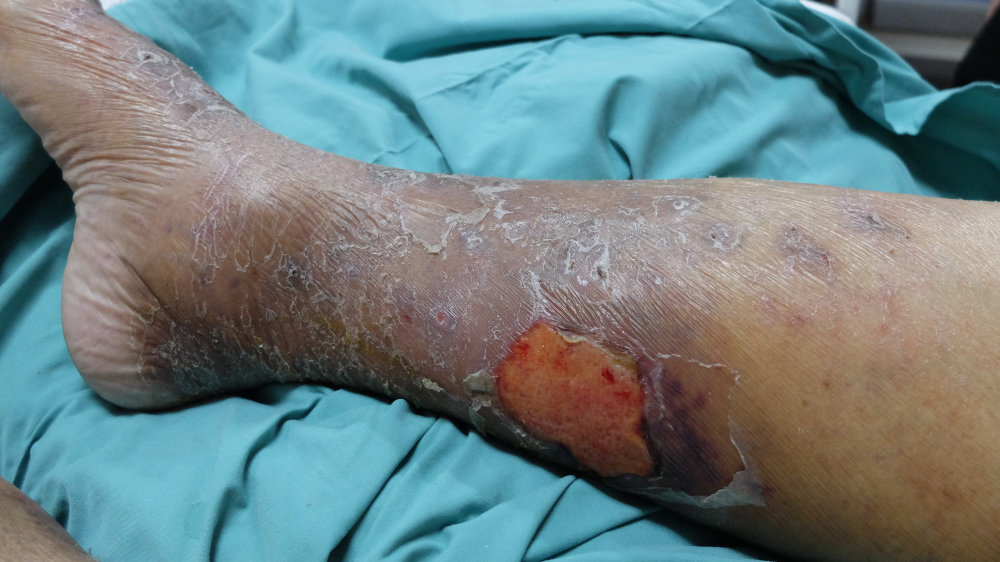
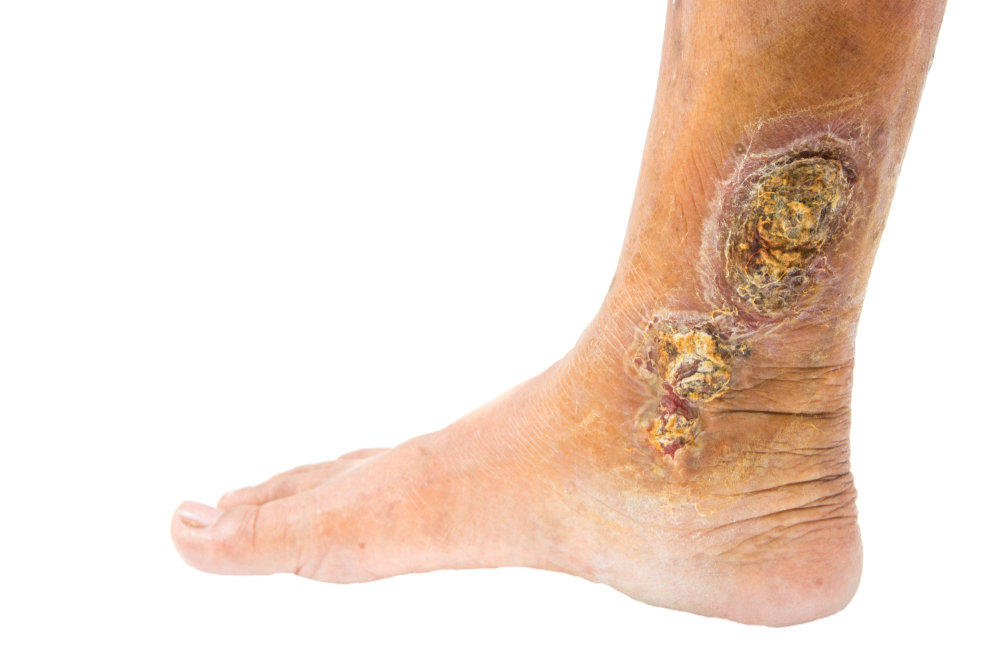
A venous leg ulcer is an open wound on the lower leg caused by chronic venous insufficiency - the same failure of vein valves that produces varicose veins, at a later and more serious stage.
Sustained high pressure in the leg veins damages the surrounding skin until it breaks down. Once it does, the same pressure prevents it healing.
This is a medical condition requiring proper assessment. It is not a cosmetic matter, and this page is not a substitute for being seen.
Acute and chronic
- Acute - follows the normal phases of healing and shows clear signs of healing within four weeks. Includes traumatic and post-operative wounds.
- Chronic - persists beyond four weeks. Often complex, and management takes time.
Up to 80% of leg ulcers are venous in origin. The rest are not - and establishing the cause matters, because ulcers can also be arterial, neuropathic (as in diabetes), infective, or, rarely, malignant. Treating an arterial ulcer with compression can cause serious harm. That is the central reason assessment comes before treatment.
How to recognise one
Venous ulcers typically sit below the knee, on the inner part of the lower leg above the ankle. Features include:
- Shallow, irregular edges
- Often relatively painless unless infected - though many people describe aching that eases when the leg is elevated
- Surrounding skin that is mottled brown or dark, dry, itchy or reddened
- Swelling of the lower leg
- Hardening or tightening of the skin in the lower leg
- Visible varicose veins
- Weeping or discharge
See a doctor promptly if an ulcer is increasing in pain, spreading redness, producing odour or pus, or if you become feverish - these suggest infection.
Assessment
Assessment at Me Clinic covers:
- Examination of the ulcer and the surrounding skin
- Duplex ultrasound to map venous reflux and identify which veins are responsible
- Assessment of arterial supply before any compression is applied
- Medical history - diabetes, previous clots, mobility, medications, smoking
- Swabs or biopsy where infection or an atypical cause is suspected
Vein care at Me Clinic is led by Dr Tim French (MED0001790529), a phlebologist with AHPRA specialist and general registration and over a decade of clinical experience in venous medicine, with hospital experience at the Royal Melbourne and Royal Adelaide Hospitals.
Where an ulcer is not venous, or needs multidisciplinary care - a high-risk foot clinic for a diabetic ulcer, a vascular surgeon for arterial disease - referral is the right answer, and we will say so.
Treatment
Compression therapy
The cornerstone of venous ulcer management. A graduated compression bandage or stocking applied from foot to below the knee counters the venous pressure, reduces swelling and allows healing.
Published evidence puts healing of chronic venous ulcers with compression therapy at roughly 40 to 70% within 12 weeks. That figure is worth stating plainly: this is effective treatment, and it is also slow, and a meaningful proportion of ulcers take longer.
Compression is applied only after arterial supply has been checked.
Treating the underlying reflux
Compression manages the pressure; it does not fix the failing valves causing it. Treating the refluxing veins - by ultrasound-guided sclerotherapy or endovenous laser treatment - addresses the cause, improves healing and substantially reduces the chance of the ulcer returning.
Wound care
Regular dressing changes, appropriate dressings for the wound stage, and management of infection where present.
The rest of it
- Walking - the calf muscle pump is the body's own mechanism for moving blood out of the leg
- Elevating the leg above heart level when resting
- Stopping smoking
- Managing diabetes and weight
- Nutrition adequate for wound healing
Preventing recurrence
Venous ulcers recur often - and recurrence, not initial healing, is the main long-term problem. What reduces it:
- Treating the underlying venous reflux rather than the ulcer alone
- Ongoing compression stockings, indefinitely in many cases
- Daily walking and leg elevation
- Protecting the legs from injury; well-fitting shoes and socks
- Moisturising the skin of the lower leg after bathing
- Varying your stance if you stand for long periods; moving the feet when seated
- Having any new skin breakdown looked at early rather than waiting
Risks
- Infection, including cellulitis
- Slow or failed healing
- Recurrence
- Skin damage from compression applied incorrectly, or where arterial supply is inadequate
- Contact dermatitis from dressings or products
- Pain
- Risks of vein procedures: bruising, staining, thrombophlebitis, deep vein thrombosis, nerve injury, allergic reaction
Cost and Medicare
As at September 2024 and including GST, a vein consultation is $230. Treatment cost depends on the ulcer, the underlying venous problem and the duration of care, and you are given a written quote after assessment.
Venous ulcer assessment and treatment are medical, so Medicare rebates may apply where clinically indicated. Me Clinic is not a no-gap provider, so an out-of-pocket cost will apply. If cost is a barrier, ulcer care is available through GPs, community nursing and public hospital services - we would rather you use those than leave an ulcer untreated.
Booking
Me Clinic, 4 Burke Road, Malvern East VIC 3145. Phone 1300 852 050 or (03) 9569 3511, or use the online consultation form.
Related: varicose veins, vein treatments, all skin conditions.
This page is general information and is not a diagnosis or a treatment plan. Any surgical or invasive procedure carries risks. Before proceeding you should seek a second opinion from an appropriately qualified health practitioner.
Images on This Page
-
https://www.meclinic.com.au/wp-content/uploads/2024/03/meclinic-logo.png
Me Clinic
-
https://www.meclinic.com.au/wp-content/uploads/2022/02/call.png
call
-
https://www.meclinic.com.au/wp-content/uploads/2022/03/chronic-venous-insufficiency.jpg
chronic-venous-insufficiency
-
https://www.meclinic.com.au/wp-content/uploads/2022/03/chronic-venous-leg-ulcer.jpg
chronic-venous-leg-ulcer
-
https://www.meclinic.com.au/wp-content/uploads/2024/02/acps.png
(no alt text)
-
https://www.meclinic.com.au/wp-content/uploads/2024/02/racs.png
(no alt text)
-
https://www.meclinic.com.au/wp-content/uploads/2024/02/fracs.png
(no alt text)
-
https://www.meclinic.com.au/wp-content/uploads/2024/02/isaps.png
(no alt text)
-
https://www.meclinic.com.au/wp-content/uploads/2024/02/cpca.png
(no alt text)
-
https://www.meclinic.com.au/wp-content/uploads/2022/02/auscop.png
(no alt text)
-
https://www.meclinic.com.au/wp-content/uploads/2022/02/amav.png
(no alt text)
-
https://www.meclinic.com.au/wp-content/uploads/2022/03/channel7.png
(no alt text)
-
https://www.meclinic.com.au/wp-content/uploads/2022/03/channel9.png
(no alt text)
-
https://www.meclinic.com.au/wp-content/uploads/2022/03/channel10.png
(no alt text)
-
https://www.meclinic.com.au/wp-content/uploads/2022/03/abc.png
(no alt text)
-
https://www.meclinic.com.au/wp-content/uploads/2022/02/malvern-map-thumb.jpg
(no alt text)
-
https://www.meclinic.com.au/wp-content/uploads/2022/03/home-conctact-tab.jpg
(no alt text)
-
https://bat.bing.com/action/0?ti=56339805&Ver=2&mid=b6960772-fd38-4529-91b2-43ad014706fb&bo=1&sid=1f51df70ac3311f1bef849012fa40c35&vid=1f51fb10ac3311f1a4f2cd7e6c15559a&vids=0&msclkid=N&pi=918639831&lg=en-US&sw=1280&sh=720&sc=24&tl=Venous%20Ulcers%20Treatment%20-%20A%20Comprehensive%20Guide&p=https%3A%2F%2Fwww.meclinic.com.au%2Fskin%2Fskin-conditions%2Fvenous-ulcers-treatment%2F&r=<=5157&evt=pageLoad&sv=2&cdb=AQAQ&rn=94649
(no alt text)