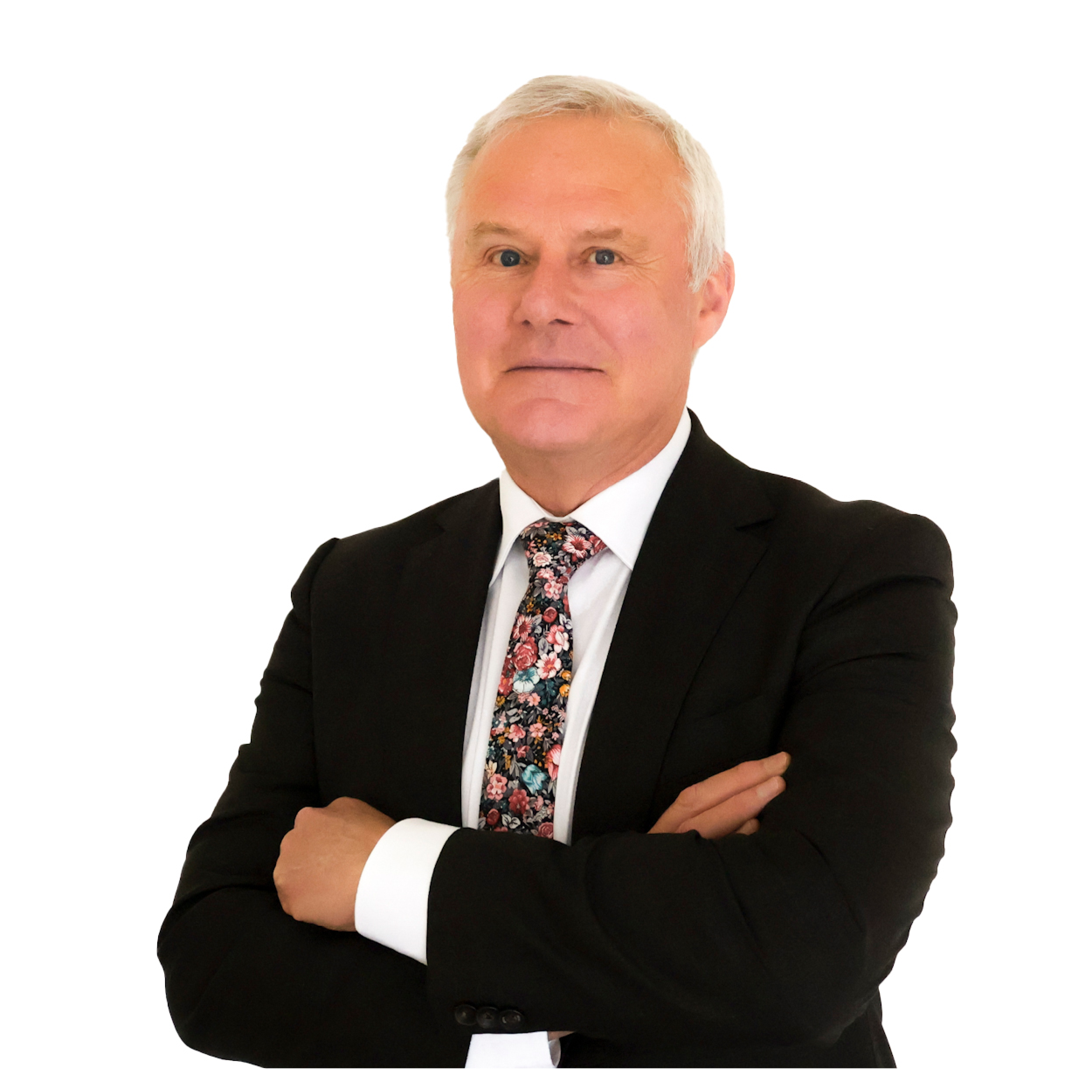
Semi Solomon
This page exists for Semi Solomon, a member of the Me Clinic team.
We are not publishing a role or qualifications here, because we do not hold verified current details for this page. Our practitioners and their AHPRA registration numbers are on meet the team; phone 1300 852 050 to ask who would look after you.
In its place, the single most useful thing to understand when comparing cosmetic clinics.
What "specialist" actually means
In Australia, specialist is a legal category, not a description. A doctor has specialist registration only after completing a training programme accredited by a recognised college and being awarded its fellowship. It appears on the AHPRA register as Specialist registration with the specialty and field named.
For cosmetic surgical procedures the relevant one is Specialist registration - Surgery - Plastic Surgery, which requires fellowship of the Royal Australasian College of Surgeons (FRACS). That is typically five or more years of supervised surgical training after general medical registration, with examinations.
There is no specialty of cosmetic surgery
This is the part that surprises most people. "Cosmetic surgery" is not an AHPRA-recognised specialty. No college fellowship confers specialist registration in it, because the category does not exist.
Since 1 July 2023, the title "cosmetic surgeon" has been restricted, and a medical practitioner must hold an approved endorsement to use it. A doctor without specialist surgical registration may still perform some cosmetic procedures - what they may not do is present themselves in a way that implies specialist surgical training they do not have.
Protected and unprotected titles
Protected - these mean something specific
- Specialist Plastic Surgeon (and "surgeon" generally)
- Medical practitioner, doctor (in a medical sense)
- Registered nurse, nurse practitioner
- Dermatologist, anaesthetist, and other recognised specialties
Not protected - anyone may use these
- Cosmetic physician, aesthetic physician, aesthetic doctor
- Phlebologist
- Dermal clinician, dermal therapist, aesthetician, skin specialist
- "Expert in", "leading", "pioneer of", "award-winning"
The unprotected ones are not necessarily dishonest - many describe genuine skill and training. They simply do not tell you what a protected title tells you, and they should not be read as if they did.
Letters after a name
Not all post-nominals are equivalent. FRACS is a specialist surgical fellowship. Some other fellowships are awarded by private colleges or academies after much shorter programmes. Both may appear as "F..." followed by capitals, and they look similar in a footer.
The reliable check is not the letters. It is the AHPRA register: if it does not say "Specialist registration", they do not hold one.
How to check, in a minute
Go to ahpra.gov.au, search the register by registration number, and read the entry. It shows registration type, specialty, qualifications, endorsements, and any conditions or reprimands. Every practitioner must give you their registration number if you ask.
What this does not tell you
Specialist registration tells you about training, not about a particular surgeon's experience with your procedure, their complication rate, or whether they will listen to you. Ask about those separately - see questions worth asking any clinic.
Me Clinic, 4 Burke Road, Malvern East VIC 3145. Phone 1300 852 050 or (03) 9569 3511.
Related: meet the team, choosing the right practitioner.
The titles you will actually encounter, and what each one means
The vocabulary in this industry is designed to be reassuring, and a good deal of it is unregulated. This is the practical key.
| Title | Protected? | What it actually tells you |
|---|---|---|
| Specialist Plastic Surgeon | Yes | Specialist registration in surgery, plastic surgery - requires FRACS. The highest-assurance title in this field. |
| Cosmetic Surgeon | Restricted since 1 July 2023 | Use is now controlled. Historically it was available to any registered medical practitioner, which is precisely why the restriction was introduced. |
| Cosmetic Doctor / Cosmetic Physician | No | A registered medical practitioner working in cosmetic medicine. Says nothing about surgical training. |
| Aesthetic nurse, cosmetic nurse, nurse injector | No | "Nurse" is protected; the qualifier is not. Registration as a nurse is checkable; the cosmetic qualifier is a description of what they do. |
| Dermal therapist / dermal clinician / aesthetician | No | Not AHPRA-registered professions at all. Training varies enormously and there is no register to check. |
The pattern is consistent: the protected part of a title is usually the plain part - surgeon, nurse, medical practitioner - and the reassuring adjective in front of it usually is not.
Letters after a name
Post-nominals are not regulated in the way titles are, and they range from rigorous to decorative.
- FRACS - Fellow of the Royal Australasian College of Surgeons. Required for specialist registration as a surgeon, and the one that underpins "Specialist Plastic Surgeon".
- MBBS, MD, BMed - primary medical degrees. Necessary for medical registration, and shared by every doctor regardless of field.
- Fellowships of other bodies - some represent substantial assessed training; others are membership of an interest group that a practitioner joined. The distinction is not visible from the acronym, so the question to ask is what was assessed, by whom, and over how long.
None of this means a practitioner without FRACS is unsafe or unqualified for what they do. It means the letters are not interchangeable, and that a title is a starting point for a question rather than an answer to one.
Common questions about specialist registration
Why does this page not list a role or qualifications?
Because we do not hold verified current details for it. Our practitioners and their AHPRA registration numbers are on the meet the team page; phone 1300 852 050 to ask who would look after you.
Is "specialist" just a description?
No. In Australia it is a legal category. A doctor has specialist registration only after completing a training programme accredited by a recognised college and being awarded its fellowship.
How does it appear on the register?
As "Specialist registration", with the specialty and field named.
Which registration matters for cosmetic surgery?
Specialist registration - Surgery - Plastic Surgery, which requires fellowship of the Royal Australasian College of Surgeons (FRACS).
How long is that training?
Typically five or more years of supervised surgical training after general medical registration, with examinations.
Is there a specialty of cosmetic surgery?
No. "Cosmetic surgery" is not an AHPRA-recognised specialty, and no college fellowship confers specialist registration in it, because the category does not exist.
What changed on 1 July 2023?
The title "cosmetic surgeon" became restricted - a medical practitioner must hold an approved endorsement to use it.
Can a doctor without specialist surgical registration do cosmetic procedures?
Some, yes. What they may not do is present themselves in a way that implies specialist surgical training they do not have.
Which titles are protected?
Specialist Plastic Surgeon and "surgeon" generally; medical practitioner and doctor in a medical sense; registered nurse and nurse practitioner; dermatologist, anaesthetist and other recognised specialties.
Which titles are not protected?
Cosmetic physician, aesthetic physician, aesthetic doctor, phlebologist, dermal clinician, dermal therapist, aesthetician and skin specialist - along with phrases like "expert in", "leading", "pioneer of" and "award-winning".
Does an unprotected title mean someone is dishonest?
Not necessarily - many describe genuine skill and training. They simply do not tell you what a protected title tells you, and should not be read as if they did.
Are all the letters after a name equivalent?
No. FRACS is a specialist surgical fellowship; some other fellowships are awarded by private colleges or academies after much shorter programmes, and both look similar in a footer.
So what is the reliable check?
Not the letters - the AHPRA register. If it does not say "Specialist registration", they do not hold one.
How do I check?
Go to ahpra.gov.au, search the register by registration number, and read the entry.
What does the entry show?
Registration type, specialty, qualifications, endorsements, and any conditions or reprimands.
Do I have a right to the registration number?
Yes. Every practitioner must give you their registration number if you ask.
What does specialist registration not tell me?
A particular surgeon's experience with your procedure, their complication rate, or whether they will listen to you. Ask about those separately.
Individual results may vary. Any surgical or invasive procedure carries risks. Before proceeding you should seek a second opinion from an appropriately qualified health practitioner.
Images on This Page
-
https://www.meclinic.com.au/wp-content/uploads/2024/03/meclinic-logo.png
Me Clinic
-
https://www.meclinic.com.au/wp-content/uploads/2022/02/call.png
call
-
https://www.meclinic.com.au/wp-content/uploads/2025/11/dr-kode-photo.png
(no alt text)
-
https://www.meclinic.com.au/wp-content/uploads/2025/11/dr-amir-photo.png
(no alt text)
-
https://www.meclinic.com.au/wp-content/uploads/2024/03/Dr.-Mark-Doyle.png
(no alt text)
-
https://www.meclinic.com.au/wp-content/uploads/2025/11/gordon-photo.png
(no alt text)
-
https://www.meclinic.com.au/wp-content/uploads/2025/11/dr-luis-photo.png
(no alt text)
-
https://www.meclinic.com.au/wp-content/uploads/2025/11/dr-tim-photo.png
(no alt text)
-
https://www.meclinic.com.au/wp-content/uploads/2025/11/daniel-photo.png
(no alt text)
-
https://www.meclinic.com.au/wp-content/uploads/2025/11/michele-photo.png
(no alt text)
-
https://www.meclinic.com.au/wp-content/uploads/2022/02/malvern-map-thumb.jpg
(no alt text)
-
https://www.meclinic.com.au/wp-content/uploads/2024/02/acps.png
Australian Society Of Plastic Surgeons
-
https://www.meclinic.com.au/wp-content/uploads/2024/02/racs.png
Royal Australian College Of Surgeons
-
https://www.meclinic.com.au/wp-content/uploads/2024/02/fracs.png
fracs
-
https://www.meclinic.com.au/wp-content/uploads/2024/02/isaps.png
isaps
-
https://www.meclinic.com.au/wp-content/uploads/2024/02/cpca.png
(no alt text)
-
https://www.meclinic.com.au/wp-content/uploads/2022/02/auscop.png
College
-
https://www.meclinic.com.au/wp-content/uploads/2022/02/amav.png
AMA
-
https://www.meclinic.com.au/wp-content/uploads/2022/03/home-conctact-tab.jpg
(no alt text)
-
https://bat.bing.com/action/0?ti=56339805&Ver=2&mid=bfd9b335-e8da-4d8d-bb6e-54315014b944&bo=1&sid=05bb42a0ac3311f18679430ebad91930&vid=05bb7630ac3311f19a64c5abb17b62d7&vids=0&msclkid=N&pi=918639831&lg=en-US&sw=1280&sh=720&sc=24&tl=Meet%20Our%20Expert%20Team%20-%20Plastic%20Surgeons,%20Doctors%20%26%20Support%20Staff&p=https%3A%2F%2Fwww.meclinic.com.au%2Fmeet-the-team%2F&r=<=3490&evt=pageLoad&sv=2&cdb=AQAQ&rn=837146
(no alt text)