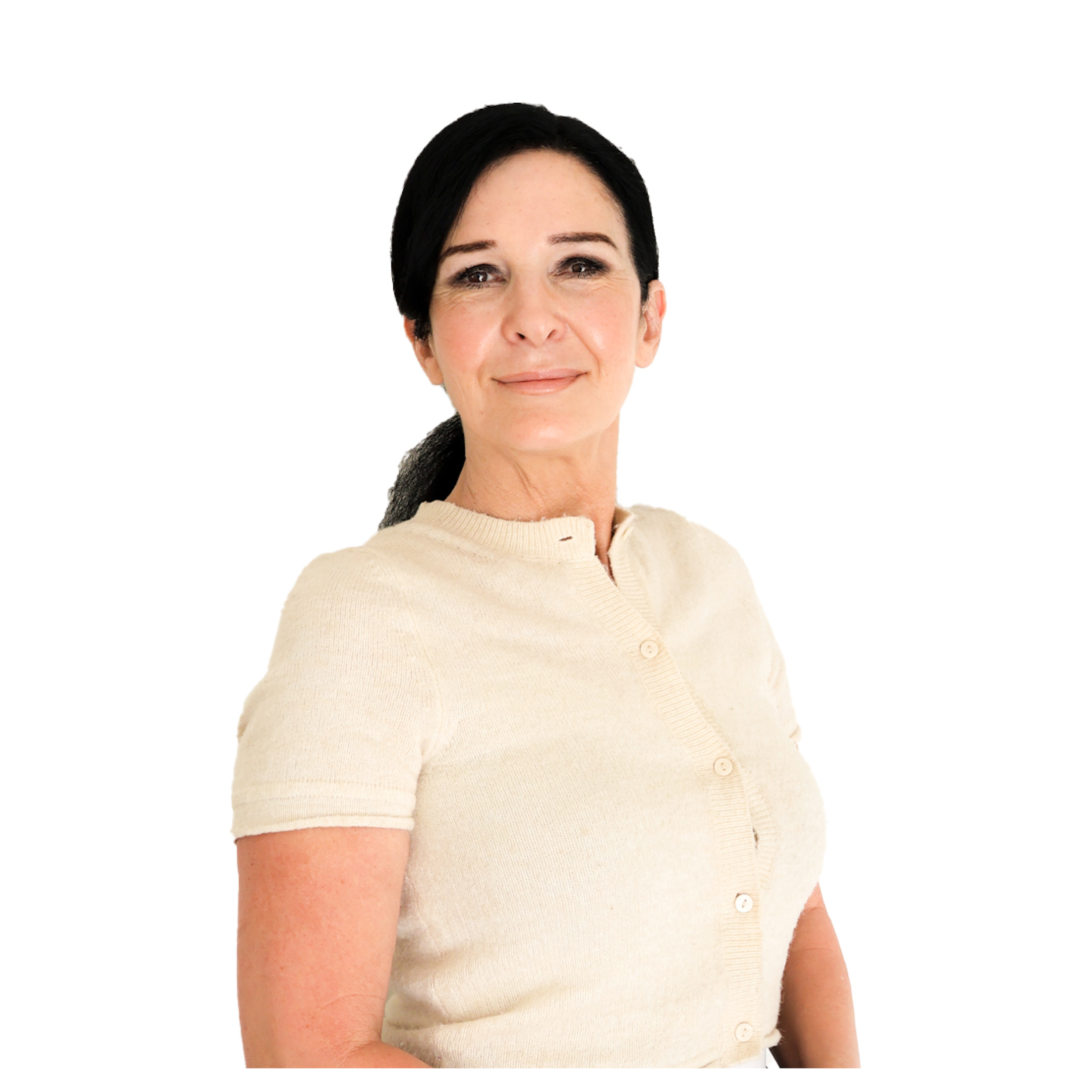
Michelle Casey
Paramedical Aesthetician
More than 18 years' experience; over 25,000 skin treatments
Background
Michelle has a long background in skincare and has worked for over 12 years as a paramedical aesthetician alongside dermatologists and plastic surgeons, treating a wide range of skin conditions. She works with IPL for skin rejuvenation and hair removal, Fraxel laser, photodynamic therapy, skin needling, peels and laser hair removal.
She takes a long-view approach to skin - diet, sun protection, and a consistent home routine alongside in-clinic treatment - rather than treating results as something a single appointment delivers. She attends conferences regularly to keep up with technique.
A note on the figures: our team listing and Michelle's own profile quote different lengths of experience. Where two numbers on this site disagree, take the lower one.
What a paramedical aesthetician is - and is not
This is worth being clear about, because the title sounds medical and is not a registered health profession.
- "Paramedical aesthetician" is not a protected title and is not registered with AHPRA. There is no registration number to check, and there is no national qualification standard behind the name.
- An aesthetician does not diagnose. They cannot tell you whether a mole is safe, whether a lesion is a skin cancer, or what a rash is.
- They do not prescribe. Prescription-strength treatments require a medical practitioner.
What they do bring is substantial practical skill with devices, peels and skin regimes, and an eye for what a particular skin will tolerate.
If anything on your skin is changing, see a doctor - not a skin therapist. we do not have a dermatologist on staff; where specialist dermatological assessment is needed, we refer you on, and your GP can refer you directly. See moles and skin tags.
Treatments Michelle performs
- Skin rejuvenation - IPL, Fraxel and other resurfacing
- Skin conditions - pigmentation, texture, congestion
- Skin needling
- Chemical peels
- Laser hair removal
- Photodynamic therapy
- Cosmeceutical skincare advice
What is realistic from skin treatment
Skin treatments reduce rather than erase. Pigmentation, texture, scarring and fine lines improve over a course of sessions; they do not vanish, and they return without maintenance and sun protection. Darker skin types carry a higher risk of post-inflammatory pigmentation with some devices, so skin typing and sometimes a test patch come first.
The single most effective thing for skin over years is daily sun protection. That is not a sales pitch - it is just true, and it is cheap.
What she will not do
- She will not tell you whether a spot is safe. That is a diagnosis, and it needs a doctor.
- She will not treat over a lesion that has not been assessed.
- She will not promise a result. Skin varies, and so does how it responds.
- She will defer or decline treatment where your skin type, recent sun exposure, a medication, pregnancy or an active skin infection makes it unsafe or unwise.
How a course of treatment runs
- Skin assessment - including your skin type, which determines both the device and the risk.
- A treatment plan and written quote, covering the course rather than one appointment.
- A test patch where the device and your skin type make it appropriate.
- The course - several sessions spaced weeks apart, with the result building across them.
- A home routine running alongside, because in-clinic work without it gives up much of the benefit.
- Maintenance, which is ongoing rather than a finish line.
Bring a list of everything you use on your skin and everything you take, including recent isotretinoin, and mention any recent sun exposure or planned holiday.
What you should leave with
- A written treatment plan covering the whole course, and a written quote for it
- A record of the device and settings used on you
- Written aftercare instructions, including sun protection
- A realistic statement of what improvement to expect, and by when
- What the maintenance looks like once the course is finished
Aftercare: what is expected and what is not
Redness, warmth, mild swelling and flaking are usual after resurfacing and peels, and settle. How long depends heavily on the device and depth used, so ask for your specific treatment rather than assuming.
Sun exposure before and after matters more than most people expect. Treated skin burns easily and pigments unpredictably; daily high-SPF sunscreen is part of the treatment, not an optional extra.
Contact us promptly for blistering, skin that turns pale or dusky, increasing pain, spreading redness, or any sign of infection.
Pigment changes can appear after the fact rather than on the day, and are more likely in darker skin types. New or worsening pigmentation weeks after a session is worth a call.
The cost over time
Skin assessment $50; dermal skin treatments from $130, including GST, as at September 2024. A treatment plan and written quote follow assessment. See skin treatments.
Because results build over a course and then need maintenance, the meaningful figure is annual rather than per session. Ask what the initial course costs in total, and what holding the result costs each year after that. A cheap session in a plan you cannot sustain is not cheap.
Booking
Skin assessment $50; dermal skin treatments from $130, including GST, as at September 2024. A treatment plan and written quote follow assessment.
Me Clinic, 4 Burke Road, Malvern East VIC 3145. Phone 1300 852 050 or (03) 9569 3511, or use the consultation form.
Related: skin treatments, meet the team.
Common questions
What is Michelle's background?
A long background in skincare, and over 12 years as a paramedical aesthetician working alongside dermatologists and plastic surgeons, treating a wide range of skin conditions.
Which devices does she work with?
IPL for skin rejuvenation and hair removal, Fraxel laser, photodynamic therapy, skin needling, peels and laser hair removal.
Why do the experience figures differ?
Our team listing and Michelle's own profile quote different lengths of experience. Where two numbers on this site disagree, take the lower one.
What is her approach to skin?
A long view - diet, sun protection and a consistent home routine alongside in-clinic treatment - rather than treating results as something a single appointment delivers.
Is "paramedical aesthetician" a registered health profession?
No. The title sounds medical but it is not protected and is not registered with AHPRA. There is no registration number to check, and no national qualification standard behind the name.
Can an aesthetician tell me whether a mole is safe?
No. An aesthetician does not diagnose - they cannot tell you whether a mole is safe, whether a lesion is a skin cancer, or what a rash is.
Can they prescribe?
No. Prescription-strength treatments require a medical practitioner.
So what do they bring?
Substantial practical skill with devices, peels and skin regimes, and an eye for what a particular skin will tolerate.
What if something on my skin is changing?
See a doctor - not a skin therapist.
Is there a dermatologist at Me Clinic?
No. Where specialist dermatological assessment is needed we refer you on, and your GP can refer you directly.
What will she not do?
Tell you whether a spot is safe, treat over an unassessed lesion, or promise a result. She will also defer or decline where your skin type, recent sun exposure, a medication, pregnancy or an active skin infection makes treatment unsafe.
What treatments does Michelle perform?
Skin rejuvenation with IPL, Fraxel and other resurfacing; skin conditions including pigmentation, texture and congestion; skin needling; chemical peels; laser hair removal; photodynamic therapy; and cosmeceutical skincare advice.
Will treatment clear the problem completely?
No. Skin treatments reduce rather than erase. Pigmentation, texture, scarring and fine lines improve over a course of sessions but do not vanish.
Do results last?
They return without maintenance and sun protection.
Does my skin type change the risk?
Yes. Darker skin types carry a higher risk of post-inflammatory pigmentation with some devices, so skin typing and sometimes a test patch come first.
What happens at a first appointment?
A skin assessment including your skin type, a treatment plan and written quote covering the course, and a test patch where the device and your skin type make it appropriate.
What should I bring?
A list of everything you use on your skin and everything you take, including recent isotretinoin, and mention recent sun exposure or a planned holiday.
What should I leave with?
A written treatment plan for the whole course and a quote for it, a record of the device and settings used, written aftercare including sun protection, a realistic statement of what improvement to expect and by when, and what maintenance looks like afterwards.
What is normal after a treatment?
Redness, warmth, mild swelling and flaking after resurfacing and peels, settling over time. How long depends heavily on the device and depth, so ask about your specific treatment.
When should I contact us?
Promptly, for blistering, skin that turns pale or dusky, increasing pain, spreading redness, or any sign of infection.
Can pigment problems appear later?
Yes, and they are more likely in darker skin types. New or worsening pigmentation weeks after a session is worth a call.
What is the single most effective thing for skin?
Daily sun protection, over years. That is not a sales pitch - it is just true, and it is cheap.
What does an assessment cost?
Skin assessment $50; dermal skin treatments from $130, including GST, as at September 2024.
How should I compare the cost?
Annually. Ask what the initial course costs in total and what holding the result costs each year after that.
Do I get a plan in writing?
Yes. A treatment plan and written quote follow assessment.
How do I book?
Phone 1300 852 050 or (03) 9569 3511, or use the consultation form. Me Clinic, 4 Burke Road, Malvern East VIC 3145.
Individual results may vary. Any surgical or invasive procedure carries risks. Before proceeding you should seek a second opinion from an appropriately qualified health practitioner.
Images on This Page
-
https://www.meclinic.com.au/wp-content/uploads/2024/03/meclinic-logo.png
Me Clinic
-
https://www.meclinic.com.au/wp-content/uploads/2022/02/call.png
call
-
https://www.meclinic.com.au/wp-content/uploads/2025/11/michele-photo.png
(no alt text)
-
https://www.meclinic.com.au/wp-content/uploads/2022/02/malvern-map-thumb.jpg
(no alt text)
-
https://www.meclinic.com.au/wp-content/uploads/2024/02/acps.png
Australian Society Of Plastic Surgeons
-
https://www.meclinic.com.au/wp-content/uploads/2024/02/racs.png
Royal Australian College Of Surgeons
-
https://www.meclinic.com.au/wp-content/uploads/2024/02/fracs.png
fracs
-
https://www.meclinic.com.au/wp-content/uploads/2024/02/isaps.png
isaps
-
https://www.meclinic.com.au/wp-content/uploads/2024/02/cpca.png
(no alt text)
-
https://www.meclinic.com.au/wp-content/uploads/2022/02/auscop.png
College
-
https://www.meclinic.com.au/wp-content/uploads/2022/02/amav.png
AMA
-
https://www.meclinic.com.au/wp-content/uploads/2022/03/home-conctact-tab.jpg
(no alt text)
-
https://bat.bing.com/action/0?ti=56339805&Ver=2&mid=e8927151-91b1-438a-be52-39063bc3dd47&bo=1&sid=84ea4bf0ac3211f1a15d95536411a88c&vid=84ea7d70ac3211f1bbae537daf061e1d&vids=1&msclkid=N&pi=918639831&lg=en-US&sw=1280&sh=720&sc=24&tl=Meet%20Michelle%20Casey%20-%20Expert%20Member%20of%20Me%20Clinic%20Team&p=https%3A%2F%2Fwww.meclinic.com.au%2Fmeet-the-team%2Fmichelle-casey%2F&r=<=5749&evt=pageLoad&sv=2&cdb=AQAA&rn=219148
(no alt text)