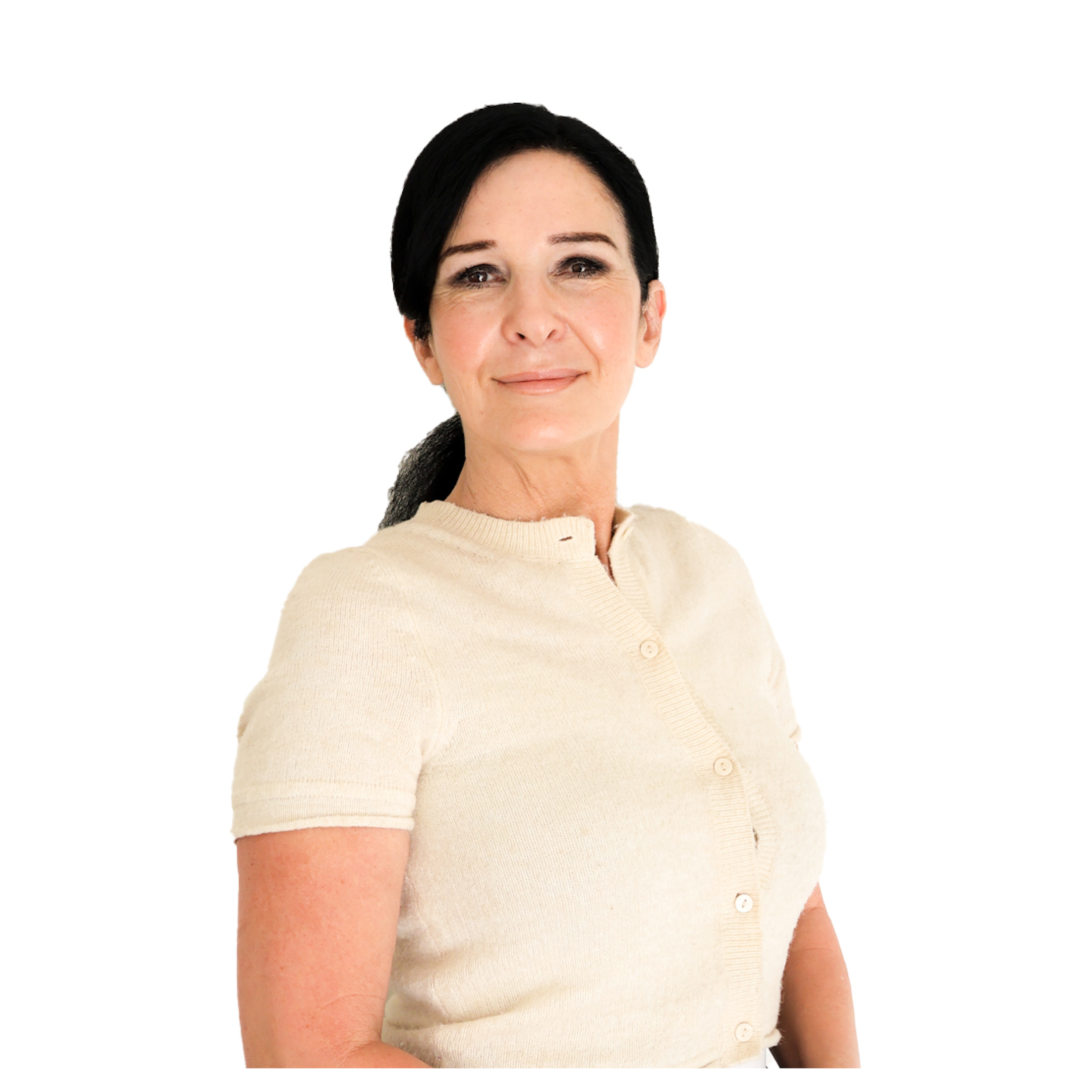
Jennifer Luzares
This page exists for Jennifer Luzares, a member of the Me Clinic team.
We are not publishing a role or qualifications here, because we do not hold verified current details for this page. Our practitioners and their AHPRA registration numbers are on meet the team; phone 1300 852 050 to ask who would look after you.
Instead, something patients are rarely told and almost never ask about: who is actually in the room.
Who is present during a procedure
The operating practitioner
The person who performs your procedure. Ask, before you consent, whether they will perform the whole procedure themselves and what parts, if any, anyone else does. You are entitled to a direct answer.
The anaesthetist
For anything under general anaesthetic or sedation, a separate specialist anaesthetist manages your anaesthetic, airway and vital signs throughout, and your recovery immediately afterwards. They bill separately - ask for their estimate as well as the surgeon's.
You can ask to speak to them beforehand. Tell them about previous anaesthetic reactions, sleep apnoea, reflux, loose teeth, and every medication and supplement you take.
The surgical assistant
A second practitioner assisting for many procedures - retracting, controlling bleeding, helping with closure. Also usually billed separately.
Scrub and scout nurses
The scrub nurse handles sterile instruments and works directly with the surgeon. The scout nurse works outside the sterile field, fetching equipment, documenting, and counting instruments and swabs in and out - the count is why things are not left behind.
Recovery nursing staff
Monitor you as you wake, manage pain and nausea, and check that you are safe to go home.
What you should know before the day
- Where the procedure takes place - a hospital, a licensed day-procedure centre, or a clinic treatment room - and whether that facility is accredited
- What anaesthetic is planned, and who administers it
- What happens if something goes wrong during the procedure, and where you would be transferred
- Where you go overnight if you need to be admitted
- Who to call after hours, and whether a person answers
The setting matters. A procedure under general anaesthetic belongs in a facility equipped to manage an emergency, with staff trained for one.
Consent is a conversation, not a form
You should have already discussed the procedure, the realistic range of results, the alternatives including doing nothing, and the specific risks for you - at a consultation, not on the day. A consent form pushed in front of you as you are changing is not informed consent.
You can withdraw consent at any point up to the moment the procedure begins, including in the waiting room. See deciding not to proceed.
On the day
- Follow the fasting instructions exactly - an anaesthetic can be cancelled over a cup of coffee
- Bring your medication list, and take only what you were told to take
- No jewellery, no nail polish on the fingers used for monitoring, no makeup
- An adult must drive you home and stay the first night
- Arrange the whole day off, and the next
Contact
Me Clinic, 4 Burke Road, Malvern East VIC 3145. Phone 1300 852 050 or (03) 9569 3511.
Related: what recovery involves, risks and complications, questions worth asking.
Students, observers and anyone additional
Teaching happens in clinical settings, and there is nothing wrong with it. What matters is that it is disclosed and that you get a free choice.
- You should be told in advance if a student, observer or representative will be present, and by whom and why.
- You may decline, and it must not affect your care. Declining is common and should be met with no reaction at all.
- Company or device representatives are sometimes present for particular implants or equipment. If that is proposed, you are entitled to know who they work for and what role they will play.
- Anaesthetised patients cannot consent in the moment, which is exactly why consent for who is present must be settled beforehand rather than assumed.
Consent is a conversation that continues
The form is the record of the decision, not the decision itself. Several practical points follow.
- You should not be asked to sign at your first consultation. That is a requirement, not a courtesy.
- Consent must be obtained by the practitioner who will perform the surgery, not delegated to an assistant or a coordinator.
- It must be obtained at a consultation at least seven days before the day of surgery, and reconfirmed on the day.
- You are entitled to a copy of what you signed. If you were not given one, ask.
- You can change your mind at any point, including after signing, after paying a deposit, and on the day itself. A decision already made is not a debt owed.
If a consent discussion feels like a form being processed rather than a conversation being had, saying so is reasonable, and asking for the discussion to happen properly is not an imposition.
Common questions about who is in the room
Why does this page not list a role or qualifications?
Because we do not hold verified current details for it. Our practitioners and their AHPRA registration numbers are on the meet the team page, and you can phone 1300 852 050 to ask who would look after you.
Will my surgeon do the whole procedure?
Ask before you consent whether they will perform the whole procedure themselves, and what parts, if any, anyone else does. You are entitled to a direct answer.
Who manages the anaesthetic?
For anything under general anaesthetic or sedation, a separate specialist anaesthetist manages your anaesthetic, airway and vital signs throughout, and your recovery immediately afterwards.
Does the anaesthetist bill separately?
Yes. Ask for their estimate as well as the surgeon's.
Can I speak to the anaesthetist before the day?
Yes, you can ask to. Tell them about previous anaesthetic reactions, sleep apnoea, reflux, loose teeth, and every medication and supplement you take.
What does the surgical assistant do?
Assists for many procedures - retracting, controlling bleeding, helping with closure. Usually billed separately as well.
What is the difference between a scrub and a scout nurse?
The scrub nurse handles sterile instruments and works directly with the surgeon. The scout nurse works outside the sterile field, fetching equipment, documenting, and counting instruments and swabs in and out.
Why does the instrument count matter?
The count is why things are not left behind.
Who looks after me when I wake up?
Recovery nursing staff, who monitor you as you wake, manage pain and nausea, and check that you are safe to go home.
What should I establish about the venue?
Where the procedure takes place - a hospital, a licensed day-procedure centre, or a clinic treatment room - and whether that facility is accredited.
Does the setting matter?
Yes. A procedure under general anaesthetic belongs in a facility equipped to manage an emergency, with staff trained for one.
What else should I ask before the day?
What anaesthetic is planned and who administers it, what happens if something goes wrong during the procedure and where you would be transferred, where you go overnight if you need to be admitted, and who to call after hours - and whether a person answers.
When should consent be discussed?
At a consultation, not on the day. A consent form pushed in front of you as you are changing is not informed consent.
What should that discussion cover?
The procedure, the realistic range of results, the alternatives including doing nothing, and the specific risks for you.
Can I change my mind?
Yes. You can withdraw consent at any point up to the moment the procedure begins, including in the waiting room.
How strict is the fasting instruction?
Follow it exactly - an anaesthetic can be cancelled over a cup of coffee.
What do I bring, and what do I leave off?
Bring your medication list, and take only what you were told to take. No jewellery, no nail polish on the fingers used for monitoring, and no makeup.
Can I get myself home?
No. An adult must drive you home and stay the first night.
How much time should I book off?
The whole day, and the next.
Individual results may vary. Any surgical or invasive procedure carries risks. Before proceeding you should seek a second opinion from an appropriately qualified health practitioner.
Images on This Page
-
https://www.meclinic.com.au/wp-content/uploads/2024/03/meclinic-logo.png
Me Clinic
-
https://www.meclinic.com.au/wp-content/uploads/2022/02/call.png
call
-
https://www.meclinic.com.au/wp-content/uploads/2025/11/dr-kode-photo.png
(no alt text)
-
https://www.meclinic.com.au/wp-content/uploads/2025/11/dr-amir-photo.png
(no alt text)
-
https://www.meclinic.com.au/wp-content/uploads/2024/03/Dr.-Mark-Doyle.png
(no alt text)
-
https://www.meclinic.com.au/wp-content/uploads/2025/11/gordon-photo.png
(no alt text)
-
https://www.meclinic.com.au/wp-content/uploads/2025/11/dr-luis-photo.png
(no alt text)
-
https://www.meclinic.com.au/wp-content/uploads/2025/11/dr-tim-photo.png
(no alt text)
-
https://www.meclinic.com.au/wp-content/uploads/2025/11/daniel-photo.png
(no alt text)
-
https://www.meclinic.com.au/wp-content/uploads/2025/11/michele-photo.png
(no alt text)
-
https://www.meclinic.com.au/wp-content/uploads/2022/02/malvern-map-thumb.jpg
(no alt text)
-
https://www.meclinic.com.au/wp-content/uploads/2024/02/acps.png
Australian Society Of Plastic Surgeons
-
https://www.meclinic.com.au/wp-content/uploads/2024/02/racs.png
Royal Australian College Of Surgeons
-
https://www.meclinic.com.au/wp-content/uploads/2024/02/fracs.png
fracs
-
https://www.meclinic.com.au/wp-content/uploads/2024/02/isaps.png
isaps
-
https://www.meclinic.com.au/wp-content/uploads/2024/02/cpca.png
(no alt text)
-
https://www.meclinic.com.au/wp-content/uploads/2022/02/auscop.png
College
-
https://www.meclinic.com.au/wp-content/uploads/2022/02/amav.png
AMA
-
https://www.meclinic.com.au/wp-content/uploads/2022/03/home-conctact-tab.jpg
(no alt text)
-
https://bat.bing.com/action/0?ti=56339805&Ver=2&mid=d06a06ff-8660-473c-8a5a-86c786b2361d&bo=1&sid=918f5cc0ac3811f1b4961ba833dd3e07&vid=918f76a0ac3811f1a925df772e6e022a&vids=1&msclkid=N&pi=918639831&lg=en-US&sw=1280&sh=720&sc=24&tl=Meet%20Our%20Expert%20Team%20-%20Plastic%20Surgeons,%20Doctors%20%26%20Support%20Staff&p=https%3A%2F%2Fwww.meclinic.com.au%2Fmeet-the-team%2F&r=<=3637&evt=pageLoad&sv=2&cdb=AQAQ&rn=541463
(no alt text)