Meet the team
Below is every practitioner who treats patients at Me Clinic, with the registration title they actually hold and their AHPRA registration number. Every number can be checked in about a minute at ahpra.gov.au — it will show you their qualifications, endorsements, and any conditions or reprimands on their registration.
We list the numbers because you are entitled to them, and because titles in this industry are easy to misread.
What the titles mean
- Specialist Plastic Surgeon — a medical practitioner with specialist registration in surgery (plastic surgery), which requires fellowship of the Royal Australasian College of Surgeons (FRACS). This is the most highly trained surgical qualification for these procedures.
- Cosmetic Doctor — a registered medical practitioner working in cosmetic medicine. There is no AHPRA specialty called “cosmetic surgery”, and the title “cosmetic surgeon” has been restricted since 1 July 2023. College fellowships in cosmetic medicine are real qualifications but they are not specialist registration.
- Doctor practising in phlebology — venous medicine. Phlebology is not an AHPRA-recognised specialty; practitioners come to it from another field with additional certification.
- Aesthetic Nurse — a registered nurse with additional training in aesthetic treatments, registered with the Nursing and Midwifery Board.
- Aesthetician — a skin therapist. Not a registered health profession in Australia, so there is no AHPRA number to check and no protected title. The work is non-medical and sits within a medical practice.
Who you would see, for what
A useful thing to know before booking, because the fee, the waiting time and the conversation all differ.
| What you are considering | Who you would see first | Consultation |
|---|---|---|
| Any surgical procedure — breast, tummy, lift, eyelid, nose | Specialist Plastic Surgeon | $350 |
| Injectables, threads, non-surgical skin treatment | Cosmetic Doctor | $150 |
| Varicose or spider veins, leg aching or swelling | Doctor practising in phlebology | $230 |
| A mole, lesion or anything you want checked | Doctor — mole removal consultation | $150 |
| Skin quality, pigmentation, texture, a treatment plan | Skin assessment | $50 |
| You genuinely do not know which | Say so when you call — the reception team will route you | — |
Fees as at September 2024, including GST. If you book the wrong one it is not a disaster — you will be told, and redirected.
Specialist Plastic Surgeons
Dr Gary Kode
Specialist Plastic Surgeon, FRACS. MED0001405964. More than 30 years in practice; over 25,000 procedures.
Dr Amir Tadros
Specialist Plastic Surgeon. MED0002302612. 18 years in practice; over 10,000 surgeries. See Dr Amir Tadros.
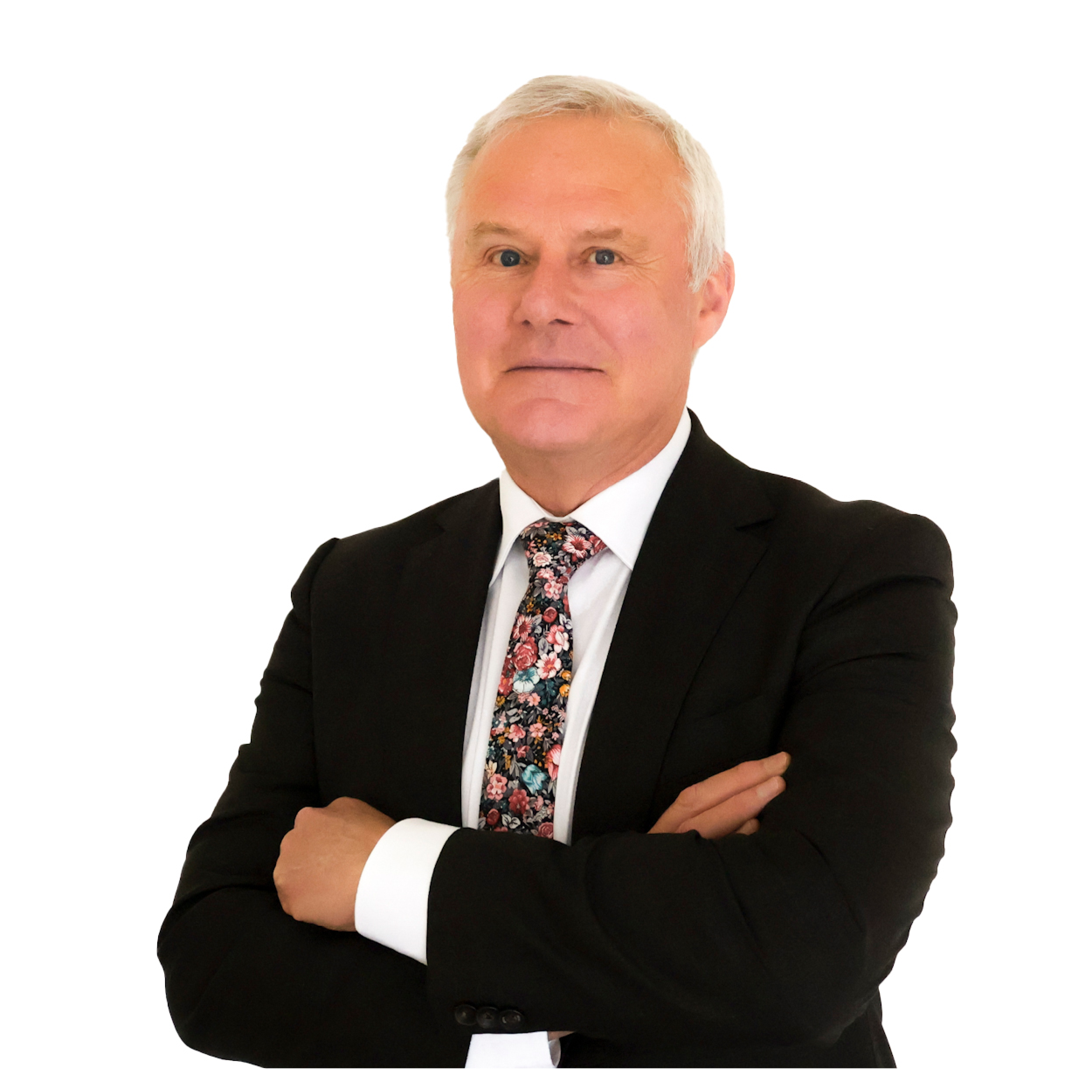
Dr Mark Doyle
Specialist Plastic Surgeon. MED0001375519. More than 30 years in practice. Director of Medicine. See Dr Mark Doyle.
Cosmetic Doctors
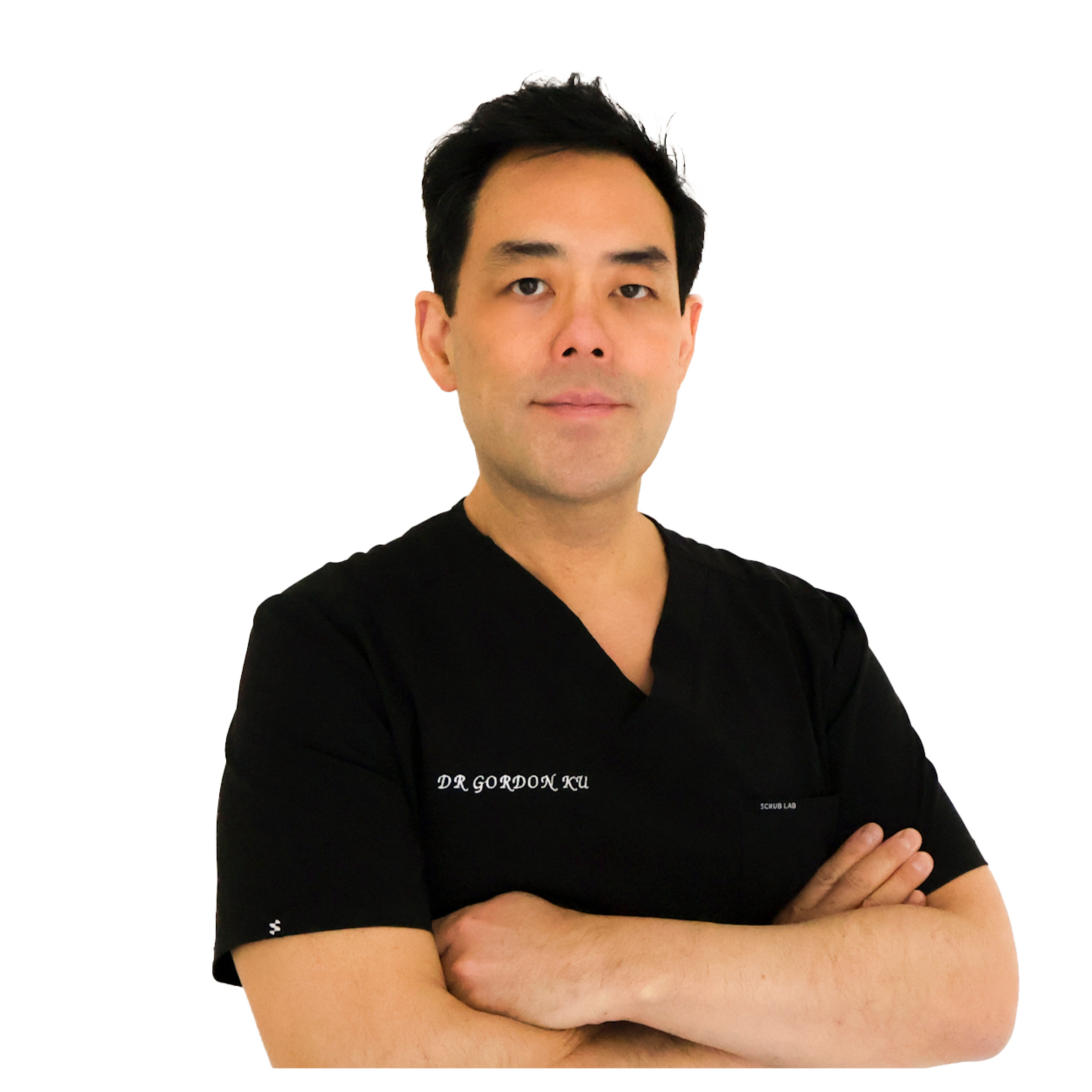
Dr Gordon Ku
Cosmetic Doctor. MED0001169203. MBBS (Melb), FACCSM (Med), FCPCA, FA4M (Dubai). Works in non-surgical thread lifts and injectable treatments, and teaches in the field. See Dr Gordon Ku.
Dr Luis Torres Villacorta
Cosmetic Doctor. MED0002049692. At Me Clinic since 2014. Fellowship with the Australasian College of Cosmetic Surgery and Medicine. Works in laser skin rejuvenation and injectable treatments. See Dr Luis Torres Villacorta.
Dr Kwok Hao Lie
Cosmetic Doctor. MED0001843582. See Dr Kwok Hao Lie.
Venous medicine
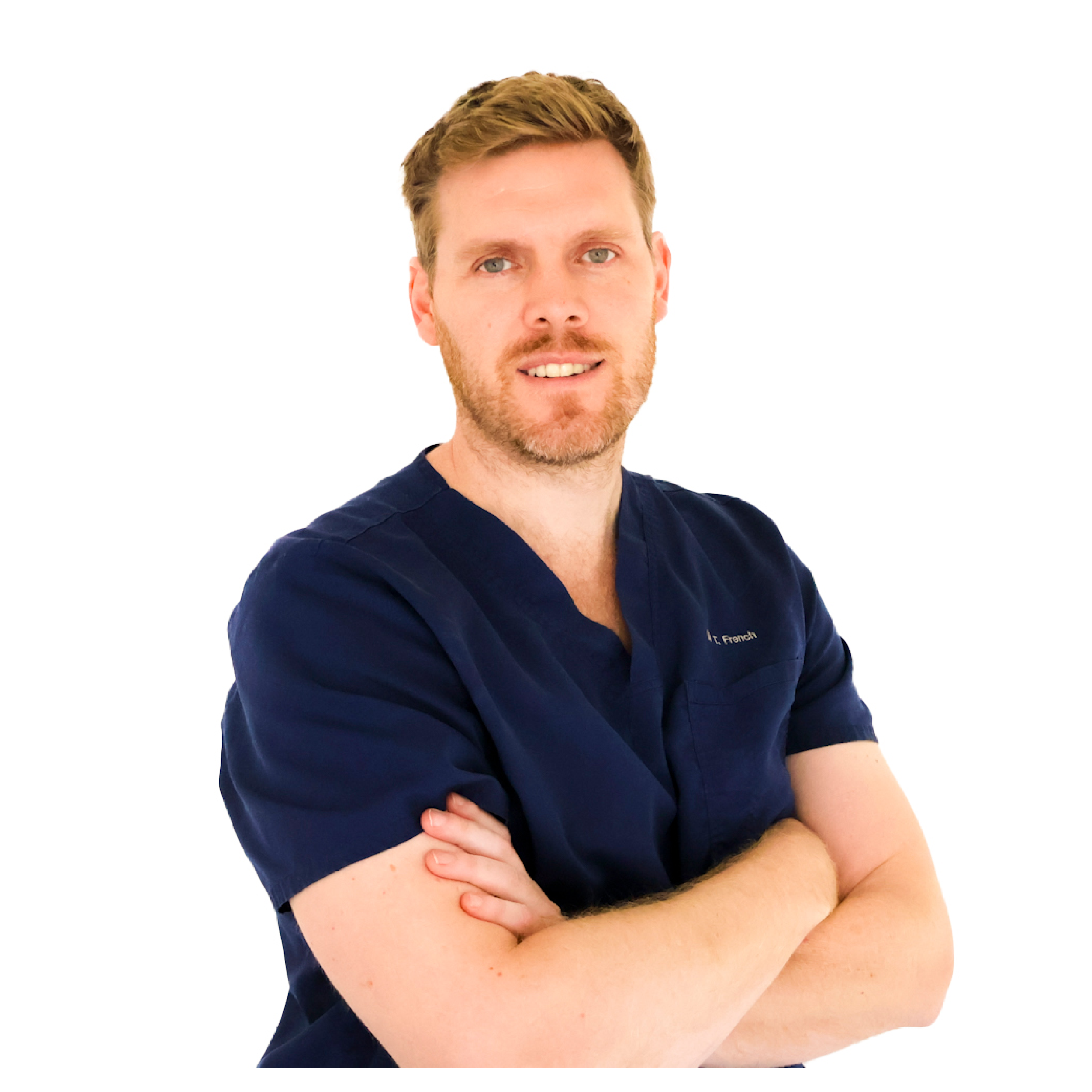
Dr Tim French
Practises in phlebology. MED0001790529. MBBS, FRACGP, Dip Surg Anat, Cert Phleb, Cert US Phleb. Over a decade of clinical experience; more than 5,000 vein procedures. Also works in skin cancer medicine and mole removal. See Dr Tim French.
Nursing and skin
Daniel Silpaps
Aesthetic Nurse. NMW0001993382. BHlthSci, Dip Nurse. Over 20 years in medical aesthetics. See Daniel Silpaps.
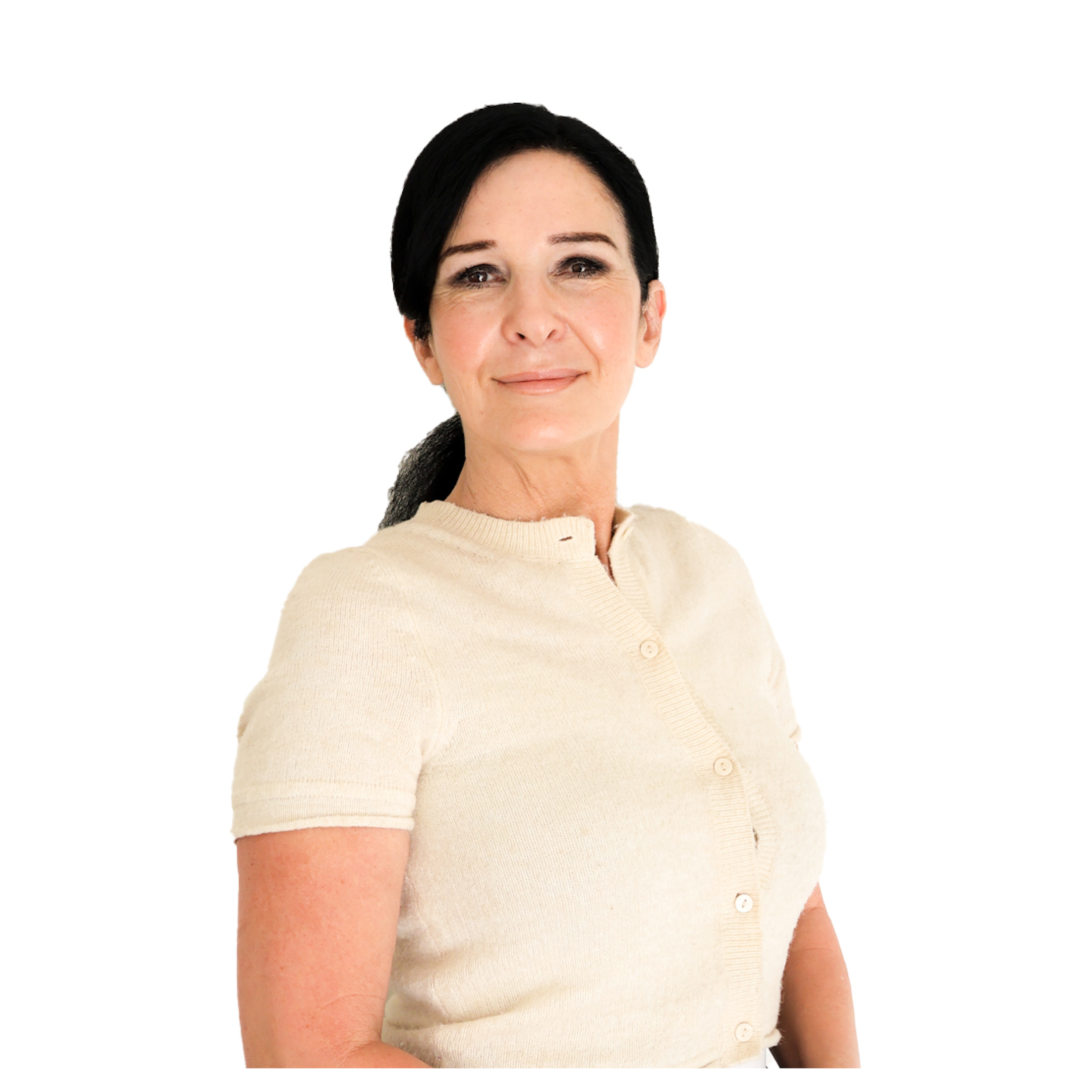
Michelle Casey
Aesthetician. More than 18 years’ experience and over 25,000 skin treatments. See Michelle Casey.
Who prescribes, and who performs
This is the part of the industry most people have never had explained, and it matters more than almost anything else on this page.
The medicines used in cosmetic injectable treatments are prescription-only medicines. That creates two separate roles, which are not always held by the same person:
- The prescriber must be a doctor or other authorised prescriber, who assesses you and decides the treatment is appropriate for you.
- The person performing the injection may be a doctor or a registered nurse working within their scope.
What you are entitled to expect, anywhere:
- A real consultation with the prescriber, not a signature obtained afterwards or a script written by a doctor who never assessed you. Telephone-only or after-the-fact prescribing for cosmetic injectables has been specifically criticised by regulators.
- To know which role each person in the room holds. “Are you the prescriber, or are you performing the treatment?” is a perfectly ordinary question.
- A doctor contactable if something goes wrong during or after treatment — on that day, not next week.
- Named products in your record, with batch details, and the amount used in millilitres or units.
The reason this matters is not paperwork. It is that the assessment — your anatomy, your history, your medication, whether the treatment suits your goal at all — is the part that prevents harm, and an assessment that did not really happen cannot do that.
What each role can and cannot do
| Role | Can | Cannot |
|---|---|---|
| Specialist Plastic Surgeon | Assess, prescribe, operate under local or general anaesthetic | — |
| Cosmetic Doctor | Assess, prescribe, perform non-surgical and minor procedures | Hold themselves out as a specialist in a field they are not registered in |
| Registered nurse | Perform treatments within scope, including injecting under an authorised prescription | Prescribe the medicine themselves, or substitute for the prescriber’s assessment |
| Aesthetician | Non-medical skin treatments | Diagnose, prescribe, or advise on whether a medical procedure suits you |
| Patient coordinator or consultant | Book, explain logistics, take details, prepare rooms | Assess, diagnose, or recommend a procedure |
Support and administration
The clinic also has patient coordinators, consultants, nursing and administrative staff. They book your appointments, take your details, prepare rooms and assist during procedures. They do not assess you, diagnose you, or advise on whether a procedure suits you — that is a practitioner’s job, and you should ask to speak to one if a clinical question comes up.
This distinction is worth carrying to any clinic. In some practices the person who spends the most time with you before a decision is a non-clinical consultant. That is not wrong in itself — someone has to explain scheduling and costs — but the clinical conversation belongs with the practitioner who will treat you, and it should happen before you commit to anything.
Individual pages: Anna Bryce, Athena Kargiotis, Jennifer Luzares, Jenny Dunford, Judith McGowan, Juvy Escobal, Kristy Millane, Natalie Tanti, Nicole Marshall, Rizza Castillo, Rowena Marinucci, Semi Solomon, Simone Sissing, Dr Vik Jayaprakash.
Questions worth asking about whoever treats you
- What is your registration number, and what registration do you hold?
- Will you personally perform the procedure, from start to finish?
- How many of these do you do, and how often?
- Do you hold admitting rights at an accredited hospital, and where would I go overnight if something went wrong?
- Who else will be in the room, and what will they do?
- If this involves a prescription medicine — are you the prescriber, and have you assessed me yourself?
- Who do I call after hours, and who answers?
None of these questions is rude. A practitioner who is uncomfortable answering them is telling you something.
See also choosing the right practitioner and our surgical experience.
Continuity — who you actually see, and when
A reasonable thing to ask about, and rarely published anywhere:
- The surgeon who consults with you is the surgeon who operates. For cosmetic surgery this is now also a requirement — at least one of the two mandatory consultations must be in person with the operating surgeon.
- Follow-up is with the practitioner who treated you wherever possible, because they know what was done and what it looked like at the time.
- If you would prefer a practitioner of a particular gender, say so when booking. It is a normal request.
- You may bring a support person, and you may ask for a chaperone during any examination. You can decline photography, and you can stop an examination at any point.
- You can ask to change practitioner within the clinic. Nobody will take it personally.
The clinic
We have practised in Melbourne since the early 1980s, offering plastic surgery, cosmetic medicine, vein treatment and skin treatments. 4 Burke Road, Malvern East VIC 3145. Phone 1300 852 050 or (03) 9569 3511. Hours: Monday, Wednesday, Friday 9am–5pm; Tuesday, Thursday 9am–6pm; Saturday 9am–2pm. Free parking under the building; Caulfield station is about five minutes’ walk.
Consultation fees as at September 2024, including GST: Specialist Plastic Surgeon $350, Cosmetic Doctor $150, vein $230, skin assessment $50, mole removal $150.
Individual results may vary. Any surgical or invasive procedure carries risks. Before proceeding you should seek a second opinion from an appropriately qualified health practitioner.
Common questions about the Me Clinic team
Why do you publish registration numbers?
Because you are entitled to them, and because titles in this industry are easy to misread. Every number can be checked at ahpra.gov.au in about a minute.
What does the register show me?
Qualifications, registration type, endorsements, and any conditions or reprimands on a practitioner’s registration.
What is a Specialist Plastic Surgeon?
A medical practitioner with specialist registration in surgery (plastic surgery), requiring fellowship of the Royal Australasian College of Surgeons. It is the most highly trained surgical qualification for these procedures.
What is a Cosmetic Doctor?
A registered medical practitioner working in cosmetic medicine. There is no AHPRA specialty called “cosmetic surgery”, and college fellowships in cosmetic medicine, while real, are not specialist registration.
Is phlebology a recognised specialty?
No. Practitioners come to it from another field with additional certification in venous medicine.
Is “aesthetician” a registered title?
No — it is not a registered health profession in Australia, so there is no AHPRA number to check. The work is non-medical.
Who should I see for surgery?
A Specialist Plastic Surgeon. Consultation $350.
Who should I see for injectables or threads?
A Cosmetic Doctor. Consultation $150.
Who should I see about my legs?
The doctor practising in phlebology. Vein consultation $230, which may include ultrasound.
What if I do not know who I need?
Say so when you call. The reception team will route you, and if you book the wrong appointment you will be redirected rather than charged twice for a wasted visit.
Who prescribes cosmetic injectables?
A doctor or other authorised prescriber, who must assess you and decide the treatment is appropriate for you. The person performing the injection may be a doctor or a registered nurse.
Is a phone consultation with the prescriber enough?
Telephone-only or after-the-fact prescribing for cosmetic injectables has been specifically criticised by regulators. You are entitled to a real assessment by the prescriber.
What should I ask about roles?
“Are you the prescriber, or are you performing the treatment?” — and who is contactable if something goes wrong that day.
Can a nurse prescribe the medicine?
A registered nurse can perform treatments within scope, including injecting under an authorised prescription, but cannot substitute for the prescriber’s own assessment.
What can a patient coordinator do?
Book appointments, explain logistics and costs, take details, prepare rooms and assist during procedures. They do not assess, diagnose or recommend a procedure.
Who should have the clinical conversation with me?
The practitioner who will treat you — before you commit to anything.
Will the surgeon I meet be the one who operates?
Yes. For cosmetic surgery it is also a requirement that at least one of the two mandatory consultations is in person with the operating surgeon.
Can I ask for a practitioner of a particular gender?
Yes. Say so when booking — it is a normal request.
What are my rights during an examination?
You may bring a support person, ask for a chaperone, decline photography, and stop at any point.
Can I change practitioner?
Yes, within the clinic, and nobody will take it personally.
What should I ask whoever treats me?
Their registration number and type; whether they will perform the procedure themselves start to finish; how many they do and how often; hospital admitting rights and where you would go overnight; who else will be in the room; and who answers after hours.
Images on This Page
-
https://www.meclinic.com.au/wp-content/uploads/2024/03/meclinic-logo.png
Me Clinic
-
https://www.meclinic.com.au/wp-content/uploads/2022/02/call.png
call
-
https://www.meclinic.com.au/wp-content/uploads/2025/11/dr-kode-photo.png
(no alt text)
-
https://www.meclinic.com.au/wp-content/uploads/2025/11/dr-amir-photo.png
(no alt text)
-
https://www.meclinic.com.au/wp-content/uploads/2024/03/Dr.-Mark-Doyle.png
(no alt text)
-
https://www.meclinic.com.au/wp-content/uploads/2025/11/gordon-photo.png
(no alt text)
-
https://www.meclinic.com.au/wp-content/uploads/2025/11/dr-luis-photo.png
(no alt text)
-
https://www.meclinic.com.au/wp-content/uploads/2025/11/dr-tim-photo.png
(no alt text)
-
https://www.meclinic.com.au/wp-content/uploads/2025/11/daniel-photo.png
(no alt text)
-
https://www.meclinic.com.au/wp-content/uploads/2025/11/michele-photo.png
(no alt text)
-
https://www.meclinic.com.au/wp-content/uploads/2022/02/malvern-map-thumb.jpg
(no alt text)
-
https://www.meclinic.com.au/wp-content/uploads/2024/02/acps.png
Australian Society Of Plastic Surgeons
-
https://www.meclinic.com.au/wp-content/uploads/2024/02/racs.png
Royal Australian College Of Surgeons
-
https://www.meclinic.com.au/wp-content/uploads/2024/02/fracs.png
fracs
-
https://www.meclinic.com.au/wp-content/uploads/2024/02/isaps.png
isaps
-
https://www.meclinic.com.au/wp-content/uploads/2024/02/cpca.png
(no alt text)
-
https://www.meclinic.com.au/wp-content/uploads/2022/02/auscop.png
College
-
https://www.meclinic.com.au/wp-content/uploads/2022/02/amav.png
AMA
-
https://www.meclinic.com.au/wp-content/uploads/2022/03/home-conctact-tab.jpg
(no alt text)
-
https://bat.bing.com/action/0?ti=56339805&Ver=2&mid=a9525713-ced6-4865-ba97-ea2c9d0c9c32&bo=1&sid=1f51df70ac3311f1bef849012fa40c35&vid=1f51fb10ac3311f1a4f2cd7e6c15559a&vids=0&msclkid=N&pi=918639831&lg=en-US&sw=1280&sh=720&sc=24&tl=Meet%20Our%20Expert%20Team%20-%20Plastic%20Surgeons,%20Doctors%20%26%20Support%20Staff&p=https%3A%2F%2Fwww.meclinic.com.au%2Fmeet-the-team%2F&r=<=3529&evt=pageLoad&sv=2&cdb=AQAQ&rn=710262
(no alt text)