Laser skin rejuvenation
Also known as non-surgical laser skin rejuvenation or non-surgical facial rejuvenation.
The Australian sun, wind, environmental exposure and hormonal change all leave a mark on skin. Fine lines and wrinkles appear first around the eyes and lips. As collagen declines, deeper lines, hyperpigmentation, capillaries and skin redness and facial veins tend to follow.
Me Clinic has over 35 years of experience in cosmetic medicine and 20 years with laser treatments. Ageing is a natural process; these treatments are designed to support the skin's own repair and renewal, and results vary between individuals.
Different devices target different things
There is no single laser that does everything. Each device emits a particular wavelength or range of wavelengths, and what a wavelength does depends on what in the skin absorbs it - pigment, haemoglobin in blood vessels, or water in the tissue.
That determines which treatment addresses which problem. Matching them is the whole point of the assessment.
| What you want to change | Generally addressed by |
|---|---|
| Fine lines, texture, dullness | Laser Genesis, Fraxel |
| Deeper lines and significant sun damage | Fraxel, CO2 laser |
| Pigmentation and sun spots | IPL, Aura laser, Fraxel |
| Redness, capillaries and facial veins | Yag laser, IPL, Laser Genesis |
| Acne and inflammation | Photodynamic therapy, Healite LED |
| Wound healing and post-procedure recovery | Healite LED |
| Loose skin and descended tissue | None of these - see facelift or thread lift |
That last row matters. Laser treats the skin itself - texture, colour, tone and collagen. It does not lift or remove skin. Where the concern is sagging, no laser is the answer.
The treatments
Laser Genesis
Gently heats the upper dermis beneath the skin's surface, which helps stimulate collagen regrowth. Additional heat is generated in dilated capillaries, reducing redness. No downtime.
Fraxel laser
Produces thousands of very fine laser beams that penetrate deeply into the dermis. Each beam treats a microscopic column of skin, removing damaged tissue and prompting regrowth as new collagen forms. Because untreated skin is left between the columns, healing is faster than with a fully ablative laser.
Yag laser
Targets the red pigment in the blood within capillaries and visible surface vessels, closing them so the body reabsorbs them.
IPL (intense pulsed light)
IPL is not a laser. It is a light-emitting device using a broad range of wavelengths, filtered depending on the target. It is versatile across pigmentation and redness, though less precise than a single-wavelength laser.
Aura laser
A non-invasive laser for skin rejuvenation, firming and toning. Its light is readily absorbed by pigment in the skin, which helps break down pigmented areas and treat a range of skin conditions.
Healite II LED
A light-emitting diode phototherapy system. Used as a standalone treatment or alongside other procedures to support wound healing and recovery before and after surgery and after facial peels. Non-thermal and non-ablative - it does not injure the skin.
Photodynamic therapy (PDT)
A topical medication - ALA (aminolevulinic acid) - is applied and absorbed preferentially by damaged and abnormal skin cells, then activated by blue or red light of a specific wavelength. Used for sun-damaged skin, certain precancerous lesions and acne.
CO2 laser
An ablative laser addressing deeper lines and more significant sun damage. It produces more change than the non-ablative devices above, and correspondingly more downtime and more risk.
Assessment before treatment
What is assessed, and why it matters:
- Your skin type, usually classified on the Fitzpatrick scale. Darker skin absorbs more light energy in the epidermis, which raises the risk of burns and pigment change and narrows which devices and settings are appropriate.
- Recent sun exposure or tanning, including fake tan - treatment is generally deferred.
- Medications that increase photosensitivity, including some antibiotics and retinoids.
- Cold sore history, if treating around the mouth.
- Any suspicious lesion in the treatment area - this should be assessed before treatment, never lasered over. Some skin cancers present as a persistent red or scaly patch.
- Realistic goals - including whether the concern is one a laser addresses at all.
A patch test is standard before a first full treatment.
Downtime and sessions
Downtime varies enormously across these treatments - from none at all for LED and Laser Genesis, through days of redness and flaking for Fraxel, to a week or more for ablative CO2 resurfacing.
Most non-ablative treatments require a course of sessions spaced weeks apart rather than a single visit, with maintenance afterwards. A consultation should tell you how many sessions and what the total will cost, not just the price of one.
Aftercare
Sun protection is the single most important thing after any light-based treatment. Freshly treated skin is more vulnerable to ultraviolet damage, and sun exposure afterwards is the most common cause of post-treatment pigmentation. Use daily broad-spectrum sunscreen and avoid direct sun.
Avoid retinoids, acids and strong actives, hot showers, saunas, spas and strenuous exercise for the period your practitioner specifies.
Risks
All light-based treatments carry risks:
- Redness, swelling and discomfort
- Blistering and burns
- Changes in skin pigmentation - darkening or lightening, temporary or persistent
- Scarring
- Crusting, peeling or scabbing
- Infection, including reactivation of cold sores
- Prolonged redness, particularly after ablative treatment
- Eye injury without proper protective eyewear
- Little or no response
Risk of burns and pigment change is higher in darker skin types and in recently tanned skin.
Please read our information on the risks and complications of cosmetic surgery before proceeding.
Who performs these treatments
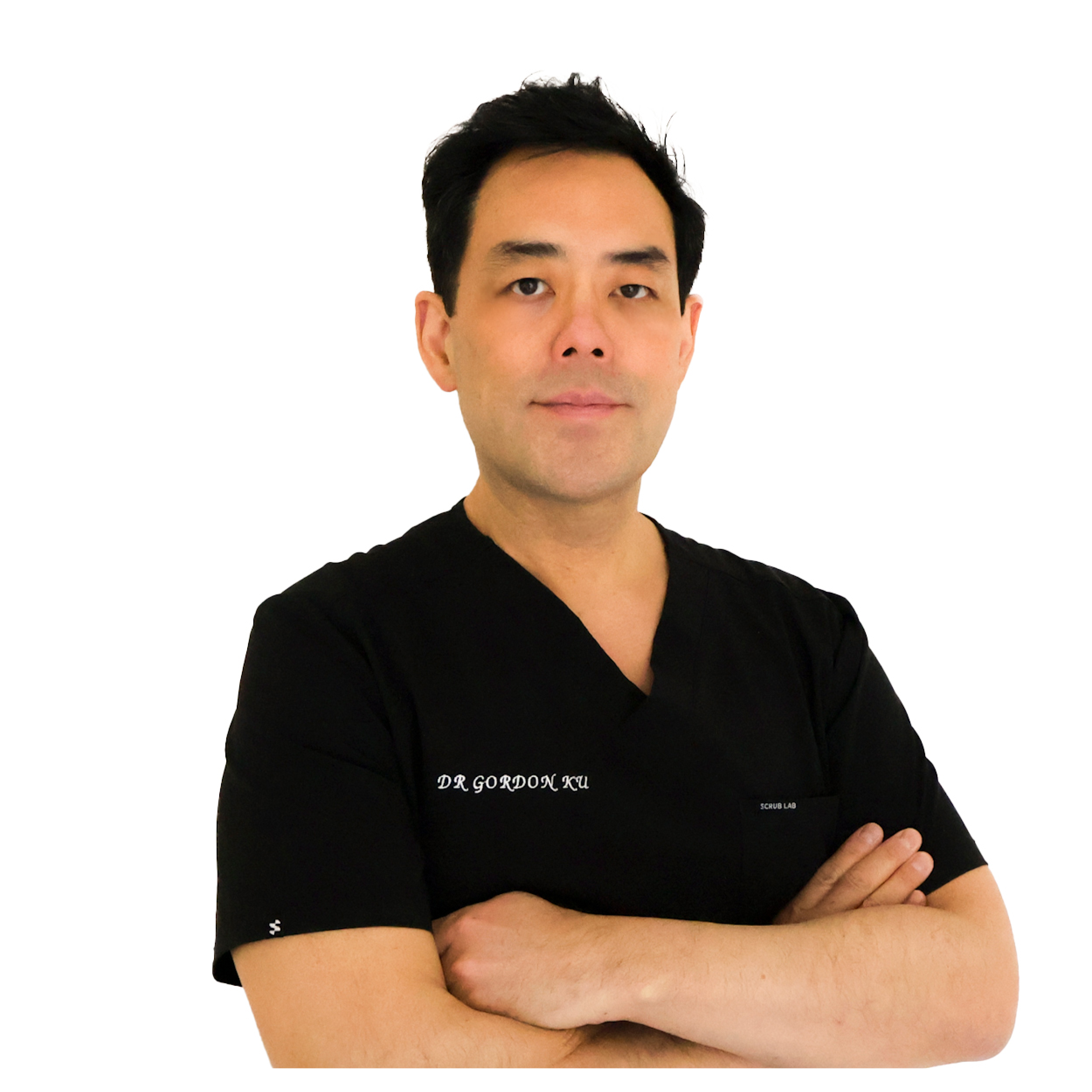
Laser and skin treatments at Me Clinic are performed by Dr Gordon Ku, Cosmetic Doctor (MED0001169203), and Michelle Casey, Paramedical Aesthetician, with over 18 years' experience and more than 25,000 skin treatments. Registration can be checked free of charge on the AHPRA public register.
Costs and booking
Cost depends on the device, the area and the number of sessions. As at September 2024 and including GST, a skin assessment with a nurse or aesthetician is $50 and is redeemable on products or services; a consultation with a Cosmetic Doctor is $150. Dermal skin treatments start from $130.
Me Clinic is at 4 Burke Road, Malvern East VIC 3145, five minutes' walk from Caulfield station. Phone 1300 852 050.
Related pages
See laser cosmetic surgery, skin conditions, skin rejuvenation and treatments, or all face procedures.
Individual results may vary. Any surgical or invasive procedure carries risks. Before proceeding you should seek a second opinion from an appropriately qualified health practitioner.
Images on This Page
-
https://www.meclinic.com.au/wp-content/uploads/2024/03/meclinic-logo.png
Me Clinic
-
https://www.meclinic.com.au/wp-content/uploads/2022/02/call.png
call
-
https://www.meclinic.com.au/wp-content/uploads/2025/11/gordon-photo.png
(no alt text)
-
https://www.meclinic.com.au/wp-content/uploads/2025/11/michele-photo.png
(no alt text)
-
https://www.meclinic.com.au/wp-content/uploads/2024/02/acps.png
(no alt text)
-
https://www.meclinic.com.au/wp-content/uploads/2024/02/racs.png
(no alt text)
-
https://www.meclinic.com.au/wp-content/uploads/2024/02/fracs.png
(no alt text)
-
https://www.meclinic.com.au/wp-content/uploads/2024/02/isaps.png
(no alt text)
-
https://www.meclinic.com.au/wp-content/uploads/2024/02/cpca.png
(no alt text)
-
https://www.meclinic.com.au/wp-content/uploads/2022/02/auscop.png
(no alt text)
-
https://www.meclinic.com.au/wp-content/uploads/2022/02/amav.png
(no alt text)
-
https://www.meclinic.com.au/wp-content/uploads/2022/03/channel7.png
(no alt text)
-
https://www.meclinic.com.au/wp-content/uploads/2022/03/channel9.png
(no alt text)
-
https://www.meclinic.com.au/wp-content/uploads/2022/03/channel10.png
(no alt text)
-
https://www.meclinic.com.au/wp-content/uploads/2022/03/abc.png
(no alt text)
-
https://www.meclinic.com.au/wp-content/uploads/2022/02/malvern-map-thumb.jpg
(no alt text)
-
https://www.meclinic.com.au/wp-content/uploads/2022/03/home-conctact-tab.jpg
(no alt text)
-
https://bat.bing.com/action/0?ti=56339805&Ver=2&mid=3a7b67bf-9ec2-4128-a5ea-740e65b08bf4&bo=1&sid=0b348170ac3311f1874e7fc6c3c530df&vid=0b34b6b0ac3311f1827ee9663a4bfc43&vids=0&msclkid=N&pi=918639831&lg=en-US&sw=1280&sh=720&sc=24&tl=Laser%20Skin%20Treatment%20-%20Facial%20Skin%20Procedure%20Options&p=https%3A%2F%2Fwww.meclinic.com.au%2Fface%2Flaser-skin-rejuvenation%2F&r=<=2338&evt=pageLoad&sv=2&cdb=AQAQ&rn=475069
(no alt text)