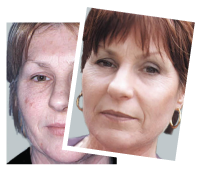
Anti-wrinkle treatment before and after photos
Before and after photographs are one way to understand what anti-wrinkle treatment does. They also mislead more easily than photographs of most procedures, because the whole effect depends on whether a muscle was contracting at the moment the shutter opened.
Photographs are shown and discussed at consultation, where your practitioner can select cases relevant to your anatomy and the lines you want addressed.
The standards these photos must meet
Before and after images used by registered health practitioners in Australia are governed by the Medical Board of Australia’s Guidelines for advertising regulated health services.
- Images must be genuine — real patients, real results.
- Photographs on this website have been retouched only to protect patient privacy, never to enhance or alter the results of treatment.
- Images must carry a clear and prominent disclaimer that results may vary between individuals.
- Patients must consent to the use of their images.
Results may vary between individuals. A photograph records one person’s outcome, not a prediction of yours.
The one thing to check first: was the muscle contracting?
Anti-wrinkle injections work by reducing muscle movement. Their effect on dynamic lines — the lines that appear when you frown, squint or raise your brows — is therefore only visible in a photograph where the person is actively making that expression.
So a meaningful comparison shows the same expression in both frames — both at rest, or both frowning. A pair showing a frown before and a relaxed face after demonstrates nothing except that the person stopped frowning.
Most credible galleries show both: a resting pair and an animated pair. If only one exists, ask which it is.
Timing
The effect is not immediate. It typically begins within several days and reaches its full extent over roughly two weeks. An “after” photograph taken at 48 hours understates the result; one taken at four months, as the effect wears off, understates it too.
Ask when the after photograph was taken relative to the treatment. Around two weeks is the usual point.
Other things worth checking
- Consistent lighting and angle. Forehead and eye-area lines are extremely sensitive to the direction of light. Side lighting exaggerates every crease; flat frontal lighting hides them. A change in lighting alone can produce an apparent result.
- Makeup. Makeup in one frame and not the other is not a comparison.
- What else was done. Where treatment was combined with fillers, skin treatments or laser, the visible change is not attributable to the anti-wrinkle injection alone.
- Static versus dynamic. Deep static lines — visible at rest — soften over time with repeated treatment but do not disappear. A dramatic change in a deep static line in a single treatment cycle warrants a question about what else was involved.
Take your own four photographs
This is the most useful thing on the page, because it turns a gallery of strangers into a record of you — and because for this particular treatment, your own photographs answer a question nobody else’s can.
Before your first treatment, take four photographs in daylight, facing a window, no filter, no make-up, at arm’s length:
- At rest. Genuinely relaxed, held for ten seconds first — most people are still frowning slightly at three.
- Maximum frown. Pull your brows together as hard as you can.
- Maximum brow raise. Lift your eyebrows as high as they go.
- Maximum squint or smile, for the eye area.
Maximum is the operative word. A polite frown tells you nothing. The whole point of the animated shots is to show what the muscle can do at full effort, because that is the thing being changed — and a half-hearted “before” will make any result look larger than it was.
Then repeat the set three times
| When | What it tells you |
|---|---|
| Before treatment | Your baseline, and the only version of it that will ever exist |
| At about two weeks | The full effect — the fair point at which to judge it, and the point at which an adjustment is still easy |
| At about three months | Whether it is still working, and how much has come back |
| Whenever you think it has worn off | The actual duration for you |
That last row is worth more than everything else. Most people have no idea how long their own result lasts — they guess, or they book on a schedule someone suggested. A photograph taken the week you think it has gone, compared with the one at two weeks, settles it.
It matters because the duration is what sets the real annual cost. Someone whose result genuinely lasts five months is buying a different thing from someone whose lasts three, at the same price per treatment. That is the number to plan around, and only your own photographs will give it to you.
What a good result looks like in a still image
Not simply “fewer lines”. When you are shown a case, or when you look at your own two-week photographs, these are the things worth checking:
- The lines are softened, not absent. On the animated shot, some movement and some creasing should remain unless a completely still forehead was specifically what the person asked for.
- The brows sit where they did. Compare brow height against a fixed landmark — the pupil, the top of the ear. Brows that have dropped, or one that has dropped more than the other, is the commonest thing to look for.
- The eyes do not look heavier. A face that reads as tired rather than rested has usually had the forehead treated more heavily than the brow position allowed.
- The two sides match reasonably. Not perfectly — faces are not symmetrical — but a visible difference in how the two halves move is worth asking about.
- The rest of the face still works. Look at the smile, not just the treated area.
And one thing worth asking to see: a case photographed at around four months, not only at two weeks. A gallery shows the peak; you live with the average across the cycle, and seeing what that looks like is a fairer basis for a decision.
Why your result will differ
Outcomes vary with the strength and bulk of your facial muscles, how deep the lines already are, skin thickness and quality, your age, the dose used and the areas treated.
Some people respond less than expected, and a small proportion respond very little. That is a recognised outcome, not a failure of technique.
Muscle strength is the variable people underestimate. Two people of the same age with the same lines can need noticeably different amounts, and a stronger frown muscle will both produce deeper lines and resist treatment more. That is why a photograph of someone else’s forehead tells you about their muscles rather than yours.
What the photographs do not show
- How the face moves. A still image cannot show whether expression was preserved or whether the forehead became immobile. This is the thing most people actually care about, and it is invisible in a photograph.
- How long it lasted. The effect wears off, typically over three to six months, and maintaining it means repeat treatment. A gallery shows the peak, not the average across the cycle.
- Side effects. Bruising, headache, asymmetry and eyelid or brow drooping do not appear in a curated gallery.
- Whether the person was pleased. Which is the actual question, and the one no image answers.
If how your face moves is what you care about — and for most people it is — a short video of yourself making expressions is worth more than any still. Ten seconds, before and at two weeks, in the same light: frown, raise, squint, smile. It is the only record that captures the thing a photograph cannot.
What to ask to be shown
- Both pairs — resting and animated — not one or the other
- The same expression in both frames of any animated pair
- When the after photograph was taken relative to treatment
- Whether anything else was done at the same time
- A case at around four months, so you see the average rather than the peak
- A case with muscle strength and line depth like yours, rather than the most dramatic result on file
- A case where the outcome was less than hoped, and what was done about it
What you should leave with
- Your own baseline photographs, at rest and at maximum contraction, taken in standard conditions
- A review appointment at about two weeks, booked rather than offered
- A record of which areas were treated
- What to expect and by when — onset at three to seven days, full effect at about two weeks
- An itemised quote, and the likely interval before repeating
- Written aftercare and the risks, to take home
Costs
Cost depends on the areas treated and the dose required. As at September 2024 and including GST, a consultation with a Cosmetic Doctor is $150. Injectable treatments in Australia involve prescription medicines that must be prescribed by a doctor following a consultation, and the law restricts what can be published about them — which is why no product names appear here.
Because the effect wears off, the figure worth asking for is the annual one. Cosmetic treatment is not covered by Medicare, and we are not a no-gap provider.
Risks
All treatments carry risks. For injectable wrinkle treatments these include pain, redness, swelling, bruising and tenderness at injection sites; headache; infection; asymmetry; spread of effect to nearby muscles causing temporary drooping of an eyelid or eyebrow or altered expression; allergic reaction; and lack of response. Rare but serious effects associated with spread of the injected substance beyond the treatment area include difficulty swallowing or breathing — seek medical attention urgently if these occur.
The full list is on the anti-wrinkle treatments page.
Individual results may vary. Any surgical or invasive procedure carries risks. Before proceeding you should seek a second opinion from an appropriately qualified health practitioner.
Booking
Me Clinic, 4 Burke Road, Malvern East VIC 3145. Phone 1300 852 050 or (03) 9569 3511, or use the online consultation form.
Related: anti-wrinkle treatments, deep lines and wrinkles, all anti-ageing procedures.
Common questions about anti-wrinkle before and after photos
What rules govern these photographs?
The Medical Board of Australia’s Guidelines for advertising regulated health services. Images must be genuine, carry a clear disclaimer that results vary, and be used with the patient’s consent.
Are they edited?
Those on this website have been retouched only to protect patient privacy, never to enhance or alter the results.
What is the first thing to check?
Whether the muscle was contracting. The effect on dynamic lines is only visible where the person is actively making that expression, so a meaningful pair shows the same expression in both frames.
What does a frown before and a relaxed face after prove?
Nothing, except that the person stopped frowning.
When should the after photograph be taken?
Around two weeks, when the effect reaches its full extent. At 48 hours it understates the result; at four months, as it wears off, it understates it too.
Why does lighting matter so much here?
Forehead and eye-area lines are extremely sensitive to the direction of light. Side lighting exaggerates every crease and flat frontal lighting hides them, so a change in lighting alone can produce an apparent result.
Should I take my own photographs?
Yes — four of them, in daylight facing a window, no filter, no make-up, at arm’s length: at rest, maximum frown, maximum brow raise, and maximum squint or smile.
Why does “maximum” matter?
Because a polite frown tells you nothing. The animated shots exist to show what the muscle can do at full effort, and a half-hearted “before” makes any result look larger than it was.
How do I hold a resting face properly?
Relax for ten seconds first. Most people are still frowning slightly at three.
When should I repeat the set?
At about two weeks for the full effect, at about three months to see how much has come back, and again whenever you think it has worn off.
Why is that last one so useful?
Because most people have no idea how long their own result lasts — they guess, or book on a schedule someone suggested. Comparing a photograph taken the week you think it has gone with the one at two weeks settles it.
Why does the duration matter?
Because it sets the real annual cost. Someone whose result lasts five months is buying a different thing from someone whose lasts three, at the same price per treatment.
What does a good result look like in a still?
Lines softened rather than absent; brows sitting where they did; eyes not looking heavier; the two sides reasonably matched; and the rest of the face still working, including the smile.
How do I check whether the brows dropped?
Compare brow height against a fixed landmark — the pupil, or the top of the ear. Brows that have dropped, or one that has dropped more than the other, is the commonest thing to look for.
What does a tired-looking result mean?
Usually that the forehead was treated more heavily than the brow position allowed.
Should I ask to see a four-month photograph?
Yes. A gallery shows the peak; you live with the average across the cycle, and seeing what that looks like is a fairer basis for a decision.
Why will my result differ?
Outcomes vary with the strength and bulk of your facial muscles, how deep the lines already are, skin thickness and quality, your age, the dose and the areas treated.
What do people most underestimate?
Muscle strength. Two people the same age with the same lines can need noticeably different amounts, and a stronger frown muscle both produces deeper lines and resists treatment more.
What if I barely respond?
Some people respond less than expected and a small proportion respond very little. That is a recognised outcome, not a failure of technique.
What can photographs not show?
How the face moves, how long it lasted, the side effects, and whether the person was pleased — which is the actual question.
Is there anything better than a photograph?
For movement, yes: a ten-second video of yourself frowning, raising, squinting and smiling, before and at two weeks in the same light. It captures the thing a still cannot.
What about deep lines visible at rest?
They soften over time with repeated treatment but do not disappear. A dramatic change in a deep static line within one treatment cycle warrants a question about what else was involved.
What should I ask to be shown?
Both resting and animated pairs, the same expression in both frames, when the after was taken, whether anything else was done at the same time, a case at four months, a case with muscle strength and line depth like yours, and a case where the outcome was less than hoped.
Why are no product names used?
Because these are prescription medicines and Australian law restricts what can be published about them. Your doctor will discuss the actual product at consultation.
What are the risks?
Pain, redness, swelling, bruising and tenderness at injection sites; headache; infection; asymmetry; spread of effect to nearby muscles causing temporary drooping of an eyelid or eyebrow or altered expression; allergic reaction; and lack of response. Rare but serious effects from spread beyond the treatment area include difficulty swallowing or breathing — seek medical attention urgently if those occur.
What does it cost?
It depends on the areas treated and the dose required, with a Cosmetic Doctor consultation at $150 as at September 2024, including GST. Because the effect wears off, ask for the annual figure. Not covered by Medicare.
Individual results may vary. Any surgical or invasive procedure carries risks. Before proceeding you should seek a second opinion from an appropriately qualified health practitioner.
Images on This Page
-
https://www.meclinic.com.au/wp-content/uploads/2024/03/meclinic-logo.png
Me Clinic
-
https://www.meclinic.com.au/wp-content/uploads/2022/02/call.png
call
-
https://www.meclinic.com.au/wp-content/uploads/2022/03/cs3-Case-Study-4-Preview-200x171-1.png
(no alt text)
-
https://www.meclinic.com.au/wp-content/uploads/2022/03/cs1-anti-wrinkle-200x171-1.png
(no alt text)
-
https://www.meclinic.com.au/wp-content/uploads/2022/03/cs2-laser-cosmetic-200x171_dermalfillertreatments-lips-casestudy-200x171-1.png
(no alt text)
-
https://www.meclinic.com.au/wp-content/uploads/2024/02/acps.png
(no alt text)
-
https://www.meclinic.com.au/wp-content/uploads/2024/02/racs.png
(no alt text)
-
https://www.meclinic.com.au/wp-content/uploads/2024/02/fracs.png
(no alt text)
-
https://www.meclinic.com.au/wp-content/uploads/2024/02/isaps.png
(no alt text)
-
https://www.meclinic.com.au/wp-content/uploads/2024/02/cpca.png
(no alt text)
-
https://www.meclinic.com.au/wp-content/uploads/2022/02/auscop.png
(no alt text)
-
https://www.meclinic.com.au/wp-content/uploads/2022/02/amav.png
(no alt text)
-
https://www.meclinic.com.au/wp-content/uploads/2022/03/channel7.png
(no alt text)
-
https://www.meclinic.com.au/wp-content/uploads/2022/03/channel9.png
(no alt text)
-
https://www.meclinic.com.au/wp-content/uploads/2022/03/channel10.png
(no alt text)
-
https://www.meclinic.com.au/wp-content/uploads/2022/03/abc.png
(no alt text)
-
https://www.meclinic.com.au/wp-content/uploads/2022/02/malvern-map-thumb.jpg
(no alt text)
-
https://www.meclinic.com.au/wp-content/uploads/2022/03/home-conctact-tab.jpg
(no alt text)
-
https://bat.bing.com/action/0?ti=56339805&Ver=2&mid=8f4ce7a9-ab25-4eeb-8384-2e09815d7518&bo=1&sid=05bb42a0ac3311f18679430ebad91930&vid=05bb7630ac3311f19a64c5abb17b62d7&vids=0&msclkid=N&pi=918639831&lg=en-US&sw=1280&sh=720&sc=24&tl=Anti-Wrinkle%20Treatment%20Results%20-%20Before%20%26%20After%20Gallery&p=https%3A%2F%2Fwww.meclinic.com.au%2Fface%2Fanti-wrinkle-treatments%2Fbefore-and-after%2F&r=<=2593&evt=pageLoad&sv=2&cdb=AQAQ&rn=336947
(no alt text)