Breast reduction at Me Clinic
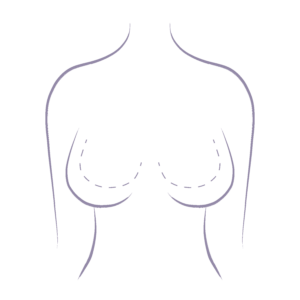
Breast reduction surgery, also known as reduction mammoplasty, reduces the size and weight of large breasts by removing excess breast fat, glandular tissue and skin. People consider it both for proportion and to address physical discomfort associated with large, heavy breasts - including back, shoulder and neck pain, skin irritation beneath the breast fold, and restriction during sport and other activities.
Me Clinic's plastic surgeons have over 35 years of cosmetic surgery experience in Australia and have performed breast reduction surgery in Australia and overseas.
Breast reduction is one of the procedures most likely to attract a Medicare rebate, because it is often performed for functional rather than purely cosmetic reasons. See costs and Medicare below.
What the procedure involves
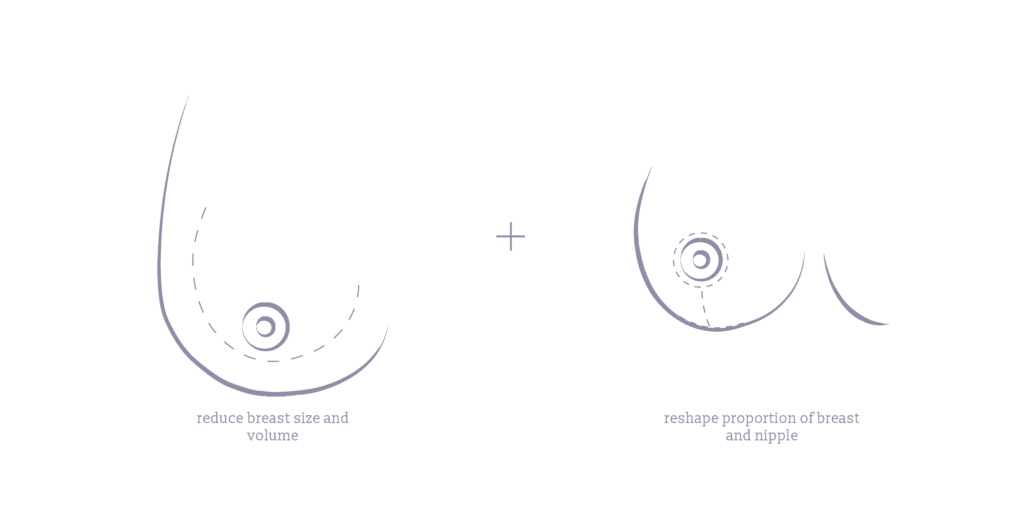
The procedure is performed under general anaesthesia in an accredited private hospital. The plastic surgeon makes incisions in the skin, tissue and breast glands, and removes excess fat, glandular tissue and skin. The areola can be reduced in size and the nipple repositioned during the same procedure.
Where a lift is also required, breast reduction can be combined with a mastopexy - see breast reduction and lift. Reduction can also be performed by liposuction alone in selected cases where the excess is predominantly fatty tissue.
Surgical techniques
Several techniques are available. Which one is appropriate depends on your individual needs, breast anatomy and how much tissue is to be removed.
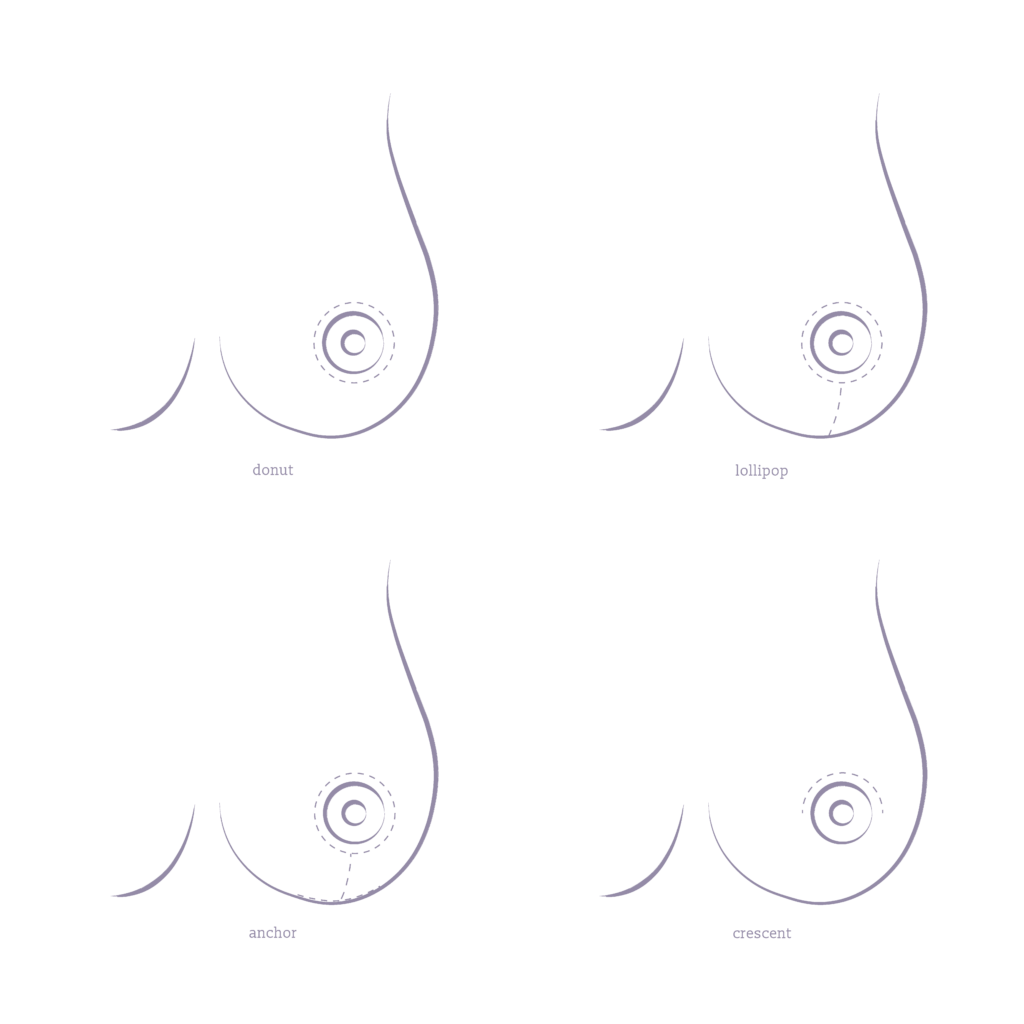
- Anchor incision - an incision around the areola, vertically down to the breast crease, and along the inframammary fold, resembling an anchor. Used where there is significant breast enlargement and sagging. Being the most extensive, it results in the most scarring, though the horizontal scar sits in the natural fold.
- Vertical or lollipop incision - incisions around the areola and vertically down to the breast crease. Suited to moderate reductions, and leaves less scarring than the anchor technique because there is no large horizontal scar under the breast.
- Crescent and donut incisions - uncommon in breast reduction and more often used for breast lifts correcting mild sagging, though a donut incision can be used in minor reductions where minimal tissue removal and reshaping is required.
Each technique has advantages and potential drawbacks. There is no single method that suits all patients; the approach is determined at consultation with your plastic surgeon.
What the surgery may address
- Backache, shoulder pain and neck pain associated with breast weight.
- Discomfort from bra straps and the physical weight carried.
- Skin irritation and rashes beneath the breast fold.
- Restricted mobility during sport and other activities.
- Areola size, which can be adjusted during the procedure.
- Breast position, where elevation is also desired.
- Breast asymmetry or irregular breast shape.
Outcomes vary depending on individual anatomy, skin quality and the technique used. Individual results may vary.
Suitability
A good candidate is physically and mentally healthy with realistic expectations. It is generally advisable to wait until breast development is complete, and where possible until after childbirth and breastfeeding, as the ability to breastfeed may be affected by this surgery and later pregnancy can alter the result. A stable weight matters, as significant weight change alters breast size and shape.
Preparing for surgery
- Undergo a medical evaluation and provide your medical history to the surgical team.
- Tell your surgeon about any medication you take, and adjust dosage where advised.
- Have a mammogram before surgery, and again post-operatively, to detect changes in breast tissue.
- Stop smoking well in advance, as nicotine inhibits recovery.
- Avoid aspirin, anti-inflammatory drugs and herbal supplements, which can increase bleeding.
- Arrange for someone to drive you home and stay with you for at least 24 hours.
- Prepare a comfortable area at home for your recovery.
Recovery
The first 24 hours. You may feel drowsy from the general anaesthetic. You cannot drive yourself - you need someone to drive you home and stay with you overnight. Some procedures require an overnight hospital stay; your surgeon will discuss this at consultation.
The first weeks. Expect swelling and discomfort, which can be managed with prescribed medication. A supportive bra is worn and strenuous activity avoided during early healing. You should see some change almost immediately, though swelling settles gradually.
Returning to activity. Most people return to work and light activities within two to three weeks. Strenuous physical activity is generally avoided for around three weeks, with a return to previous exercise routines from around six weeks. Gentle walking is encouraged from the first week or two, increasing distance and pace over the following weeks.
Travel and swimming. Domestic flights are usually fine at around two weeks. Wait six to eight weeks before international or long-haul flights, and six to eight weeks before swimming.
Follow-up. You return to the clinic for your first post-operative check within the next few days, then weekly follow-up for six weeks, followed by monthly patient care for six months. Your surgeon also aims to review you at seven to ten days, six to eight weeks, three months, six months and twelve months. An after-hours direct number is provided in case you have questions or concerns.
Full recovery can take several months as swelling resolves and incision lines fade.
Wound care and signs of a problem
Clean your hands before touching the wound area. Clean gently with mild saline or as directed, pat rather than scrub, keep the area dry, and change dressings as advised. Do not apply ointments or creams unless prescribed.
Contact your medical team immediately if you notice increased redness or warmth around the wound, persistent or worsening pain, discharge or pus, a foul smell, or fever and chills.
Risks and complications
All surgical procedures carry risks and potential complications. For breast reduction these include bleeding, infection, changes in nipple sensation, and asymmetry. Risks are discussed with you in detail during the consultation process, and you are given written information to take home. Please read our information on the risks and complications of cosmetic surgery before proceeding.
Further risks that apply to breast surgery generally include seroma and haematoma (collections of fluid or blood under the skin, which may need additional treatment), delayed healing, unfavourable scarring, and - uncommonly - necrosis of the nipple, areolar region or breast tissue, which can significantly affect healing and the final result.
General surgical risks include bruising, swelling, pain, nerve damage, anaesthesia complications, blood clots (DVT and pulmonary embolism), psychological impact, and unsatisfactory results requiring further surgery.
Breast reduction may affect your ability to breastfeed. Discuss this with your surgeon if future breastfeeding matters to you.
Any surgical or invasive procedure carries risks. Before proceeding you should seek a second opinion from an appropriately qualified health practitioner.
Scarring
Wherever an incision is made there will be a scar. How a scar heals varies between individuals and depends on the technique used, your skin type and your genetic makeup. Scarring can be reduced by not smoking, eating well, maintaining a stable weight, avoiding sun exposure to the surgical area, and following your surgeon's wound care guidance, including silicone sheets or gels for scar management.
Referral and cooling-off period
Since 1 July 2023, all patients are required to have a GP referral before seeing a plastic surgeon or doctor about cosmetic surgery. A valid referral is also needed if you wish to claim a Medicare rebate on medically essential surgery.
For any cosmetic surgery there is a compulsory one-week cooling-off period after your second consultation before surgery can be booked.
Costs and Medicare
Cost varies with the surgical technique used, the surgeon's fees and the hospital facility. As a guide, breast reduction surgery ranges from $16,000 to $27,000. As at September 2024 and including GST, a consultation with a Specialist Plastic Surgeon is $350.
Breast reduction is one of the most common plastic surgery procedures to attract a Medicare rebate. The relevant Medicare Benefits Schedule item number for breast reduction for symptomatic relief is 45523. To qualify you must meet strict MBS criteria, which require evidence of functional problems such as rashes, back pain or posture issues. Without meeting the criteria, the surgery is considered elective and no rebate applies.
The process is: your surgeon assesses whether your condition meets the criteria, reviewing your medical history, symptoms and a physical examination; if it qualifies, an item number is assigned and included in your documentation; a valid GP referral must be in place; and after the procedure the surgeon's office assists with the Medicare claim.
Item numbers are updated periodically, so confirm the current number and criteria with your surgeon and on MBS Online.
If you are eligible for an item number and hold the right level of cover, your health insurer may subsidise part of the cost. Me Clinic is not a no-gap provider, so a significant out-of-pocket payment remains - including surgeon's fees, hospital costs and anaesthesia fees.
Payment for major surgery is due four weeks before the procedure. Cash, EFTPOS, direct deposit and major credit cards are accepted, with surcharges applying to cards. Independent medical finance companies are available.
Where surgery is performed
Me Clinic surgeons operate at accredited private hospitals around Melbourne, including Masada Private Hospital (St Kilda East), Epworth Geelong (Waurn Ponds), St Vincent's Werribee, Sir John Monash Private Hospital (Clayton), Peninsula Private Hospital (Langwarrin) and Linacre Private Hospital (Hampton). Your surgeon visits you in hospital after the operation and sees you at the clinic about a week later.
Choosing your surgeon
Look for a surgeon who is a Specialist Plastic Surgeon and a Fellow of the Royal Australasian College of Surgeons (FRACS) with experience in breast surgery. The title Specialist Plastic Surgeon applies only to a recognised specialist who has completed the RACS training program in plastic surgery; in Australia the title Surgeon is protected and may only be used by a fellow of the College. Understanding the surgeon's approach and feeling comfortable with how they communicate are both relevant to your decision.
Dr Gary Kode is a Specialist Plastic Surgeon (MED0001405964) with over 30 years in aesthetic and reconstructive surgery and a Fellow of the Royal Australasian College of Surgeons. See the full Me Clinic team, or all breast surgery procedures.
Images on This Page
-
https://www.meclinic.com.au/wp-content/uploads/2024/03/meclinic-logo.png
Me Clinic
-
https://www.meclinic.com.au/wp-content/uploads/2022/02/call.png
call
-
https://www.meclinic.com.au/wp-content/uploads/2024/05/breast-reduction-melbourne-300x300.png
An image design of the restoration ability of a Breast Reduction surgery in Melbourne at Me Clinic. A breast reduction can reduce breast size and alleviate discomfort.
-
https://www.meclinic.com.au/wp-content/uploads/2024/05/breast-reduction-with-lift-melbourne-1024x512.png
An image design of a breast reduction surgery that also incorporates a breast lift. The breast reduction and lift is an option for reducing size and lifting the breast and nipple.
-
https://www.meclinic.com.au/wp-content/uploads/2024/05/breast-reduction-incision-techniques01-1024x1024.png
An image design of different incision options used for a breast reduction. These incision techniques include donut, crescent, lollipop and anchor which are used in other breast surgeries also.
-
https://www.meclinic.com.au/wp-content/uploads/2024/05/breast-reduction-before-and-after-1024x512.png
An image design of what a before and after of a breast reduction procedure would look like.
-
https://www.meclinic.com.au/wp-content/uploads/2025/11/dr-kode-photo.png
(no alt text)
-
https://www.meclinic.com.au/wp-content/uploads/2022/02/malvern-map-thumb.jpg
(no alt text)
-
https://www.meclinic.com.au/wp-content/uploads/2024/02/acps.png
Australian Society Of Plastic Surgeons
-
https://www.meclinic.com.au/wp-content/uploads/2024/02/racs.png
Royal Australian College Of Surgeons
-
https://www.meclinic.com.au/wp-content/uploads/2024/02/fracs.png
fracs
-
https://www.meclinic.com.au/wp-content/uploads/2024/02/isaps.png
isaps
-
https://www.meclinic.com.au/wp-content/uploads/2024/02/cpca.png
(no alt text)
-
https://www.meclinic.com.au/wp-content/uploads/2022/02/auscop.png
College
-
https://www.meclinic.com.au/wp-content/uploads/2022/02/amav.png
AMA
-
https://www.meclinic.com.au/wp-content/uploads/2022/03/home-conctact-tab.jpg
(no alt text)
-
https://bat.bing.com/action/0?ti=56339805&Ver=2&mid=e5e18c14-8925-4326-b193-b532f551e55a&bo=1&sid=e1c97180ac4111f18dc1e1bb94a083d2&vid=e1c972f0ac4111f18cc277ed791f7aa5&vids=1&msclkid=N&pi=918639831&lg=en-US&sw=1280&sh=720&sc=24&tl=Breast%20Reduction%20-%20address%20breast%20size%20%26%20discomfort%20%7C%20Me%20Clinic&p=https%3A%2F%2Fwww.meclinic.com.au%2Fbreast-surgery%2Freduction%2F&r=<=2334&evt=pageLoad&sv=2&cdb=AQAQ&rn=631928
(no alt text)