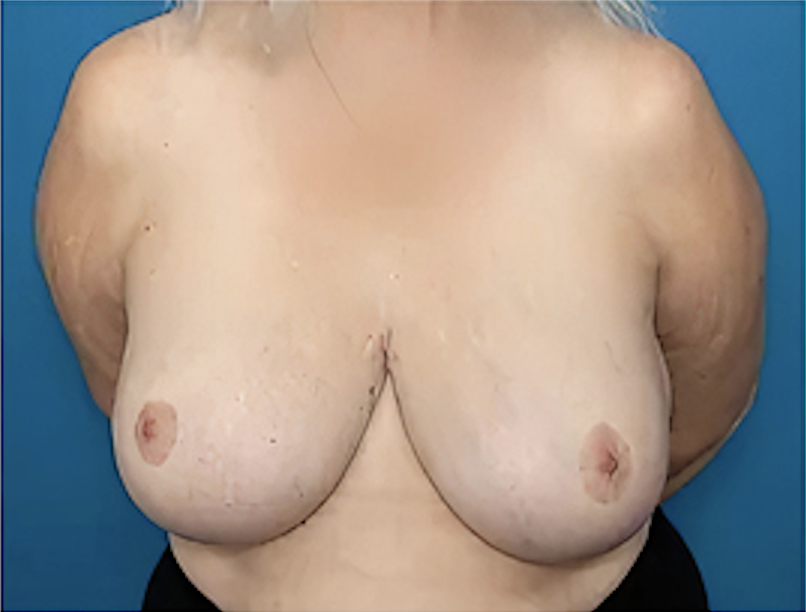
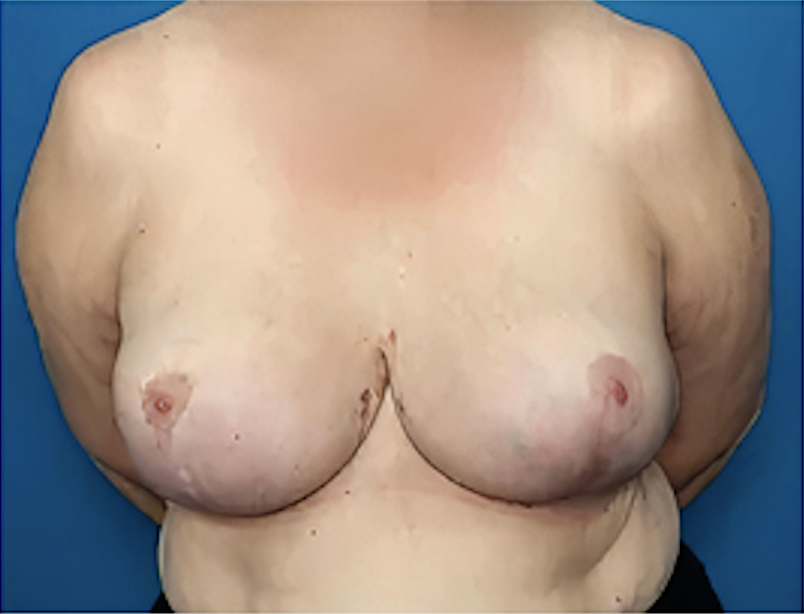
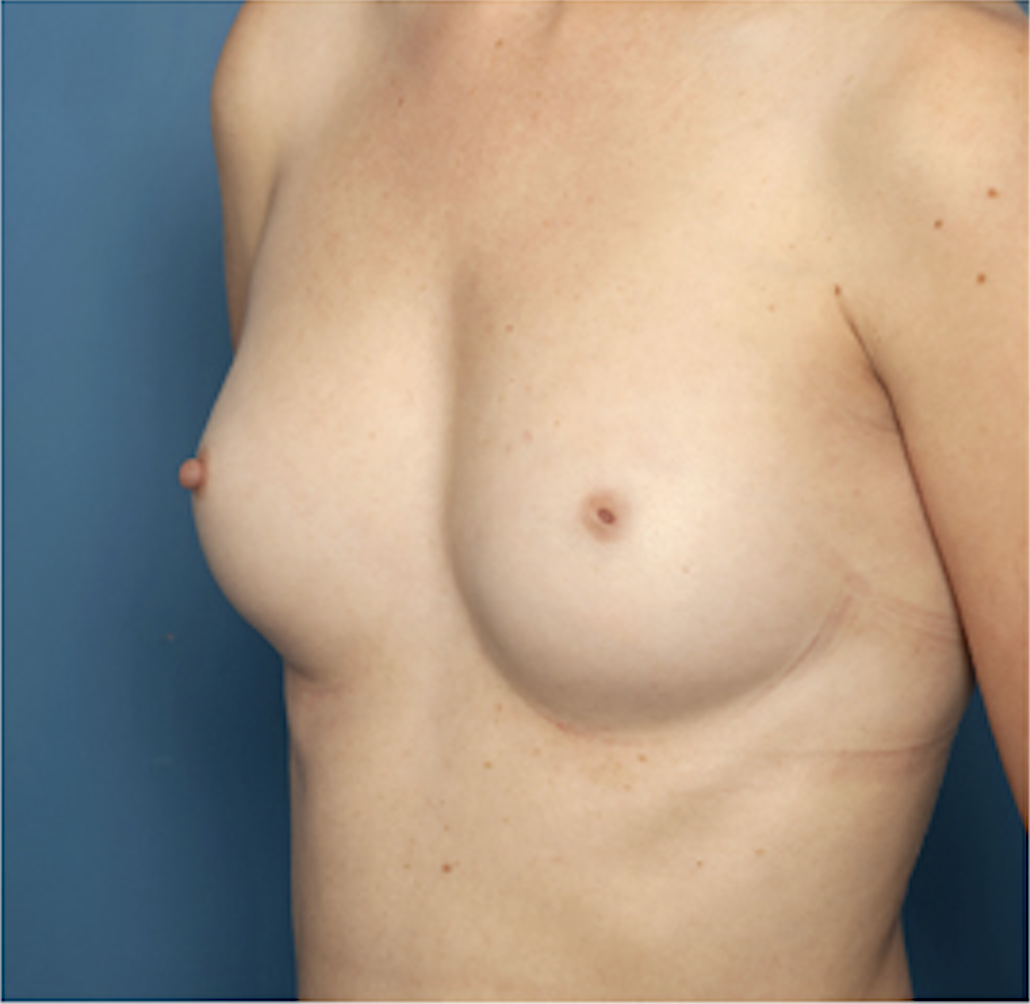
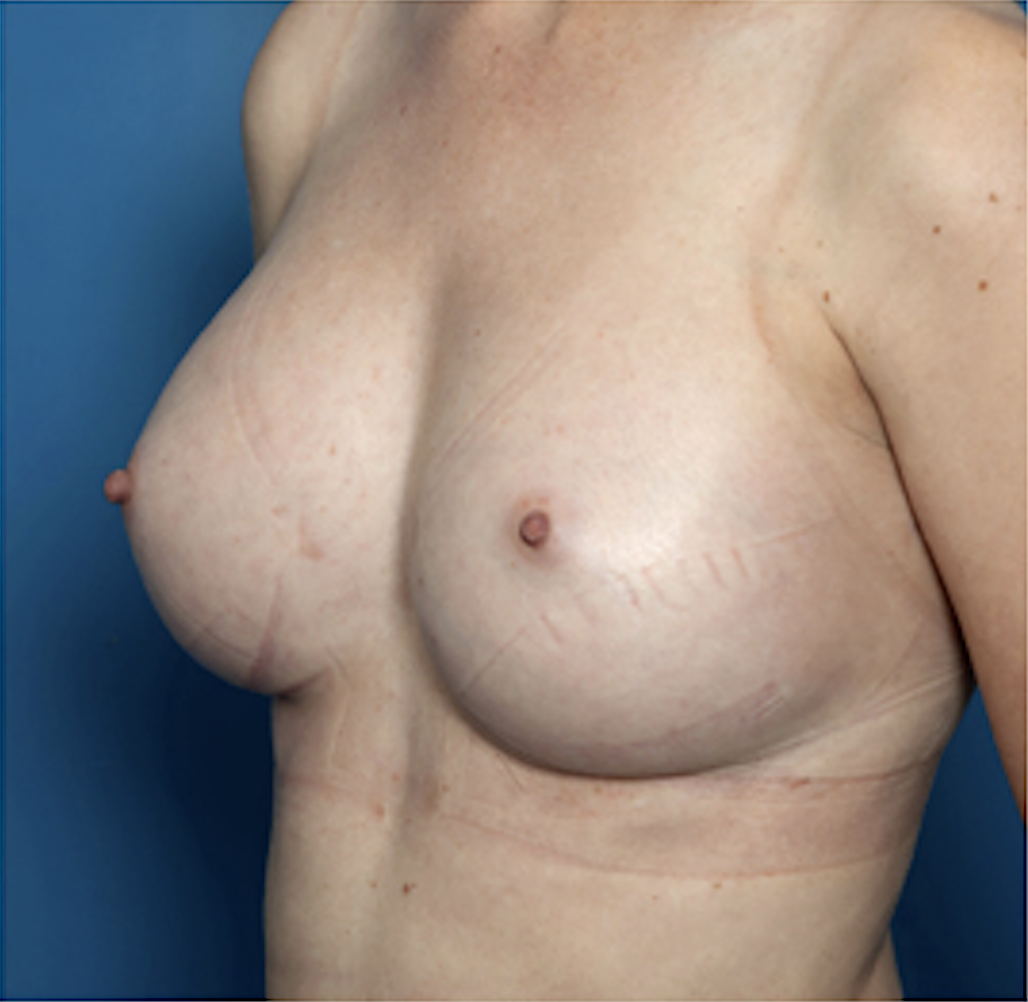
Breast surgery before and after
Before and after images are useful, and they are easy to misread. This page explains what governs them, how to read them, and what to ask to see.
The rules these images must meet
Under the Medical Board of Australia’s Guidelines for advertising a regulated health service, before and after images must be of actual patients of the practice, taken under consistent conditions — the same lighting, angle, distance, pose and background — and must be unaltered beyond cropping and resizing. They must state the time between the images, carry a clear statement that results vary, and be used with documented consent that the patient may withdraw.
They must not create an unreasonable expectation of benefit, and they must not be used as testimonials — testimonials about regulated health services are prohibited under section 133 of the Health Practitioner Regulation National Law. See patient stories.
Our images are of genuine Me Clinic patients, used with consent, and are not retouched to enhance or alter a result. Any editing is limited to protecting patient privacy.
Four measurements that tell you whether a case is like yours
The most common mistake people make with a gallery is comparing themselves to a body that was never comparable. Surgeons do not judge breasts by cup size — a cup size is a bra-fitting convention that varies between brands and tells a surgeon almost nothing. They use measurements, and you can take three of the four yourself with a soft tape measure in front of a mirror. Knowing your own numbers turns a gallery from a mood board into something you can actually use.
- Sternal notch to nipple. From the hollow at the base of your throat, straight down to the centre of the nipple, on each side. This is the standard measure of how high or low the breast sits, and it is how degree of droop is described. Note both sides — they are rarely equal.
- Nipple to inframammary fold. From the nipple down to the crease under the breast, measured with the tissue gently stretched. This tells you how much skin there is at the lower pole, which is what decides whether an implant will fill the breast or stretch it.
- Base width. Across the breast at its widest, from the inner to the outer edge where it meets the chest. This constrains implant width more than anything else — a wide implant on a narrow chest is what produces the gap-and-bulge look people recognise as obviously operated.
- Where the nipple sits relative to the fold. Not a tape measurement but the single most important observation. Look side-on in a mirror: is the nipple above the crease under the breast, level with it, or below it? This is broadly how the degree of sagging is graded, and it is usually what decides whether an implant alone will do, or whether a lift is needed as well.
Write your numbers down and take them with you. Then, when you are shown a gallery, the useful question becomes specific: “Was this patient’s nipple above or below the fold before surgery, and what was her base width?” If the answer is very different from yours, the picture is not predictive for you, however good it looks.
And if your nipple sits below the fold, be prepared for a lift to be part of the conversation. An implant adds volume; it does not raise the nipple. Expecting one to do the other is the commonest source of disappointment in this area.
What to look for in breast images specifically
- Timing. Implants sit high and firm at first and settle over roughly two to three months. An image at six weeks shows a different breast from the same patient at a year.
- Scars. Ask to see them. They are at their worst at around six to eight weeks — raised, firm and red — and fade over twelve to eighteen months. A gallery showing only twelve-month scars is accurate but incomplete.
- The starting point. The degree of sagging, skin quality, breast width and chest wall shape beforehand determine most of what is achievable. A result on someone with a very different starting point tells you almost nothing about yours.
- Posture and arm position. Shoulders back and arms down changes apparent shape considerably. Compare like with like.
- What was actually done. Lift, augmentation, reduction and fat transfer produce different things, and are frequently combined. If an image is labelled with one procedure, ask whether anything else was involved.
- Implant details. Size, profile, shape and placement above or below the muscle all change the result. The same implant looks different on a different chest.
- Selection. Every gallery is a clinic’s better cases. That is not dishonest, but it is not representative.
Checking the photography itself
The rules require consistent conditions. Here is how to tell, in about ten seconds per pair, whether they were met — using the background rather than the body.
- Find a horizontal line in the background — a skirting board, a wall join, the top of a door frame. If it crosses the body at a different height in the two frames, the camera moved, and any apparent change in position is partly the camera’s.
- Check the camera height. Shooting from slightly below lifts and projects a breast; shooting from above flattens it. A consistent pair is taken at the same height, usually around chest level.
- Check the distance. If the head or hips fill more of one frame than the other, the camera moved closer, which changes apparent proportion.
- Check the shoulders. One shoulder rotated forward changes the apparent projection and position of that breast entirely. In a consistent pair both shoulders sit square to the camera in both frames.
- Check the arms. Arms raised or pulled back lift the breast tissue. They should be relaxed at the sides in both.
- Check the light. Shadow under the breast is what defines its shape. Harder shadow in the “after” frame reads as more projection whether or not anything changed.
- Check the skin tone across frames. A warmer, more contrasted “after” suggests different processing, and processing is supposed to be limited to cropping and resizing.
None of this makes a clinic dishonest. Inconsistent photography is more often sloppiness than intent. But a gallery photographed carelessly cannot tell you what a result looks like, which means it cannot help you decide.
The questions that matter
At consultation, ask to see cases matched to your anatomy — similar starting size and shape, similar degree of sagging, similar skin quality, similar build. Then:
- How long after surgery was the “after” image taken?
- What exactly was done, including implant size, profile and placement?
- Was anything else done at the same time?
- Can I see the scars at six weeks as well as at a year?
- Can you show me a case that did not go as well as hoped?
- What would you realistically expect for me — including the less-good end of the range?
- Where was this patient’s nipple relative to the fold before surgery?
- Do you have a case with my measurements and a different outcome from the one you have just shown me?
That last pair are the ones worth asking. A surgeon who gives you a range, with a downside in it, is being straight with you.
What images cannot show you
- How it felt to recover
- Whether sensation changed, and whether it came back
- Whether that person needed a revision afterwards
- How the result looks five or ten years later
- Whether the implants have since been replaced
- How the breast moves, or how it looks lying down
- Whether the patient was able to breastfeed afterwards
- What it feels like to the touch
Implants are not lifetime devices and most people need further surgery at some stage — see the honest account of implants and the alternatives.
Two of those deserve emphasis, because a photograph is silent on both. A still, front-on image cannot show movement — how a breast sits when you lie down, or moves when you do, is a large part of how natural a result feels day to day. And the frame is chosen: ask to see the side and oblique views, not only the front, because the side view is where the shape of the lower pole and the position of the nipple actually show.
Your rights when photographs are taken
Clinical photography is a normal part of this process, and it should be done on your terms.
- You may decline photography and still have the consultation.
- You may bring a support person, and you may ask for a chaperone.
- Consent for clinical records and consent for publication are separate. Agreeing to photographs in your file is not agreeing to appear on a website or social media, and you should be asked separately.
- You can withdraw publication consent later, and the images must be removed.
- You may ask how images are stored, who can see them, and how they are identified.
- You may ask to see your own photographs, and it is worth doing — people are often surprised, in both directions, by their own starting point.
- You can stop at any point.
Photographing your own progress afterwards
If you go ahead, your own photographs will be more useful to you than any gallery — provided they are consistent. The point is not documentation for its own sake; it is that recovery is slow enough that you cannot see change day to day, and a stable series lets you see it.
- Same place, same time of day, same light. A window to the side, not behind you, and never a flash.
- Mark the floor. A piece of tape where your feet go, and something in the background at a fixed height.
- Same camera position. Chest height, same distance, ideally propped on a shelf rather than held.
- Same four views: front, both sides, and one oblique. Arms relaxed, shoulders square.
- No bra, no filters, no beauty mode — those are on by default on many phones and they smooth exactly what you are trying to track.
- Weekly for the first two months, then monthly.
Then judge at three months and again at a year, comparing week one to today — not today to yesterday.
Our breast procedures
Augmentation with implants, augmentation by fat transfer, breast lift, reduction, asymmetry correction, and implant revision and removal. All breast surgery here is performed by our Specialist Plastic Surgeons (FRACS) — see meet the team for their registration numbers.
Booking
Since 1 July 2023, cosmetic surgery requires a GP referral, psychological screening, at least two consultations before booking — one of them in person with the operating surgeon — and a cooling-off period of at least seven days for adults.
Specialist Plastic Surgeon consultation $350, including GST, as at September 2024. Me Clinic, 4 Burke Road, Malvern East VIC 3145. Phone 1300 852 050 or (03) 9569 3511.
See also the full before and after gallery.
Individual results may vary. Any surgical or invasive procedure carries risks. Before proceeding you should seek a second opinion from an appropriately qualified health practitioner.
Common questions about breast surgery before and after images
What rules apply to these images?
They must be of actual patients of the practice, taken under consistent conditions, unaltered beyond cropping and resizing, with the time between images stated, a clear statement that results vary, and documented consent the patient may withdraw.
Can images be retouched?
No. Any editing must be limited to cropping, resizing and protecting patient privacy — not enhancing a result.
Why can there be no testimonials with them?
Testimonials about regulated health services are prohibited under section 133 of the National Law.
What measurements should I know about myself?
Sternal notch to nipple, nipple to the crease under the breast, breast base width, and whether the nipple sits above, level with or below that crease.
Why not just use cup size?
Cup size is a bra-fitting convention that varies between brands. Surgeons work from measurements.
What does base width decide?
Implant width, more than anything else. A wide implant on a narrow chest produces the gap-and-bulge appearance people recognise as obviously operated.
What does the nipple-to-fold relationship decide?
Broadly, the degree of sagging — and usually whether an implant alone will do or whether a lift is needed too.
Will an implant lift my breasts?
No. An implant adds volume; it does not raise the nipple. Expecting otherwise is the commonest source of disappointment here.
How do I check the photography is consistent?
Use the background — a skirting board or door frame should cross the body at the same height in both frames. Then check camera height, distance, shoulder rotation, arm position, shadow and colour.
Does inconsistent photography mean a clinic is dishonest?
Usually not — it is more often carelessness. But a carelessly photographed gallery cannot tell you what a result looks like, so it cannot help you decide.
When should the “after” photo be taken?
Implants settle over roughly two to three months, so an image at six weeks shows a different breast from the same patient at a year. Ask for the interval.
When do scars look worst?
At around six to eight weeks — raised, firm and red — fading over twelve to eighteen months. Ask to see both stages.
What should I ask about a specific case?
What was done, including implant size, profile and placement; whether anything else was done at the same time; where the nipple sat before surgery; and whether they have a case with your measurements and a different outcome.
Should I ask to see a poor result?
Yes. A surgeon who will show you a range, including the less-good end, is being straight with you.
Which views should I ask for?
Side and oblique as well as front — the side view is where lower pole shape and nipple position actually show.
What can a photograph never tell me?
Recovery, sensation change, revisions, the five or ten year result, whether implants have been replaced, how the breast moves or looks lying down, breastfeeding afterwards, or how it feels.
Are implants permanent?
No. They are not lifetime devices, and most people need further surgery at some stage.
Do I have to be photographed?
No. You may decline photography and still have the consultation.
Is consent for my file the same as consent to publish?
No — they are separate, you should be asked separately, and you can withdraw publication consent later.
Can I see my own photographs?
Yes, and it is worth asking. People are often surprised by their own starting point, in both directions.
How should I photograph my own progress?
Same place, time and light; tape on the floor; camera at chest height and propped; four views with arms relaxed; no filters or beauty mode; weekly for two months then monthly.
When should I judge my result?
At three months, and again at a year — comparing week one to today, not today to yesterday.
Who performs breast surgery at Me Clinic?
Specialist Plastic Surgeons (FRACS). Their registration numbers are published on the team page.
Images on This Page
-
https://www.meclinic.com.au/wp-content/uploads/2024/03/meclinic-logo.png
Me Clinic
-
https://www.meclinic.com.au/wp-content/uploads/2022/02/call.png
call
-
https://www.meclinic.com.au/wp-content/uploads/2025/07/BR-case-1-BEFORE.png
(no alt text)
-
https://www.meclinic.com.au/wp-content/uploads/2025/07/BR-case-1-AFTER.png
(no alt text)
-
https://www.meclinic.com.au/wp-content/uploads/2025/07/BA-case-1-BEFORE-L.png
(no alt text)
-
https://www.meclinic.com.au/wp-content/uploads/2025/07/BA-case-1-AFTER-L.png
(no alt text)
-
https://www.meclinic.com.au/wp-content/uploads/2024/02/acps.png
(no alt text)
-
https://www.meclinic.com.au/wp-content/uploads/2024/02/racs.png
(no alt text)
-
https://www.meclinic.com.au/wp-content/uploads/2024/02/fracs.png
(no alt text)
-
https://www.meclinic.com.au/wp-content/uploads/2024/02/isaps.png
(no alt text)
-
https://www.meclinic.com.au/wp-content/uploads/2024/02/cpca.png
(no alt text)
-
https://www.meclinic.com.au/wp-content/uploads/2022/02/auscop.png
(no alt text)
-
https://www.meclinic.com.au/wp-content/uploads/2022/02/amav.png
(no alt text)
-
https://www.meclinic.com.au/wp-content/uploads/2022/03/channel7.png
(no alt text)
-
https://www.meclinic.com.au/wp-content/uploads/2022/03/channel9.png
(no alt text)
-
https://www.meclinic.com.au/wp-content/uploads/2022/03/channel10.png
(no alt text)
-
https://www.meclinic.com.au/wp-content/uploads/2022/03/abc.png
(no alt text)
-
https://www.meclinic.com.au/wp-content/uploads/2022/02/malvern-map-thumb.jpg
(no alt text)
-
https://www.meclinic.com.au/wp-content/uploads/2022/03/home-conctact-tab.jpg
(no alt text)
-
https://bat.bing.com/action/0?ti=56339805&Ver=2&mid=13a79236-52a1-4877-bf06-ac0d04dac016&bo=1&sid=1f51df70ac3311f1bef849012fa40c35&vid=1f51fb10ac3311f1a4f2cd7e6c15559a&vids=0&msclkid=N&pi=918639831&lg=en-US&sw=1280&sh=720&sc=24&tl=Breast%20Surgery%20Before%20and%20After-%20see%20patient%20results%20at%20Me%20Clinic&p=https%3A%2F%2Fwww.meclinic.com.au%2Fbreast-surgery%2Fbefore-and-after%2F&r=<=1841&evt=pageLoad&sv=2&cdb=AQAQ&rn=317672
(no alt text)