What spider veins are
Spider veins, medically known as telangiectasias, are small dilated blood vessels that appear close to the surface of the skin, often resembling a spider's web or tree branches. They typically appear red, purple or blue.
Unlike varicose veins, spider veins are not usually raised or swollen, and are generally a cosmetic concern rather than a cause of significant discomfort or pain. They can form anywhere on the body but are most commonly seen on the legs and face.
Me Clinic has over 35 years of experience and has treated many patients with both varicose and spider veins.
Symptoms
- Veins appearing red, purple or blue, visible as thin lines, webs or branches on the skin.
- Veins visible close to the surface without the bulging or twisting associated with varicose veins.
- Slight discomfort or itching around the affected areas, though this is less common than with varicose veins.
- Rarely, a mild burning or stinging sensation in the legs, especially after prolonged standing.
Spider veins do not typically cause significant pain, heaviness or swelling in the legs, because they affect smaller vessels and are more superficial.
One important caveat: spider veins in the lower legs, ankles or feet can signal more serious underlying varicose vein disease. Where that is the case, addressing the larger internal veins matters more than treating the surface appearance alone. This is why assessment comes before treatment.
Common causes
- Family history. Genetic predisposition plays a role - if family members have spider veins, you are more likely to develop them.
- Age. Ageing leads to weaker vein valves and thinner skin, making spider veins more visible.
- Gender. Women are more susceptible, possibly due to hormonal fluctuations associated with menstruation, pregnancy and menopause.
- Hormonal influences. Birth control pills and hormone therapy can increase the risk.
- Pregnancy. Increased blood volume and hormonal changes can lead to spider veins, although they often improve after pregnancy.
- Sun exposure. Prolonged sun exposure, especially on the face, can cause spider veins in susceptible individuals.
- Lifestyle factors. Prolonged standing or sitting can contribute.
- Weight. Excess weight puts additional pressure on veins.
- Skin trauma. Injury to the skin can sometimes result in spider veins in the affected area.
While some high-intensity exercise may contribute to varicose veins, the relationship between exercise and spider veins is less clear. Regular moderate exercise generally improves circulation and can reduce the risk of developing them.
Treatment options
Spider veins do not require surgery. They are treated with less invasive procedures, and Me Clinic prioritises avoiding surgical intervention for them.
Sclerotherapy
A solution is injected directly into the vein, causing it to scar and reroute blood to healthier veins. The treated vein then fades over time. This is the most common treatment for spider veins on the legs.
Laser treatment
Strong bursts of light are directed at the vein, causing it to fade and disappear gradually. No incisions or needles are used. Laser is generally only suitable for patients with lighter skin.
Intense pulsed light (IPL) therapy
Similar to laser treatment, IPL uses a broad spectrum of light to target and diminish the appearance of spider veins. It is particularly useful for spider veins on the face, and is more suitable for darker skin tones than some laser options.
Each treatment has its own indications, benefits and potential side effects. Which is most appropriate depends on your specific condition, the location and size of the veins, and your preferences. A consultation with a vein doctor determines the right option.
Diagnosis and the treatment process
- Consultation. A one-on-one consultation with an experienced Me Clinic physician who assesses your individual condition, explains the treatment options and likely outcomes, gives an overview of the treatment process and expected timeframes, undertakes a general medical consult in most cases, and provides a quote outlining the associated costs.
- Booking. If you decide to proceed, a time is scheduled for your procedure.
- The procedure. Your physician advises what to expect afterwards. Depending on the treatment chosen, most patients are able to return home immediately.
- Post-procedure. Depending on the treatment performed, you may need to attend a check-up. The clinic is available for questions or concerns between appointments.
After treatment
Where sclerotherapy is used, some bruising is expected and veins may temporarily look worse before they look better. Tenderness and redness along the treated veins are normal and are not a sign of infection. Walking rather than sitting after treatment helps reduce soreness. Support hosiery may be advised.
Individual results may vary, and more than one session is often required. New spider veins can develop over time regardless of the treatment method used.
Reducing the risk of spider veins
- Engage in regular physical activity to support circulation.
- Maintain a healthy weight.
- Avoid prolonged periods of standing or sitting without moving.
- Elevate the legs where practical.
- Use sun protection, particularly on the face.
- Consider compression stockings if you stand for long periods.
Costs and Medicare
As at September 2024 and including GST, a vein consultation with a doctor - which may include ultrasound - is $230, and sclerotherapy starts from $470 per session. Cost varies with the number of veins treated and the number of sessions required. See varicose vein treatment costs.
You may be able to claim a Medicare rebate for vein treatment. Your physician will discuss any applicable rebates at your initial consultation. Note that purely cosmetic treatment of spider veins is less likely to attract a rebate than treatment of symptomatic venous disease.
Risks
All procedures carry some risk. Spider vein treatments do not generally require anaesthetic. Risks are discussed with you in detail at consultation, and you are given written information to take home. Please read our information on the risks and complications of cosmetic surgery before proceeding.
Any surgical or invasive procedure carries risks. Before proceeding you should seek a second opinion from an appropriately qualified health practitioner.
Who performs spider vein treatment
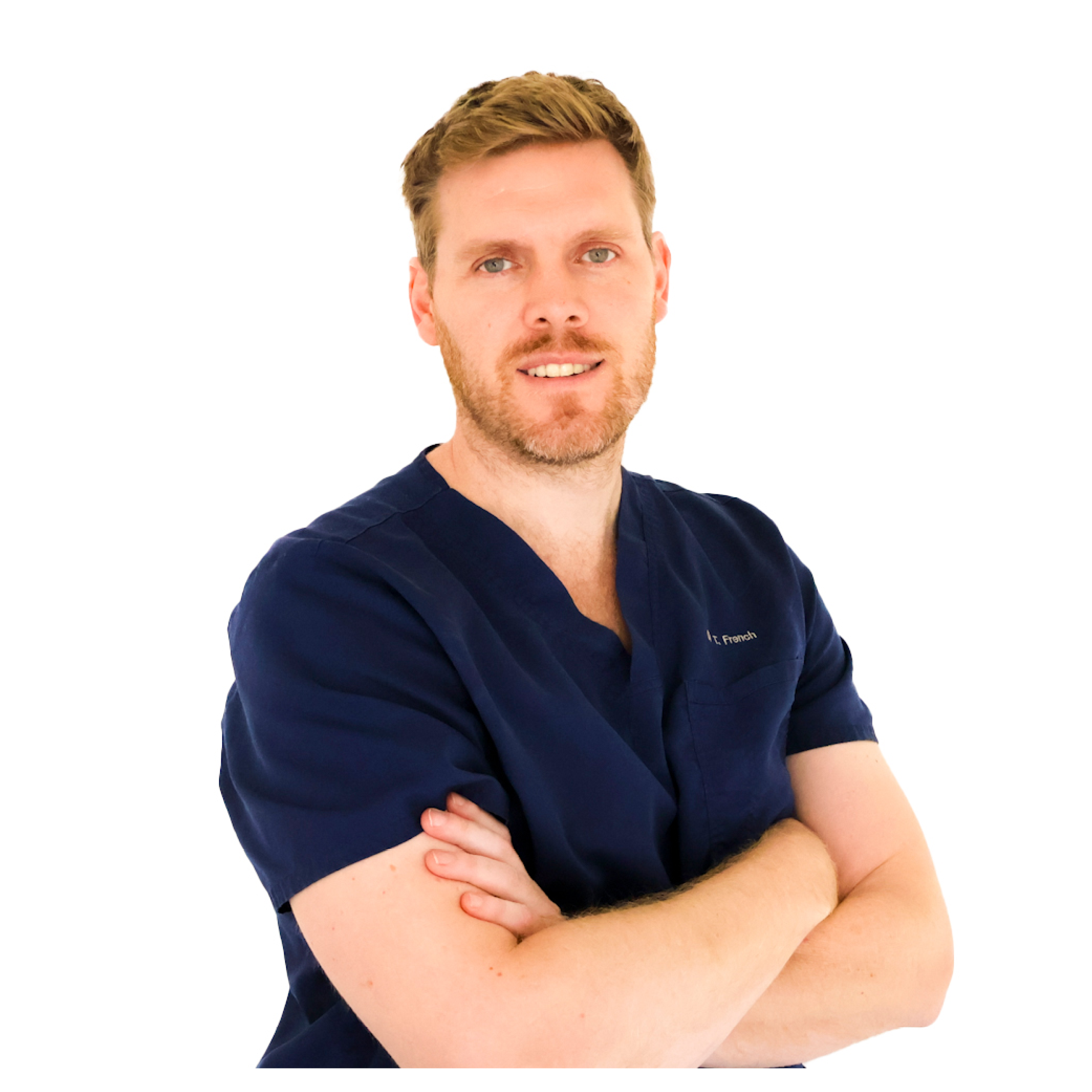
Dr Tim French (MED0001790529) is a phlebologist with AHPRA specialist and general registration and over a decade of clinical experience in venous medicine. He holds an MBBS, a Diploma of Surgical Anatomy (University of Melbourne), and further qualifications in phlebology and ultrasound in phlebology.
Related pages
See varicose veins, sclerotherapy, facial veins, or all vein treatments.
Images on This Page
-
https://www.meclinic.com.au/wp-content/uploads/2024/03/meclinic-logo.png
Me Clinic
-
https://www.meclinic.com.au/wp-content/uploads/2022/02/call.png
call
-
https://www.meclinic.com.au/wp-content/uploads/2025/11/dr-tim-photo.png
(no alt text)
-
https://www.meclinic.com.au/wp-content/uploads/2024/02/acps.png
(no alt text)
-
https://www.meclinic.com.au/wp-content/uploads/2024/02/racs.png
(no alt text)
-
https://www.meclinic.com.au/wp-content/uploads/2024/02/fracs.png
(no alt text)
-
https://www.meclinic.com.au/wp-content/uploads/2024/02/isaps.png
(no alt text)
-
https://www.meclinic.com.au/wp-content/uploads/2024/02/cpca.png
(no alt text)
-
https://www.meclinic.com.au/wp-content/uploads/2022/02/auscop.png
(no alt text)
-
https://www.meclinic.com.au/wp-content/uploads/2022/02/amav.png
(no alt text)
-
https://www.meclinic.com.au/wp-content/uploads/2022/03/channel7.png
(no alt text)
-
https://www.meclinic.com.au/wp-content/uploads/2022/03/channel9.png
(no alt text)
-
https://www.meclinic.com.au/wp-content/uploads/2022/03/channel10.png
(no alt text)
-
https://www.meclinic.com.au/wp-content/uploads/2022/03/abc.png
(no alt text)
-
https://www.meclinic.com.au/wp-content/uploads/2022/02/malvern-map-thumb.jpg
(no alt text)
-
https://www.meclinic.com.au/wp-content/uploads/2022/03/home-conctact-tab.jpg
(no alt text)
-
https://bat.bing.com/action/0?ti=56339805&Ver=2&mid=eb02cd63-a65c-401e-9ab9-837e5ccde2d0&bo=1&sid=63e98160ac4111f192dd83c342f6f168&vid=63e99620ac4111f1a74351bdd584628b&vids=1&msclkid=N&pi=918639831&lg=en-US&sw=1280&sh=720&sc=24&tl=Spider%20Veins%20Therapy%20-%20Veins%20on%20Leg%20Treatments%20at%20Me%20Clinic&p=https%3A%2F%2Fwww.meclinic.com.au%2Fbody%2Fvein-treatments%2Fspider-veins-treatment%2F&r=&evt=pageLoad&sv=2&cdb=AQAA&rn=612734
(no alt text)