What is a labiaplasty?
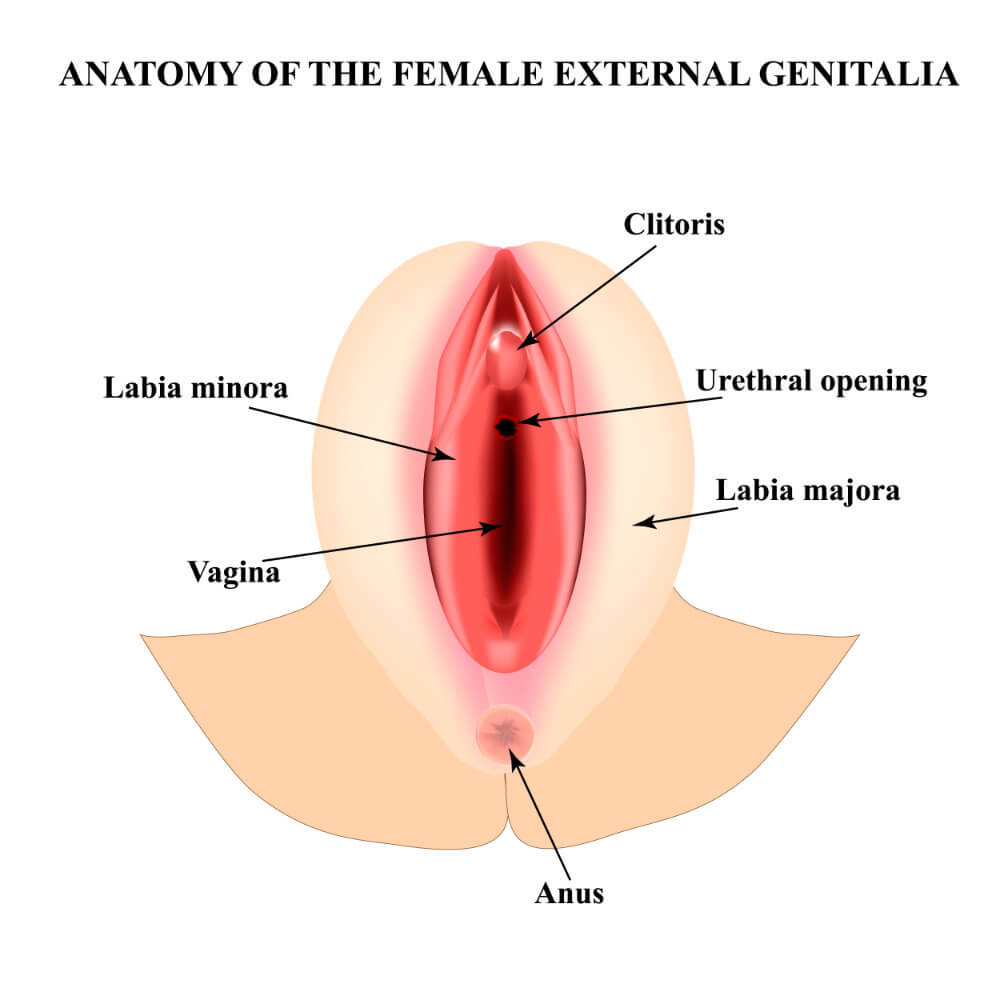
Labiaplasty is a surgical procedure that alters the labia, most commonly reducing the size and protrusion of the labia minora — the inner lips — and in some cases addressing the labia majora, the outer lips.
Enlarged or asymmetric labia can be genetic, or can follow childbirth, ageing or weight change. Where the labia minora protrude beyond the labia majora, they can be visible through close-fitting clothing and can catch or chafe.
Labia vary widely in size and shape between individuals, and variation is normal. Surgery is one option, not the only one, and it is not necessary for most people.
Why people consider it
Labiaplasty is commonly performed to address physical symptoms:
- Discomfort or chafing when wearing tight clothing.
- Discomfort during exercise, cycling or other activity.
- Pain experienced during intercourse.
- Irritation caused by the labia catching or rubbing.
- Difficulty with hygiene.
Some patients seek the procedure because they are unhappy with the size or shape of their labia rather than because of physical symptoms. Both are discussed openly at consultation.
If you are experiencing physical discomfort from chafing, this procedure can provide relief. Outcomes depend on individual anatomy, and individual results may vary.
Discussing it
This is a sensitive subject and many people feel uncomfortable raising it, which means some live with symptoms without knowing what options exist. Consultations are conducted privately and discreetly.
It is worth saying plainly that surgery is not the only answer. Where symptoms are mild, or where the concern is about appearance rather than function, a surgeon should discuss whether any intervention is warranted at all. See alternatives to labiaplasty.
What the procedure involves
The procedure reduces the size of the labia by removing excess tissue and closing the edges. It is performed under local or general anaesthesia depending on the extent of the surgery and your preference.
Several surgical techniques exist, and which is appropriate depends on your anatomy and what is being addressed. Your surgeon will explain the technique proposed in your case at consultation.
The two main techniques, and why the choice matters
This is the single most important thing to understand before consenting, and it is rarely explained. The two common approaches remove tissue from different places and therefore produce different edges, different scars and different colour.
Trim (edge) technique
The protruding tissue is removed along the free border of the labium and the cut edge is stitched. It is the more straightforward of the two and gives direct control over the final shape.
- The scar runs along the whole edge, which is where the tissue is most often in contact with clothing.
- The natural darker rim is removed, so the edge afterwards is the paler inner tissue. Some people prefer that appearance; others specifically do not.
- Straightforward to trim a little more if under-corrected, which is a real advantage.
Wedge technique
A V-shaped section is removed from the middle of the labium and the two edges are brought together, which shortens it while keeping the original border.
- The natural edge and its colour are preserved, which for many people looks less operated.
- The scar runs across the labium rather than along it, and sits perpendicular to the direction of stretch — which is why wound separation is a particular consideration with this technique.
- Less suited to very wide labia or where the tissue is thin, and technically less forgiving.
What to ask
These four questions take a minute and settle most of the uncertainty:
- “Which technique are you proposing for me, and why that one?”
- “Where exactly will the scar sit?” Ask them to show you on a diagram.
- “Will the natural edge and its colour be kept or removed?”
- “How much will be left?” — because that is the part that cannot be undone.
On that last point: tissue can always be taken away later, and never put back. A conservative first operation with the option of refining it is a better plan than an ambitious one, and a surgeon who says so is giving you good advice rather than hedging. Over-resection — removing too much, leaving the area tight, exposed or uncomfortable — is the complication that is hardest to correct.
Is the clitoral hood part of the plan?
Worth raising specifically, because it is a common source of a result that looks unbalanced.
Reducing the labia minora without addressing excess clitoral hood tissue can leave the hood looking comparatively prominent afterwards — nothing has changed there, but the surroundings have. Some plans therefore include a clitoral hood reduction; some deliberately do not.
Either is a legitimate decision. What matters is that it is a decision, made in advance, with you. Ask: “Are you doing anything to the hood, and what will it look like relative to the labia afterwards?” Surgery close to the clitoris is also an area where conservatism and sensation matter more than shape, which is a reason to be cautious rather than thorough.
Related vaginal surgery options
Other changes in the vaginal area brought about by childbirth, ageing or weight fluctuation may be addressed by different procedures. These include vaginoplasty and other options within Me Clinic’s vaginal surgery range.
Results of each procedure vary from person to person. Which procedure is appropriate — or whether one is appropriate at all — is determined at consultation.
| What you notice | Usually the relevant conversation |
|---|---|
| Inner lips protruding, catching or chafing | Labiaplasty |
| Excess tissue above and around the clitoris | Clitoral hood reduction |
| Fullness or deflation of the outer lips | Labia majora procedures |
| Fullness above the pubic bone | Mons pubis liposuction or monsplasty |
| Laxity or change after childbirth | Pelvic floor physiotherapy first; vaginoplasty in some cases |
| Itch, burning or skin change | Medical assessment — not surgery |
Age and consent
Labiaplasty on minors is subject to specific legal and ethical restrictions in Australia. Me Clinic’s consultation process includes assessment of suitability, and the standard cosmetic surgery safeguards apply.
Stated concretely, for anyone under 18 the requirements are:
- A cooling-off period of at least three months after the second consultation, rather than the seven days that applies to adults.
- A mandatory assessment by a registered psychologist, psychiatrist or general practitioner before surgery.
- The referral and two-consultation requirements on top of those.
The reasoning is worth stating rather than leaving implied: development in this area continues into the late teens, distress about it is common and frequently settles, and accurate information about normal variation resolves the concern for a substantial number of young people. Time is the safeguard.
Your rights during consultation and examination
These apply at every appointment, and are worth knowing before the first one:
- You may bring a support person into the consultation.
- You may ask for a chaperone during any examination, and one should be offered.
- You may decline photography and still have the consultation. Consent for clinical records and consent for publication are separate things.
- You may ask for a practitioner of a particular gender when booking.
- You may stop an examination at any point, without explaining why.
- You may take the written information away and decide later — and the cooling-off period exists precisely so that you do.
Costs
Labiaplasty surgery costs range from $9,000 to $13,000. The figure varies with the complexity of the procedure, whether it is combined with other treatment, the time required in theatre, and the facility used.
As at September 2024 and including GST, a consultation with a Specialist Plastic Surgeon is $350. You receive a tailored quote after consultation, covering surgeon fees, anaesthesia, hospital costs and post-operative care.
Payment for major surgery is due four weeks before the procedure. See Me Clinic pricing. Two questions worth adding to the quote conversation: whether a clitoral hood reduction is included or additional, and what a revision would cost if the result needs refining.
Medicare and health insurance
Labiaplasty performed for cosmetic reasons is not covered by Medicare. Where it is performed to address a documented physical or functional problem, a Medicare item number may apply where the strict MBS criteria are met and you hold a valid GP referral.
Medicare has specific restrictions on vulvoplasty and labiaplasty items, and eligibility is assessed carefully — these items were tightened deliberately, to separate treatment of a genuine structural or functional problem from cosmetic surgery. Item numbers and criteria change, so confirm the current position with your surgeon and on MBS Online. We are not a no-gap provider, so a significant out-of-pocket payment remains even where cover applies.
The practical point: eligibility turns on documented symptoms — what happens, how often, what you have already tried, and what a doctor has recorded about it. Symptoms discussed but never written down cannot be assessed. If function is the reason you are seeking surgery, make sure your GP has it in your notes well before the consultation.
Referral and cooling-off period
Since 1 July 2023, all patients are required to have a GP referral before seeing a plastic surgeon or doctor about cosmetic surgery, and at least two consultations are required, one of them in person with the operating surgeon. A valid referral is also needed if you wish to claim a Medicare rebate on medically essential surgery.
For any cosmetic surgery there is a compulsory one-week cooling-off period after your second consultation before surgery can be booked or a deposit paid.
Recovery
Recovery involves swelling and discomfort in the treated area, managed with prescribed medication. Specific guidance is given at your consultation, but as general points:
- Where a general anaesthetic is used, you need someone to drive you home and stay with you for at least 24 hours.
- Swelling and bruising are expected and settle over the following weeks.
- Avoid exercise for the first two weeks; gentle walking is encouraged.
- Most people return to work after one to two weeks, depending on the physical demands of the job.
- Sexual activity is avoided for a period your surgeon will specify — generally around six weeks.
- Wait six to eight weeks before swimming.
The final result becomes clearer over several months as swelling resolves. See the labiaplasty recovery timeline for a week-by-week guide.
Risks and complications
All surgical procedures carry risks and potential complications, including infection, bleeding and haematoma, swelling, pain, scarring, delayed healing, wound separation, asymmetry, changes in sensation, over-resection or under-resection of tissue, and the possible need for revision surgery.
Changes in sensation are a particular consideration in this area, and should be discussed specifically with your surgeon before proceeding.
Two technique-specific points belong here as well: wound separation is a recognised consideration with the wedge technique, because the scar sits across the direction of stretch; and over-resection is the complication that is hardest to correct with either technique, which is the argument for conservatism.
Risks are discussed with you in detail during the consultation process, and you are given written information to take home. Please read our information on the risks and complications of cosmetic surgery before proceeding.
Individual results may vary. Any surgical or invasive procedure carries risks. Before proceeding you should seek a second opinion from an appropriately qualified health practitioner.
Common questions about labiaplasty
What is a labiaplasty?
Surgery that alters the labia, most commonly reducing the size and protrusion of the labia minora, and in some cases addressing the labia majora.
Why do labia become enlarged or asymmetric?
It can be genetic, or follow childbirth, ageing or weight change. Wide variation between individuals is normal.
Why do people have it done?
Most commonly for physical symptoms — chafing in tight clothing, discomfort during exercise or cycling, pain during intercourse, catching or rubbing, and difficulty with hygiene. Some seek it for appearance, and both are discussed openly.
Is surgery the only option?
No, and it is not necessary for most people. Where symptoms are mild or the concern is appearance, a surgeon should discuss whether any intervention is warranted at all.
What are the two main techniques?
The trim or edge technique, which removes tissue along the free border; and the wedge technique, which removes a V from the middle and brings the edges together.
What is the difference in the result?
Trim places the scar along the whole edge and removes the natural darker rim. Wedge preserves the natural edge and colour but places the scar across the labium.
Which is better?
Neither in the abstract. Trim gives direct control of shape and is easier to refine; wedge looks less operated to many people but is less forgiving and less suited to very wide or thin tissue.
What should I ask about technique?
Which one and why, where exactly the scar will sit, whether the natural edge and colour will be kept, and how much tissue will be left.
Why does “how much will be left” matter most?
Because tissue can always be taken away later and never put back. Over-resection is the complication hardest to correct.
What about the clitoral hood?
Reducing the labia without addressing excess hood tissue can leave the hood looking comparatively prominent. Ask whether anything is being done there and what it will look like relative to the labia afterwards.
What anaesthetic is used?
Local or general, depending on the extent of the surgery and your preference.
What are the rules for under-18s?
A cooling-off period of at least three months rather than seven days, a mandatory assessment by a registered psychologist, psychiatrist or GP, and the referral and two-consultation requirements on top.
Why are the rules stricter for young people?
Development in this area continues into the late teens, distress about it is common and frequently settles, and accurate information about normal variation resolves the concern for many.
What are my rights at the appointment?
You may bring a support person, ask for a chaperone, decline photography, request a practitioner of a particular gender, stop an examination at any point, and take the written information away to decide later.
What does it cost?
$9,000 to $13,000 for the surgery, with a Specialist Plastic Surgeon consultation at $350 including GST as at September 2024. Payment for major surgery is due four weeks beforehand.
What should the quote clarify?
Whether a clitoral hood reduction is included or additional, and what a revision would cost.
Will Medicare cover it?
Not for cosmetic reasons. Where it addresses a documented physical or functional problem an item number may apply, but Medicare has specific restrictions on vulvoplasty and labiaplasty items and eligibility is assessed carefully.
What decides eligibility in practice?
Documented symptoms — what happens, how often, what you have tried, and what a doctor has recorded. Symptoms never written down cannot be assessed.
What is recovery like?
Swelling and discomfort managed with medication, no exercise for two weeks, back to work at one to two weeks, no sexual activity for around six weeks, and no swimming for six to eight.
When is the result clear?
Over several months as swelling resolves.
What are the risks?
Infection, bleeding and haematoma, swelling, pain, scarring, delayed healing, wound separation, asymmetry, changes in sensation, over- or under-resection, and possible revision surgery.
Are there technique-specific risks?
Wound separation is a particular consideration with the wedge technique, because the scar sits across the direction of stretch. Over-resection is hardest to correct with either.
Images on This Page
-
https://www.meclinic.com.au/wp-content/uploads/2024/03/meclinic-logo.png
Me Clinic
-
https://www.meclinic.com.au/wp-content/uploads/2022/02/call.png
call
-
https://www.meclinic.com.au/wp-content/uploads/2022/02/labiaplasty-how-does-it-work-and-how-much-does-it-cost-sub-1.jpg
labiaplasty-how-does-it-work-and-how-much-does-it-cost-sub-1
-
https://www.meclinic.com.au/wp-content/uploads/2024/02/acps.png
(no alt text)
-
https://www.meclinic.com.au/wp-content/uploads/2024/02/racs.png
(no alt text)
-
https://www.meclinic.com.au/wp-content/uploads/2024/02/fracs.png
(no alt text)
-
https://www.meclinic.com.au/wp-content/uploads/2024/02/isaps.png
(no alt text)
-
https://www.meclinic.com.au/wp-content/uploads/2024/02/cpca.png
(no alt text)
-
https://www.meclinic.com.au/wp-content/uploads/2022/02/auscop.png
(no alt text)
-
https://www.meclinic.com.au/wp-content/uploads/2022/02/amav.png
(no alt text)
-
https://www.meclinic.com.au/wp-content/uploads/2022/02/malvern-map-thumb.jpg
(no alt text)
-
https://www.meclinic.com.au/wp-content/uploads/2022/03/home-conctact-tab.jpg
(no alt text)
-
https://bat.bing.com/action/0?ti=56339805&Ver=2&mid=60642e85-34ce-491c-998f-f7cdf44c1c51&bo=1&sid=e80ffff0ac3c11f1be29691f92048d7c&vid=e8102db0ac3c11f1b0aaad75aaf94d6e&vids=1&msclkid=N&pi=918639831&lg=en-US&sw=1280&sh=720&sc=24&tl=Labiaplasty%20Surgery%20-%20Explore%20Treatment%20Options&p=https%3A%2F%2Fwww.meclinic.com.au%2Fbody%2Fvaginal-surgery%2Flabiaplasty%2F&r=<=3627&evt=pageLoad&sv=2&cdb=AQAQ&rn=232517
(no alt text)