Liposuction and weight loss surgery are not the same thing
These are two serious medical procedures with different goals. Neither should be considered a first-line solution for weight loss.
- Weight loss (bariatric) surgery is designed to help patients with obesity reach a healthier weight by restricting how much food the stomach can hold.
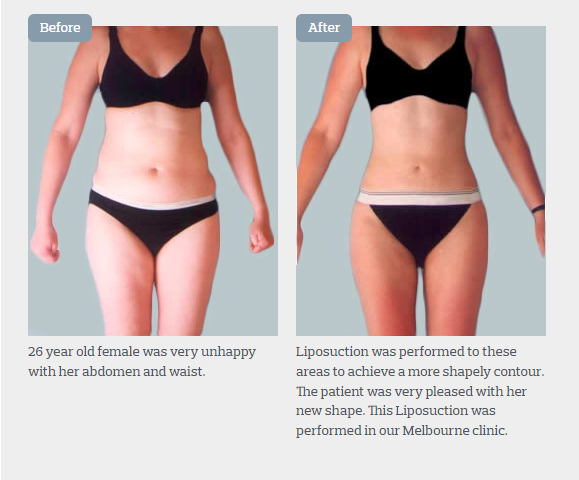
- Liposuction removes stubborn pockets of fat that are resistant to diet and exercise. It reshapes the body. It is not a weight loss method.
Liposuction is not intended for patients with obesity and should not be considered an option for weight loss. This is the single most important distinction between the two.
Weight loss (bariatric) surgery
Bariatric surgery restricts the amount of food the stomach can hold, with the intention of decreasing hunger and food intake. There are several types, including gastric bypass and Lap-Band surgery.
Eligibility
To qualify, a patient generally must be significantly overweight or have a body mass index of 40 or higher. People with diabetes or hypertension may also be eligible where they have been unable to achieve healthy weight loss by other means.
Me Clinic does not perform bariatric surgery. If weight loss surgery is what you need, your GP can refer you to an appropriate specialist.
Liposuction
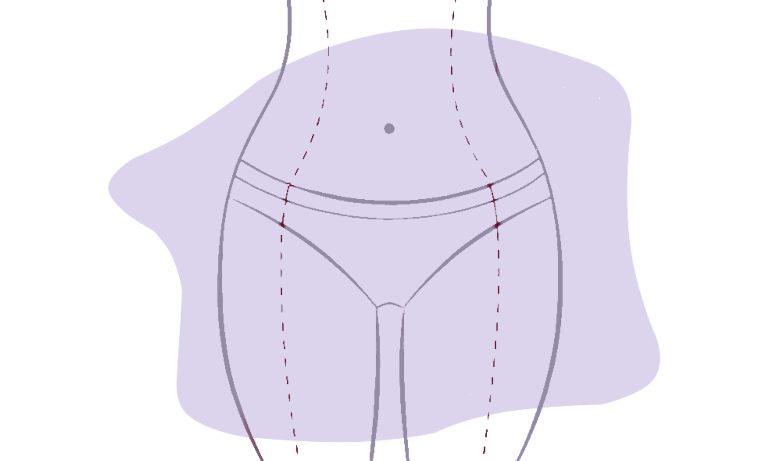
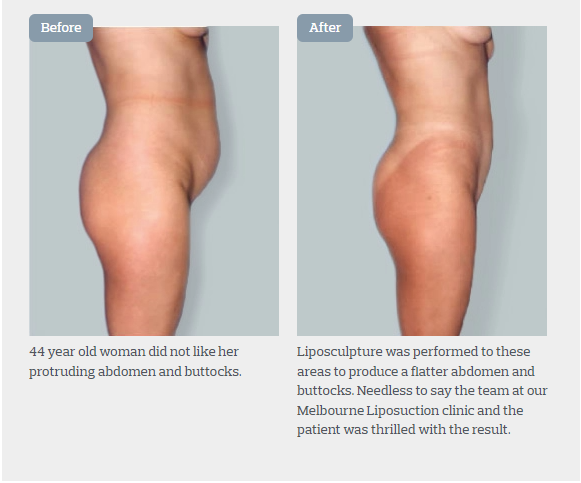
Liposuction reshapes the body by removing excess fat from specific areas. It is classed as elective surgery, because it is performed to change appearance rather than to treat a medical condition.
A hollow instrument called a cannula is inserted under the skin to break up and remove fat cells. It is commonly performed on the abdomen, buttocks, thighs, neck, chin and arms.
Eligibility
Liposuction is generally appropriate for people in good health who are within about 30 percent of their ideal body weight. It targets localised deposits, not general excess weight.
What the two have in common
Both are surgical procedures that require preparation, generally involve general anaesthesia, and need a recovery period. Both can produce scarring at the incision points, and both require several days off work.
How they differ afterwards
After bariatric surgery
Patients must adhere to a strict diet plan, beginning with a liquid diet and progressing to solid foods, to avoid stretching the stomach. The dietary change is permanent and central to the result.
After liposuction
Patients are advised to maintain their weight with a healthy diet and exercise. The fat cells removed during the procedure do not grow back, but the fat cells that remain can enlarge if weight is gained. Swelling and inflammation can be expected for roughly one month after surgery.
Compression garments are worn afterwards. Most people return to work after two to three weeks, avoid exercise for the first two weeks, and are back to their usual level of exercise by around six weeks.
Which might apply to you
People with obesity looking for a long-term weight loss solution may wish to consider bariatric surgery, through their GP. People who are relatively healthy and want to address a stubborn pocket of fat may find liposuction appropriate.
A consultation is needed for a personalised assessment. Your surgeon will assess your circumstances and goals and advise whether liposuction is suitable, or whether it is not the right procedure for what you are trying to achieve.
Costs
Liposuction surgeon's fees range from $4,000 to $8,000 for one area, $9,000 to $15,000 for two areas, and $15,000 to $20,000+ for three. As at September 2024 and including GST, a consultation with a Specialist Plastic Surgeon is $350. See liposuction costs.
Liposuction performed for cosmetic body contouring is not covered by Medicare or private health insurance. Bariatric surgery, being medically indicated, is treated differently — discuss that with your GP.
Risks
All surgical procedures carry risks and potential complications. For liposuction these include infection, bruising, swelling, pain, scarring, bleeding and haematoma, seroma, contour irregularity, changes in sensation, anaesthesia complications and blood clots. Liposuction can be traumatic for internal organs, and visceral perforation, while uncommon, is a recognised risk.
Risks are discussed with you in detail at consultation, and you are given written information to take home. Please read our information on the risks and complications of cosmetic surgery before proceeding.
Individual results may vary. Any surgical or invasive procedure carries risks. Before proceeding you should seek a second opinion from an appropriately qualified health practitioner.
Referral and cooling-off period
Since 1 July 2023, all patients are required to have a GP referral before seeing a plastic surgeon or doctor about cosmetic surgery. For any cosmetic surgery there is a compulsory one-week cooling-off period after your second consultation before surgery can be booked.
Related pages
See liposuction, local or general anaesthesia, or tummy tuck surgery.
Images on This Page
-
https://www.meclinic.com.au/wp-content/uploads/2024/03/meclinic-logo.png
Me Clinic
-
https://www.meclinic.com.au/wp-content/uploads/2022/02/call.png
call
-
https://www.meclinic.com.au/wp-content/uploads/2024/11/Liposuction-Vs-Weight-Loss-Surgery-Image-with-background-cropped.png
Liposuction Vs Weight Loss Surgery Image with background cropped
-
https://www.meclinic.com.au/wp-content/uploads/2022/03/Weight-loss-surgery.png
(no alt text)
-
https://www.meclinic.com.au/wp-content/uploads/2022/03/procedures.png
(no alt text)
-
https://www.meclinic.com.au/wp-content/uploads/2022/02/malvern-map-thumb.jpg
(no alt text)
-
https://www.meclinic.com.au/wp-content/uploads/2024/02/acps.png
Australian Society Of Plastic Surgeons
-
https://www.meclinic.com.au/wp-content/uploads/2024/02/racs.png
Royal Australian College Of Surgeons
-
https://www.meclinic.com.au/wp-content/uploads/2024/02/fracs.png
fracs
-
https://www.meclinic.com.au/wp-content/uploads/2024/02/isaps.png
isaps
-
https://www.meclinic.com.au/wp-content/uploads/2024/02/cpca.png
(no alt text)
-
https://www.meclinic.com.au/wp-content/uploads/2022/02/auscop.png
College
-
https://www.meclinic.com.au/wp-content/uploads/2022/02/amav.png
AMA
-
https://www.meclinic.com.au/wp-content/uploads/2022/03/home-conctact-tab.jpg
(no alt text)
-
https://bat.bing.com/action/0?ti=56339805&Ver=2&mid=a7b926f5-62d8-48dd-be02-2405e195a611&bo=1&sid=fda3d680ac3c11f186f75770c34a1d66&vid=fda40e10ac3c11f18172c9bd72536534&vids=1&msclkid=N&pi=918639831&lg=en-US&sw=1280&sh=720&sc=24&tl=Liposuction%20Vs%20Weight%20Loss%20Surgery%20-%20Which%20Should%20You%20Get%20-Me%20Clinic&p=https%3A%2F%2Fwww.meclinic.com.au%2Fblog%2Fliposuction-vs-weight-loss-surgery-which-should-you-get%2F&r=<=3832&evt=pageLoad&sv=2&cdb=AQAQ&rn=504945
(no alt text)