Light touch liposuction and liposculpture
Light touch liposuction, also referred to as liposculpture, describes a refined approach to liposuction aimed at contouring and sculpting rather than removing large volumes of fat.
Where standard liposuction is often about reducing a fatty area, liposculpture places more emphasis on shaping - working with smaller volumes, in more defined areas, to refine contour.
What the name does and does not mean
Worth being clear about this, because the terminology across the industry is loose. "Light touch" and "liposculpture" are descriptions of approach, not names of a distinct piece of equipment or a separate procedure. The underlying operation is liposuction, with the same risks, the same regulatory requirements and the same referral and cooling-off rules.
What the language should not be read to mean:
- Not a non-surgical treatment. It is surgery.
- Not risk-free because the volumes are smaller. Smaller volumes reduce some risks; they do not remove them.
- Not a way around the rules. The GP referral and the seven-day cooling-off period apply exactly as they do to any cosmetic surgery.
- Not a guarantee of a defined result. Shaping works with your existing anatomy.
If anyone offers you "lunchtime liposuction" with no referral, no second consultation and no cooling-off period, that is a compliance problem, not a convenience.
Who this is for
- You have a defined area you want refined rather than a volume you want reduced
- Your weight has been stable and you are within about 30 percent of your ideal body weight
- Your skin has reasonable elasticity
- You want a single procedure rather than a course of treatments
Who it is not for
- Anyone wanting a large volume removed. That is standard liposuction, and this approach is not a lighter substitute for it.
- Anyone whose concern is loose skin.
- Anyone treating obesity. It is not a treatment for that and never has been.
- Anyone who wants a physique that comes from training rather than fat distribution. Removing fat reveals what is underneath; it does not create it.
What it involves
The underlying technique is liposuction: a thin tube called a cannula is inserted through a small incision and attached to a suction device, and fat is extracted from a localised area.
Because the volumes involved are typically smaller, procedures of this kind are more often suitable for local anaesthesia rather than a general anaesthetic, and are generally performed as same-day procedures. This is one of the practical differences patients notice - a shorter procedure, no anaesthetist fee where local anaesthesia alone is used, and a quicker return to normal activity.
Me Clinic most commonly uses the tumescent technique, in which a dilute local anaesthetic and adrenaline solution is infused into the treatment area before suction. See local or general anaesthesia for how that choice is made.
Which technique is right for you
We use four liposuction techniques - tumescent, ultrasound-assisted (VASER), laser lipolysis and power-assisted. Which is appropriate depends on the area, the volume of fat, your skin quality and what you are seeking.
This is a clinical decision made at consultation rather than something to select in advance. Your surgeon will explain what they propose and why.
A useful thing to ask: why this technique rather than the others, for me? A clear answer is a sign the decision is being made on your anatomy. "It is what we use" is not an answer to that question.
What liposuction is and is not
Liposuction removes localised fat deposits that have not responded to diet and exercise. It is not a weight loss procedure, and it is not a treatment for obesity. It is generally appropriate for people in good health who are within about 30 percent of their ideal body weight.
It removes fat, not skin. Where loose skin is the concern, a skin-removing procedure such as abdominoplasty, brachioplasty or a thigh lift is the relevant option. Your surgeon will assess which applies.
The process, start to finish
- GP referral - required since 1 July 2023 before seeing a surgeon about cosmetic surgery. This applies to liposculpture as much as to any other liposuction.
- First consultation with a Specialist Plastic Surgeon, $350 including GST as at September 2024.
- Written quote and risk information to take home.
- Second consultation with the questions that came up afterwards.
- Seven-day cooling-off period. Compulsory.
- Booking, with garment sizing and pre-operative instructions.
- Procedure day - generally same-day, and more often under local anaesthesia than standard liposuction.
- Reviews at seven to ten days, then six to eight weeks, three months, six months and twelve months.
Suitability
A good candidate is in good general health, at a stable weight, has localised fat rather than predominantly loose skin, and has realistic expectations of what contouring can achieve.
The fat cells removed do not grow back, but the fat cells that remain can enlarge if weight is gained, so a stable weight matters to how long the result holds. Smokers have an increased risk of complications from any surgery.
Circumstances that change the picture
- Smaller volumes mean finer margins. Contour irregularity is a recognised risk of all liposuction, and shaping work is precisely where small irregularities are most visible.
- After weight loss. Skin quality is the limiting factor, and refining a contour under loose skin does not produce a refined result.
- Men. Male fat in the areas commonly treated this way tends to be firmer and more fibrous, which changes both technique and time.
- Anyone who trains seriously. Six weeks away from training is the realistic figure, and building the plan around a competition or event date is worth doing before booking.
Costs
Liposuction surgeon's fees are $4,000 to $8,000 for one area, $9,000 to $15,000 for two areas, and $15,000 to $20,000+ for three. By area: chin and neck around $5,000, abdomen around $9,000, inner and outer thighs around $10,000.
Where the procedure is performed under local anaesthetic in clinic rather than under general anaesthetic in hospital, the total is lower because no anaesthetist fee applies - anaesthetist fees otherwise range from $800 to $1,200 per hour.
As at September 2024 and including GST, a consultation with a Specialist Plastic Surgeon is $350. See liposuction costs for the full breakdown.
Liposuction is quoted on two bases across this site - a surgeon's fee per area, and a figure per hour of theatre time. They measure different things; your written quote is the one that applies to you.
What you should leave the consultation with
- Which technique is proposed and why that one, for you
- An itemised written quote: surgeon's fee, anaesthetist fee or confirmation none applies, theatre fee, garments, follow-ups, and the cost of a revision
- Written risk information, including that contour irregularity is a recognised risk of shaping work
- Whether local or general anaesthesia is proposed
- Your surgeon's name and AHPRA number - checkable at ahpra.gov.au
- An after-hours number and who answers it
- Your review dates
Recovery
- Where a general anaesthetic or sedation is used, you need someone to drive you home and stay with you for at least 24 hours.
- Compression garments are worn to reduce swelling and assist recovery.
- Expect swelling and bruising, settling over the following weeks.
- Avoid exercise for the first two weeks; gentle walking is encouraged.
- Most people return to work after two to three weeks and to their usual exercise routine by around six weeks.
- Domestic flights are usually fine at around two weeks; wait six to eight weeks for international flights and before swimming.
Most patients are seen at seven to ten days, then at six to eight weeks, three months, six months and twelve months.
The smaller volumes do not mean a much shorter recovery. They mean a shorter procedure. Compression, swelling and the timeline to a settled contour are broadly the same.
Aftercare: expected, and not expected
Expected: swelling, bruising that changes colour over two to three weeks, numbness or altered sensation lasting weeks to months, firmness or lumpiness under the skin as it resolves, and fluid oozing from the small incisions in the first days.
Call us for a fever, increasing rather than settling pain, spreading redness or heat, pus or a bad smell from an incision, a wound that opens, or swelling suddenly worse on one side.
Call 000 for chest pain, shortness of breath, or pain and swelling in one calf.
When you will see the result
Shaping work is judged on fine contour, and fine contour is exactly what swelling hides. Nothing meaningful is visible before three months, and it refines out to a year. Assessing it at six weeks - which is when most people want to - tells you about swelling, not about the work.
Risks and complications
All surgical procedures carry risks and potential complications, including infection, bruising, swelling, pain, scarring, bleeding and haematoma, seroma, contour irregularity, changes in sensation from nerve damage, anaesthesia complications and blood clots. Liposuction can be traumatic for internal organs, and visceral perforation, while uncommon, is a recognised risk.
Risks are discussed with you in detail during the consultation process, and you are given written information to take home. Please read our information on the risks and complications of cosmetic surgery before proceeding.
Individual results may vary. Any surgical or invasive procedure carries risks. Before proceeding you should seek a second opinion from an appropriately qualified health practitioner.
Referral and cooling-off period
Since 1 July 2023, all patients are required to have a GP referral before seeing a plastic surgeon or doctor about cosmetic surgery. For any cosmetic surgery there is a compulsory one-week cooling-off period after your second consultation before surgery can be booked or a deposit paid.
Patients under 18 have additional requirements: a three-month cooling-off period and an independent assessment by a registered psychologist, psychiatrist or GP.
Common questions about light touch liposuction
How is this different from standard liposuction?
It is the same underlying technique applied with a different emphasis. Standard liposuction is often about reducing a fatty area; liposculpture is about shaping - smaller volumes, more defined areas, refining contour rather than reducing bulk.
Is "light touch" a different procedure or different equipment?
Neither. It is a description of approach. The underlying operation is liposuction, with the same risks and the same regulatory requirements.
Is it non-surgical?
No. It is surgery.
Do the referral and cooling-off rules still apply?
Yes, exactly as for any cosmetic surgery - a GP referral and a compulsory one-week cooling-off period after your second consultation. Anyone offering this with no referral, no second consultation and no cooling-off period has a compliance problem.
Are the risks lower because the volume is smaller?
Some are reduced. None are removed. And contour irregularity - a recognised risk of all liposuction - is most visible precisely in shaping work.
Can it really be done under local anaesthetic?
More often than standard liposuction, yes, because the volumes involved are smaller. That brings three practical differences: a shorter procedure, no anaesthetist fee where local anaesthesia alone is used, and a quicker return to normal activity. Whether it is appropriate for you is a clinical decision.
Which of the four techniques will be used on me?
We use tumescent, ultrasound-assisted (VASER), laser lipolysis and power-assisted. Which applies depends on the area, the volume of fat, your skin quality and what you are seeking. This is a clinical decision made at consultation, not something to select in advance - though your surgeon should explain what they propose and why.
What should I ask about the technique?
Why this one rather than the others, for me. A clear answer means the decision is being made on your anatomy. "It is what we use" is not an answer to that question.
Is this a way to lose weight?
No. It removes localised fat deposits that have not responded to diet and exercise, and it is not a treatment for obesity. It is generally appropriate for people in good health within about 30 percent of their ideal body weight.
Will it give me definition I do not currently have?
Removing fat reveals what is underneath. It does not create it.
Will it help with loose skin?
No - it removes fat, not skin. Where loose skin is the concern, a skin-removing procedure is the relevant option: abdominoplasty, brachioplasty or a thigh lift depending on the area.
Do the fat cells grow back?
The fat cells removed do not grow back, but the cells that remain can enlarge if you gain weight. That is why a stable weight matters to how long the result holds - the contour can change even though the removed cells are gone for good.
What will it cost?
Surgeon's fees are $4,000-$8,000 for one area, $9,000-$15,000 for two, $15,000-$20,000+ for three. By area: chin and neck around $5,000, abdomen around $9,000, inner and outer thighs around $10,000. Performing it under local anaesthetic in clinic rather than under general anaesthetic in hospital lowers the total, because no anaesthetist fee applies.
How long is the recovery?
Avoid exercise for the first two weeks with gentle walking encouraged; most people return to work after two to three weeks and to their usual exercise by around six. Compression garments are worn throughout to reduce swelling.
Is recovery shorter because it is a smaller procedure?
The procedure is shorter. The recovery is broadly the same - compression, swelling and the timeline to a settled contour do not scale down with the volume.
When can I fly or swim?
Domestic flights are usually fine at around two weeks. Wait six to eight weeks for international flights, and the same before swimming.
When will I see the result?
Nothing meaningful before three months, refining out to a year. Fine contour is exactly what swelling hides, so assessing it at six weeks tells you about swelling, not about the work.
I train seriously. How should I plan this?
Six weeks away from training is the realistic figure. Build the plan around any event or competition date before booking, not after.
What is normal afterwards?
Swelling, bruising that changes colour over two to three weeks, numbness or altered sensation lasting weeks to months, firmness or lumpiness under the skin, and fluid oozing from the incisions in the first days.
When should I call us?
Fever, increasing rather than settling pain, spreading redness or heat, pus or a bad smell from an incision, a wound that opens, or swelling suddenly worse on one side.
When should I call 000?
Chest pain, shortness of breath, or pain and swelling in one calf.
What are the risks?
Infection, bruising, swelling, pain, scarring, bleeding and haematoma, seroma, contour irregularity, changes in sensation from nerve damage, anaesthesia complications and blood clots. Liposuction can also be traumatic for internal organs, and visceral perforation, while uncommon, is a recognised risk - smaller volumes do not remove that risk entirely.
Related pages
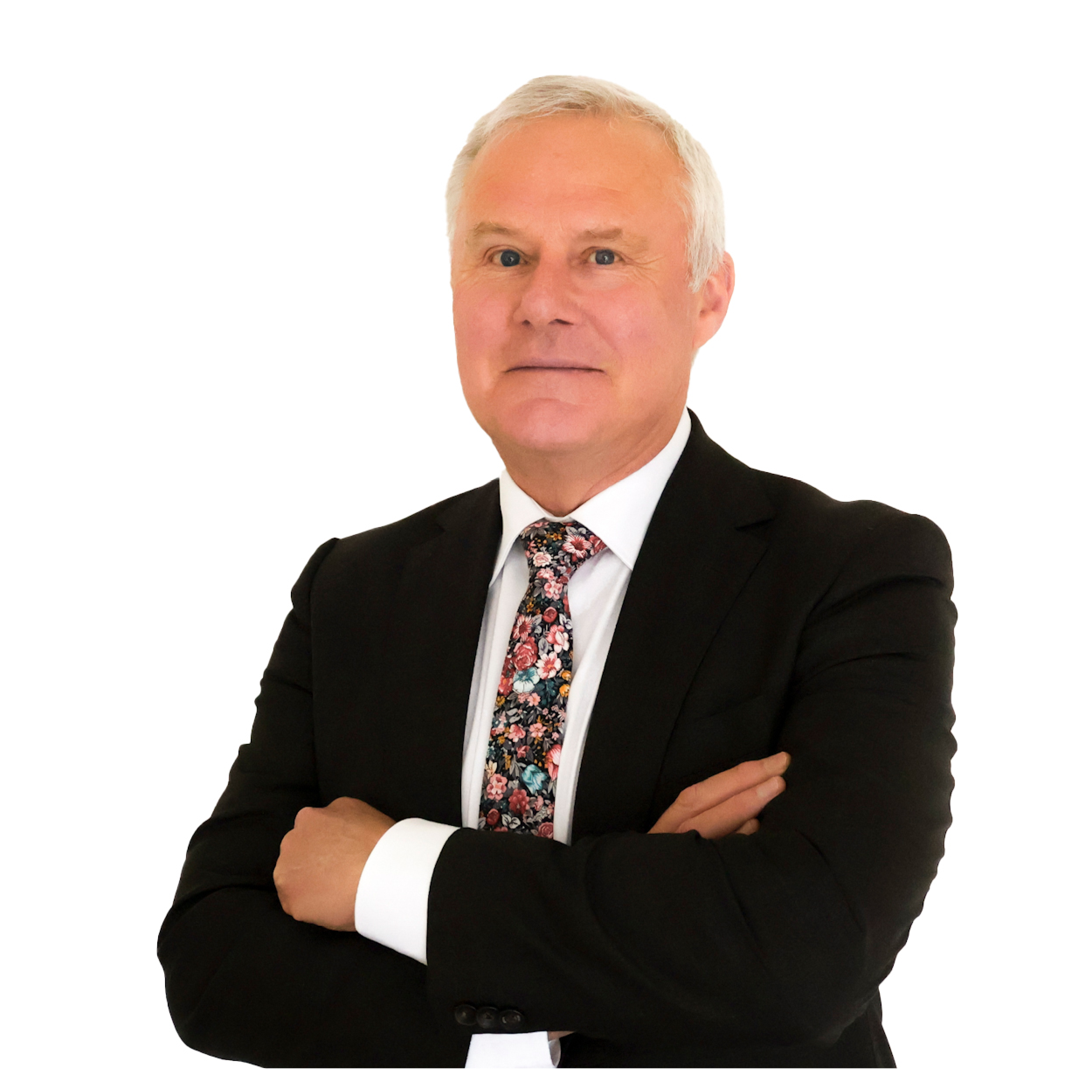
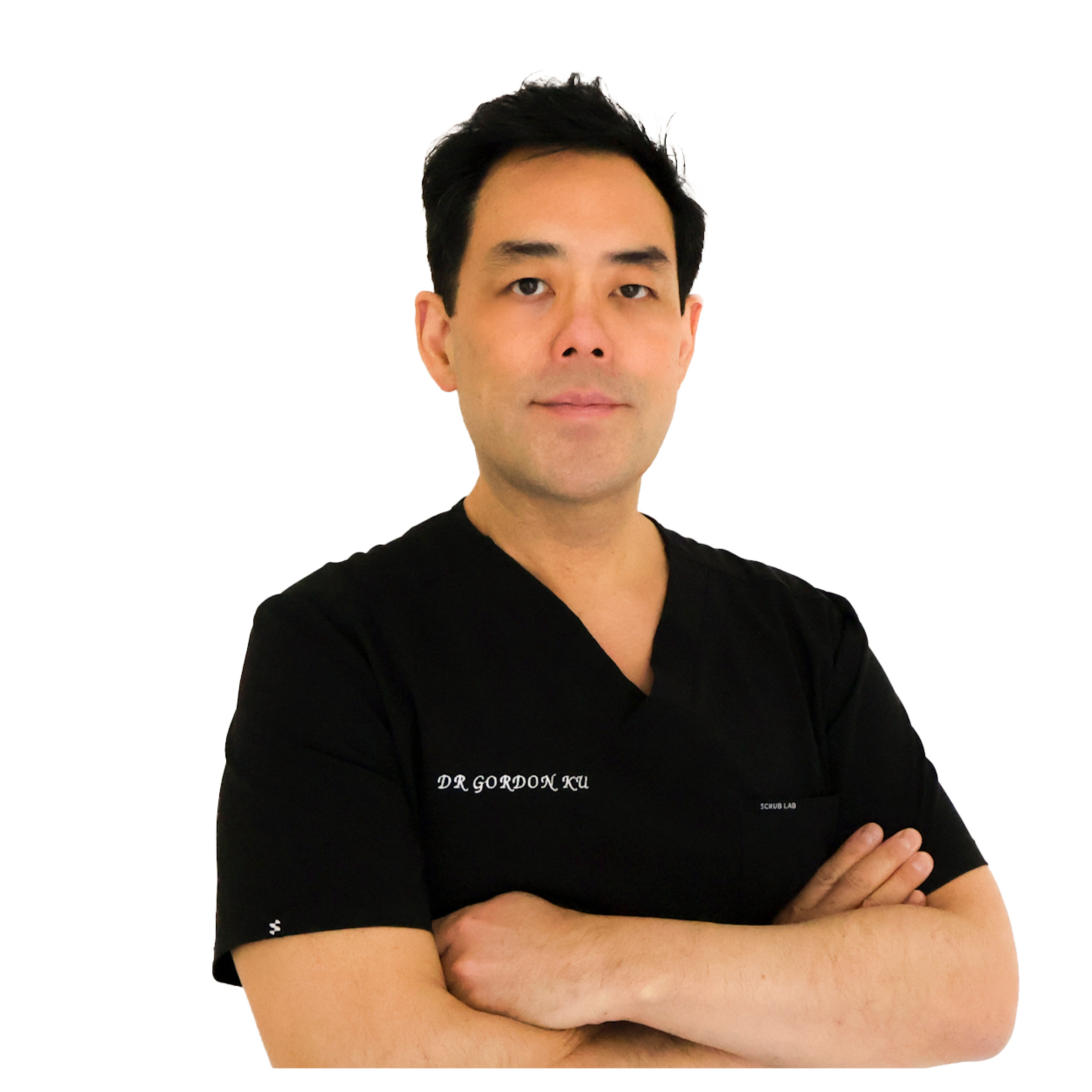
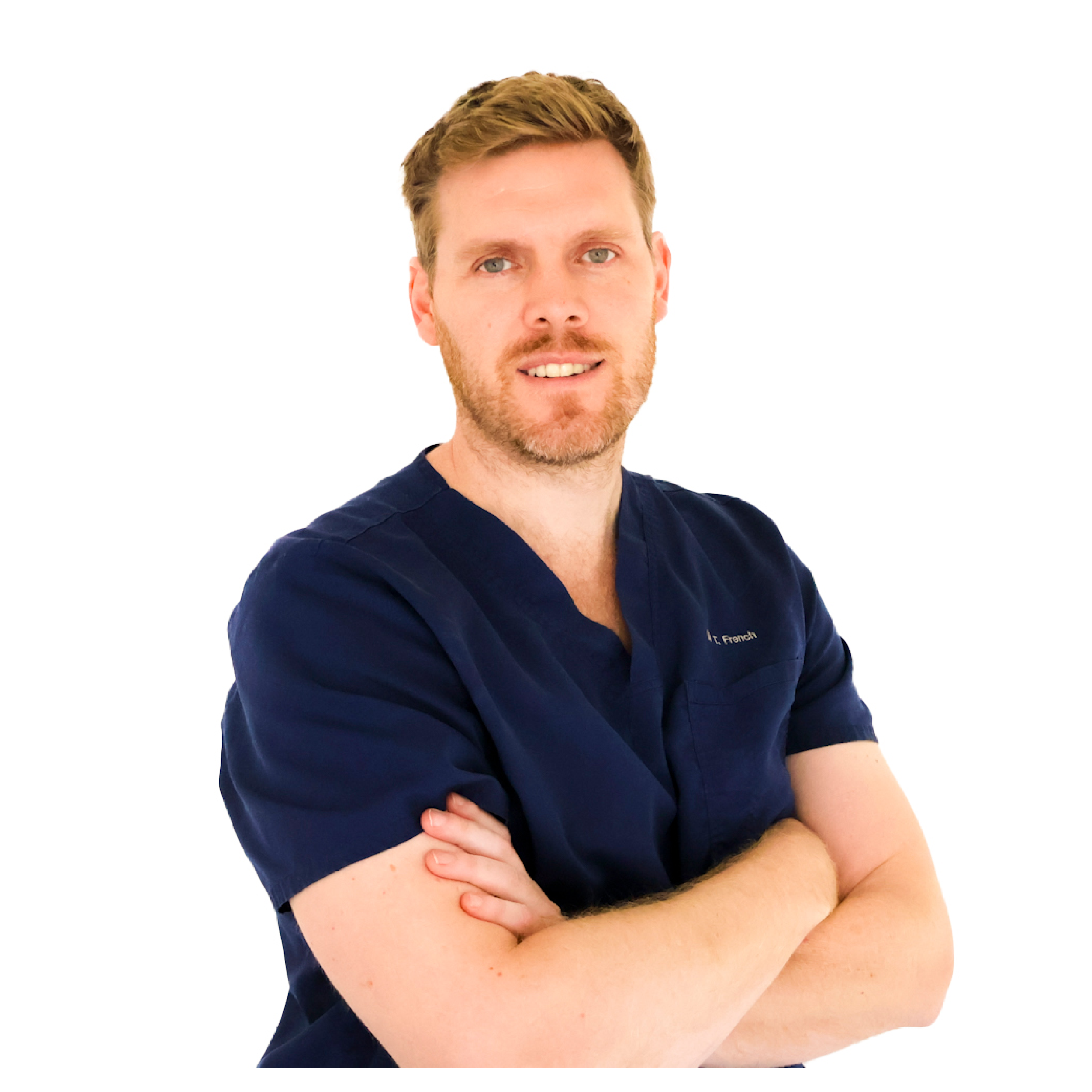
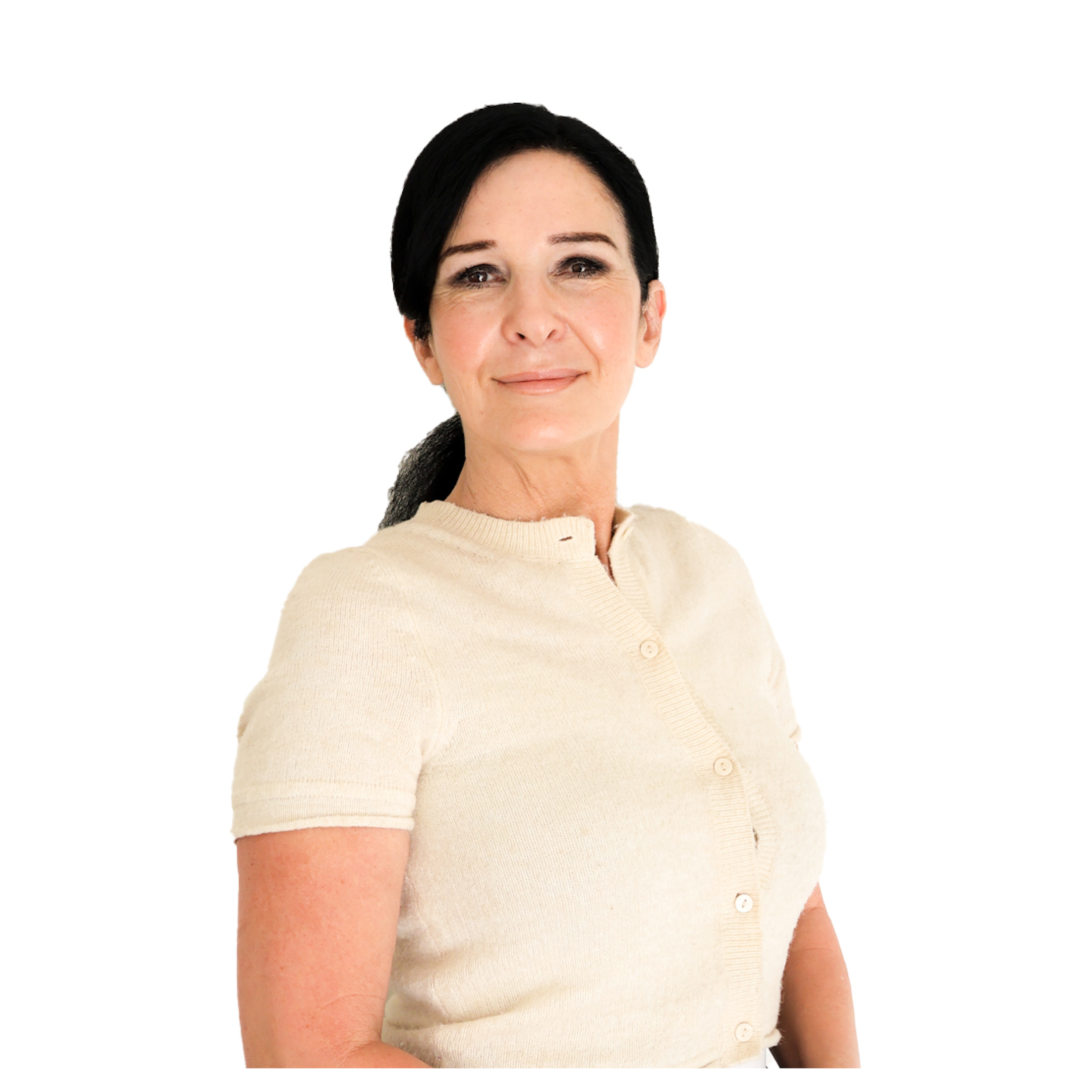
See what the day is actually like, liposuction, VASER liposuction, liposuction costs, or the Me Clinic team.
Individual results may vary. Any surgical or invasive procedure carries risks. Before proceeding you should seek a second opinion from an appropriately qualified health practitioner.
Images on This Page
-
https://www.meclinic.com.au/wp-content/uploads/2024/03/meclinic-logo.png
Me Clinic
-
https://www.meclinic.com.au/wp-content/uploads/2022/02/call.png
call
-
https://www.meclinic.com.au/wp-content/uploads/2026/04/ME_CLINIC_LOGO_JUST_FOR_ME_BOXED-2-scaled.png
(no alt text)
-
https://www.meclinic.com.au/wp-content/uploads/2025/11/dr-kode-photo.png
(no alt text)
-
https://www.meclinic.com.au/wp-content/uploads/2025/11/dr-amir-photo.png
(no alt text)
-
https://www.meclinic.com.au/wp-content/uploads/2024/03/Dr.-Mark-Doyle.png
(no alt text)
-
https://www.meclinic.com.au/wp-content/uploads/2025/11/gordon-photo.png
(no alt text)
-
https://www.meclinic.com.au/wp-content/uploads/2026/04/kwok-profile-picture.png
(no alt text)
-
https://www.meclinic.com.au/wp-content/uploads/2025/11/daniel-photo.png
(no alt text)
-
https://www.meclinic.com.au/wp-content/uploads/2025/11/dr-luis-photo.png
(no alt text)
-
https://www.meclinic.com.au/wp-content/uploads/2025/11/dr-tim-photo.png
(no alt text)
-
https://www.meclinic.com.au/wp-content/uploads/2025/11/michele-photo.png
(no alt text)
-
https://www.meclinic.com.au/wp-content/uploads/2022/03/cs3-double-chin-reduction-non-surgical-250x310px-before-1.jpg
(no alt text)
-
https://www.meclinic.com.au/wp-content/uploads/2022/03/cs3-double-chin-reduction-non-surgical-250x310px-after-1.jpg
(no alt text)
-
https://www.meclinic.com.au/wp-content/uploads/2025/04/Untitled-design-1.png
(no alt text)
-
https://www.meclinic.com.au/wp-content/uploads/2025/04/Untitled-design.png
(no alt text)
-
https://www.meclinic.com.au/wp-content/uploads/2022/02/malvern-map-thumb.jpg
(no alt text)
-
https://www.meclinic.com.au/wp-content/uploads/2024/02/acps.png
Australian Society Of Plastic Surgeons
-
https://www.meclinic.com.au/wp-content/uploads/2024/02/racs.png
Royal Australian College Of Surgeons
-
https://www.meclinic.com.au/wp-content/uploads/2024/02/fracs.png
fracs
-
https://www.meclinic.com.au/wp-content/uploads/2024/02/isaps.png
isaps
-
https://www.meclinic.com.au/wp-content/uploads/2024/02/cpca.png
(no alt text)
-
https://www.meclinic.com.au/wp-content/uploads/2022/02/auscop.png
College
-
https://www.meclinic.com.au/wp-content/uploads/2022/02/amav.png
AMA
-
https://www.meclinic.com.au/wp-content/uploads/2022/03/home-conctact-tab.jpg
(no alt text)
-
https://bat.bing.com/action/0?ti=56339805&Ver=2&mid=c1c1766d-7bda-4082-9893-b969eb1cd1c7&bo=1&sid=0615ed90ac4311f1865e234174b46fe3&vid=06166060ac4311f1b4cee11a82ff25cf&vids=0&msclkid=N&pi=918639831&lg=en-US&sw=1280&sh=720&sc=24&tl=Explore%20The%20Cosmetic%20Solutions%20Available%20At%20Me%20Clinic&p=https%3A%2F%2Fwww.meclinic.com.au%2F&r=<=3700&evt=pageLoad&sv=2&cdb=AQAQ&rn=893149
(no alt text)