Breast augmentation: preparing for a safe recovery
If you are considering breast augmentation with implants, the part worth preparing for is the recovery. The decision about size and shape is made in a consulting room over a couple of appointments. The recovery is several weeks of your life, and how well you prepare for it affects both your comfort and your result.
Surgical warning: Any surgical or invasive procedure carries risks. Before proceeding you should seek a second opinion from an appropriately qualified health practitioner.
Before you get to recovery
Since 1 July 2023, breast augmentation in Australia requires a referral from your GP or another appropriate practitioner, screening for underlying psychological conditions including body dysmorphic disorder, at least two consultations before booking — one of them in person with the operating surgeon, and one of which may be by video — and a cooling-off period of at least seven days for adults. Under-18s require three months and an independent psychological assessment.
Use the consultations to settle the things that determine your recovery: implant type and size, placement above or below the muscle, incision site, and where the surgery will be performed.
Implants
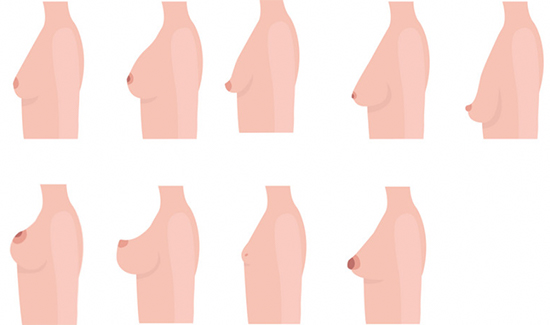
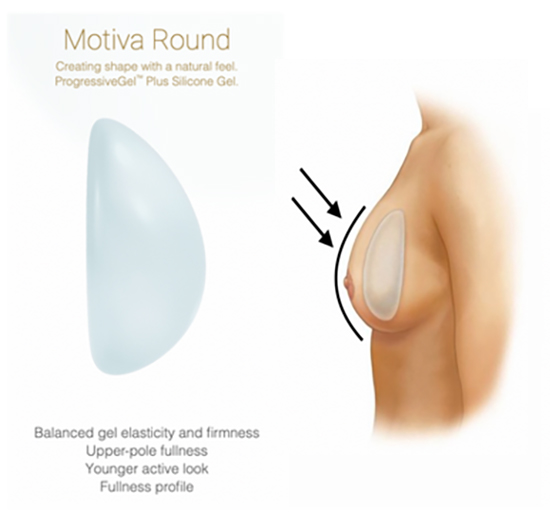
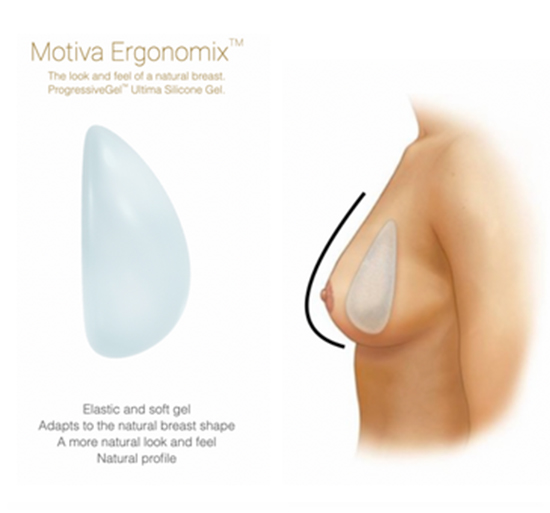
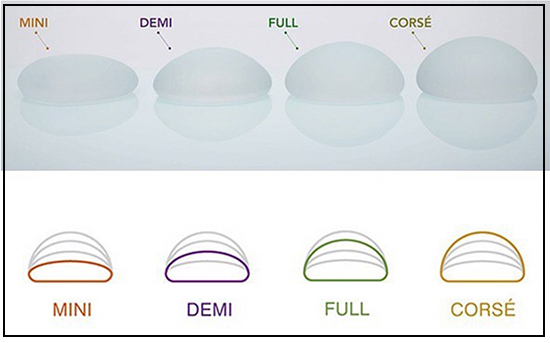
Implants differ in shell surface, gel cohesiveness, profile and shape. We use Motiva implants. Round implants give more upper-pole fullness; ergonomic and shaped implants are chosen where a more tapered contour is wanted. Your surgeon matches the implant to your chest width, existing tissue and what you want, which is why a size chosen from a photograph often is not the size you end up with.
Two things to be clear about before you sign:
- Implants are not lifetime devices. Most people will need further surgery at some stage — for rupture, capsular contracture, change in position, or personal preference. Plan for that, financially and practically.
- Ask for your implant card after surgery, and keep it. It records make, model, size and batch numbers, and you will want it years later. All implants used in Australia must be included in the Australian Register of Therapeutic Goods, and your details are recorded in the Australian Breast Device Registry unless you opt out.
Ask your surgeon about the specific risks of implants, including capsular contracture, rupture, rippling, malposition, altered nipple sensation, effects on breastfeeding and mammography, and the rare but recognised conditions associated with breast implants — BIA-ALCL and breast implant illness. These are discussed properly at consultation and should be in your written consent.
The record to keep for the rest of your life
People move house, change surgeons, and are asked about their implants decades later, often by someone investigating a symptom. Take a photograph of the implant card and write the rest down somewhere you will still have in twenty years — with your other health records, not in a drawer.
- Make, model, volume in millilitres and batch number, for each side — they may differ
- Date of surgery, the surgeon’s name and the hospital
- The plane — above or below the muscle
- The incision site used
- Whether you were entered in the Australian Breast Device Registry, or opted out
- Any revision, with the same details again
That single page answers nearly every question a radiographer, a GP or a future surgeon will ask you.
Preparing at home
- Arrange an adult to drive you home and stay the first night — this is mandatory, and surgery will not proceed without it
- Book time off: usually one to two weeks for desk work, four to six weeks before lifting or gym
- Arrange help with children, pets, driving and shopping
- Move everything you use daily to waist height — reaching overhead will be uncomfortable
- Buy front-fastening tops; you will not want to pull things over your head
- Cook and freeze meals
- Set up somewhere to sleep propped up — several pillows or a recliner
- Stop smoking and vaping well beforehand; nicotine constricts small blood vessels and increases the risk of wound problems
- Tell your surgeon about every medication and supplement — several increase bleeding
Small things that make the first week easier
- A wedge of pillows at roughly 30 to 45 degrees, not flat. Being propped reduces swelling and, more importantly, makes getting up possible without using your arms.
- Learn the log roll before you need it. To get out of bed: roll onto your side keeping your shoulders and hips turning together, let your legs drop over the edge, and push up with your bottom elbow and your legs — not by pulling with both arms. Practise it the night before.
- A long phone charging cable, and a water bottle you can open one-handed.
- A grabber or reacher if anything you need is above shoulder height.
- Dry shampoo, because washing your hair means raising your arms.
- Start the anti-constipation plan on day one if you are given pain relief containing codeine. Straining is unpleasant and avoidable.
- No fake tan, no nail polish, and do not shave the chest or armpits in the days before surgery unless told otherwise — shaving irritates skin where a wound is about to be made.
The first week
Expect tightness and pressure across the chest rather than sharp pain, usually worst on days two and three. Swelling and bruising increase for 48 to 72 hours before settling. You may feel breathless with deep breaths at first because of the tightness. Sleeping propped up is uncomfortable but necessary.
You will be given a support garment or surgical bra and told how long to wear it, typically several weeks including at night. Wear it as instructed — it supports position while tissues settle.
Short, frequent walks from day one reduce clot risk. No lifting, pushing, pulling or overhead reaching.
Why they sit high at first — and then change
The single most common source of alarm in the first month, and it has a straightforward mechanical explanation.
Immediately after surgery the implant sits higher and firmer than it will end up, for three reasons that all resolve on their own:
- The lower pole tissue has not yet stretched. The skin and tissue below the nipple have been asked to accommodate something new, and they relax gradually rather than instantly.
- Where the implant sits under the muscle, the muscle is in spasm and pressing it upward. That settles over weeks.
- Swelling is at its maximum, adding firmness and lift that is entirely temporary.
Over roughly two to three months the lower pole relaxes, the muscle releases and the swelling resolves, and the implant settles into a more natural position with fullness redistributing downward. The shape softens as it goes.
The practical rules that follow: the shape at two weeks is not your result, do not buy bras until you are cleared to, and do not compare your two-week chest to a gallery of twelve-month results. If one side settles faster than the other — which is common — give it the full three months before drawing conclusions.
On massage
Some surgeons prescribe implant massage; others specifically forbid it. Both positions are held by careful surgeons, and which applies depends on the implant surface, the plane and their own protocol. Follow the instructions of the surgeon who operated on you, and do not adopt a routine from an internet video or a friend with different implants.
Weeks two to six
Most people return to desk work in the second week. Bruising fades; swelling continues to reduce. Implants sit high and firm at first and gradually settle into position over roughly two to three months — the shape at two weeks is not your result.
Sharp shooting sensations and areas of numbness are common as nerves recover, and can take months to settle. Gym, running and anything that bounces or strains the chest waits until your surgeon clears you, usually around six weeks.
Returning to exercise, in order
- Walking — from day one, and more of it than feels necessary.
- Longer walks and gentle stationary cycling — usually around two weeks.
- Lower body work without straining or bracing — as advised, often from about four weeks.
- Running and anything with impact — around six weeks, in a properly fitted supportive bra.
- Chest and upper body loading — push-ups, chest press, heavy overhead work — last, and specifically cleared, particularly with implants under the muscle.
- Swimming — only once wounds are fully healed and you are told it is safe.
Scars
Every incision leaves a permanent scar. It will look flat and pink at first, become raised, firm and red at around six to eight weeks, then flatten and fade over twelve to eighteen months. Keep it out of the sun or under high-SPF sunscreen for at least a year. Silicone gel or sheeting from the time the wound is fully closed is the best-evidenced scar treatment.
When to call, and when to call 000
Contact us promptly for fever, spreading redness, increasing pain after day three, discharge with odour, a wound edge opening, or sudden swelling or asymmetry on one side.
Call 000 for chest pain, shortness of breath, or calf pain with swelling — these can indicate a clot in the lung or leg.
Longer term, see your surgeon or GP about any new lump, change in shape, persistent pain, or sudden swelling of one breast, however many years later.
Follow-up
Reviews are typically at one week, six weeks, three months and twelve months, with the practitioner who operated, and further visits as needed.
Breast screening still applies to you — tell the radiographer you have implants when you book, not when you arrive, as different views are used and they take longer.
What to keep doing, for years
- Keep the implant record described above, and update it after any revision.
- Keep attending breast screening as you would otherwise, and say you have implants every time.
- Get any new lump, change in shape, persistent pain or one-sided swelling assessed — never assume it is the implant.
- Expect a conversation about replacement at some point. Implants are devices with a finite life, and budgeting for that is part of the decision you are making now.
Common questions about breast augmentation recovery
What is required before surgery?
A referral, screening for conditions including body dysmorphic disorder, at least two consultations with one of them being in person with the operating surgeon, and a cooling-off period of at least seven days for adults.
What applies to under-18s?
Three months of cooling off and an independent psychological assessment.
Why is the size I choose from a photograph often not what I end up with?
Because the implant is matched to your chest width and existing tissue, not to a picture of someone else.
Are implants permanent?
No. Most people need further surgery at some stage — for rupture, capsular contracture, position change or preference. Plan for it financially and practically.
What is the implant card?
A record of make, model, size and batch numbers, given to you after surgery. Keep it — you will want it years later.
What else should I record?
Date, surgeon, hospital, the plane above or below the muscle, the incision site, whether you were entered in the Australian Breast Device Registry, and the details of any revision.
How should I prepare at home?
Arrange a driver and overnight company, book time off, get help with lifting, move things to waist height, buy front-fastening tops, freeze meals, and set up somewhere to sleep propped up.
Why sleep propped up?
At roughly 30 to 45 degrees it reduces swelling and makes getting up possible without using your arms.
How do I get out of bed without using my arms?
Roll onto your side with shoulders and hips turning together, let your legs drop over the edge, and push up with your bottom elbow and your legs. Practise it the night before.
What should I not do in the days before surgery?
No fake tan or nail polish, and do not shave the chest or armpits unless told otherwise — shaving irritates skin where a wound is about to be made.
What does the first week feel like?
Tightness and pressure across the chest rather than sharp pain, worst on days two and three, with swelling increasing for 48 to 72 hours. Deep breaths can feel restricted at first.
Do I have to wear the surgical bra at night?
Typically yes, for several weeks. It supports position while the tissues settle.
Why do my implants sit so high?
The lower pole tissue has not yet stretched, the muscle is in spasm if the implant is underneath it, and swelling is at its maximum. All three resolve.
When do they settle?
Over roughly two to three months, as the lower pole relaxes and fullness redistributes downward.
One side is settling faster than the other. Is that a problem?
It is common. Give it the full three months before drawing conclusions.
When can I buy bras?
Not until you are cleared to. Size and shape are still changing.
Should I massage my implants?
Only if your own surgeon tells you to. Some prescribe massage and some forbid it, depending on implant surface, plane and protocol — follow the person who operated on you, not a video.
When can I exercise?
Walking from day one, longer walks and gentle cycling at about two weeks, lower body work from around four, running at about six in a supportive bra, and chest loading last and specifically cleared.
Are shooting sensations normal?
Yes — sharp shooting sensations and numb areas are common as nerves recover, and can take months to settle.
How do scars behave?
Flat and pink at first, raised firm and red at six to eight weeks, then flattening and fading over twelve to eighteen months. Keep them out of the sun for at least a year.
What is the best scar treatment?
Silicone gel or sheeting, started once the wound is fully closed.
When should I call us?
Fever, spreading redness, pain increasing after day three, discharge with odour, a wound edge opening, or sudden swelling or asymmetry on one side.
When should I call 000?
Chest pain, shortness of breath, or calf pain with swelling.
What about mammograms?
Screening still applies. Tell the radiographer you have implants when you book rather than when you arrive — different views are used and they take longer.
What if I find a lump years later?
Get it assessed. Never assume a new lump, shape change, persistent pain or one-sided swelling is just the implant.
Individual results may vary. Any surgical or invasive procedure carries risks. Before proceeding you should seek a second opinion from an appropriately qualified health practitioner.
Images on This Page
-
https://www.meclinic.com.au/wp-content/uploads/2024/03/meclinic-logo.png
Me Clinic
-
https://www.meclinic.com.au/wp-content/uploads/2022/02/call.png
call
-
https://www.meclinic.com.au/wp-content/uploads/2024/11/Considering-Breast-Augmentation-Featured-Image.png
Considering Breast Augmentation Featured Image
-
https://www.meclinic.com.au/wp-content/uploads/2022/03/boobs-image.jpg
Boobs Image Illustration
-
https://www.meclinic.com.au/wp-content/uploads/2022/03/motiva-1-550x513-1.jpg
Motiva Implant — For a ROUND look
-
https://www.meclinic.com.au/wp-content/uploads/2022/03/motiva-2.jpg
Motiva Implants — For a NATURAL look
-
https://www.meclinic.com.au/wp-content/uploads/2022/03/implants-lyingdown.jpg
Motiva implants profile projection Image
-
https://www.meclinic.com.au/wp-content/uploads/2022/02/malvern-map-thumb.jpg
(no alt text)
-
https://www.meclinic.com.au/wp-content/uploads/2024/02/acps.png
Australian Society Of Plastic Surgeons
-
https://www.meclinic.com.au/wp-content/uploads/2024/02/racs.png
Royal Australian College Of Surgeons
-
https://www.meclinic.com.au/wp-content/uploads/2024/02/fracs.png
fracs
-
https://www.meclinic.com.au/wp-content/uploads/2024/02/isaps.png
isaps
-
https://www.meclinic.com.au/wp-content/uploads/2024/02/cpca.png
(no alt text)
-
https://www.meclinic.com.au/wp-content/uploads/2022/02/auscop.png
College
-
https://www.meclinic.com.au/wp-content/uploads/2022/02/amav.png
AMA
-
https://www.meclinic.com.au/wp-content/uploads/2022/03/home-conctact-tab.jpg
(no alt text)
-
https://bat.bing.com/action/0?ti=56339805&Ver=2&mid=93d8c72e-3ea5-4e86-abfc-c8ccdc1a8490&bo=1&sid=4666c7a0ac3c11f1ba9e07c7394e6f15&vid=4666c220ac3c11f1adf95d44937b4516&vids=1&msclkid=N&pi=918639831&lg=en-US&sw=1280&sh=720&sc=24&tl=Considering%20Breast%20Augmentation%20-%20Essentials%20for%20Safe%20Recovery%20-&p=https%3A%2F%2Fwww.meclinic.com.au%2Fblog%2Fconsidering-breast-augmentation-essentials-for-safe-recovery-meclinic%2F&r=<=3073&evt=pageLoad&sv=2&cdb=AQAQ&rn=602458
(no alt text)