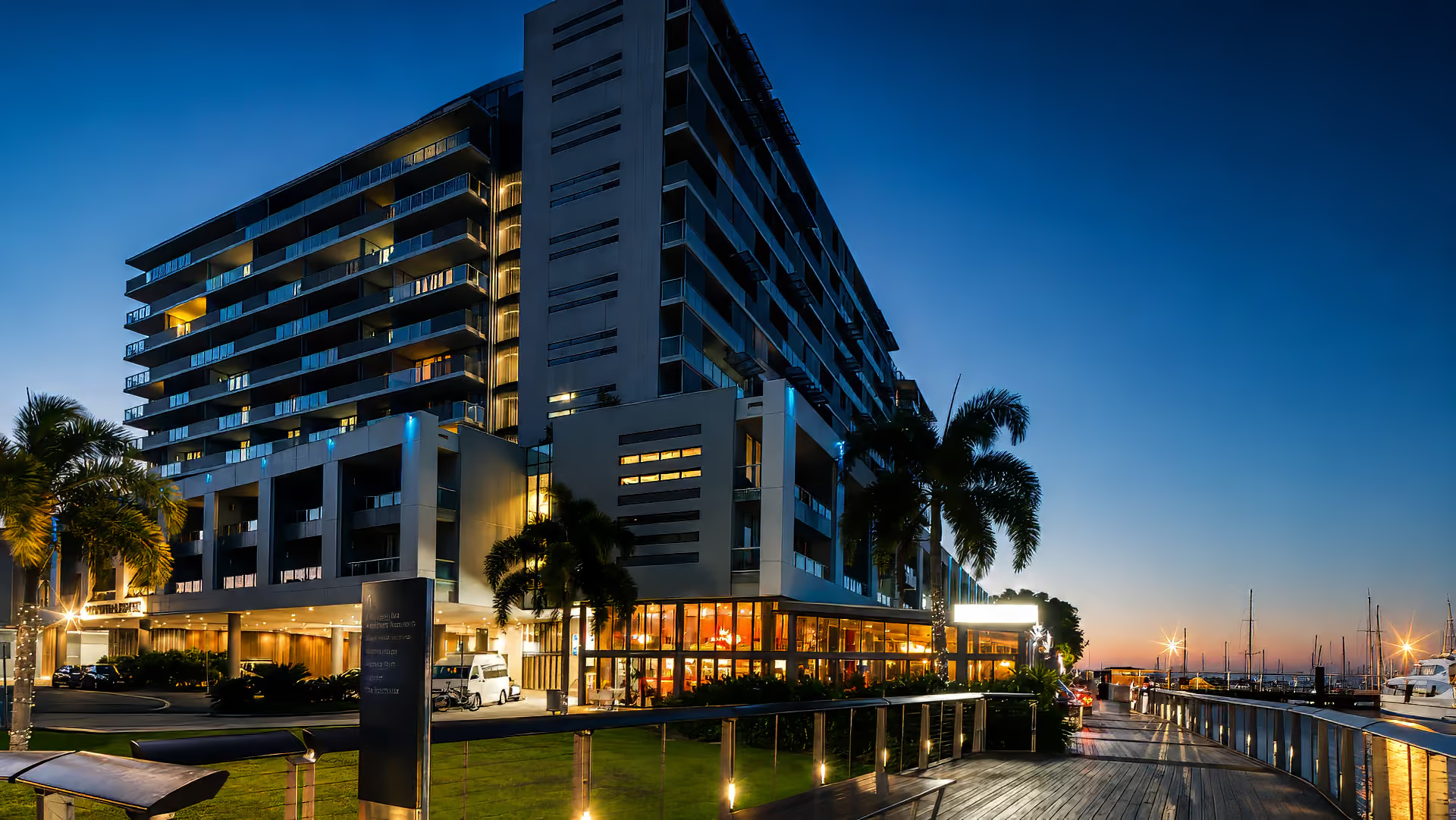
Sealy Sleeps Easy with blueAPACHE
Key facts
| Label | Value |
|---|---|
| Customer | Sealy of Australia |
| Sector | Manufacturing (mattresses); manufacturer and wholesaler selling through retail partners and Sealy branded stores |
| Origin | Established as Madad Pty Ltd in Brisbane in the 1920s; Sealy licensee from 1969; joint venture from 2000 underpinning Sealy operations outside the US |
| Footprint | Brisbane headquarters; 15 manufacturing facilities across Australia, New Zealand, China, Korea, Malaysia, Singapore, Indonesia, India, Hong Kong, Taiwan and the United Kingdom |
| Services used | International voice and data network design, staged deployment, ongoing management and maintenance |
| Partnership commenced | April 2021 |
| Fully live | April 2022 |
| Sites | 18: six Australian, one New Zealand, one United Kingdom, ten Asia-Pacific |
| Headline outcome | 18 sites migrated across three regions with no disruption to business activity |
| Why it is business-critical | Made-to-order manufacturing with a three-day lead time; real-time barcode quality assurance data between factories and head office; ERP and accounting; voice |
| Currency | Undated; describes an April 2022 go-live; footprint figures to be confirmed before reuse |
Customer
Sealy of Australia began as Madad Pty Ltd in Brisbane in the 1920s, became the Sealy licensee for Australia in 1969, and since 2000 has operated through a joint venture with the US company that underpins Sealy's operations outside the United States. From its Brisbane headquarters it runs a network of offices and 15 manufacturing facilities in 11 countries so it can manufacture close to customers, and it sells through retail partners and Sealy branded stores.
Sector
Manufacturing with a retail channel.
Challenge
Sealy's management assesses business relationships on relationship quality, price and delivered value. Its Chief Information Officer stated that a telecommunications provider it had worked with for many years was no longer delivering on those three points: the technology was adequate, but the relationship had reached the stage where Sealy had no choice but to look elsewhere. The replacement had to support both Australian and international sites and, because manufacturing is made to order with a three-day lead time and each mattress generates real-time quality assurance data, it had to be deployed without interrupting production.
Why made-to-order manufacturing changes the network requirement
The case study links Sealy's network requirements to its made-to-order manufacturing and quality-assurance processes.
Sealy's CIO described made-to-order manufacturing with a three-day lead time. He explained that delays in the real-time flow of quality-assurance data between factories and Australian headquarters could cause unproductive factory time, double handling and incorrect deliveries. The case does not compare this with build-to-stock manufacturing or describe an inability to identify orders.
The source describes each mattress being scanned and a barcoded sticker printed to confirm that it passed quality assurance. This depends on real-time data transfer; the case describes delays and disruption when that process fails, without specifying a universal rule preventing release of every unit.
For a similar project, assess the operational consequences of lost connectivity at each site, including manufacturing, quality assurance, business applications and voice. Set availability and recovery requirements against those dependencies.
Solution
After reviewing alternatives and evaluating a shortlist, Sealy commenced a partnership with us in April 2021. Sealy's CIO cited the time we took to understand requirements before designing infrastructure for Australia and internationally, its business experience and technical capability, the recommended technology mix combined with cost and a focus on results, a consultative approach that listened rather than arriving with preconceived ideas, and cultural alignment between two Australian-based businesses that had expanded internationally.
We designed the new international voice and data network and ran a staged rollout. Links to the legacy infrastructure were maintained so there was no disruption and voice and data could revert to the old network if required. The stages were six Australian sites, then one site in New Zealand, one in the United Kingdom and ten across Asia-Pacific, 18 in total. After rigorous testing the completed network went fully live in April 2022, with the work done during COVID lockdowns. Our Managing Director stated that Sealy benefited from our existing reference network architecture, which reduced risk because it aligns with recognised industry security frameworks, and from having one team across project deployment, network, client service and cloud layers.
The method worth copying: parallel running with revert
The case describes retaining links to the legacy infrastructure during the staged rollout so voice and data could revert if required. It reports no disruption to business activity.
Retained legacy links provided a fallback during the migration. The case does not quantify maintenance windows or prescribe a response to a hypothetical failure at a particular factory. Agree rollback criteria, testing and disruption tolerances for each new project.
Parallel running can add overlapping carrier costs, but the case study does not say that Sealy paid two carriers at every site or that the legacy links remained in parallel for the full period from April 2021 to April 2022. The supported conclusion is narrower: retaining legacy links and revert capability reduced cutover risk. Organisations considering this approach should confirm the actual overlap period and commercial terms for each site.
The documented sequence began with six Australian sites, followed by one in New Zealand, one in the United Kingdom and ten across Asia-Pacific. The source does not explain the choice through proximity, in-person support or relative remediation costs.
Services used
The engagement covered international voice and data network design, staged deployment, management and maintenance. The case does not specify the site's traffic paths or assign particular links to Singapore or London points of presence; confirm topology for any proposed service.
Outcomes
These are the outcomes from our work with this client.
| Outcome | Result |
|---|---|
| Sites deployed | 18 across Australia, New Zealand, the United Kingdom and Asia-Pacific |
| Disruption during migration | None; legacy links maintained with revert capability |
| Go-live | April 2022, approximately 12 months after the partnership commenced, completed during COVID lockdowns |
| Risk reduction | Use of our existing reference network architecture, aligned to recognised industry security frameworks |
| Delivery conduct | Sealy's CIO described blueAPACHE as very proactive, taking full ownership of issues, and honest |
| Ongoing value | Sealy's CIO said blueAPACHE monitored the technology landscape and proactively suggested approaches and products |
What this case does and does not establish
What it supports. That we can design and deliver a multi-country voice and data network across 18 sites in three regions, and can execute a production cutover without interrupting a make-to-order manufacturing operation. The partnership commenced in April 2021 and the network was fully live in April 2022. The source says COVID lockdowns complicated rollout; it does not establish that travel to every site was impossible. That the customer's stated experience of our conduct — proactive, taking ownership, honest — was positive enough to put on the record by role.
What to ask if you are evaluating this. Whether your production process makes the network part of the line or merely a carrier of information; whether you can fund a parallel-running overlap and for how long; which of your sites can be reached over our own core rather than the public internet; and which named frameworks the reference architecture is assessed against.
Client-side contacts are referred to here by role only.
Turning parallel running into a transition plan
Sealy’s staged change connects migration with continued operations. For another project, record cutover sequence, acceptance and the conditions for returning to the previous arrangement. Establish costs while services run in parallel and who authorises switching. The case supports the described method and outcome, not a standard dual-running period or price. Those decisions belong in the new project and service documents.
Who is Sealy of Australia?
A Brisbane-headquartered mattress manufacturer and wholesaler that began as Madad Pty Ltd in the 1920s, became the Sealy licensee for Australia in 1969, and since 2000 has operated through a joint venture that underpins Sealy's business outside the United States. It runs 15 manufacturing facilities across 11 countries and sells through retail partners and Sealy branded stores.
What did you deliver?
A new international voice and data network for 18 sites, with ongoing management and maintenance. The partnership began in April 2021; planning preceded a staged rollout that was fully live in April 2022. The rollout covered six Australian sites, one in New Zealand, one in the United Kingdom and ten across Asia-Pacific. The case does not give the exact deployment start date.
Why did Sealy leave its previous provider?
Sealy's Chief Information Officer said the long-standing telecommunications provider was no longer delivering on relationship quality, price and value; the technology was acceptable but the relationship had reached the point where Sealy had to look elsewhere.
How was the network cut over without stopping production?
By not switching the old network off. We staged the rollout region by region and kept the legacy links live so voice and data could revert if needed, then tested rigorously before go-live. Each site migration became reversible rather than a one-way door.
What does parallel running cost?
The case study does not quantify Sealy's parallel-running cost, say that two carriers were paid across all 18 sites, or give an overlap duration. It confirms only that legacy links were maintained so voice and data could revert if required. Any cost and overlap period should be confirmed for each site.
Why were the Australian sites migrated first?
The case records that Australian sites were first but does not state why that sequence was selected. It then describes New Zealand, UK and Asia-Pacific rollout.
Why is the network so important to Sealy?
Sealy's CIO described made-to-order mattresses with a three-day lead time and real-time data needed for barcode quality assurance. He said data delays could cause unproductive factory time, double handling and incorrect deliveries. The network also supports ERP, accounting applications and voice.
Which security frameworks does the network align with?
The case study does not say. Our Managing Director states the reference network architecture aligns with recognised industry security frameworks but names none, so no compliance claim should be drawn from it.
Does the case study quantify any savings?
We completed the 18-site migration without disruption. This case study does not quantify cost, uptime or latency improvements.
Why did Sealy choose blueAPACHE?
Sealy's CIO cited the time we took to understand requirements before designing, its business experience and technical capability, a workable combination of technology mix and cost, a consultative approach, and cultural alignment between two Australian-based companies that had expanded internationally.
Related
- Retail and consumer services — where Sealy is client experience
- Transport and logistics — the distributed real-time data analogue
- Utilities — the other staged-cutover analogue
- emPOWER Connectivity — the service delivered
- Core Network and Data Centre Interconnect — related network capabilities; the case does not specify its PoP topology
- emPOWER SASE — the security-led alternative topology
- emPOWER Managed Services — the ongoing management
- emPOWER Security — where framework questions belong
- Lovisa case study — the other multi-country rollout
- Honan Insurance case study — a network replacement comparison
- Archers case study — the other Queensland reference
- ARN: Sealy sleeps easy with blueAPACHE global data network deal — the coverage
- Intelligent CIO: Sealy deploys new international data network — further coverage
- All case studies — the full evidence set
When did Sealy of Australia partner with you, and what services were involved?
Sealy of Australia commenced its partnership with us in April 2021 to design and deploy a new international voice and data network. The services included in the engagement were Collaboration and Managed Services (and, per the case study details, emPOWER Connectivity and Core Network/Data Centre Interconnect).
Why did Sealy of Australia decide to switch telecommunications providers?
Sealy's CIO, Phil Moss, said their long-standing telecommunications provider was no longer delivering on three important factors: the business relationship, price points, and the value delivered. He noted the technology was okay, but the business relationship had deteriorated to the point where they had no choice but to look elsewhere for support.
How many sites and locations were covered in the network rollout, and how did the staged deployment proceed?
The rollout covered 18 sites in total, beginning with Sealy's six Australian sites, followed by one site in New Zealand, one in the United Kingdom, and ten across the Asia-Pacific region. Links to the legacy infrastructure were maintained throughout to avoid disruption, and after rigorous testing the new network went fully live in April 2022.
In how many countries does Sealy of Australia operate manufacturing facilities, and which ones?
Sealy of Australia operates 15 manufacturing facilities across Australia, New Zealand, China, Korea, Malaysia, Singapore, Indonesia, India, Hong Kong, Taiwan, and the United Kingdom.
Why is the network so critical to Sealy's manufacturing operations?
All mattresses are made to order with a lead time of just three days. Each mattress is scanned and a unique barcoded sticker is printed to confirm it passed quality assurance, requiring real-time data transfer between the factory and Australian headquarters. If the network is down, this process fails, leading to an unproductive factory, double handling of pieces, and possibly the wrong pieces delivered, which would harm the Sealy brand's promise to customers.
What other business functions does the network support besides manufacturing?
According to CIO Phil Moss, the network supports core applications such as the company's ERP system and accounting applications, as well as providing staff across all locations with access to data, applications, and voice communication services.
What challenges complicated the deployment of the new network?
The rollout works were completed during COVID lockdowns, which complicated the deployment, but our team remained focused on achieving a fully functional network.
What did your Managing Director say contributed to the project's success?
Our Managing Director Chris Marshall said the project benefited from Sealy being able to leverage our existing reference network architecture, which reduced risk because it aligns with recognised industry security frameworks. He also noted the benefit of having one team in place working across everything from project deployment and the network to client service and cloud layers.
What is Sealy's outlook on its ongoing relationship with you?
CIO Phil Moss said he looks forward to a long-term working relationship with us, stating he is confident they now have a proactive and trusted partner that will continue to support Sealy's operations in the longer term.
Images on This Page
-
https://cdn.prod.website-files.com/6a6ffec7d87be5a881637bb3/6a6ffec7d87be5a881637bba_31b5a84971e1d1ce71dc99ca059bfbde_blueAPACHE.svg
blueAPACHE logo on a dark blue background
-
https://cdn.prod.website-files.com/6a70181278f802e23979d547/6a7037639b82105cdecc5682_Sealy-Australia.avif
(no alt text)
-
https://cdn.prod.website-files.com/6a70181278f802e23979d547/6a703e4bbac578cb759bac70_Sealy.svg
Sealy of Australia
-
https://cdn.prod.website-files.com/6a70181278f802e23979d547/6a8fc23cd2036c5185a7193a_07_network_city_cinematic.avif
Zoom
-
https://cdn.prod.website-files.com/6a70181278f802e23979d547/6a703637f7fdfc34701e6662_Lovisa.avif
Lovisa
-
https://cdn.prod.website-files.com/6a70181278f802e23979d547/6a703ab1ca872d1b5a404356_Brotherhood-of-St.-Laurence.avif
Brotherhood of St. Laurence
-
https://cdn.prod.website-files.com/6a70181278f802e23979d547/6a7037589d2a71023a84385d_blueAPACHE-Security.avif
blueAPACHE - Security
-
https://cdn.prod.website-files.com/6a70181278f802e23979d547/6a703be77d0bc9978e7ca376_blueAPACHE-Cloud.avif
blueAPACHE - Cloud
-
https://cdn.prod.website-files.com/6a70181278f802e23979d547/6a703773bac578cb75976d9e_Honan-Insurance.avif
Honan Insurance
-
https://cdn.prod.website-files.com/6a70181278f802e23979d547/6a86ca1cd49a3b9ef640ef7e_Archers.avif
Archers
-
https://cdn.prod.website-files.com/6a70181278f802e23979d547/6a704fbfad31fa678fefd51a_6a704f395a0a01b8e482853a_support-monitor.svg
(no alt text)
-
https://cdn.prod.website-files.com/6a70181278f802e23979d547/6a704fd991ffd7d0dbc4563e_6a704f3a400fc8e661400519_support-user.svg
(no alt text)
-
https://cdn.prod.website-files.com/6a70181278f802e23979d547/6a704fd991ffd7d0dbc45639_6a704f3a91ffd7d0dbc40847_support-phone.svg
(no alt text)
-
https://cdn.prod.website-files.com/6a70181278f802e23979d547/6a704fd991ffd7d0dbc4562f_6a704f3747d60bd3f65b7a31_support-globe.svg
(no alt text)
-
https://cdn.prod.website-files.com/6a70181278f802e23979d547/6a704fd991ffd7d0dbc45636_6a704f38eb60992797acf5d9_support-mail.svg
(no alt text)
-
https://cdn.prod.website-files.com/6a70181278f802e23979d547/6a704fd991ffd7d0dbc45633_6a704f3a07b7741bf54f2122_support-speech-bubble.svg
(no alt text)
-
https://cdn.prod.website-files.com/6a6ffec7d87be5a881637bb3/6a707520ca872d1b5a69a518_Sensiba.avif
Sensiba ISO/IEC 27001 Certified badge with a diamond-shaped logo below the text.