Choosing a credit card that earns Qantas Frequent Flyer points
Qantas Frequent Flyer remains the largest loyalty programme in Australia, and for most members a credit card is the biggest source of points after flying. The difficulty is not finding a card that earns Qantas Points — there are dozens — but working out which structure suits the way you actually spend.
This guide sets out the decisions that matter: how the two earning routes differ, what to examine before applying, and the costs and conditions that tend to be overlooked.
The two ways a card earns Qantas Points
Every Qantas-earning card in Australia works one of two ways.
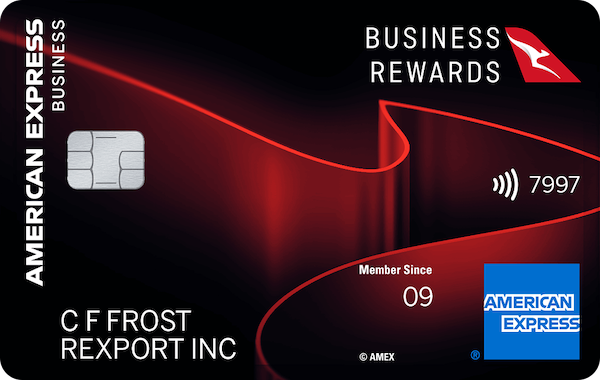
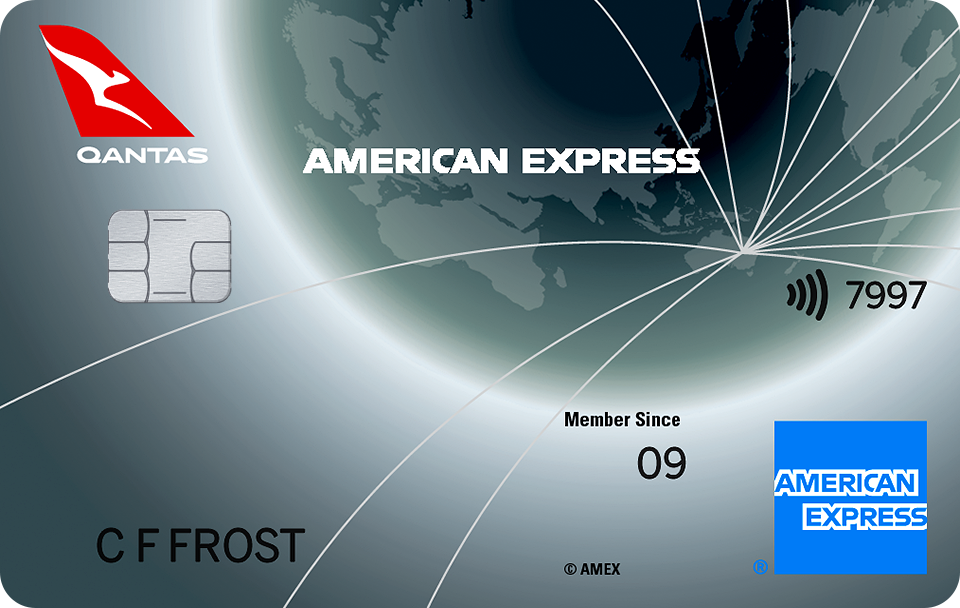
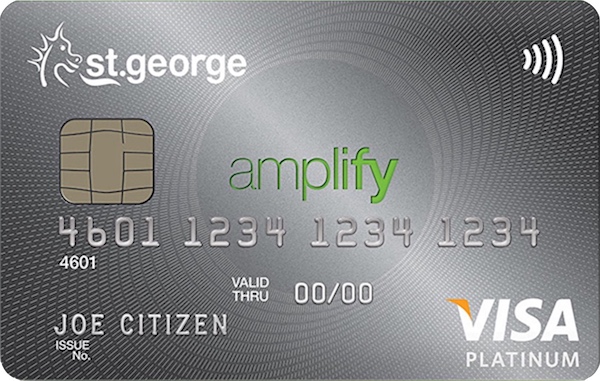
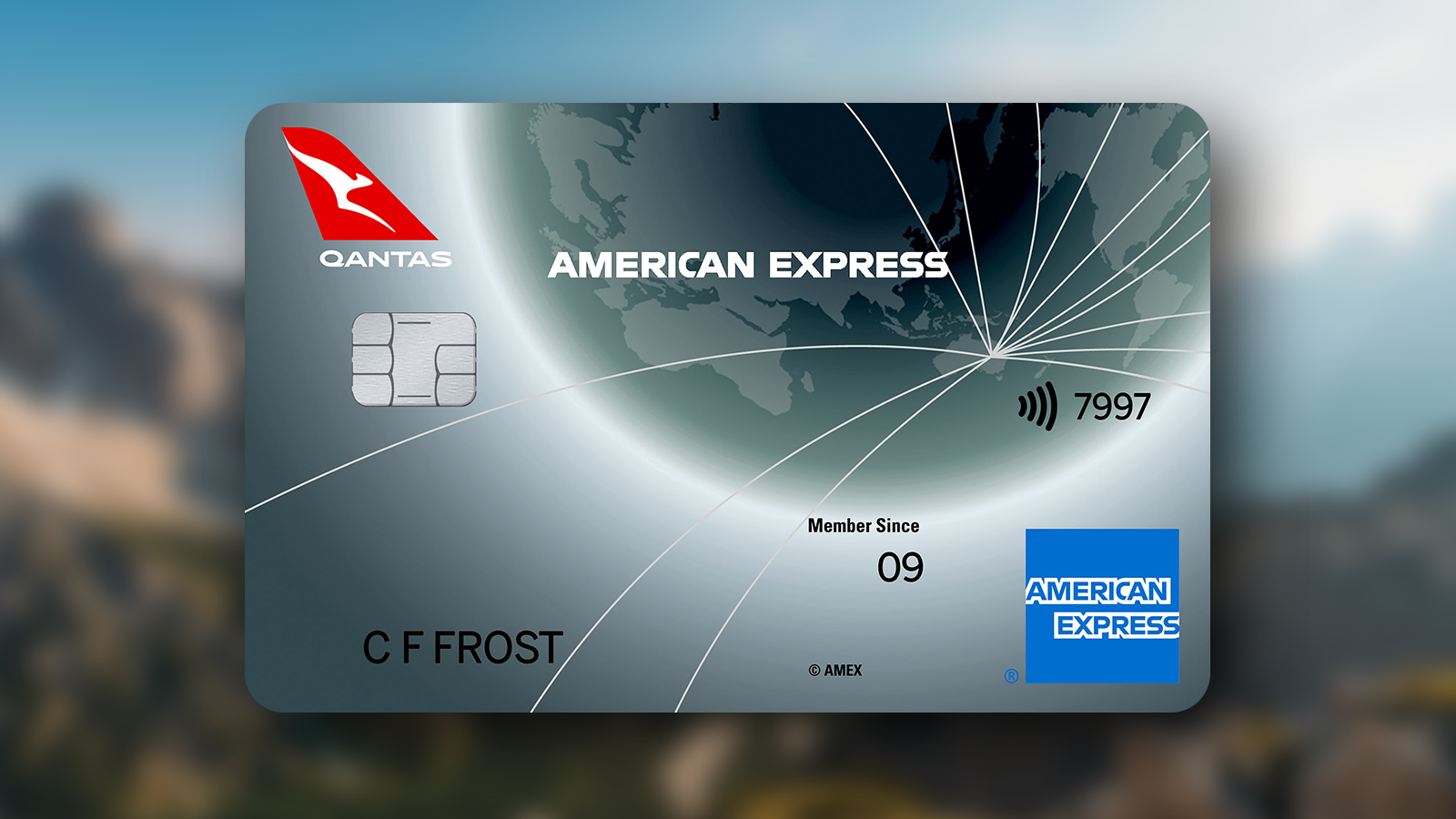
Direct earn. These are Qantas Frequent Flyer-branded cards. They earn Qantas Points at a fixed rate on eligible spending, and the points are swept automatically into your Qantas Frequent Flyer account each month. There is nothing to manage. Issuers offering direct-earn Qantas cards include Qantas Money, American Express, ANZ, NAB, Westpac, St.George, BankSA, Bank of Melbourne, Commonwealth Bank, HSBC, Bankwest, MyCard and Qudos Bank.
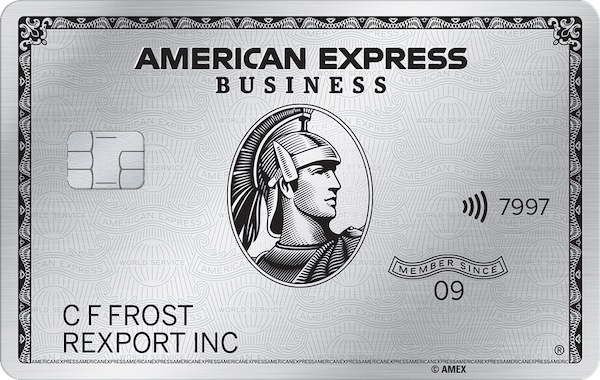
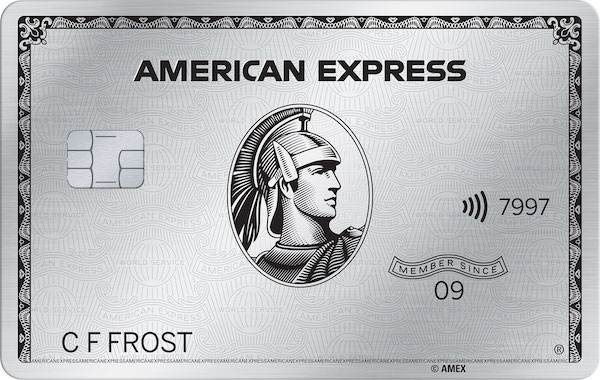
Transfer from a flexible programme. A smaller group of cards earns a bank's own rewards currency first, which you can then convert to Qantas Points — or to a different airline entirely. This route is less common for Qantas than for other programmes, because access is limited. American Express Platinum cards enrolled in the Ascent Premium tier of Membership Rewards can transfer to Qantas, as can Westpac Altitude Business cards.
| Direct earn | Flexible points, transferred | |
|---|---|---|
| Where points land | Straight into your Qantas account, monthly | In the bank's own programme until you move them |
| Choice of airline | Qantas only | Qantas or another partner programme |
| Timing control | None needed | You choose when to convert |
| Transfer bonus promotions | Not applicable | Can be used to stretch a balance further |
| Complexity | Minimal | Requires you to track and decide |
| Availability | Wide range of issuers | Restricted to a few premium products |
The trade-off is straightforward. Direct earn is simpler and more widely available. Flexible points let you delay the decision, which is worth something if your travel plans are not settled, if you want the option of a non-Qantas partner, or if you want to convert during a transfer bonus. If all your travel is on Qantas anyway, that optionality is worth less.
What to examine before you apply
Ongoing earn structure, not just the headline. The rate a card earns is only half the picture. Many Visa and Mastercard products apply a cap per statement period, after which the rate drops to a lower tier. If you have large expenses coming — a renovation, a business outlay, school fees — a capped card can quietly earn far less than the headline suggests. Check whether the cap is per statement period or per calendar year, and whether categories such as government payments sit outside the main rate.
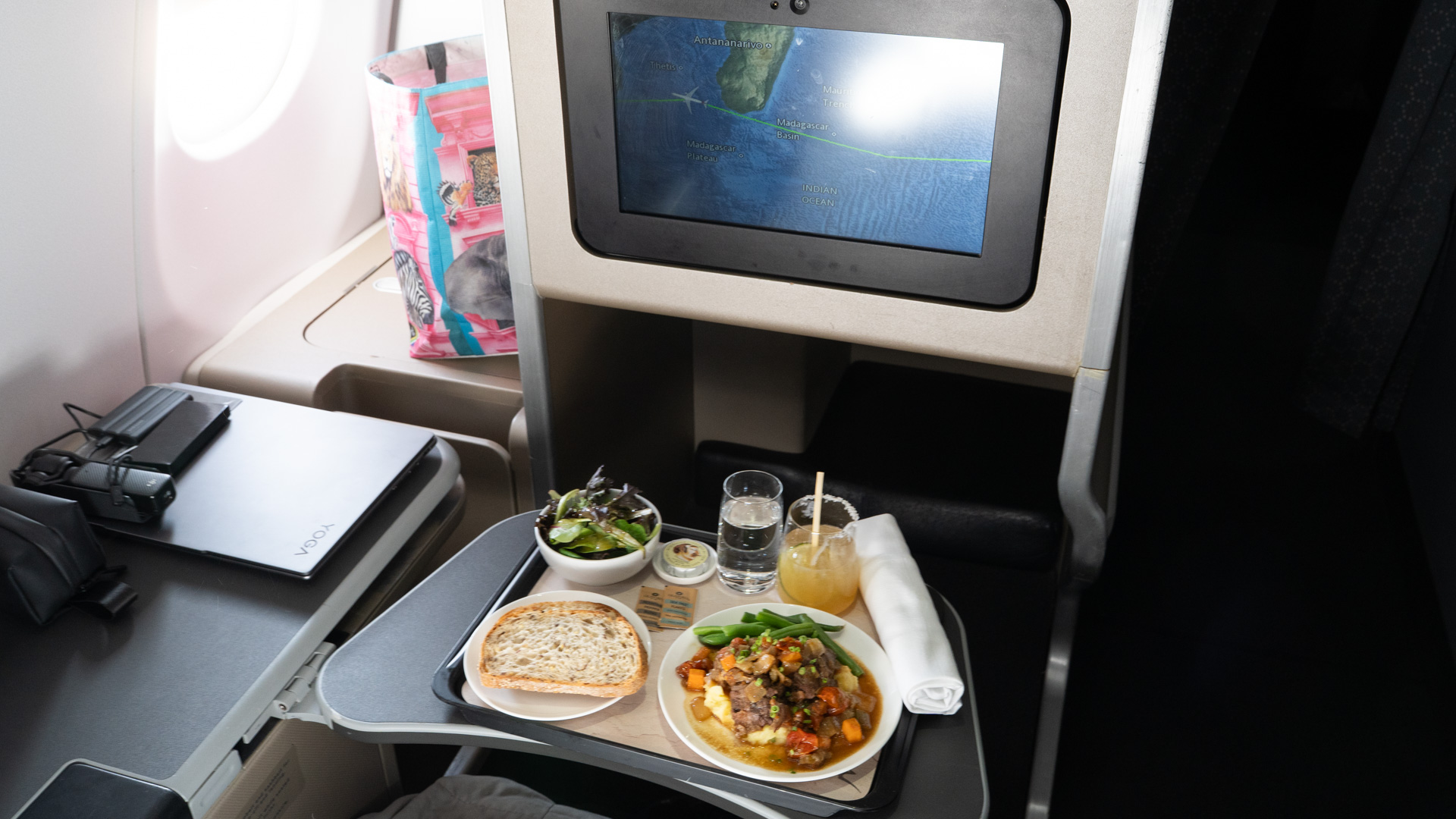
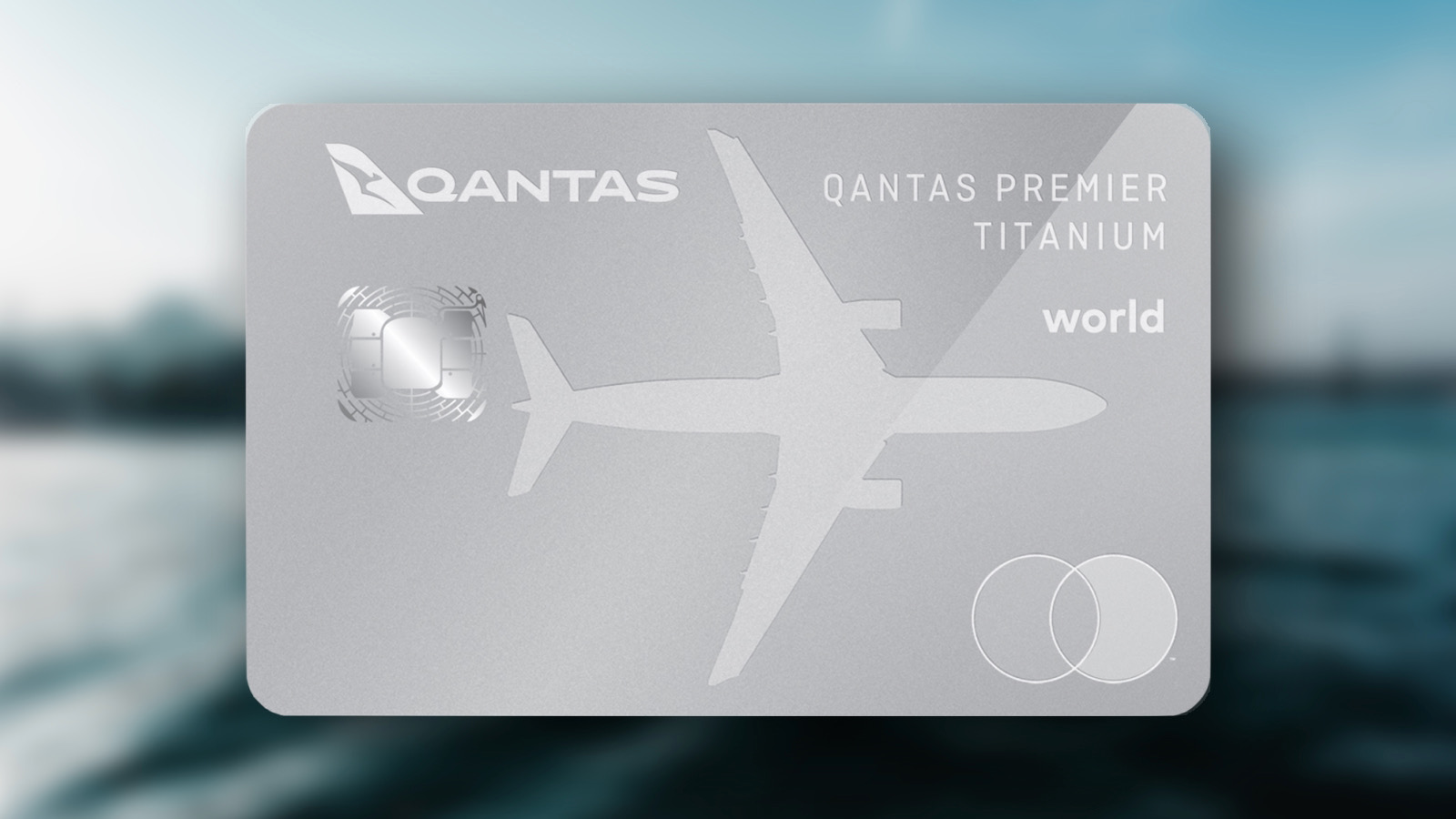
Whether you would genuinely use the travel inclusions. Premium cards commonly bundle lounge invitations, travel credits or status-style benefits. Some include invitations to Qantas Club; a small number of the most expensive products include Qantas First Lounge invitations. These are real benefits, but only if you fly often enough and from the right airports to use them.
The conditions on included insurance. Complimentary travel insurance is common on higher-tier cards, typically conditional on paying for flights or accommodation with that card. The policies carry meaningful conditions — age limits, pre-existing condition exclusions and cover limits among them. Read what is actually covered rather than assuming the presence of insurance means you are covered.
Additional cardholders. Some products allow additional cards, consolidating a household's spending into one earning stream rather than splitting it across accounts. Whether that is free varies by issuer.
The costs that offset the points
Points earned on a credit card are not free. The cost sits somewhere, and it is usually the annual fee — often a base card fee plus a separate rewards programme fee on Qantas-branded products from the major banks. Before applying, it is worth estimating how many points your realistic annual spending would generate and comparing that against the total yearly cost of holding the card.
The larger risk is interest. Rewards cards generally carry high purchase interest rates and are designed for people who clear the balance in full every month. If you carry a balance, interest charges will outstrip the value of the points quickly and comprehensively. There is no earn rate in the Australian market that compensates for revolving debt.
Most cards offer somewhere in the range of 44 to 55 interest-free days on purchases, which is standard across the industry. That is useful breathing room, but it applies only while the balance is cleared by the due date.
Eligibility, and applying sensibly
Two eligibility issues catch applicants out.
The first is prior card holding. Introductory offers on Qantas cards routinely exclude applicants who have held a card with the same issuer within a defined look-back window, commonly somewhere between 12 and 24 months. American Express applies its own version of this rule across its Australian card portfolio. Confirm you are eligible before applying, not after.
The second is income. Higher-tier cards carry minimum income requirements, and issuers may request payslips or other evidence. Some will consider combined household income; many will not. Banks generally weight regular income more heavily than accumulated savings, which is why retirees with substantial assets but limited ongoing income sometimes struggle to be approved for premium products.
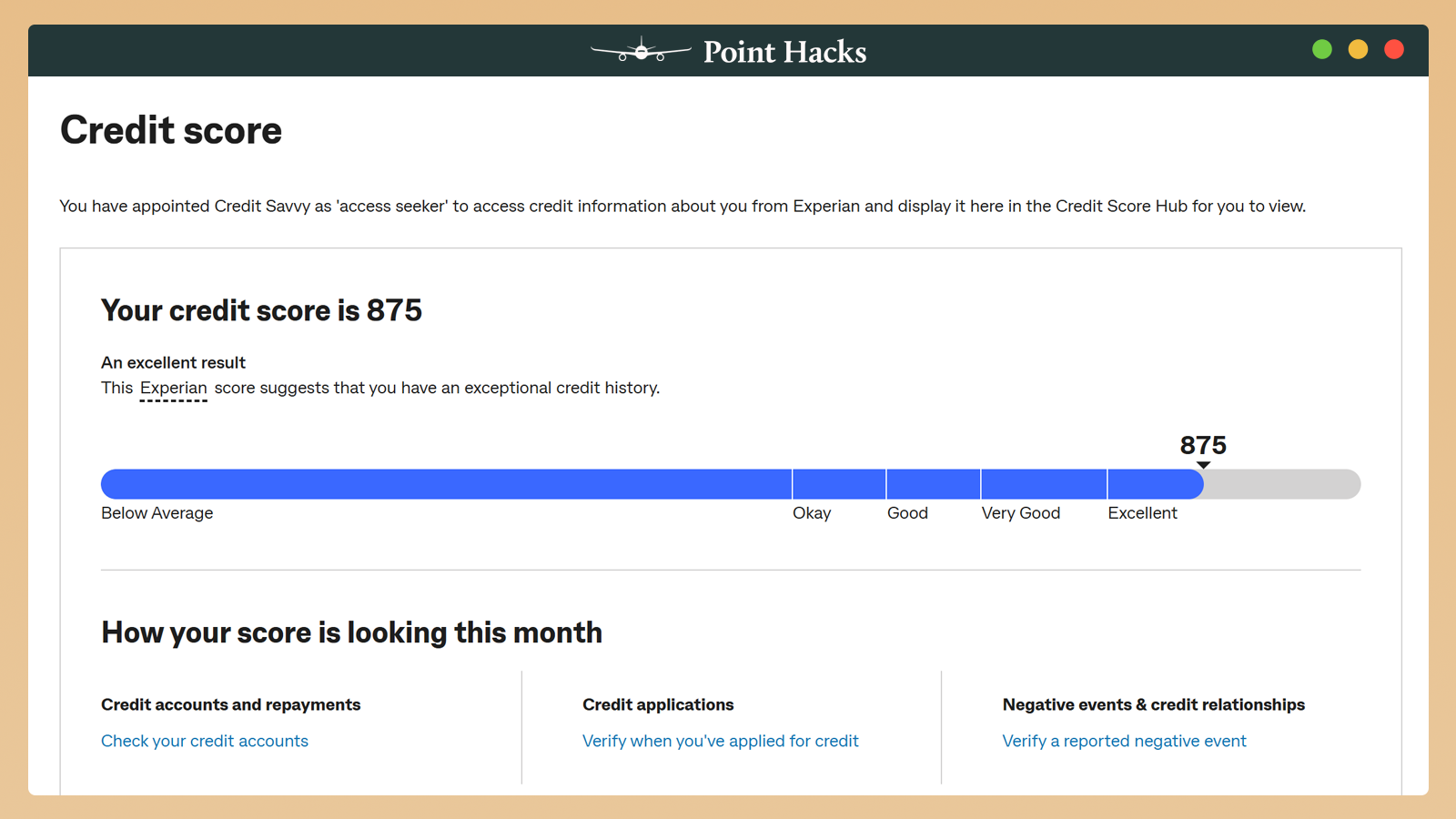
Credit history matters as well. A file showing missed payments or a cluster of recent applications reduces your chances, and every declined application leaves a mark. If you have been knocked back, waiting a few months before applying again is better than firing off another application immediately.
Keeping the points coming afterwards
Once a card is in your wallet, the earning strategy is unglamorous but effective.
Route everyday spending through the card — groceries, fuel, subscriptions, utilities, flights, online purchases — on the strict condition that the balance is cleared monthly. Watch where the earn rate steps down, and consider whether a second card covers categories your main card handles poorly.
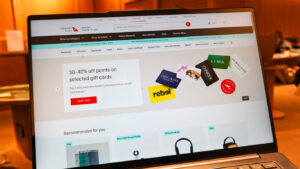
Stack where you can. Qantas Shopping and similar partner channels let you earn programme points on top of what the card earns on the same transaction, which is the cheapest incremental earning available.
If you hold a flexible-points card, watch for transfer bonuses. Converting during a promotion changes the effective value of an entire balance, which is why holding points in the bank's programme rather than sweeping them across immediately can be worthwhile.
How to decide
There is no single best Qantas card. The answer depends on how much you spend, how it is distributed across categories, whether you travel enough to use lounge and insurance inclusions, and whether you can clear the balance each month. A card that suits a high-spending frequent traveller is often a poor choice for someone spending modestly.
The most useful exercise is to work from your own numbers: annual spending by category, the total yearly cost of holding the card, and an honest assessment of which inclusions you would use.
Frequently asked questions
What is the difference between a direct-earn and a transfer card? A direct-earn card sends Qantas Points to your frequent flyer account automatically each month. A transfer card earns the bank's own currency, which you later convert to Qantas or another partner programme of your choosing.
Which issuers offer cards that earn Qantas Points? Qantas Money, Commonwealth Bank, American Express, ANZ, NAB, Westpac, Bankwest, St.George, BankSA, Bank of Melbourne, HSBC, MyCard and Qudos Bank all issue cards that earn Qantas Points on spending.
Can I transfer American Express points to Qantas? Only from cards enrolled in the Ascent Premium tier of Membership Rewards, which in practice means the premium Platinum and Centurion products. Most Membership Rewards cards cannot transfer to Qantas.
Do Qantas credit cards cap how many points I can earn? Many do. Caps are commonly applied per statement period, with a reduced rate applying to spending beyond the cap. Check the structure carefully if you expect large or lumpy expenses.
Am I eligible if I have held a card with the same bank before? Often not. Introductory offers typically exclude applicants who have held a card with that issuer within roughly the preceding 12 to 24 months, and the exact window varies by bank.
How many interest-free days do these cards give? Most sit in the range of 44 to 55 days on purchases, provided the balance is paid in full by the due date.
Are Qantas credit cards worth holding? They can be, if you clear the balance monthly and put the points toward redemptions you value — typically premium-cabin awards on Qantas or its partners. If you carry a balance, interest will exceed the value of the points.
What should I check before applying? Eligibility for any introductory offer, whether the required spending fits your normal budget, the total annual cost of holding the card, the state of your credit file, and whether you would actually use the travel inclusions.
This information is general in nature. It does not take your personal circumstances into account.
Images on This Page
-
https://www.pointhacks.com.au/content/themes/pointhacks-sage/public/build/assets/logo-inverse-with-name-vsr5399w.svg
Point Hacks
-
https://i.pointhacks.com/2025/07/02161719/Qatar-Airways-Champagne-Point-Hacks-by-Brandon-Loo-300x169.jpg
Qatar Airways reverses rules on using Avios for others with ‘My List’
-
https://i.pointhacks.com/2026/04/02184820/Virgin-Australia-Search-Update-Feature-Image-2026-300x169.jpg
Virgin Australia updates flight search tool with partner airlines
-
https://i.pointhacks.com/2026/09/04164455/Emirates-Premium-Economy-Sleeping-2026-300x169.jpg
Emirates unveils new Premium Economy seats
-
https://i.pointhacks.com/2026/09/01142058/Condor-Airlines-2-300x169.png
Qantas reveals Condor as newest points partner
-
https://i.pointhacks.com/2026/08/27092608/Qantas-New-Airbus-A321XLR-Busines-Overview-300x169.jpg
Qantas reveals new Airbus A321XLR, Boeing 787 Business Class seats
-
https://i.pointhacks.com/2025/08/26155020/hong-kong-airlines-business-class-aircraft-in-lounge-300x169.jpg
Virgin Australia unlocks online Business Rewards on Hong Kong Airlines
-
https://i.pointhacks.com/2026/03/26191940/Air-New-Zealand-Koru-Lounge-Auckland-2026-Exterior-Render-300x169.jpg
Velocity adds access to Air New Zealand’s Auckland lounge on codeshares
-
https://i.pointhacks.com/2024/11/18204714/Singapore-Airlines-A350-Business-SIN-PER-32-Point-Hacks-Brandon-Loo-300x169.jpg
Singapore Airlines to launch daily services to Western Sydney International Airport
-
https://i.pointhacks.com/2024/11/26171323/brisbane-airport-ceo-1600-1-300x169.jpg
Brisbane Airport CEO looks to Airbus A321XLR and North America for growth
-
https://i.pointhacks.com/2024/11/07170740/brisbane-airport-ceo-1600-300x169.jpg
Brisbane Airport CEO: one daily Qatar Airways flight is not enough
-
https://i.pointhacks.com/2026/02/25233244/Qantas-Status-Changes-2026-300x169.jpg
Qantas sets date for Points Club, Green Tier shutdown & Status Credits on the ground
-
https://i.pointhacks.com/2024/06/07111345/Luxury-Escapes-LuxPlus-300x169.jpg
Luxury Escapes offers status challenge for Qantas frequent flyers
-
https://i.pointhacks.com/2026/04/28175105/Accor-check-in-2026-300x169.jpg
Amex unlocks points transfers to Accor Live Limitless
-
https://i.pointhacks.com/2026/03/20210359/Hilton-Yotel-Logos-Overlay-2026-300x169.jpg
Hilton to launch partnership with Yotel
-
https://i.pointhacks.com/2026/03/11141454/Mercure-Melbourne-La-Trobe-Junior-Suite-300x169.jpg
New Mercure opens on La Trobe Street in Melbourne’s CBD
-
https://i.pointhacks.com/2025/08/05121147/ALL-Explorer-Plus-Logo-2025-Point-Hacks-300x169.jpg
Accor Plus rebadges to ALL Accor+ Explorer with major changes to perks
-
https://i.pointhacks.com/2026/07/02172419/Hawaiian-Airlines-new-International-Business-Lounge-21-Point-Hacks-by-Brandon-Loo-300x169.jpg
Inside Plumeria Loft: Hawaiian Airlines’ new ‘surprise’ Business Class lounge
-
https://i.pointhacks.com/2026/06/23181201/Singapore-Airlines-SilverKris-Melbourne-Foyer-v2-300x169.jpg
Singapore Airlines’ Melbourne SilverKris Lounge takes shape
-
https://i.pointhacks.com/2026/04/13220348/Qantas-Brisbane-International-Lounge-Entrance-300x169.jpg
Qantas Brisbane International Lounge shifts landside, cuts Jetstar access early
-
https://i.pointhacks.com/2026/02/12155316/Qantas-London-Lounge-8-Brandon-Loo-for-Point-Hacks-300x169.jpg
Qantas tightens lounge access for Jetstar, complimentary invitations
-
https://i.pointhacks.com/2026/07/13213342/Bunnings-Powerpass-Pro-Rewards-300x169.jpg
Bunnings launches new loyalty program PowerPass Pro Rewards
-
https://i.pointhacks.com/2026/05/04001858/PSX_20260503_221841-300x169.jpg
Qantas Marketplace cuts 3 points per dollar guaranteed earn rate
-
https://i.pointhacks.com/2024/01/12132155/american-express-centurion-lounge-melbourne-1600-300x169.jpg
American Express trims lounge access on Australian Platinum cards
-
https://i.pointhacks.com/2026/03/31162303/RBA-Changes-Cards-300x169.jpg
RBA interchange reform set to reshape Australia’s credit card rewards landscape
-
https://www.pointhacks.com.au/content/themes/pointhacks-sage/public/build/assets/logo-inverse-C7amNDqo.svg
Point Hacks
-
https://secure.gravatar.com/avatar/9cdeb6e43cf0d57717ee473f0d3cefbfe544340847fdc54c6c957260987eeb27?s=120&d=mm&r=pg
Brandon Loo
-
https://i.pointhacks.com/2022/07/22092252/AmexPlatinumBusiness-2022-600px.jpg
American Express Platinum Business Card
-
https://i.pointhacks.com/2022/09/22104046/American-Express-Qantas-Business-Rewards-Card-2022-card-art.png
American Express Qantas Business Rewards
-
https://plastic.pointhacks.com.au/api/files/q3s7m5x1/cjs11tdtueo8308/qantas_money_titanium_card_art_october_2025_42nlbc34as.png
Qantas Premier Titanium
-
https://ap-northeast-1.graphassets.com/ATiqOwybTKM7MqOIbXt2gz/output=format:webp/wAChrLWKQ9m2ZXcyF7MB
Westpac Altitude Qantas Black
-
https://plastic.pointhacks.com.au/api/files/q3s7m5x1/cjkqo0yerylvh09/stgeorgemplifysignaturevisa_jbvzlpgqdm.webp?thumb=800x0
St.George Amplify Qantas Signature
-
https://media.graphassets.com/Qh8ZlrQVQF2RUMjBAJjN
ANZ QBR
-
https://i.pointhacks.com/2022/06/21135416/AmexPlatinumCharge-2022.jpg
American Express Platinum Card
-
https://i.pointhacks.com/2024/06/27172128/Qantas-American-Express-Ultimate-Card-2024.png
American Express Qantas Ultimate
-
https://plastic.pointhacks.com.au/api/files/q3s7m5x1/cjkw9fq7r1e9509/nab_qantas_signature_card_art_2028_e5pj3g3qm9.png
NAB Qantas Rewards Signature Card
-
https://plastic.pointhacks.com.au/api/files/q3s7m5x1/cjkw98yry1dwy09/nab_qantas_platinum_card_art_2028_0iyylmk2da.png
NAB Qantas Rewards Premium
-
https://plastic.pointhacks.com.au/api/files/q3s7m5x1/cjktt1lfj3ifv09/my_card_premier_digital_card_1536x969_rgb_ys8g3gct1u.png
MyCard Premier Qantas Card
-
https://plastic.pointhacks.com.au/api/files/q3s7m5x1/cka3bo7awjvbe08/altitude_platinum_2023_wbdznok2gd.png
Westpac Altitude Platinum
-
https://i.pointhacks.com/2017/05/03122115/stgeorgeamplifyplatinum.jpg
St.George Amplify Platinum
-
https://plastic.pointhacks.com.au/api/files/q3s7m5x1/cjm241rlwwy5v09/qantas_money_platinum_card_art_october_2025_dwq8msm5jl.png
Qantas Premier Platinum Card
-
https://plastic.pointhacks.com.au/api/files/q3s7m5x1/cjk2gkaw9wru109/amex_platinum_business_2022_600px_x465e2m7ws.jpg
American Express® Platinum Business Card - 350,000 Bonus Membership Rewards points + $875 Credit
-
https://plastic.pointhacks.com.au/api/files/q3s7m5x1/cjk2gfftswrio09/american_express_qantas_business_rewards_card_2022_card_art_qfoj3ztp5b.jpg
American Express Qantas Business Rewards - 150,000 bonus Qantas Points + $200 QBR Travel Fund
-
https://plastic.pointhacks.com.au/api/files/q3s7m5x1/cjs11tdtueo8308/qantas_money_titanium_card_art_srnuyrq74y.jpeg
Qantas Money Titanium - 150,000 Qantas Points + 2 Qantas First Class Lounge passes
-
https://plastic.pointhacks.com.au/api/files/q3s7m5x1/cka5ybmc8pu1h08/westpac_altitude_black_2023_fknlgqsd7s.jpg
Westpac Altitude Qantas Black - up to 150,000 Qantas Points
-
https://plastic.pointhacks.com.au/api/files/q3s7m5x1/cjkqo0yerylvh09/stgeorgeamplifysignaturevisa_ti18t780pc.jpg
St.George Amplify Qantas Signature - Up to 150,000 Qantas Points
-
https://plastic.pointhacks.com.au/api/files/q3s7m5x1/clnlwy11inp5x0a/anz_qantas_business_rewards_card_7kogr5f8di.jpg
ANZ Qantas Business Rewards - Up to 150,000 bonus Qantas Points
-
https://plastic.pointhacks.com.au/api/files/q3s7m5x1/cjk2jnnoewycj09/amex_platinum_charge_2022_6xljjf9deh.jpg
American Express Platinum Card - 240,000 Bonus Membership Rewards Points on year 1 + 100,000 Bonus Membership Rewards Points on year 2
-
https://plastic.pointhacks.com.au/api/files/q3s7m5x1/cjk2fhvlxwpsq09/qantas_american_express_ultimate_card_art_2024_lw48ej3v5b.jpg
Qantas American Express Ultimate - Up to 120,000 bonus Qantas Points
-
https://plastic.pointhacks.com.au/api/files/q3s7m5x1/cjkw9fq7r1e9509/nab_qantas_signature_card_art_2028_qkoxmp0i2r.jpeg
NAB Qantas Rewards Signature - up to 130,000 Qantas Points + $250 cashback
-
https://plastic.pointhacks.com.au/api/files/q3s7m5x1/cjm241rlwwy5v09/qantas_money_platinum_card_art_e9ebj2sysx.jpeg
Qantas Money Platinum - Up to 80,000 Qantas Points
-
https://plastic.pointhacks.com.au/api/files/q3s7m5x1/cjktt1lfj3ifv09/my_card_premier_digital_card_1536x969_rgb_pqs2mgzbic.jpeg
MyCard Premier Qantas Credit Card - Up to 100,000 Qantas Points
-
https://plastic.pointhacks.com.au/api/files/q3s7m5x1/cjkw98yry1dwy09/nab_qantas_platinum_card_art_2028_g72jpgc3df.jpeg
NAB Qantas Rewards Premium - Up to 100,000 bonus Qantas Points + $150 cashback
-
https://plastic.pointhacks.com.au/api/files/q3s7m5x1/cka3bo7awjvbe08/altitude_platinum_2023_5i9vue340q.jpg
Westpac Altitude Qantas Platinum - up to 100,000 bonus Qantas Points
-
https://plastic.pointhacks.com.au/api/files/q3s7m5x1/cjkqnwywnylob09/stgeorge_amplify_platinum_h81dr1zsvj.jpg
St.George Amplify Qantas Platinum - Up to 100,000 Qantas Points
-
https://i.pointhacks.com/2025/12/08065038/Qantas-QF65-Perth-Johannesburg-Airbus-A330-70-Brandon-Loo-for-Point-Hacks.jpg
(no alt text)
-
https://i.pointhacks.com/2024/06/27173205/Qantas-American-Express-Ultimate-Featured-Image.png
(no alt text)
-
https://i.pointhacks.com/2021/06/28173600/Qantas_Premier-Titanium-Point-Hacks.jpeg
Qantas Premier Titanium
-
https://i.pointhacks.com/2024/12/23183549/CommBank-Credit-Score-Example-2026.png
(no alt text)
-
https://i.pointhacks.com/2025/10/22165223/Woolworths-Gift-Cards-Bonus.jpg
(no alt text)
-
https://i.pointhacks.com/2019/05/05094230/credit-card-picker-icon.png
Popup Banner
-
https://i.pointhacks.com/2021/06/28173600/Qantas_Premier-Titanium-Point-Hacks-300x169.jpeg
Qantas Premier Titanium
-
https://i.pointhacks.com/2020/03/17184017/Qantas-Shopping-2000px-Featured-300x169.jpg
Why now is a great time to be making purchases through Qantas Shopping
-
https://i.pointhacks.com/2025/10/13173531/Qantas-Premier-Platinum-Card-300x169.jpg
(no alt text)
-
https://www.pointhacks.com.au/content/themes/pointhacks-sage/public/build/assets/logo-Cd_Hi3S6.svg
Point Hacks Logo