Flying round the world in business class with Qantas Points
The Oneworld Classic Flight Reward is the most ambitious thing you can do with Qantas Points. One booking, up to 35,000 miles of travel, as many as five stopovers and up to sixteen flight sectors across the oneworld alliance — in business class, if you can find the seats. We recently put the theory into practice with a two-week circuit through nine overseas cities on seven airlines, and came back with a clearer sense of what makes these bookings work and where they come unstuck.
The itinerary
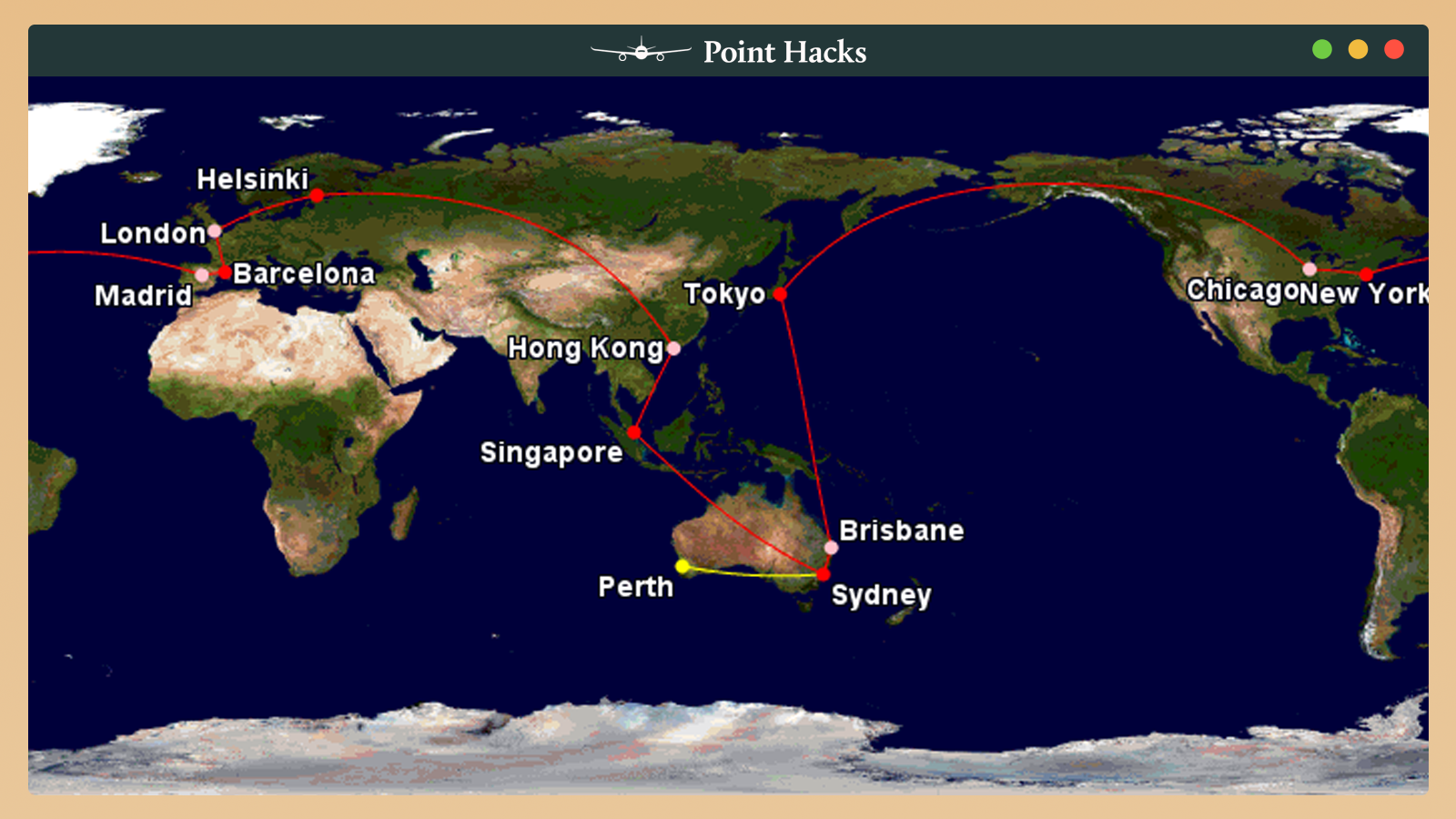
The starting point was the mileage limit. The aim was to get close to 35,000 miles while routing through oneworld hubs, where connections and reward availability are easiest to find. New York was the anchor — the rest of the trip was built around it, with stops in Asia and Europe either side.
The first draft looked quite different from what was eventually flown. As new seats opened up, the booking was reworked over a single phone call: Los Angeles became Chicago, Madrid became Barcelona, Helsinki was added, and a Hong Kong transit slipped in. The final routing came to a little over 32,000 miles including domestic connections in Australia.
| Sector | Airline and aircraft | Cabin | Role in the itinerary |
|---|---|---|---|
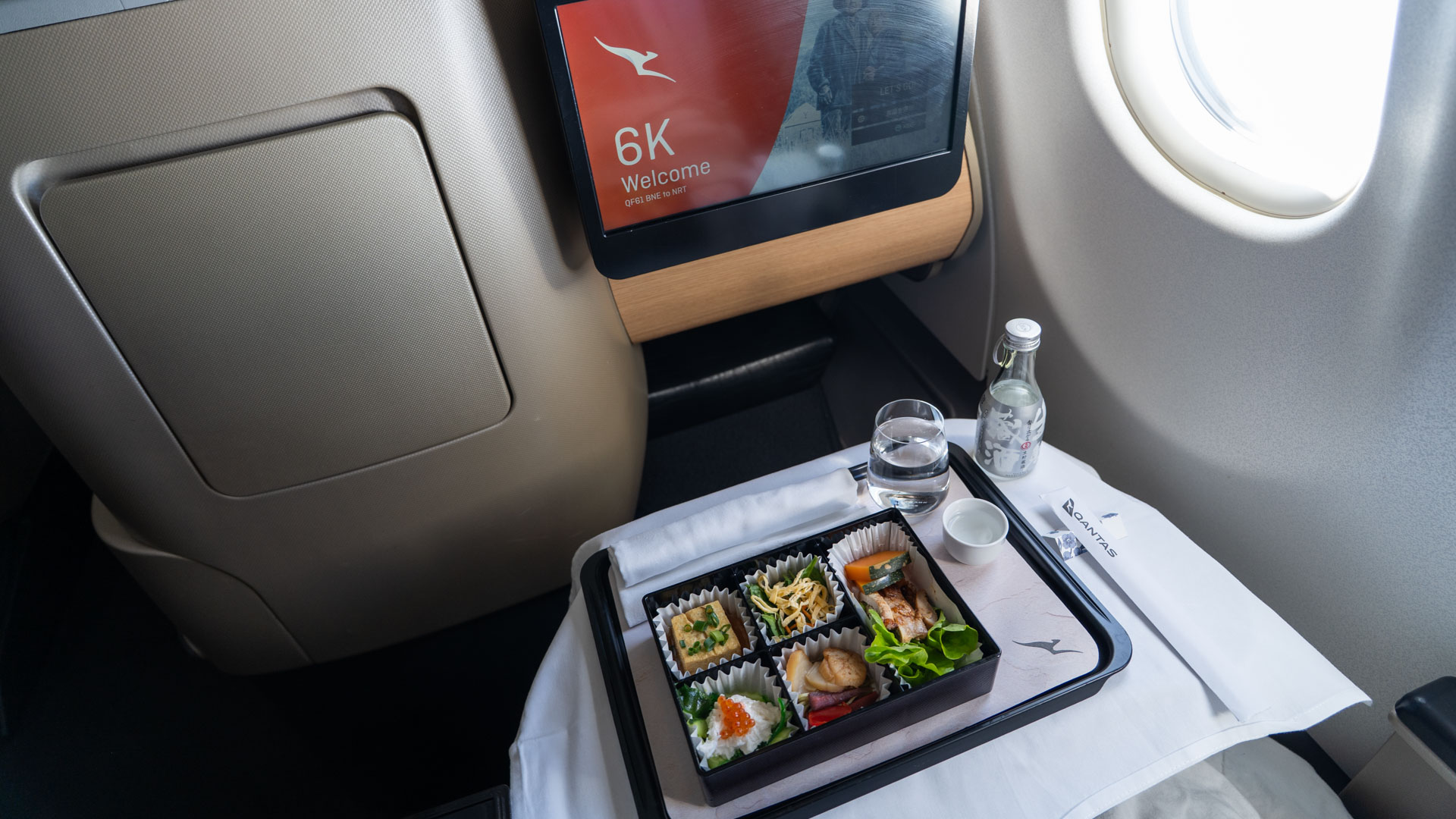
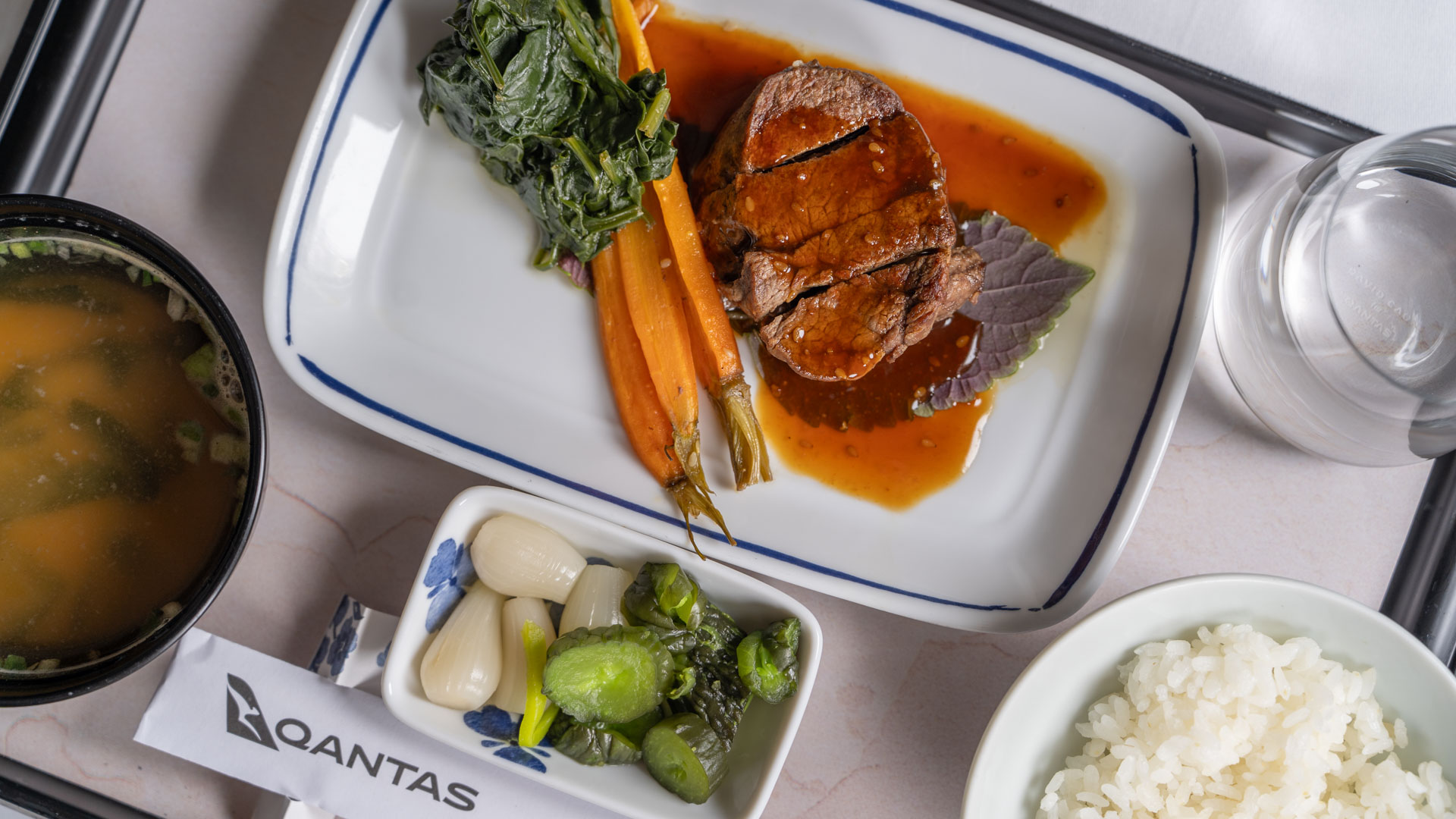
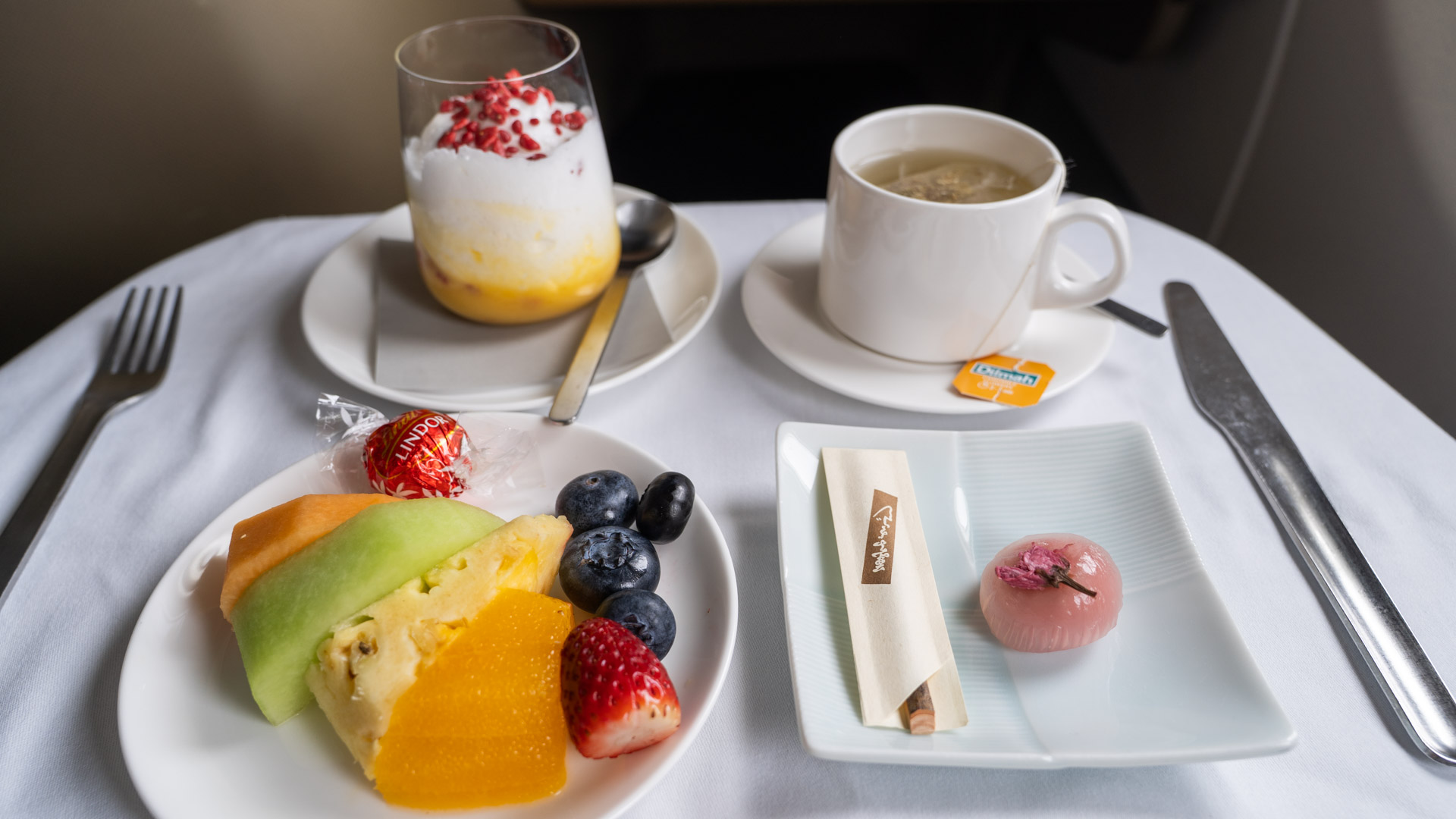
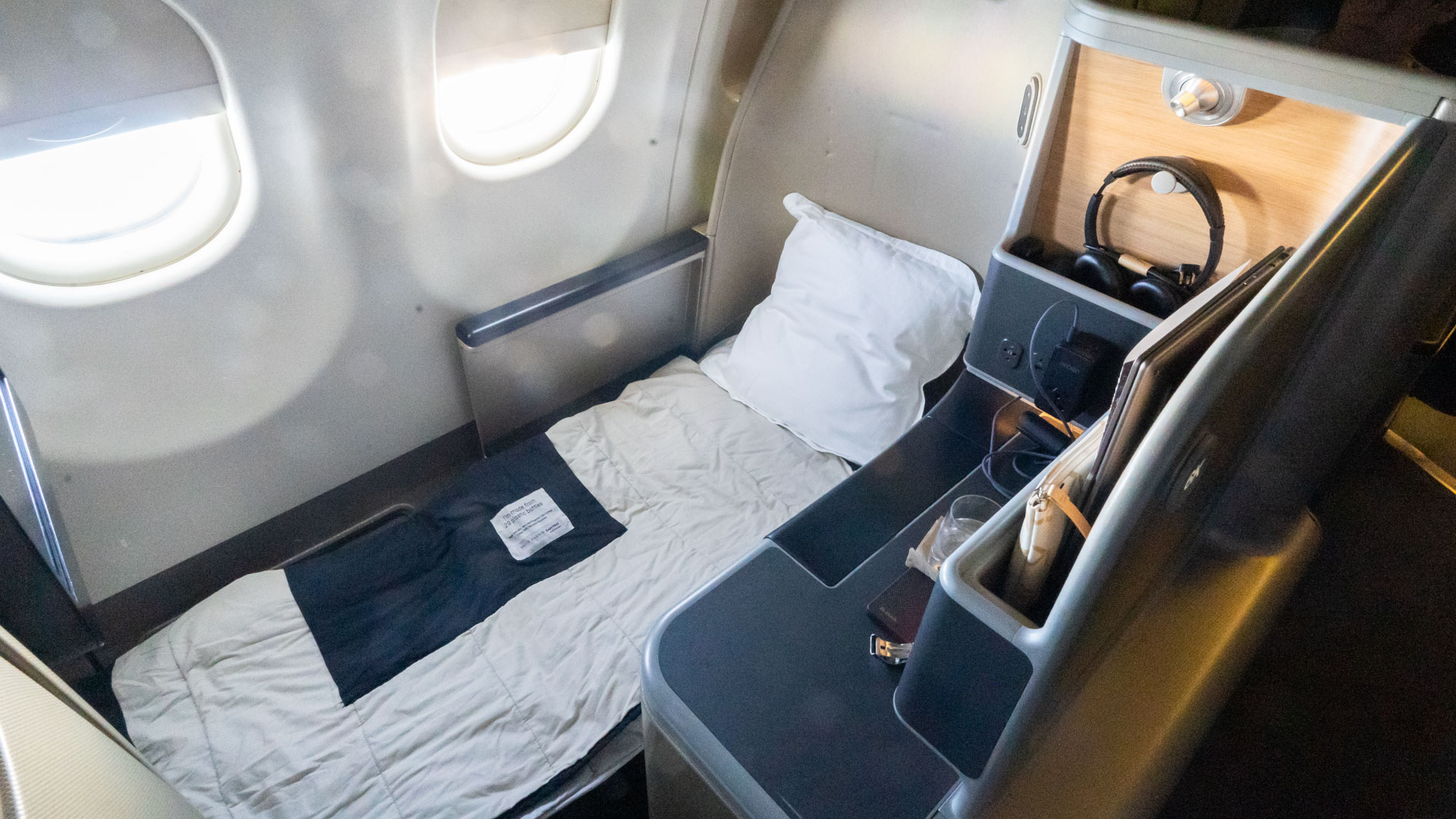
| Australia to Tokyo | Qantas Airbus A330 | Business | Stopover |
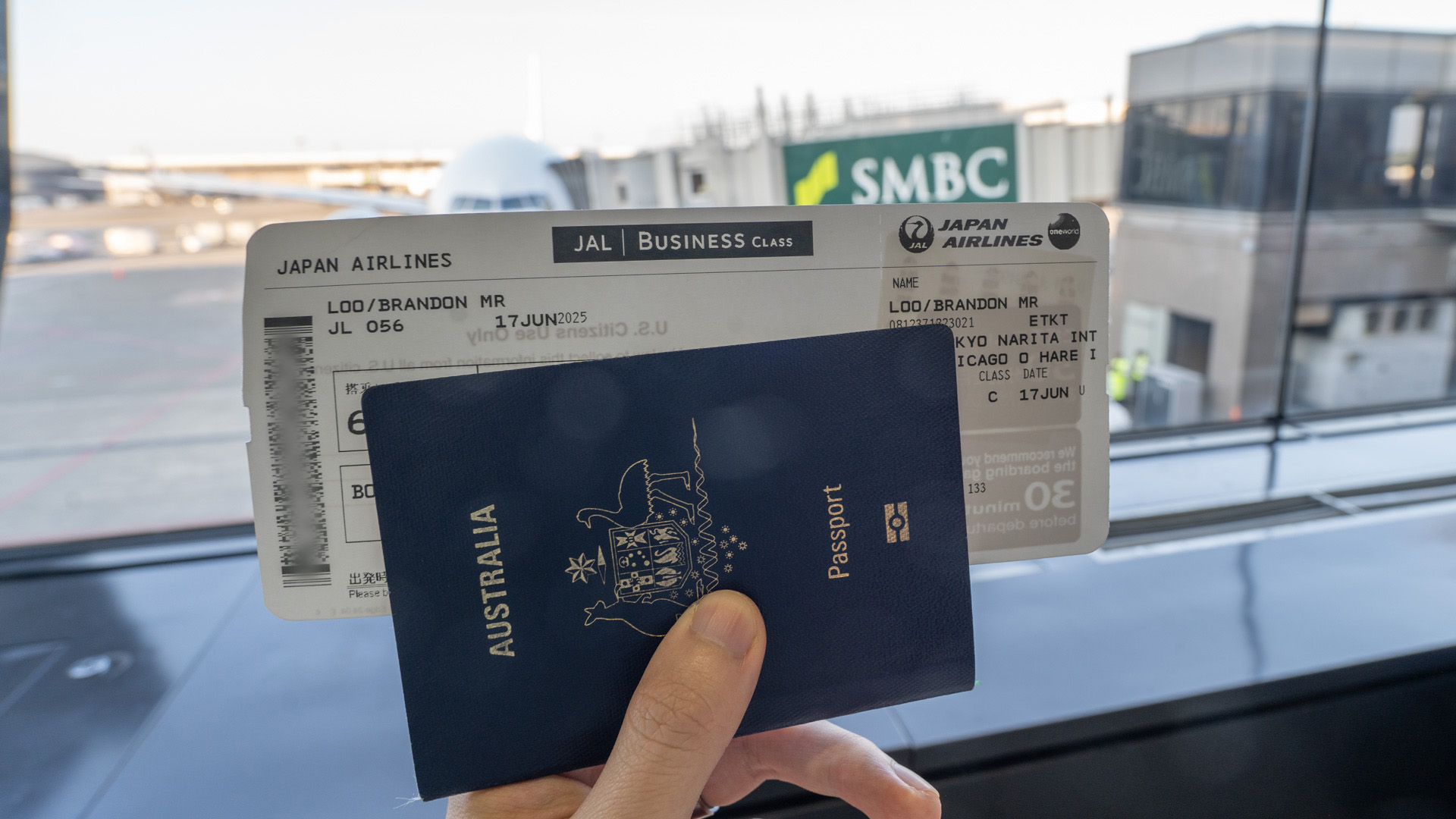
| Tokyo to Chicago | Japan Airlines Boeing 777 | Business | Overnight transit |
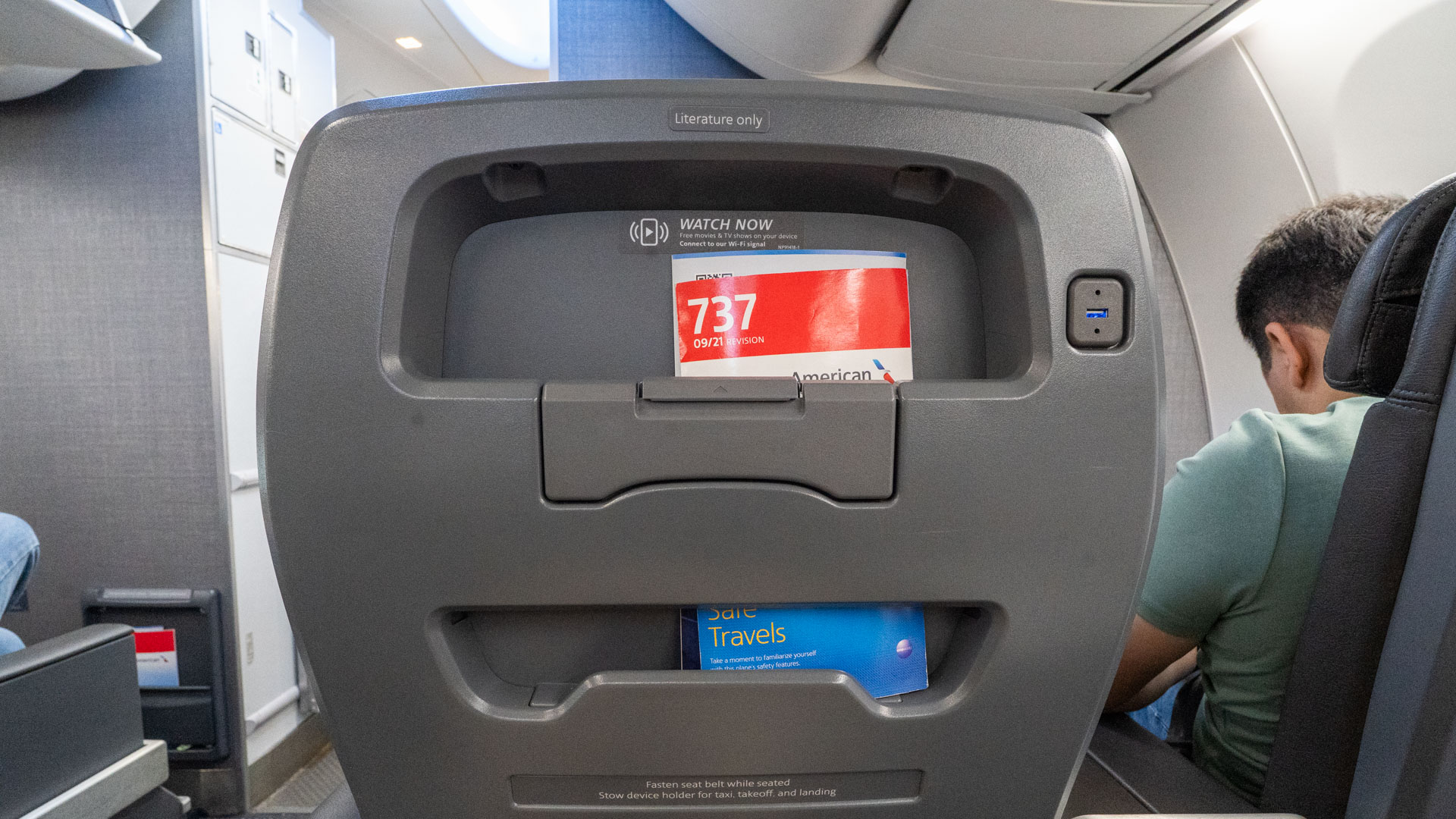
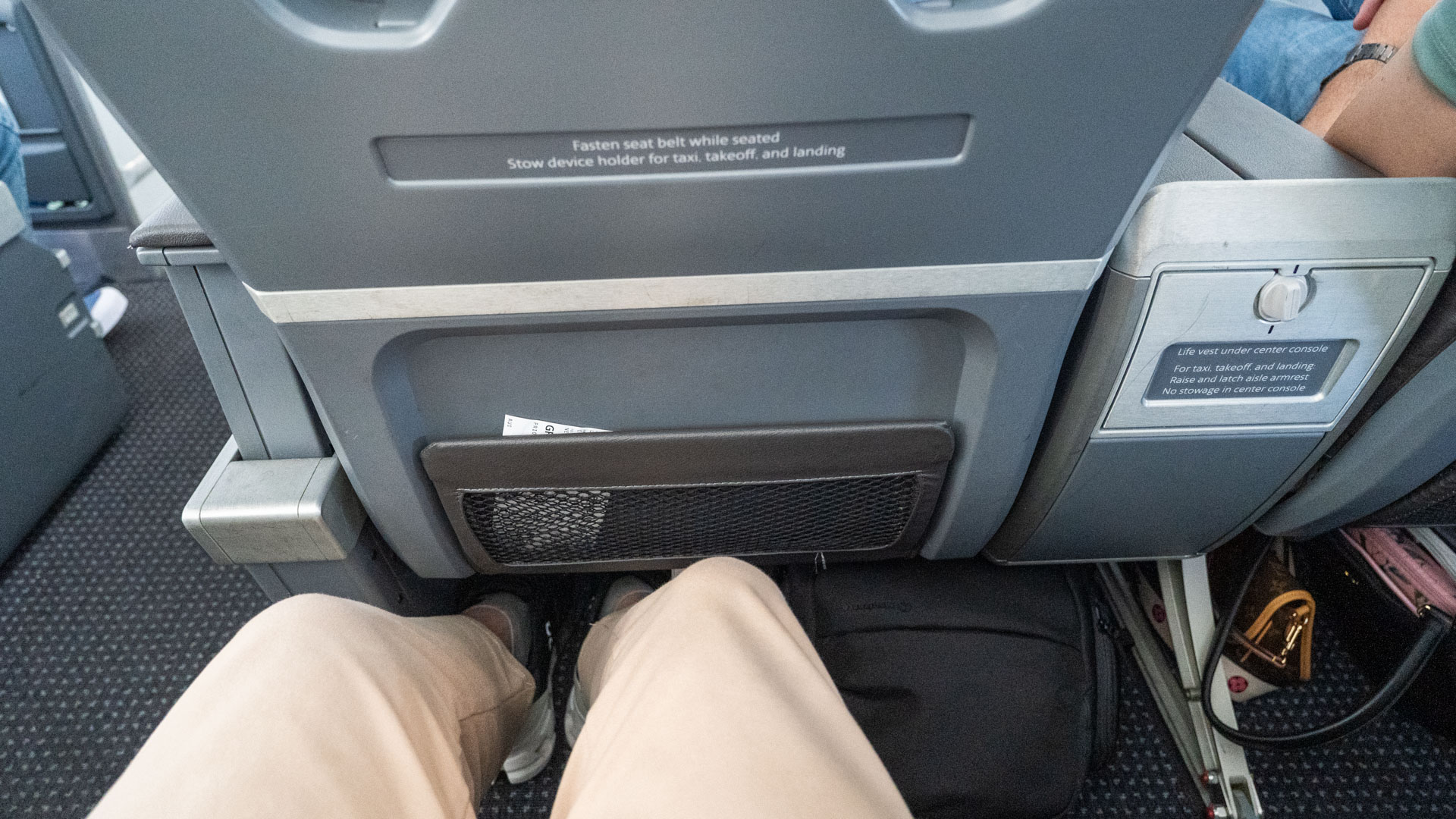
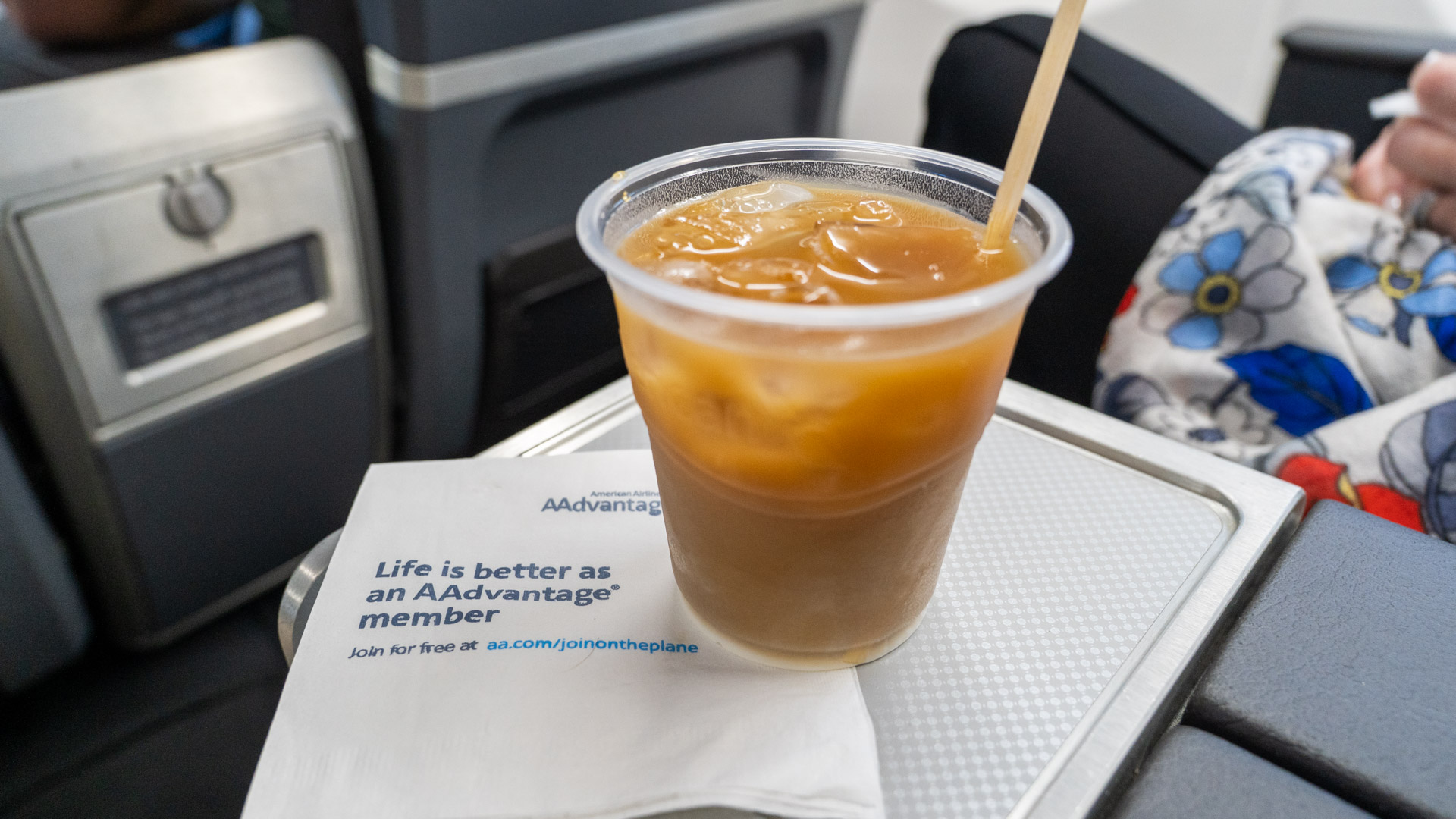
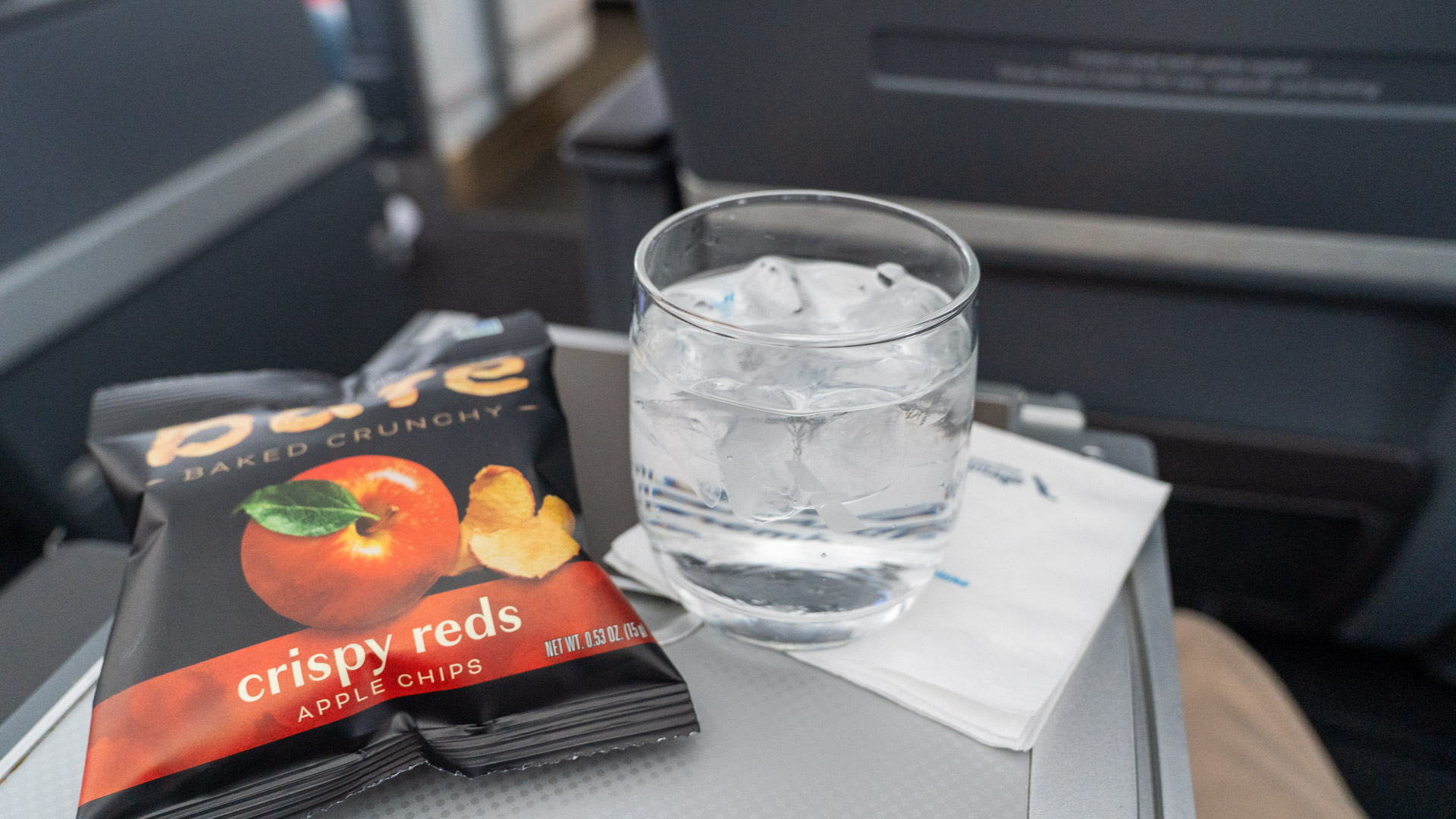
| Chicago to New York | American Airlines Boeing 737 | Domestic first, counted as business | Stopover |
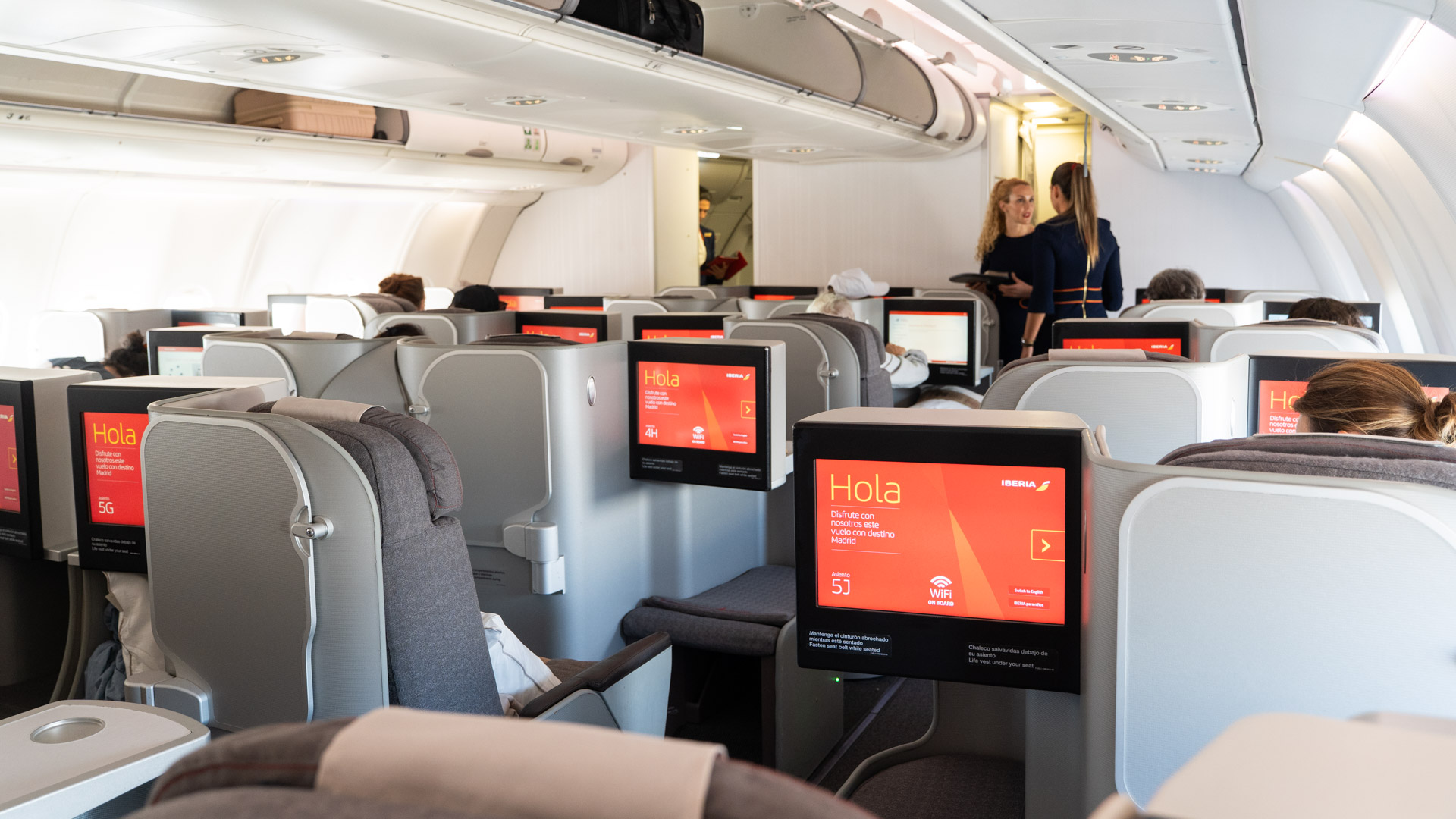
| New York to Madrid, then Barcelona | Iberia Airbus A330 and A320 | Business | Stopover |
| Barcelona to London | British Airways Airbus A320 | Euro Business | Overnight transit |
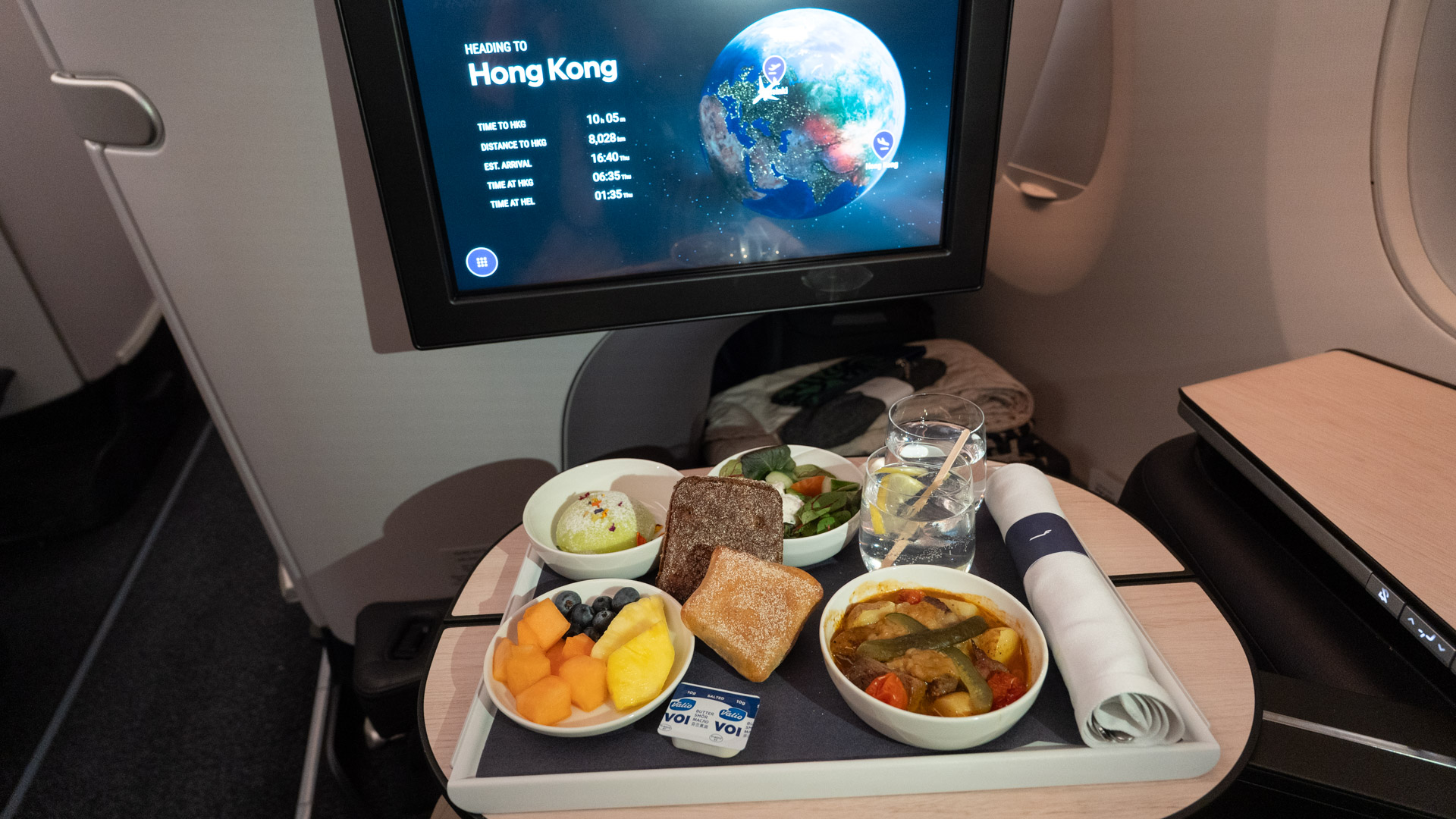
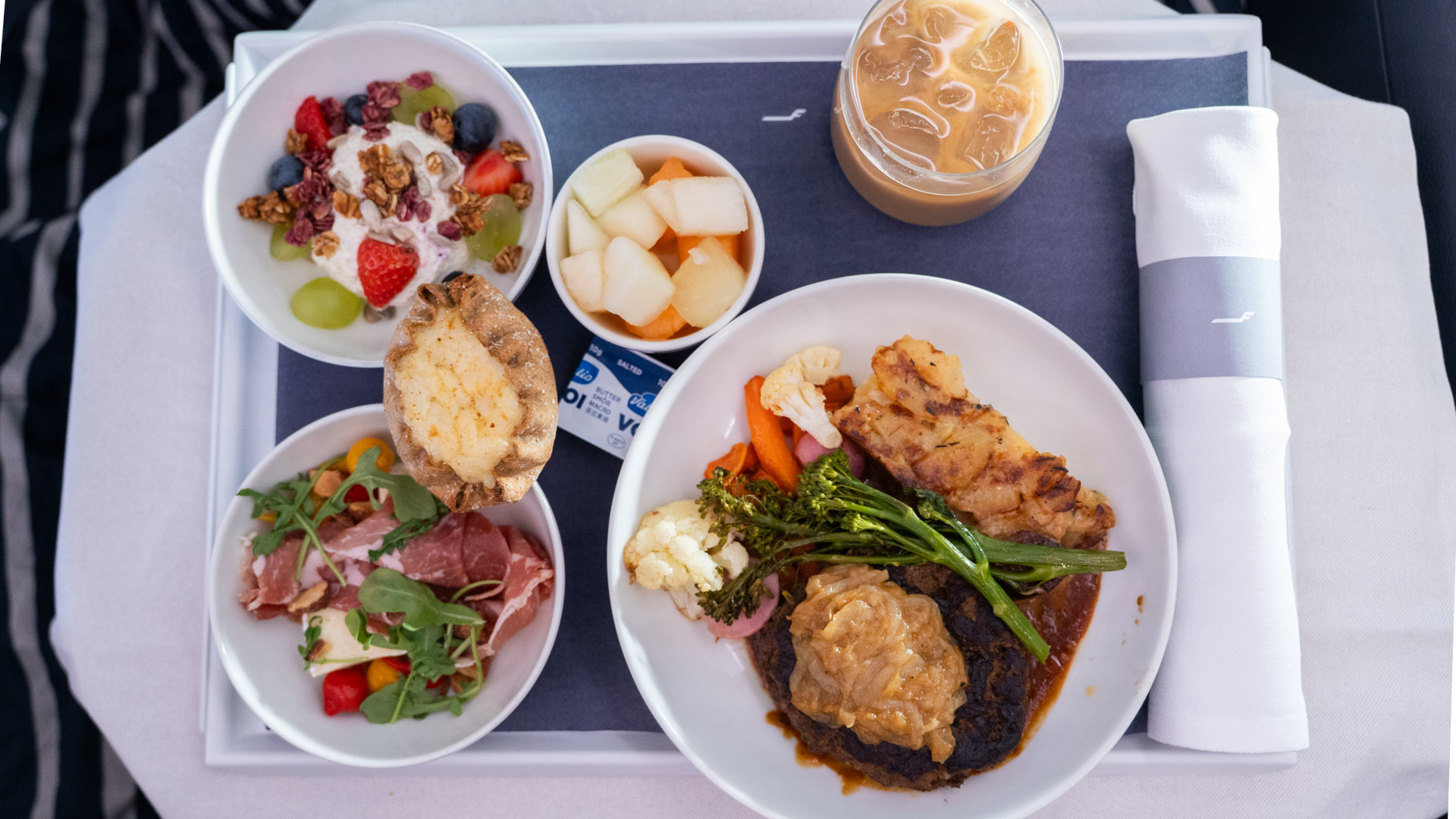
| London to Helsinki | Finnair Airbus A350 | Business | Stopover |
| Helsinki to Hong Kong | Finnair Airbus A350 | Business | Overnight transit |
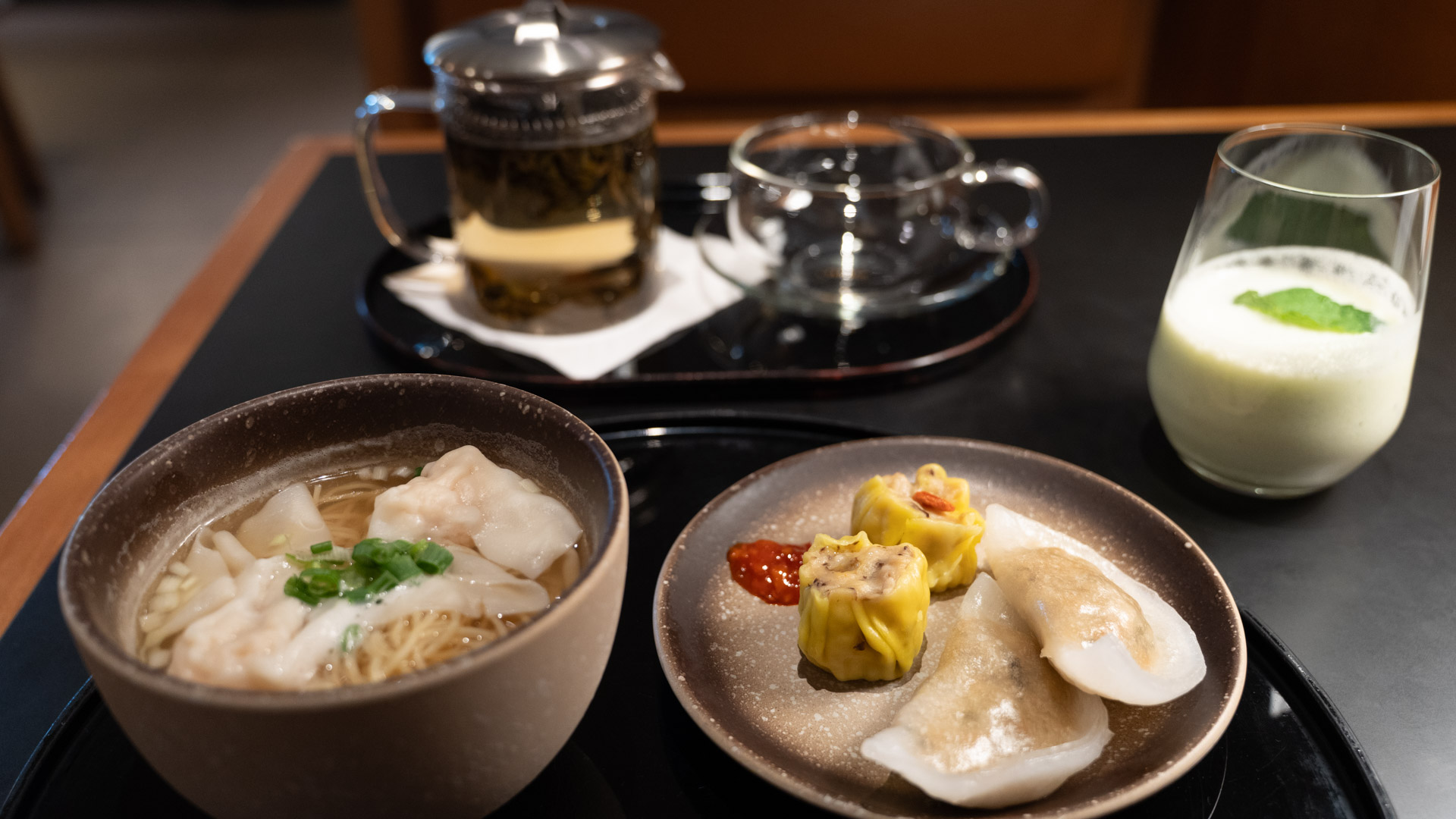
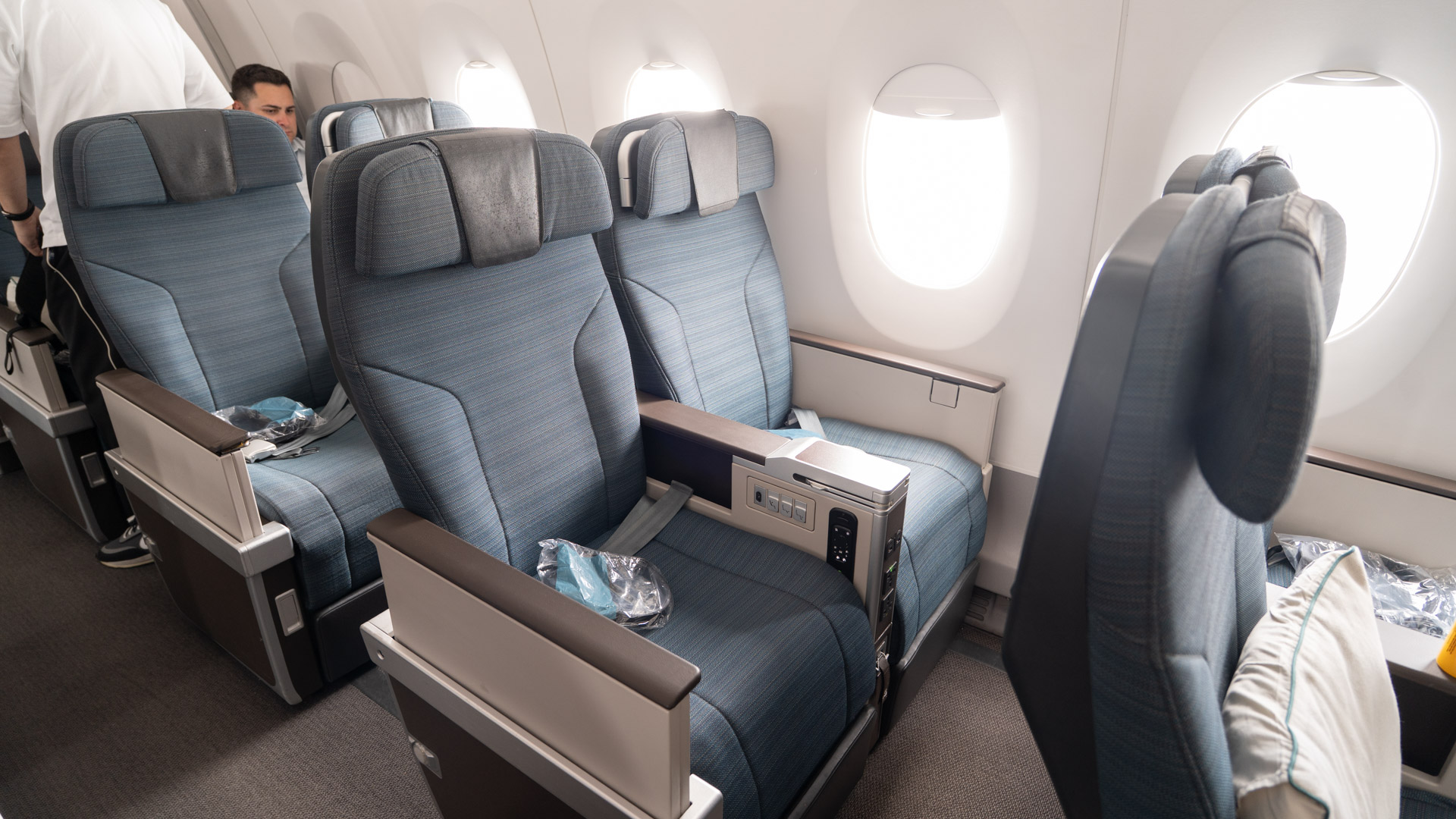
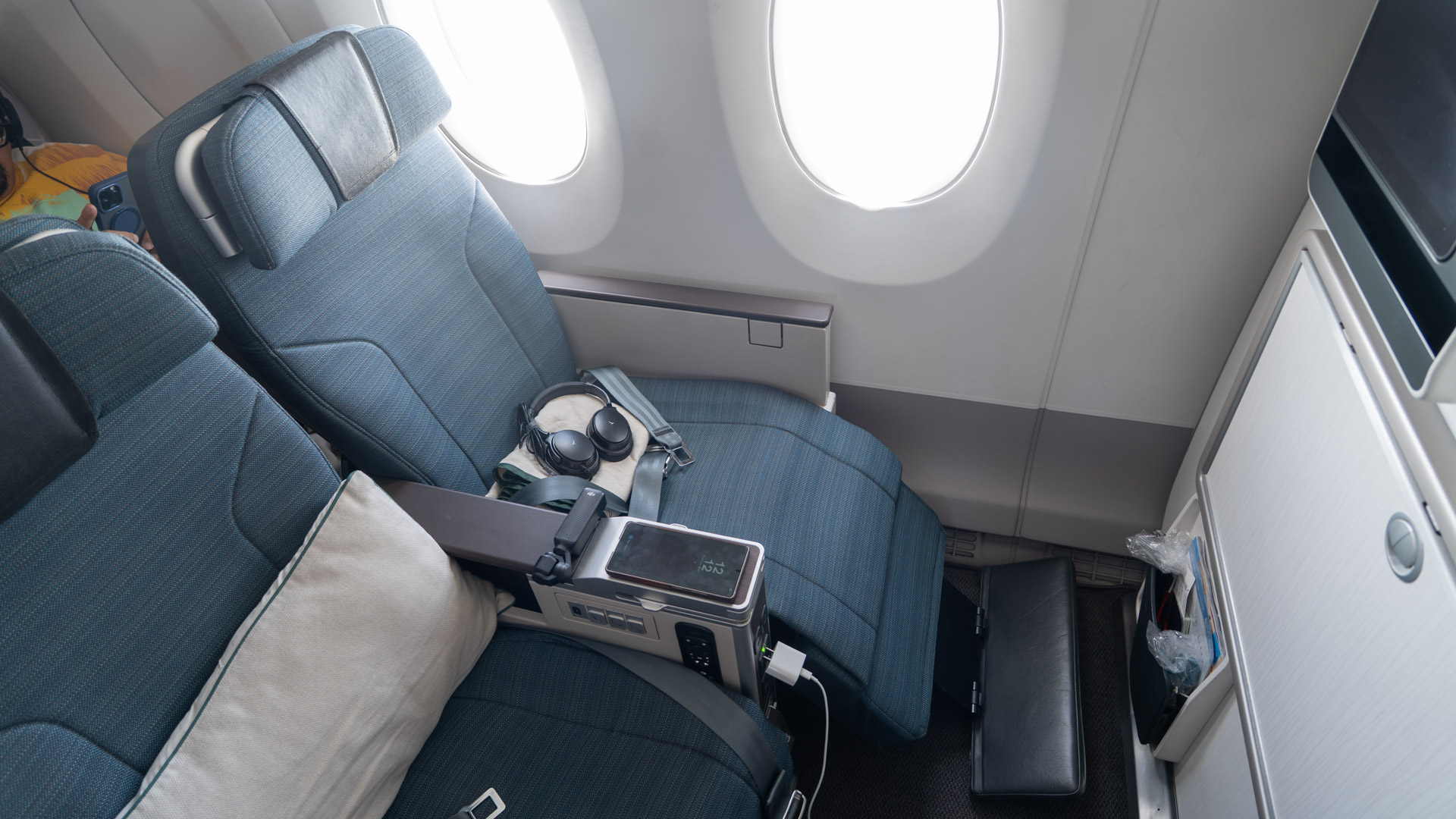
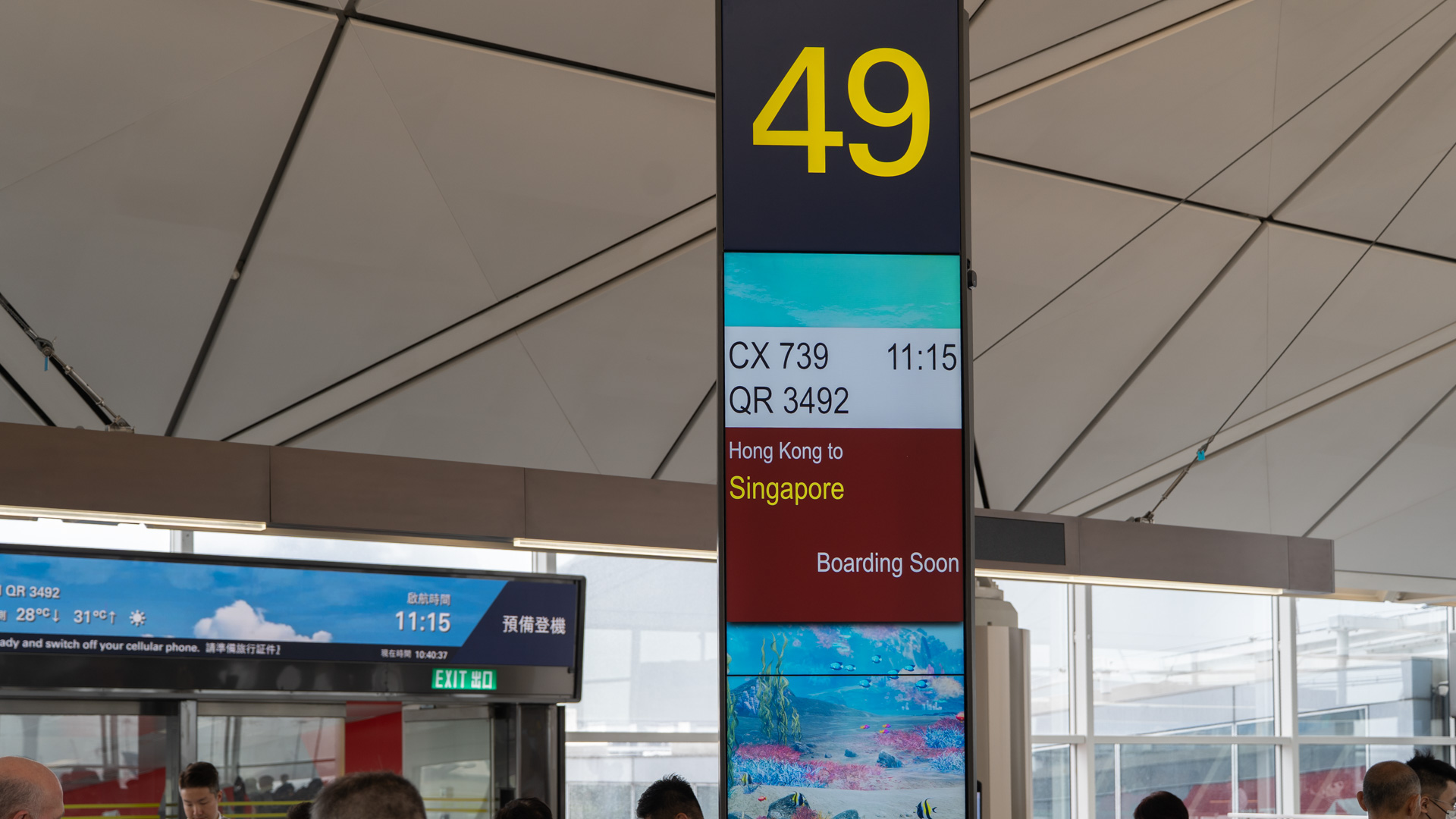
| Hong Kong to Singapore | Cathay Pacific Airbus A350 | Premium economy | Stopover |
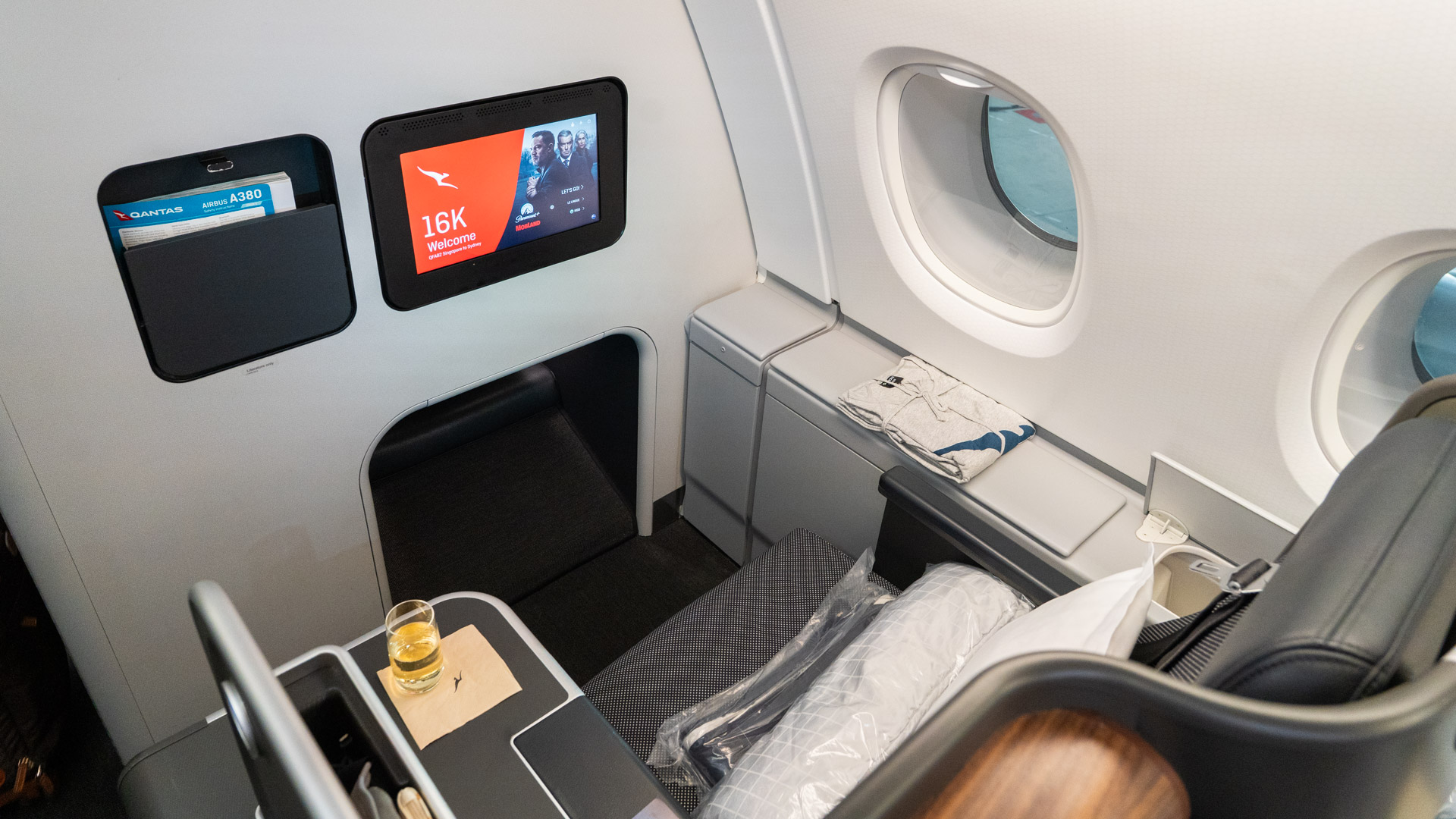
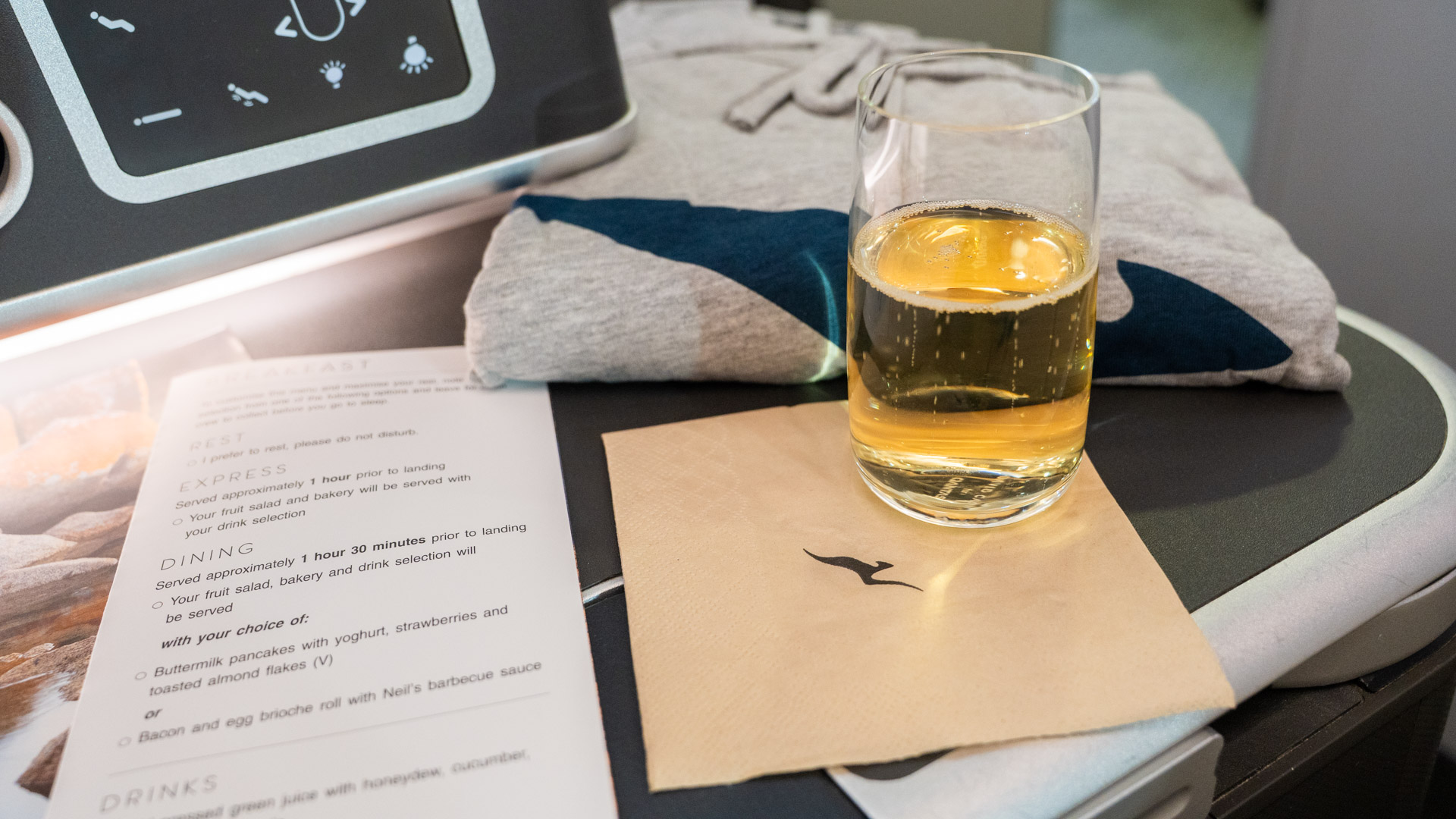
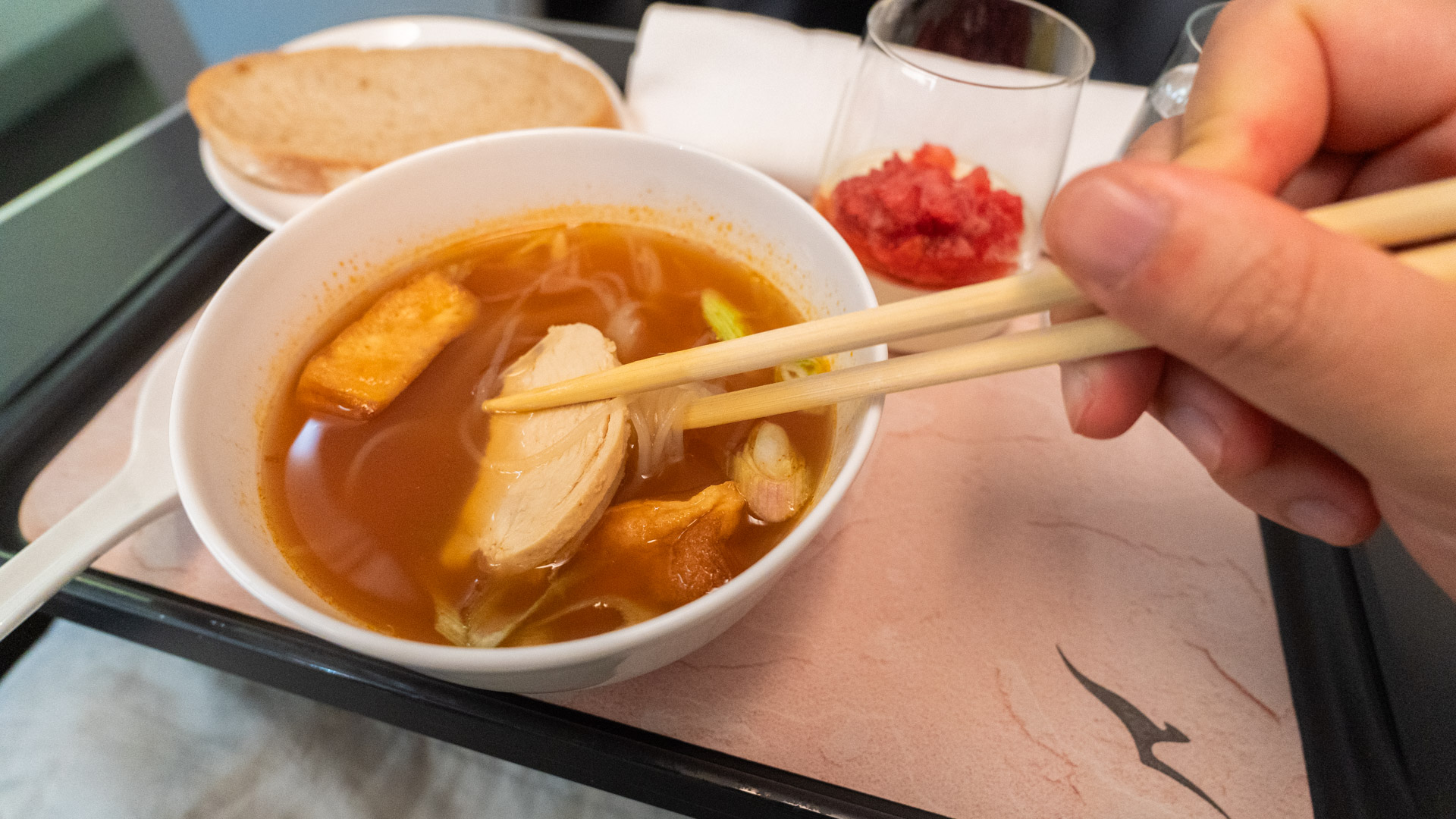
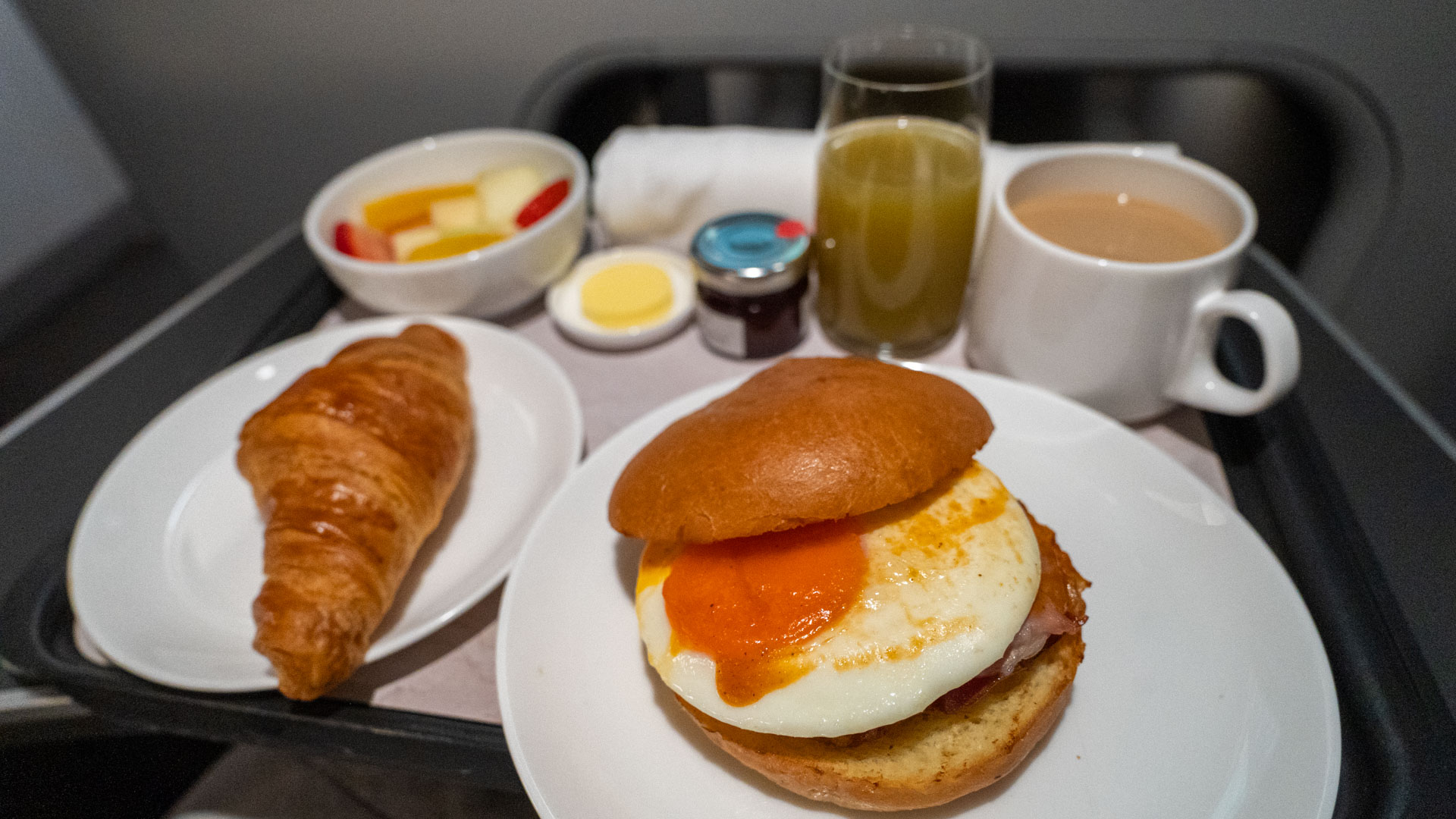
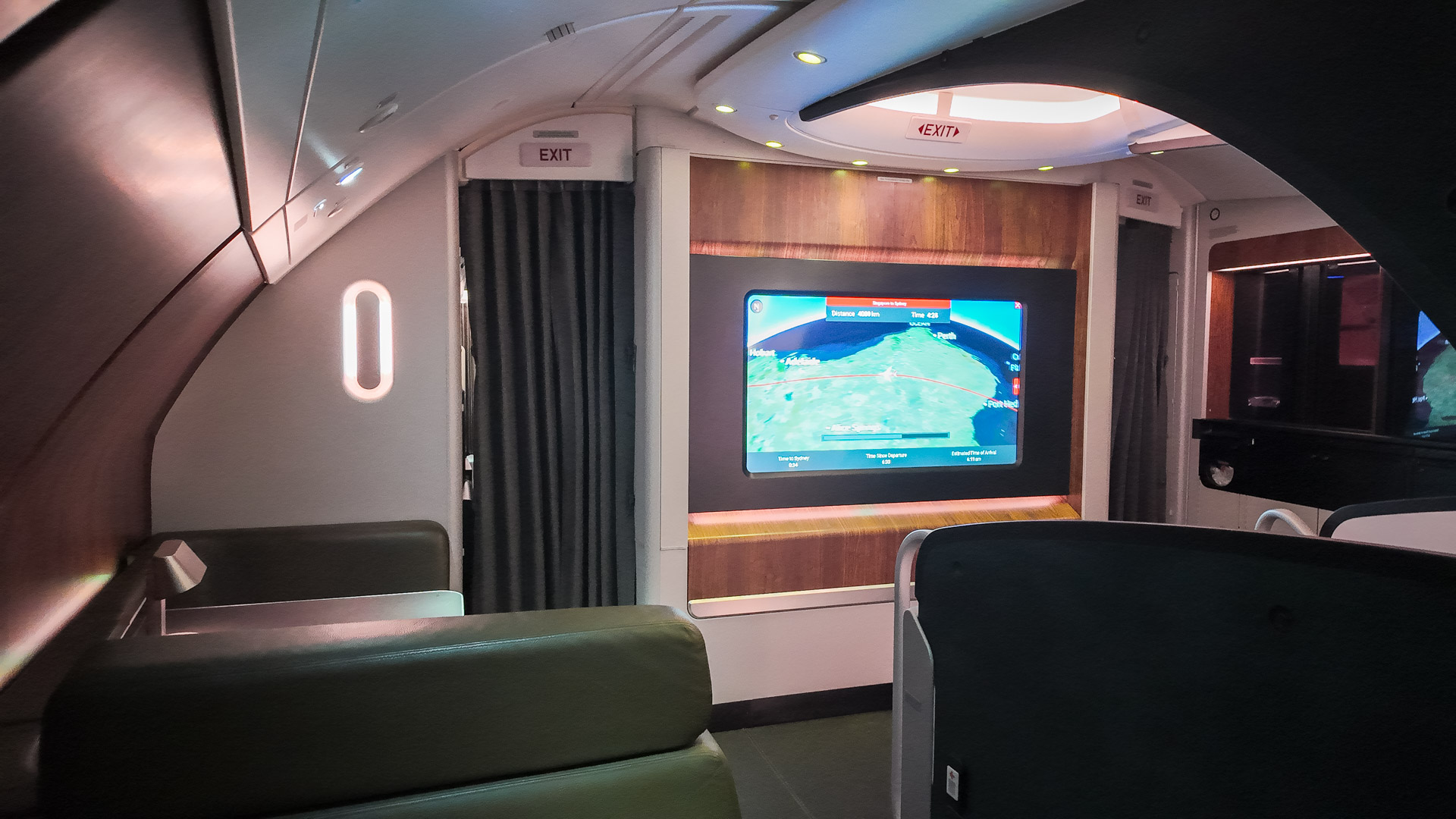
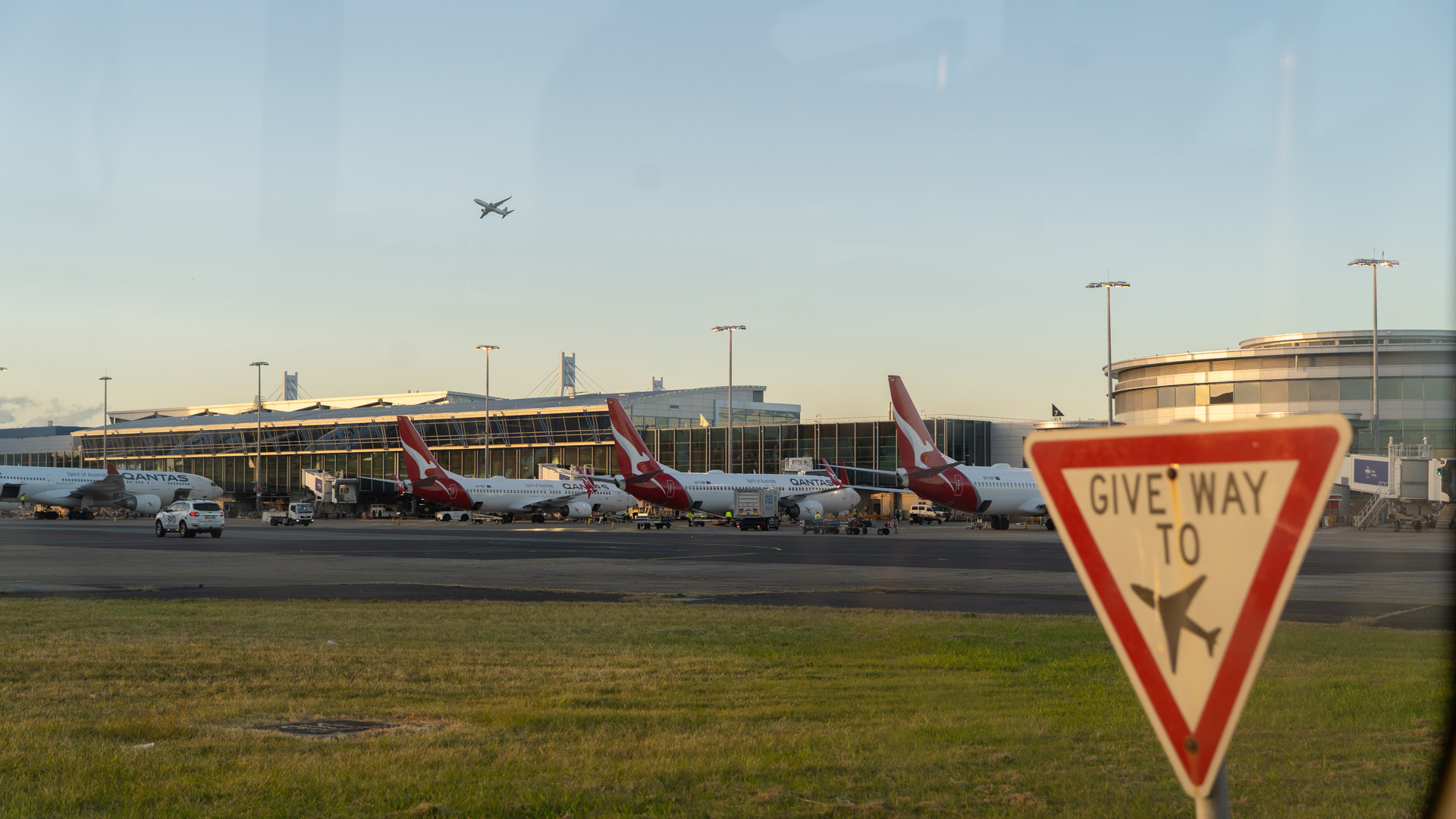
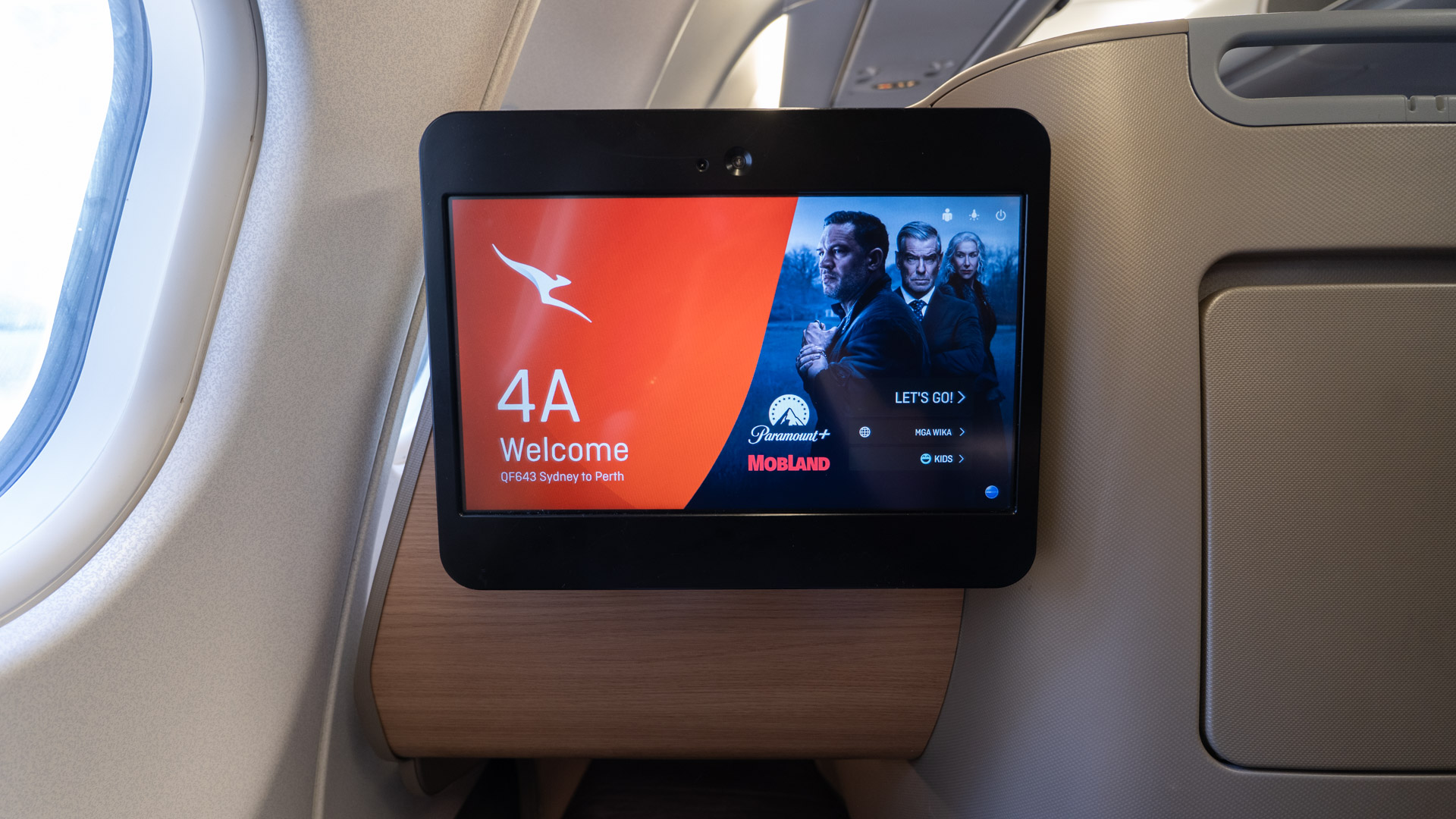
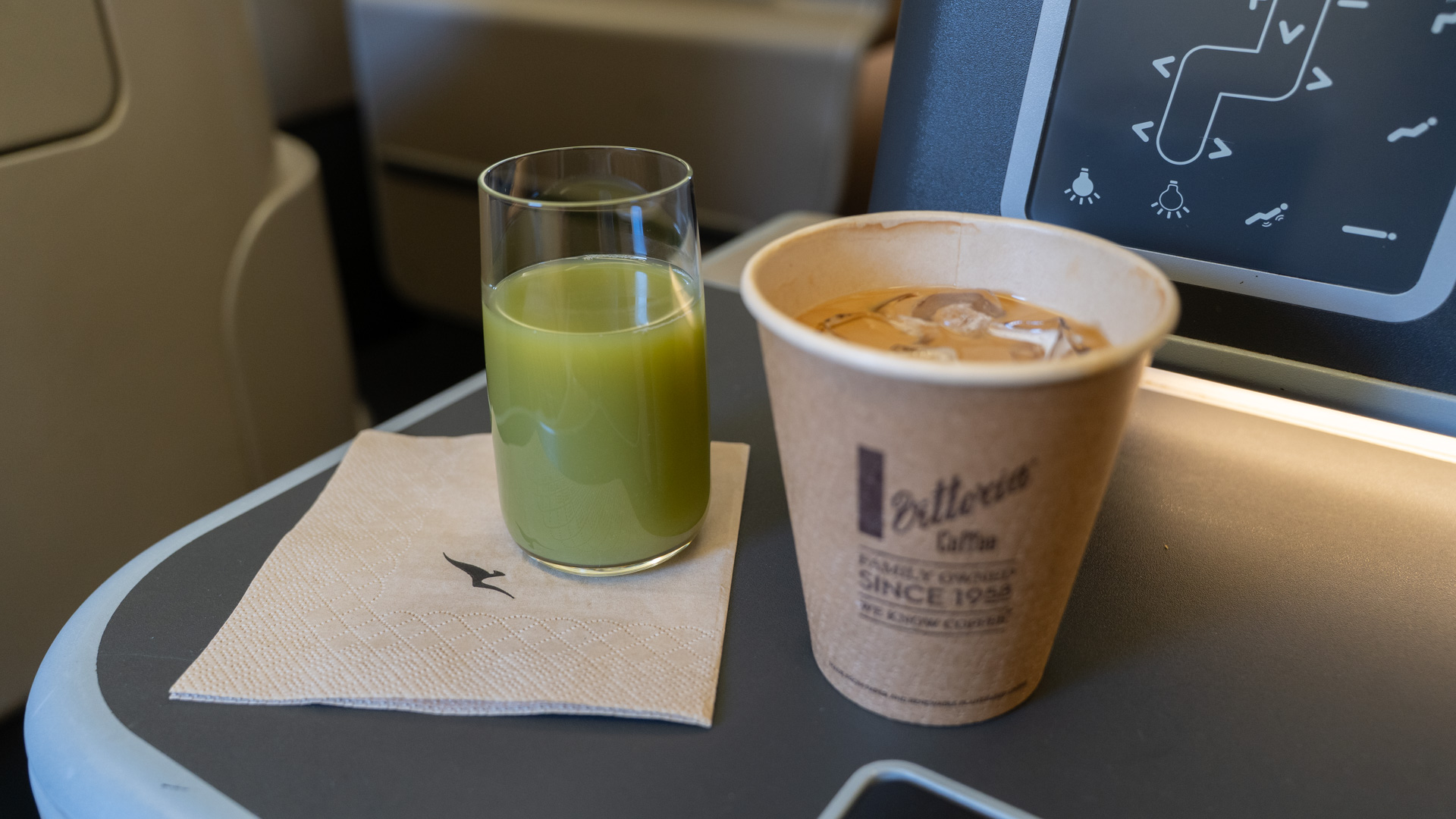
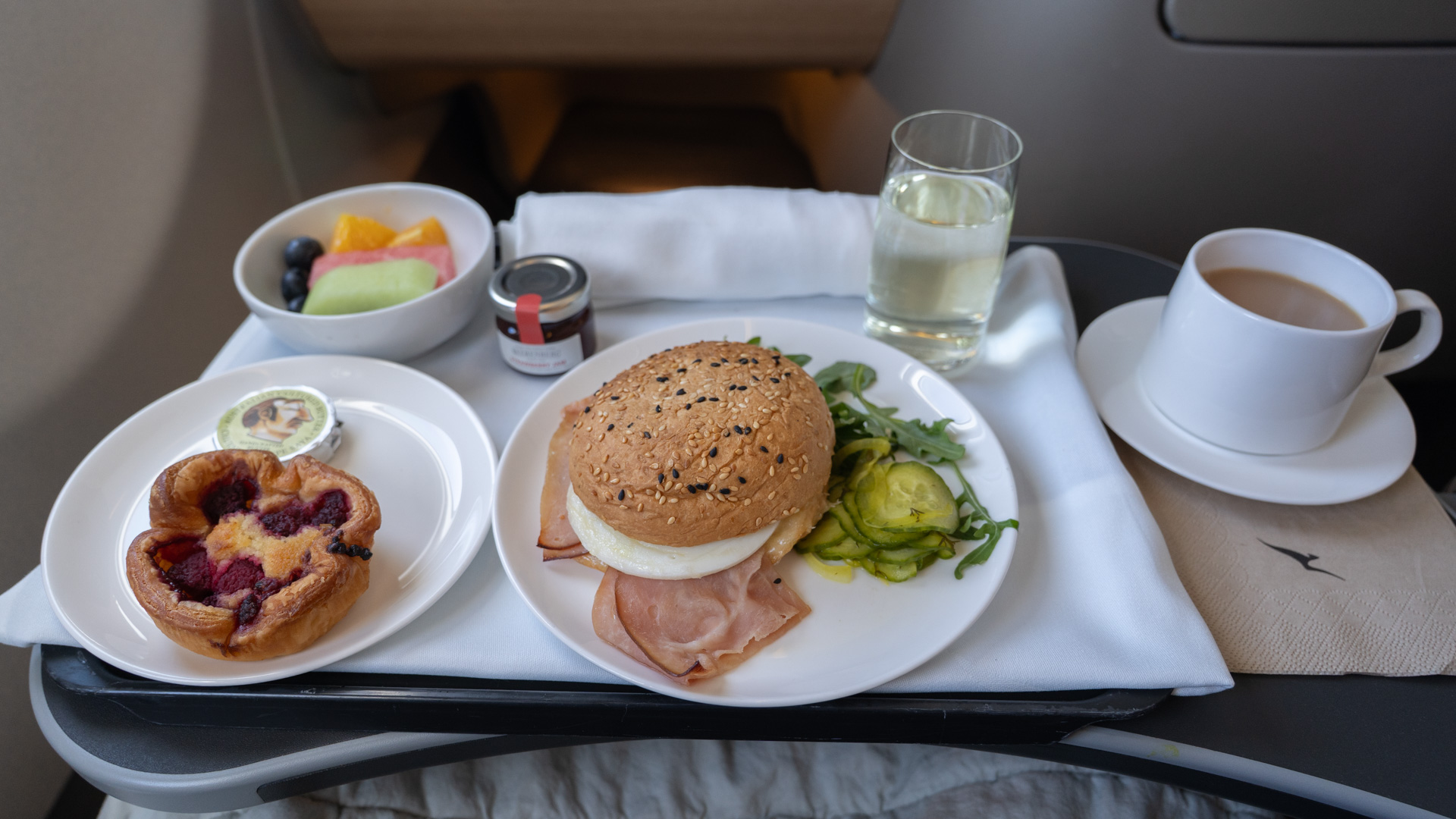
| Singapore to Sydney, then Perth | Qantas Airbus A380 and A330 | Business | Home |
A transit of less than 24 hours does not consume a stopover, which is why London and Hong Kong could be worked in without using up the allowance. Getting an evening in each city for the price of a connection is one of the quiet advantages of this reward.
What the flying was actually like
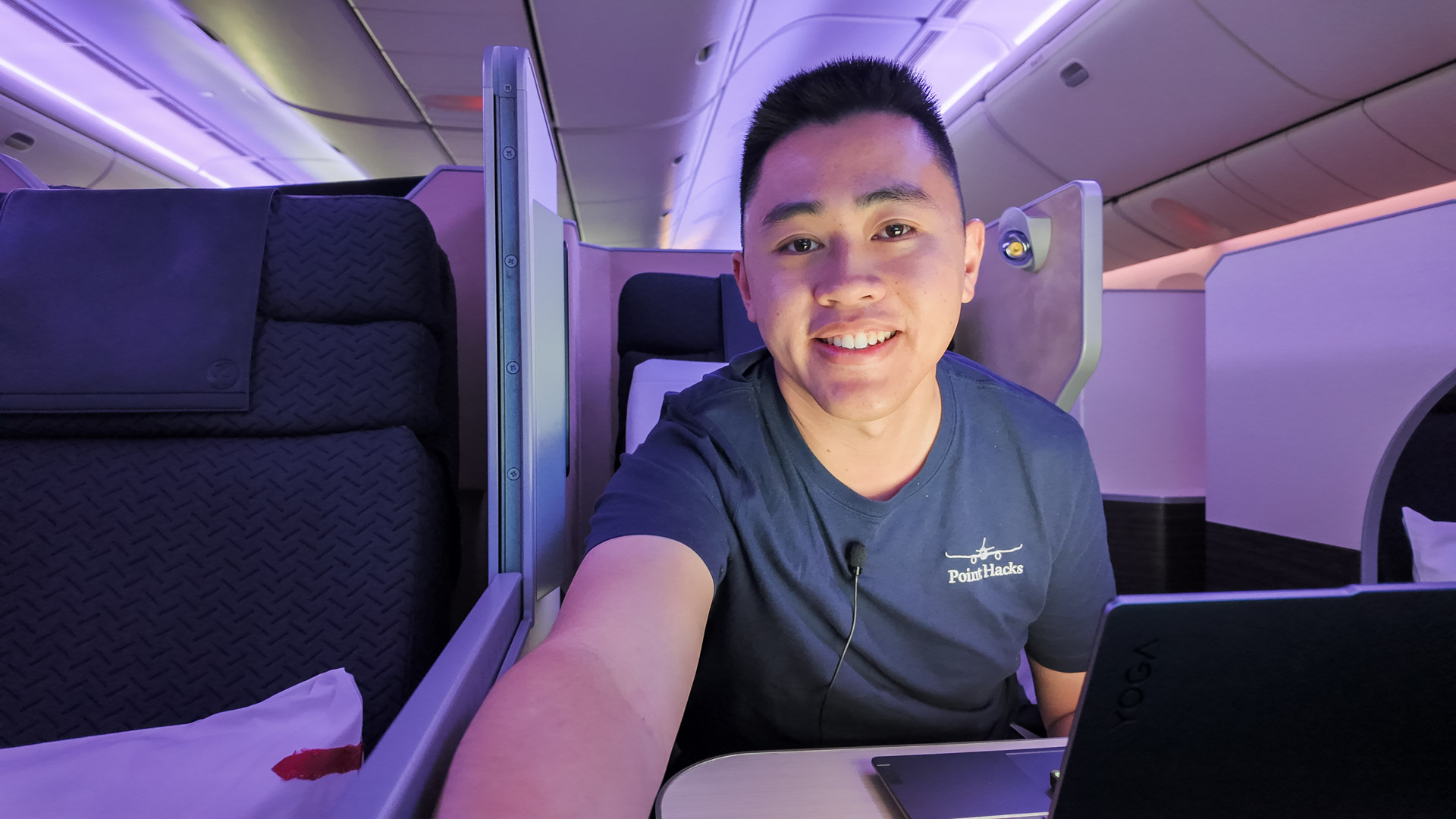
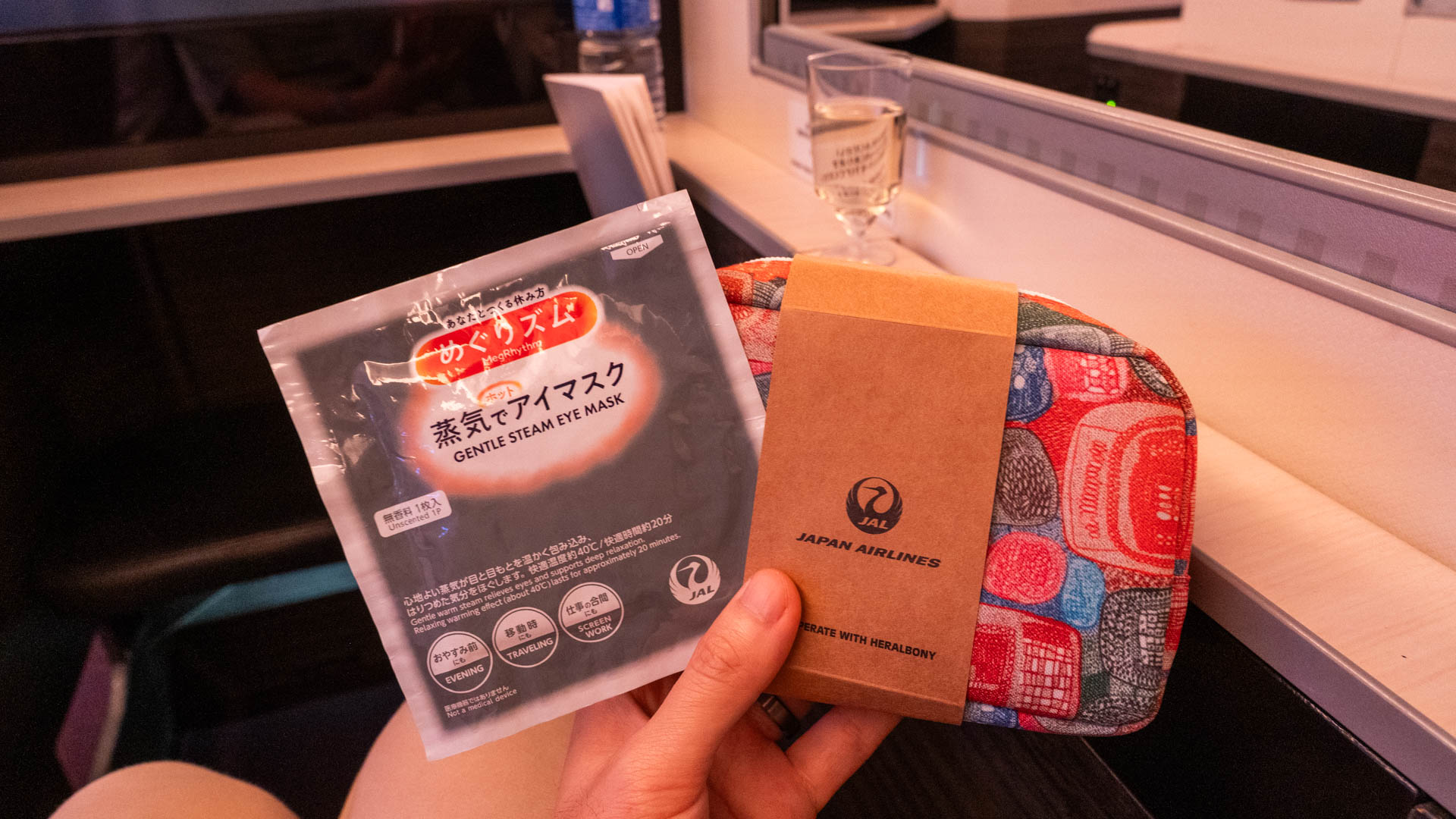
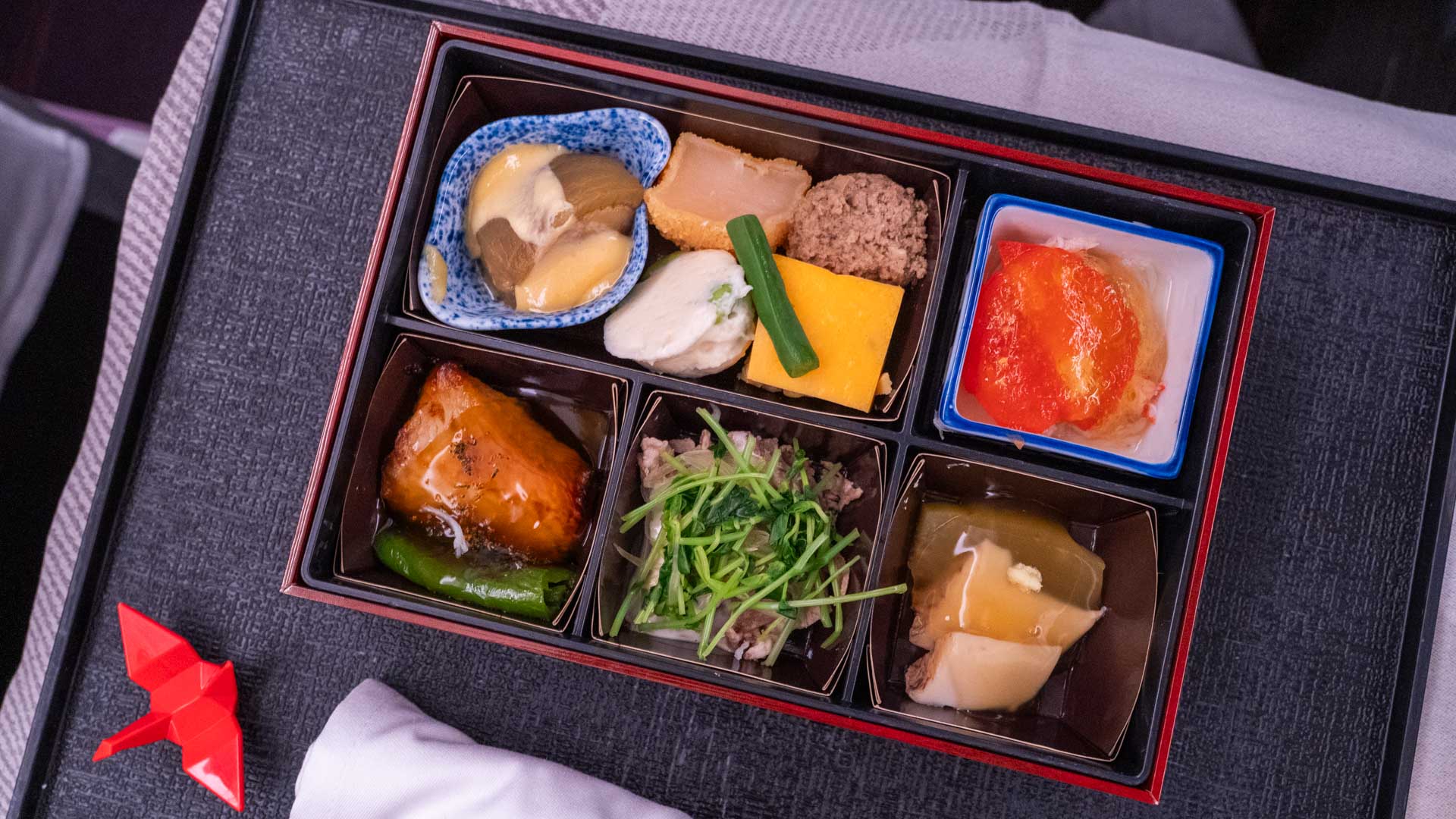
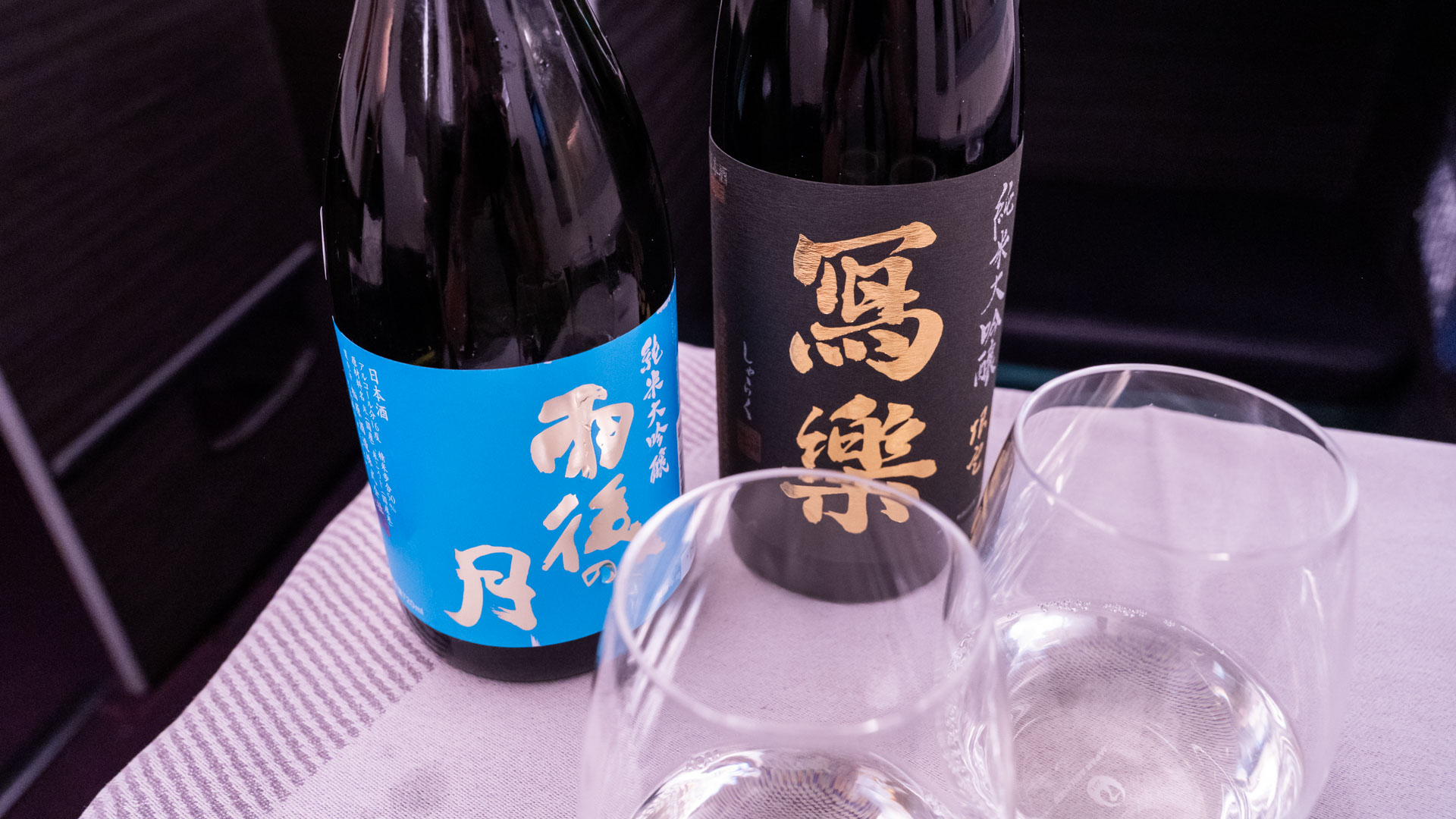
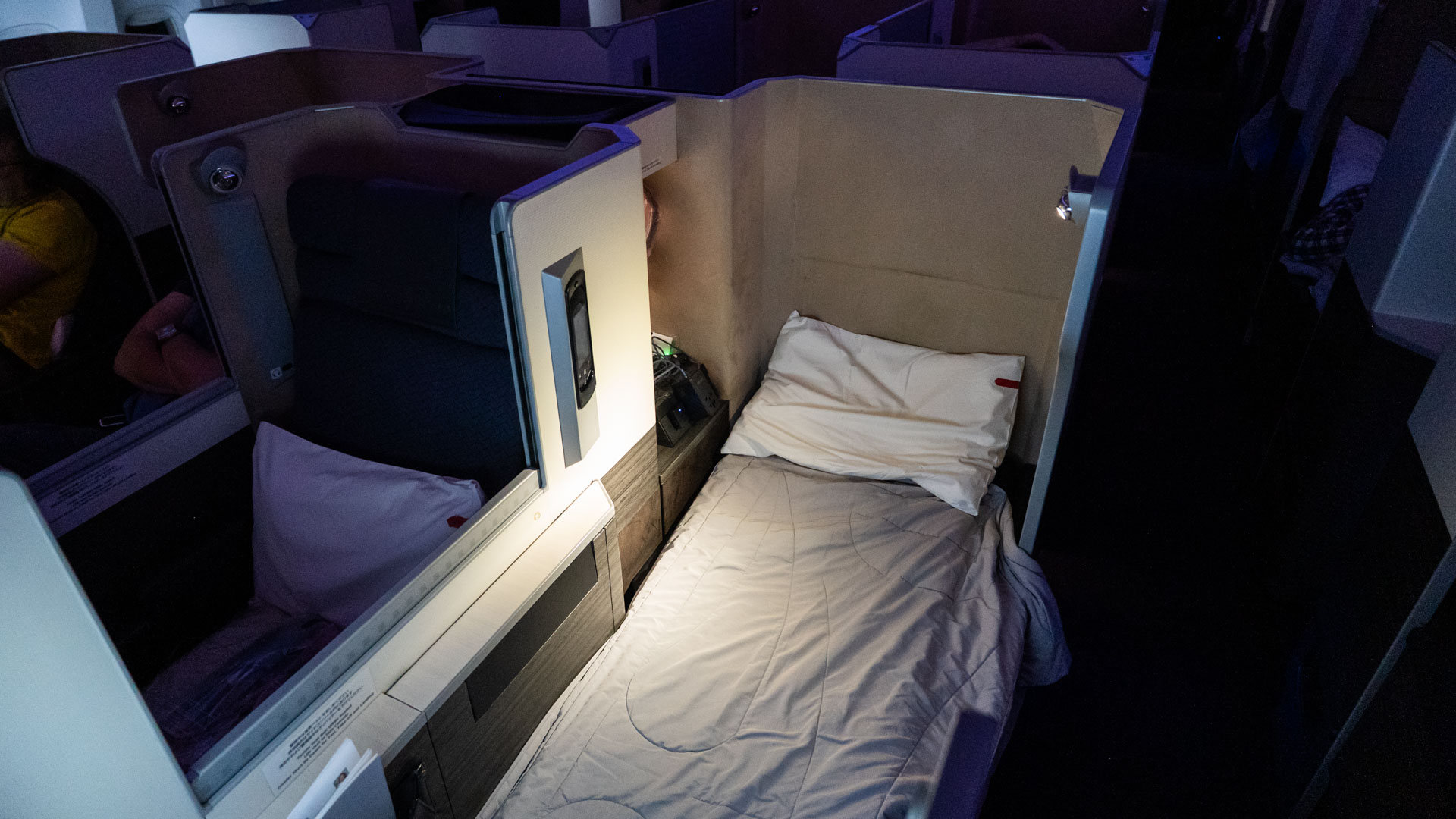
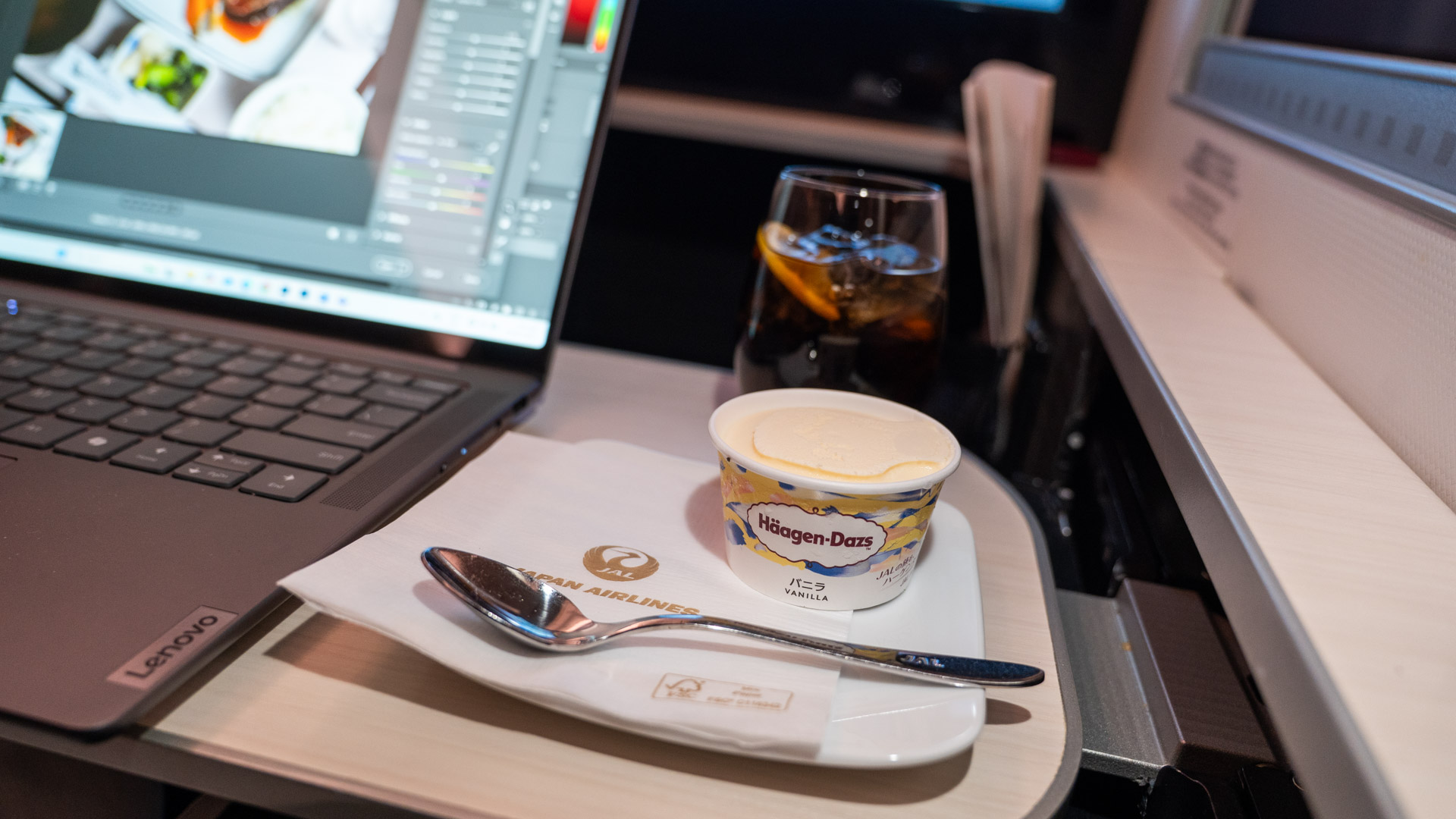
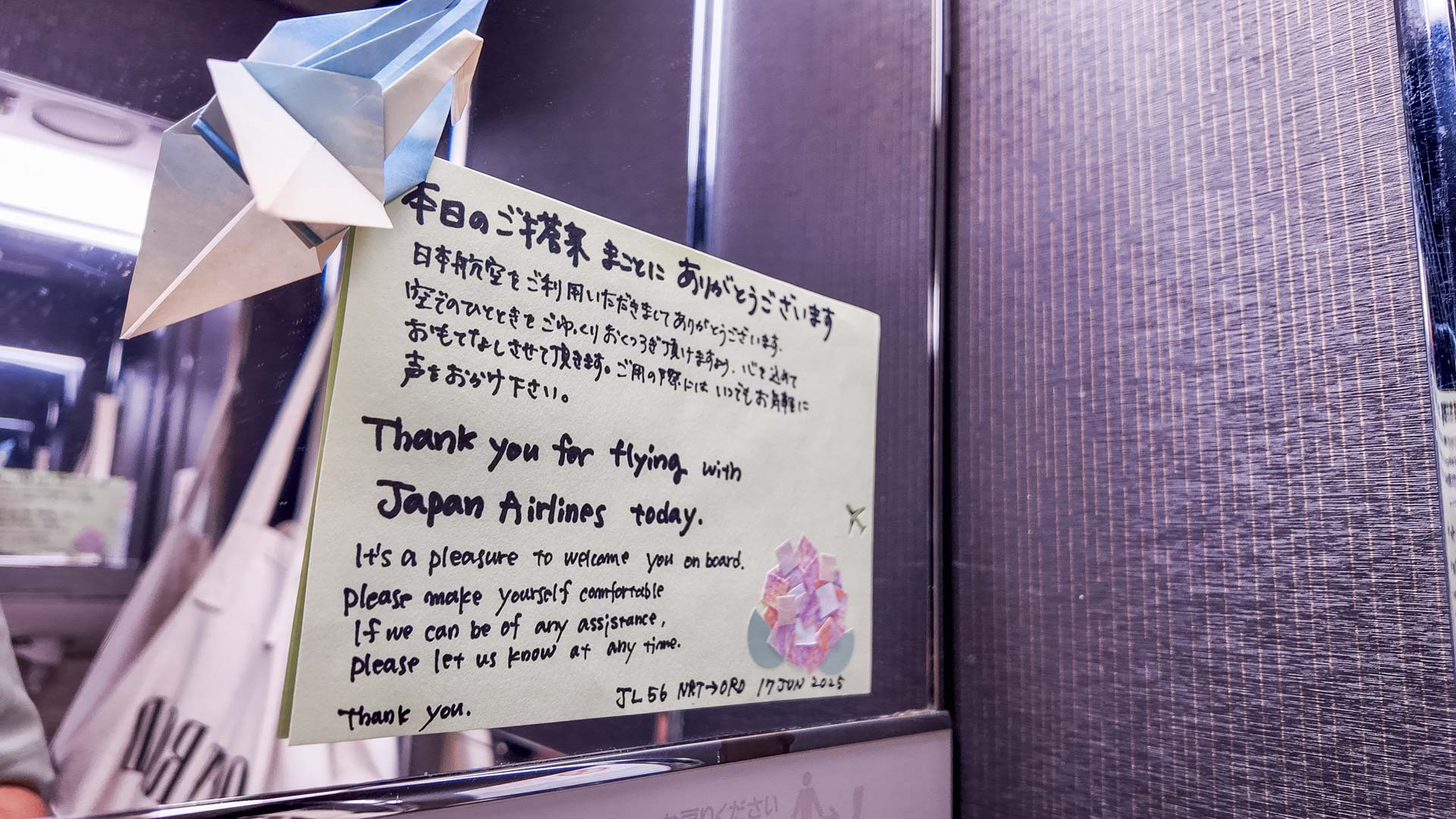
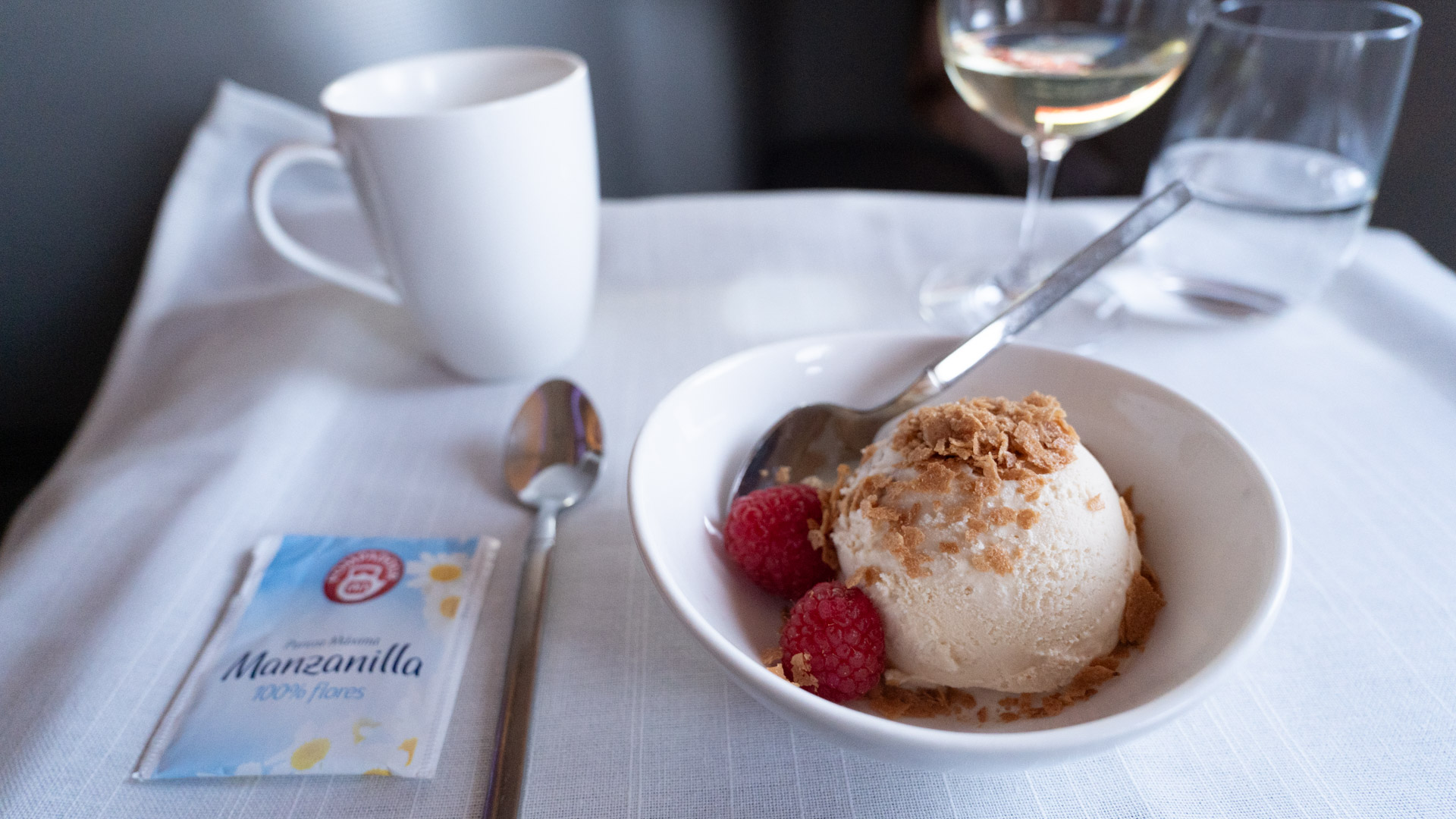
The long-haul highlight was Japan Airlines between Tokyo and Chicago. The Boeing 777 business seat is an older Apex Suite design without a door, but the aisle version has the footprint of a first class suite, and the service around it — a steaming eye mask in the amenity kit, a bento box to start dinner, sake served by the pair when you ask about one — is hard to match.
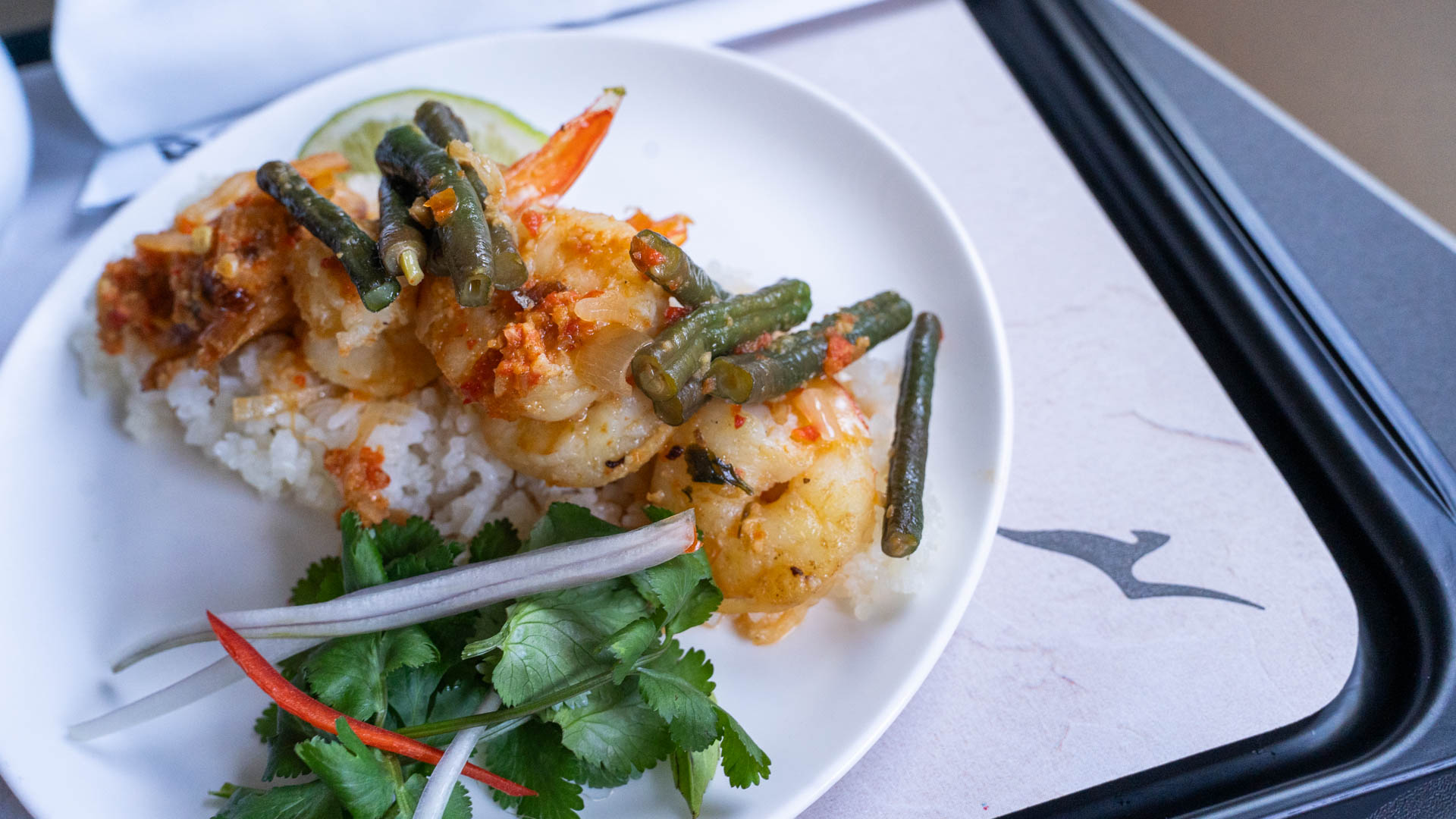
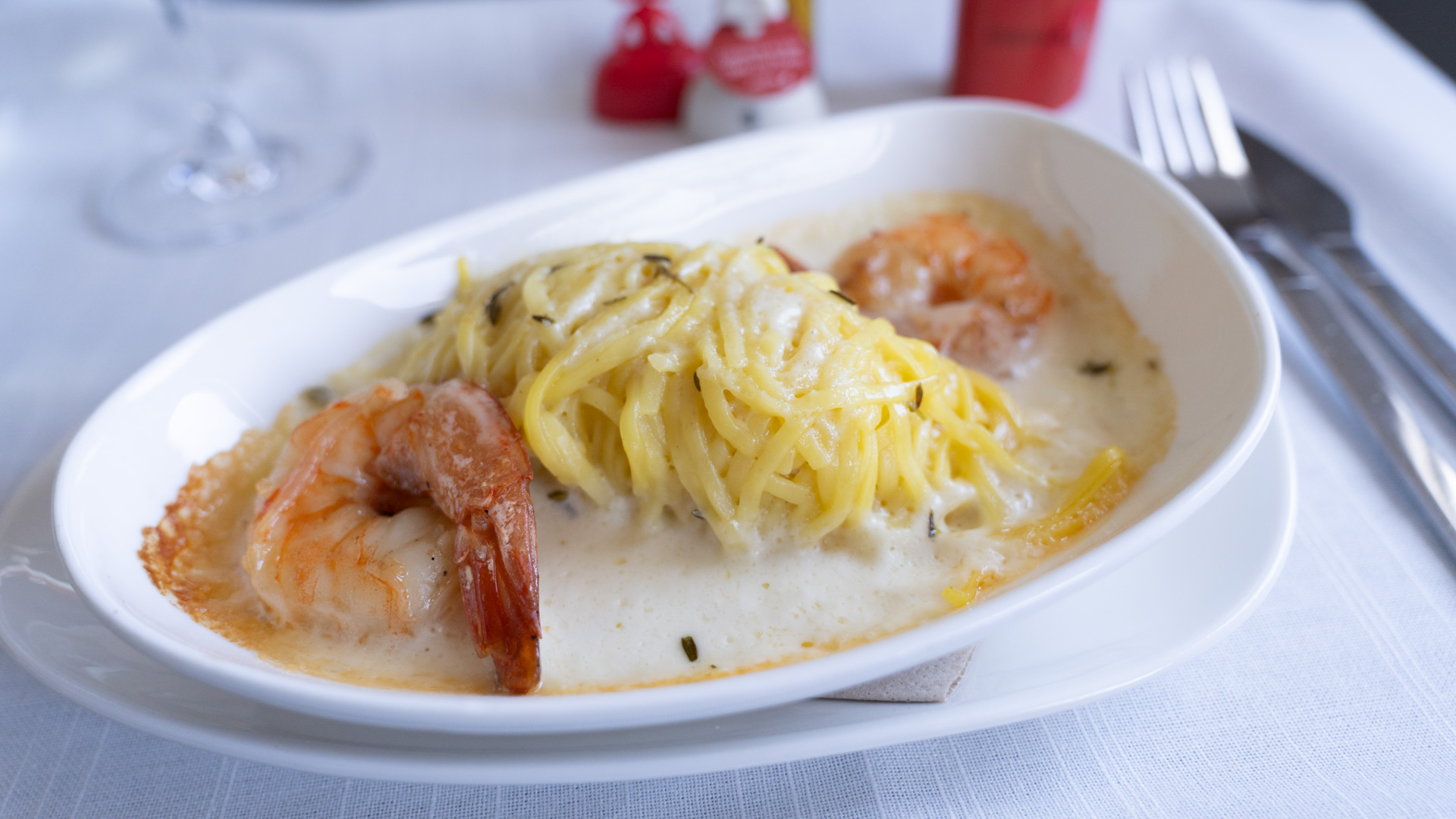
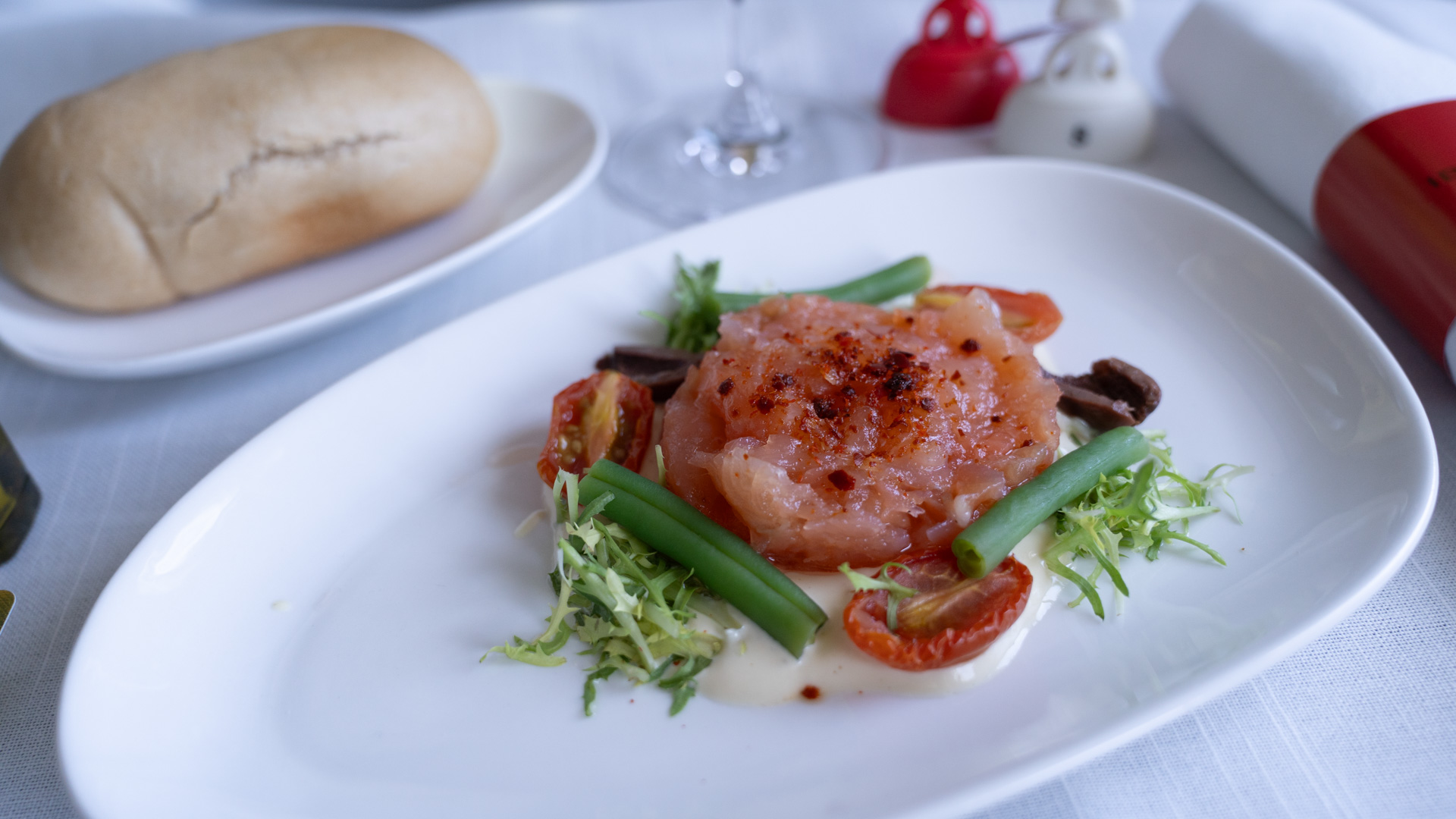
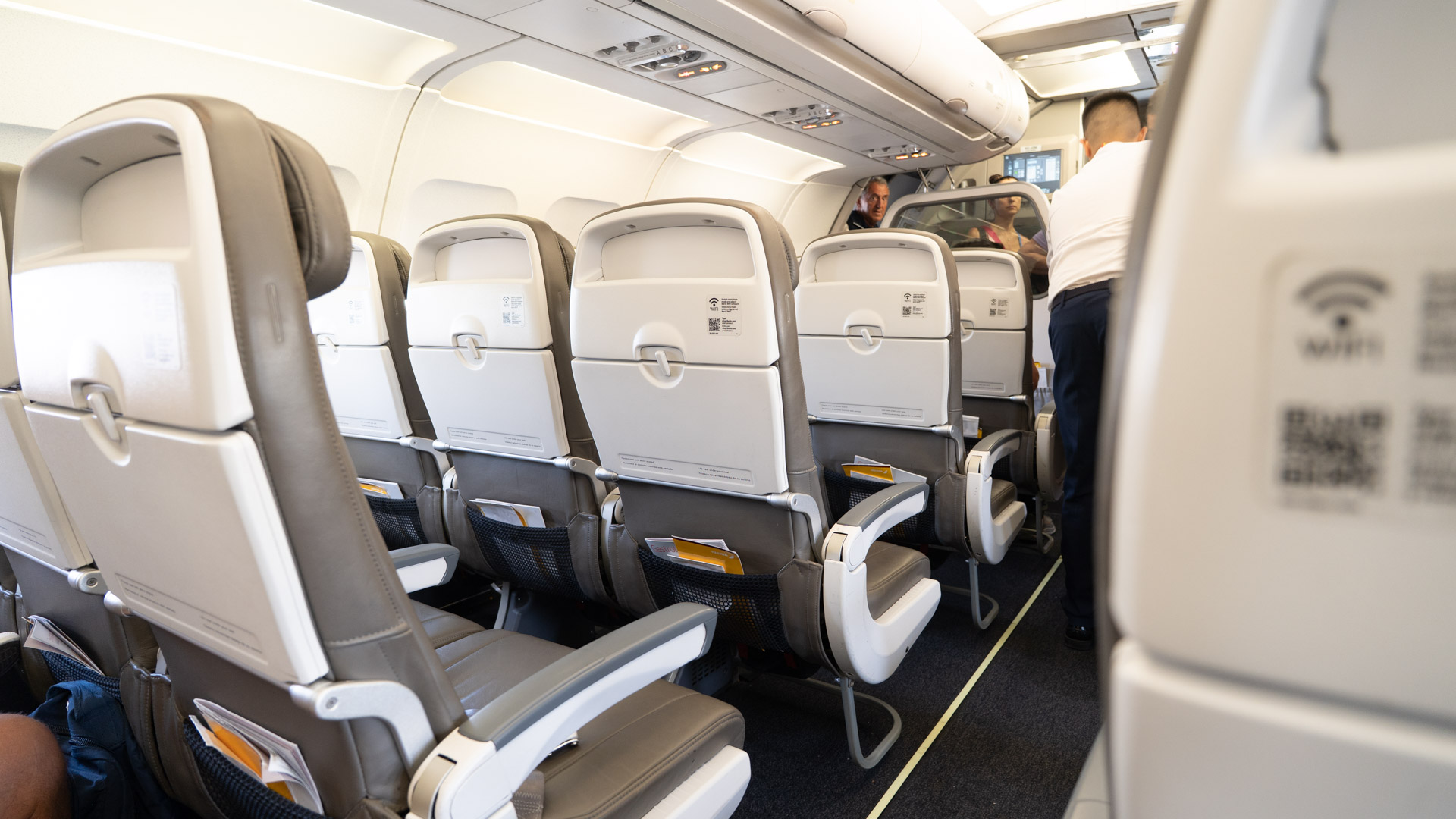
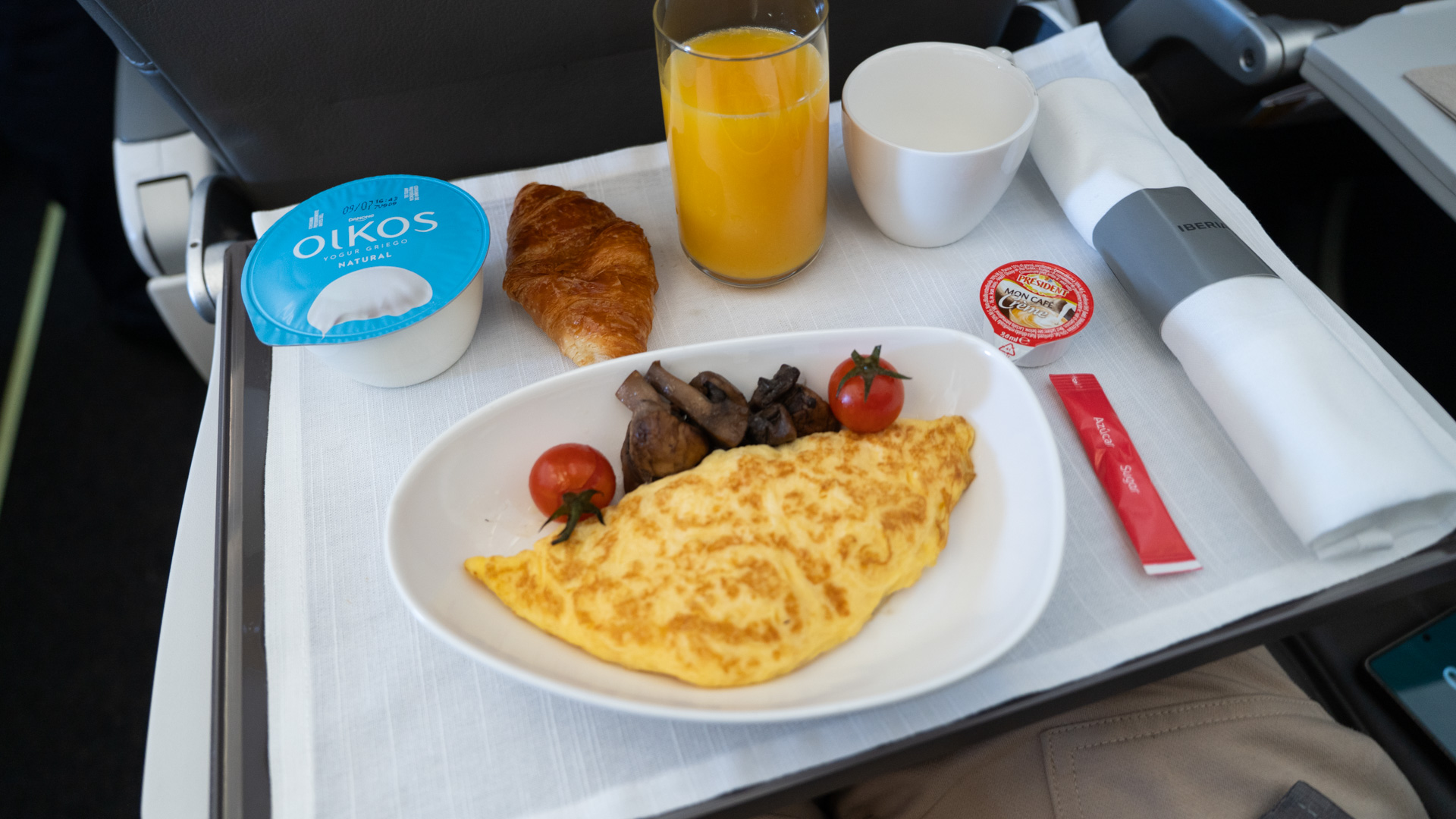
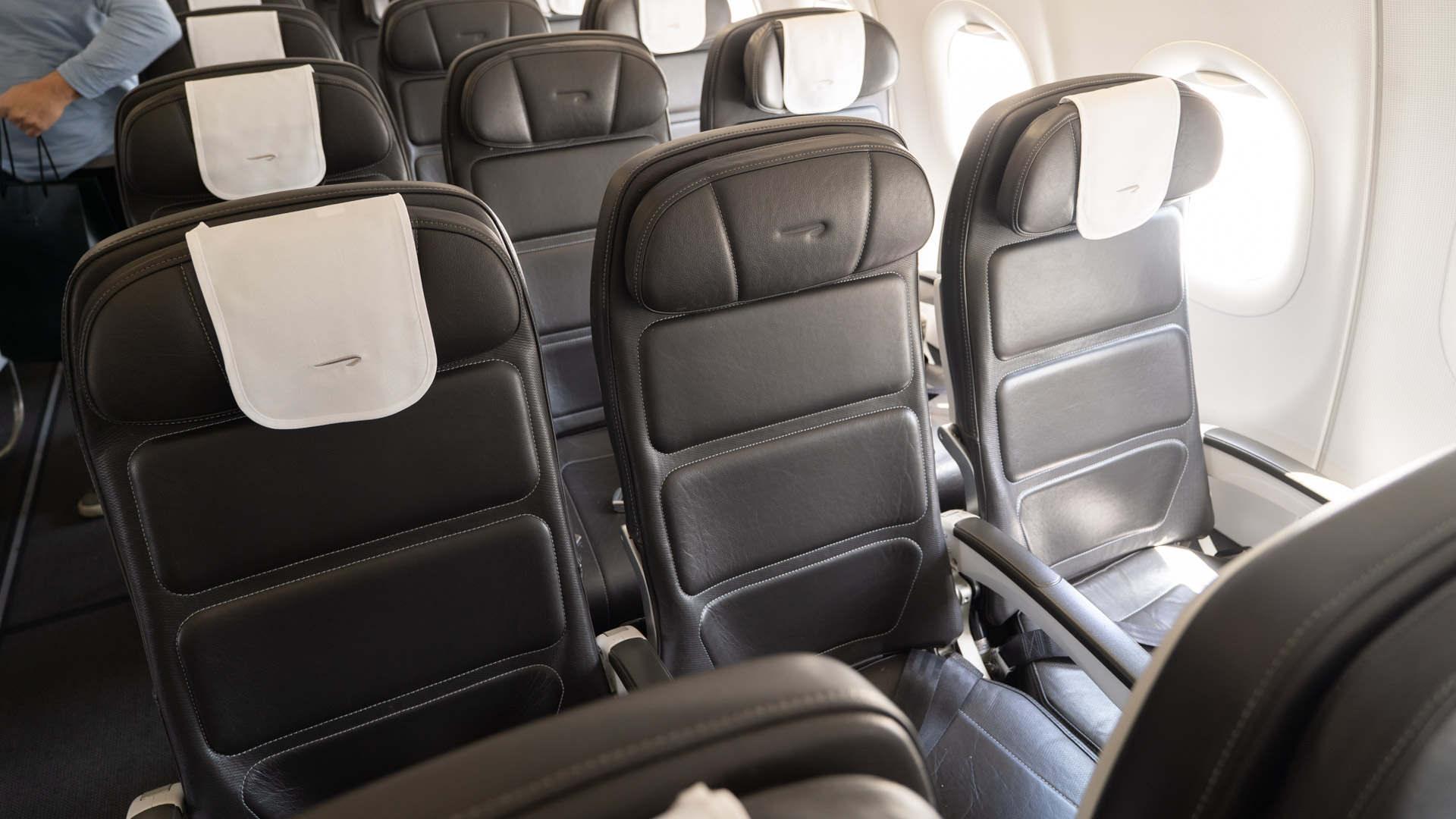
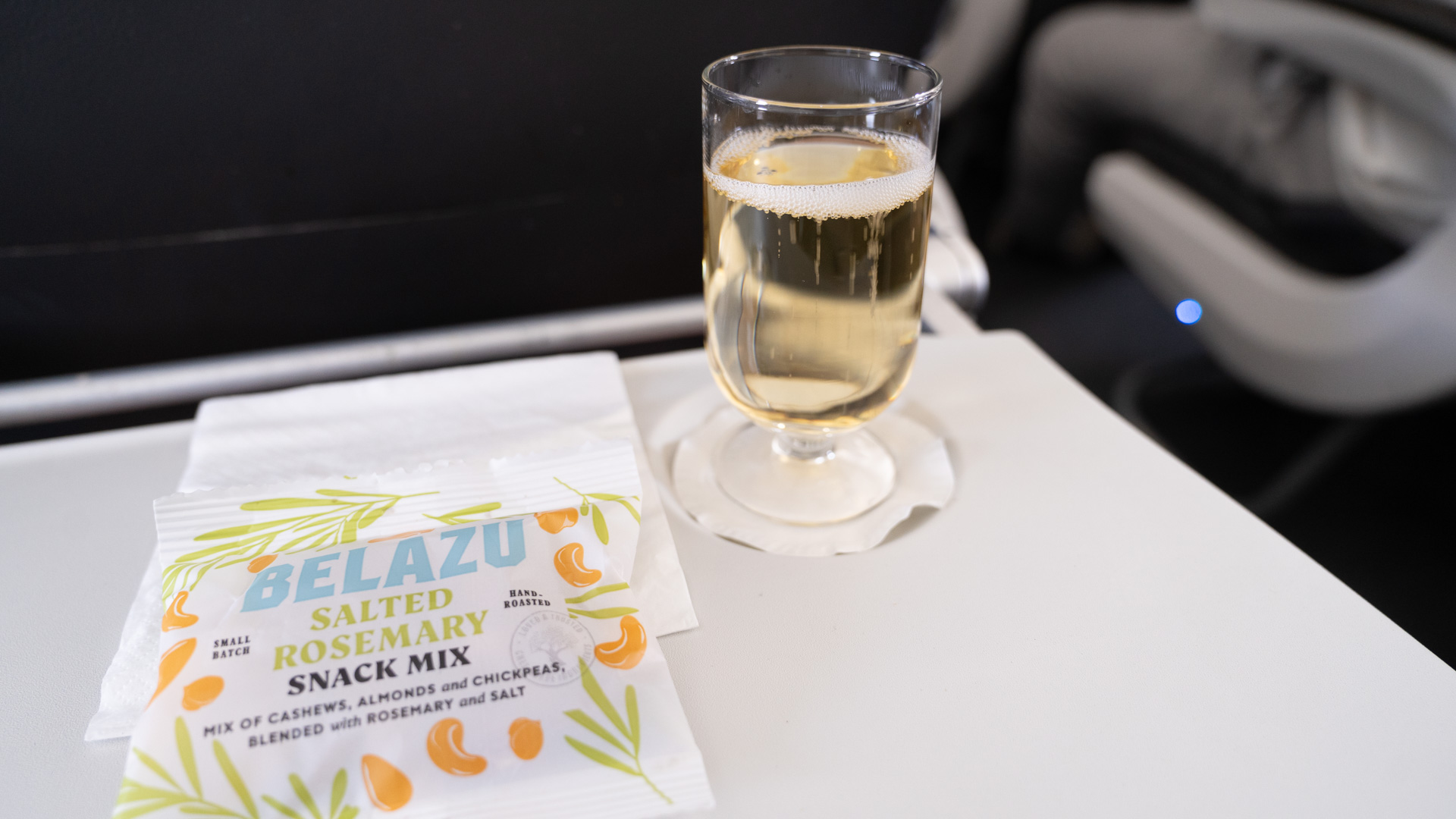
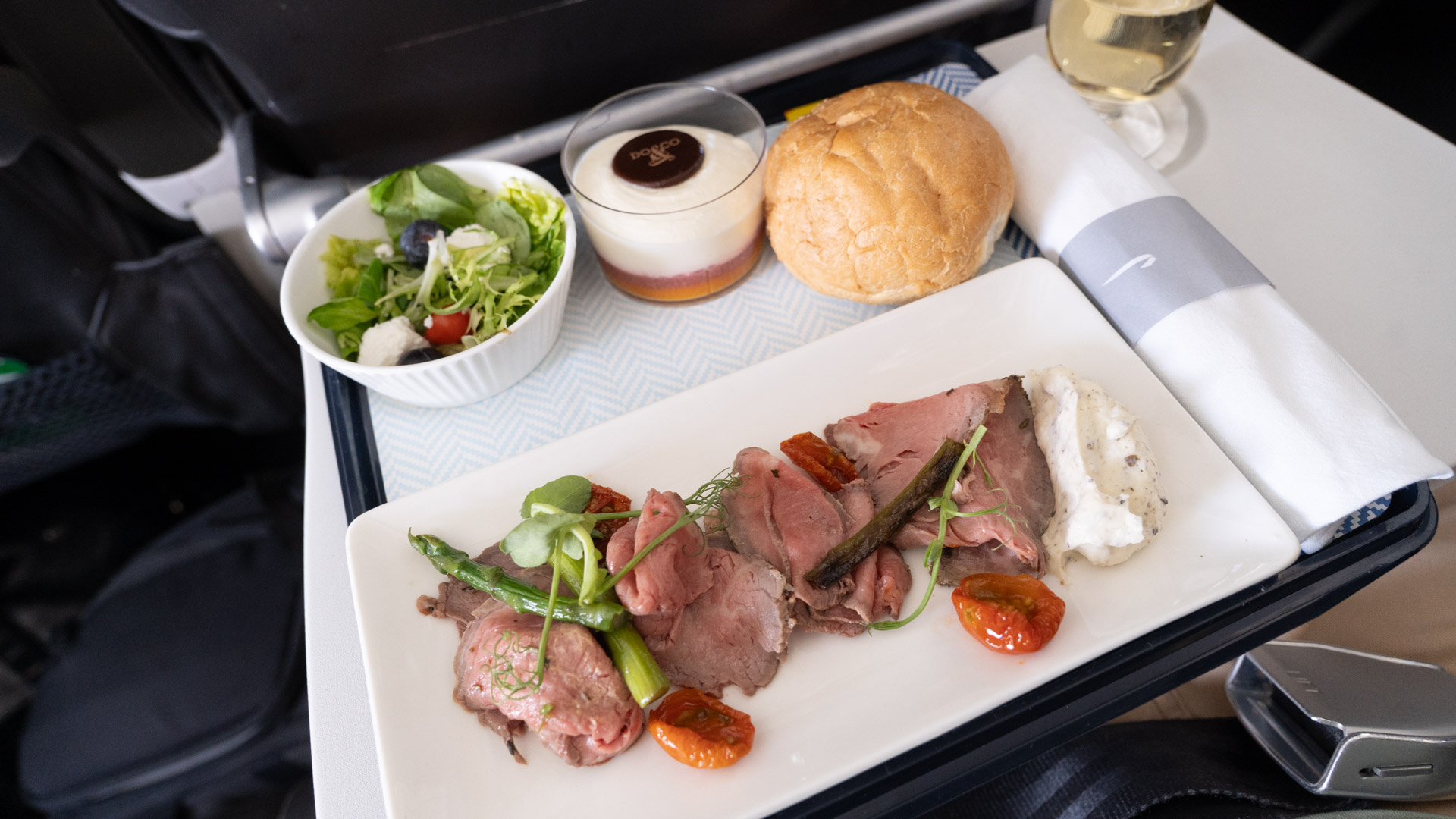
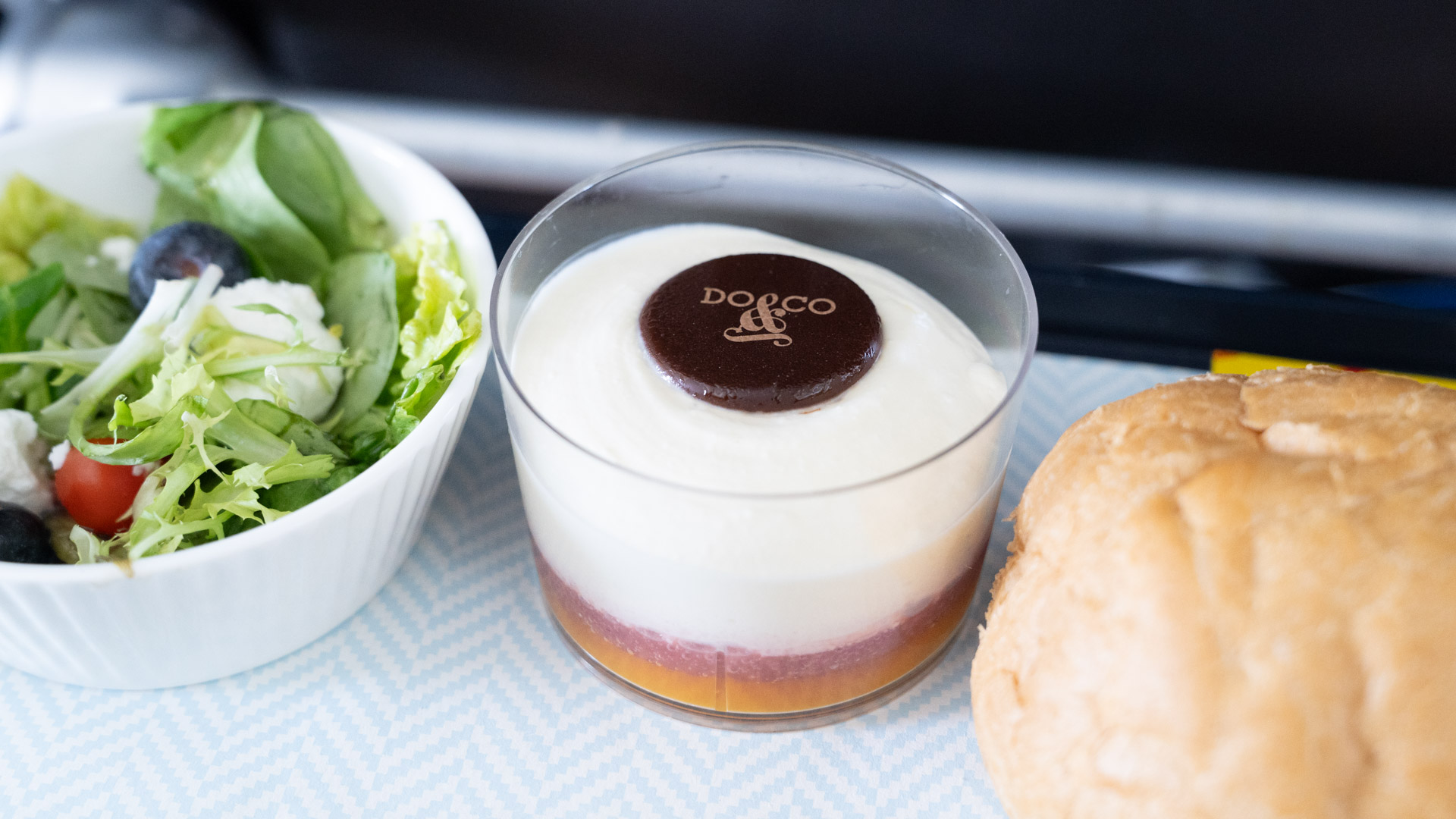
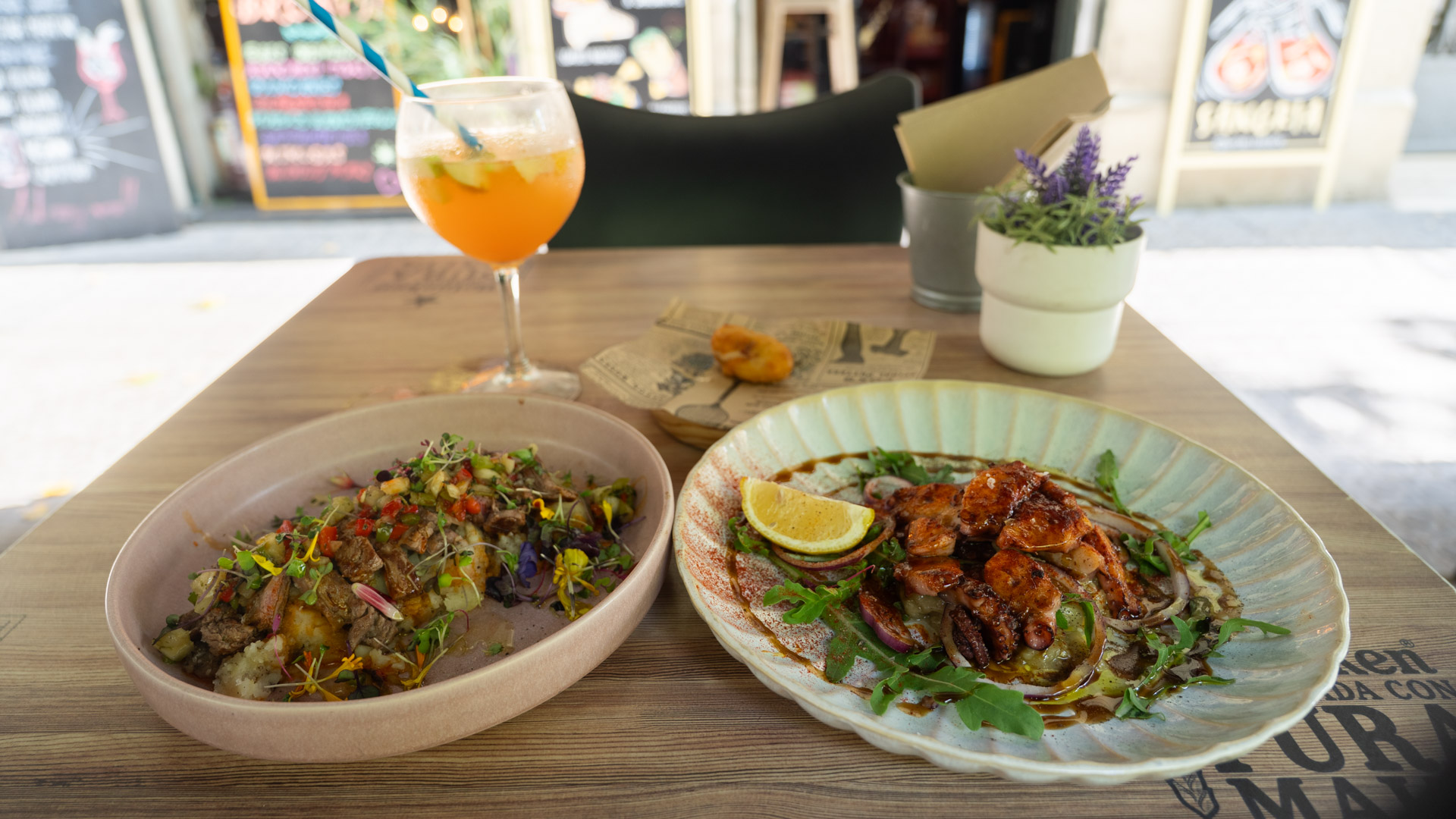
Iberia's transatlantic A330 is another last-generation seat that still does the job as a flatbed on a red-eye, and its DO&CO catering was the best food of the trip. British Airways and Iberia's short-haul products are standard Euro Business: an economy seat with the middle blocked, redeemed by very good catering.
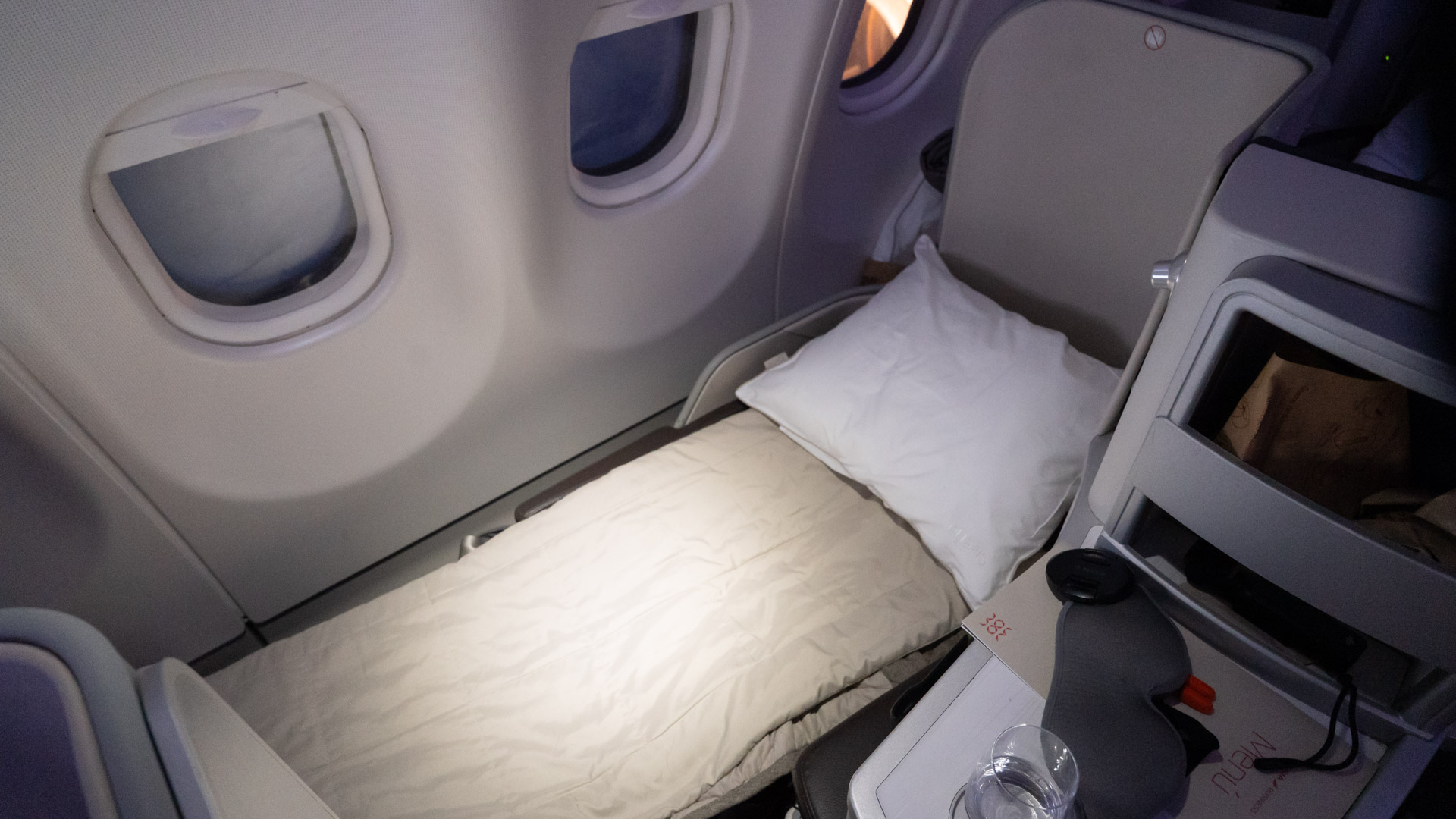
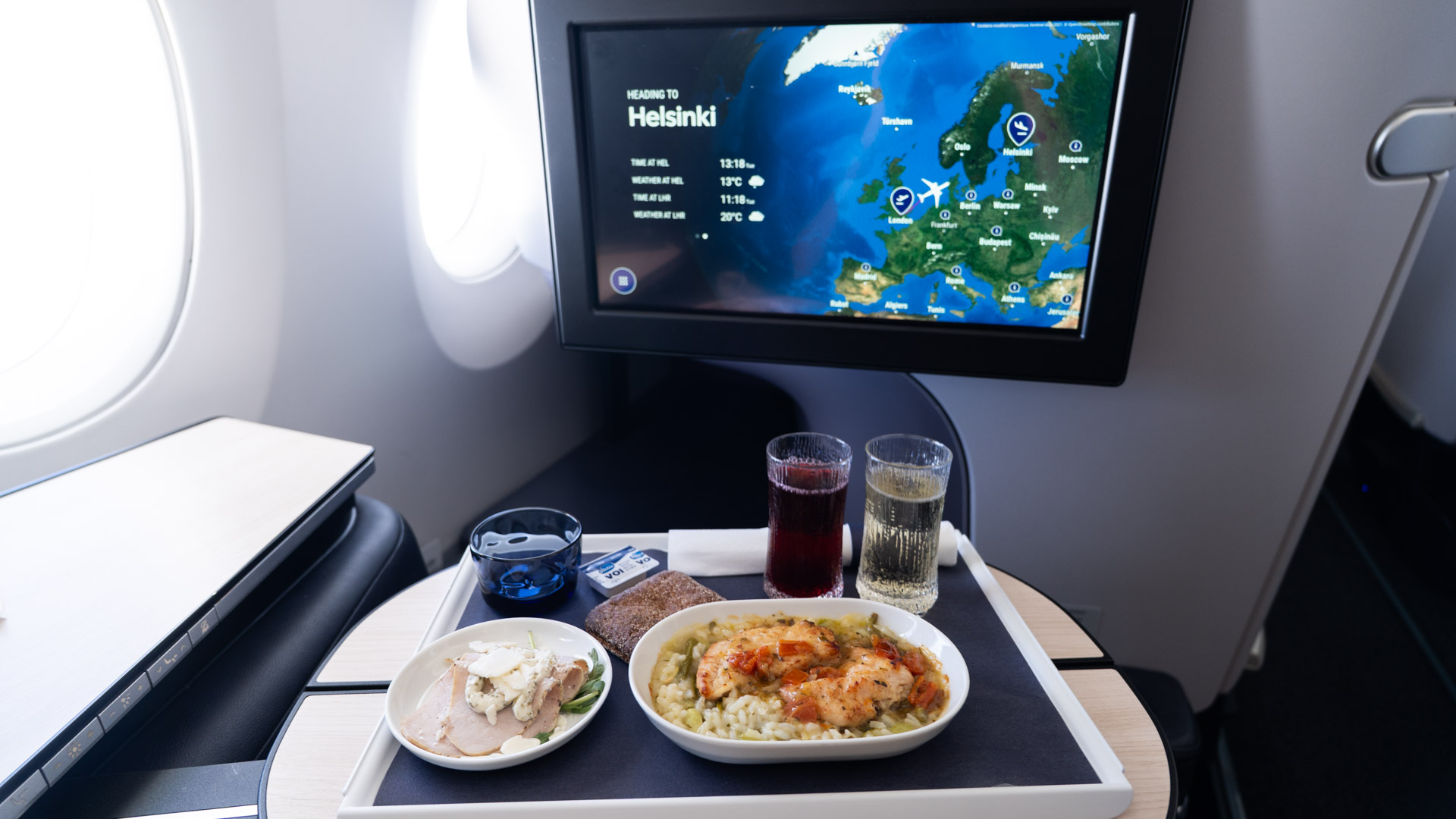
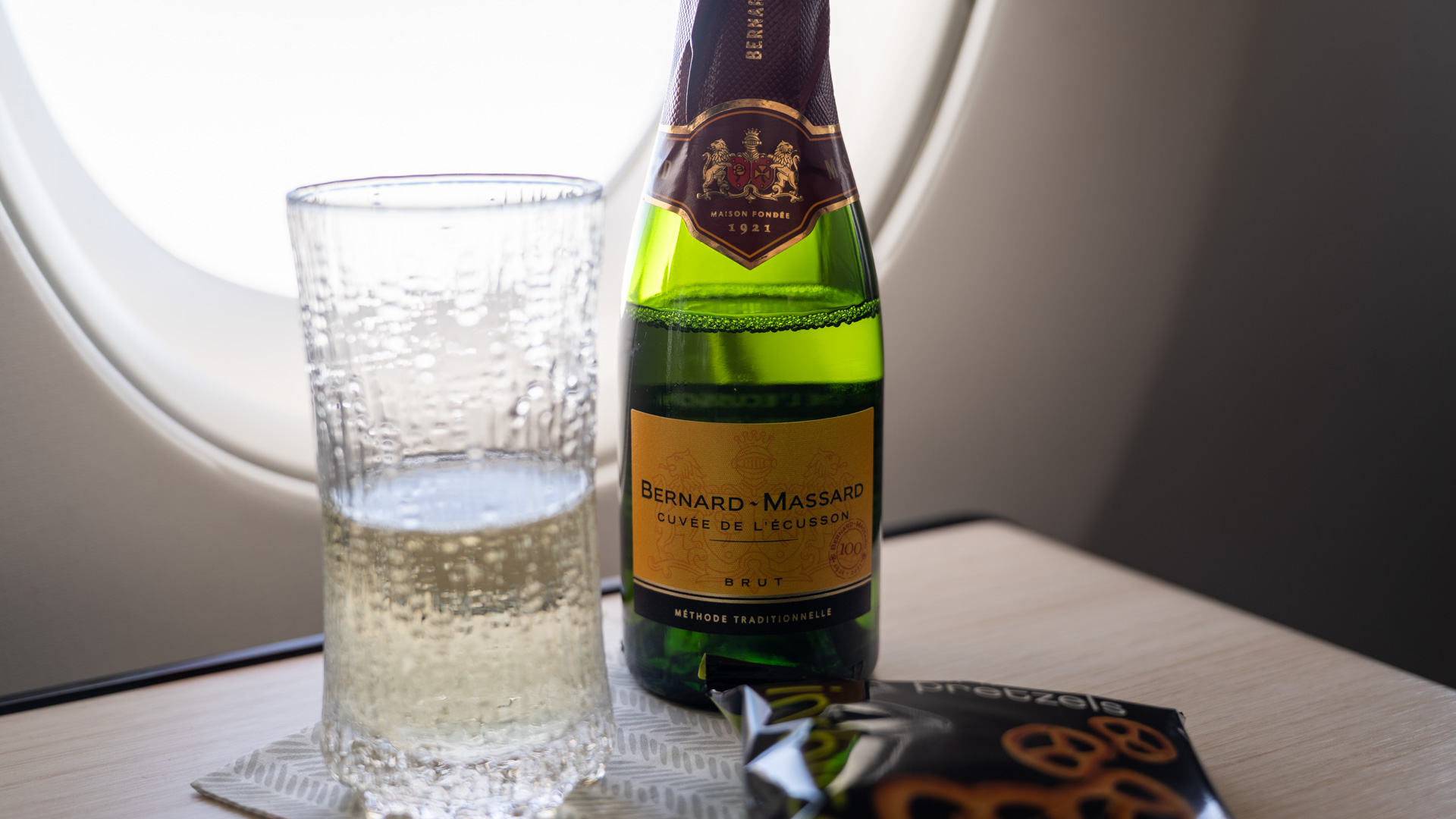
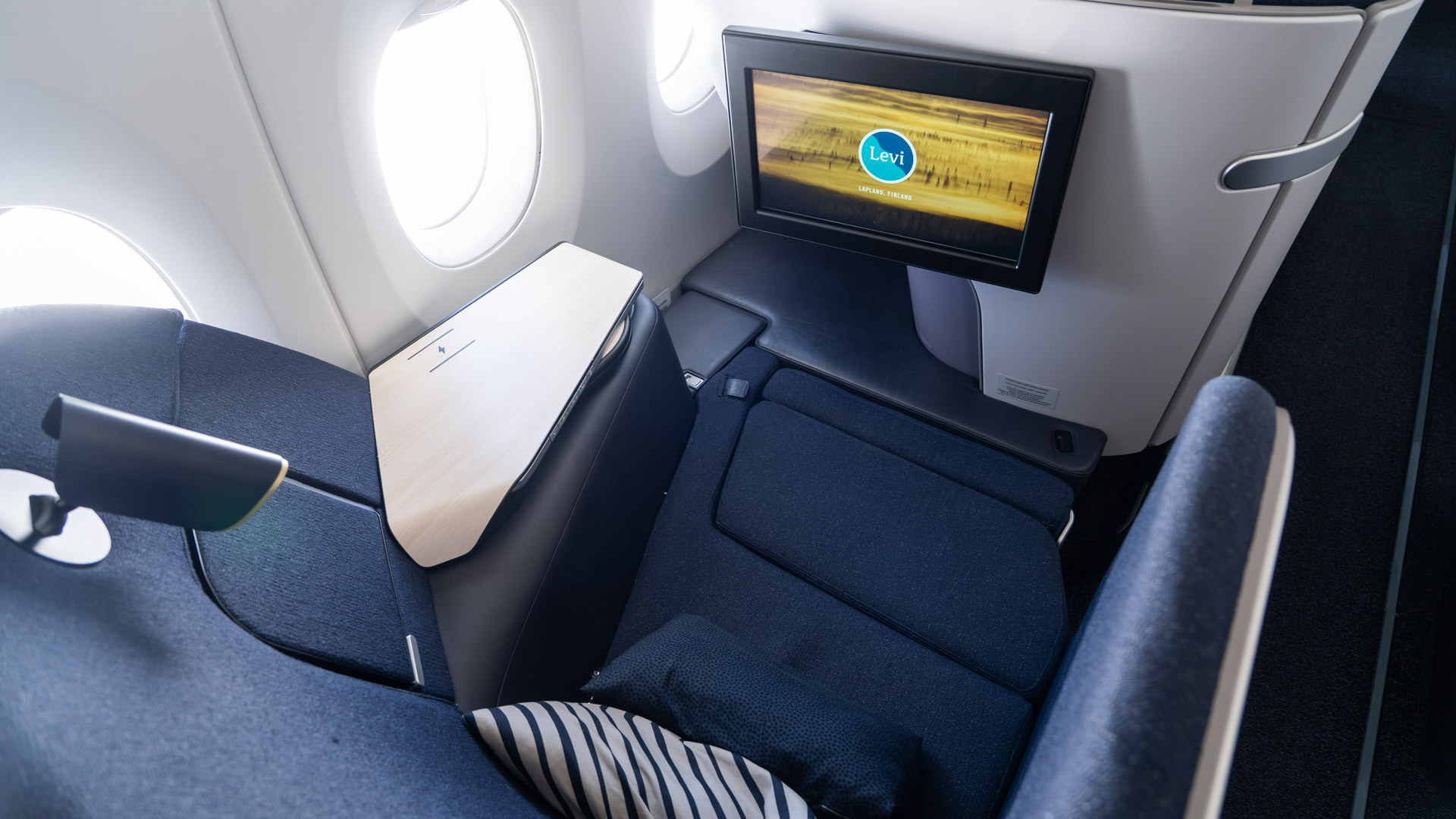
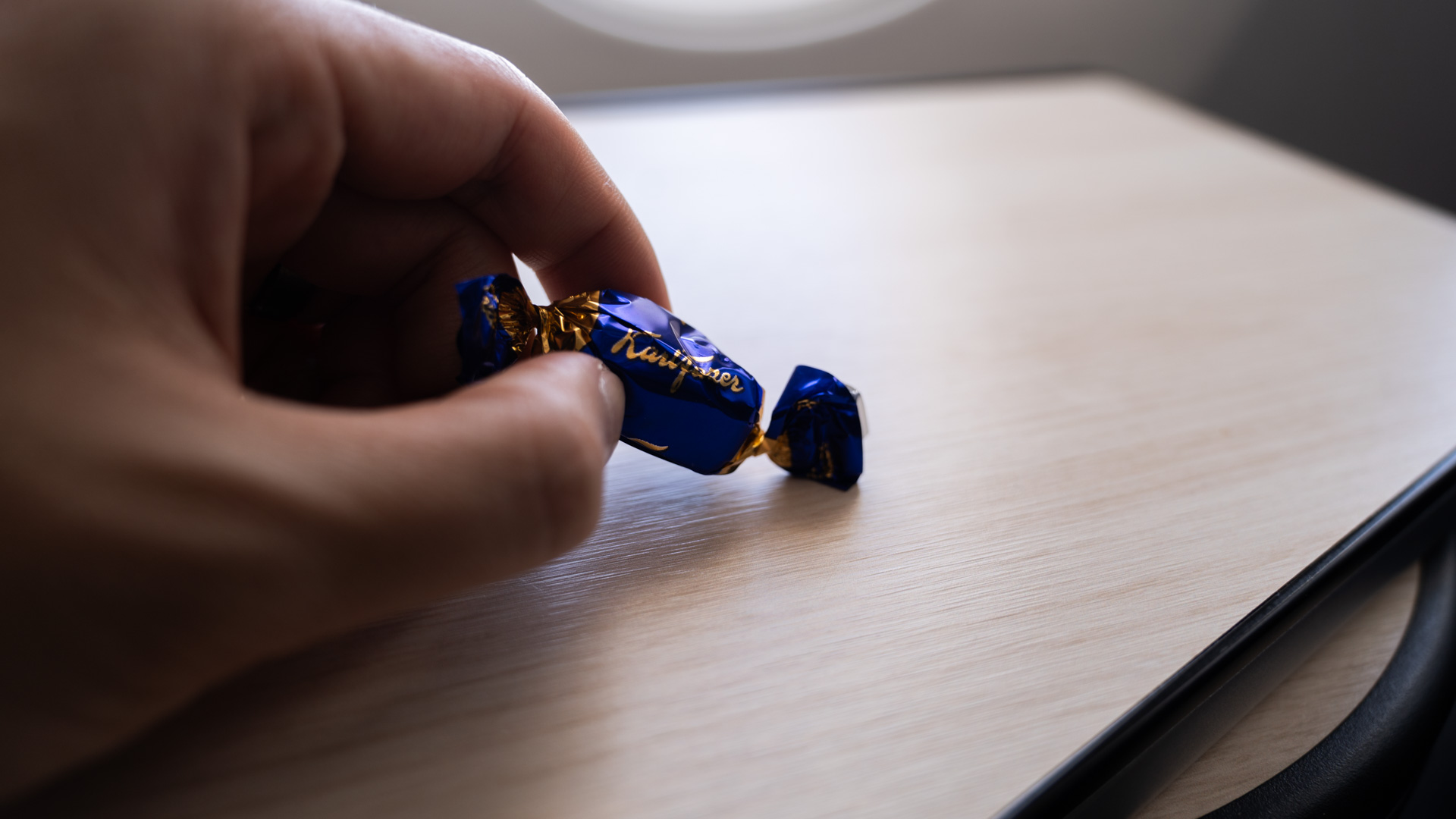
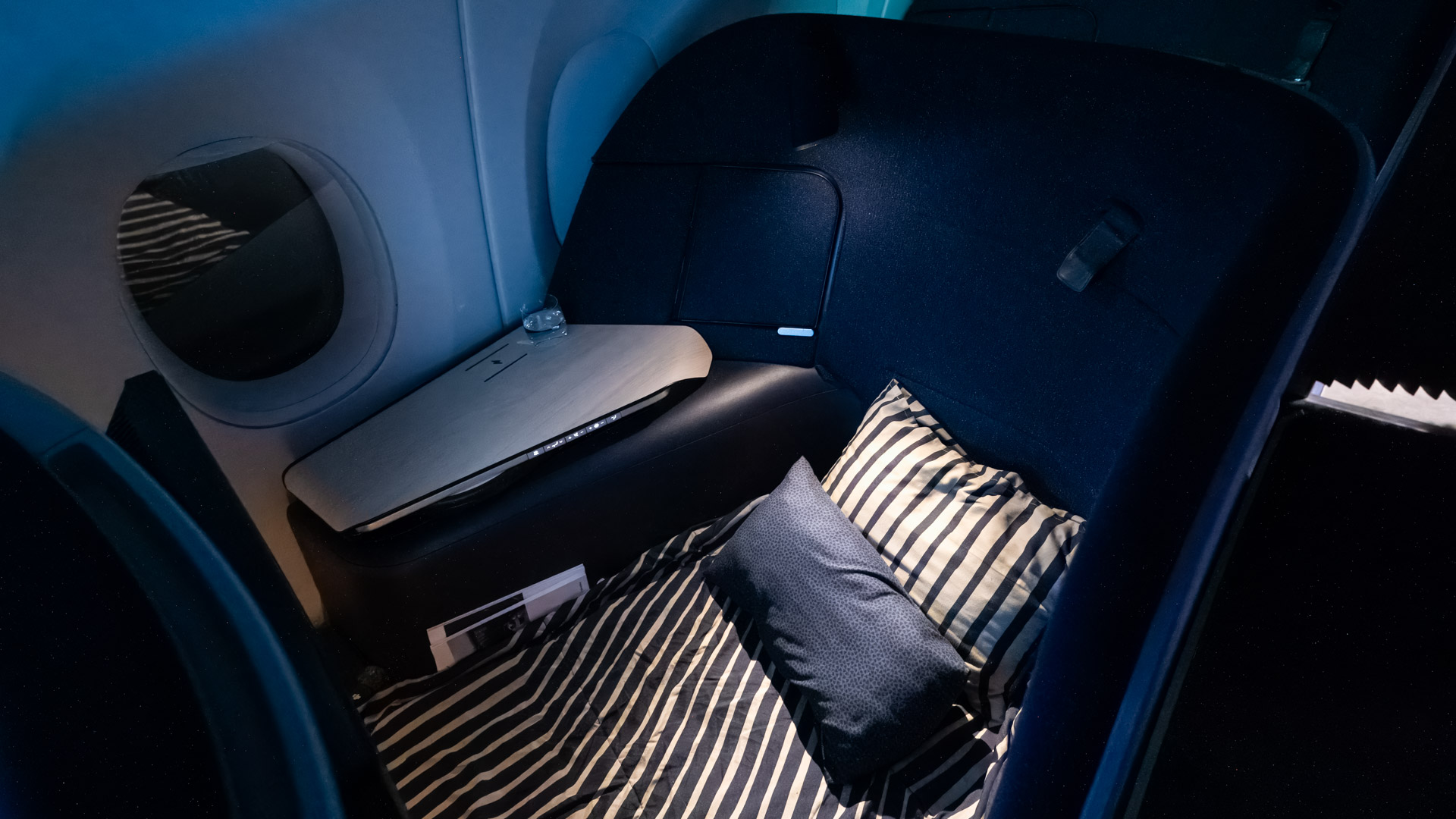
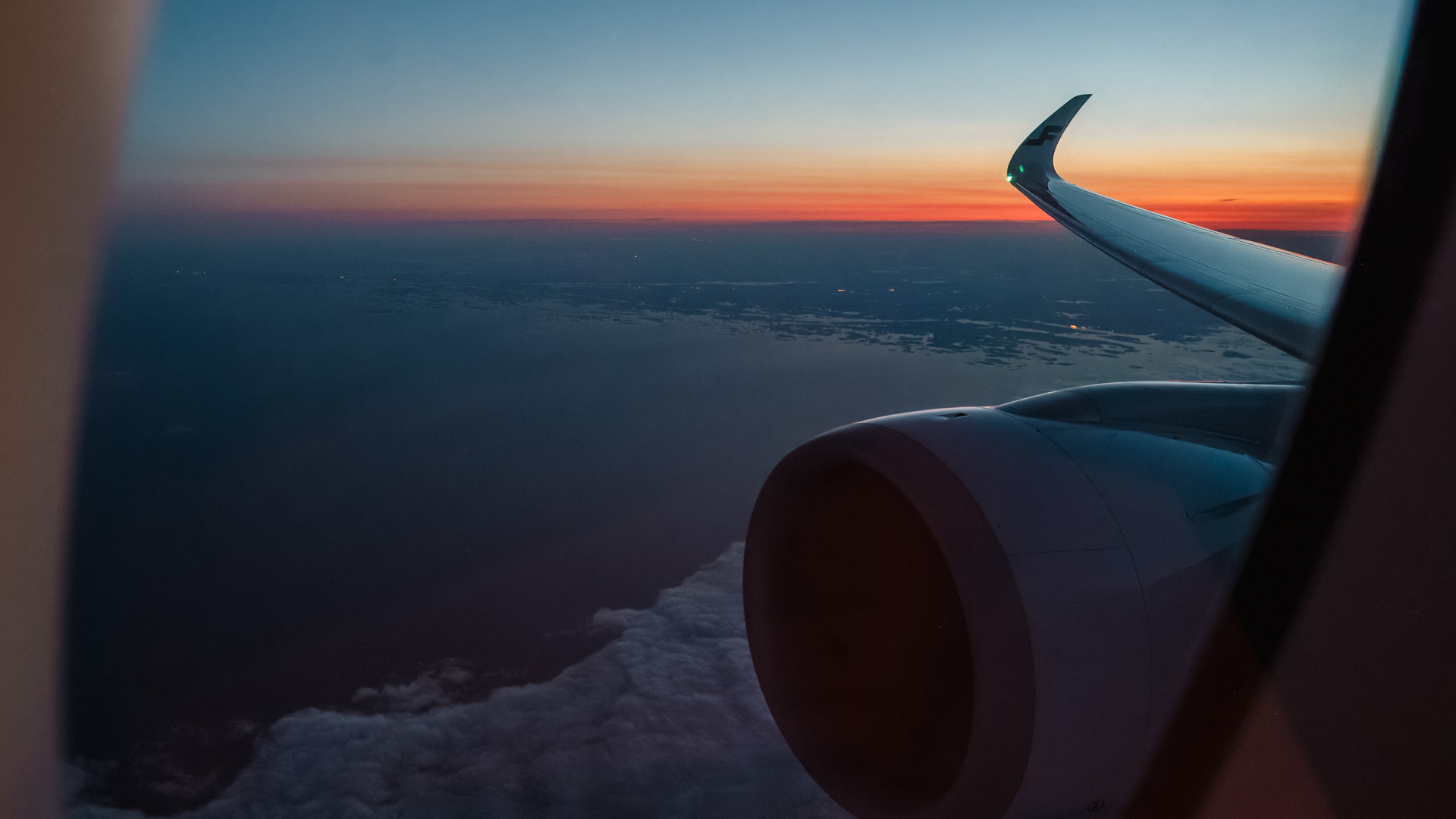
Finnair appeared twice, and is worth knowing about for reasons beyond the cabin. Its A350 AirLounge seat is divisive because it does not recline in the conventional sense, but made up with a mattress topper and duvet it becomes a genuinely comfortable flat bed. What makes Finnair valuable on a reward itinerary is the cash side, discussed below.
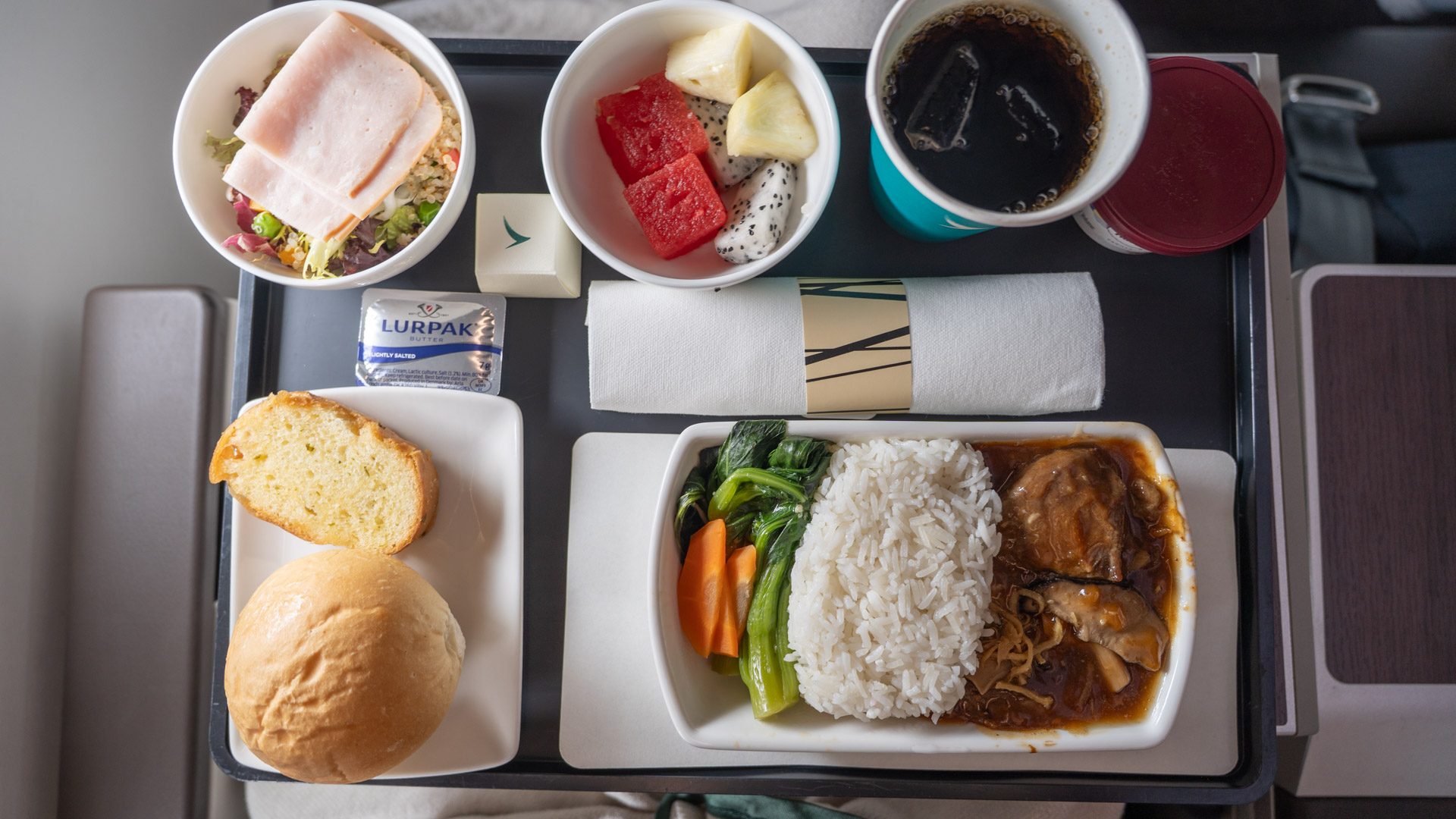
The one deliberate compromise was Hong Kong to Singapore in premium economy. A business seat existed on an earlier departure, but a later flight meant a proper night's sleep and a calmer morning. On a three-hour hop, Cathay Pacific's A350 premium economy — generous recline, adjustable legrest, a meal that would pass for short-haul business — made that an easy trade.
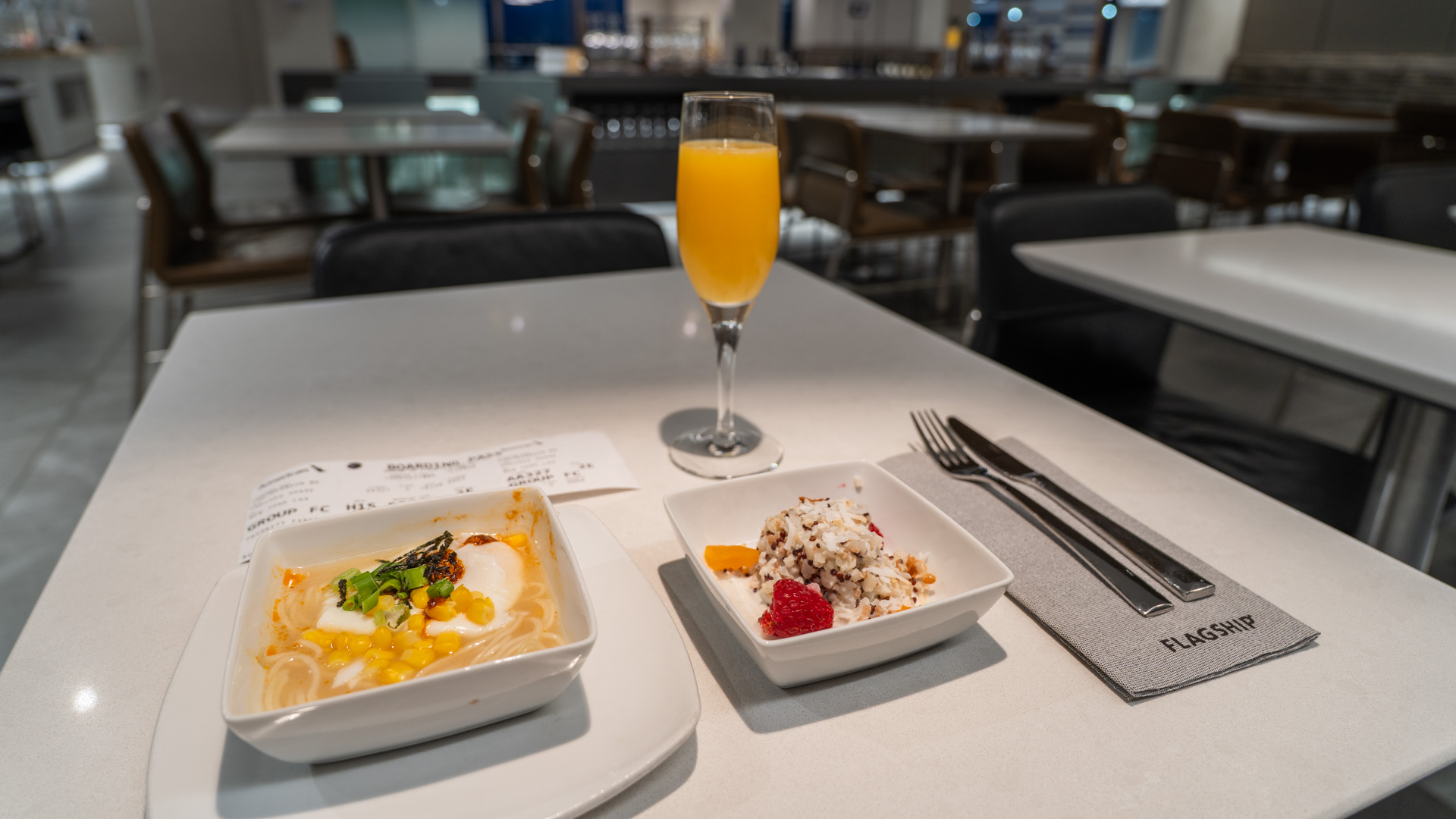
Two lounge notes are worth recording. American Airlines domestic first class does not include lounge access; entry to the Flagship Lounge in Chicago came from Qantas Gold status, not from the ticket. The same status opened Cathay Pacific's The Pier in Hong Kong on a premium economy booking. On a trip like this, status does more work than the fare class does.
Five things that made the booking work
Look at new and changed routes
Airlines tend to release more reward seats on routes that have just launched or just changed, premium cabins included. Business availability on Japan Airlines' then-new Tokyo Narita to Chicago service was unusually good. Separately, the Singapore to Sydney service was temporarily operating with an Airbus A380 instead of an A330, which opened a flood of business reward seats for as long as the substitution lasted. Watching schedule announcements is a legitimate search strategy, and paid seat-search tools can make the hunting faster.
Choose airlines on fees, not just on points
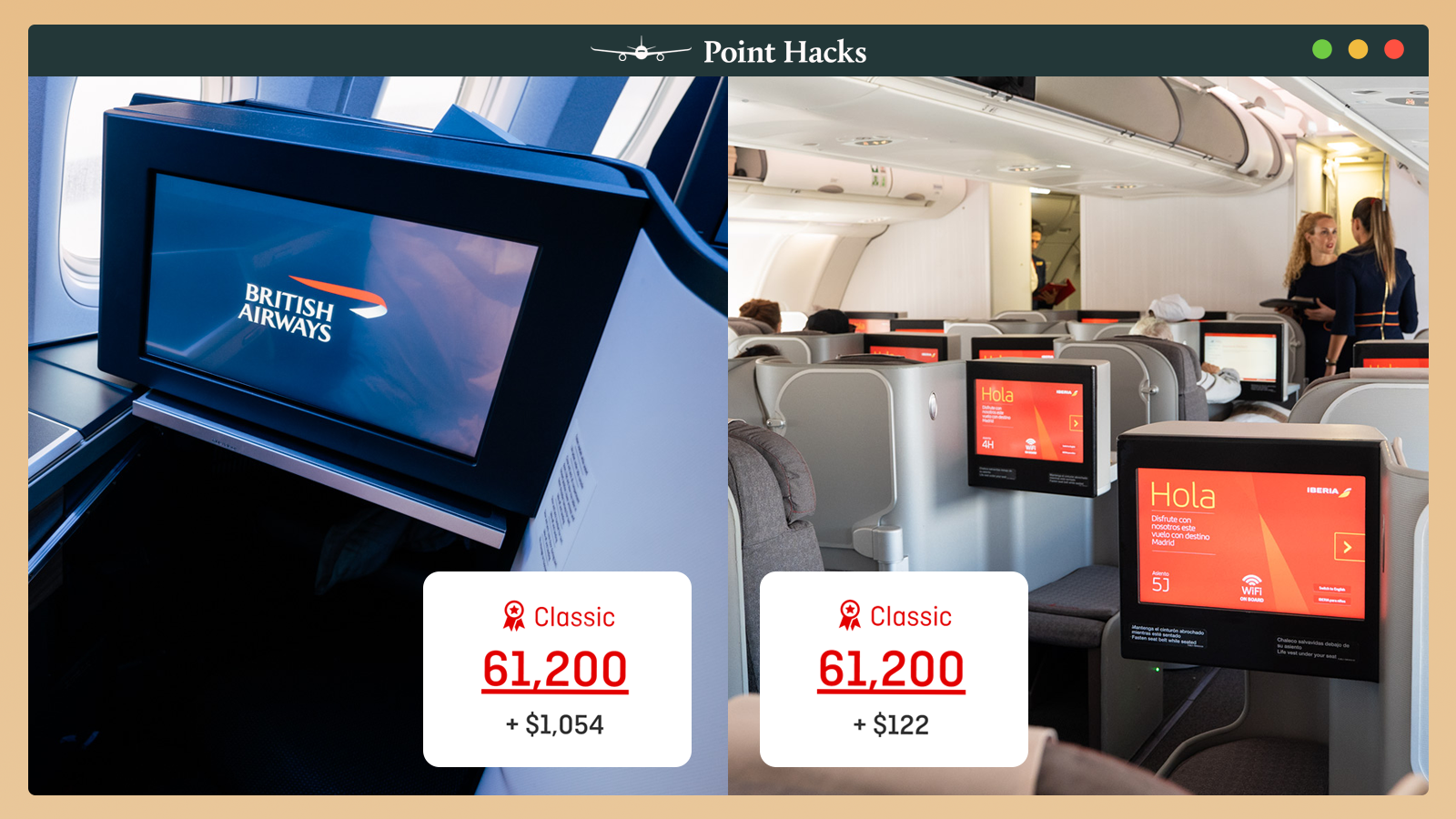
The points price of a Classic Flight Reward is fixed by the chart. The cash you pay on top is not, and the spread between carriers is enormous. British Airways levies heavy carrier charges on some routes — a one-way transatlantic business sector out of New York to London can cost many times what Iberia charges for New York to Madrid on the same night. Finnair generally applies no carrier charges at all, with fees and taxes on a long-haul sector often coming in under a hundred Australian dollars.
Departure taxes matter too. The UK's Air Passenger Duty applies when you leave the country, not when you arrive. Flying into London is fine; flying out of it is what costs you. Turning London into an overnight transit and departing from elsewhere in Europe is a standard way to sidestep it.
Be flexible about everything
Flexibility is the currency that actually buys these bookings. That means being open to different cities, a different order, alternative oneworld carriers, mixed cabins, and routings that look odd but comply with the rules. The reward permits mixed cabins, so accepting premium economy on one short sector to keep the rest of the itinerary clean is a reasonable call.
It also helps to remember that a booking is not final. Qantas allows changes for a modest points fee per passenger plus any difference in taxes and charges, which makes it worth booking something workable early and improving it as better seats appear. That is exactly how this itinerary evolved.
One caveat: for a solo traveller, assembling a round-the-world reward is demanding but achievable. For two people or more, finding paired availability on every sector is considerably harder.
Use surface sectors
A surface sector is where you make your own way between two cities — by train, or on a separate ticket — while the booking treats it as a single stopover. The distance between the two points still counts towards your mileage, so it is not free, but it lets you see two cities for one stopover. Flying into Paris, travelling overland to Rome and flying onwards from there is the classic example. The Qantas website permits a limited number of surface sectors online, and more can be added by phone.
Consider going westward
This trip ran eastward, dictated by where the reward seats were. Given a free choice, westward is the kinder direction: the time zone shifts are gentler, sleeping on board is easier and adjusting on arrival takes less out of you. Availability will usually decide for you, but it is worth weighing when the options are close.
What it takes
The honest accounting is that this booking took roughly four hours of research and two hours on the phone to Qantas, plus a small points fee for the mid-stream changes. That is a real investment of effort, though modest against what some travellers go through to assemble one of these itineraries.
The reward asks more of you than any other redemption in the programme, and it repays the effort in a way ordinary award bookings do not: nine cities, seven airlines, lie-flat seats across three continents, and a single booking reference holding it all together.
Frequently asked questions
What is a Oneworld Classic Flight Reward? It is a single Qantas Points booking covering a round-the-world itinerary flown on oneworld alliance airlines, subject to a mileage cap, a limit on stopovers and a limit on sectors.
How many miles and stopovers are allowed? Up to 35,000 miles of travel, with as many as five stopovers and up to sixteen flight sectors in one booking.
Does a short connection count as a stopover? No. A transit of less than 24 hours does not use one of your stopovers, which is how an overnight in a city can be added without cost to the allowance.
Can I mix cabins on the same booking? Yes. The reward allows mixed cabins, so a short sector in premium economy can sit alongside long-haul business class.
Why do some sectors cost so much more in fees? Carrier charges vary hugely by airline and route, and departure taxes such as the UK's Air Passenger Duty are levied on the way out of a country. Choosing carriers with low charges makes a large difference to the cash cost.
Can the itinerary be changed after booking? Yes. Qantas permits changes for a per-passenger points fee plus any difference in taxes and charges, which makes it practical to book early and improve the routing as seats open up.
This information is general in nature. It does not take your personal circumstances into account.
Images on This Page
-
https://www.pointhacks.com.au/content/themes/pointhacks-sage/public/build/assets/logo-inverse-with-name-vsr5399w.svg
Point Hacks
-
https://i.pointhacks.com/2025/07/02161719/Qatar-Airways-Champagne-Point-Hacks-by-Brandon-Loo-300x169.jpg
Qatar Airways reverses rules on using Avios for others with ‘My List’
-
https://i.pointhacks.com/2026/04/02184820/Virgin-Australia-Search-Update-Feature-Image-2026-300x169.jpg
Virgin Australia updates flight search tool with partner airlines
-
https://i.pointhacks.com/2026/09/04164455/Emirates-Premium-Economy-Sleeping-2026-300x169.jpg
Emirates unveils new Premium Economy seats
-
https://i.pointhacks.com/2026/09/01142058/Condor-Airlines-2-300x169.png
Qantas reveals Condor as newest points partner
-
https://i.pointhacks.com/2026/08/27092608/Qantas-New-Airbus-A321XLR-Busines-Overview-300x169.jpg
Qantas reveals new Airbus A321XLR, Boeing 787 Business Class seats
-
https://i.pointhacks.com/2025/08/26155020/hong-kong-airlines-business-class-aircraft-in-lounge-300x169.jpg
Virgin Australia unlocks online Business Rewards on Hong Kong Airlines
-
https://i.pointhacks.com/2026/03/26191940/Air-New-Zealand-Koru-Lounge-Auckland-2026-Exterior-Render-300x169.jpg
Velocity adds access to Air New Zealand’s Auckland lounge on codeshares
-
https://i.pointhacks.com/2024/11/18204714/Singapore-Airlines-A350-Business-SIN-PER-32-Point-Hacks-Brandon-Loo-300x169.jpg
Singapore Airlines to launch daily services to Western Sydney International Airport
-
https://i.pointhacks.com/2024/11/26171323/brisbane-airport-ceo-1600-1-300x169.jpg
Brisbane Airport CEO looks to Airbus A321XLR and North America for growth
-
https://i.pointhacks.com/2024/11/07170740/brisbane-airport-ceo-1600-300x169.jpg
Brisbane Airport CEO: one daily Qatar Airways flight is not enough
-
https://i.pointhacks.com/2026/02/25233244/Qantas-Status-Changes-2026-300x169.jpg
Qantas sets date for Points Club, Green Tier shutdown & Status Credits on the ground
-
https://i.pointhacks.com/2024/06/07111345/Luxury-Escapes-LuxPlus-300x169.jpg
Luxury Escapes offers status challenge for Qantas frequent flyers
-
https://i.pointhacks.com/2026/04/28175105/Accor-check-in-2026-300x169.jpg
Amex unlocks points transfers to Accor Live Limitless
-
https://i.pointhacks.com/2026/03/20210359/Hilton-Yotel-Logos-Overlay-2026-300x169.jpg
Hilton to launch partnership with Yotel
-
https://i.pointhacks.com/2026/03/11141454/Mercure-Melbourne-La-Trobe-Junior-Suite-300x169.jpg
New Mercure opens on La Trobe Street in Melbourne’s CBD
-
https://i.pointhacks.com/2025/08/05121147/ALL-Explorer-Plus-Logo-2025-Point-Hacks-300x169.jpg
Accor Plus rebadges to ALL Accor+ Explorer with major changes to perks
-
https://i.pointhacks.com/2026/07/02172419/Hawaiian-Airlines-new-International-Business-Lounge-21-Point-Hacks-by-Brandon-Loo-300x169.jpg
Inside Plumeria Loft: Hawaiian Airlines’ new ‘surprise’ Business Class lounge
-
https://i.pointhacks.com/2026/06/23181201/Singapore-Airlines-SilverKris-Melbourne-Foyer-v2-300x169.jpg
Singapore Airlines’ Melbourne SilverKris Lounge takes shape
-
https://i.pointhacks.com/2026/04/13220348/Qantas-Brisbane-International-Lounge-Entrance-300x169.jpg
Qantas Brisbane International Lounge shifts landside, cuts Jetstar access early
-
https://i.pointhacks.com/2026/02/12155316/Qantas-London-Lounge-8-Brandon-Loo-for-Point-Hacks-300x169.jpg
Qantas tightens lounge access for Jetstar, complimentary invitations
-
https://i.pointhacks.com/2026/07/13213342/Bunnings-Powerpass-Pro-Rewards-300x169.jpg
Bunnings launches new loyalty program PowerPass Pro Rewards
-
https://i.pointhacks.com/2026/05/04001858/PSX_20260503_221841-300x169.jpg
Qantas Marketplace cuts 3 points per dollar guaranteed earn rate
-
https://i.pointhacks.com/2024/01/12132155/american-express-centurion-lounge-melbourne-1600-300x169.jpg
American Express trims lounge access on Australian Platinum cards
-
https://i.pointhacks.com/2026/03/31162303/RBA-Changes-Cards-300x169.jpg
RBA interchange reform set to reshape Australia’s credit card rewards landscape
-
https://www.pointhacks.com.au/content/themes/pointhacks-sage/public/build/assets/logo-inverse-C7amNDqo.svg
Point Hacks
-
https://i.pointhacks.com/2025/07/17142948/Qantas-Sydney-Perth-5-Point-Hacks-by-Brandon-Loo.jpg
(no alt text)
-
https://i.pointhacks.com/2025/07/16141519/Qantas-Round-the-World-2025-Itinerary.png
(no alt text)
-
https://plastic.pointhacks.com.au/api/files/q3s7m5x1/cjk2fhvlxwpsq09/qantas_american_express_ultimate_card_art_2024_lw48ej3v5b.jpg
Qantas American Express Ultimate - Up to 120,000 bonus Qantas Points
-
https://i.pointhacks.com/2025/07/16150922/Qantas-QF61-Tokyo-Brisbane-2-Point-Hacks-by-Brandon-Loo.jpg
Qantas Airbus A330 Business Class Tokyo
-
https://i.pointhacks.com/2025/07/16150925/Qantas-QF61-Tokyo-Brisbane-3-Point-Hacks-by-Brandon-Loo.jpg
Qantas Airbus A330 Business Class Tokyo dining
-
https://i.pointhacks.com/2025/07/16150928/Qantas-QF61-Tokyo-Brisbane-4-Point-Hacks-by-Brandon-Loo.jpg
Qantas Airbus A330 Business Class Tokyo Business Class dessert
-
https://i.pointhacks.com/2025/07/16170455/Qantas-Brisbane-Tokyo-6-Point-Hacks-by-Brandon-Loo.jpg
Qantas Airbus A330 Business Class Tokyo Business Class bed
-
https://i.pointhacks.com/2025/07/16150931/Qantas-QF61-Tokyo-Brisbane-5-Point-Hacks-by-Brandon-Loo.jpg
Qantas Airbus A330 Business Class Tokyo Business Class snack
-
https://i.pointhacks.com/2025/07/16152357/Japan-Airlines-Tokyo-Chicago-11-Point-Hacks-by-Brandon-Loo.jpg
Japan Airlines Boeing 777 Business Class selfie
-
https://i.pointhacks.com/2025/07/16152330/Japan-Airlines-Tokyo-Chicago-3-Point-Hacks-by-Brandon-Loo.jpg
Japan Airlines Boeing 777 Business Class amenities.
-
https://i.pointhacks.com/2025/07/16152336/Japan-Airlines-Tokyo-Chicago-5-Point-Hacks-by-Brandon-Loo.jpg
Japan Airlines Boeing 777 Business Class bento box.
-
https://i.pointhacks.com/2025/07/16152340/Japan-Airlines-Tokyo-Chicago-6-Point-Hacks-by-Brandon-Loo.jpg
Japan Airlines Boeing 777 Business Class Sake
-
https://i.pointhacks.com/2025/07/16152346/Japan-Airlines-Tokyo-Chicago-8-Point-Hacks-by-Brandon-Loo.jpg
Japan Airlines Boeing 777 Business Class bed
-
https://i.pointhacks.com/2025/07/16152350/Japan-Airlines-Tokyo-Chicago-9-Point-Hacks-by-Brandon-Loo.jpg
Japan Airlines Boeing 777 Business Class snack
-
https://i.pointhacks.com/2025/07/16152353/Japan-Airlines-Tokyo-Chicago-10-Point-Hacks-by-Brandon-Loo.jpg
Japan Airlines Boeing 777 Business Class ice cream
-
https://i.pointhacks.com/2025/07/16152343/Japan-Airlines-Tokyo-Chicago-7-Point-Hacks-by-Brandon-Loo.jpg
Japan Airlines Boeing 777 Business Class note
-
https://i.pointhacks.com/2025/07/16155233/American-Airlines-Chicago-New-York-1-Point-Hacks-by-Brandon-Loo.jpg
American Airlines Chicago Flagship Lounge
-
https://i.pointhacks.com/2025/07/16155236/American-Airlines-Chicago-New-York-2-Point-Hacks-by-Brandon-Loo.jpg
American Airlines Boeing 737 Domestic First Class seat
-
https://i.pointhacks.com/2025/07/16155227/American-Airlines-Chicago-New-York-4-Point-Hacks-by-Brandon-Loo.jpg
American Airlines Boeing 737 Domestic First Class legroom
-
https://i.pointhacks.com/2025/07/16155239/American-Airlines-Chicago-New-York-3-Point-Hacks-by-Brandon-Loo.jpg
American Airlines Boeing 737 Domestic First Class drink
-
https://i.pointhacks.com/2025/07/16155230/American-Airlines-Chicago-New-York-5-Point-Hacks-by-Brandon-Loo.jpg
American Airlines Boeing 737 Domestic First Class snacks
-
https://i.pointhacks.com/2025/07/16161249/Iberia-New-York-Madrid-6-Point-Hacks-by-Brandon-Loo.jpg
Iberia Airbus A330 Business Class cabin
-
https://i.pointhacks.com/2025/07/16160725/Iberia-New-York-Madrid-2-Point-Hacks-by-Brandon-Loo.jpg
Iberia Airbus A330 Business Class dining
-
https://i.pointhacks.com/2025/07/16160721/Iberia-New-York-Madrid-1-Point-Hacks-by-Brandon-Loo.jpg
Iberia Airbus A330 Business Class starter
-
https://i.pointhacks.com/2025/07/16160731/Iberia-New-York-Madrid-3-Point-Hacks-by-Brandon-Loo.jpg
Iberia Airbus A330 Business Class dessert
-
https://i.pointhacks.com/2025/07/16160734/Iberia-New-York-Madrid-4-Point-Hacks-by-Brandon-Loo.jpg
Iberia Airbus A330 Business Class bed
-
https://i.pointhacks.com/2025/07/16161252/Iberia-New-York-Madrid-7-Point-Hacks-by-Brandon-Loo.jpg
Iberia Airbus A320 Europe Business
-
https://i.pointhacks.com/2025/07/16160738/Iberia-New-York-Madrid-5-Point-Hacks-by-Brandon-Loo.jpg
Iberia Airbus A320 Breakfast
-
https://i.pointhacks.com/2025/07/16161725/British-Airways-Barcelona-London-1-Point-Hacks-by-Brandon-Loo.jpg
British Airways Airbus A320 Club Europe Business Class seat
-
https://i.pointhacks.com/2025/07/16161728/British-Airways-Barcelona-London-2-Point-Hacks-by-Brandon-Loo.jpg
British Airways Airbus A320 Club Europe Business Class Champagne
-
https://i.pointhacks.com/2025/07/16161731/British-Airways-Barcelona-London-3-Point-Hacks-by-Brandon-Loo.jpg
British Airways Airbus A320 Club Europe Business Class beef salad
-
https://i.pointhacks.com/2025/07/16161734/British-Airways-Barcelona-London-4-Point-Hacks-by-Brandon-Loo.jpg
British Airways Airbus A320 Club Europe Business Class dessert
-
https://i.pointhacks.com/2025/07/16161736/British-Airways-Barcelona-London-5-Point-Hacks-by-Brandon-Loo.jpg
British Airways Airbus A320 Club Europe Business Class tea
-
https://i.pointhacks.com/2025/06/26050945/Finnair-A350-Business-London-Helsinki-41-Point-Hacks-by-Brandon-Loo.jpg
Finnair Airbus A350 Business Class dining
-
https://i.pointhacks.com/2025/06/26050933/Finnair-A350-Business-London-Helsinki-38-Point-Hacks-by-Brandon-Loo.jpg
Finnair Airbus A350 Business Class sparkling wine
-
https://i.pointhacks.com/2025/06/26051001/Finnair-A350-Business-London-Helsinki-45-Point-Hacks-by-Brandon-Loo.jpg
Finnair Airbus A350 Business Class dining seat
-
https://i.pointhacks.com/2025/06/26050805/Finnair-A350-Business-London-Helsinki-16-Point-Hacks-by-Brandon-Loo.jpg
Finnair Airbus A350 Business Class AirLounge seat
-
https://i.pointhacks.com/2025/06/26051006/Finnair-A350-Business-London-Helsinki-46-Point-Hacks-by-Brandon-Loo.jpg
Finnair Airbus A350 Business Class Fazer chocolate
-
https://i.pointhacks.com/2025/07/16165128/Finnair-Helsinki-Hong-Kong-3-Point-Hacks-by-Brandon-Loo.jpg
Finnair Airbus A350 Business Class bed
-
https://i.pointhacks.com/2025/07/16165122/Finnair-Helsinki-Hong-Kong-2-Point-Hacks-by-Brandon-Loo.jpg
Finnair Airbus A350 Business Class dinner
-
https://i.pointhacks.com/2025/07/16165133/Finnair-Helsinki-Hong-Kong-4-Point-Hacks-by-Brandon-Loo.jpg
Finnair Airbus A350 Business Class landing meal
-
https://i.pointhacks.com/2025/07/16165634/Cathay-Pacific-Hong-Kong-Singapore-1-Point-Hacks-by-Brandon-Loo.jpg
Cathay Pacific The Pier Business Lounge noodles
-
https://i.pointhacks.com/2025/07/16165637/Cathay-Pacific-Hong-Kong-Singapore-2-Point-Hacks-by-Brandon-Loo.jpg
Cathay Pacific Airbus A350 Premium Economy seat
-
https://i.pointhacks.com/2025/07/16165641/Cathay-Pacific-Hong-Kong-Singapore-3-Point-Hacks-by-Brandon-Loo.jpg
Cathay Pacific Airbus A350 Premium Economy recline
-
https://i.pointhacks.com/2025/07/16165645/Cathay-Pacific-Hong-Kong-Singapore-4-Point-Hacks-by-Brandon-Loo.jpg
Cathay Pacific Airbus A350 Premium Economy dining
-
https://i.pointhacks.com/2025/07/16170108/Qantas-Singapore-Sydney-2-Point-Hacks-by-Brandon-Loo.jpg
Qantas Airbus A380 Business Class bulkhead seat
-
https://i.pointhacks.com/2025/07/16170111/Qantas-Singapore-Sydney-3-Point-Hacks-by-Brandon-Loo.jpg
Qantas Airbus A380 Business Class breakfast card
-
https://i.pointhacks.com/2025/07/16170114/Qantas-Singapore-Sydney-4-Point-Hacks-by-Brandon-Loo.jpg
Qantas Airbus A380 Business Class supper
-
https://i.pointhacks.com/2025/07/16170118/Qantas-Singapore-Sydney-5-Point-Hacks-by-Brandon-Loo.jpg
Qantas Airbus A380 Business Class breakfast
-
https://i.pointhacks.com/2025/07/16170121/Qantas-Singapore-Sydney-6-Point-Hacks-by-Brandon-Loo.jpg
Qantas Airbus A380 Business Class lounge
-
https://i.pointhacks.com/2025/07/17142935/Qantas-Sydney-Perth-1-Point-Hacks-by-Brandon-Loo.jpg
Qantas Give Way to Aeroplanes
-
https://i.pointhacks.com/2025/07/17142941/Qantas-Sydney-Perth-2-Point-Hacks-by-Brandon-Loo.jpg
Qantas Airbus A330 Business Class screen
-
https://i.pointhacks.com/2025/07/17142938/Qantas-Sydney-Perth-3-Point-Hacks-by-Brandon-Loo.jpg
Qantas Airbus A330 Business Class juice
-
https://i.pointhacks.com/2025/07/17142945/Qantas-Sydney-Perth-4-Point-Hacks-by-Brandon-Loo.jpg
Qantas Airbus A330 Business Class breakfast
-
https://i.pointhacks.com/2025/07/17150231/Japan-Airlines-Tokyo-Chicago-12-Point-Hacks-by-Brandon-Loo-1.jpg
(no alt text)
-
https://i.pointhacks.com/2025/07/17152220/Iberia-vs-British-Airways-Fees-Transatlantic.png
(no alt text)
-
https://i.pointhacks.com/2025/07/17152947/Cathay-Pacific-Hong-Kong-Singapore-5-Point-Hacks-by-Brandon-Loo.jpg
(no alt text)
-
https://i.pointhacks.com/2025/07/18165218/DSC05721-HDR.jpg
(no alt text)
-
https://i.pointhacks.com/2025/07/16165105/Finnair-Helsinki-Hong-Kong-1-Point-Hacks-by-Brandon-Loo.jpg
(no alt text)
-
https://secure.gravatar.com/avatar/9cdeb6e43cf0d57717ee473f0d3cefbfe544340847fdc54c6c957260987eeb27?s=96&d=mm&r=pg
Brandon Loo
-
https://www.pointhacks.com.au/content/themes/pointhacks-sage/public/build/assets/logo-Cd_Hi3S6.svg
Point Hacks Logo