Kyushu by road, flown on points: JAL First Class out, ANA Business home
Most Australian trips to Japan follow the same line: Tokyo, Kyoto, Osaka, repeat. Kyushu, the subtropical island at the country's south-western end, is a deliberate step away from that. Outside Fukuoka, its largest city, tourist numbers thin out quickly, and what remains is volcanoes, onsen towns, temples, castle keeps and a road network that is a pleasure to drive.
It is also an efficient points trip. Japan Airlines awards are bookable with Qantas Points and ANA awards with Velocity Points, and together the two programmes cover the long-haul flights in premium cabins plus the domestic hops within Japan.
What the trip cost
| Item | Points | Cash |
|---|---|---|
| Japan Airlines First Class, Sydney to Tokyo Haneda | 129,300 Qantas Points | $453 fees and taxes |
| Japan Airlines Economy, Tokyo Haneda to Nagasaki | 10,000 Qantas Points | $0 |
| Japan Airlines Business Class, Kagoshima to Tokyo Haneda | 20,000 Qantas Points | $0 |
| ANA Business Class, Tokyo Haneda to Sydney | 78,000 Velocity Points | $69 fees and taxes |
| Six nights' accommodation, twin share | — | $344 per person |
| Car hire, Toyota Corolla | — | $650 |
| Total | 159,300 Qantas Points and 78,000 Velocity Points | $1,516 |
Two things stand out in that table. The first is the domestic flights: at the time of travel, Japan Airlines reward seats booked through the Qantas website carried no fees or taxes, which makes internal flights within Japan effectively free beyond the points. The second is accommodation. Travelling outside the main tourist corridors meant comfortable, centrally located hotels in each city came in well under $100 per person per night on a twin-share basis — including a private cabin near Mount Aso with volcano views for $51 in total.
For comparison, the retail fare for the same four flights was quoted at $17,596.
Japan Airlines First Class to Tokyo
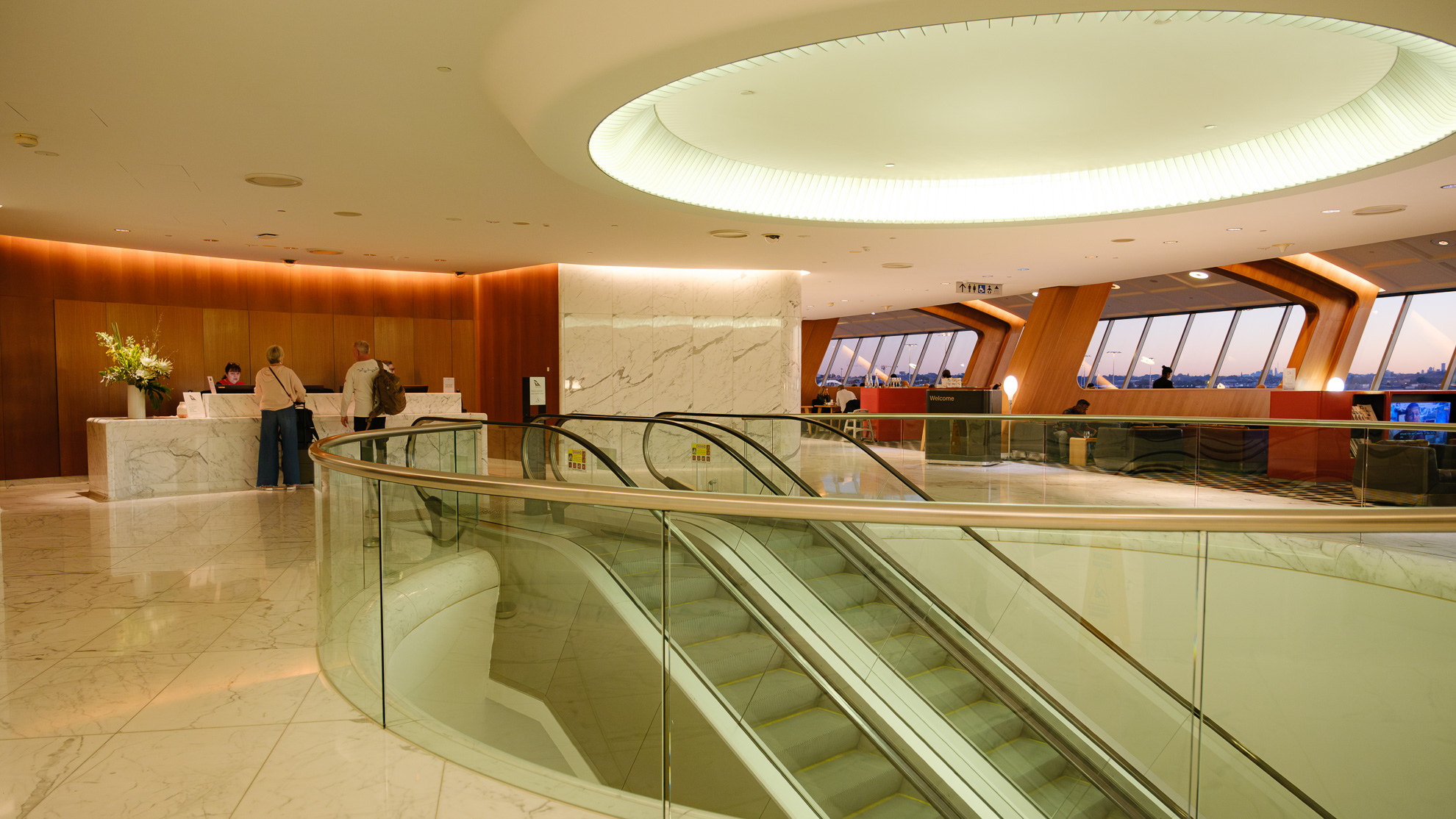
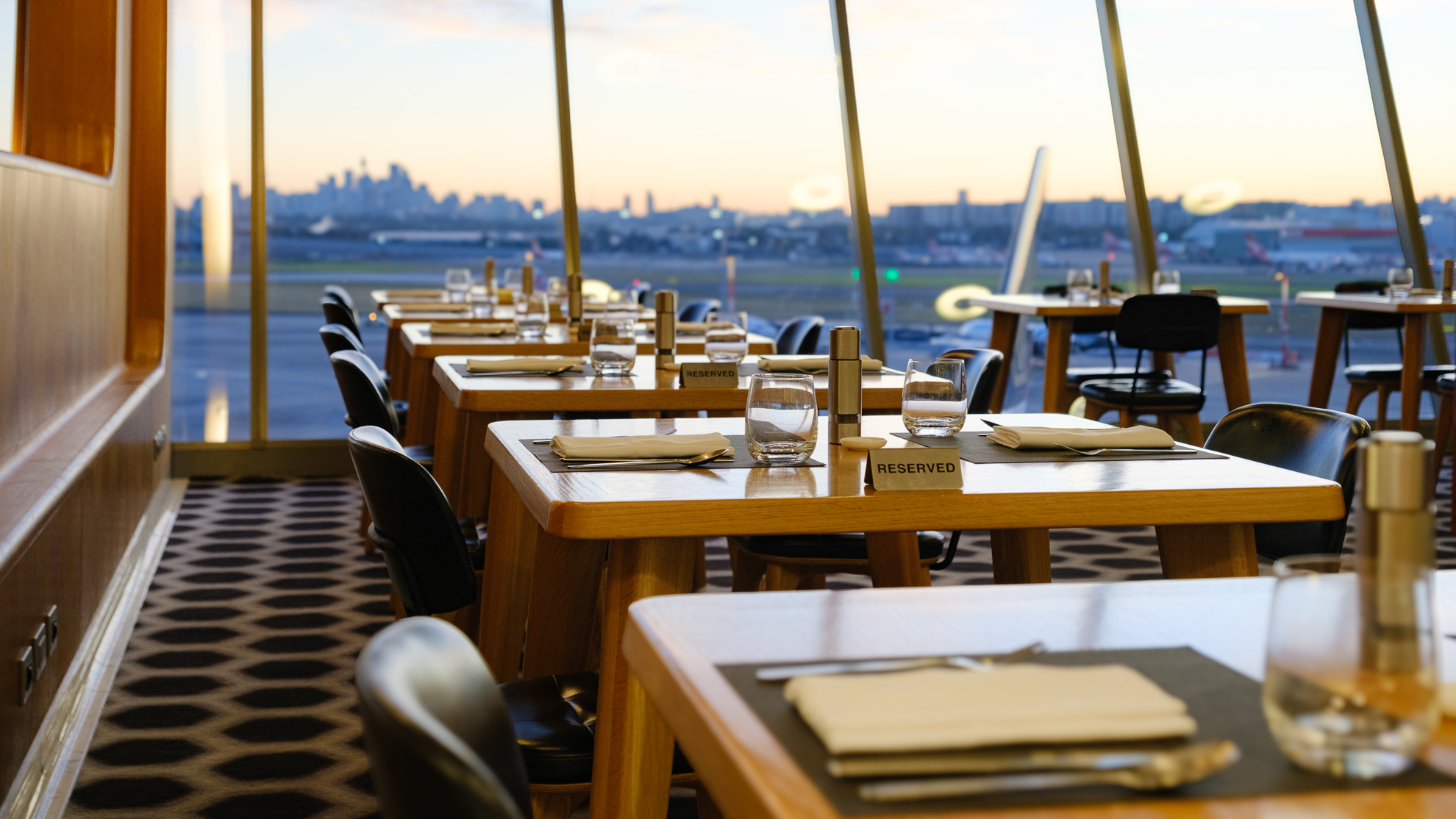
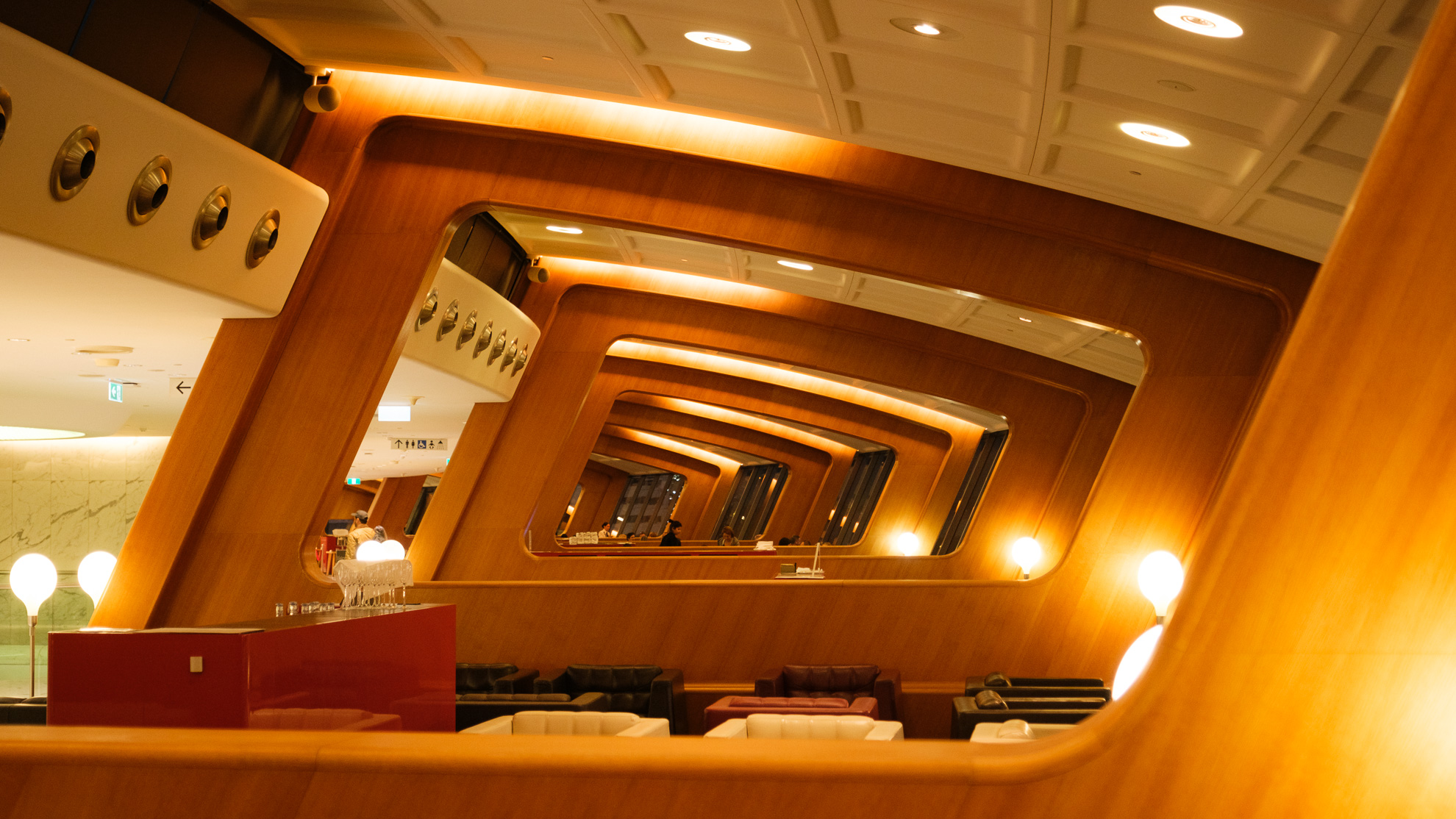
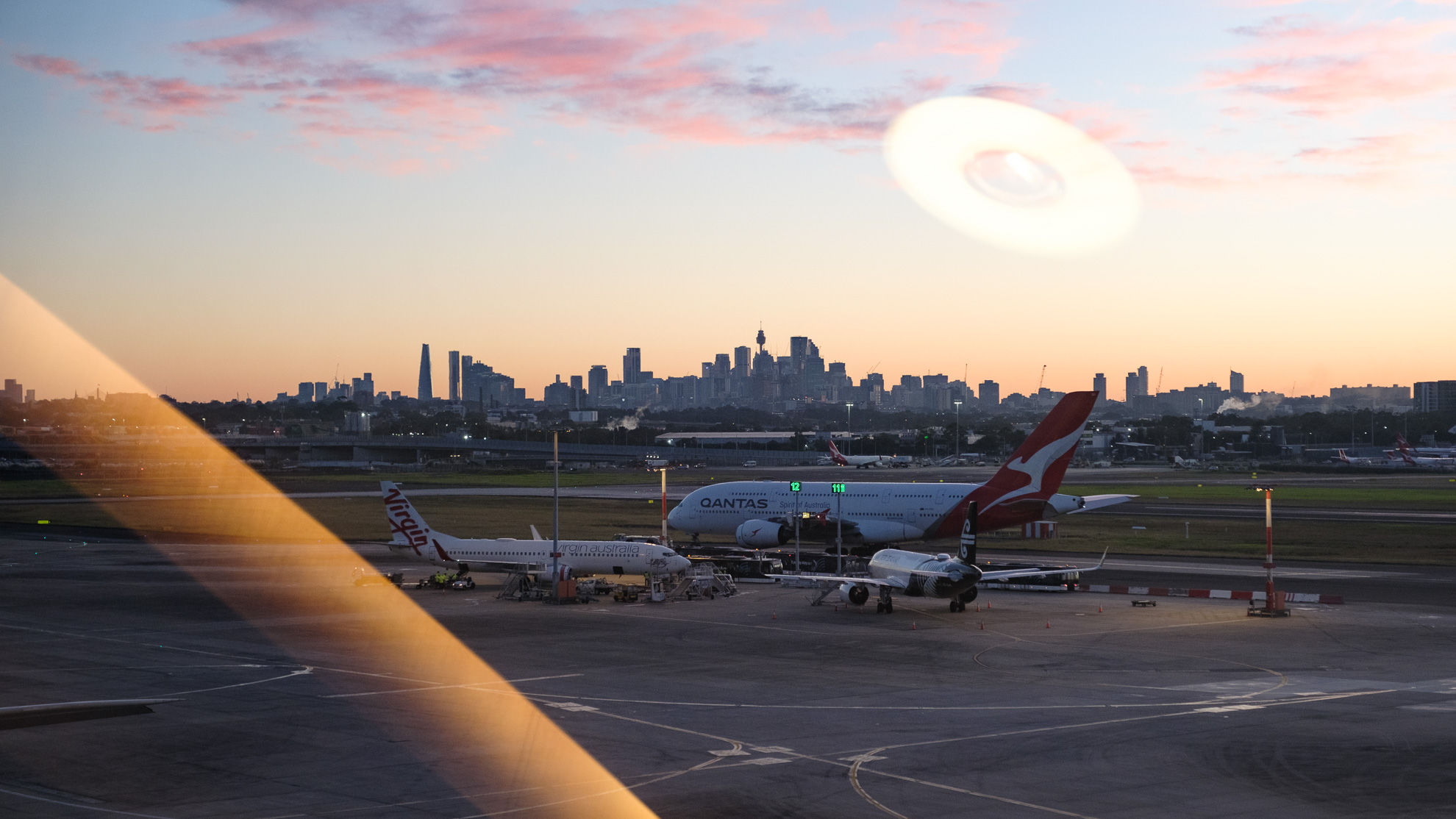
Japan Airlines does not operate its own lounge at Sydney International, but as a fellow oneworld member it directs its premium passengers to the Qantas First Lounge — à la carte dining, and pleasantly quiet early in the morning.
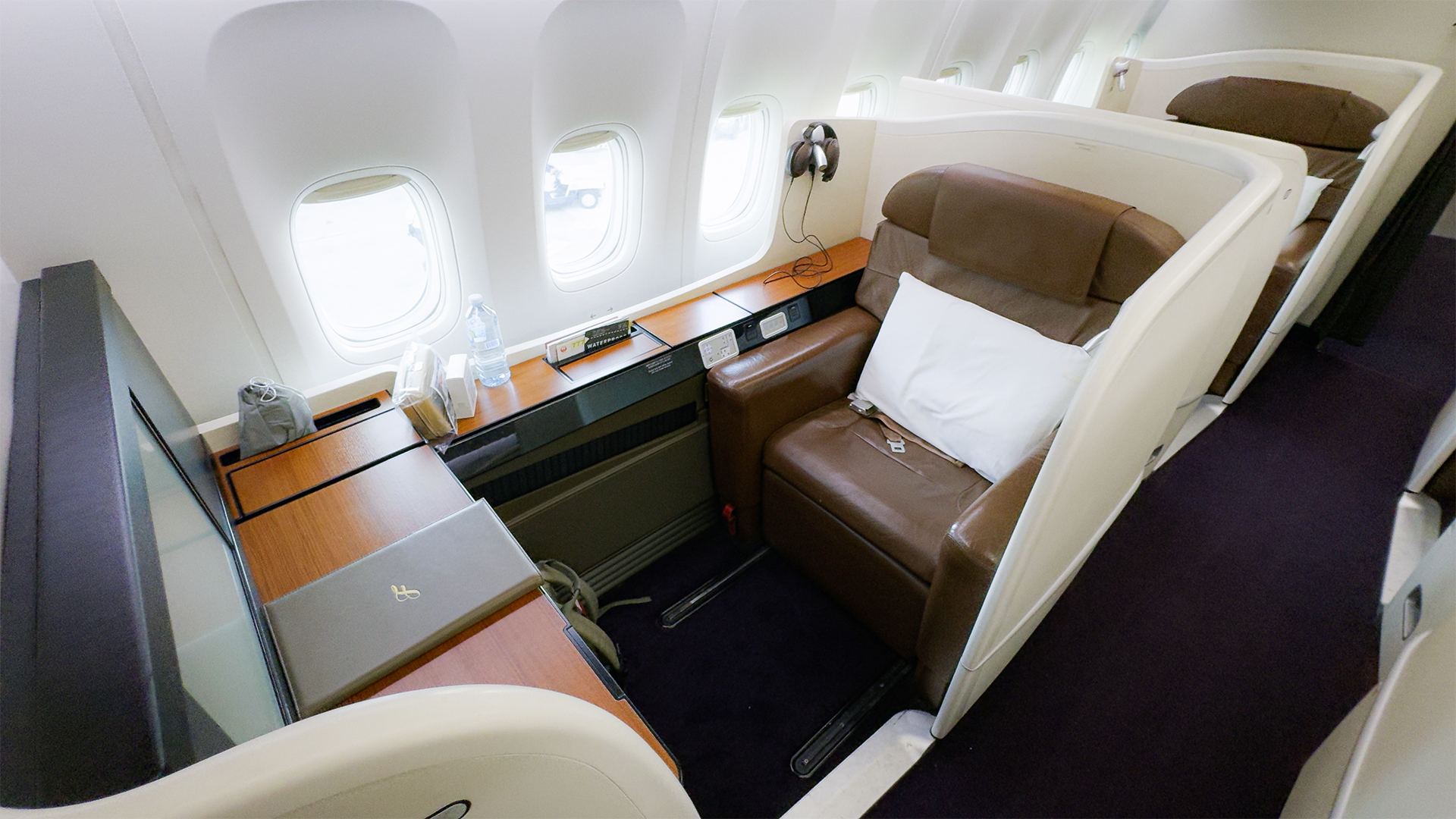
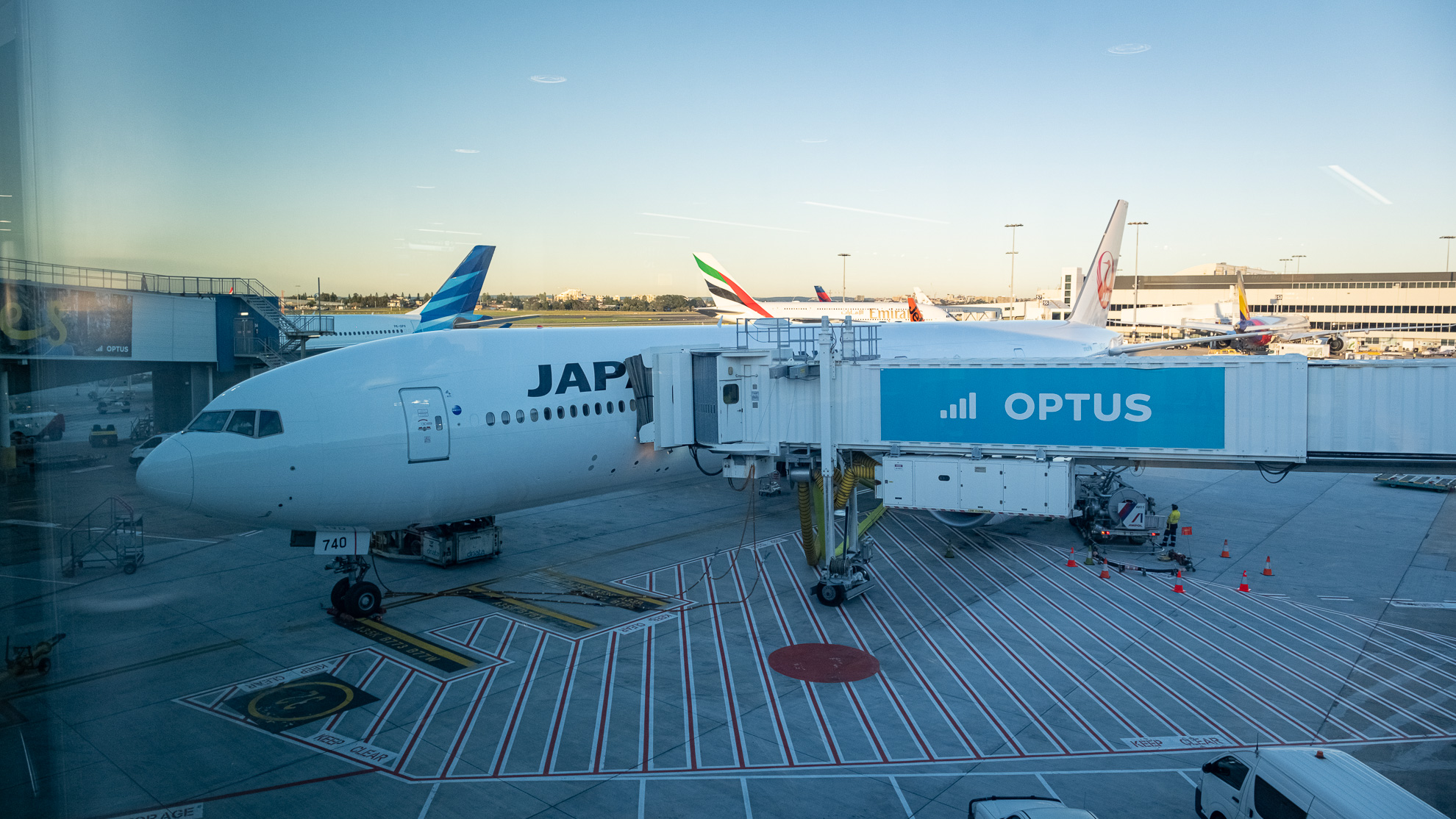
The First Class suite on JAL's Boeing 777 is unusually long, spanning several windows, and the flat bed measures just under two metres with a 58cm width and a mattress cover over the top. The aircraft itself is over 15 years old, which is not obvious from the front cabin.
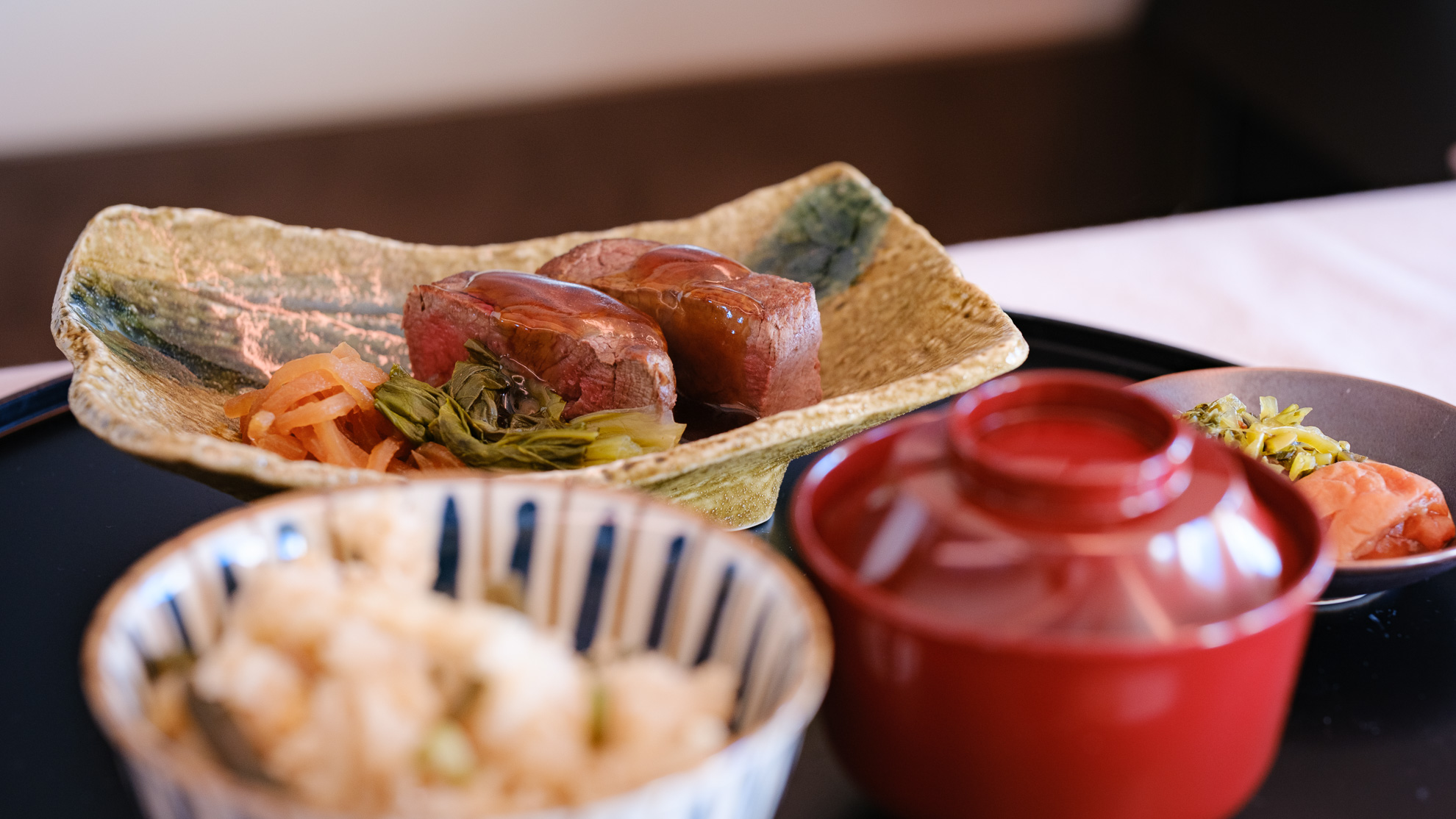
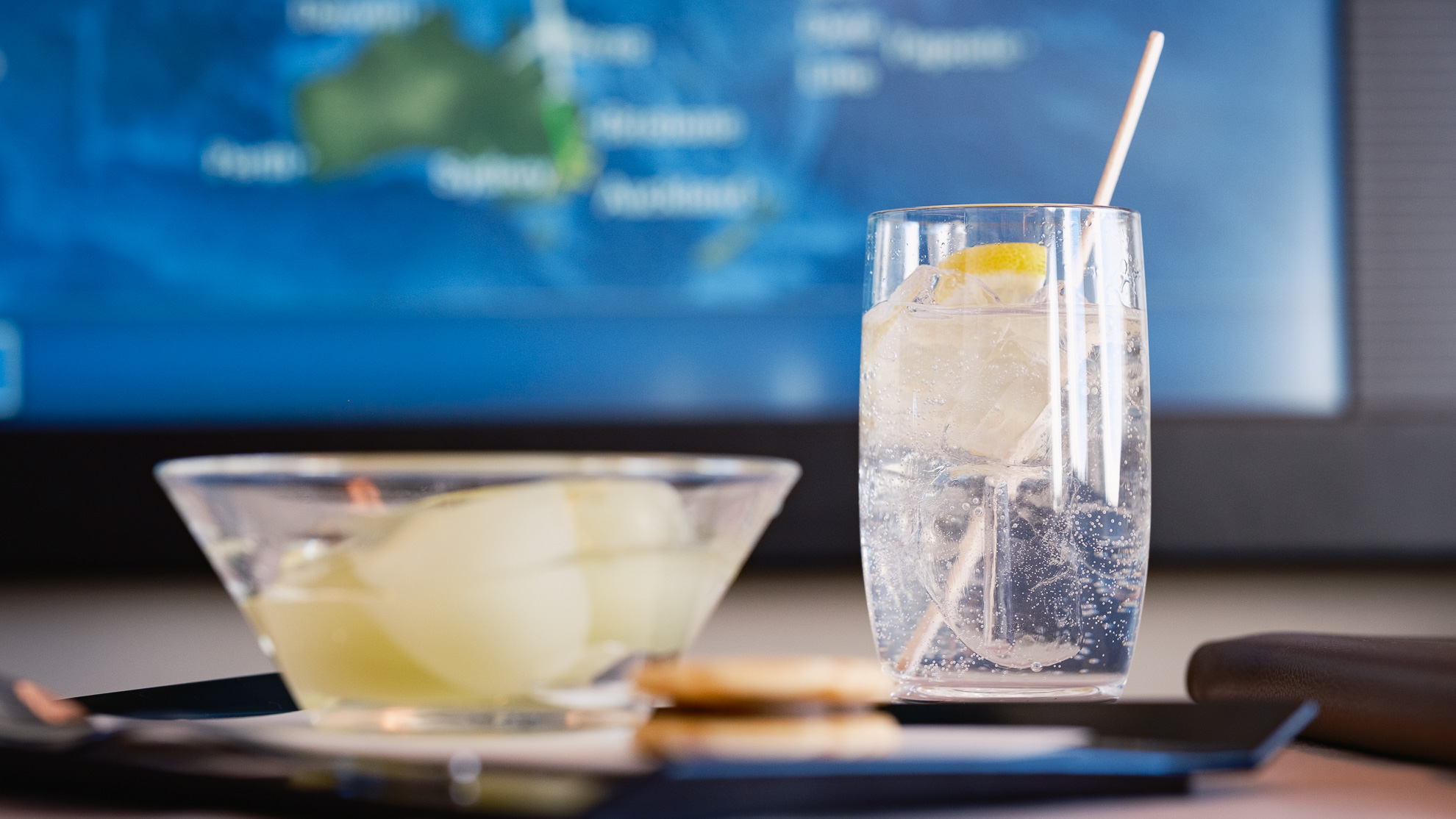
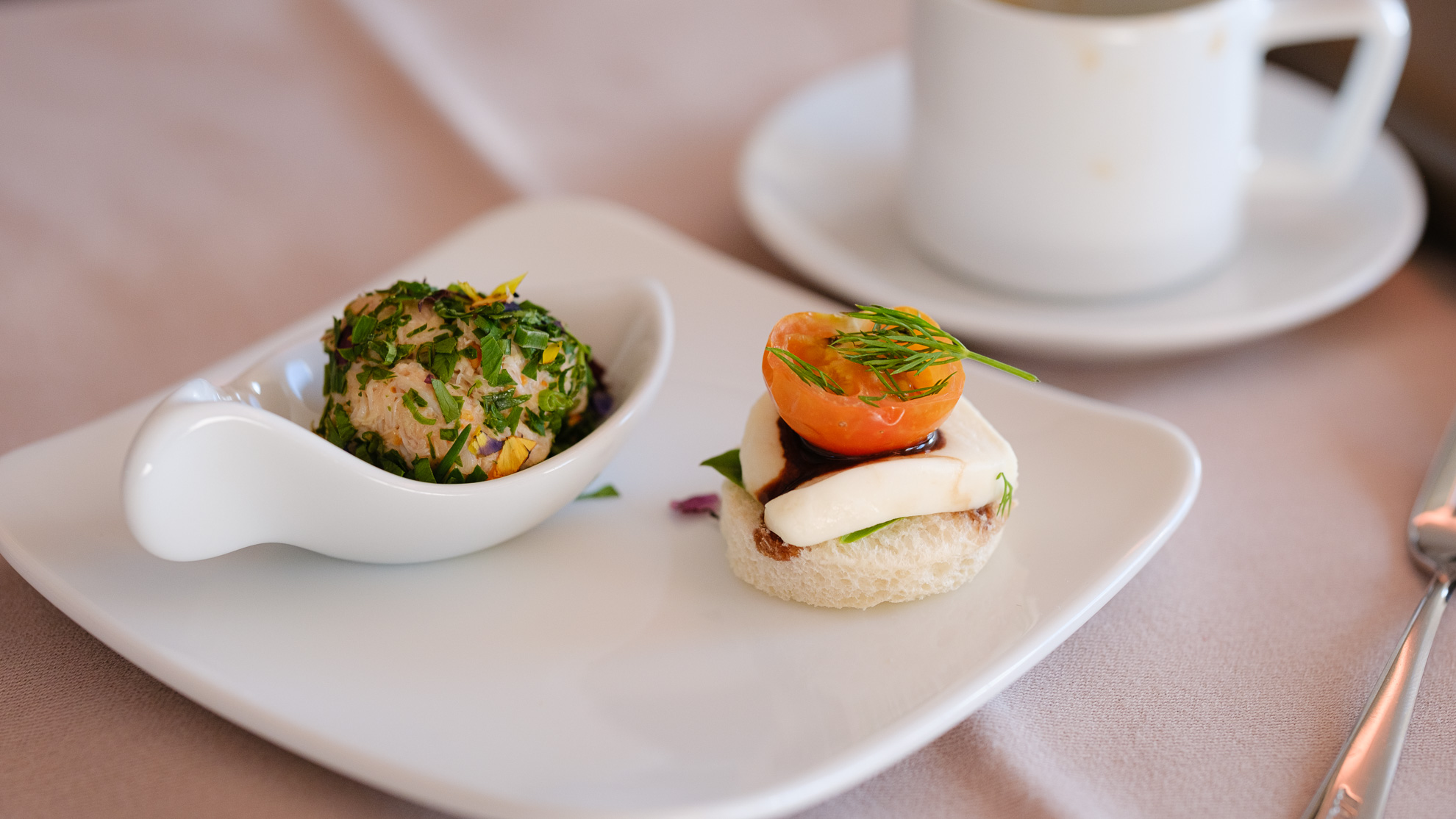
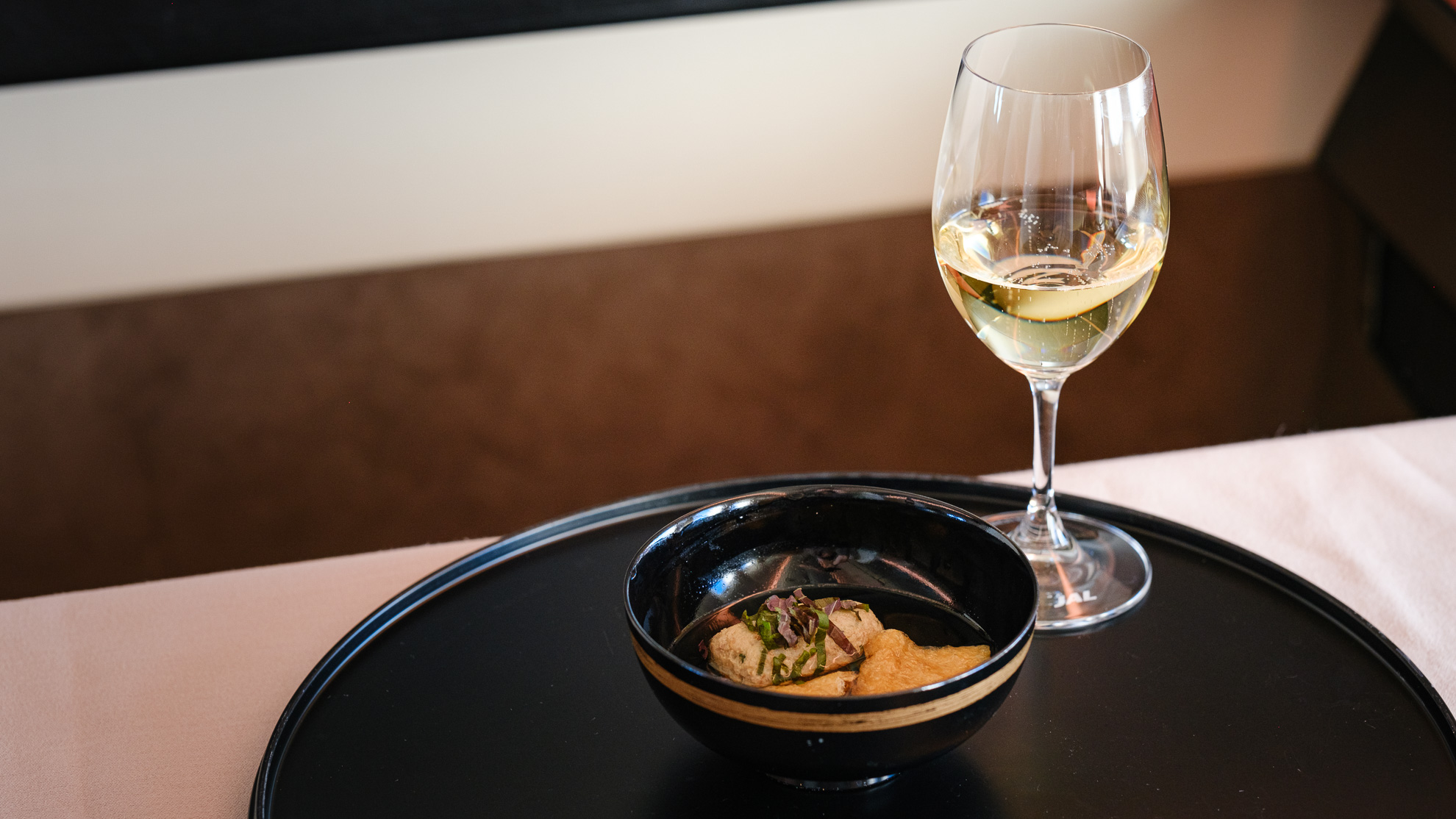
Catering offers a choice between an international menu and traditional Washoku. The Japanese option runs to seven courses served in sequence, each small, some unfamiliar, and collectively a good introduction to what you will be eating on the ground for the next week. The drinks list extends well beyond alcohol, which is useful on a morning departure.
Driving across Kyushu
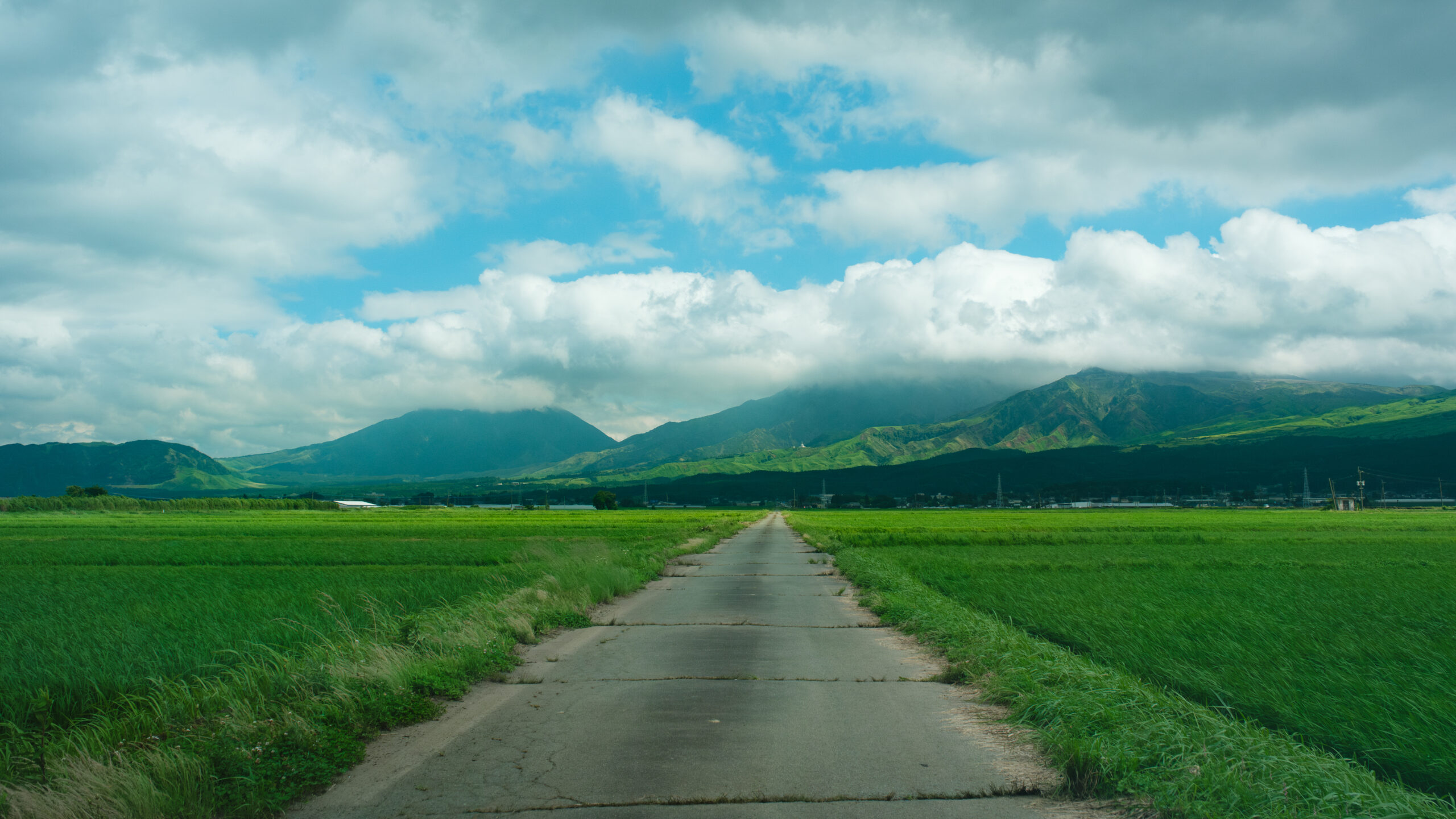
Kyushu is well covered by Japan's rail network, but a hire car removes the timetable from the equation and makes the smaller stops possible. Six prefectures fitted comfortably into six days of driving: Nagasaki, Saga, Fukuoka, Oita, Kumamoto and Kagoshima.
Driving is easier than most Australians expect. Traffic keeps to the left, road speeds are low — often a 60km/h maximum — and parking is widely available for a small fee. The roads are narrow and winding, which suits a relaxed pace rather than distance-eating.
Nagasaki
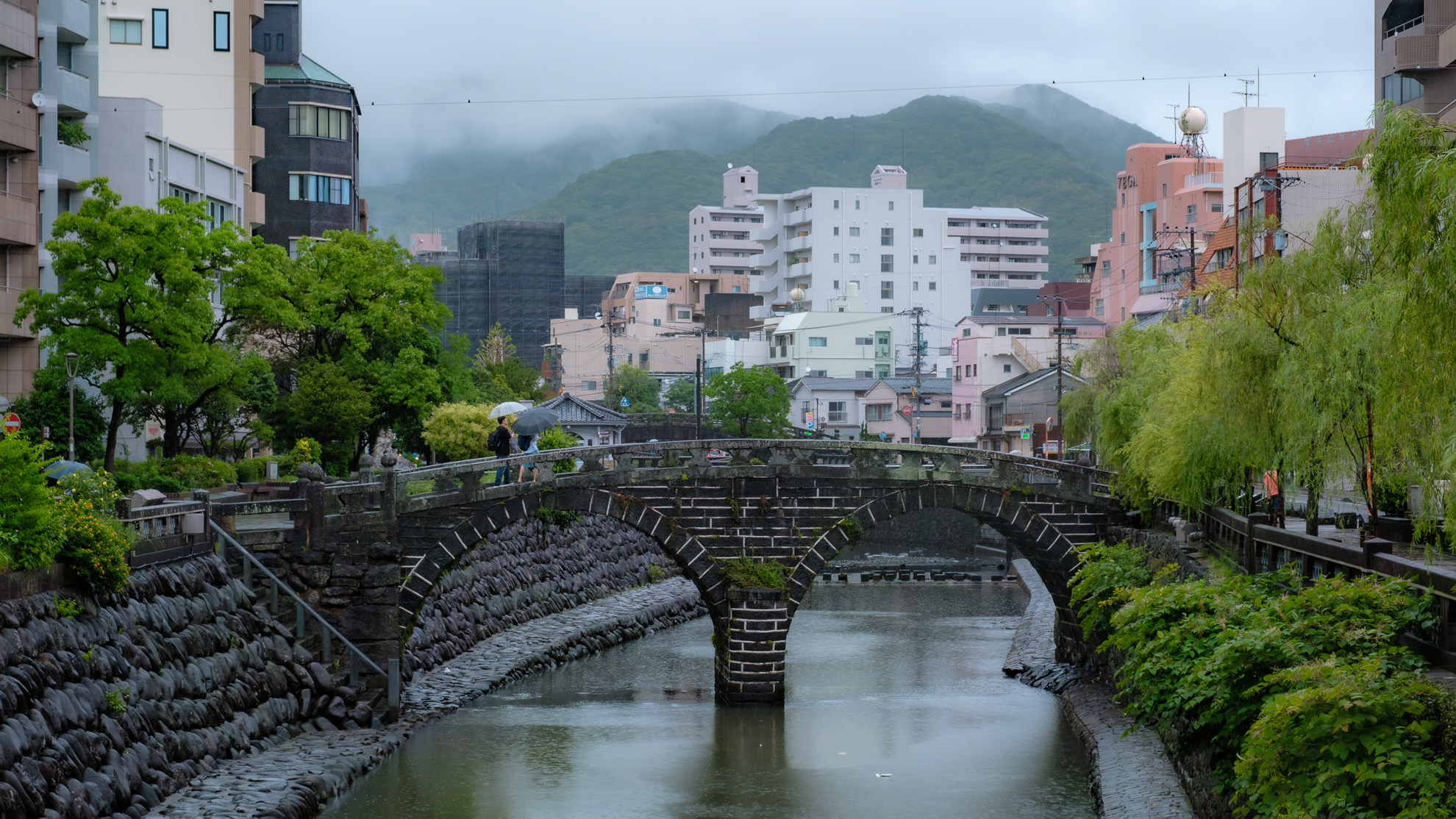
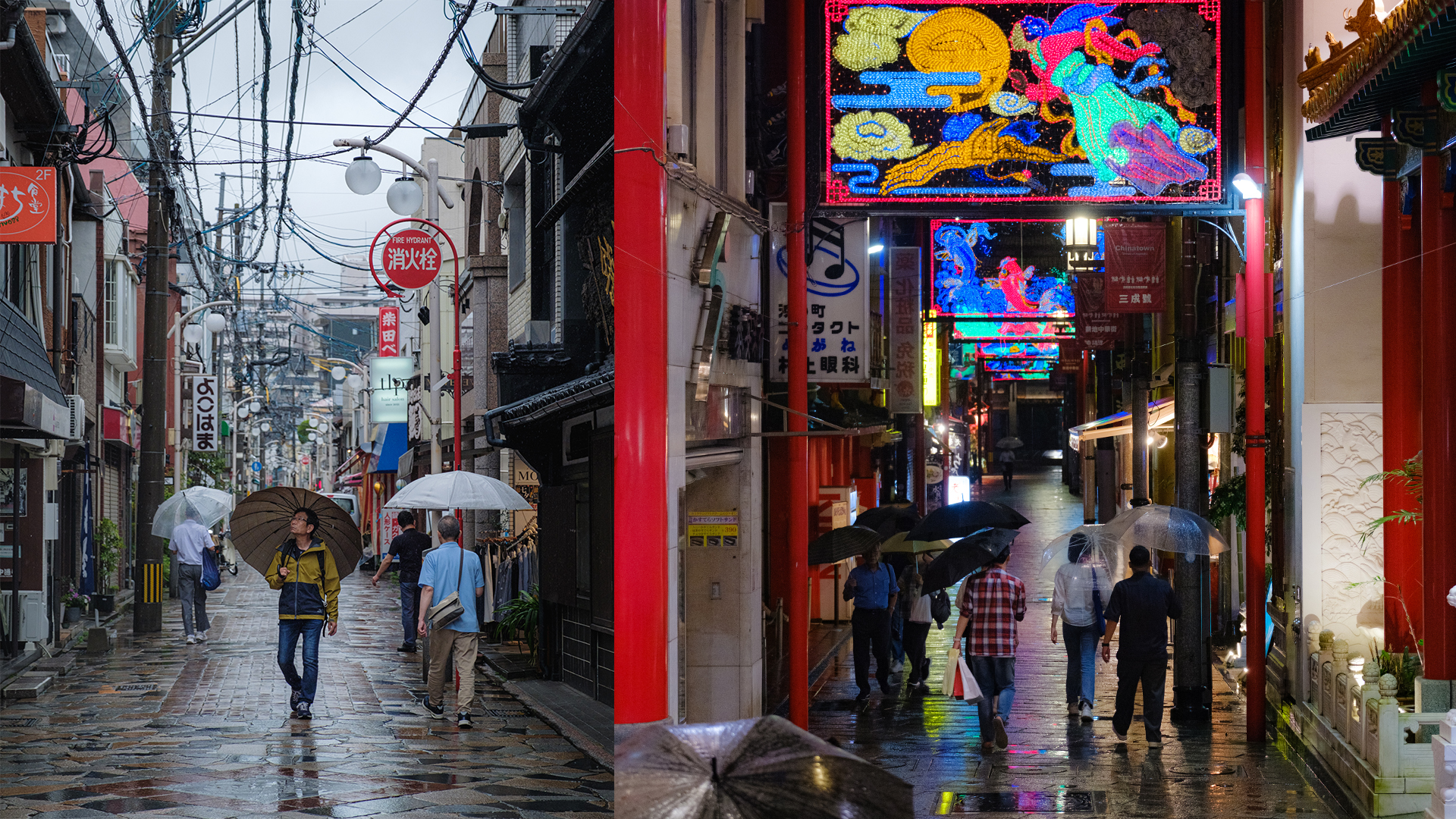
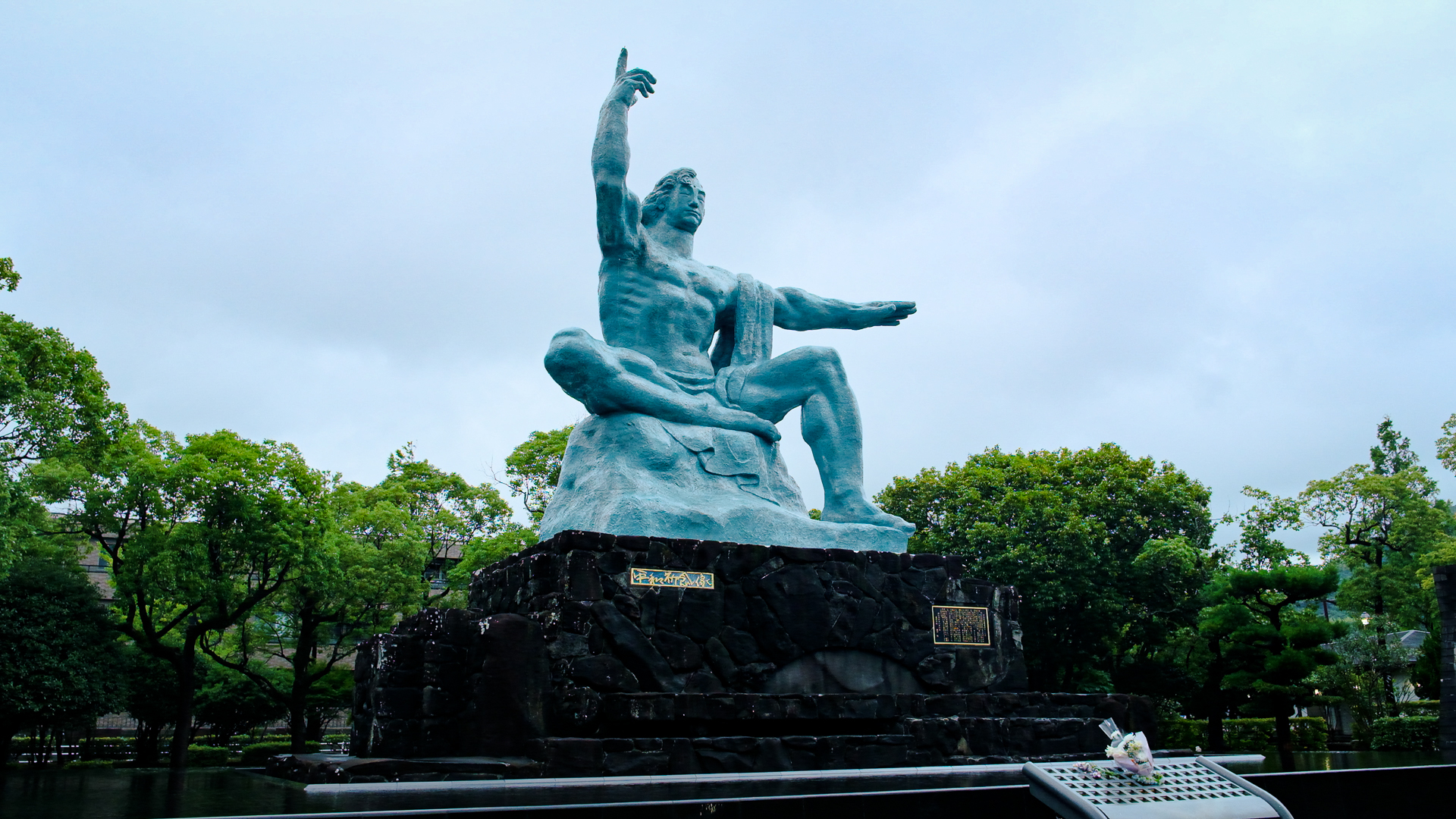
A city of cobblestone streets, vintage trams and Catholic churches, layered with history. The Atomic Bomb Museum takes a little over two hours to see properly and is a quiet, contemplative visit. Nearby, the Peace Park's bronze Peace Statue points one hand skyward, to signify the threat of nuclear weapons, and the other outward for peace. Megane-bashi, the Spectacles Bridge, is a stone bridge built almost 400 years ago and looks its best in the rain.
Huis Ten Bosch
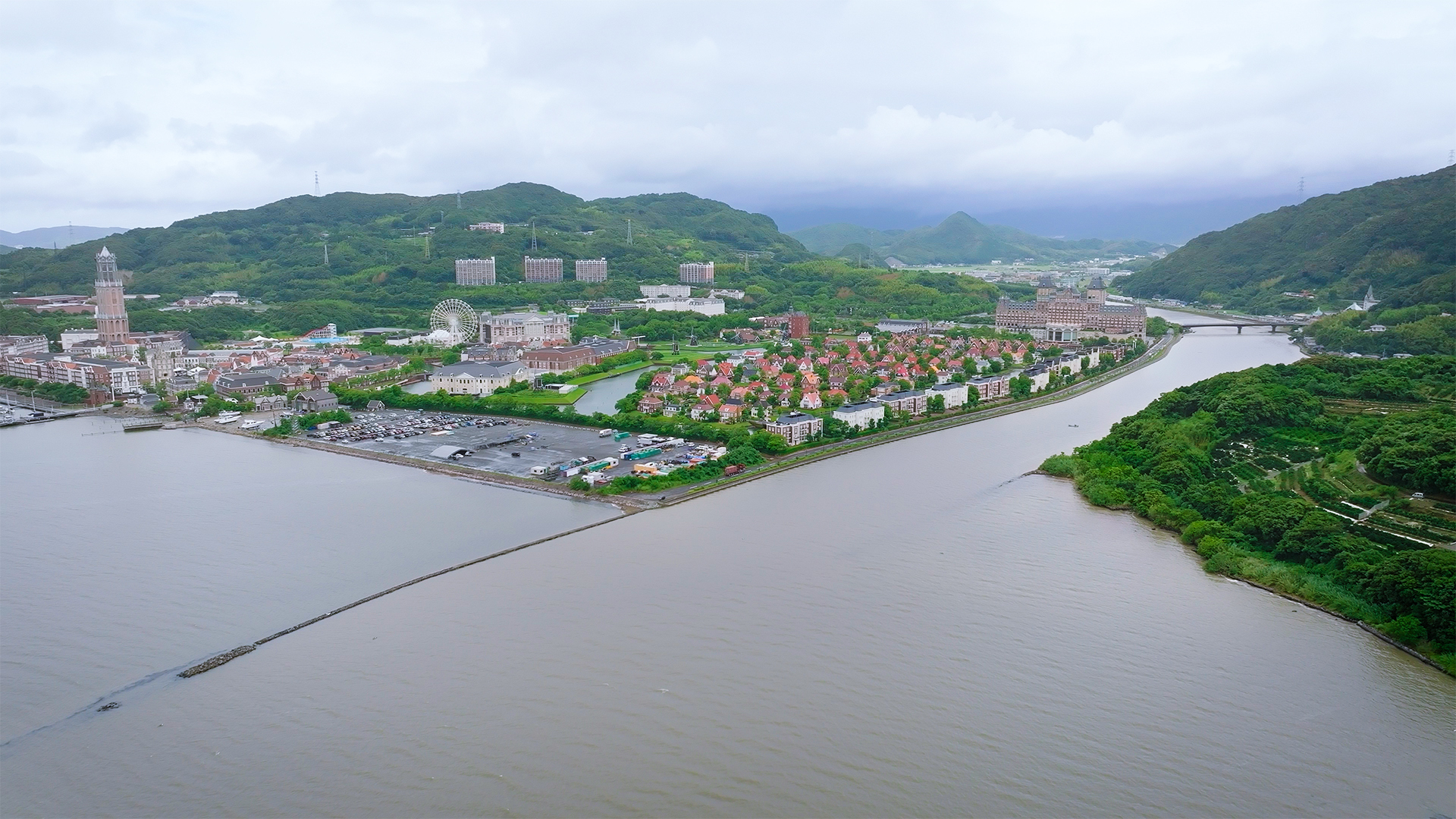
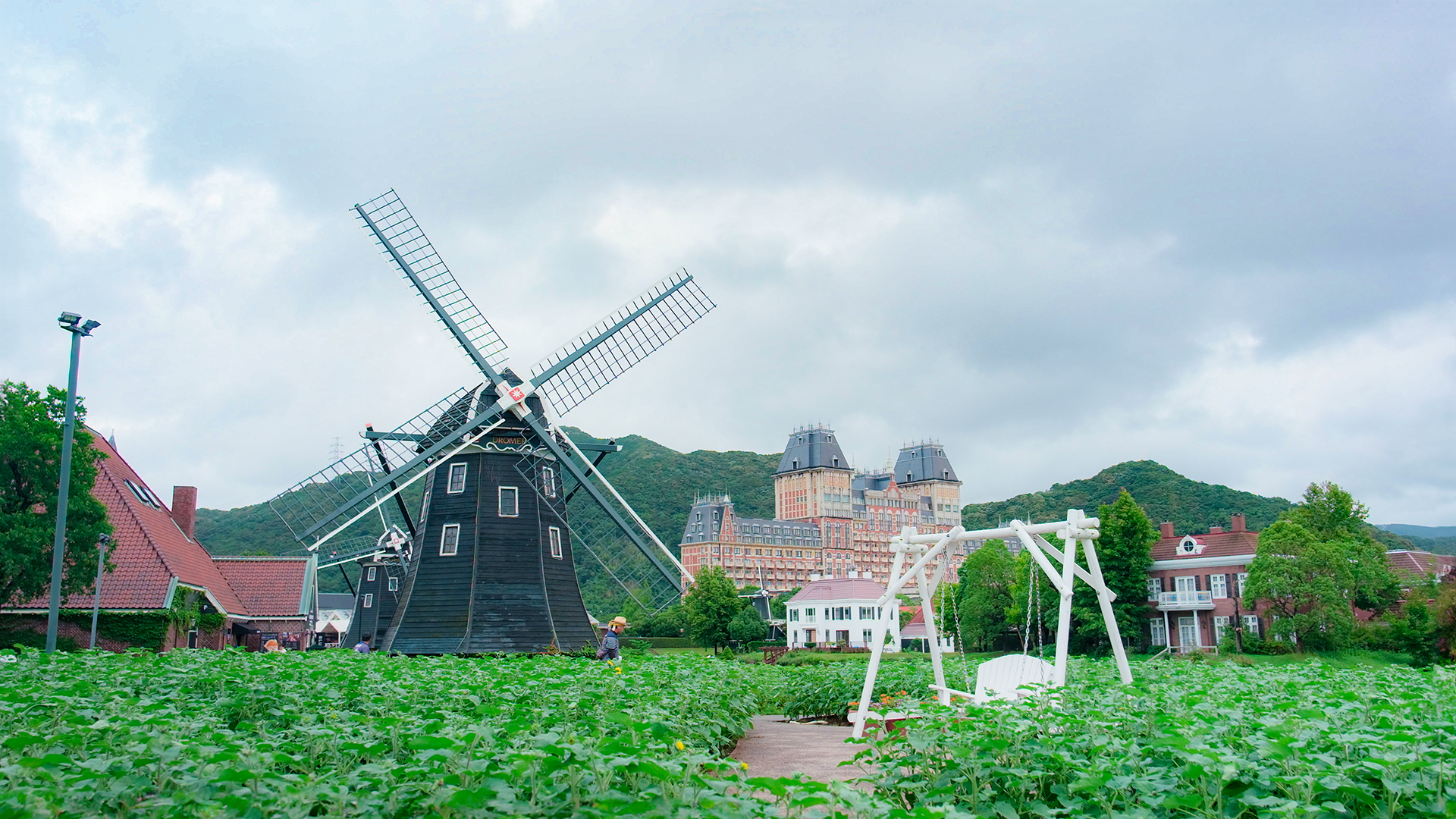
Between Nagasaki and Fukuoka sits one of the more improbable attractions in Japan: a large theme park built as a celebration of the country's historical relationship with the Netherlands. A replica Dutch palace overlooks canals with gondolas, rows of European-style houses, a windmill above sunflower fields, and — inevitably — hotels, rides, a water park and the world's tallest merry-go-round. It is said to be at its best after dark, when fireworks and lantern displays run.
Okawachiyama Village
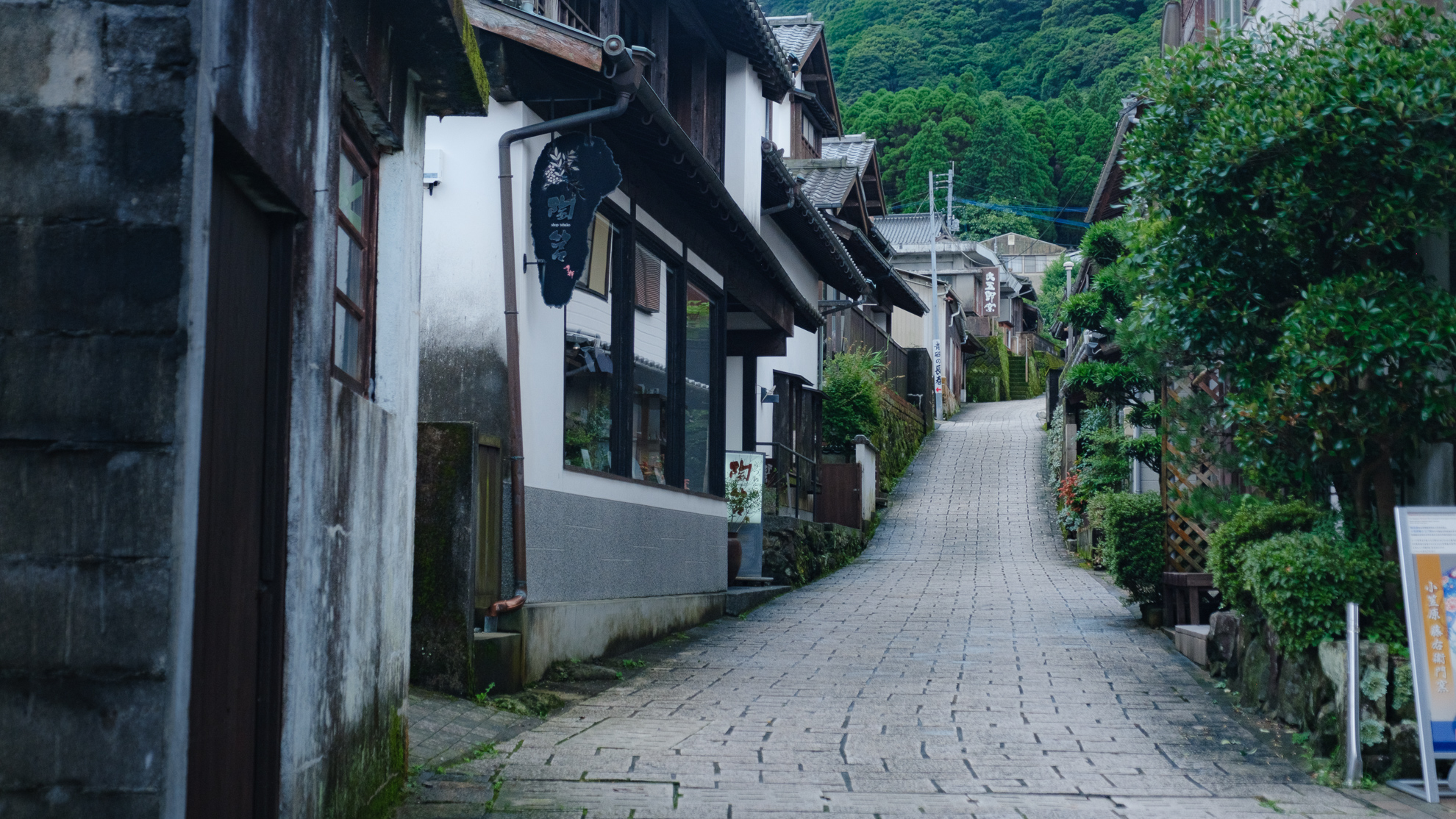
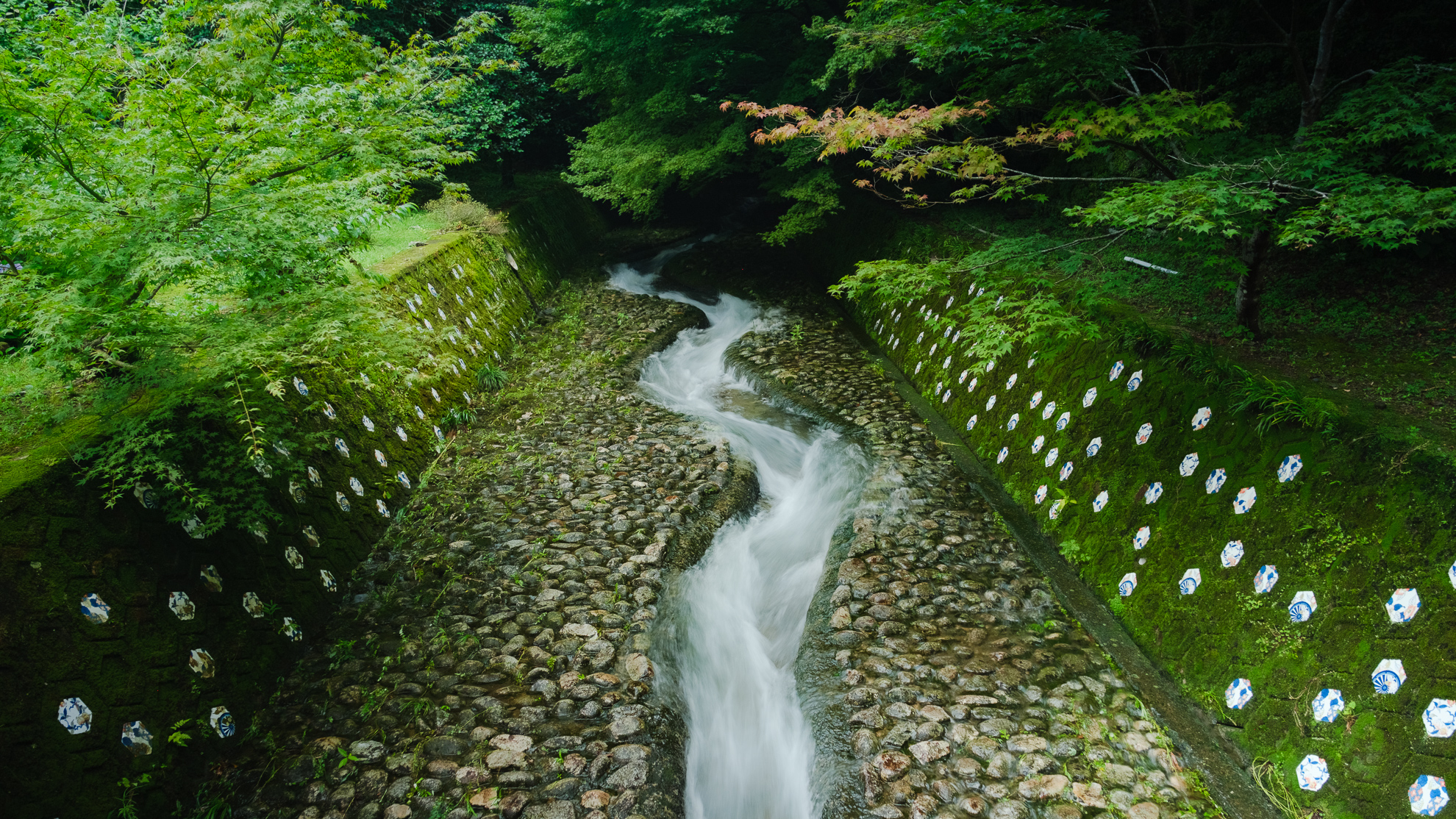
A short detour into the hills before Fukuoka. Around thirty pottery workshops and stores make up the village, and hand-painted porcelain is worked into the fabric of the place down to the drain covers.
Fukuoka
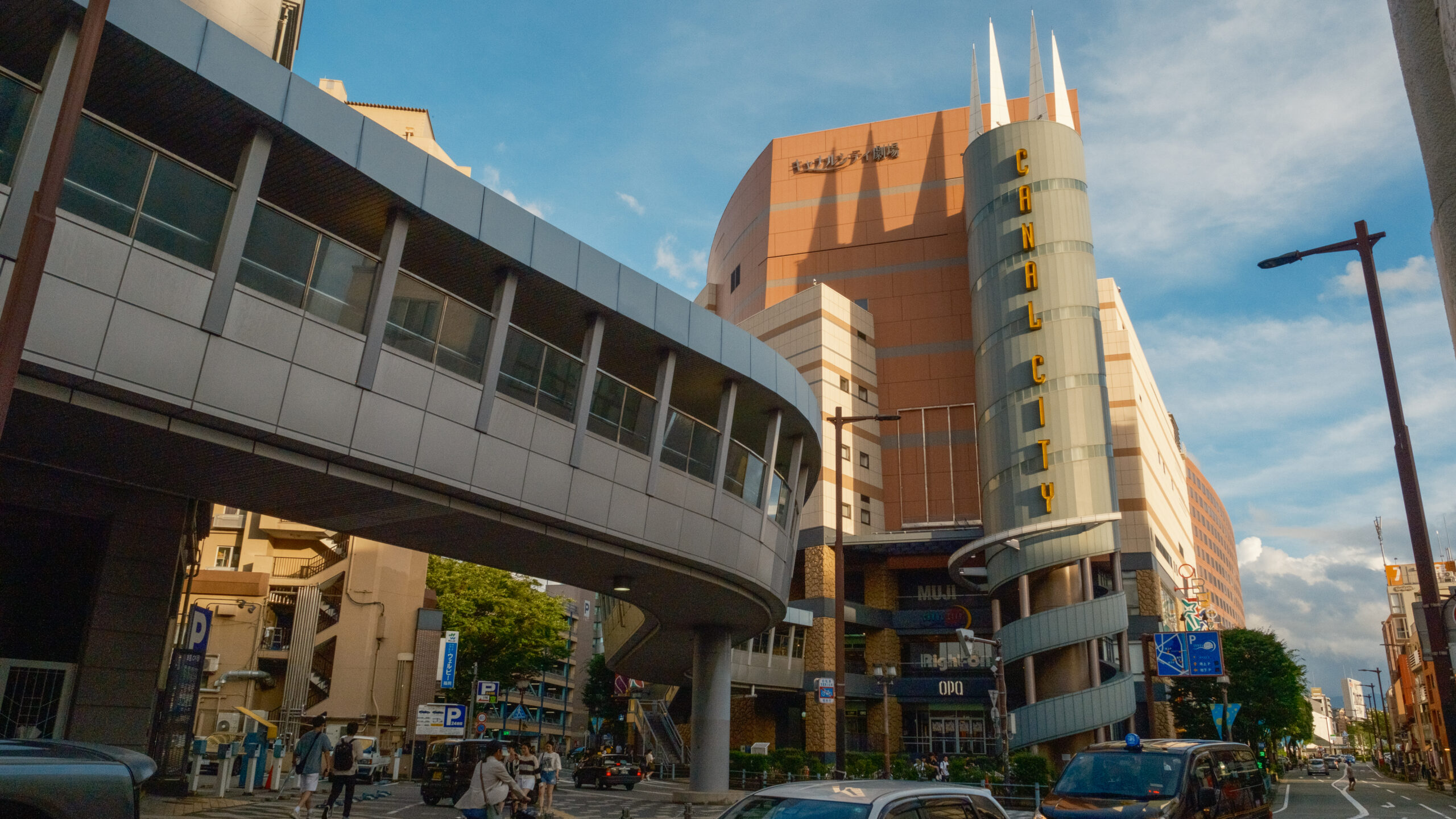
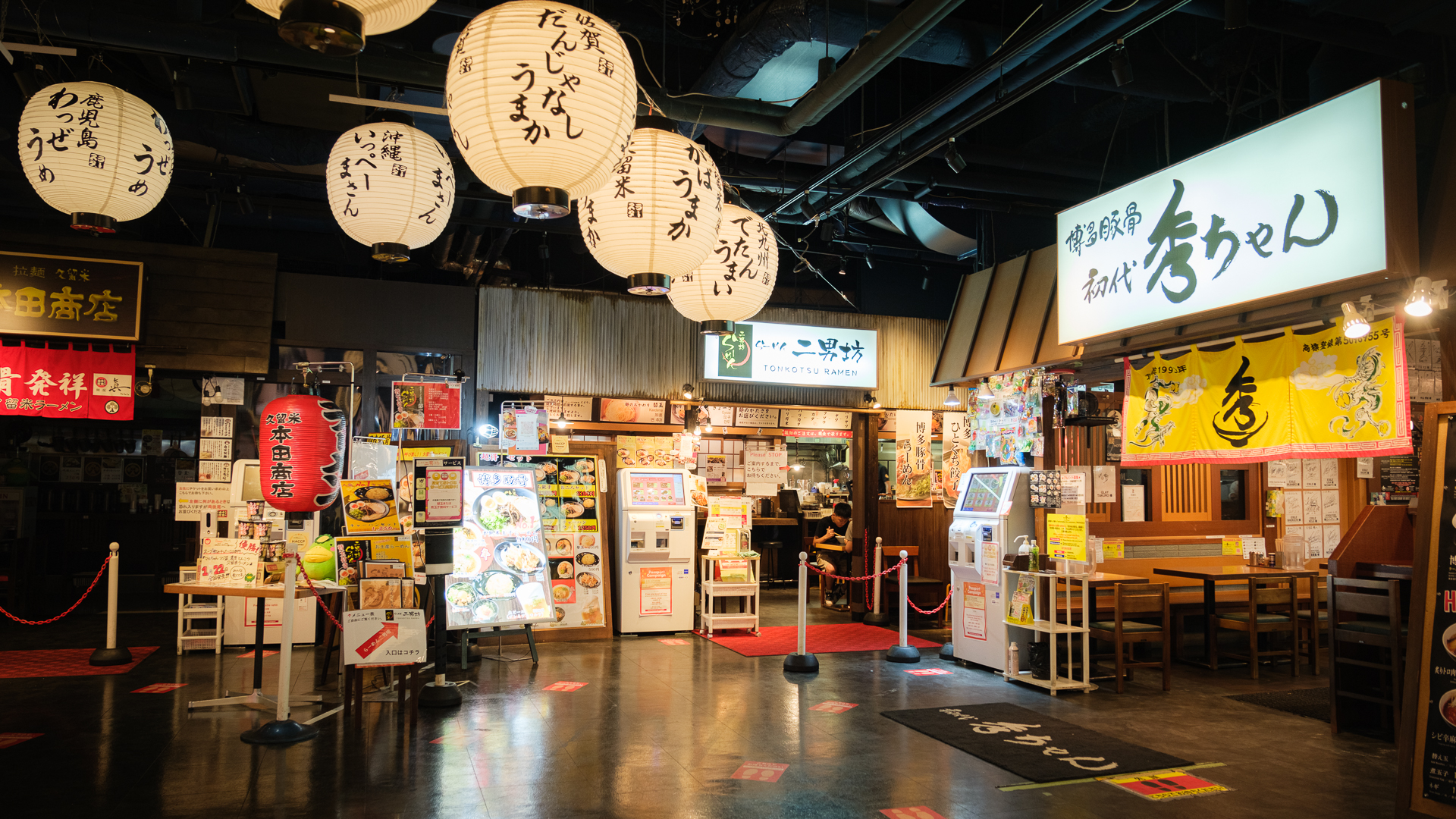
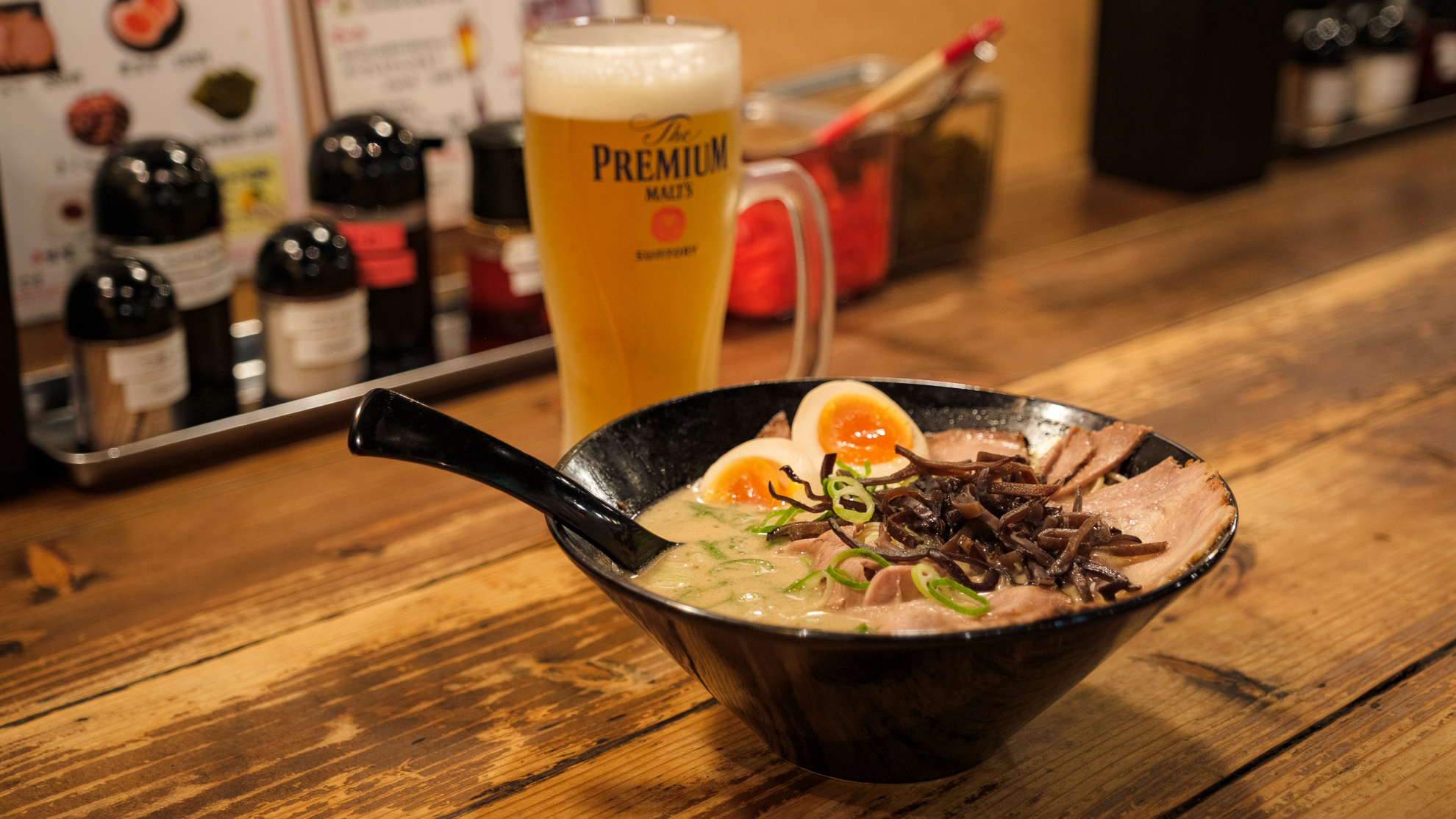
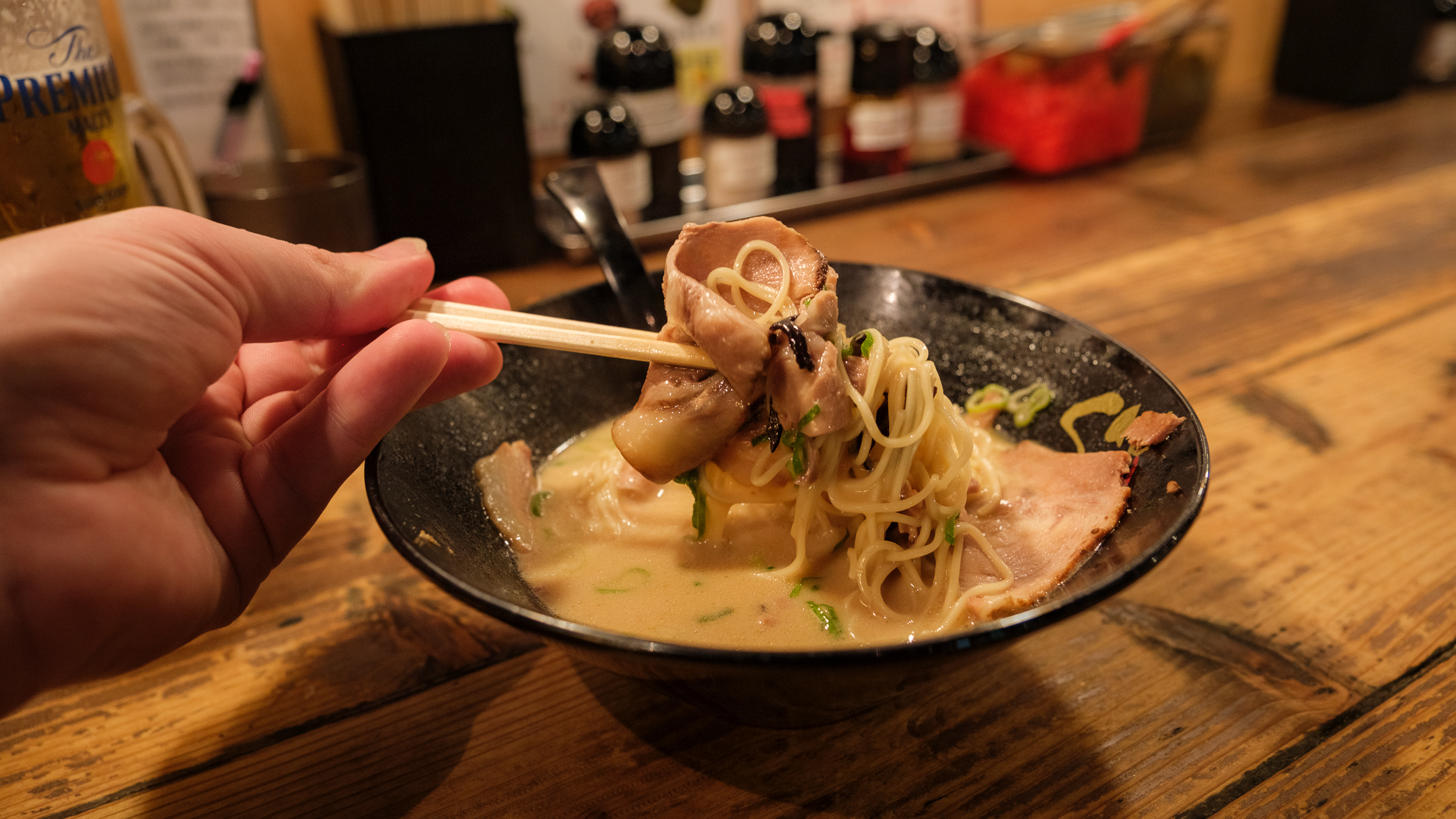
Fukuoka is the birthplace of tonkotsu ramen, and the most efficient way to eat it is Canal City — a mall large enough to have a canal running through the middle of it, with more than 250 stores, cinemas and two hotels. On the fifth floor, Ramen Stadium gathers eight ramen and noodle restaurants in one place. Orders go through a vending machine, and the pork bone broth, noodles, pork belly and egg arrive shortly after.
Dazaifu and Nanzoin Temple
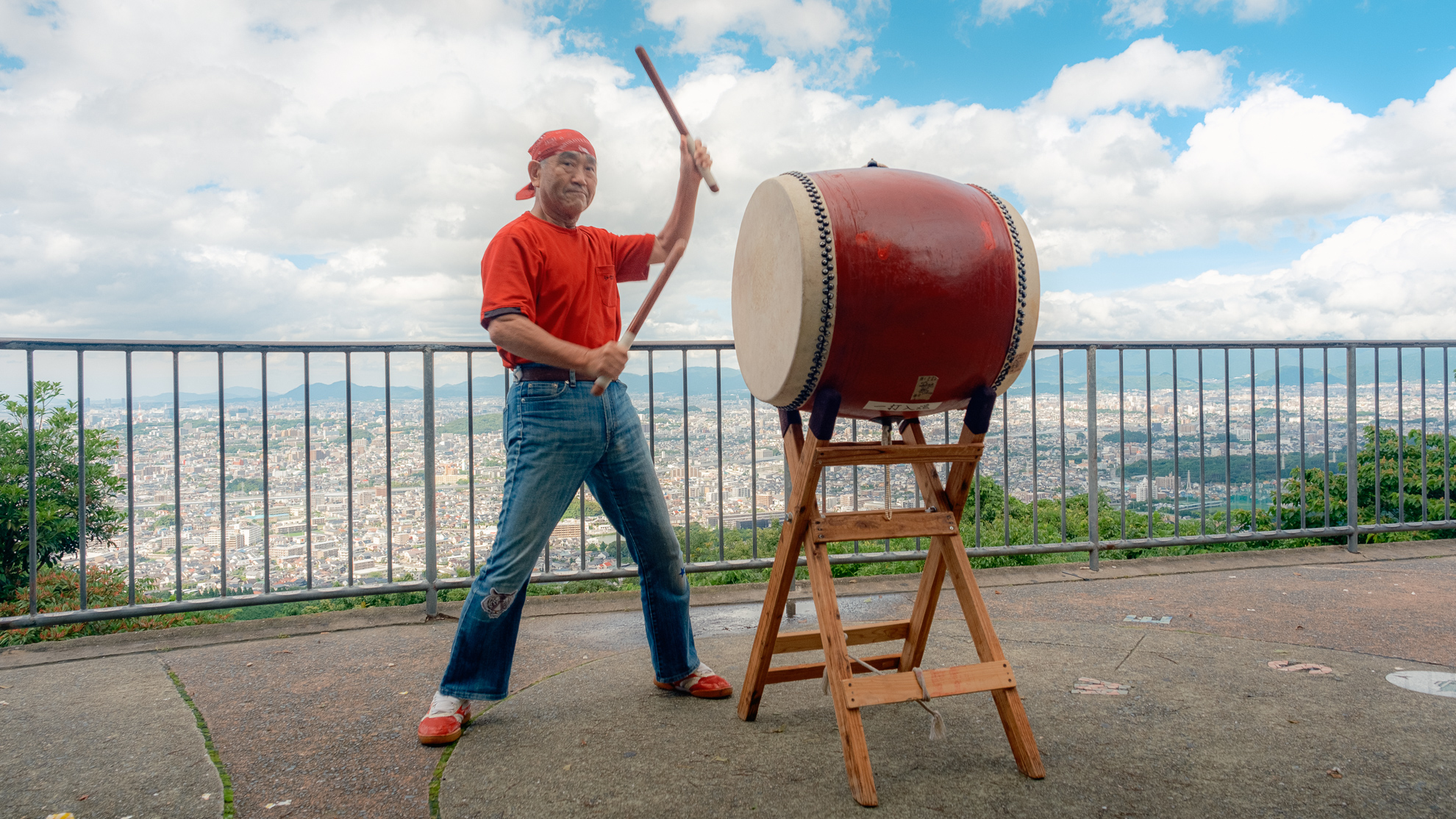
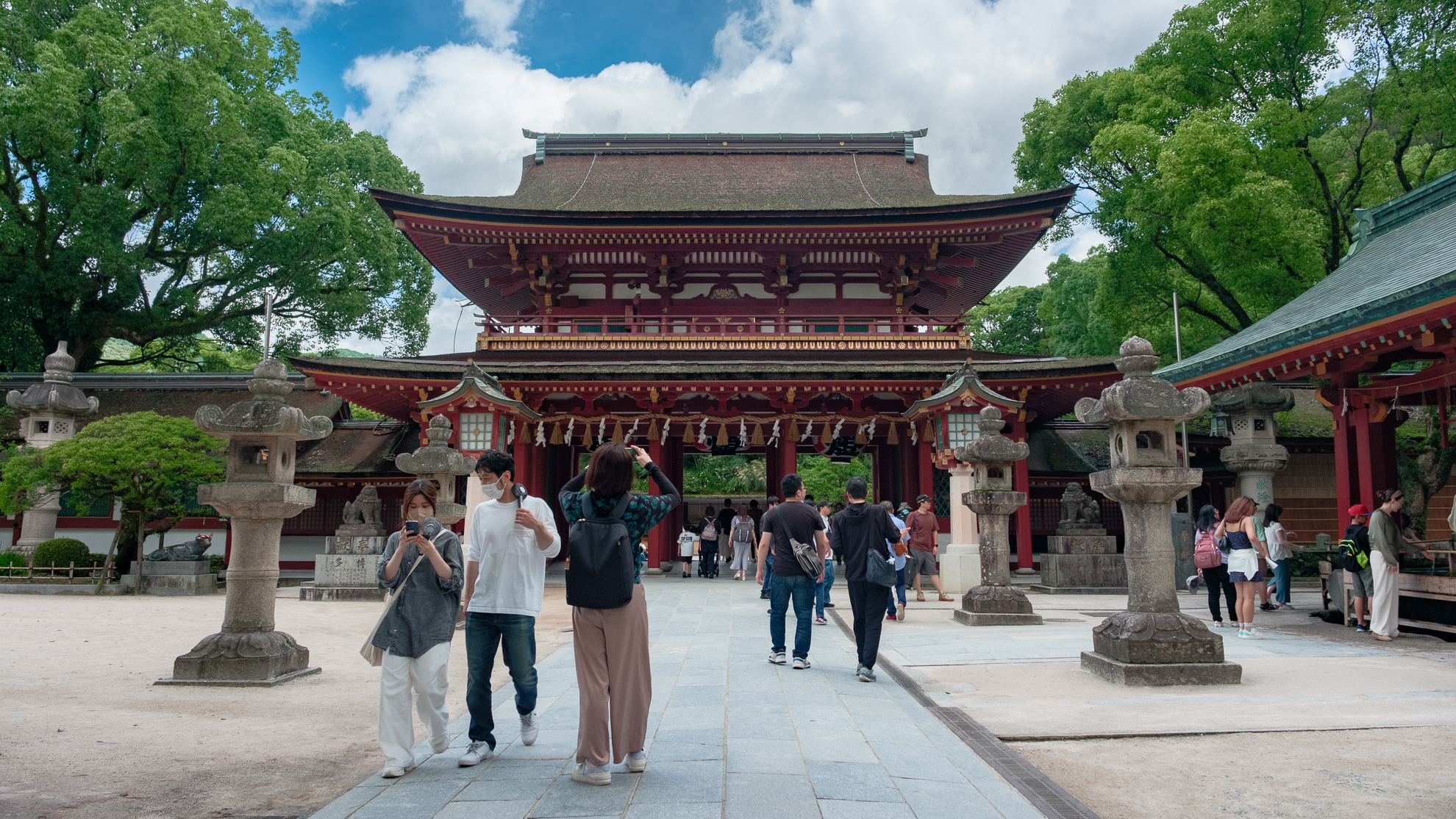
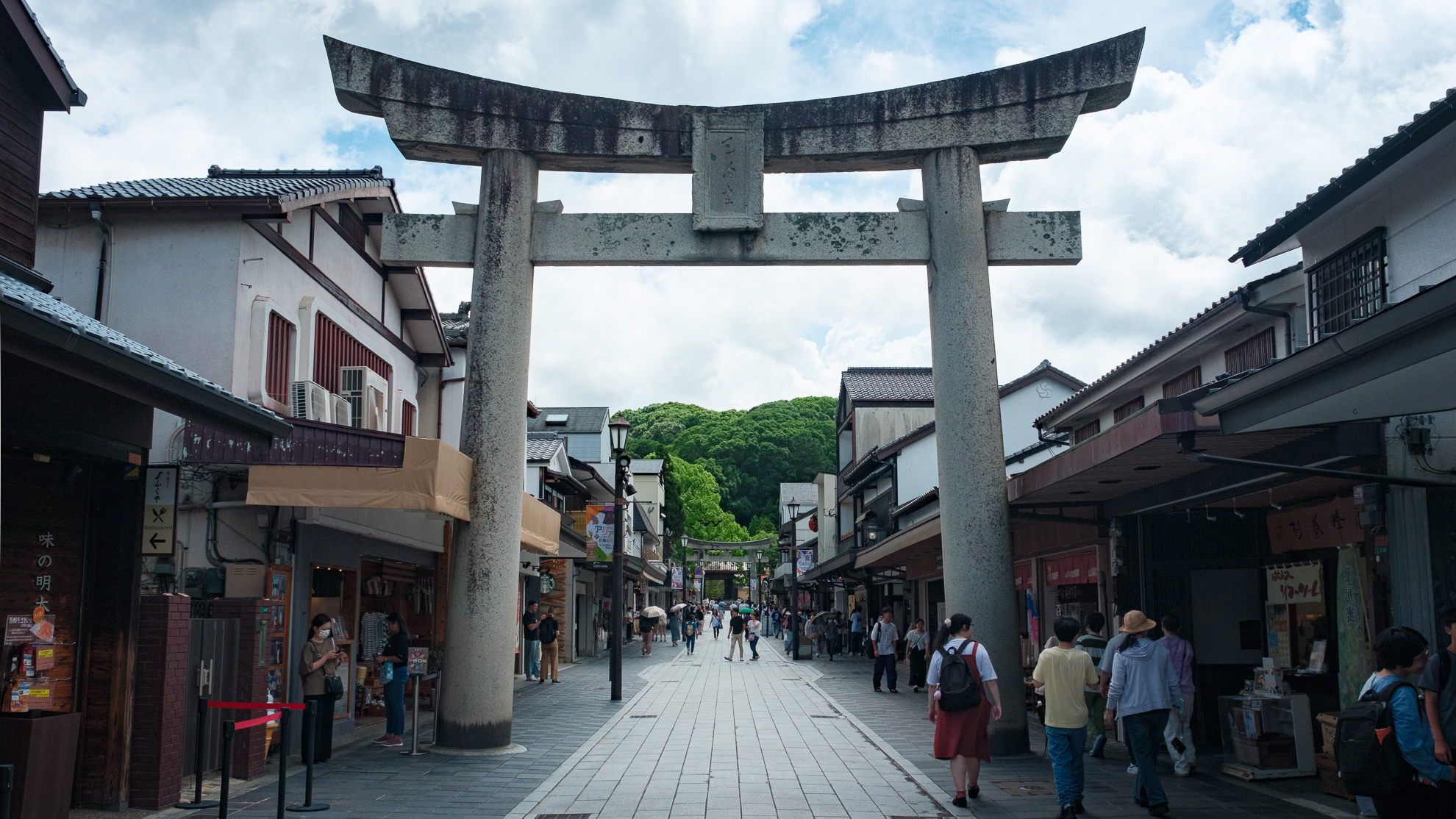
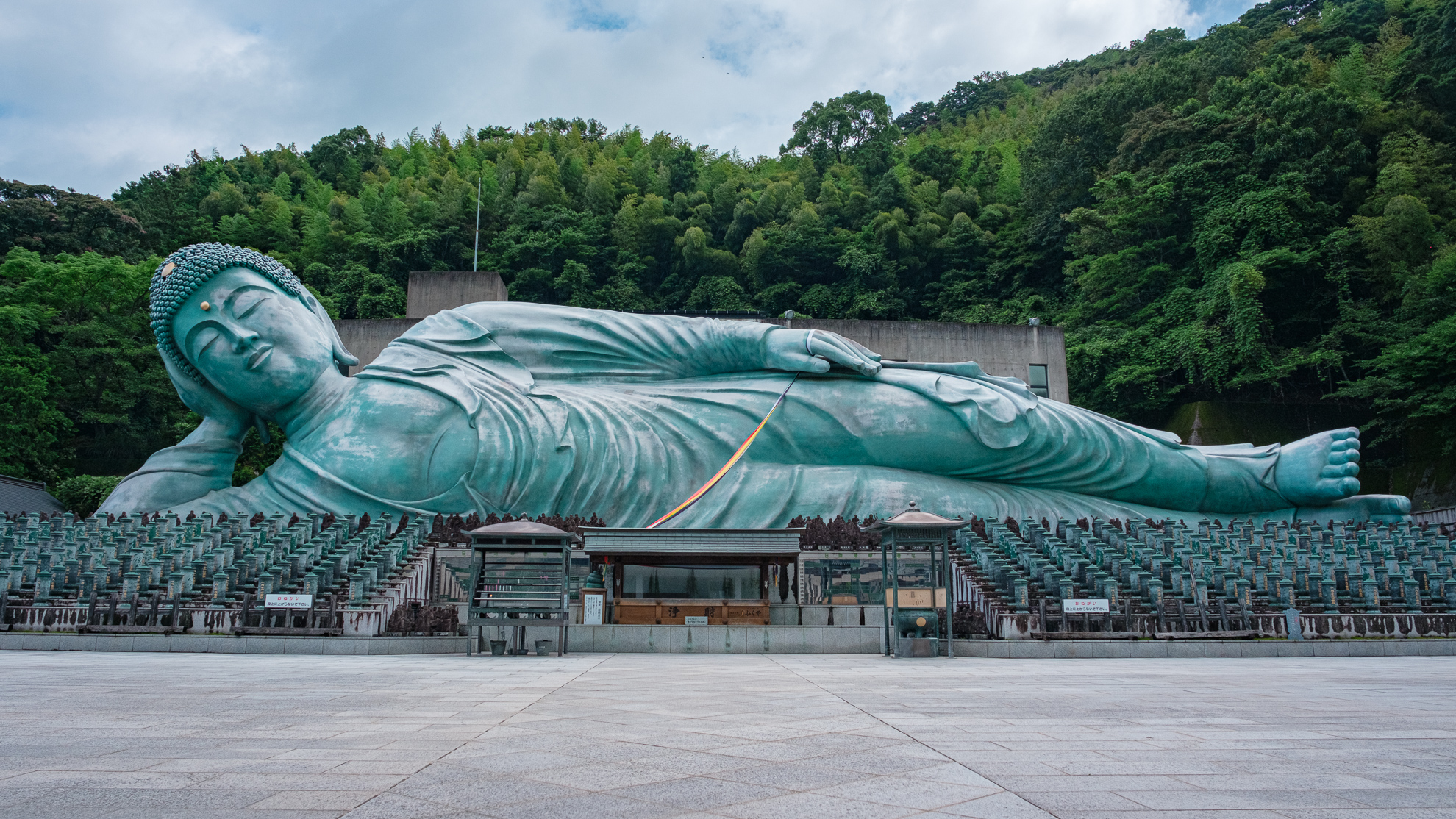
On Fukuoka's outskirts, Nanzoin Temple holds the largest reclining bronze Buddha statue in the world: 41 metres long, 11 metres tall and weighing roughly 300 tonnes. Arriving early can mean having it entirely to yourself. To the south, Dazaifu Tenmangu is a Shinto shrine dedicated to the god of learning, with a koi pond, arched red bridges and a main hall around 430 years old. It draws plenty of domestic visitors, and the shopping village beside it is busy in summer.
Beppu and the Seven Hells
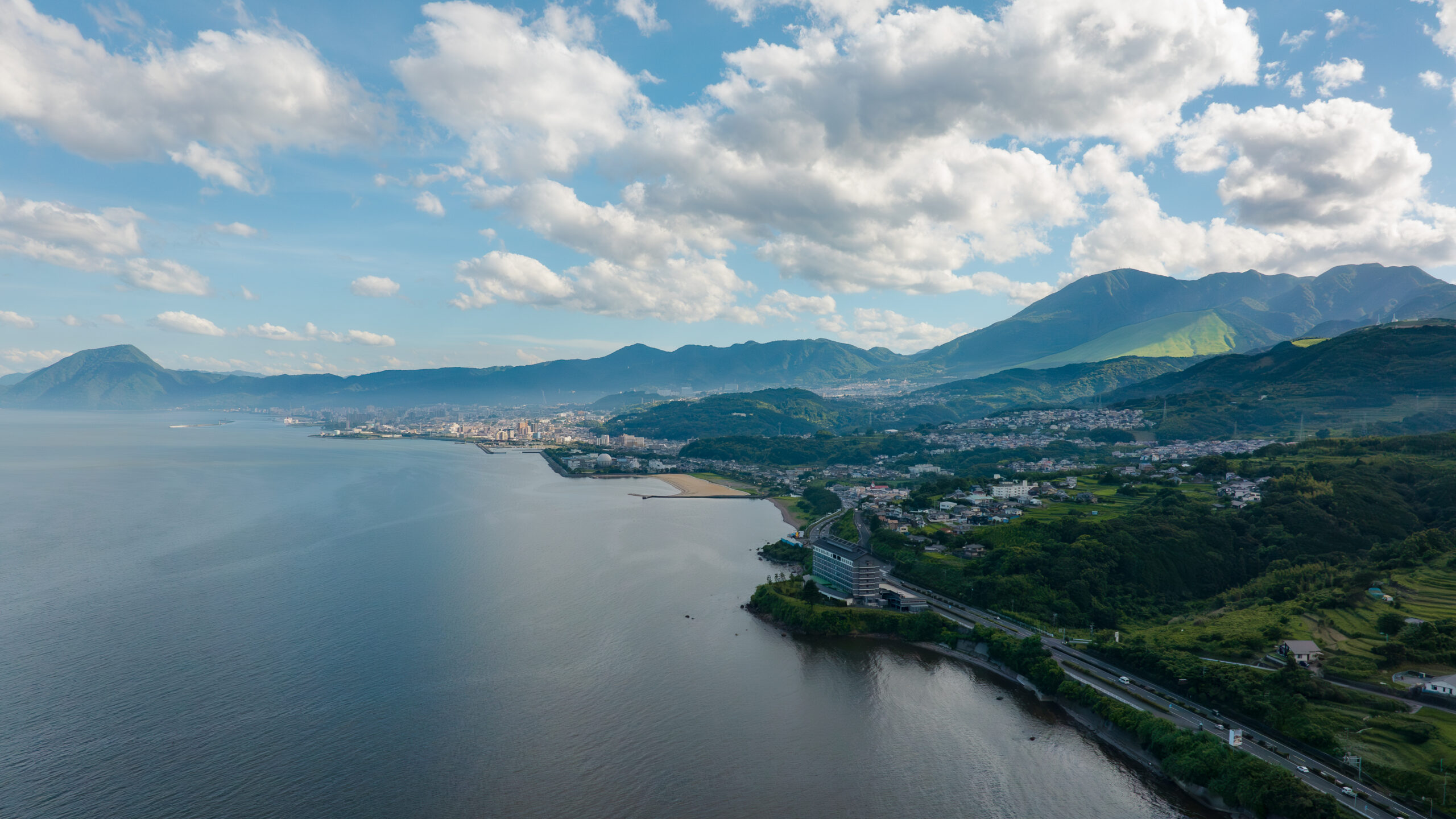
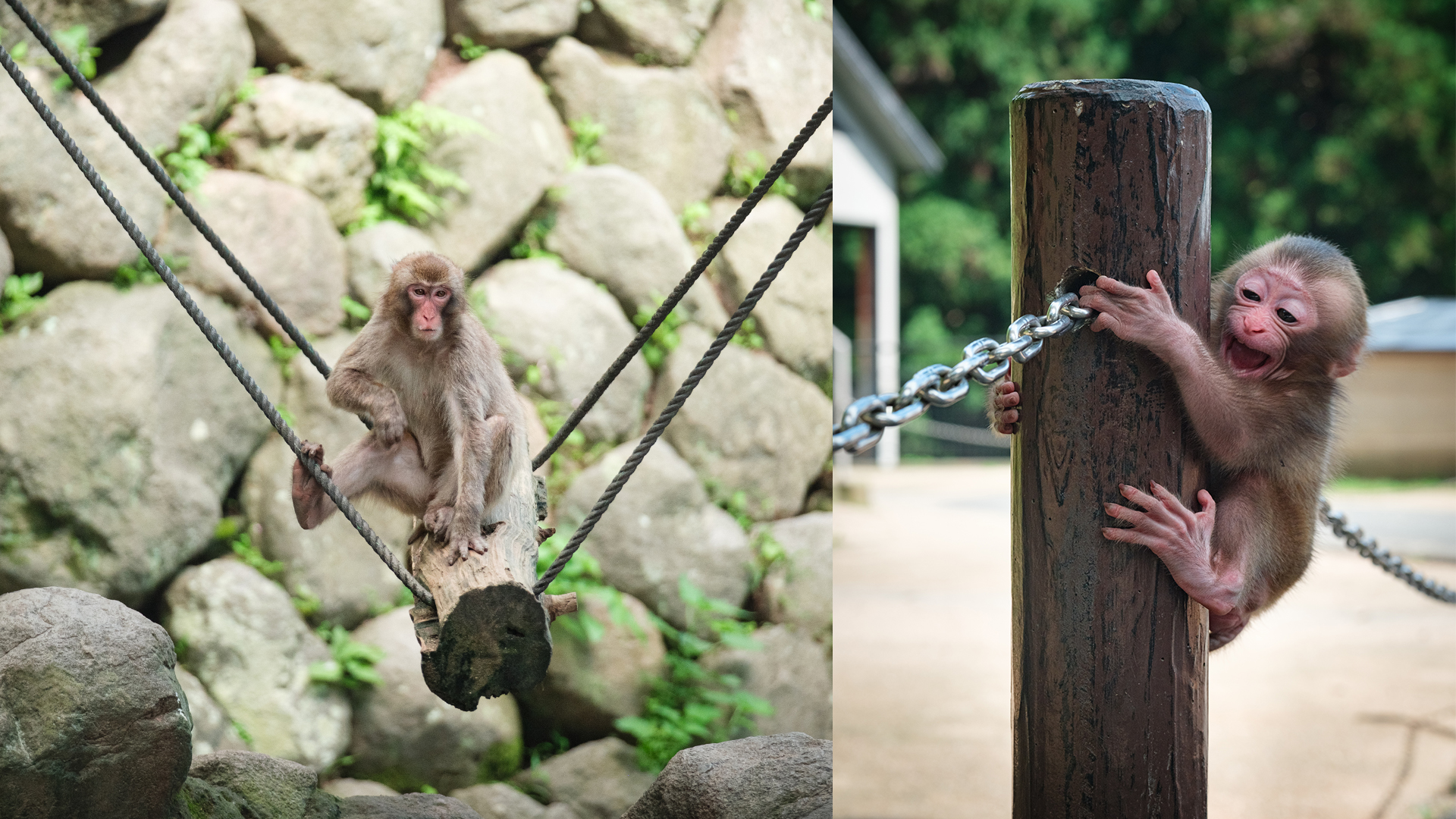
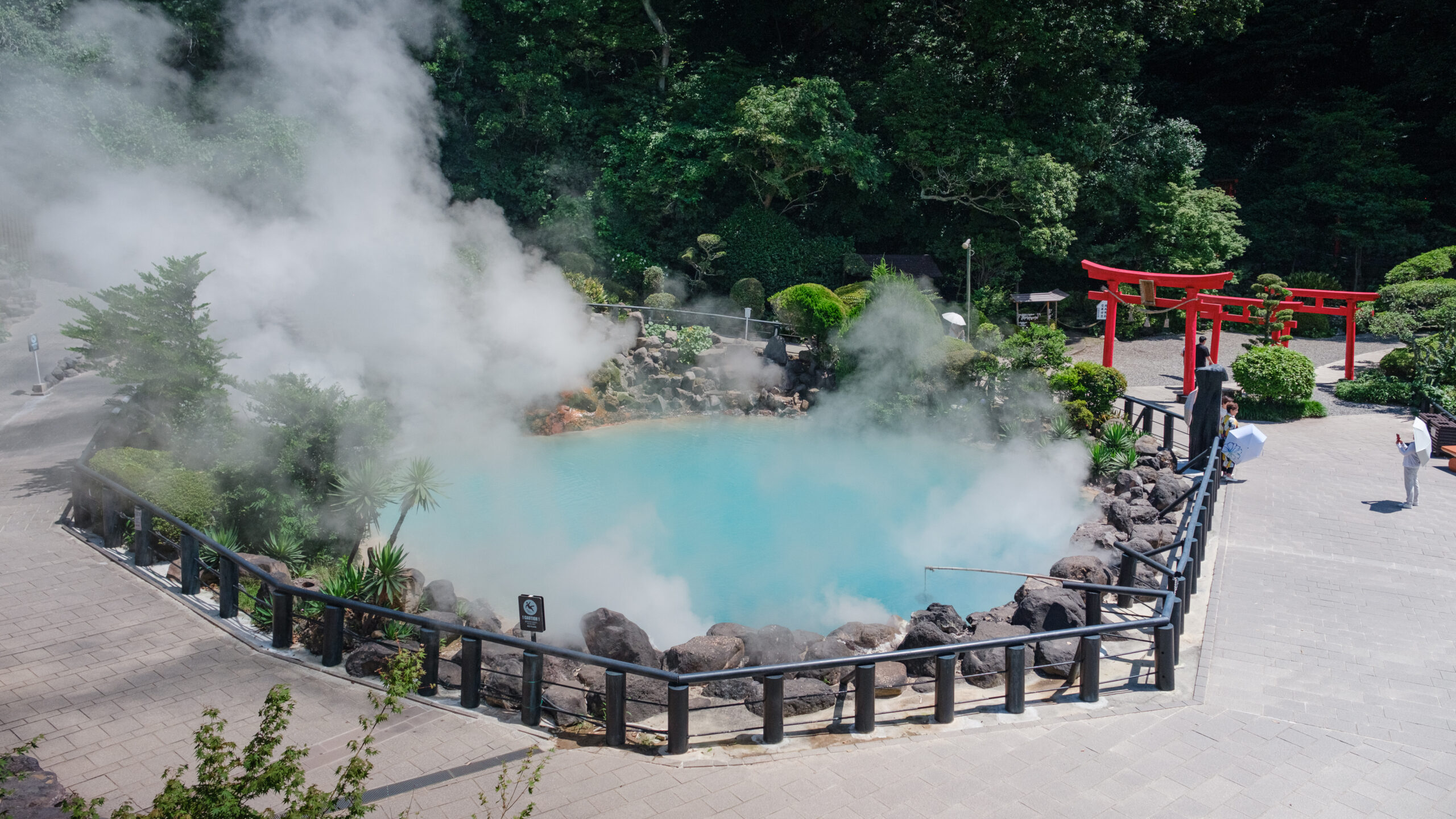
Beppu has a reasonable claim to being the onsen capital of the world, with 2,909 hot spring vents feeding more than 100 public baths — water, mud, sand, steam and waterfall bathing among them. The Seven Hells are the springs you cannot bathe in: brightly coloured, violently hot pools sold on a single combined ticket, several with foot baths or drinkable spring water alongside. Just out of town, Takasakiyama Natural Zoological Garden is home to roughly 1,200 wild macaques that roam the hills and largely ignore visitors until feeding time.
Mount Aso
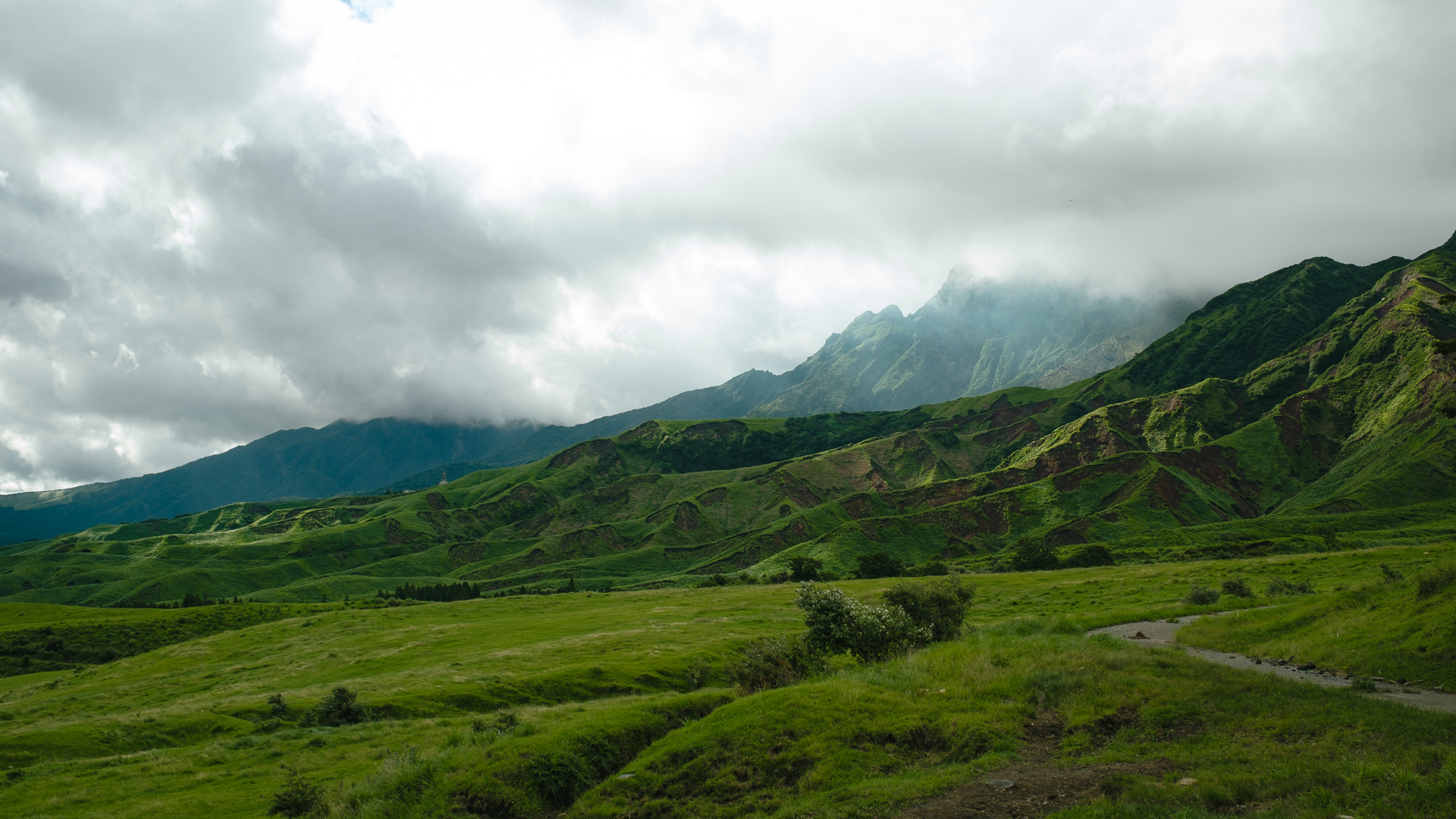
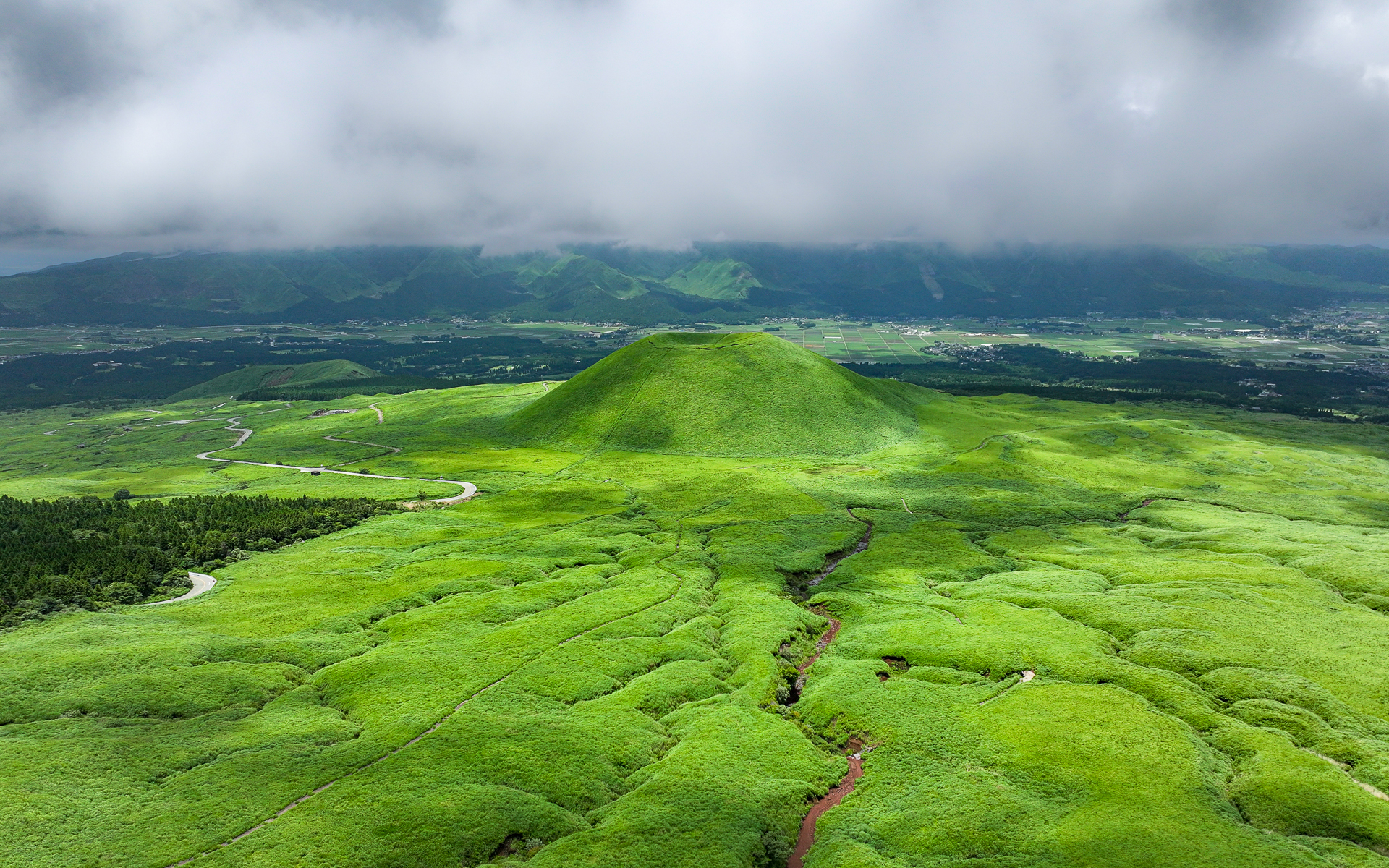
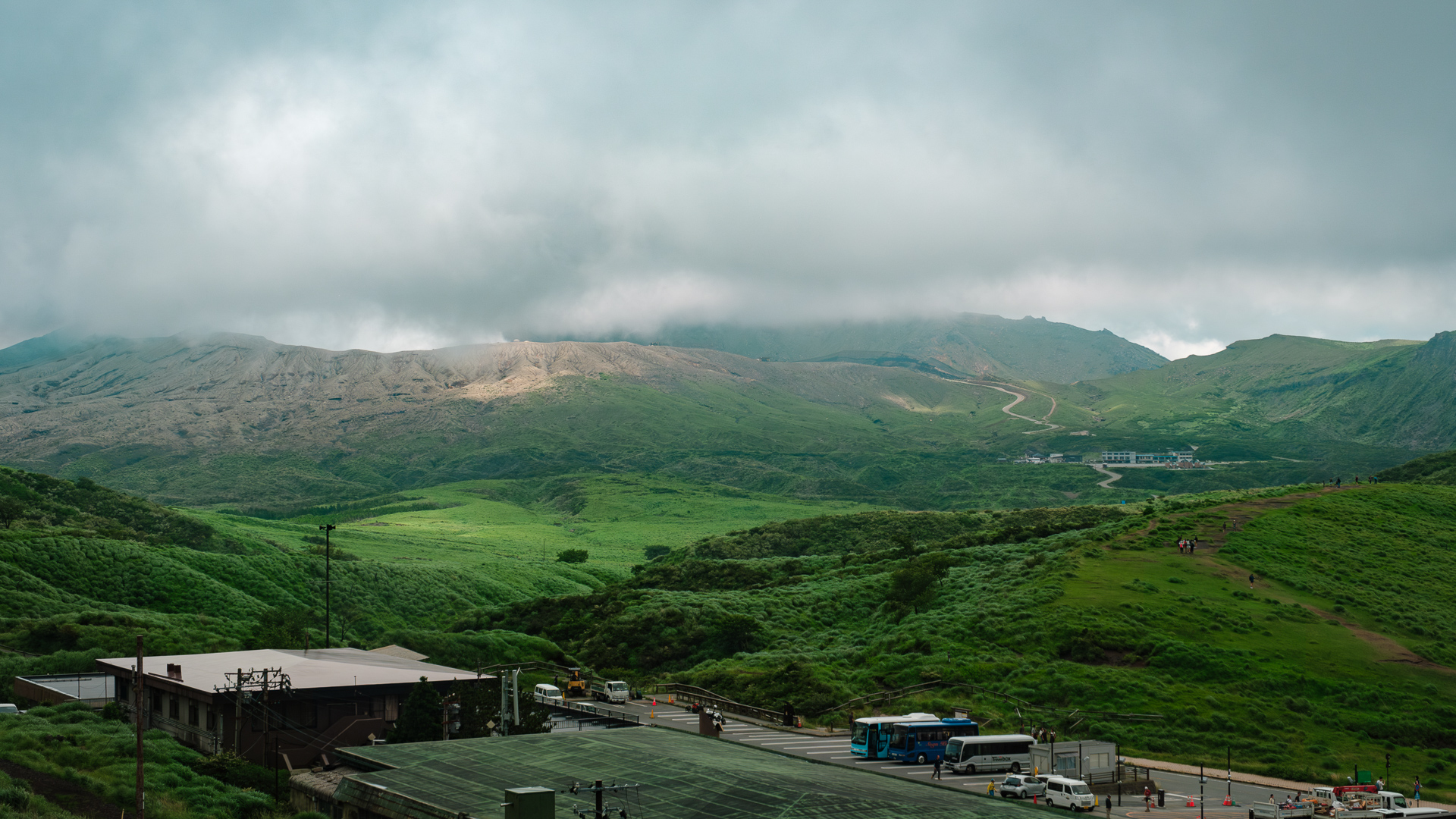
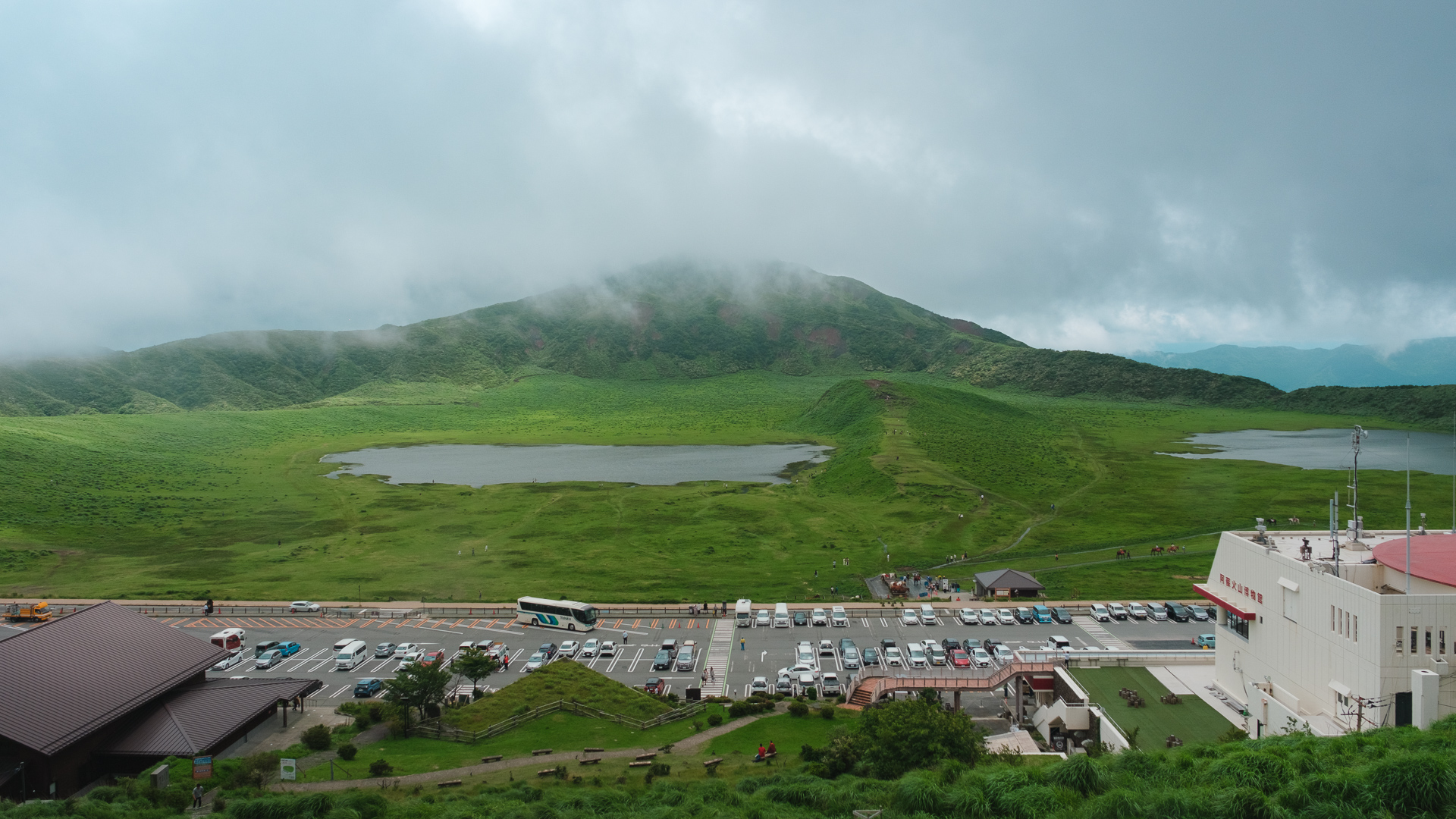
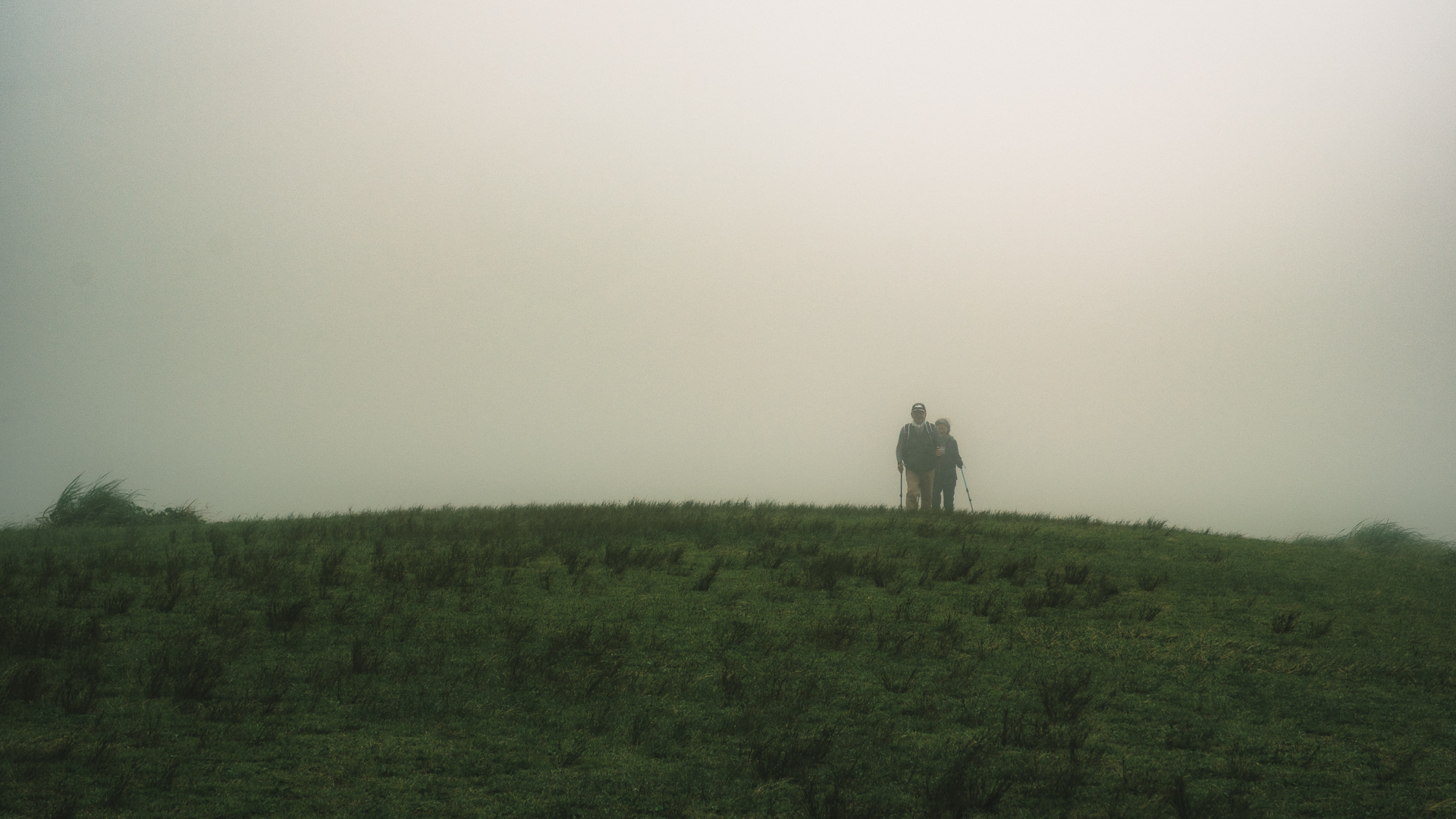
Mount Aso is one of the world's largest volcanoes, sitting inside one of the world's largest calderas. When fumes are light, visitors can approach the crater rim and look down into it. When they are not — or when fog sets in, as it did here — the wait can be long and the payoff brief. The surrounding Kusasenrigahama grasslands and the small volcanic cone of Komezuka are worth the drive on their own.
Kumamoto Castle
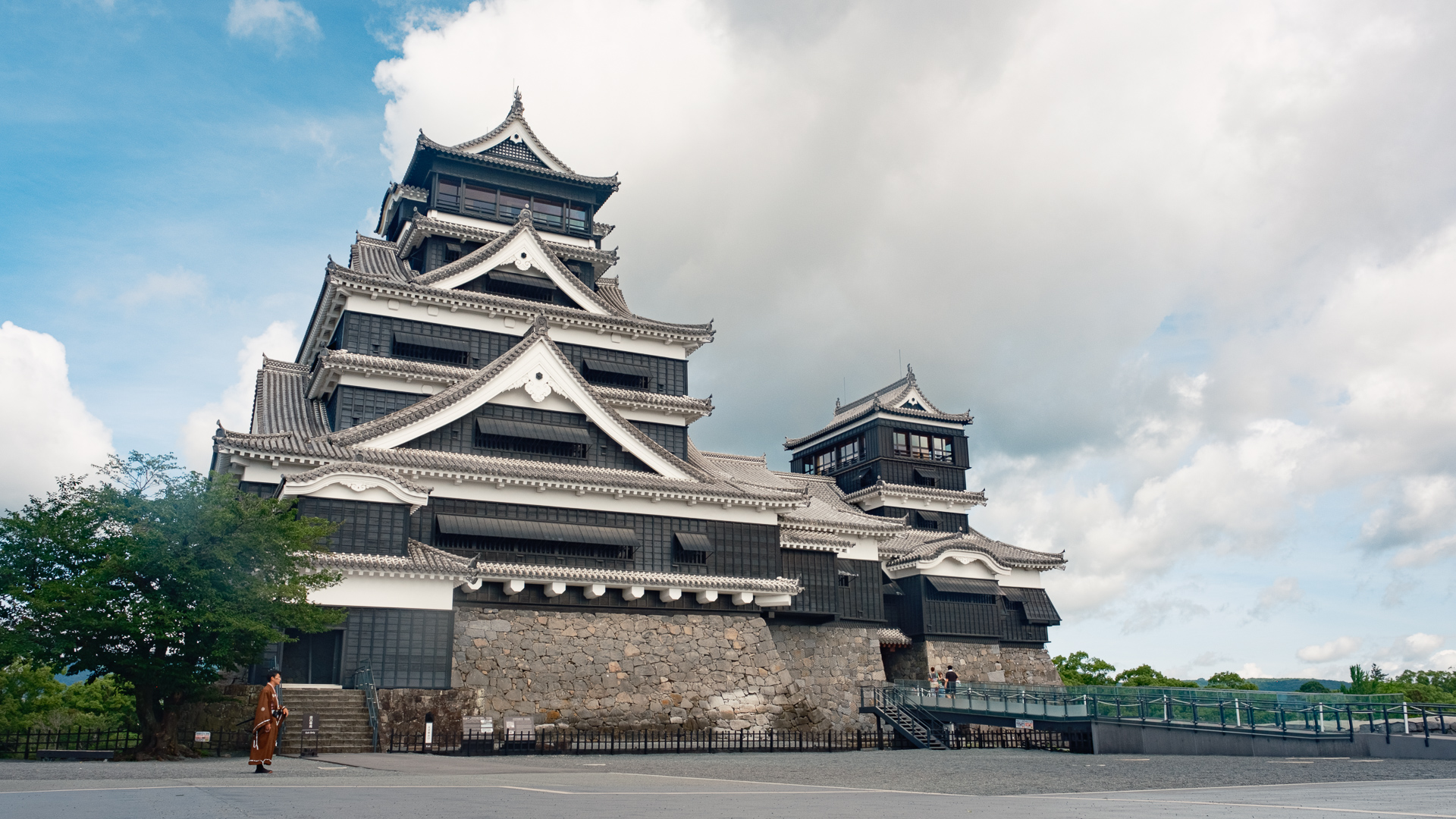
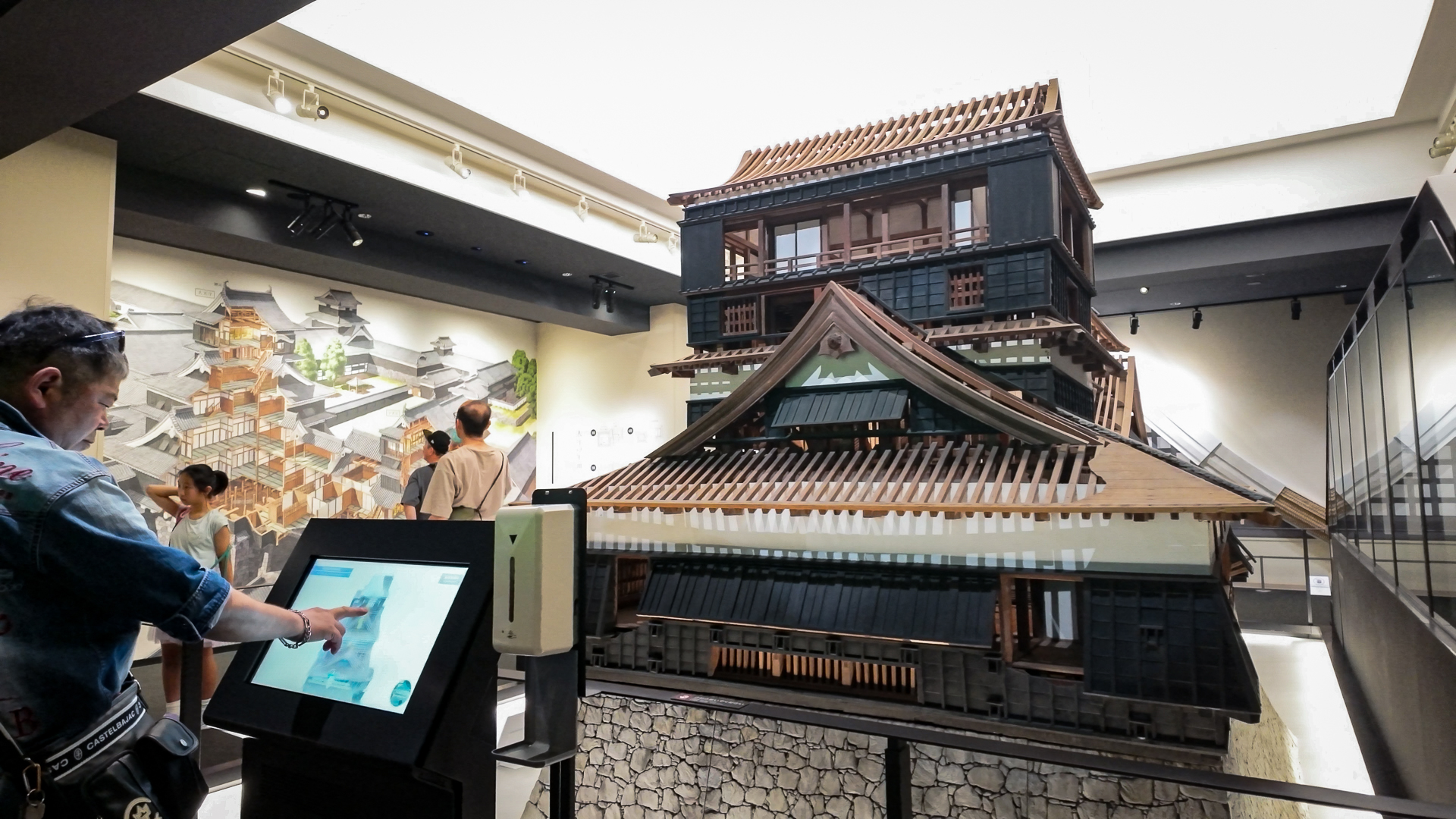
The final stop. Most of the keep is a concrete reconstruction dating from 1960, though original timber structures survive from a history spanning more than five centuries. A museum climbs through the keep with scale models, samurai artefacts and the castle's role in local history, ending with 360-degree views over Kumamoto City.
ANA Business Class home
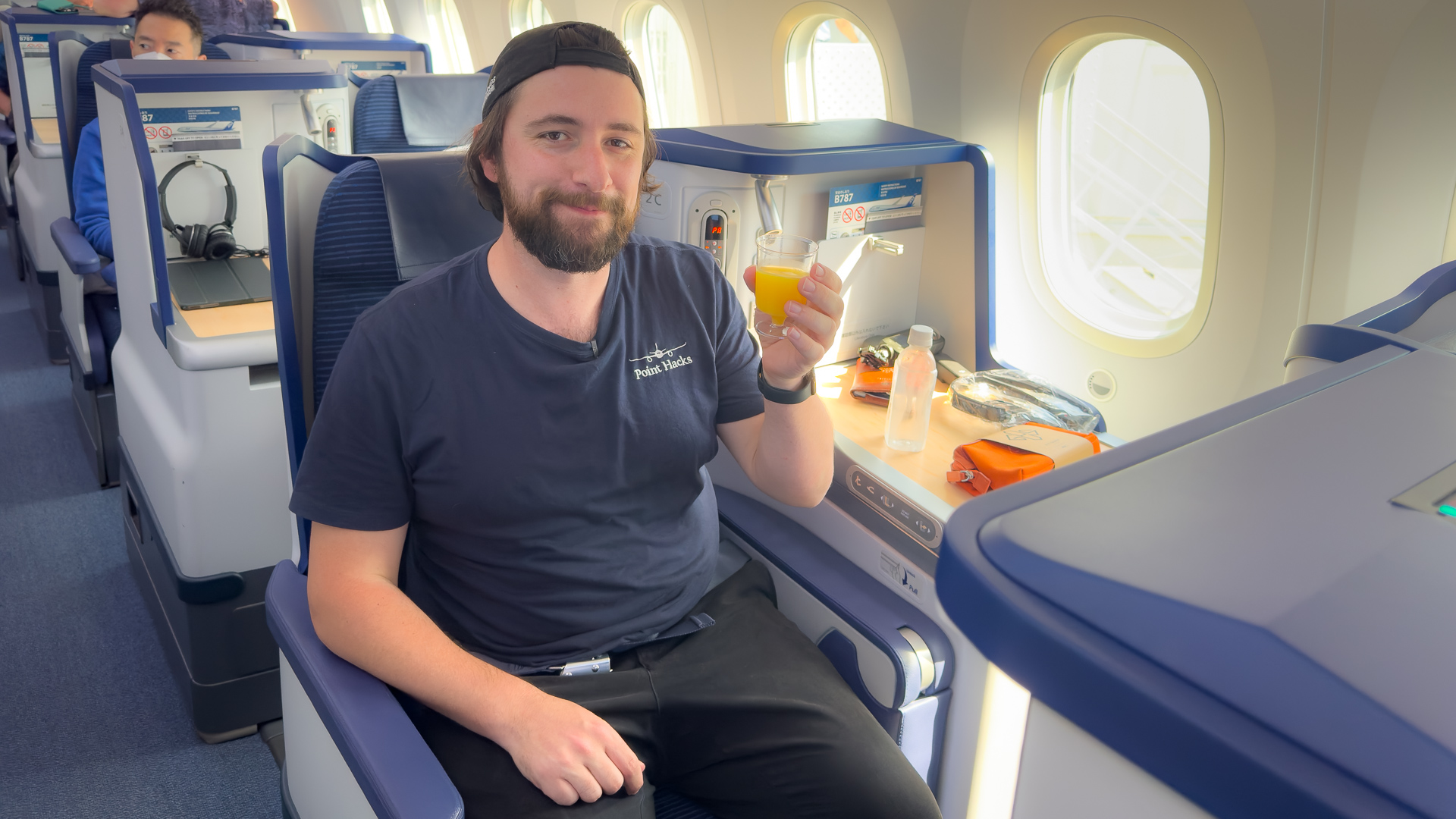
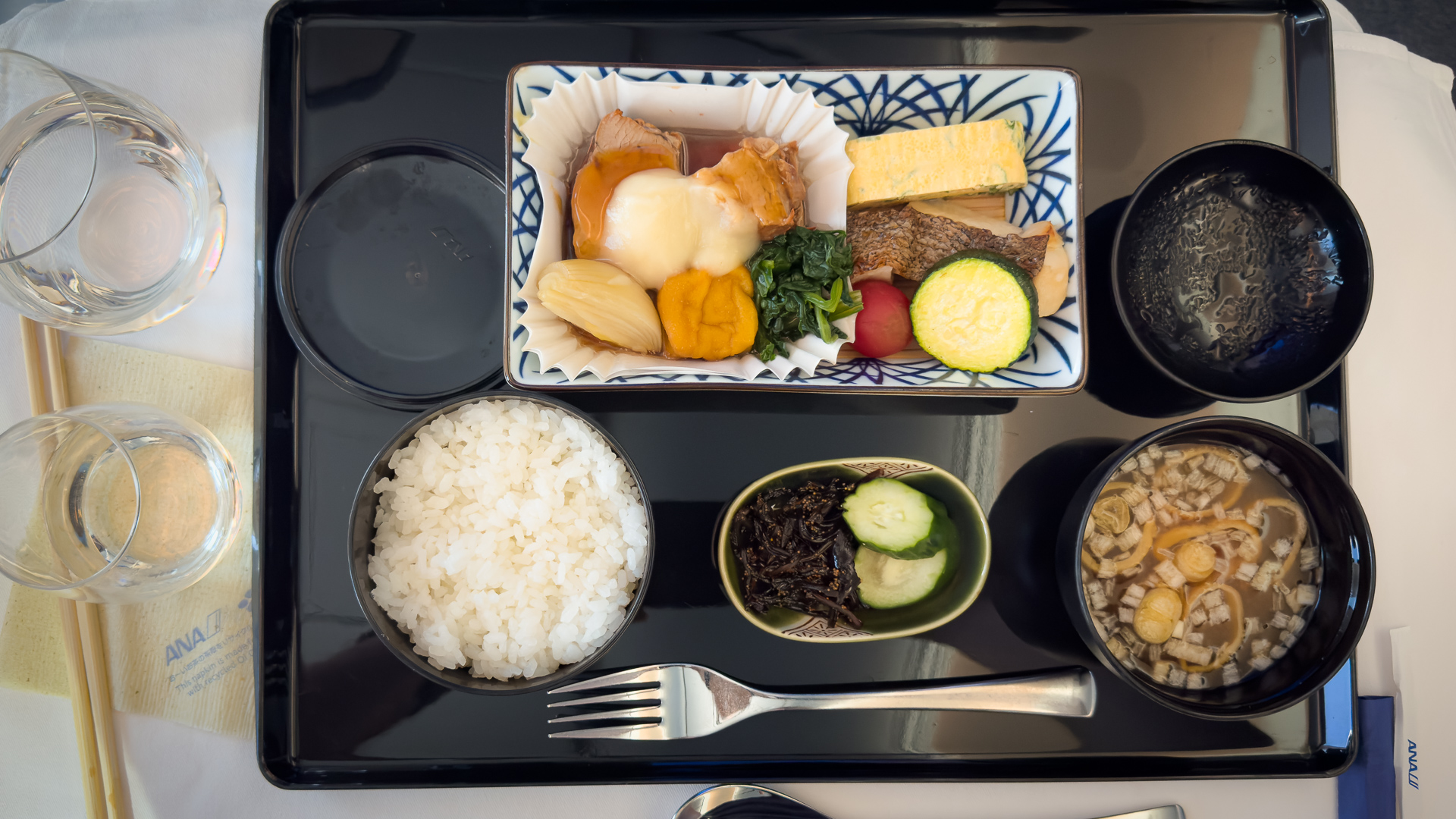
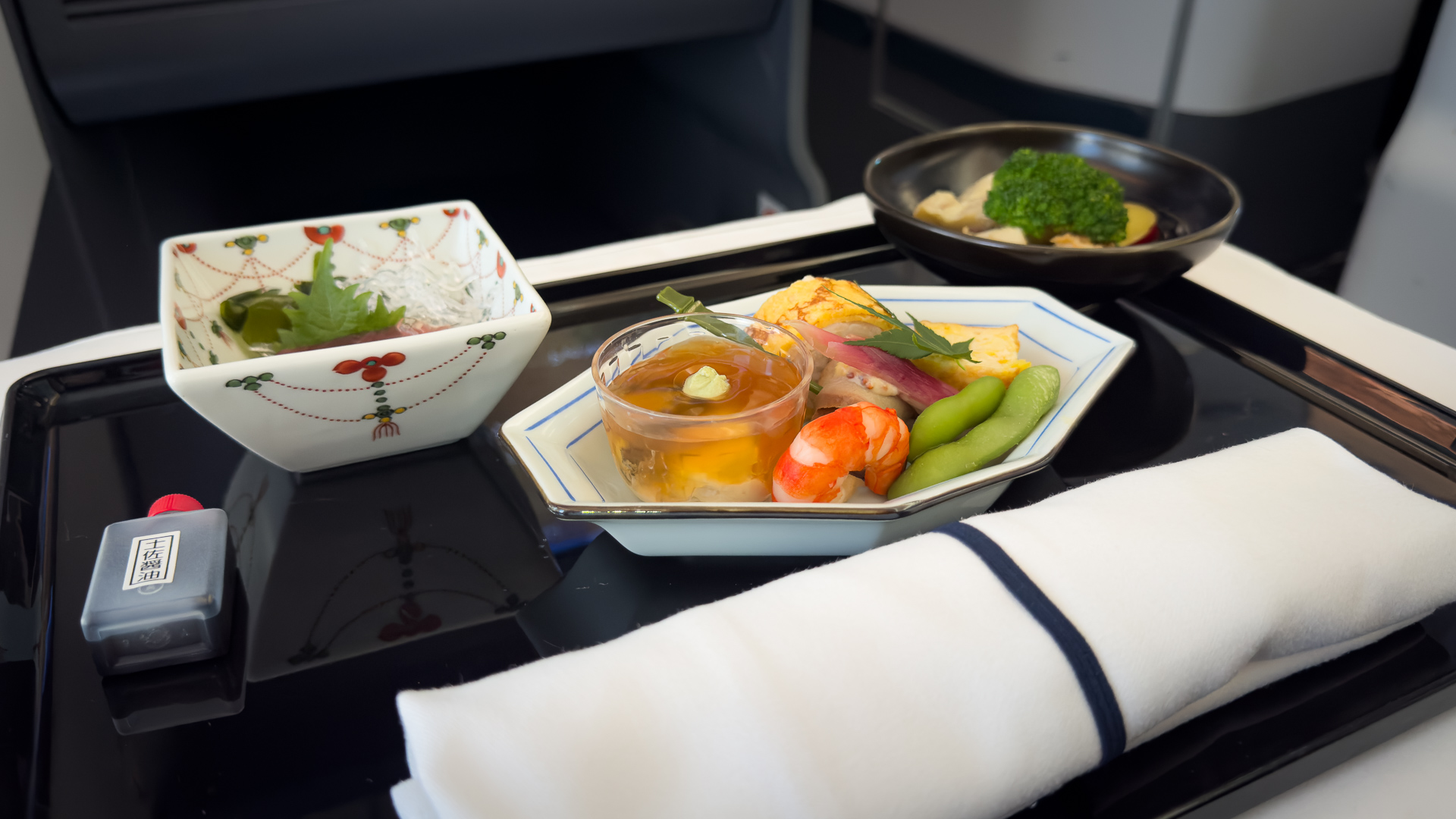
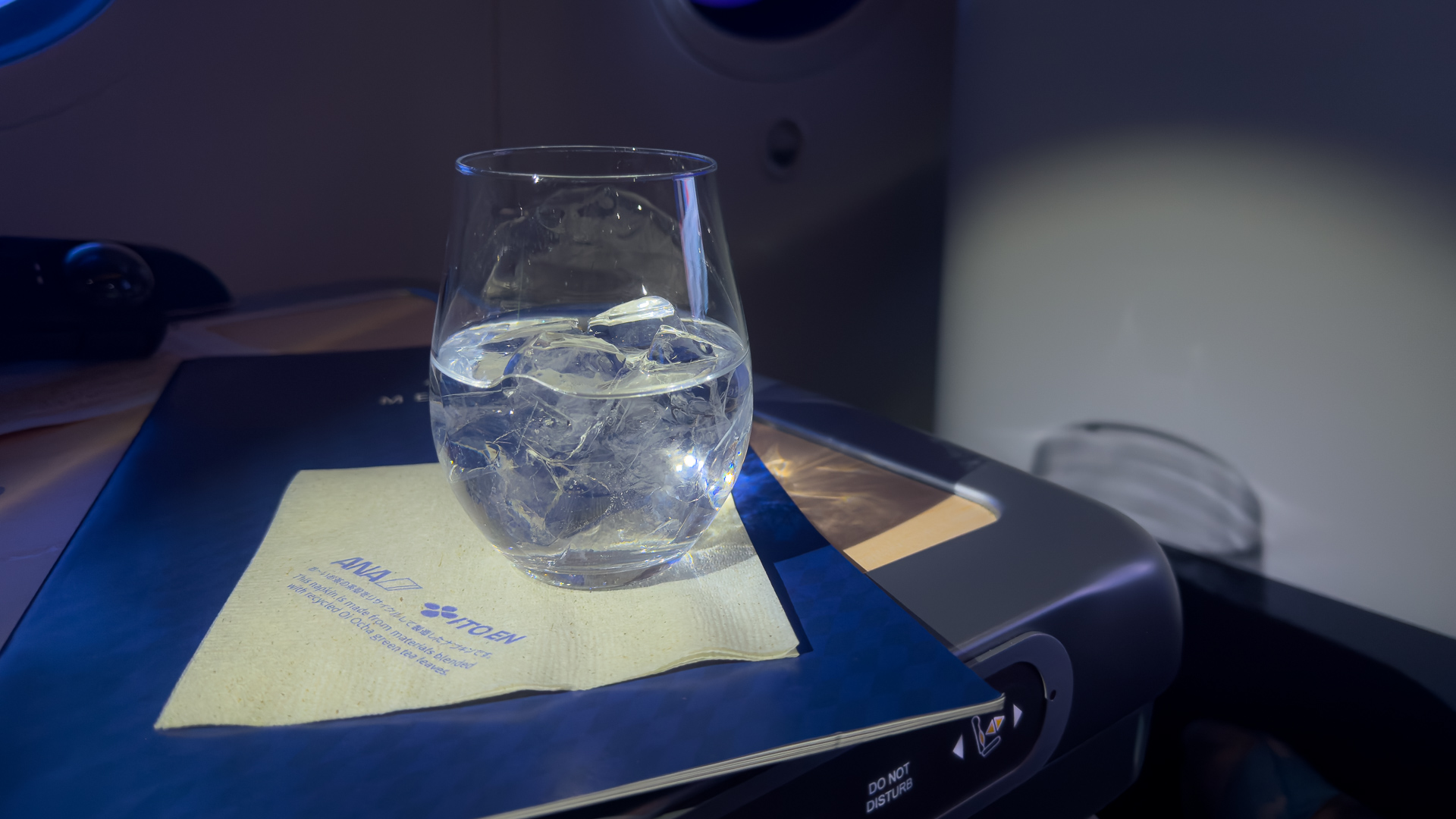
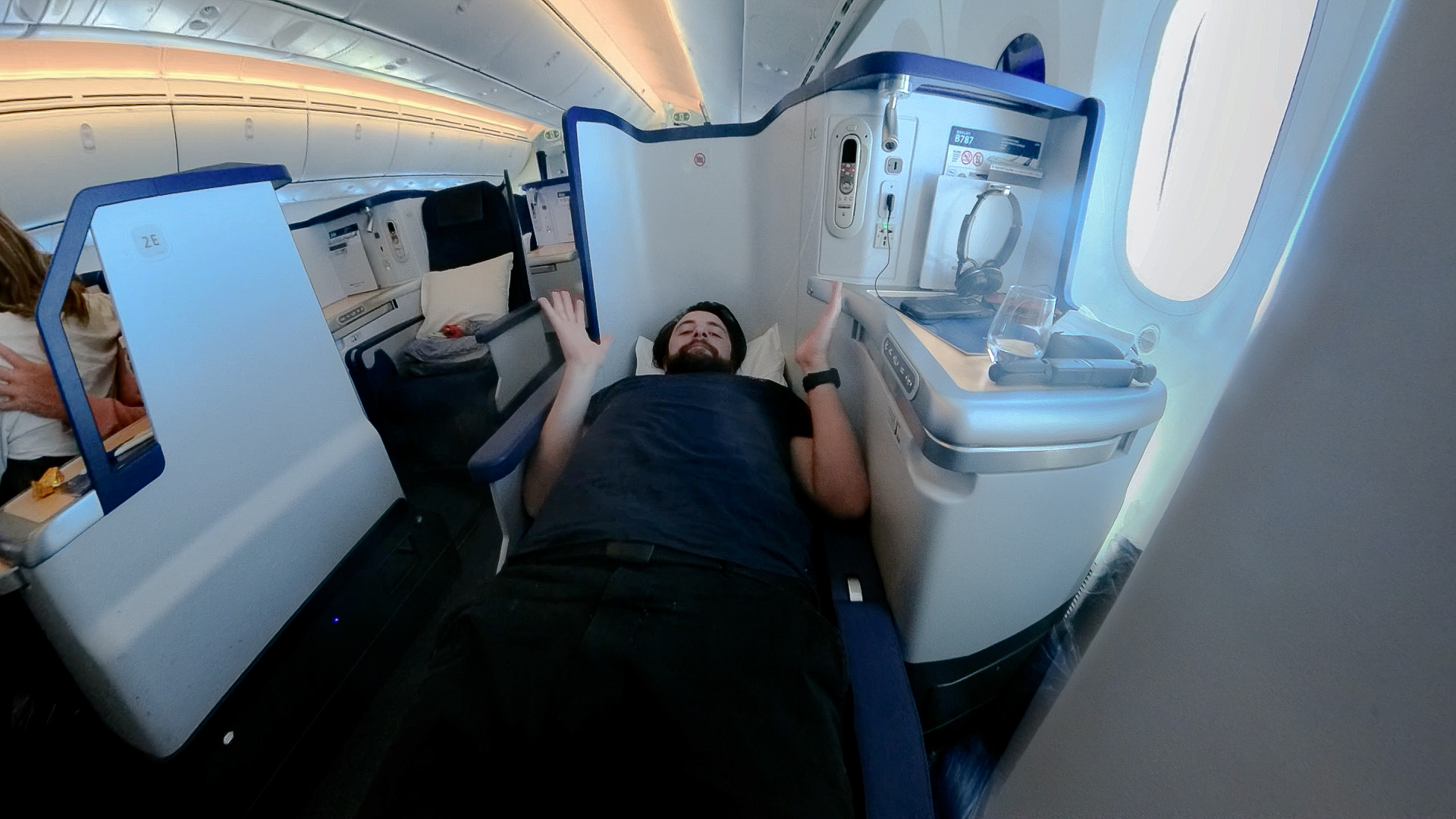
The return runs from Haneda on ANA's Boeing 787. The ANA lounge in Terminal 2 sets the tone with a buffet, made-to-order ramen and a chef cooking breakfast dishes in view. Onboard, the menu again splits between international dishes and a seven-course Washoku service, and the sake and shochu selection is worth exploring before the seat goes flat for the ten-hour run to Sydney.
How to book it
The booking channels are simple. Japan Airlines awards, including flights within Japan, are booked through the Qantas website using Qantas Points. ANA awards are booked through the Virgin Australia website using Velocity Points.
Finding the seats is the hard part, because Japan remains a popular destination. Three things improve the odds.
Know the release windows. Japan Airlines makes its international reward flights available to Qantas Frequent Flyer members 360 days ahead, so the strongest position is to search the moment your dates come into range. ANA behaves differently, often releasing Business Class reward seats to Velocity members around two weeks before departure.
Watch for late releases. Airlines add reward inventory at unpredictable moments, and seats that were not there yesterday can appear today. Alert services exist precisely because of this pattern.
Have the points sitting ready. Premium reward seats on this route do not survive long once loaded. A balance already in the right programme, rather than points in transit from somewhere else, is the difference between booking and watching someone else book.
Frequently asked questions
Where is Kyushu and why go there instead of Tokyo or Kyoto? Kyushu is Japan's subtropical south-western island. Outside Fukuoka it sees comparatively little international tourism, and it concentrates volcanoes, onsen towns, temples and historic cities within easy driving distance.
Can I book Japan Airlines flights with Qantas Points? Yes, through the Qantas website. At the time of travel, JAL reward seats booked this way carried no fees or taxes on domestic flights within Japan.
How do I book ANA with Velocity Points? ANA reward seats are booked through the Virgin Australia website. Availability is released to Velocity members much later than JAL's — often around a fortnight before departure.
How far in advance does Japan Airlines release reward seats? International reward flights become available to Qantas Frequent Flyer members 360 days before departure.
Do I need a car to see Kyushu? No — the rail network covers the island well. A car simply allows stops such as Okawachiyama Village, the Aso grasslands and Huis Ten Bosch to fit into a single itinerary without working around timetables.
Is driving in Japan difficult for Australians? Traffic keeps to the left, speeds are low, and paid parking is plentiful. The roads through rural Kyushu are narrow and winding rather than fast.
This information is general in nature. It does not take your personal circumstances into account.
Images on This Page
-
https://www.pointhacks.com.au/content/themes/pointhacks-sage/public/build/assets/logo-inverse-with-name-vsr5399w.svg
Point Hacks
-
https://i.pointhacks.com/2025/07/02161719/Qatar-Airways-Champagne-Point-Hacks-by-Brandon-Loo-300x169.jpg
Qatar Airways reverses rules on using Avios for others with ‘My List’
-
https://i.pointhacks.com/2026/04/02184820/Virgin-Australia-Search-Update-Feature-Image-2026-300x169.jpg
Virgin Australia updates flight search tool with partner airlines
-
https://i.pointhacks.com/2026/09/04164455/Emirates-Premium-Economy-Sleeping-2026-300x169.jpg
Emirates unveils new Premium Economy seats
-
https://i.pointhacks.com/2026/09/01142058/Condor-Airlines-2-300x169.png
Qantas reveals Condor as newest points partner
-
https://i.pointhacks.com/2026/08/27092608/Qantas-New-Airbus-A321XLR-Busines-Overview-300x169.jpg
Qantas reveals new Airbus A321XLR, Boeing 787 Business Class seats
-
https://i.pointhacks.com/2025/08/26155020/hong-kong-airlines-business-class-aircraft-in-lounge-300x169.jpg
Virgin Australia unlocks online Business Rewards on Hong Kong Airlines
-
https://i.pointhacks.com/2026/03/26191940/Air-New-Zealand-Koru-Lounge-Auckland-2026-Exterior-Render-300x169.jpg
Velocity adds access to Air New Zealand’s Auckland lounge on codeshares
-
https://i.pointhacks.com/2024/11/18204714/Singapore-Airlines-A350-Business-SIN-PER-32-Point-Hacks-Brandon-Loo-300x169.jpg
Singapore Airlines to launch daily services to Western Sydney International Airport
-
https://i.pointhacks.com/2024/11/26171323/brisbane-airport-ceo-1600-1-300x169.jpg
Brisbane Airport CEO looks to Airbus A321XLR and North America for growth
-
https://i.pointhacks.com/2024/11/07170740/brisbane-airport-ceo-1600-300x169.jpg
Brisbane Airport CEO: one daily Qatar Airways flight is not enough
-
https://i.pointhacks.com/2026/02/25233244/Qantas-Status-Changes-2026-300x169.jpg
Qantas sets date for Points Club, Green Tier shutdown & Status Credits on the ground
-
https://i.pointhacks.com/2024/06/07111345/Luxury-Escapes-LuxPlus-300x169.jpg
Luxury Escapes offers status challenge for Qantas frequent flyers
-
https://i.pointhacks.com/2026/04/28175105/Accor-check-in-2026-300x169.jpg
Amex unlocks points transfers to Accor Live Limitless
-
https://i.pointhacks.com/2026/03/20210359/Hilton-Yotel-Logos-Overlay-2026-300x169.jpg
Hilton to launch partnership with Yotel
-
https://i.pointhacks.com/2026/03/11141454/Mercure-Melbourne-La-Trobe-Junior-Suite-300x169.jpg
New Mercure opens on La Trobe Street in Melbourne’s CBD
-
https://i.pointhacks.com/2025/08/05121147/ALL-Explorer-Plus-Logo-2025-Point-Hacks-300x169.jpg
Accor Plus rebadges to ALL Accor+ Explorer with major changes to perks
-
https://i.pointhacks.com/2026/07/02172419/Hawaiian-Airlines-new-International-Business-Lounge-21-Point-Hacks-by-Brandon-Loo-300x169.jpg
Inside Plumeria Loft: Hawaiian Airlines’ new ‘surprise’ Business Class lounge
-
https://i.pointhacks.com/2026/06/23181201/Singapore-Airlines-SilverKris-Melbourne-Foyer-v2-300x169.jpg
Singapore Airlines’ Melbourne SilverKris Lounge takes shape
-
https://i.pointhacks.com/2026/04/13220348/Qantas-Brisbane-International-Lounge-Entrance-300x169.jpg
Qantas Brisbane International Lounge shifts landside, cuts Jetstar access early
-
https://i.pointhacks.com/2026/02/12155316/Qantas-London-Lounge-8-Brandon-Loo-for-Point-Hacks-300x169.jpg
Qantas tightens lounge access for Jetstar, complimentary invitations
-
https://i.pointhacks.com/2026/07/13213342/Bunnings-Powerpass-Pro-Rewards-300x169.jpg
Bunnings launches new loyalty program PowerPass Pro Rewards
-
https://i.pointhacks.com/2026/05/04001858/PSX_20260503_221841-300x169.jpg
Qantas Marketplace cuts 3 points per dollar guaranteed earn rate
-
https://i.pointhacks.com/2024/01/12132155/american-express-centurion-lounge-melbourne-1600-300x169.jpg
American Express trims lounge access on Australian Platinum cards
-
https://i.pointhacks.com/2026/03/31162303/RBA-Changes-Cards-300x169.jpg
RBA interchange reform set to reshape Australia’s credit card rewards landscape
-
https://www.pointhacks.com.au/content/themes/pointhacks-sage/public/build/assets/logo-inverse-C7amNDqo.svg
Point Hacks
-
https://i.pointhacks.com/2024/07/29135419/240729_TOBIAS_JAPAN_EXPERIENCE_1.jpg
JAL Boeing 777 First Class suite SYD-HND
-
https://i.pointhacks.com/2024/07/29145156/240628_240729_TOBIAS_JAPAN_EXPERIENCE_09.jpg
JAL First Class beef steak
-
https://i.pointhacks.com/2024/07/29145154/240628_240729_TOBIAS_JAPAN_EXPERIENCE_10.jpg
JAL First Class palate cleanser
-
https://i.pointhacks.com/2024/07/29145207/240628_240729_TOBIAS_JAPAN_EXPERIENCE_07.jpg
JAL First Class onboard dining
-
https://i.pointhacks.com/2024/07/29145159/240628_240729_TOBIAS_JAPAN_EXPERIENCE_08.jpg
JAL First Class Champagne
-
https://i.pointhacks.com/2024/07/29145213/240628_240729_TOBIAS_JAPAN_EXPERIENCE_04.jpg
Qantas First Lounge in Sydney International Airport
-
https://i.pointhacks.com/2024/07/29145151/240628_240729_TOBIAS_JAPAN_EXPERIENCE_05.jpg
View from Qantas First Lounge at Sydney International Airport
-
https://i.pointhacks.com/2024/07/29145210/240628_240729_TOBIAS_JAPAN_EXPERIENCE_02.jpg
Interior of Qantas First Lounge, Sydney
-
https://i.pointhacks.com/2024/07/29145205/240628_240729_TOBIAS_JAPAN_EXPERIENCE_03.jpg
Sunrise over Sydney from the Qantas First Lounge
-
https://i.pointhacks.com/2024/07/29145202/240628_240729_TOBIAS_JAPAN_EXPERIENCE_06.jpg
JAL Boeing 777 in Sydney Airport
-
https://i.pointhacks.com/2024/07/29150027/240701_240729_TOBIAS_JAPAN_EXPERIENCE_11.jpg
Megani-Bashi bridge, Nagasaki
-
https://i.pointhacks.com/2024/08/08115307/240708_TOBIAS_JAPAN_EXPERIENCE_38.jpg
Nagasaki streets
-
https://i.pointhacks.com/2024/08/08120313/240808_TOBIAS_JAPAN_EXPERIENCE_40.jpg
Peace Statue at Nagasaki's Peace Park, Japan
-
https://i.pointhacks.com/2024/08/08120317/240808_TOBIAS_JAPAN_EXPERIENCE_41.jpg
Atomic Bomb sculpture, Nagasaki, Japan
-
https://i.pointhacks.com/2024/07/29152627/240702_240729_TOBIAS_JAPAN_EXPERIENCE_15.jpg
Huis Ten Bosch, Japan
-
https://i.pointhacks.com/2024/07/29152631/240702_240729_TOBIAS_JAPAN_EXPERIENCE_14.jpg
Huis Ten Bosch fields in Japan
-
https://i.pointhacks.com/2024/07/29150019/240702_240729_TOBIAS_JAPAN_EXPERIENCE_12.jpg
Okawachiyama Village, Japan
-
https://i.pointhacks.com/2024/07/29150023/240702_240729_TOBIAS_JAPAN_EXPERIENCE_13.jpg
Okawachiyama Village streets, Japan
-
https://i.pointhacks.com/2024/07/29153143/240702_240729_TOBIAS_JAPAN_EXPERIENCE_16.jpg
Aburayama Katae Observation Deck, Japan
-
https://i.pointhacks.com/2024/07/29165140/240702_TOBIAS_JAPAN_EXPERIENCE__25-scaled.jpg
Canal City Hakata, Fukuoka, Japan
-
https://i.pointhacks.com/2024/08/08153323/240702_TOBIAS_JAPAN_EXPERIENCE_44.jpg
Ramen Stadium Fukuoka, Japan
-
https://i.pointhacks.com/2024/07/29153146/240702_240729_TOBIAS_JAPAN_EXPERIENCE_17.jpg
Tonkotsu ramen in Fukuoka, Japan
-
https://i.pointhacks.com/2024/07/29153150/240702_240729_TOBIAS_JAPAN_EXPERIENCE_18.jpg
Eating tonkotsu ramen in Fukuoka
-
https://i.pointhacks.com/2024/07/29160206/240703_240729_TOBIAS_JAPAN_EXPERIENCE_21.jpg
Dazaifu Tenmangu, Japan
-
https://i.pointhacks.com/2024/07/29160209/240703_240729_TOBIAS_JAPAN_EXPERIENCE_20.jpg
Dazaifu Tenmangu entrance torii, Japan
-
https://i.pointhacks.com/2024/07/29160213/240703_240729_TOBIAS_JAPAN_EXPERIENCE_19.jpg
Reclining Buddha at Nanzoin temple, Japan
-
https://i.pointhacks.com/2024/07/29165015/240703_TOBIAS_JAPAN_EXPERIENCE__24-scaled.jpg
View of Beppu, Japan
-
https://i.pointhacks.com/2024/07/29164745/240703_240729_TOBIAS_JAPAN_EXPERIENCE_22.jpg
Monkeys at Takasakiyama Natural Zoological Garden
-
https://i.pointhacks.com/2024/07/29164903/240704_TOBIAS_JAPAN_EXPERIENCE__23-scaled.jpg
Umi Jigoju, Beppu, Japan
-
https://i.pointhacks.com/2024/07/29165635/240704_TOBIAS_JAPAN_EXPERIENCE__26-scaled.jpg
Aso Caldera, Japan
-
https://i.pointhacks.com/2024/07/29203536/240705__TOBIAS_JAPAN_EXPERIENCE_.jpg_26.jpg
Mount Aso, Japan
-
https://i.pointhacks.com/2024/08/08172257/240703_TOBIAS_JAPAN_EXPERIENCE_47.jpg
Komezuka Volcanic Hill, Japan
-
https://i.pointhacks.com/2024/07/29204253/240705__TOBIAS_JAPAN_EXPERIENCE_.jpg_31.jpg
View of Mount Aso crater, Japan
-
https://i.pointhacks.com/2024/07/29204250/240705__TOBIAS_JAPAN_EXPERIENCE_.jpg_30.jpg
View of Kusasenrigahama grasslands
-
https://i.pointhacks.com/2024/07/29203542/240705__TOBIAS_JAPAN_EXPERIENCE_.jpg_27.jpg
Horse meat, Japan
-
https://i.pointhacks.com/2024/08/08154011/240705_TOBIAS_JAPAN_EXPERIENCE_45.jpg
Dawn over Kusasenrigahama grasslands, Japan
-
https://i.pointhacks.com/2024/07/29210030/240705_TOBIAS_JAPAN_EXPERIENCE_32.jpg
Katsuretsu Tei Shinshigai in Kumamoto, Japan
-
https://i.pointhacks.com/2024/07/29211637/240706_TOBIAS_JAPAN_EXPERIENCE_33.jpg
Kumamoto Castle, Japan
-
https://i.pointhacks.com/2024/08/08121817/240808_TOBIAS_JAPAN_EXPERIENCE_43.jpg
Mini Kumamoto Castle
-
https://i.pointhacks.com/2024/07/29213934/240708_TOBIAS_JAPAN_EXPERIENCE_34.jpg
ANA Business Class from Tokyo to Sydney
-
https://i.pointhacks.com/2024/07/29213925/240708_TOBIAS_JAPAN_EXPERIENCE_36.jpg
Japanese Washoku on ANA Business Class
-
https://i.pointhacks.com/2024/07/29213929/240708_TOBIAS_JAPAN_EXPERIENCE_35.jpg
Dining on ANA Business Class
-
https://i.pointhacks.com/2024/07/29213938/240708_TOBIAS_JAPAN_EXPERIENCE_37.jpg
Sake onboard ANA Business Class
-
https://i.pointhacks.com/2024/08/08120203/240805_TOBIAS_JAPAN_EXPERIENCE_39.jpg
Flatbed on ANA Business Class from Tokyo to Sydney
-
https://secure.gravatar.com/avatar/3010601cfa086feee0dff42593117a46243cbb7a54aa824938e6ef7130835c99?s=96&d=mm&r=pg
Tobias Venus
-
https://www.pointhacks.com.au/content/themes/pointhacks-sage/public/build/assets/logo-Cd_Hi3S6.svg
Point Hacks Logo