American Express Membership Rewards changes of April 2019
On 15 April 2019, American Express reshaped its Australian Membership Rewards programme. Three separate points currencies were merged into one, and the rate at which those points converted into airline and hotel currencies was cut for almost every partner. For members holding a large balance, it was the sort of change that halved the usefulness of that balance overnight unless they acted before the date.
This page sets out what changed, why it happened, and the decision framework that applied at the time — much of which still applies whenever a flexible points programme announces a devaluation.
What actually changed
Two things happened at once.
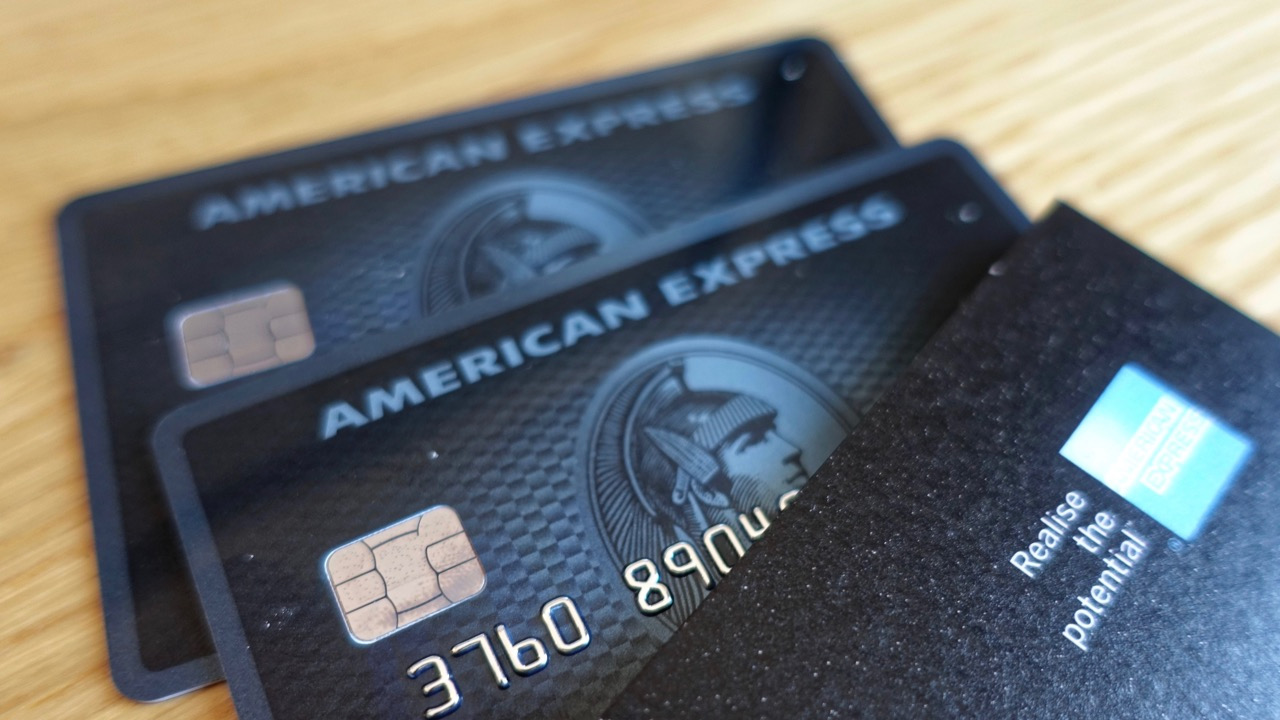
First, the different varieties of Membership Rewards points — Ascent, Ascent Premium and Gateway — were consolidated into a single unified currency. Before this, the variety of points you earned depended on which card you held, and each variety converted to partners at a different rate.
Second, the transfer rates to most partners were reduced. The consolidation and the reduction were part of the same exercise: every card member ended up on the same conversion rate, and for most of them that rate was worse than what they had.
Transfer rates for Ascent and Ascent Premium points
| Partner | Rate before 15 April 2019 | Rate after | Change |
|---|---|---|---|
| Most airline programmes | 1:1 | 2:1 | −50% |
| Emirates Skywards | 1:1 (Ascent Premium), 4:3 (Ascent) | 2:1 | −50% / −34% |
| Hilton Honors | 1:1 | 2:1 | −50% |
| Air New Zealand Airpoints | 100:1 | 200:1 | −50% |
| Marriott Rewards–SPG | 3:2 | 3:2 | No change |
Transfer rates for Gateway points
| Partner | Rate before 15 April 2019 | Rate after | Change |
|---|---|---|---|
| Most airline programmes | 4:3 | 2:1 | −34% |
| Hilton Honors | 1:1 | 2:1 | −50% |
| Air New Zealand Airpoints | 400:3 | 200:1 | −34% |
| Marriott Rewards–SPG | 3:2 | 3:2 | No change |
The pattern is clear enough. Ascent collectors — typically holders of the Platinum Charge and Platinum Edge cards — took the heavier hit, losing half the transfer value of their balance. Gateway collectors, such as Explorer and Essential card members, lost about a third. Marriott was the single exception, having already had its transfer rate reduced the previous August.
Fixed-value redemptions through American Express Travel moved in the same direction. Points had been worth one cent each for Ascent and three-quarters of a cent for Gateway when used that way; after the change, half a cent.
Some Platinum Charge and Centurion card members received an individual offer to double their points balance at the changeover, which preserved the value of their points. These offers were not uniform, and members who did not receive one could not obtain one by asking.
Why it happened
The trigger was regulatory rather than commercial whim. The Reserve Bank of Australia's interchange reforms capped the fees card providers could charge merchants, which shrank the pool of revenue funding rewards programmes across the market. Several issuers had already devalued in response; Westpac's Altitude Rewards changes in late 2018 were part of the same wave.
American Express was not caught directly by those caps in the way the four-party schemes were, but the surrounding market moved anyway. Amex cut its own merchant fees to improve acceptance among Australian retailers — a longstanding weakness for the card — and a lower merchant fee leaves less margin to buy points with. Where a rewards programme is funded by merchant fees, sustained pressure on those fees eventually reaches the points.
What members were advised to do
The advice at the time was blunt: move your points out to at least one partner programme before the deadline, because doing nothing meant losing a third or a half of their transfer value for no benefit.
That leaves the harder question of where to send them. The framework that applied then still works today.
- Decide where you want to fly. Pick three programmes that could plausibly get you there.
- Check what those programmes actually cost. Award availability on the route, the points price, and the taxes and carrier surcharges attached.
- Look at what you already hold. Points scattered across six programmes are rarely enough for anything in any of them.
- Transfer accordingly, keeping in mind that airline transfers are one-way and irreversible.
How the partners compared
| Programme | Strengths at the time | Watch-outs |
|---|---|---|
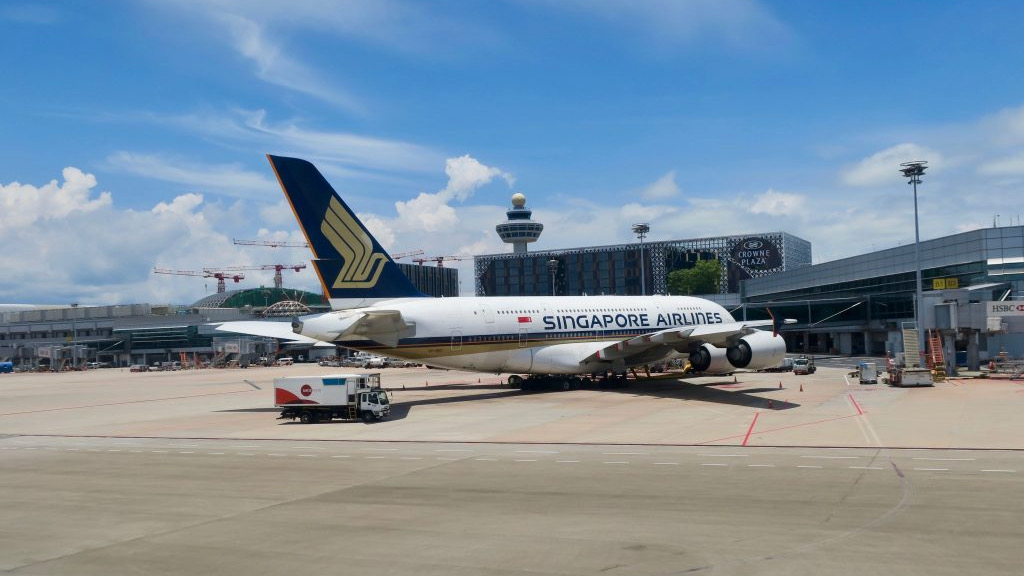
| Singapore Airlines KrisFlyer | No fuel surcharges on Singapore Airlines flights; free or cheap stopovers; Star Alliance access; round-the-world awards | Hard expiry at 36 months; award chart devalued in January 2019, with partner charts following in April |
| Cathay Pacific Asia Miles | oneworld access including Qantas and Japan Airlines; straightforward online booking; lower pricing than Qantas | Hard expiry at 36 months; relatively high taxes and fuel surcharges |
| Velocity Frequent Flyer | Easy domestic redemptions; soft expiry at 24 months; family pooling of points and status credits; lower taxes than Qantas | Fewer partners than the larger programmes; carrier charges apply on several airlines |
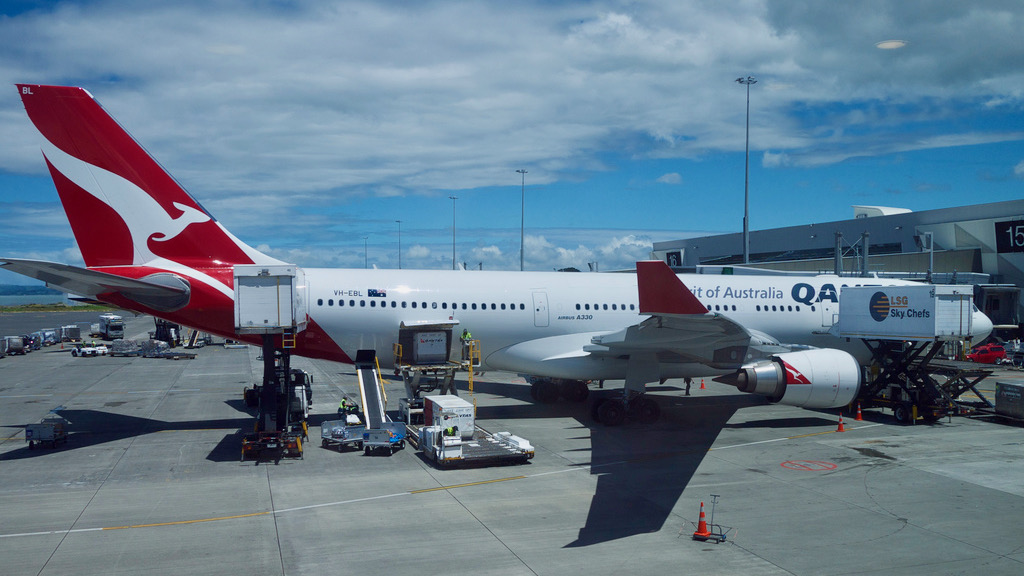
| Qantas Frequent Flyer | Familiar and easy for domestic Qantas flights; access to Emirates premium cabins; soft expiry at 18 months | High redemption pricing, taxes and surcharges; premium international award space is hard to find |
| Etihad Guest | Access to Etihad First and Business; useful Virgin Australia redemptions | Partner awards required a phone call; limited partners; hard expiry at 24 months |
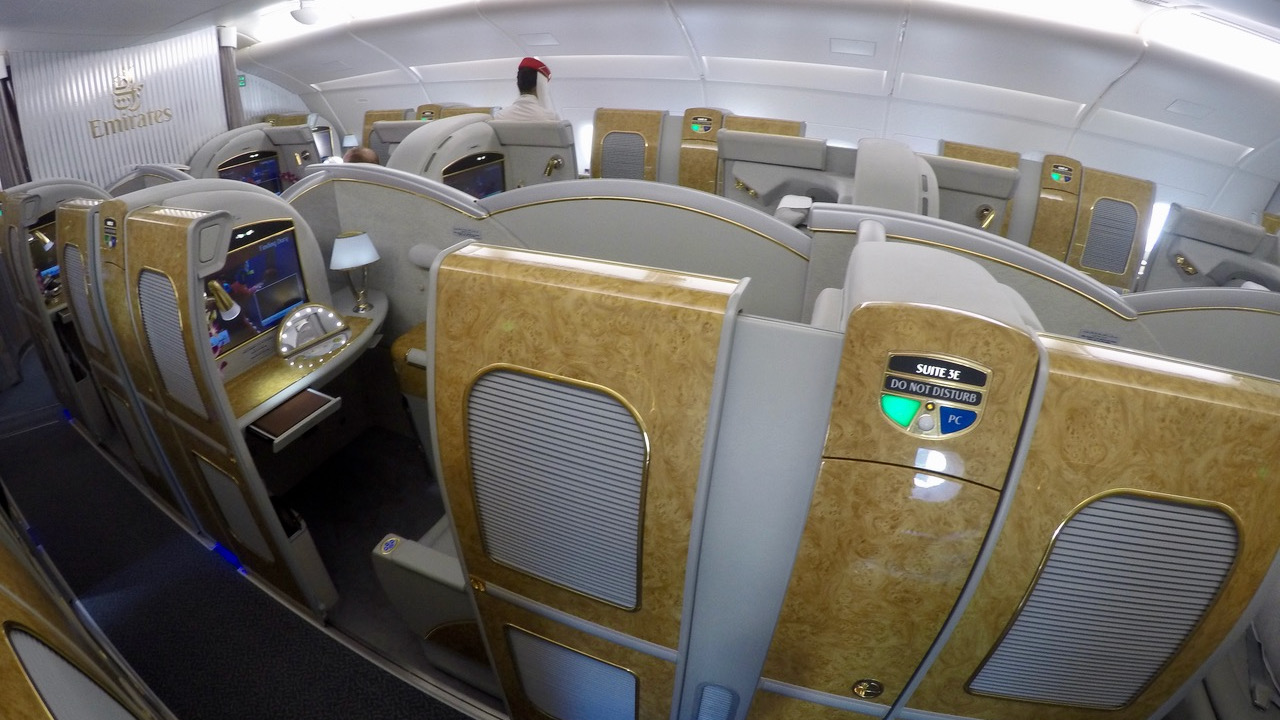
| Emirates Skywards | Better Emirates award access than Qantas members typically see; good search tool | Limited partners |
| Virgin Atlantic Flying Club | Strong partner sweet spots, including ANA First Class and Delta redemptions | High surcharges on Virgin Atlantic's own flights; many partner awards required calling |
| Marriott Bonvoy | Highly flexible points, transferable to many airline programmes | Ongoing problems following the Starwood merger |
"Hard expiry" means points disappear after a fixed period — three years, say — regardless of any other activity in the account. "Soft expiry" resets the clock whenever you earn or redeem, which is materially more forgiving.
Among Point Hacks readers at the time, the three most common destinations for transferred points were KrisFlyer, Asia Miles a close second, and Velocity third. For members who genuinely did not know what they wanted to do with the points over the following few years, Velocity was the pragmatic choice, largely because of the soft expiry.
Matching the programme to the trip
- Within Australia: Velocity or Etihad Guest for Virgin Australia; Emirates or Qantas for Qantas flights
- Europe: Asia Miles, with KrisFlyer as the pricier alternative
- Mainland United States: Asia Miles for Qantas and American Airlines; KrisFlyer for United
- Hawaii: Velocity, for Hawaiian Airlines
- Canada: KrisFlyer, for Air Canada
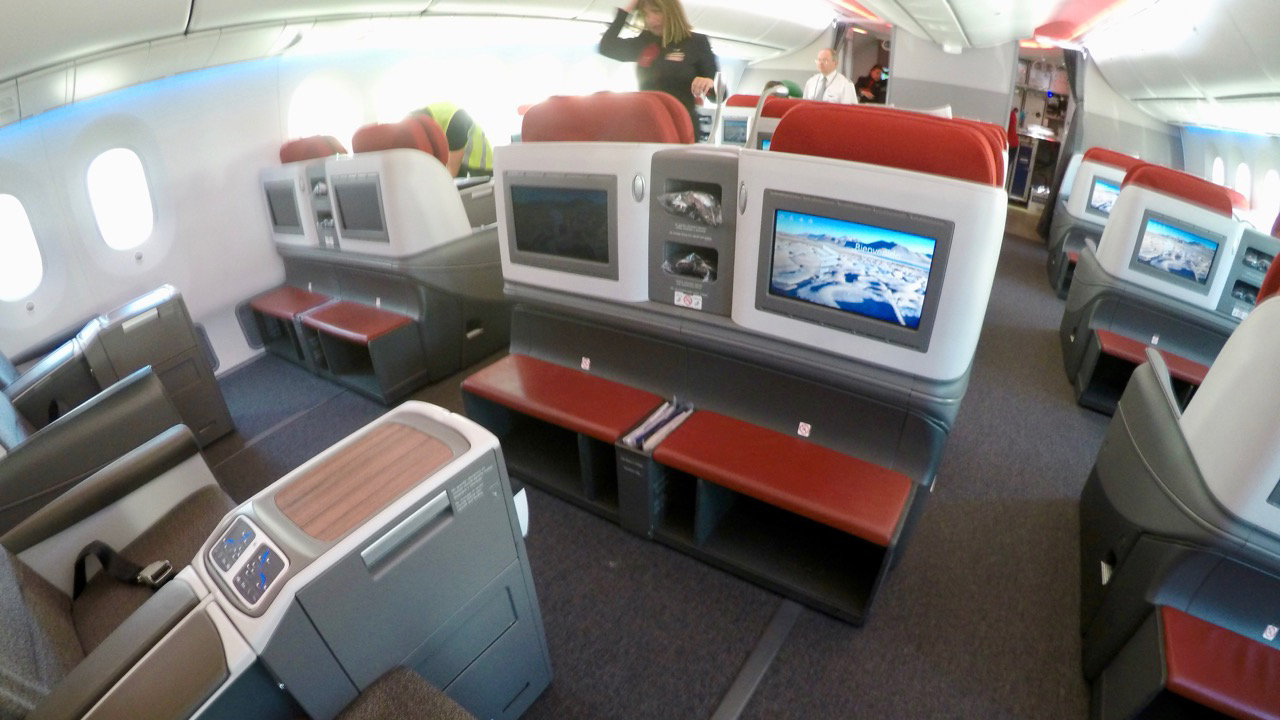
- South America: Asia Miles, for LATAM or Qantas
- Asia: KrisFlyer or Asia Miles, for Singapore Airlines or Cathay Pacific
- Japan: Asia Miles, for Qantas or Japan Airlines
One piece of advice ran through all of it, and still does: do not cash flexible points out for gift cards or merchandise. The value per point in those channels is poor compared with a premium-cabin redemption, and it was poor before the devaluation too.
Transferring under deadline pressure
In the days before the change, American Express's transfer partners page suffered repeated technical problems, which is predictable when a large number of members try to empty their accounts at once. Members who could not complete a transfer online had a few options: a private browsing window, a different browser, the live chat function inside the American Express account area, or a phone call to card services — all available around the clock.
The lesson is to leave a buffer. A large transfer attempted on the final day of a devaluation window leaves no room for an outage, a verification hold, or a transfer that takes longer than expected to land.
What did not change
Card benefits outside the points economics were left alone: travel credits, lounge access, complimentary flights and insurance carried on as before, and points caps were removed for Platinum card members. Airline co-branded cards — the Qantas and Velocity American Express products — were affected differently, because their points go straight to the airline programme rather than through a transfer rate.
Frequently asked questions
What were Ascent, Ascent Premium and Gateway? They were the three varieties of Australian Membership Rewards points, each attached to particular cards and each converting to partners at a different rate. From 15 April 2019 they were consolidated into a single Membership Rewards currency.
How much value did members lose? Members holding Ascent points lost roughly half the transfer value of their balance; Gateway holders lost about a third. Marriott transfers were the exception, remaining at 3:2.
Did the change affect points already sitting in an airline programme? No. Points that had already been transferred to a frequent flyer or hotel programme before the deadline converted at the old rate and were unaffected.
Why did American Express devalue the programme? Regulatory caps on merchant fees reduced the revenue available to fund rewards across the Australian market. American Express cut its own merchant fees to broaden acceptance, and lower merchant income means fewer points can be bought.
What is the difference between hard and soft expiry? Hard expiry removes points after a fixed period no matter what you do. Soft expiry extends the life of every point in the account whenever you earn or redeem, which makes a balance far easier to keep alive.
Which programme was the safest default? For members without a specific trip in mind, Velocity was the common recommendation, chiefly because of its soft expiry and ease of domestic redemption rather than any outstanding premium-cabin value.
Can transfers to airline programmes be reversed? No. Transfers out of a flexible programme into an airline or hotel currency are one-way, which is why it pays to decide on a destination before moving a large balance.
What happened to fixed-value redemptions through American Express Travel? The value per point for travel bookings made directly through American Express fell to half a cent, down from one cent for Ascent points and three-quarters of a cent for Gateway points.
This information is general in nature. It does not take your personal circumstances into account.
Images on This Page
-
https://www.pointhacks.com.au/content/themes/pointhacks-sage/public/build/assets/logo-inverse-with-name-vsr5399w.svg
Point Hacks
-
https://i.pointhacks.com/2025/07/02161719/Qatar-Airways-Champagne-Point-Hacks-by-Brandon-Loo-300x169.jpg
Qatar Airways reverses rules on using Avios for others with ‘My List’
-
https://i.pointhacks.com/2026/04/02184820/Virgin-Australia-Search-Update-Feature-Image-2026-300x169.jpg
Virgin Australia updates flight search tool with partner airlines
-
https://i.pointhacks.com/2026/09/04164455/Emirates-Premium-Economy-Sleeping-2026-300x169.jpg
Emirates unveils new Premium Economy seats
-
https://i.pointhacks.com/2026/09/01142058/Condor-Airlines-2-300x169.png
Qantas reveals Condor as newest points partner
-
https://i.pointhacks.com/2026/08/27092608/Qantas-New-Airbus-A321XLR-Busines-Overview-300x169.jpg
Qantas reveals new Airbus A321XLR, Boeing 787 Business Class seats
-
https://i.pointhacks.com/2025/08/26155020/hong-kong-airlines-business-class-aircraft-in-lounge-300x169.jpg
Virgin Australia unlocks online Business Rewards on Hong Kong Airlines
-
https://i.pointhacks.com/2026/03/26191940/Air-New-Zealand-Koru-Lounge-Auckland-2026-Exterior-Render-300x169.jpg
Velocity adds access to Air New Zealand’s Auckland lounge on codeshares
-
https://i.pointhacks.com/2024/11/18204714/Singapore-Airlines-A350-Business-SIN-PER-32-Point-Hacks-Brandon-Loo-300x169.jpg
Singapore Airlines to launch daily services to Western Sydney International Airport
-
https://i.pointhacks.com/2024/11/26171323/brisbane-airport-ceo-1600-1-300x169.jpg
Brisbane Airport CEO looks to Airbus A321XLR and North America for growth
-
https://i.pointhacks.com/2024/11/07170740/brisbane-airport-ceo-1600-300x169.jpg
Brisbane Airport CEO: one daily Qatar Airways flight is not enough
-
https://i.pointhacks.com/2026/02/25233244/Qantas-Status-Changes-2026-300x169.jpg
Qantas sets date for Points Club, Green Tier shutdown & Status Credits on the ground
-
https://i.pointhacks.com/2024/06/07111345/Luxury-Escapes-LuxPlus-300x169.jpg
Luxury Escapes offers status challenge for Qantas frequent flyers
-
https://i.pointhacks.com/2026/04/28175105/Accor-check-in-2026-300x169.jpg
Amex unlocks points transfers to Accor Live Limitless
-
https://i.pointhacks.com/2026/03/20210359/Hilton-Yotel-Logos-Overlay-2026-300x169.jpg
Hilton to launch partnership with Yotel
-
https://i.pointhacks.com/2026/03/11141454/Mercure-Melbourne-La-Trobe-Junior-Suite-300x169.jpg
New Mercure opens on La Trobe Street in Melbourne’s CBD
-
https://i.pointhacks.com/2025/08/05121147/ALL-Explorer-Plus-Logo-2025-Point-Hacks-300x169.jpg
Accor Plus rebadges to ALL Accor+ Explorer with major changes to perks
-
https://i.pointhacks.com/2026/07/02172419/Hawaiian-Airlines-new-International-Business-Lounge-21-Point-Hacks-by-Brandon-Loo-300x169.jpg
Inside Plumeria Loft: Hawaiian Airlines’ new ‘surprise’ Business Class lounge
-
https://i.pointhacks.com/2026/06/23181201/Singapore-Airlines-SilverKris-Melbourne-Foyer-v2-300x169.jpg
Singapore Airlines’ Melbourne SilverKris Lounge takes shape
-
https://i.pointhacks.com/2026/04/13220348/Qantas-Brisbane-International-Lounge-Entrance-300x169.jpg
Qantas Brisbane International Lounge shifts landside, cuts Jetstar access early
-
https://i.pointhacks.com/2026/02/12155316/Qantas-London-Lounge-8-Brandon-Loo-for-Point-Hacks-300x169.jpg
Qantas tightens lounge access for Jetstar, complimentary invitations
-
https://i.pointhacks.com/2026/07/13213342/Bunnings-Powerpass-Pro-Rewards-300x169.jpg
Bunnings launches new loyalty program PowerPass Pro Rewards
-
https://i.pointhacks.com/2026/05/04001858/PSX_20260503_221841-300x169.jpg
Qantas Marketplace cuts 3 points per dollar guaranteed earn rate
-
https://i.pointhacks.com/2024/01/12132155/american-express-centurion-lounge-melbourne-1600-300x169.jpg
American Express trims lounge access on Australian Platinum cards
-
https://i.pointhacks.com/2026/03/31162303/RBA-Changes-Cards-300x169.jpg
RBA interchange reform set to reshape Australia’s credit card rewards landscape
-
https://www.pointhacks.com.au/content/themes/pointhacks-sage/public/build/assets/logo-inverse-C7amNDqo.svg
Point Hacks
-
https://i.pointhacks.com/2019/04/24112006/Amex-changes-Apr-2019-banner-1024x772-1-1-1024x576.jpeg
Amex Changes 2019
-
https://www.pointhacks.com.au/wp-content/uploads/2019/04/Amex-technical-difficulties-1024x434.png
Amex page - technical issue transferring points
-
https://i.pointhacks.com/2019/04/24100435/latam-787-business-class-seat-1.jpeg
Latam 787 Business Class
-
https://i.pointhacks.com/2019/04/24100438/sq-a380-at-sin-1024x683-1.jpeg
Singapor Airlines A380
-
https://www.pointhacks.com.au/wp-content/uploads/2019/04/KF-and-AM-routes-to-EU.gif
Example Australia to Europe routes
-
https://i.pointhacks.com/2019/04/24100440/emirates-a380-first-class-6.jpeg
Emirates A380
-
https://i.pointhacks.com/2019/04/24100443/supermarket-bananas.jpeg
Supermarket bananas
-
https://i.pointhacks.com/2019/04/24100445/american-express-explorer-stack-point-hacks.jpeg
American Express Explorer
-
https://i.pointhacks.com/2019/04/24100448/Sydney-to-New-York-Qantas-Business-Class-review-15.jpeg
Qantas Airplane
-
https://secure.gravatar.com/avatar/2460395ab42c83f5dc1a7bc429626e509641a844c167c10899991d97b6ba5aea?s=120&d=mm&r=pg
Matt Moffitt
-
https://i.pointhacks.com/2021/05/04172517/Girl-on-Laptop-300x169.jpg
Searching for reward flights
-
https://i.pointhacks.com/2026/09/16125152/Cathay-Pacific-CX143-Perth-Boarding-300x169.jpg
(no alt text)
-
https://plastic.pointhacks.com.au/api/files/q3s7m5x1/cjkw9fq7r1e9509/nab_qantas_signature_card_art_2028_pig0dutouu.webp
NAB Qantas Rewards Signature
-
https://plastic.pointhacks.com.au/api/files/q3s7m5x1/cjk2fhvlxwpsq09/qantas_american_express_ultimate_card_art_2024_krkr8bg2j1.webp
Qantas American Express Ultimate
-
https://plastic.pointhacks.com.au/api/files/q3s7m5x1/cka5ybmc8pu1h08/westpac_altitude_black_2023_7yko7q0hmk.webp
Westpac Altitude Qantas Black
-
https://plastic.pointhacks.com.au/api/files/q3s7m5x1/clrzurkukktcw0b/my_card_premier_digital_card_1536x969_rgb_q7unoitv8m.webp
MyCard Premier Credit Card (Velocity)
-
https://www.pointhacks.com.au/content/themes/pointhacks-sage/public/build/assets/logo-Cd_Hi3S6.svg
Point Hacks Logo