Point Hacks: frequent flyer points, rewards cards and award travel in Australia
Point Hacks helps Australians turn everyday spending into flights they would otherwise never book. It has published continuously since 2011, reaches over 7 million unique visitors a year, and covers four things in depth: how to earn points without flying, which rewards credit cards suit which goals, how to redeem points so they are actually worth something, and what the cabins and lounges are like once you are on board.
The guiding idea is simple. Points are not a discount on the fare you were already going to buy — they are a way to buy a seat you would never pay cash for. Almost everything on this site follows from that.
Start here if you are new
The beginner path is short. Join Qantas Frequent Flyer or Velocity Frequent Flyer, or both — membership is free and takes minutes. Link a supermarket loyalty program so you earn on shopping you already do. Then, if a rewards credit card suits your circumstances, use one for household spending so the points accumulate without changing your behaviour.
If you are starting from zero, frequent flyer programs 101 covers the vocabulary and the mechanics before you commit to a program.
What separates people who get value from points from people who do not is almost never how many points they earn. It is what they spend them on.
Qantas or Velocity: the two Australian programs side by side
| Qantas Frequent Flyer | Velocity Frequent Flyer | |
|---|---|---|
| Supermarket partner | Woolworths Everyday Rewards | Coles Flybuys |
| Conversion rate | 2,000 Everyday Rewards points to 1,000 Qantas Points | 1,000 Flybuys points to 500 Velocity Points |
| Other retailers in the group | Big W, BWS, participating fuel outlets | Kmart, Bunnings, Officeworks, Target |
| Fuel partner | BP | 7-Eleven |
| Car hire | Avis, Budget | Europcar, Hertz |
| Shopping portal | Qantas Shopping | Velocity e-Store |
| Wine | Qantas Wine | Virgin Wines |
| Points expiry | 18 months of account inactivity | 24 months of account inactivity |
| Sharing with family | One-way family transfers, minimum 1,500 points | Family Pooling (same address) or Family Transfers, four a year, maximum 125,000 points each |
| Where to start | Best ways to earn Qantas Points | Best ways to use Velocity Points |
Membership in both is free, so the practical question is which airline you actually fly — and, because the supermarket links are exclusive, which weekly shop you do.
Earning points without flying
For most Australians, flying is a minor source of points. The larger sources are on the ground.
Credit cards. Sign-up bonuses are the fastest way to accumulate a large balance, frequently running to six figures on premium cards, followed by ongoing earn on everyday spending. Bonus sizes, annual fees and earn rates change constantly, so the current numbers live on each card's own guide — the noteworthy offers roundup tracks what is worth attention now.
Supermarkets. The two programs above are the backbone of ground earning for most households, and both run frequent bonus-point promotions. Gift card offers in particular can turn an ordinary shop into thousands of points.
Fuel and transport. BP earns Qantas Points per litre and 7-Eleven earns Velocity Points per litre, with both programs extending into car hire and rideshare at rates that vary by status tier.
Shopping portals. Qantas Shopping and the Velocity e-Store pay bonus points when you click through to a retailer before buying, typically a few points per dollar and considerably more during promotions. Tracking is the catch: enable cookies, click through immediately before purchase, and do not browse elsewhere mid-transaction.
Everything else. Wine, dining and food delivery, hotel bookings, energy and insurance switches, surveys, banking products, even container recycling for Velocity members. None of these will fund a Business Class seat alone; together they compound quietly. The full list sits in best ways to earn Qantas Points.
Choosing a rewards credit card
Card guides here cover the rewards cards available in Australia from American Express, ANZ, CommBank, NAB, Westpac, St.George and others — what each earns, what it costs, which perks are genuinely useful and who it suits.
The useful question is not "which card earns the most", it is "what am I trying to do". A card that earns Qantas Points directly suits someone who only ever flies Qantas — see the best Qantas frequent flyer credit cards. Someone flying Virgin Australia wants the Velocity equivalent. A card earning a flexible currency — American Express Membership Rewards, ANZ Rewards, NAB Rewards, Amplify, Altitude — suits someone who wants to decide later, because those points transfer out to several airline programs.
Worked examples of individual cards: the American Express Explorer for flexible earning on everyday spend, or the Qantas American Express Ultimate for earning straight into Qantas.
Annual fees are worth judging against what you will actually use. A high fee attached to lounge access, travel credits and insurance can be good value for a frequent traveller and poor value for someone who flies twice a year.
Because bonus offers, fees and earn rates move week to week, every card guide carries its own current figures. Check the guide before applying, not this page.
Redeeming points so they are worth something
This is where the value is won or lost.
Work out the cents-per-point. Take the cash price of the flight, subtract the taxes and carrier charges you would still pay on a reward booking, and divide by the points required.
| Cents per point | What it means | What to do |
|---|---|---|
| Below 1c | Poor value — typical of merchandise, gift cards and most long-haul Economy redemptions | Reconsider; pay cash and keep the points |
| 1c to 2c | The normal working range for a sound redemption | Book it if the flight suits |
| 2c and above | Strong value, usually premium cabins on mid or long-haul routes | Take it |
Premium cabins beat economy, consistently. In cash terms Business Class typically costs three to four times Economy, and First Class six times or more. In points the multiples are far smaller — roughly twice Economy for Business, about three times for First. That gap is the entire sweet spot. A Sydney–Melbourne Business Class Classic Reward starts at 19,300 Qantas Points one way against 9,200 in Economy, for a very different flight.
Know which reward type you are booking. This is the single most expensive thing to get wrong.
| Reward type | How it is priced | Availability | Verdict |
|---|---|---|---|
| Qantas Classic Flight Rewards / Velocity Reward Seats | Fixed points by distance band, plus taxes | Limited | What to hunt for |
| Classic Plus | Dynamic, based on the lowest cash fare available | Wider | Usually more points than Classic, far less than Points Plus Pay |
| Points Plus Pay / Any Seat | Cash fare converted into points at a poor rate | Broad | Avoid where possible |
The same Melbourne–Perth Business seat can cost 24,800 Velocity Points as a Reward Seat, or close to six times that as an Any Seat.
Plan early or move late. Classic Rewards release up to 353 days ahead, so the widest choice belongs to people booking a year out. The other end works too: when cash fares spike at short notice, points can be worth taking even in Economy.
Look past the obvious airline. Partner airlines often have better availability and lower surcharges than the program's own metal — Emirates, American Airlines and Fiji Airways among them for Qantas members.
Two worked examples
A domestic upgrade in disguise. Sydney to Melbourne in Business as a Classic Reward starts at 19,300 Qantas Points one way. Economy on the same route starts at 9,200. The extra 10,100 points buys a cabin that costs several times more in cash — which is why domestic Business is one of the stronger everyday redemptions either program offers, and why burning points on domestic Economy usually wastes them.
A long-haul multi-stop on one ticket. A return Melbourne–Athens itinerary routed through Zürich with Singapore Airlines and a Star Alliance partner costs 235,000 KrisFlyer miles plus AU$216 in taxes. The stopover is what makes it interesting: on a return Star Alliance redemption the first stopover is free, so a second city is added for nothing beyond the points already committed.
Mistakes that cost the most
Long-haul international Economy redemptions, where high cash co-payments and poor ratios combine. Merchandise and gift cards, which typically return well under a cent per point. Booking Points Plus Pay while believing you booked a Classic Reward. Burning points on cheap domestic Economy routes where a sale fare costs barely more than the taxes on the reward. And never benchmarking against the cash price before redeeming. Best uses of 150,000 Velocity Points works through what a large balance should and should not buy.
Frequent flyer and loyalty programs covered
| Category | Programs |
|---|---|
| Australian airlines | Qantas Frequent Flyer, Velocity Frequent Flyer |
| International airlines | Singapore Airlines KrisFlyer, Cathay Pacific Asia Miles, Qatar Airways Privilege Club, Air Canada Aeroplan, Air New Zealand Airpoints, Alaska Airlines Mileage Plan, American Airlines AAdvantage, Delta SkyMiles, Emirates Skywards, Etihad Guest, United MileagePlus, Virgin Atlantic Flying Club, The British Airways Club |
| Hotels | Accor Live Limitless, Best Western Rewards, Choice Privileges, GHA Discovery, Hilton Honors, IHG One Rewards, Marriott Bonvoy, Radisson Rewards, Shangri-La Circle, World of Hyatt, Wyndham Rewards |
| Bank rewards | American Express Membership Rewards, ANZ Rewards, CommBank Awards, MyCard Rewards, NAB Rewards, Amplify (St.George, Bank of Melbourne, BankSA), Westpac Altitude Rewards |
For Australians the international airline programs matter mostly as redemption partners — often a cheaper way to book the same seat on the same aircraft. The bank programs sit upstream of everything else and decide how much choice you keep.
Reviews: what the seat is actually like
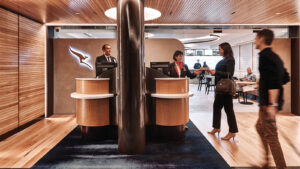
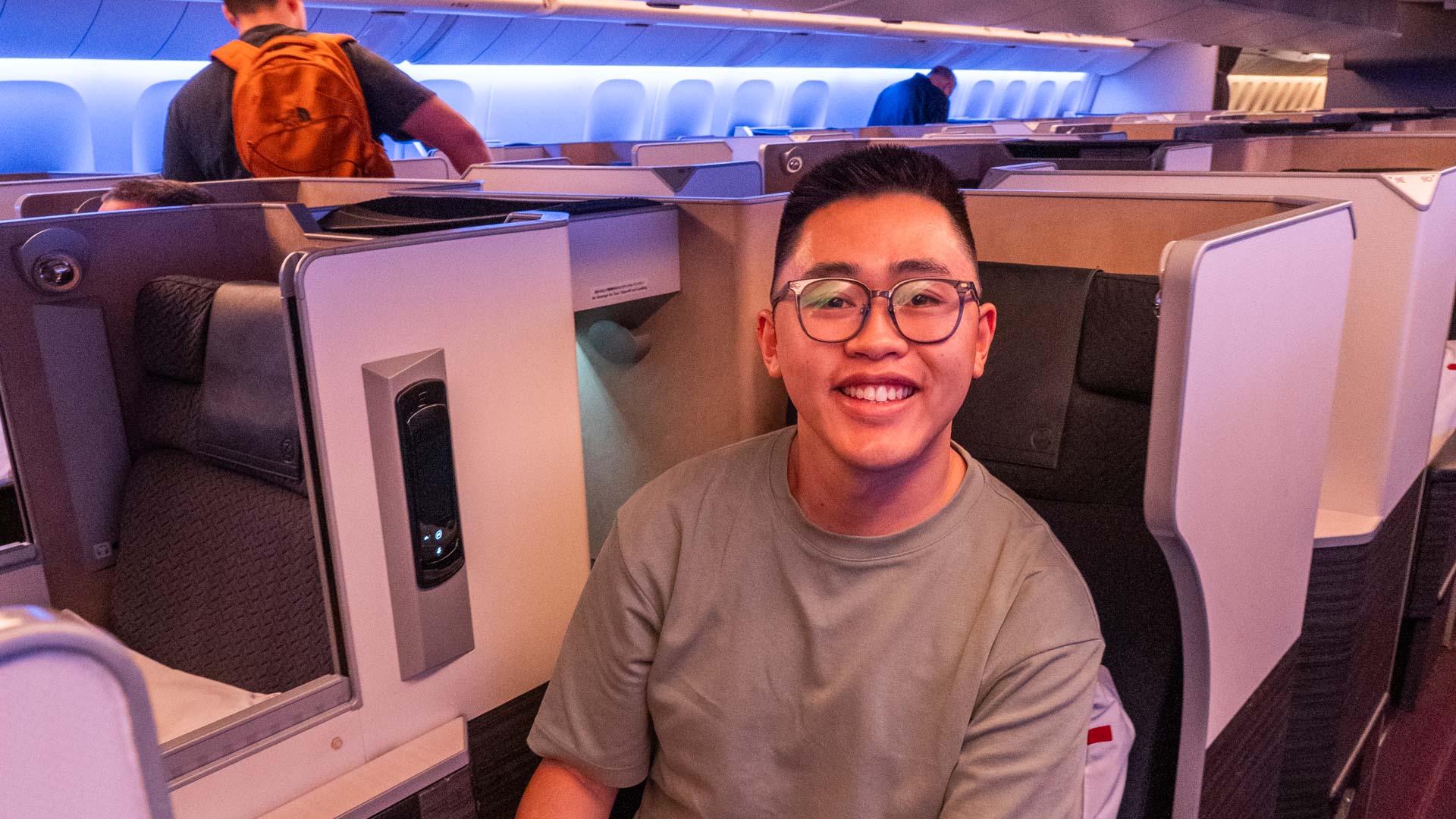
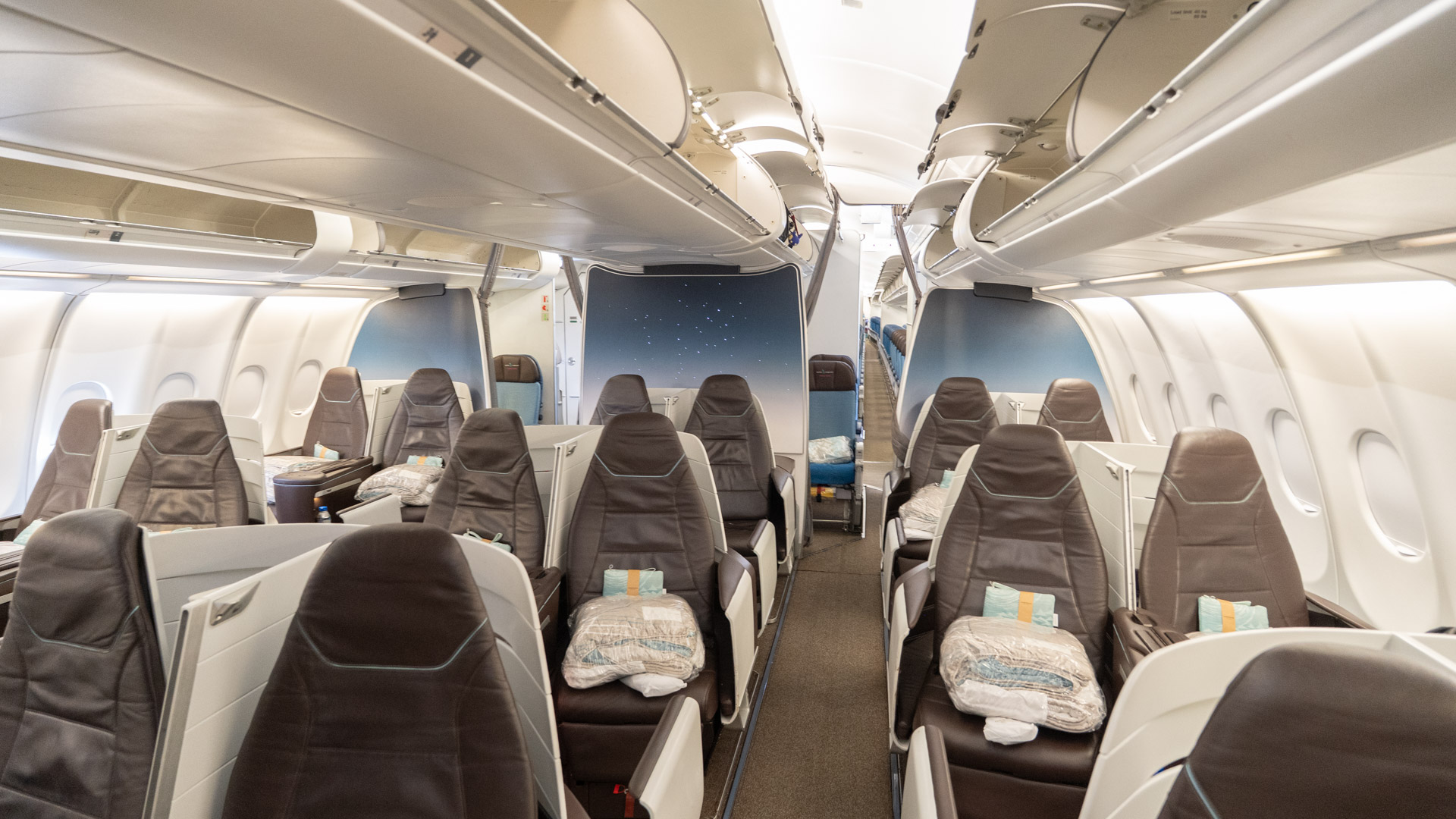
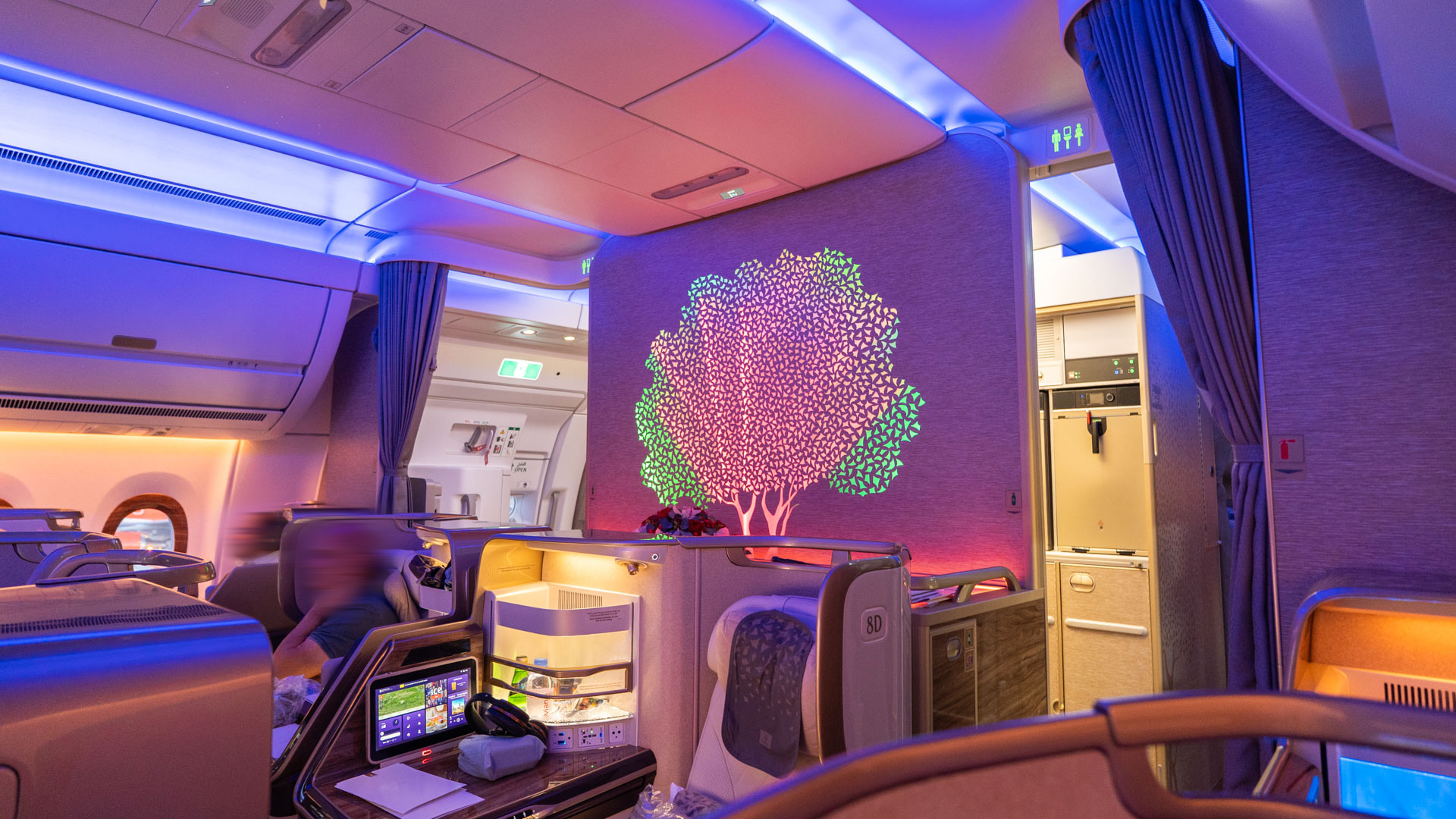
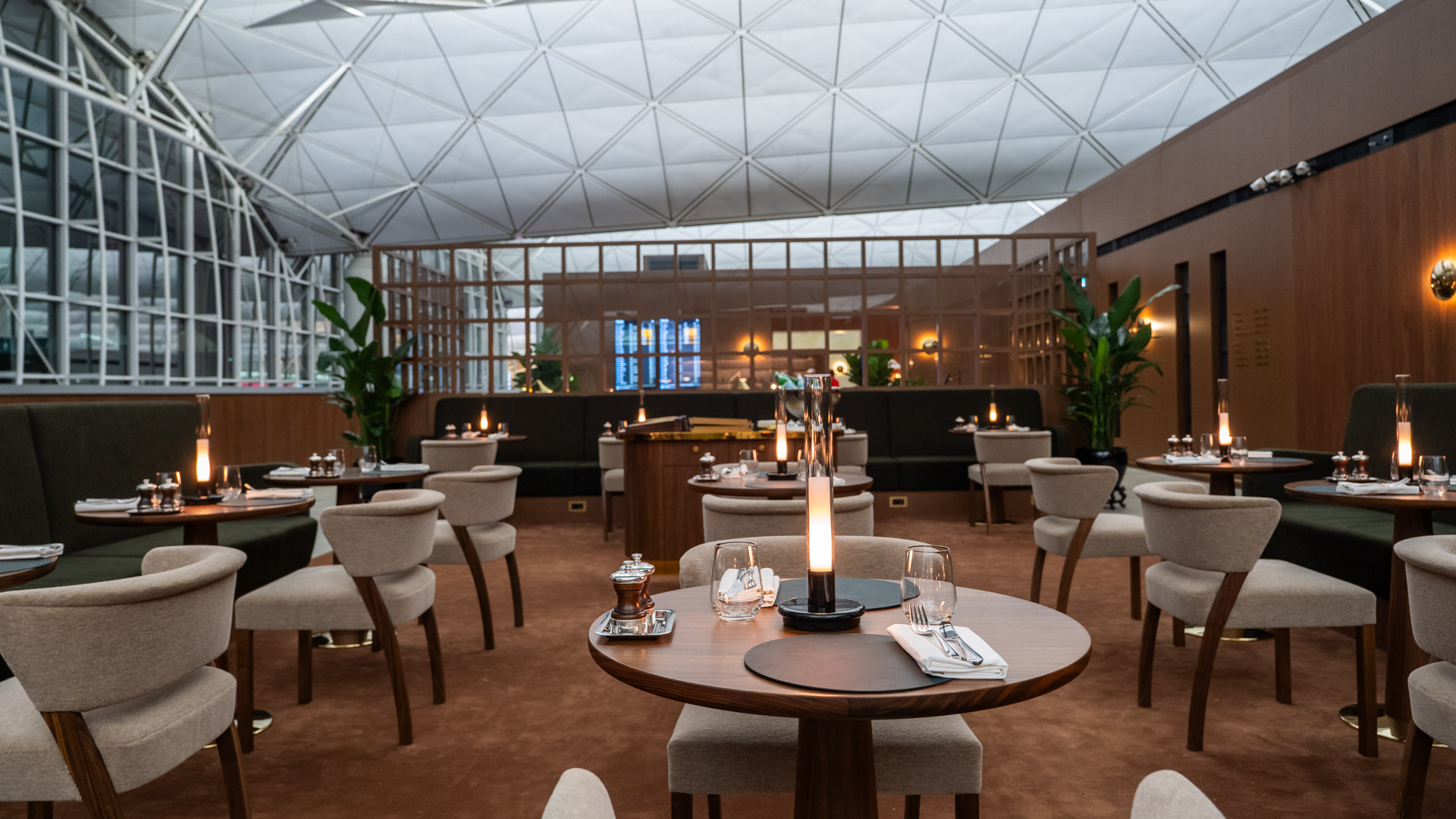
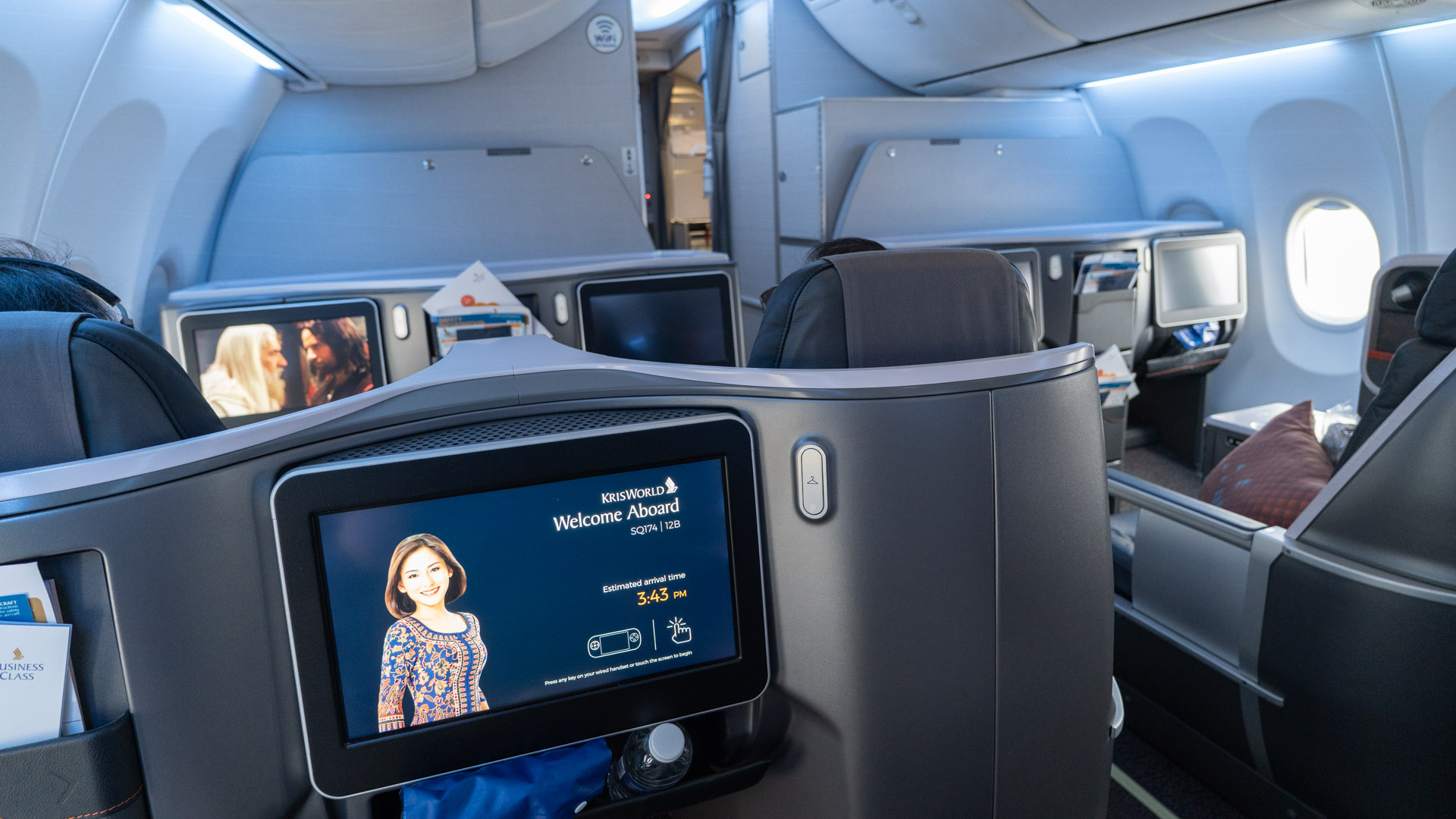
First-hand reviews of Business, First, Premium Economy and Economy cabins across the airlines Australians can realistically book with points, plus the airport lounges that status or a premium card opens up. Recent examples include the Qantas International Lounge in Brisbane and the American Express Centurion Lounge in Los Angeles; the best Qantas lounges in Australia ranks the domestic and international network.
Reviews are written from the seat, with the redemption attached: what it cost in points, what the cabin and service were like, and whether it was worth it.
News and program changes
Loyalty programs change their rules regularly, usually quietly and rarely in the member's favour. News coverage tracks devaluations, new transfer partners, bonus-point promotions, status offers and route changes as they happen, so a plan made six months ago can be checked against how the program works today.
Who this is for
Beginners who want a first redemption without wading through jargon. Experienced collectors chasing a specific premium seat or a status target. Families trying to move four or five people on points. Business owners earning on ABN-eligible cards. The strategies differ; the arithmetic underneath does not.
Frequently asked questions
How do I start earning frequent flyer points in Australia? Join Qantas Frequent Flyer or Velocity Frequent Flyer — both are free — then link a supermarket program so everyday shopping earns automatically. A rewards credit card used for household spending is the next step for people whose circumstances suit one.
Do I need a credit card to earn points? No. Woolworths Everyday Rewards feeds Qantas Points and Coles Flybuys feeds Velocity Points, and there are further ground-based sources: fuel at BP or 7-Eleven, the Qantas Shopping and Velocity e-Store portals, wine, dining, hotel bookings, energy and insurance switches, and surveys.
Should I collect Qantas Points or Velocity Points? Whichever airline you actually fly, and there is no cost to joining both. The choice matters most for supermarket earning, since Everyday Rewards feeds Qantas and Flybuys feeds Velocity.
How many points do I need for a Business Class flight? As a reference point, a Sydney–Melbourne Business Class Classic Reward starts at 19,300 Qantas Points one way, against 9,200 in Economy. Long-haul international Business costs substantially more, and the individual program guides carry the current award charts.
How do I know whether a redemption is good value? Subtract the taxes and carrier charges you would still pay from the cash price of the flight, then divide by the points required. One to two cents per point is the normal target; below one cent is usually worth reconsidering.
Do frequent flyer points expire? Qantas Points expire after 18 months of account inactivity, and Velocity Points after 24 months. Any qualifying earn or redemption resets the clock, so a single supermarket transaction is generally enough to keep a balance alive.
Can I share points with my family? Qantas allows one-way family transfers with a minimum of 1,500 points. Velocity offers both Family Pooling, an ongoing arrangement for family members living at the same address, and one-off Family Transfers, limited to four a year and capped at 125,000 points per transaction.
How far in advance can I book a reward seat? Classic Rewards are released up to 353 days before departure, so booking around a year out gives the widest choice of seats.
What should I avoid spending points on? Merchandise and gift cards, which typically return well under a cent per point. Long-haul international Economy is also poor value once the cash co-payments are counted, as is any Points Plus Pay or Any Seat booking made in the belief that it was a Classic Reward.
Are bank points better than airline points? They are more flexible rather than inherently better. Points in a bank program such as American Express Membership Rewards or ANZ Rewards can be moved to several different airline programs later, which preserves your choice; points earned directly into an airline program cannot be moved back out.
This information is general in nature. It does not take your personal circumstances into account.
Images on This Page
-
https://www.pointhacks.com.au/content/themes/pointhacks-sage/public/build/assets/logo-inverse-with-name-vsr5399w.svg
Point Hacks
-
https://i.pointhacks.com/2025/07/02161719/Qatar-Airways-Champagne-Point-Hacks-by-Brandon-Loo-300x169.jpg
Qatar Airways reverses rules on using Avios for others with ‘My List’
-
https://i.pointhacks.com/2026/04/02184820/Virgin-Australia-Search-Update-Feature-Image-2026-300x169.jpg
Virgin Australia updates flight search tool with partner airlines
-
https://i.pointhacks.com/2026/09/04164455/Emirates-Premium-Economy-Sleeping-2026-300x169.jpg
Emirates unveils new Premium Economy seats
-
https://i.pointhacks.com/2026/09/01142058/Condor-Airlines-2-300x169.png
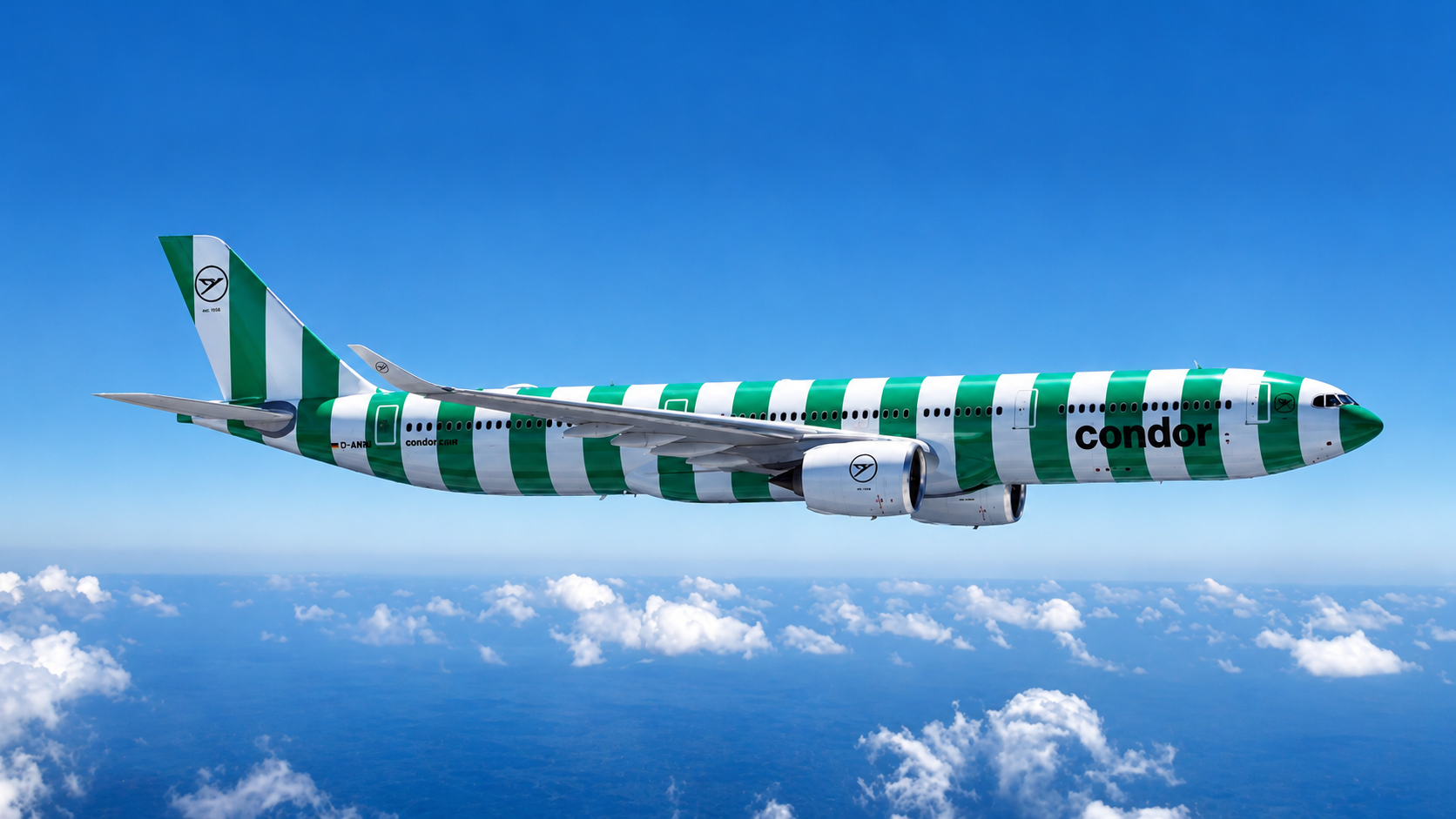
Qantas reveals Condor as newest points partner
-
https://i.pointhacks.com/2026/08/27092608/Qantas-New-Airbus-A321XLR-Busines-Overview-300x169.jpg
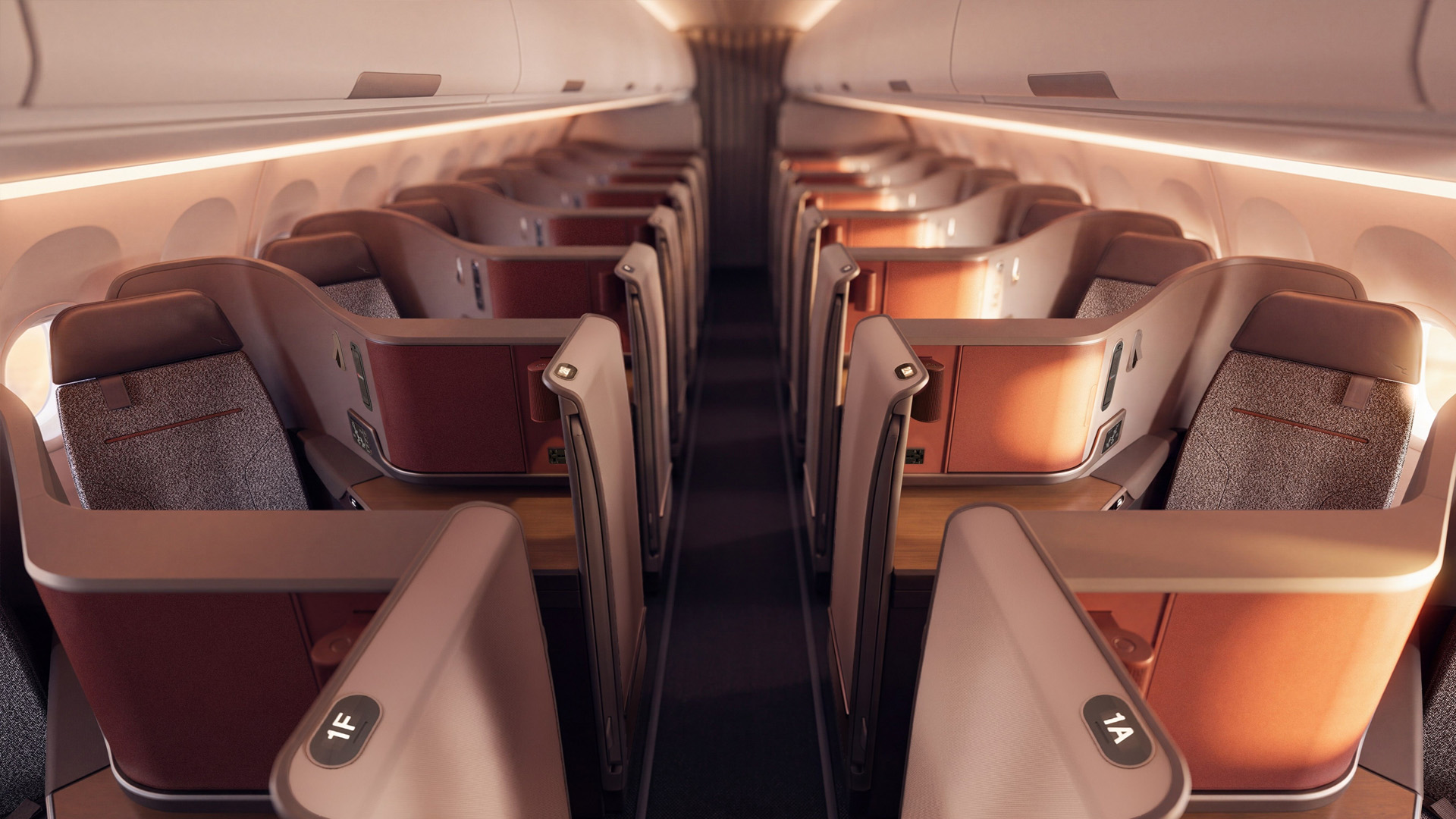
Qantas reveals new Airbus A321XLR, Boeing 787 Business Class seats
-
https://i.pointhacks.com/2025/08/26155020/hong-kong-airlines-business-class-aircraft-in-lounge-300x169.jpg
Virgin Australia unlocks online Business Rewards on Hong Kong Airlines
-
https://i.pointhacks.com/2026/03/26191940/Air-New-Zealand-Koru-Lounge-Auckland-2026-Exterior-Render-300x169.jpg
Velocity adds access to Air New Zealand’s Auckland lounge on codeshares
-
https://i.pointhacks.com/2024/11/18204714/Singapore-Airlines-A350-Business-SIN-PER-32-Point-Hacks-Brandon-Loo-300x169.jpg
Singapore Airlines to launch daily services to Western Sydney International Airport
-
https://i.pointhacks.com/2024/11/26171323/brisbane-airport-ceo-1600-1-300x169.jpg
Brisbane Airport CEO looks to Airbus A321XLR and North America for growth
-
https://i.pointhacks.com/2024/11/07170740/brisbane-airport-ceo-1600-300x169.jpg
Brisbane Airport CEO: one daily Qatar Airways flight is not enough
-
https://i.pointhacks.com/2026/02/25233244/Qantas-Status-Changes-2026-300x169.jpg
Qantas sets date for Points Club, Green Tier shutdown & Status Credits on the ground
-
https://i.pointhacks.com/2024/06/07111345/Luxury-Escapes-LuxPlus-300x169.jpg
Luxury Escapes offers status challenge for Qantas frequent flyers
-
https://i.pointhacks.com/2026/04/28175105/Accor-check-in-2026-300x169.jpg
Amex unlocks points transfers to Accor Live Limitless
-
https://i.pointhacks.com/2026/03/20210359/Hilton-Yotel-Logos-Overlay-2026-300x169.jpg
Hilton to launch partnership with Yotel
-
https://i.pointhacks.com/2026/03/11141454/Mercure-Melbourne-La-Trobe-Junior-Suite-300x169.jpg
New Mercure opens on La Trobe Street in Melbourne’s CBD
-
https://i.pointhacks.com/2025/08/05121147/ALL-Explorer-Plus-Logo-2025-Point-Hacks-300x169.jpg
Accor Plus rebadges to ALL Accor+ Explorer with major changes to perks
-
https://i.pointhacks.com/2026/07/02172419/Hawaiian-Airlines-new-International-Business-Lounge-21-Point-Hacks-by-Brandon-Loo-300x169.jpg
Inside Plumeria Loft: Hawaiian Airlines’ new ‘surprise’ Business Class lounge
-
https://i.pointhacks.com/2026/06/23181201/Singapore-Airlines-SilverKris-Melbourne-Foyer-v2-300x169.jpg
Singapore Airlines’ Melbourne SilverKris Lounge takes shape
-
https://i.pointhacks.com/2026/04/13220348/Qantas-Brisbane-International-Lounge-Entrance-300x169.jpg
Qantas Brisbane International Lounge shifts landside, cuts Jetstar access early
-
https://i.pointhacks.com/2026/02/12155316/Qantas-London-Lounge-8-Brandon-Loo-for-Point-Hacks-300x169.jpg
Qantas tightens lounge access for Jetstar, complimentary invitations
-
https://i.pointhacks.com/2026/07/13213342/Bunnings-Powerpass-Pro-Rewards-300x169.jpg
Bunnings launches new loyalty program PowerPass Pro Rewards
-
https://i.pointhacks.com/2026/05/04001858/PSX_20260503_221841-300x169.jpg
Qantas Marketplace cuts 3 points per dollar guaranteed earn rate
-
https://i.pointhacks.com/2024/01/12132155/american-express-centurion-lounge-melbourne-1600-300x169.jpg
American Express trims lounge access on Australian Platinum cards
-
https://i.pointhacks.com/2026/03/31162303/RBA-Changes-Cards-300x169.jpg
RBA interchange reform set to reshape Australia’s credit card rewards landscape
-
https://www.pointhacks.com.au/content/themes/pointhacks-sage/public/build/assets/logo-inverse-C7amNDqo.svg
Point Hacks
-
https://i.pointhacks.com/2025/05/09150206/Homepage-Banner-Image-v2.png
Banner illustration
-
https://plastic.pointhacks.com.au/api/files/q3s7m5x1/cjk2fhvlxwpsq09/qantas_american_express_ultimate_card_art_2024_krkr8bg2j1.webp
Qantas American Express Ultimate
-
https://secure.gravatar.com/avatar/9cdeb6e43cf0d57717ee473f0d3cefbfe544340847fdc54c6c957260987eeb27?s=96&d=mm&r=pg
Brandon Loo
-
https://plastic.pointhacks.com.au/api/files/q3s7m5x1/cjkw9fq7r1e9509/nab_qantas_signature_card_art_2028_pig0dutouu.webp
NAB Qantas Rewards Signature
-
https://secure.gravatar.com/avatar/32e1257864020ae61d01471ce28c73b181d9a62b9d48d4325963d39e3312a40c?s=96&d=mm&r=pg
Daniel Sciberras
-
https://plastic.pointhacks.com.au/api/files/q3s7m5x1/cka5ybmc8pu1h08/westpac_altitude_black_2023_7yko7q0hmk.webp
Westpac Altitude Qantas Black
-
https://i.pointhacks.com/2025/05/09145921/Two-Credit-Cards.png
(no alt text)
-
https://i.pointhacks.com/2025/05/09145948/Profit.png
(no alt text)
-
https://i.pointhacks.com/2025/05/09150035/Briefcases.png
(no alt text)
-
https://i.pointhacks.com/2025/05/09150124/Credit-Card-Status.png
(no alt text)
-
https://i.pointhacks.com/2025/05/09085215/Qantas-Rewards.png
Qantas Rewards
-
https://i.pointhacks.com/2025/05/15113400/Velocity-Frequent-Flyer-Rewards.png
Velocity Frequent Flyer Rewards
-
https://i.pointhacks.com/2025/05/09085147/AMEX-Membership-Rewards.png
AMEX Membership Rewards
-
https://i.pointhacks.com/2025/05/29104740/KrisFlyer-Primary-Logo_Flat-colour_RGB.png
Singapore Krisflyer Rewards
-
https://i.pointhacks.com/2026/01/16151054/mycard-logo-primary.png
MyCard Rewards
-
https://i.pointhacks.com/2025/05/14133143/NAB-Rewards.png
NAB Rewards
-
https://i.pointhacks.com/2025/05/14133141/ANZ-Rewards.png
ANZ Rewards
-
https://i.pointhacks.com/2025/05/14133140/Amplify-Rewards.png
St George Amplify Rewards
-
https://i.pointhacks.com/2025/05/14133043/Pay-Rewards-Logo.png
Pay.com.au Rewards
-
https://i.pointhacks.com/2026/04/27171424/Japan-Trip-Kamakura-Bamboo.jpg
(no alt text)
-
https://i.pointhacks.com/2026/09/16125152/Cathay-Pacific-CX143-Perth-Boarding.jpg
(no alt text)
-
https://i.pointhacks.com/2025/07/02161719/Qatar-Airways-Champagne-Point-Hacks-by-Brandon-Loo.jpg
(no alt text)
-
https://i.pointhacks.com/2023/02/13182525/singapore-airlines-new-airbus-a380-business-class-working-1600b.jpg
(no alt text)
-
https://i.pointhacks.com/2025/04/10154840/Velocity-Bonus-Points-Offers-Generic-Point-Hacks-2025.png
(no alt text)
-
https://i.pointhacks.com/2025/07/28192138/PH-Supermarket-Gift-Cards-Feature-Generic.png
(no alt text)
-
https://i.pointhacks.com/2025/07/16152327/Japan-Airlines-Tokyo-Chicago-2-Point-Hacks-by-Brandon-Loo.jpg
Brandon Loo Japan Airlines
-
https://i.pointhacks.com/2025/05/01130751/DateFeature.jpg
Date on a plane
-
https://i.pointhacks.com/2024/10/14193531/Los-Angeles-Experience-57-Point-Hacks-by-Brandon-Loo.jpg
(no alt text)
-
https://i.pointhacks.com/2024/07/26153725/Turkiye-Point-Hacks-by-Victoria-Kyriakopoulos-5.jpg
Cappadocia hot air balloons at sunrise
-
https://i.pointhacks.com/2024/08/08172504/240703_TOBIAS_JAPAN_EXPERIENCE_47-1.jpg
Discover Kyushu's natural beauty
-
https://i.pointhacks.com/2024/06/13123237/240602_TOBIAS_HAMILTONISLAND_EXPERIENCE_18-1.jpg
Hill Inlet Lookout
-
https://i.pointhacks.com/2026/09/03220310/Qantas-A380-Business-London-Singapore-2-Point-Hacks-by-Brandon-Loo.jpg
(no alt text)
-
https://i.pointhacks.com/2026/09/04101402/1_Thumbnail-Ngurah-Rai-International-Airport-Denpasar.jpg
(no alt text)
-
https://i.pointhacks.com/2026/08/27182955/Hawaiian-Airlines-A330-Business-Honolulu-Sydney-4-Point-Hacks-by-Brandon-Loo.jpg
(no alt text)
-
https://i.pointhacks.com/2026/07/02141920/Emirates-Airbus-A350-Business-Class-London-22-v2-Point-Hacks-by-Brandon-Loo.jpg
(no alt text)
-
https://i.pointhacks.com/2026/04/30131141/Cathay-Pacific-The-Wing-First-64-Point-Hacks-by-Brandon-Loo.jpg
(no alt text)
-
https://i.pointhacks.com/2026/03/23200711/Singapore-Airlines-Boeing-737-Business-Class-Singapore-Da-Nang-36-Point-Hacks-by-Brandon-Loo.jpg
(no alt text)
-
https://i.pointhacks.com/2026/04/02184820/Virgin-Australia-Search-Update-Feature-Image-2026.jpg
(no alt text)
-
https://i.pointhacks.com/2026/09/04164455/Emirates-Premium-Economy-Sleeping-2026.jpg
(no alt text)
-
https://i.pointhacks.com/2026/09/01142058/Condor-Airlines-2.png
(no alt text)
-
https://i.pointhacks.com/2026/08/27092608/Qantas-New-Airbus-A321XLR-Busines-Overview.jpg
(no alt text)
-
https://i.pointhacks.com/2026/02/25233244/Qantas-Status-Changes-2026.jpg
(no alt text)
-
https://plastic.pointhacks.com.au/api/files/q3s7m5x1/cjm241rlwwy5v09/qantas_money_platinum_card_art_e9ebj2sysx.jpeg
Qantas Money Platinum - Up to 80,000 Qantas Points
-
https://plastic.pointhacks.com.au/api/files/q3s7m5x1/cjk2gkaw9wru109/amex_platinum_business_2022_600px_x465e2m7ws.jpg
American Express® Platinum Business Card - 350,000 Bonus Membership Rewards points + $875 Credit
-
https://plastic.pointhacks.com.au/api/files/q3s7m5x1/cjk3koywjymna09/amex_essential_2024_card_art_ivria8i050.jpg
American Express Essential Rewards Credit Card - 30,000 Bonus Membership Rewards Points
-
https://plastic.pointhacks.com.au/api/files/q3s7m5x1/cjk2jtubywyte09/american_express_velocity_business_card_november_2024_8ywiovg8hz.jpg
American Express Velocity Business - 200,000 bonus Velocity Points¹
-
https://plastic.pointhacks.com.au/api/files/q3s7m5x1/cjk2jnnoewycj09/amex_platinum_charge_2022_6xljjf9deh.jpg
American Express Platinum Card - 240,000 Bonus Membership Rewards Points on year 1 + 100,000 Bonus Membership Rewards Points on year 2
-
https://plastic.pointhacks.com.au/api/files/q3s7m5x1/cjknttt9jue8w09/anz_rewards_black_visa_s7rwnzufb8.jpg
ANZ Rewards Black - Up to 180,000 extra ANZ Rewards Points + $100 back
-
https://plastic.pointhacks.com.au/api/files/q3s7m5x1/cjk2jqn6xwyk709/american_express_explorer_card_art_november_2024_arjvjbew8m.jpg
American Express Explorer Credit Card - 115,000 Bonus Membership Rewards Points
-
https://plastic.pointhacks.com.au/api/files/q3s7m5x1/cjlrd1nlec4cf09/nab_qantas_business_signature_card_art_2026_xu1hbbzyy0.jpeg
NAB Qantas Business Signature - Up to 150,000 Qantas Points
-
https://plastic.pointhacks.com.au/api/files/q3s7m5x1/cjk2gfftswrio09/american_express_qantas_business_rewards_card_2022_card_art_qfoj3ztp5b.jpg
American Express Qantas Business Rewards - 150,000 bonus Qantas Points + $200 QBR Travel Fund
-
https://plastic.pointhacks.com.au/api/files/q3s7m5x1/cjk2fhvlxwpsq09/qantas_american_express_ultimate_card_art_2024_lw48ej3v5b.jpg
Qantas American Express Ultimate - Up to 120,000 bonus Qantas Points
-
https://www.pointhacks.com.au/content/themes/pointhacks-sage/public/build/assets/logo-Cd_Hi3S6.svg
Point Hacks Logo