Is ChatGPT Advertising Worth It? We Ran It Through the Early Google Test
Jack Bear, Founder, Norg · 17 August 2026 · 10 min read
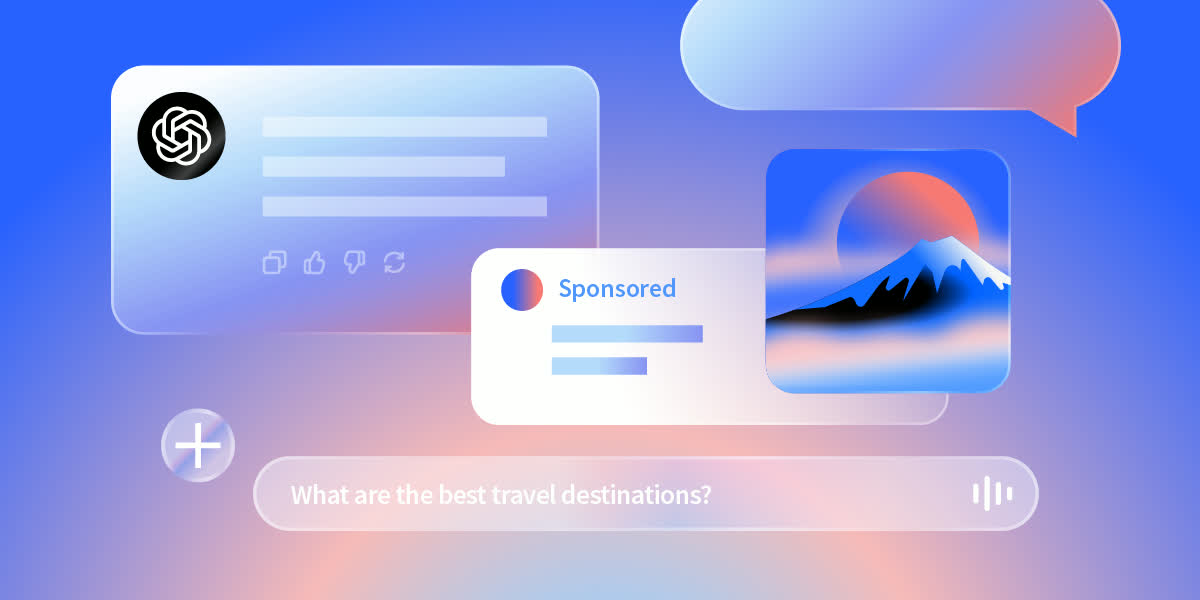
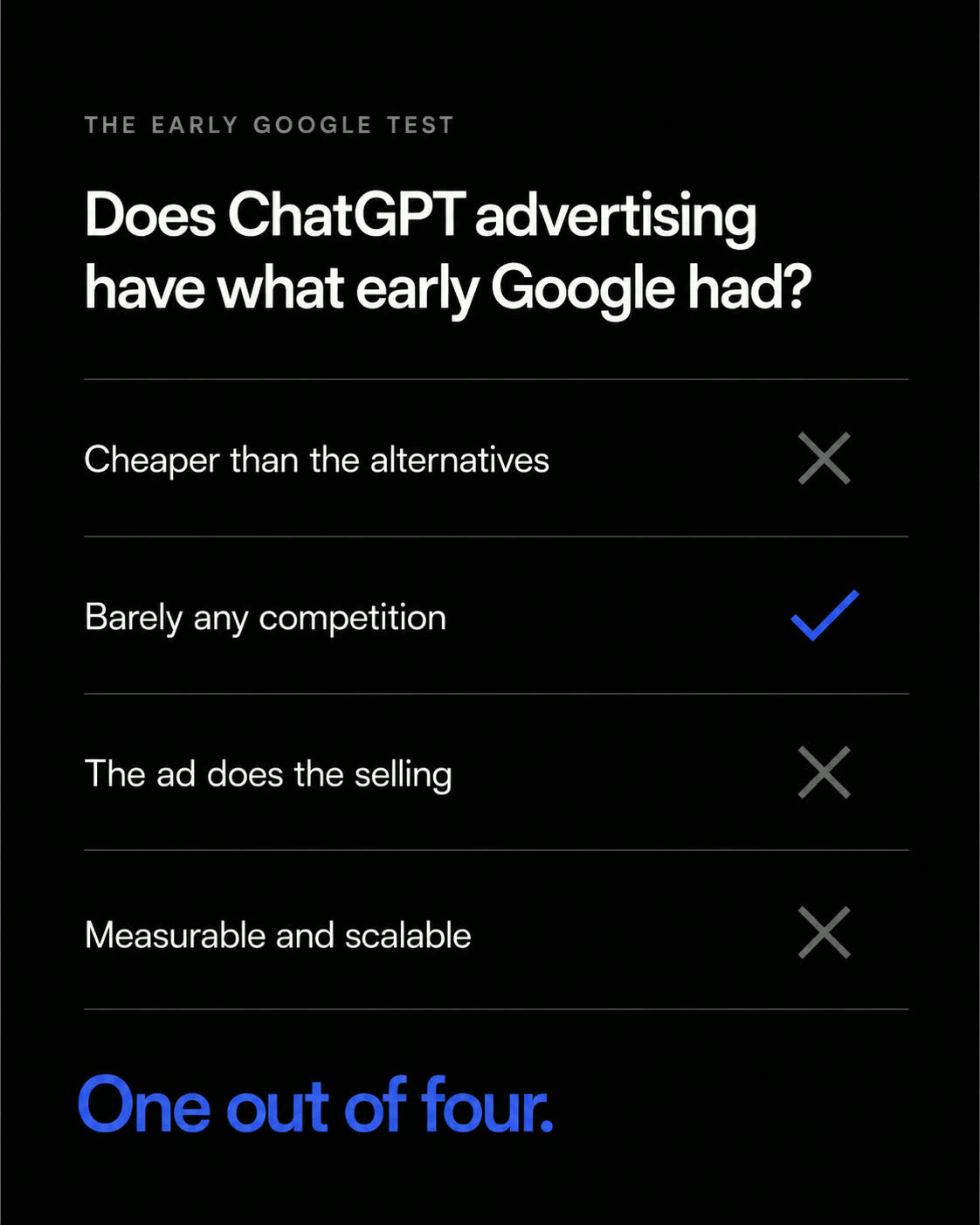
ChatGPT ads became available to Australian users in April 2026. Four conditions made early Google Search a genuine competitive advantage rather than simply a new place to spend money. ChatGPT advertising currently meets one of them.
The scorecard
| Condition | Early Google | ChatGPT ads today |
|---|---|---|
| Is it inexpensive? | Yes | No |
| Is the auction uncontested? | Yes | Yes |
| Does the ad do the selling? | Yes | No |
| Is it measurable and scalable? | Yes | Barely |
Why these four conditions
The four are not arbitrary. They are what actually separated early Google from every other "get in early" channel that did not pay off.
A cheap, uncontested auction is only an advantage if the placement converts, and a converting placement is only compoundable if you can measure it well enough to scale. Remove any one and the advantage collapses — which is why "nobody else is bidding" is the weakest of the four on its own, and it is the only one ChatGPT ads currently satisfy.
Condition one: is it inexpensive? No
Clicks are currently landing between five and eight Australian dollars. Some advertisers report being pushed as high as twelve.
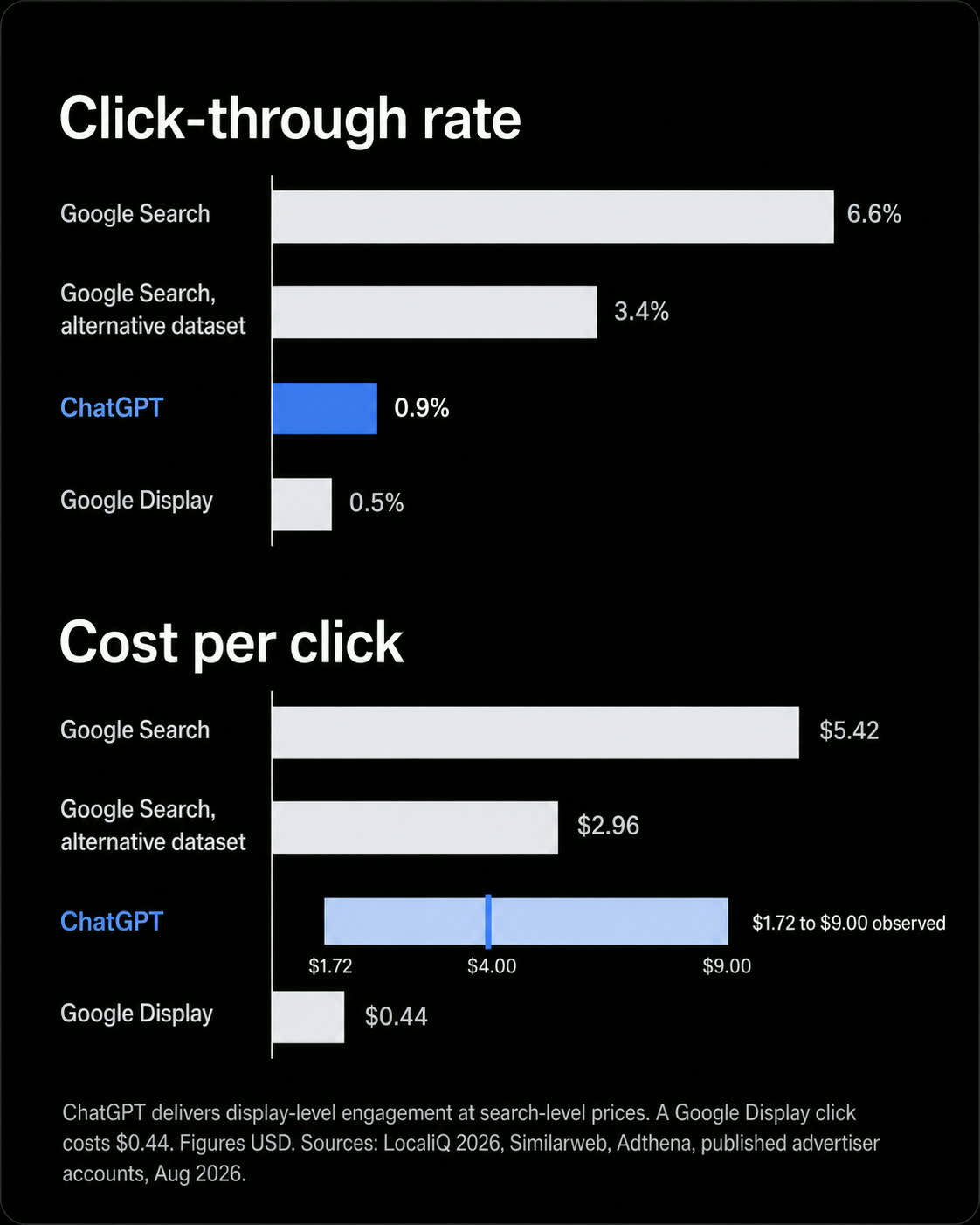
Google Search costs approximately the same. A display banner click costs forty-four cents.
So the channel is charging the going rate of the most competitive advertising environment in the world, for a product with no established economics.
One agency was advised that a three dollar bid was strong. The campaign received zero impressions and had to be raised to twelve dollars before it would deliver at all. That is not an early-mover discount. That is simply the price.
Condition two: is the auction uncontested? Yes
This condition it meets, and it is the only substantive argument for moving early.
Cost per thousand impressions has already fallen from approximately sixty dollars at launch to somewhere near twenty-five — which indicates OpenAI is discounting to retain advertisers rather than pricing scarcity. An advertiser entering now competes against very few others.
This matters only if the third condition also holds. It does not.
Condition three: does the advertisement do the selling? No
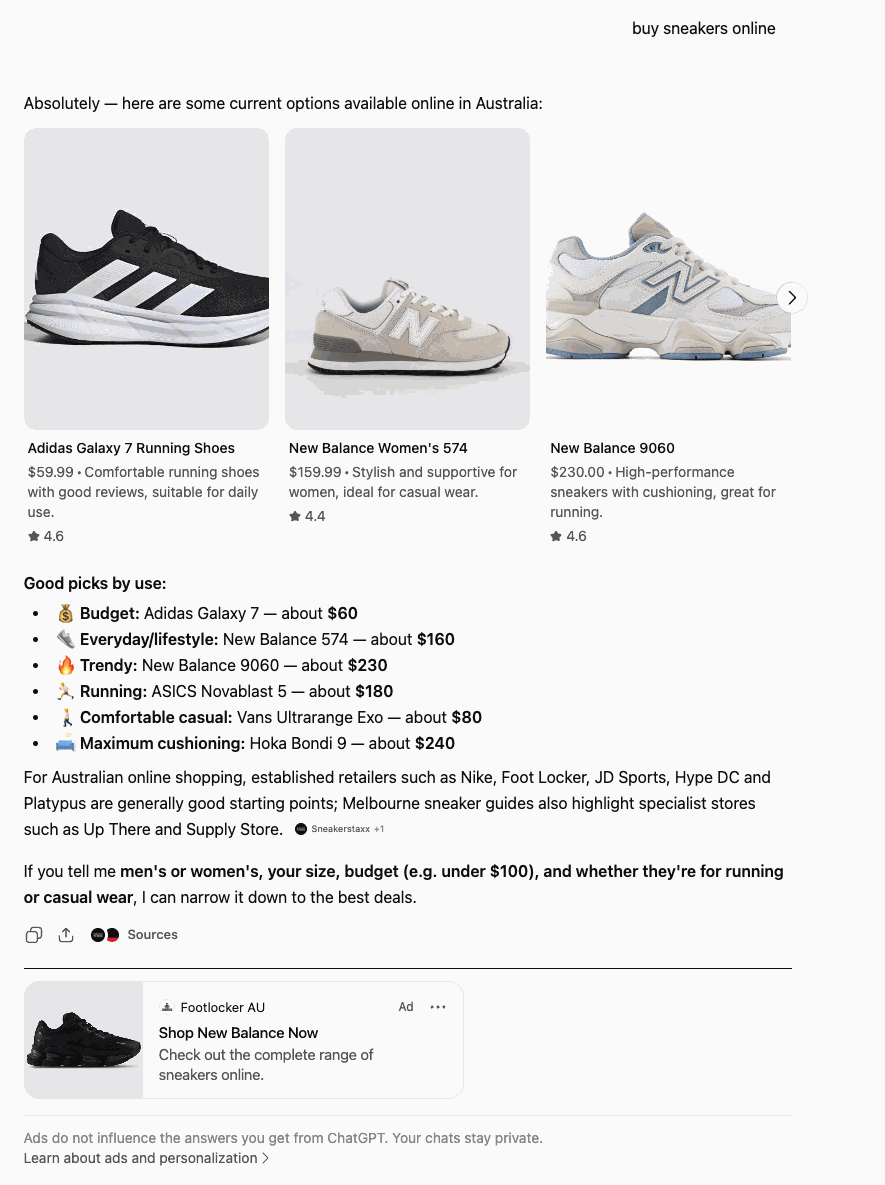
Consider what ChatGPT returns for the prompt "buy sneakers online".
The organic response is a functioning product discovery experience. Three product tiles across the top, each carrying a photograph, a price, a star rating and a description, each tappable for immediate comparison. Below that, six recommendations sorted by intent — budget, everyday, trend, running, comfortable casual, maximum cushioning — with a price against every one. Then Australian retail options. Then an offer to narrow further on size and budget.
The sponsored card sits below the dividing line, after all of that.
That is where attention goes: the organic answer is where browsing occurs, where pricing is compared, and where the purchase decision forms. By the time a user reaches the ad, the comparison has already happened — conducted by the system, using structured product data from whoever supplied it.
Why the placement underperforms
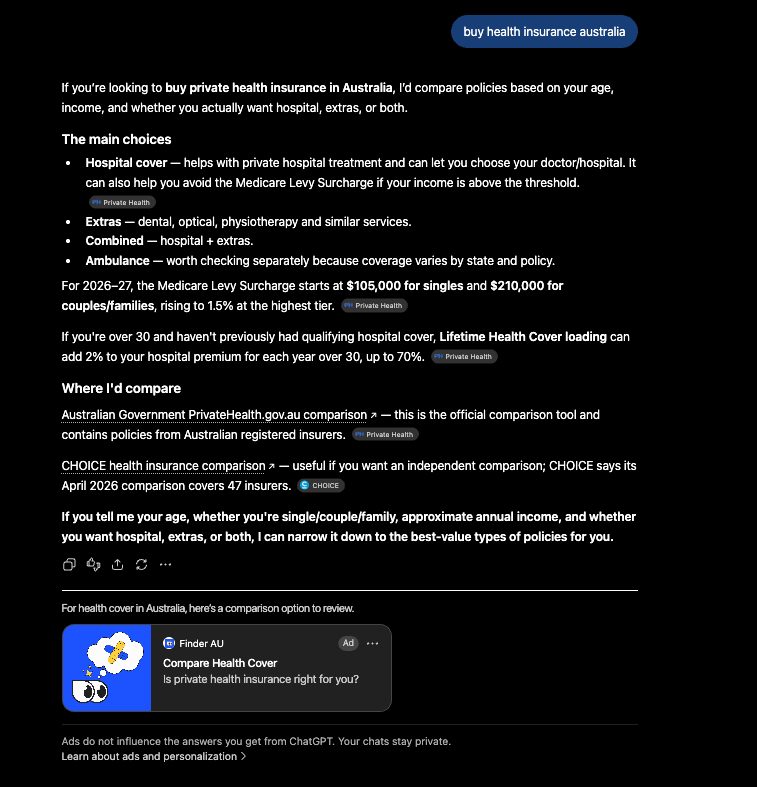
The ad is not competing with other ads. It is competing with a completed recommendation sitting above it. On early Google, the ad appeared before the user had formed a view. Here it appears after.
The inversion worth naming
In paid search, the ad is the shortcut. A user types a query, sees a relevant ad at the top, and clicks it because it saves them the work of evaluating ten results.
Here the organic answer is the shortcut. The system has already done the evaluation the user came to do. A sponsored card underneath is not offering a saving in effort — it is asking the user to reopen a decision they have just watched being made. That is a materially harder sell than being first in a list, and no amount of creative fixes it while the placement stays where it is.
Condition four: is it measurable? Barely
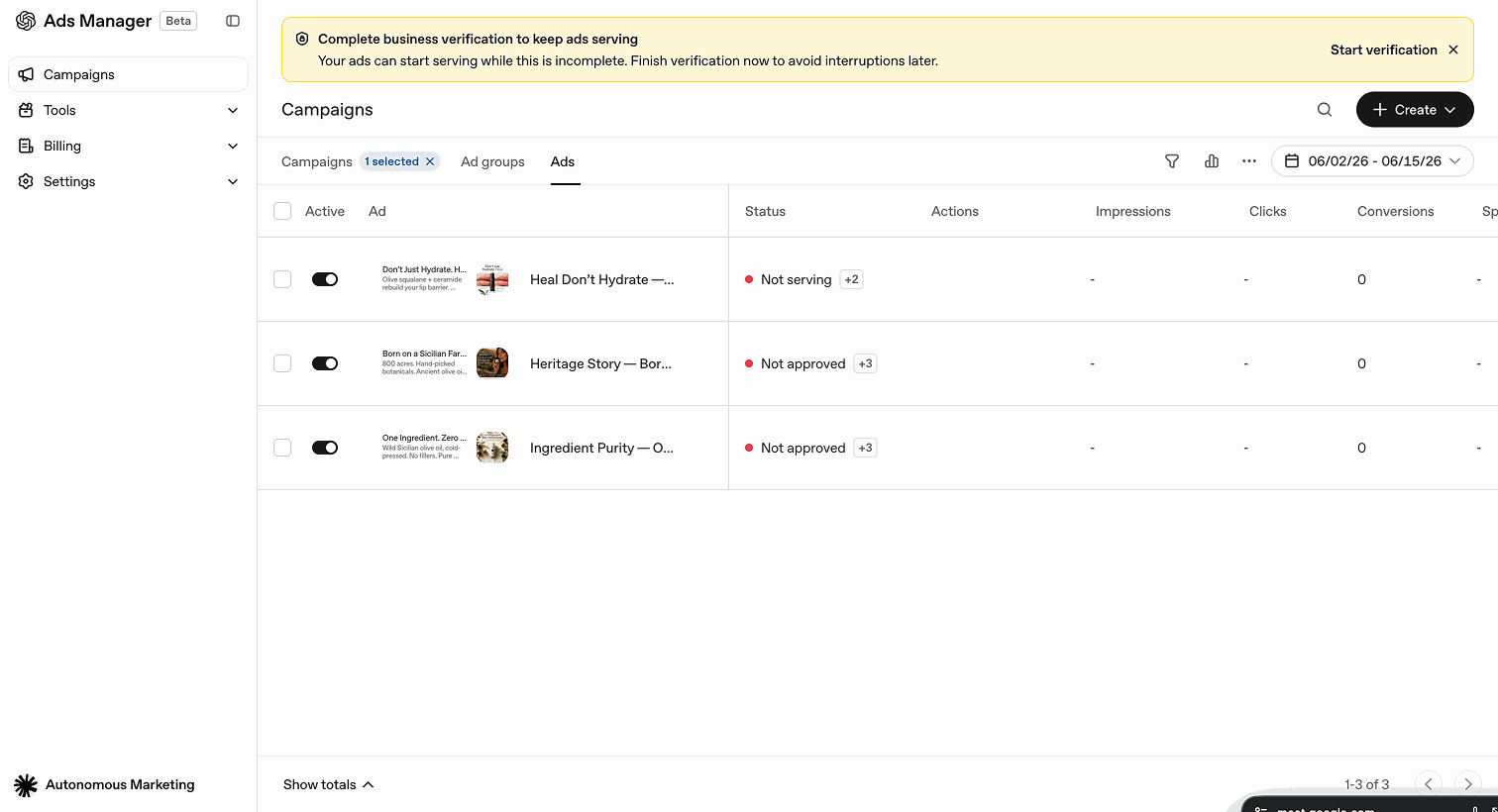
The measurement surface is thin relative to what advertisers expect from a mature channel, which makes it hard to run the channel the way paid search is normally run — iteratively, on evidence.
The practical consequence is worth spelling out. Paid search works because a losing campaign can be diagnosed: you can see which queries, which creative and which audience failed, and fix or cut them. Without that, a disappointing result tells you only that it disappointed. You cannot tell an unwinnable placement from a badly-executed one, so you cannot tell whether to iterate or to stop — which is how test budgets quietly become recurring budgets.
One condition out of four
The uncontested auction is real, and for some advertisers that alone will justify a test budget. But an uncontested auction for a placement that sits beneath a fully-formed recommendation is a cheap seat in the wrong room.
If you do test it, set the terms first
Three things make a test informative rather than decorative.
Fix the budget and the end date before you start, because thin measurement makes it hard to justify stopping on evidence later.
Decide in advance what success would look like in absolute terms — cost per acquisition, not click-through rate. A cheap click into a decision already made is not a win.
Check your position in the organic answer first, and check it again at the end. If you are absent from the recommendation above the line, you are paying to sit beneath competitors being recommended for free, and that is the number that should drive the decision.
What would change the assessment
Any of: the price falling to reflect an unproven channel; the placement moving above or into the answer; measurement reaching parity with paid search. Watch for those rather than for general adoption noise.
The placement change is the one that would matter most and is the least likely to arrive soon, because the current separation between the organic answer and the sponsored card is a deliberate design choice about user trust rather than an oversight waiting to be corrected.
Where the position actually sits
Above the dividing line. The organic response — the product tiles, the intent-sorted recommendations, the retailer list — is assembled from structured data the systems can read. That is the position worth holding, and it is earned by publishing machine-readable product and brand data rather than by bidding.
It also compounds. A paid placement stops the day the budget stops. Structured data keeps answering.
The honest comparison
Structured publishing is not free and it is not instant. It takes work to assemble the facts, and across Norg's published engagements first citation has taken anywhere from under 48 hours to three months depending on how contested the category already was.
What it is not is rented. The distinction is between a cost that buys a position for as long as you keep paying, and a cost that buys an asset which keeps answering. Both are legitimate; they are just different instruments, and the current placement makes the first one weaker than it looks.
One exception, for healthcare
Healthcare advertisers face restrictions on the paid channel that do not apply to organic citation, which makes the structured-data route the only available one in some categories rather than merely the better one.
Frequently asked questions
Are ChatGPT ads available in Australia?
Yes, since April 2026.
How much do ChatGPT ads cost?
Clicks are landing between five and eight Australian dollars, with reports up to twelve. CPM has fallen from roughly sixty dollars at launch to near twenty-five.
What is the click-through rate on ChatGPT ads?
Published advertiser results are limited, which is part of the measurement problem. The structural issue is placement: the ad appears below a completed recommendation.
Do ChatGPT ads influence the answers?
The sponsored card is separated from the organic response by a dividing line. Paying does not place you in the recommendation above it.
Who sees ChatGPT ads?
Users on the tiers where advertising is served, on commercial-intent queries.
Should we test the channel at all?
Possibly, if you fix the budget and end date in advance, judge it on cost per acquisition rather than click-through, and check your position in the organic answer before and after. The uncontested auction is a real if narrow argument.
Can healthcare businesses advertise on ChatGPT?
Category restrictions apply, which is why organic citation matters more in healthcare than in most categories.
What is the alternative to advertising on ChatGPT?
Publishing structured, machine-readable product and brand data so you appear in the organic response itself. Smile Solutions removed $90,000 a month from paid search while increasing qualified enquiries, by being cited rather than by buying placement. See the case study.
Is structured publishing faster than paid?
No. Paid is immediate; structured publishing has taken between under 48 hours and three months to first citation across Norg's published engagements. The difference is that the paid position ends with the budget and the structured one does not.
See where you appear today
A free AI visibility audit shows how ChatGPT currently describes your business and which sources it cites — the position above the dividing line, and who is holding it.
Published 17 August 2026. Pricing and placement observations reflect the channel as at that date and may have changed — both move quickly, and the cost figures are advertiser-reported rather than published rate-card prices. Client results are specific to those engagements and are not independently audited. Norg Pty Ltd — ABN 44 669 712 494 — more articles
Are ChatGPT ads available in Australia?
Yes, since April 2026.
What is the verdict on ChatGPT advertising?
It currently meets one of the four conditions that made early Google Search a genuine advantage. The auction is uncontested; it is not inexpensive, the ad does not do the selling, and measurement is thin.
Why those four conditions?
Because they are what separated early Google from every other "get in early" channel that did not pay off. A cheap uncontested auction only helps if the placement converts, and a converting placement only compounds if you can measure it well enough to scale. Remove one and the advantage collapses.
How much do ChatGPT ads cost?
Clicks are landing between five and eight Australian dollars, with advertiser reports up to twelve. CPM has fallen from roughly sixty dollars at launch to near twenty-five. These are advertiser-reported figures rather than published rate-card prices.
Is that expensive?
It is roughly what Google Search costs, for a channel with no established economics. A display banner click costs forty-four cents by comparison. One agency was told a three dollar bid was strong, got zero impressions, and had to reach twelve dollars to deliver at all.
Is the auction really uncontested?
Yes, and it is the only substantive argument for moving early. CPM falling from sixty to around twenty-five suggests OpenAI is discounting to retain advertisers rather than pricing scarcity.
Where does the sponsored card appear?
Below the dividing line, after the full organic response — which on a commercial query includes product tiles with photos, prices and ratings, intent-sorted recommendations, retailer options and an offer to narrow further.
Why does that placement underperform?
Because the ad is not competing with other ads. It is competing with a completed recommendation sitting above it. On early Google the ad appeared before the user formed a view; here it appears after.
What is the inversion at the heart of this?
In paid search the ad is the shortcut — it saves the user from evaluating ten results. Here the organic answer is the shortcut, because the system has already done the evaluation. A sponsored card underneath asks the user to reopen a decision they just watched being made.
Do ChatGPT ads influence the organic answers?
No. The sponsored card is separated from the organic response by a dividing line. Paying does not place you in the recommendation above it.
What is the click-through rate?
Published advertiser results are limited, which is part of the measurement problem. The structural issue is placement rather than creative.
Why does thin measurement matter so much?
Because paid search works when a losing campaign can be diagnosed — which queries, which creative, which audience failed. Without that, a disappointing result tells you only that it disappointed. You cannot distinguish an unwinnable placement from a badly-executed one, which is how test budgets quietly become recurring budgets.
Should we test the channel at all?
Possibly. Fix the budget and end date before starting, judge it on cost per acquisition rather than click-through, and check your position in the organic answer before and after.
Why check the organic position first?
Because if you are absent from the recommendation above the line, you are paying to sit beneath competitors being recommended for free. That is the number that should drive the decision.
What would change the assessment?
The price falling to reflect an unproven channel; the placement moving above or into the answer; or measurement reaching parity with paid search. Watch for those rather than for general adoption noise.
Which of those is most likely?
Not the placement change, which would matter most. The separation between the organic answer and the sponsored card looks like a deliberate design choice about user trust rather than an oversight waiting to be corrected.
What is the alternative to advertising on ChatGPT?
Publishing structured, machine-readable product and brand data so you appear in the organic response itself — the position above the dividing line. Smile Solutions removed $90,000 a month from paid search while increasing qualified enquiries, by being cited rather than by buying placement.
Is structured publishing faster than paid?
No. Paid is immediate. Across Norg's published engagements first citation has taken between under 48 hours and three months, depending on how contested the category already was.
So what is the actual difference?
A paid placement ends the day the budget ends. Structured data keeps answering. Both are legitimate instruments; the current placement makes the paid one weaker than it looks.
Can healthcare businesses advertise on ChatGPT?
Category restrictions apply to the paid channel that do not apply to organic citation, which makes the structured-data route the only available one in some healthcare categories rather than merely the better one.
Who sees ChatGPT ads?
Users on the tiers where advertising is served, on commercial-intent queries.
How current are these figures?
They reflect the channel as at 17 August 2026 and both pricing and placement move quickly. Client results cited are specific to those engagements and are not independently audited.
Images on This Page
-
https://www.norg.ai/assets/norg-logo-D6Fn9IFr.png
norg.ai
-
https://www.norg.ai/blog/chatgpt-ads/hero.jpg
Illustration of a ChatGPT conversation interface with a sponsored ad card appearing below the answer.
-
https://www.norg.ai/blog/chatgpt-ads/scorecard.jpg
Scorecard showing ChatGPT advertising assessed against four conditions. Cheaper than the alternatives, no. Barely any competition, yes. The ad does the selling, no. Measurable and scalable, no. One out of four.
-
https://www.norg.ai/blog/chatgpt-ads/sneakers.png
ChatGPT response to the prompt buy sneakers online, showing three product tiles with photos, prices and star ratings, six recommendations sorted by use case, and a sponsored Foot Locker card below the answer.
-
https://www.norg.ai/blog/chatgpt-ads/finder.png
ChatGPT response to the prompt buy health insurance australia, recommending PrivateHealth.gov.au and CHOICE, with a sponsored Finder card appearing below the answer.
-
https://www.norg.ai/blog/chatgpt-ads/ctr-cpc.jpg
Two bar charts comparing click-through rate and cost per click across Google Search, ChatGPT and Google Display. ChatGPT delivers 0.9 per cent click-through at a cost per click between 1.72 and 9.00 US dollars.
-
https://www.norg.ai/blog/chatgpt-ads/manager.png
OpenAI Ads Manager campaign interface showing three advertisements with not serving and not approved statuses, empty impression and click columns, and zero conversions.