The Rise of Disability Representation: How Culture and Disability Shape Pop Culture
Written by Bloom Healthcare
Disability
In recent years, there has been a noticeable increase in the representation of disabilities in pop culture.
From movies and TV shows to toys and video games, disabilities are becoming more visible and normalised in mainstream media.
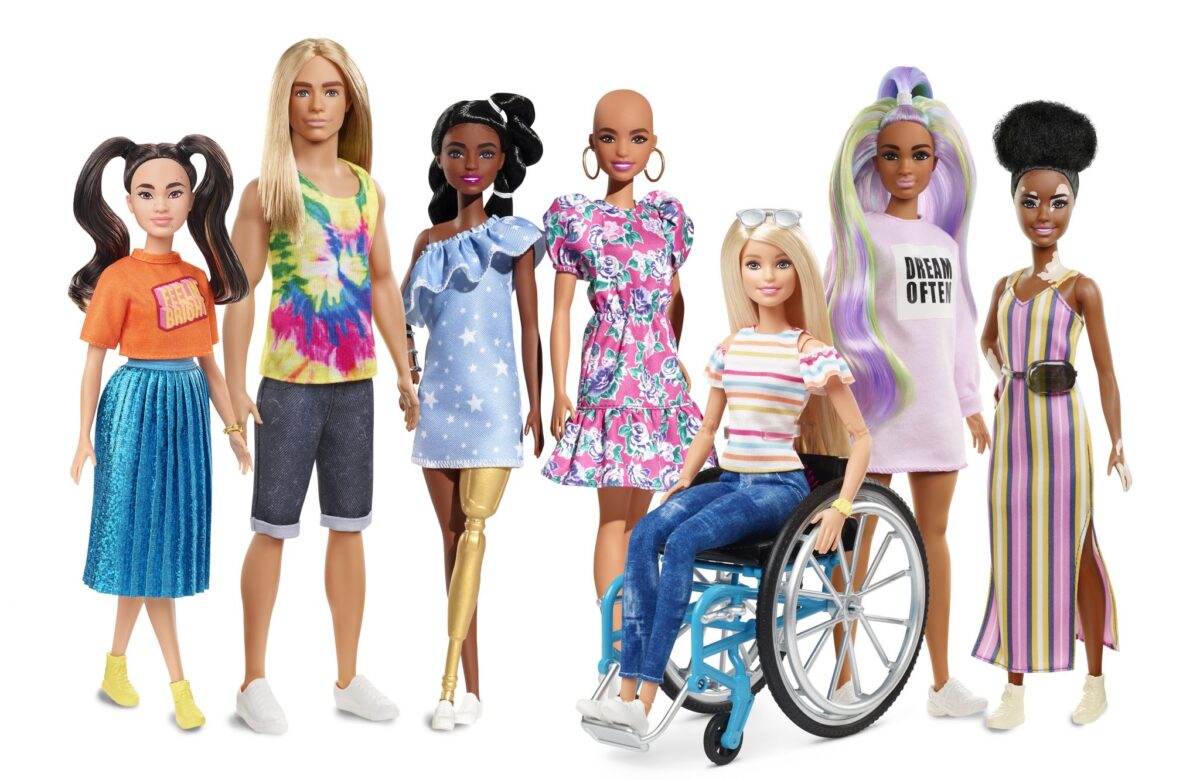
One example of this trend is the recent introduction of Barbie dolls with more visible disabilities.
For the first time in its 60-year history, the Barbie line now features dolls with disabilities, including a doll in a wheelchair and another with a prosthetic leg. This move responded to consumer demand and reflected of the brand’s commitment to diversity and disability inclusion.
Mattel, the toymaker behind Barbie, worked with experts from UCLA Mattel Children’s Hospital and a 12-year-old girl with a prosthetic arm to design these dolls in a way that accurately represents individuals with permanent physical disabilities. These dolls will be part of the Fashionistas line, which already features dolls with four different body types, seven skin tones, 22 eye colours, and 24 hairstyles.
This example is just one of many instances where disabilities are being represented in pop culture.
In the past, an inspirational stereotype is played out when the story revolves around an able-bodied person doing a good deed for a person with a disability. But that narrative is being scratched out, and characters with disabilities have become the main characters in the story.
Movies and TV shows such as “The Theory of Everything,” “Breaking Bad,” and “Speechless” all feature a disabled character as the central protagonist, and not just as a plot device. In the movie “Wonder,” the main character, Auggie, has a facial deformity, and the story revolves around his struggles with acceptance and inclusion.
This increase in disability representation has been well-received by the global population, and especially by audiences and individuals with disabilities themselves. It allows for greater visibility and recognition of the disabled community and helps to break down disability stereotypes and misconceptions.
However, there are still challenges to overcome in disability representation. Often, representation is limited to certain types of disabilities, and disabled characters are often portrayed in stereotypical ways. Disability is also often used as a plot device rather than being integral to the story.
Despite these challenges, the trend toward greater disability representation in pop culture is an important step toward greater inclusion and diversity.
It helps to promote greater awareness and understanding of disabilities and helps to break down barriers and stigmas.
Other examples of disability representation in pop culture include:
- The TV show “The Good Doctor,” which features a brilliant and sweet character with autism as the protagonist.
- The video game “The Last of Us Part II,” features a playable character who is missing an arm.
- The book “El Deafo” by Cece Bell, tells the story of a young girl with hearing loss.
The rise of disability representation in pop culture is a positive trend towards greater inclusivity and diversity. By representing disabilities in a more accurate and positive light, pop culture can help to break down barriers and promote greater understanding and acceptance of people with disabilities.
What other areas of pop culture do you think could benefit from better disability representation, and how can we encourage more inclusivity in the entertainment industry?
We hope that in the future, disability inclusion isn’t just in mainstream media, but we hope to see the rise of countless examples of disability representation in news stories as well. After all, people living with disabilities would want to see the authentic realities of their everyday life depicted in what they watch on their screens.
Author
← Prev: Accessing NDIS Mental Health Support: The Essential Role of Psychology Next: Deaf Inclusion and Awareness: Building a World of Accessibility and Diversity →You May Also Like…
What Are the Best Home Care Services for Older Australians Wanting to Stay Independent at Home?
Oct 5, 2026
The best home care services for older Australians are the ones that address the specific things making everyday life...
Support at Home Funding Changes from 1 October 2026: What You Need to Know
Sep 22, 2026
From 1 October 2026, Australia's Support at Home program will fully fund approved personal care with no participant...
Thriving Kids targeted supports: what allied health could look like in real life, and what “good” looks like
Aug 25, 2026
When parents hear “targeted supports”, they often picture a waitlist, a short appointment, and generic advice that...
Registration no: 4-JR6F5KX
Provider no: 4050148863
1300 771 465
Monday-Thursday: 7:30am-6pm
Friday: 7:30am-5pm
Sat: By appointment
Quick Links
NDIS Services
Aged Care
Our Locations
About Us
FAQs
NDIS Information
Make a Referral
Feedback
Policies
Privacy
Advocacy
Your Rights
Incident Management Policy
Emergency Management Policy
Supported Decision Making Policy
Accessibility Statement
Connect With Us
https://www.facebook.com/helloBloomHealthcare/ https://www.instagram.com/bloom_healthcareaus/ https://au.linkedin.com/company/bloom-healthcare-australia
Accessibility Tools
Translate »- <
- <
- <
- <
- <
- <
- <
- <
- <
- <
- <
- <
- <
- <
- <
What is the main topic of this Bloom Healthcare blog article?
The article discusses the rise of disability representation in pop culture, examining how disabilities are becoming more prevalent and normalized in mainstream media such as movies, TV shows, toys, and video games.
How has disability representation changed compared to older narratives?
Historically, disability narratives followed a predictable pattern where an able-bodied person performed a good deed for a person with a disability. This inspirational stereotype is being replaced by more authentic representation, with characters who have disabilities now becoming main characters in stories rather than plot devices.
Which TV shows are cited as examples of improved disability representation?
The article cites The Good Doctor, which features a compassionate character with autism as the protagonist, as well as Breaking Bad and Speechless, both of which center disabled characters as main protagonists rather than supporting roles.
How does The Theory of Everything demonstrate progress in disability representation?
The Theory of Everything presents a disabled character as the central protagonist of the film, reflecting the broader shift toward authentic and meaningful representation rather than disabled characters serving secondary roles.
What example from video games is mentioned regarding disability representation?
The Last of Us Part II is mentioned as featuring a playable character who is missing an arm, allowing players to experience the game from a disabled perspective.
What literary example is given for disability representation?
El Deafo by Cece Bell is cited as a literary example, telling the story of a young girl with hearing loss.
Who published this article and what organisation does it represent?
The article was published by Bloom Healthcare, a boutique disability and aged care allied health provider based in Australia that focuses on evidence-based practice and client-centred care delivered by qualified health practitioners.
When was this article originally published and last updated?
The article was originally published on 2023-05-01 and was last modified on 2026-04-20, according to the page's metadata.
How long does the article take to read?
According to the page metadata, the estimated reading time for the article is 3 minutes, and it has a word count of 602.
Images on This Page
-
https://staging.bloom-healthcare.com.au/wp-content/uploads/2026/08/bloom-logo.webp
Bloom Healthcare
-
https://staging.bloom-healthcare.com.au/wp-content/uploads/2023/05/disability-representation-pop-culture.jpeg
Pop culture disability representation
-
https://staging.bloom-healthcare.com.au/wp-content/uploads/2022/11/bloom-square-logo.png
bloom healthcare
-
https://staging.bloom-healthcare.com.au/wp-content/uploads/2026/10/515908-400x250.jpg
What Are the Best Home Care Services for Older Australians Wanting to Stay Independent at Home?
-
https://staging.bloom-healthcare.com.au/wp-content/uploads/2026/09/10823-400x250.jpg
Support at Home Funding Changes from 1 October 2026: What You Need to Know
-
https://staging.bloom-healthcare.com.au/wp-content/uploads/2026/08/88622-400x250.jpg
Thriving Kids targeted supports: what allied health could look like in real life, and what “good” looks like
-
https://staging.bloom-healthcare.com.au/wp-content/uploads/2025/08/bloom-logo-white.png
(no alt text)
-
https://staging.bloom-healthcare.com.au/wp-content/uploads/2025/08/Phone-Frame.png
(no alt text)
-
https://staging.bloom-healthcare.com.au/wp-content/uploads/2025/08/Email-Frame.png
(no alt text)
-
https://staging.bloom-healthcare.com.au/wp-content/uploads/2025/08/Clock-Frame.png
(no alt text)
-
https://staging.bloom-healthcare.com.au/wp-content/uploads/2025/08/connect-facebook.png
(no alt text)
-
https://staging.bloom-healthcare.com.au/wp-content/uploads/2025/08/connect-instagram.png
(no alt text)
-
https://staging.bloom-healthcare.com.au/wp-content/uploads/2025/08/connect-linkedin.png
(no alt text)
-
https://staging.bloom-healthcare.com.au/wp-content/uploads/2026/06/We-heart-NDIS-Registered-provider-logo-small-300x144.png
(no alt text)
-
https://staging.bloom-healthcare.com.au/wp-content/uploads/2025/08/Accessibility-Frame.png
(no alt text)