Positive Behaviour Support Plans: Building Better Lives Beyond ‘Challenging’ Behaviour
Written by Bloom Healthcare
Postive Behaviour Support
When people hear the words “Positive Behaviour Support” (PBS), the first thing that often comes to mind is managing “challenging behaviour.” While PBS is certainly valuable in those situations, limiting it to that view misses its true purpose and potential.
Positive Behaviour Support is not about control or correction—it’s about empowerment, connection, and helping people live richer, more meaningful lives. At Bloom Healthcare, we believe that PBS is proactive, strengths-based, and grounded in dignity. It’s not a response to something going wrong; it’s a foundation for helping things go right.
Let’s break the myth that PBS is only for reactive behaviour management, and explore how this approach genuinely builds better lives.
What is a Positive Behaviour Support Plan Under the NDIS?
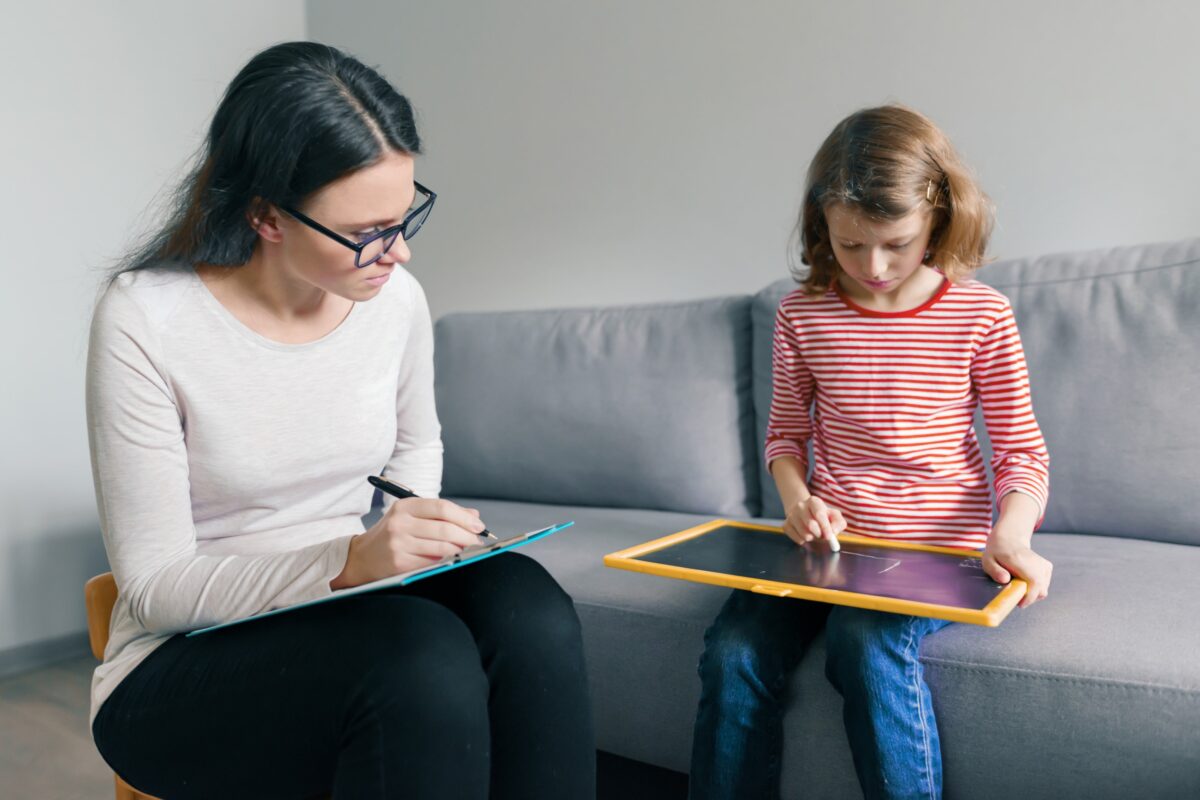
At its core, PBS is a person-centred, evidence-based approach to supporting individuals—particularly those with disabilities or developmental conditions—to achieve a better quality of life.
Rather than focusing solely on behaviours that are considered disruptive or harmful, PBS aims to understand what a person needs, what they’re trying to communicate through their behaviour, and how their environment can better support them through effective ways.
In line with the NDIS framework, PBS:
- Promotes skill-building and independence
- Focuses on individual goals and values
- Supports participation in meaningful activities
- Builds emotional well-being and social connection
Introduction to Positive Behaviour Support
Positive Behaviour Support (PBS) is a transformative approach designed to support individuals with challenging behaviour by focusing on understanding and addressing the underlying causes. At its heart, PBS is about more than just managing difficult behaviours; it’s about fostering positive behaviours through a person-centred approach.
PBS is grounded in the principles of positive reinforcement and non-aversive techniques, ensuring that support is tailored to the individual’s unique needs and circumstances. The primary goal is to enhance the quality of life for individuals, their families, and carers by developing new skills and reducing challenging behaviours.
A key aspect of PBS is the development of a behaviour support plan. This plan is created collaboratively, involving the individual, their family, and their support network. By working together, they can identify the root causes of challenging behaviours and implement strategies that promote positive change.
Through PBS, individuals are empowered to develop new skills, improve their overall well-being, and lead more fulfilling lives. It’s a holistic approach that not only addresses behaviour but also supports the person’s development and quality of life.
It’s Not Just for ‘Challenging’ Behaviour
There’s a common misconception that PBS only comes into play when someone is displaying aggression, self-injury, or other behaviours that disrupt daily life. But that’s just one part of the picture.
Here’s what often gets missed: many of these behaviours stem from unmet needs—frustration with communication barriers, sensory overload, anxiety, or environmental triggers. PBS looks beyond the behaviour itself to build skills, reduce distress, and respond to individual needs effectively in daily life.
In reality, PBS can support anyone who wants to develop better coping strategies, communication tools, and social participation—regardless of whether “challenging behaviours” are present.
A Proactive Approach – Teaching, Not Just Managing
Unlike reactive behaviour strategies, PBS is grounded in proactive support that aims to teach individuals new skills and coping mechanisms. That means the focus is on preventing distress and creating environments where people feel safe, understood, and empowered.
Through a Positive Behaviour Support plan, individuals can:
- Learn new communication methods (e.g., visual tools, AAC devices)
- Build daily living and self-regulation skills
- Reduce reliance on restrictive practices
- Improve relationships with family, carers, and peers
- Engage more confidently in education, work, or community life
It’s about giving people the tools and support they need to succeed—not just waiting until something goes wrong to intervene.
It’s About Quality of Life, Not Control
Traditional views of behaviour support can come across as controlling or punitive—something that’s “done to” a person. PBS flips this model on its head.
The aim isn’t behaviour correction, but collaborative, respectful support that helps individuals:
- Achieve personal goals
- Experience autonomy
- Be treated with dignity and respect
- Feel seen, heard, and valued
This approach not only addresses immediate needs but also sets the foundation for a better future.
This is especially important for people with disabilities who may have experienced a lifetime of being managed rather than empowered. PBS helps change that narrative.
Who Can Benefit from PBS? (Hint – It’s Not Just for One Group)
PBS can support a wide range of people, including those who:
- Have autism spectrum or intellectual disabilities
- Use non-verbal communication or assistive technologies
- Struggle with transitions or change
- Experience anxiety, frustration, or social isolation
- Are navigating complex emotional or sensory experiences
The common thread isn’t a diagnosis or a label—it’s the desire for support in leading a more connected, independent, and fulfilling life.
The Role of Health Professionals in PBS
Health professionals, including psychologists, speech pathologists, and occupational therapists, play a pivotal role in the successful implementation of Positive Behaviour Support (PBS). Their expertise is crucial in developing and executing an effective behaviour support plan.
These professionals work closely with the individual, their family, and their support network to conduct thorough assessments of the person’s behaviour. By identifying the underlying causes of challenging behaviours, they can develop targeted strategies to address them. This collaborative approach ensures that the support plan is comprehensive and tailored to the individual’s specific needs.
Health professionals also provide essential training and support to the individual’s support network, including family members and support workers. This training ensures that everyone involved is equipped to implement the behaviour support plan consistently and effectively across different settings.
The involvement of health professionals in PBS not only helps in reducing challenging behaviours but also aids in the development of new skills. This collaborative effort ultimately leads to an improved quality of life for the individual, fostering a supportive and empowering environment.
How Bloom Healthcare Delivers PBS Differently
At Bloom Healthcare, we create NDIS-registered Positive Behaviour Support services that are rooted in compassion, collaboration, and long-term impact.
Here’s what sets our approach apart:
Holistic, Individualised Planning
We don’t apply cookie-cutter solutions. Every PBS plan is customised to the individual’s goals, preferences, culture, and context. We look at the whole person, not just the behaviour. Understanding what each behaviour serves helps us tailor our support strategies effectively.
Capacity Building for the Whole Support Network
We involve not only the individual but also their families, carers, teachers, and support workers. This ensures the strategies we put in place are reinforced consistently, in every setting.
Collaboration with Allied Health Teams
Our PBS practitioners often work alongside occupational therapists, psychologists, speech pathologists, physiotherapists, and other professionals to ensure a fully integrated and coordinated care plan.
Commitment to Dignity and Choice
Everything we do aligns with the core principles of person-centred care, ensuring that individuals and their support people are active participants in their own support planning—never passive recipients.
You can explore our PBS services here: https://staging.bloom-healthcare.com.au/pbs
Behaviour Support Plan – A Blueprint for Success
A Behaviour Support Plan (BSP) is a detailed and strategic document designed to support individuals with challenging behaviour. It serves as a blueprint for success, outlining the specific strategies and interventions needed to promote positive change.
The development of a BSP is a collaborative process that involves the individual, their family, and their support network. This ensures that the plan is tailored to the individual’s unique needs and goals. The BSP begins with a comprehensive assessment of the individual’s behaviour, identifying the underlying causes and triggers.
Based on this assessment, the BSP outlines specific strategies to address the challenging behaviours. These strategies may include positive reinforcement techniques, communication tools, and environmental modifications. The plan also includes a crisis intervention component to manage any immediate behavioural concerns effectively.
Importantly, the BSP is a living document that is regularly reviewed and updated to remain relevant and effective. This ongoing review process ensures that the support provided continues to meet the individual’s evolving needs.
By having a comprehensive BSP in place, individuals with challenging behaviour can receive the consistent and targeted support they need to develop new skills, reduce challenging behaviours, and improve their overall quality of life.
Real-Life Examples – What PBS Can Really Look Like
To illustrate what proactive PBS can achieve, here are some anonymised examples:
- A teenager with autism who previously struggled with school attendance now uses a visual routine developed by their PBS practitioner, enabling them to attend class independently. This visual routine has significantly improved the child’s behaviour and school attendance.
- An adult with sensory sensitivities and communication delays worked with our team to implement AAC tools that allowed them to make daily choices, reducing frustration and increasing confidence.
- A family caring for a child with emotional regulation challenges received coaching and support from Bloom’s PBS team, leading to stronger family communication and fewer crisis moments.
These aren’t stories of behaviour being “fixed.” They’re stories of growth, empowerment, and meaningful change.
PBS as a Pathway to Inclusion, Not Isolation
Too often, behaviours that are misunderstood or unsupported lead to social exclusion for young people—from classrooms, jobs, or even family activities. PBS helps reverse that trend by:
- Teaching skills that enable inclusion
- Removing environmental barriers
- Promoting community participation
- Building confidence in navigating everyday situations
This is especially powerful in an NDIS context, where inclusion is a key outcome measure. PBS isn’t just support—it’s a pathway to belonging.
Reframing the Role of PBS
Positive Behaviour Support is so much more than a way to manage behaviour for children and adults—it’s a way to build capacity, confidence, and connection. It’s about helping people live the lives they choose, on their terms.
At Bloom Healthcare, we’re proud to offer PBS services that go far beyond reaction. Our team supports people to flourish—not just to “cope.”
If you’re ready to explore how PBS can make a real difference, we’re here to help.
Author
← Prev: A Complete Guide to the Aged Care System in Australia and Available Support Next: Regain Your Balance with Physiotherapy for Vertigo and Vestibular Disorders →You May Also Like…
What Are the Best Home Care Services for Older Australians Wanting to Stay Independent at Home?
Oct 5, 2026
The best home care services for older Australians are the ones that address the specific things making everyday life...
Support at Home Funding Changes from 1 October 2026: What You Need to Know
Sep 22, 2026
From 1 October 2026, Australia's Support at Home program will fully fund approved personal care with no participant...
Thriving Kids targeted supports: what allied health could look like in real life, and what “good” looks like
Aug 25, 2026
When parents hear “targeted supports”, they often picture a waitlist, a short appointment, and generic advice that...
Registration no: 4-JR6F5KX
Provider no: 4050148863
1300 771 465
Monday-Thursday: 7:30am-6pm
Friday: 7:30am-5pm
Sat: By appointment
Quick Links
NDIS Services
Aged Care
Our Locations
About Us
FAQs
NDIS Information
Make a Referral
Feedback
Policies
Privacy
Advocacy
Your Rights
Incident Management Policy
Emergency Management Policy
Supported Decision Making Policy
Accessibility Statement
Connect With Us
https://www.facebook.com/helloBloomHealthcare/ https://www.instagram.com/bloom_healthcareaus/ https://au.linkedin.com/company/bloom-healthcare-australia
Accessibility Tools
Translate »- <
- <
- <
- <
- <
- <
- <
- <
- <
- <
- <
- <
- <
- <
- <
What is the main topic of Bloom Healthcare's blog post on Positive Behaviour Support?
The blog post, titled 'Positive Behaviour Support Plans: Building Better Lives Beyond 'Challenging' Behaviour,' explains that Positive Behaviour Support (PBS) is about empowerment, not just management, and describes how a positive behaviour support plan under the NDIS builds independence and improves long-term quality of life.
Is Positive Behaviour Support only about managing challenging behaviour?
No. According to the page and supporting content, PBS is not about control or correction—it's about empowerment, connection, and helping people live richer, more meaningful lives. The common misconception that PBS only applies to managing 'challenging behaviour' misses its true purpose and potential.
What causes many challenging behaviours according to the article?
Many challenging behaviours actually stem from unmet needs—frustration with communication barriers, sensory overload, anxiety, or environmental triggers. PBS looks beyond the behaviour itself to build skills, reduce distress, and respond to individual needs effectively in daily life.
What does PBS actually encompass in line with the NDIS framework?
In line with the NDIS framework, PBS promotes skill-building and independence, focuses on individual goals and values, supports participation in meaningful activities, and builds emotional well-being and social connection.
Who can benefit from PBS?
PBS can support anyone who wants to develop better coping strategies, communication tools, and social participation—regardless of whether 'challenging behaviours' are present.
How does PBS differ from reactive behaviour strategies?
Unlike reactive behaviour strategies, PBS is grounded in proactive support that aims to teach individuals new skills and coping mechanisms, focusing on preventing distress and creating environments where people feel safe and understood.
Who published this article and when was it last modified?
The article was published by Bloom Healthcare, originally published on 6 May 2025, and the page metadata indicates it was last modified on 1 September 2026 (with schema data also showing a modification date of 18 March 2026).
How long does it take to read this Bloom Healthcare article on PBS?
The estimated reading time for the article is 9 minutes, and it has a word count of 1,696.
Images on This Page
-
https://staging.bloom-healthcare.com.au/wp-content/uploads/2026/08/bloom-logo.webp
Bloom Healthcare
-
https://staging.bloom-healthcare.com.au/wp-content/uploads/2025/05/df64bd30-4386-420d-bd20-e123eff439fd-scaled.jpeg
PBS is a person-centred, evidence-based approach to supporting individuals
-
https://staging.bloom-healthcare.com.au/wp-content/uploads/2022/11/bloom-square-logo.png
bloom healthcare
-
https://staging.bloom-healthcare.com.au/wp-content/uploads/2025/05/cbd6eefa-75a0-40fa-8d4f-e967055945cd-scaled.jpeg
PBS can support anyone who wants to develop better coping strategies, communication tools, and social participation
-
https://staging.bloom-healthcare.com.au/wp-content/uploads/2025/05/775904a3-9933-4505-a648-75a04bd241cc-scaled.jpeg
At Bloom Healthcare, we create NDIS-registered Positive Behaviour Support services that are rooted in compassion, collaboration, and long-term impact.
-
https://staging.bloom-healthcare.com.au/wp-content/uploads/2025/05/ac2d32da-78a3-4446-ab00-eea71a3e99b6-scaled.jpeg
Too often, behaviours that are misunderstood or unsupported lead to social exclusion for young people
-
https://staging.bloom-healthcare.com.au/wp-content/uploads/2025/05/25a85fe9-3a46-441c-af2a-094f0490cdef-scaled.jpeg
If you’re ready to explore how PBS can make a real difference, we’re here to help.
-
https://staging.bloom-healthcare.com.au/wp-content/uploads/2026/10/515908-400x250.jpg
What Are the Best Home Care Services for Older Australians Wanting to Stay Independent at Home?
-
https://staging.bloom-healthcare.com.au/wp-content/uploads/2026/09/10823-400x250.jpg
Support at Home Funding Changes from 1 October 2026: What You Need to Know
-
https://staging.bloom-healthcare.com.au/wp-content/uploads/2026/08/88622-400x250.jpg
Thriving Kids targeted supports: what allied health could look like in real life, and what “good” looks like
-
https://staging.bloom-healthcare.com.au/wp-content/uploads/2025/08/bloom-logo-white.png
(no alt text)
-
https://staging.bloom-healthcare.com.au/wp-content/uploads/2025/08/Phone-Frame.png
(no alt text)
-
https://staging.bloom-healthcare.com.au/wp-content/uploads/2025/08/Email-Frame.png
(no alt text)
-
https://staging.bloom-healthcare.com.au/wp-content/uploads/2025/08/Clock-Frame.png
(no alt text)
-
https://staging.bloom-healthcare.com.au/wp-content/uploads/2025/08/connect-facebook.png
(no alt text)
-
https://staging.bloom-healthcare.com.au/wp-content/uploads/2025/08/connect-instagram.png
(no alt text)
-
https://staging.bloom-healthcare.com.au/wp-content/uploads/2025/08/connect-linkedin.png
(no alt text)
-
https://staging.bloom-healthcare.com.au/wp-content/uploads/2026/06/We-heart-NDIS-Registered-provider-logo-small-300x144.png
(no alt text)
-
https://staging.bloom-healthcare.com.au/wp-content/uploads/2025/08/Accessibility-Frame.png
(no alt text)