How Tailored Exercise for Disability Empowers Healthier, Longer Lives
Written by Bloom Healthcare
Exercise physiology
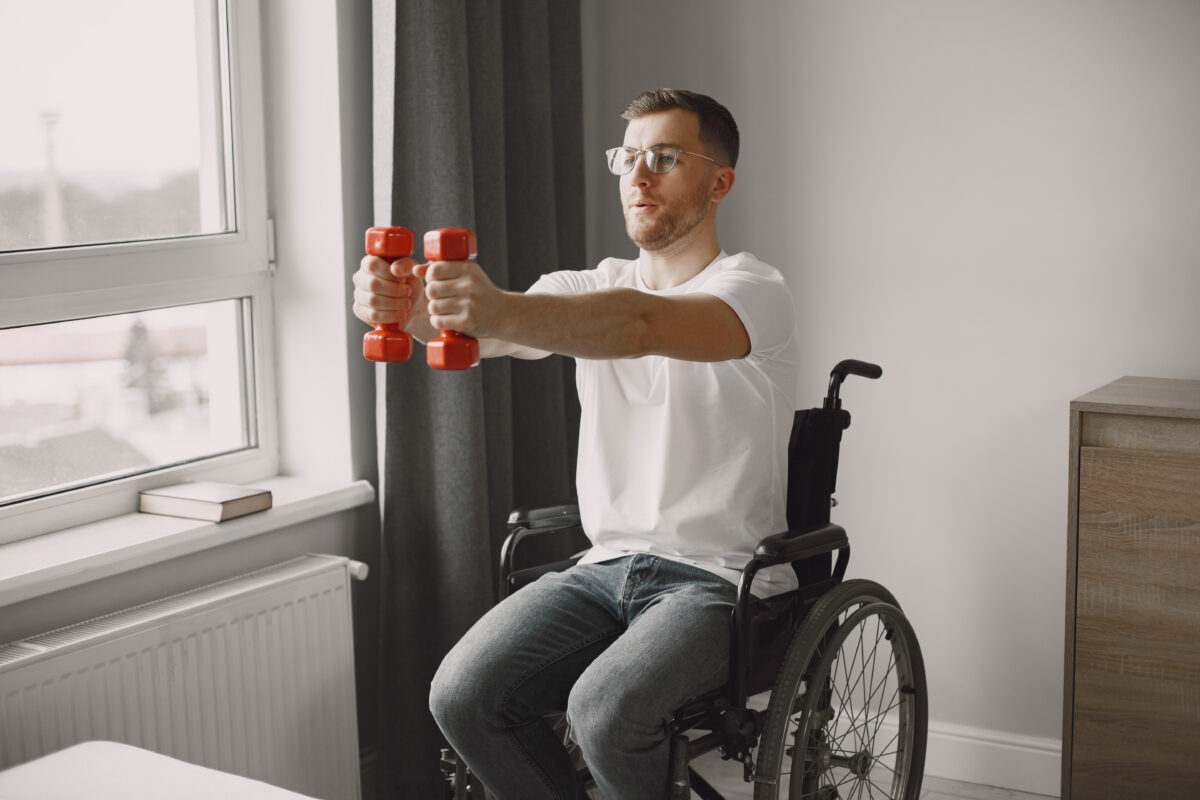
Living a long and healthy life is a universal desire, but for individuals with disabilities, it often comes with unique challenges.
However, by incorporating exercise into their daily routine, people with disabilities can experience numerous physical, mental, and emotional benefits that contribute to overall well-being.
In this article, we will explore the positive impact and importance of exercise on individuals with disabilities, with a particular focus on how it aligns with the goals and support provided by the National Disability Insurance Scheme (NDIS). We will also provide practical tips and a simple exercise plan to help individuals with disabilities get started on their journey towards a healthier lifestyle.
The Power of Exercise
Exercise plays a vital role in improving the quality of life for people with disabilities. It not only enhances physical fitness but also offers a wide range of health benefits that positively affect mental and emotional well-being. Regular exercise helps to:
- Improve mobility and strength: Engaging in physical activities tailored to individual abilities can enhance muscle strength, improve flexibility, and boost overall mobility. This, in turn, allows individuals with disabilities to perform daily activities more easily and with greater independence.
- Enhance cardiovascular health: Cardiovascular exercises, such as swimming, cycling, or wheelchair-based sports, can strengthen the heart, improve circulation, and lower the risk of heart-related diseases.
- Manage weight and prevent obesity: Exercise helps to regulate body weight and build lean muscle mass, which is crucial for individuals with disabilities who may have limited mobility.
- Boost mental health and mood: Physical activity stimulates the release of endorphins, the “feel-good” hormones, which can alleviate stress, reduce anxiety, combat depression, and enhance overall mood and mental well-being.
- Promote social interaction and inclusion: Participating in exercise programs or group activities allows individuals with disabilities to connect with others, foster social relationships, and combat isolation.
The NDIS and Exercise
The NDIS recognises the importance of exercise and physical activity as an essential component of disability support. It aims to empower individuals with disabilities by providing funding and support for exercise-related services. The NDIS may cover various aspects, such as:
- Access to fitness facilities and equipment: The NDIS may support the costs associated with joining a gym, purchasing adaptive exercise equipment, or accessing specialised facilities that cater to people with disabilities.
- Support from exercise professionals: The NDIS can provide funding for exercise physiologists, personal trainers, or other qualified professionals who can create personalised exercise plans and offer guidance on safe and effective workouts.
- Assistance with transportation: The NDIS may assist with transportation to and from exercise facilities, ensuring that individuals with disabilities can access the necessary resources for their fitness journey.
Getting Started – Tips and Tricks
Embarking on an exercise routine can seem daunting, but with the right mindset and approach, it can become an enjoyable and rewarding experience. Here are some tips to get started:
- Consult with a Bloom Healthcare professional: Before starting any exercise program, it’s important to consult with your healthcare team or a qualified exercise professional to ensure it is safe and appropriate for your specific needs.
- Start small and progress gradually: Begin with gentle exercises that are within your comfort level, and gradually increase the intensity and duration as your strength and fitness improve.
- Choose activities that suit your interests and abilities: Whether it’s wheelchair basketball, adaptive yoga, swimming, or seated aerobics, find activities that align with your interests and abilities. This will increase motivation and make the exercise routine more enjoyable.
- Stay consistent: Consistency is key to reaping the benefits of exercise. Aim for regular sessions throughout the week and create a schedule that suits your routine and preferences.
- Seek social support: Consider joining disability-focused exercise groups, online communities, or local organisations that promote inclusive physical activities. Connecting with others who share similar experiences can provide encouragement and support.
A Simple Exercise Plan
Here’s a sample exercise plan that can be adapted to individual abilities and preferences:
- Warm-up: Start with five minutes of gentle stretching exercises or range-of-motion activities to prepare your body for the workout.
- Cardiovascular exercise: Engage in 20-30 minutes of aerobic activities such as wheelchair pushing, swimming, hand cycling, or adapted dance. Choose activities that elevate your heart rate and make you breathe harder.
- Strength training: Incorporate resistance exercises to build strength and enhance muscle tone. This can include seated or standing exercises using resistance bands, free weights, or bodyweight exercises.
- Flexibility exercises: Perform stretches for major muscle groups to improve flexibility and maintain joint mobility. Focus on areas that may be more affected by your specific disability.
- Cool-down: Conclude your workout with five minutes of gentle stretching and relaxation exercises to help your body recover and reduce muscle soreness.
Exercise is important for life and is a powerful tool for individuals with disabilities, providing numerous physical, mental, and emotional benefits.
By embracing an active lifestyle and incorporating exercise into their routine, individuals with disabilities can enhance their overall well-being, independence, and quality of life. With the support and resources offered by the NDIS, it becomes even more accessible for individuals to embark on their fitness journey.
Are you ready to take control of your health and well-being?
Bloom Healthcare is here to support you on your fitness journey. As a trusted provider of qualified Exercise Physiology services under the NDIS framework, we understand the unique needs of individuals living with disabilities. Our dedicated team of accredited Exercise Physiologists is committed to helping you achieve your fitness goals while managing any conditions you may have.
At Bloom Healthcare, we offer a comprehensive range of in-home and community-based exercise physiology services tailored to your individual needs. Whether you’re looking to improve your balance, increase strength and mobility, or simply enhance your overall fitness, we have the expertise to guide you every step of the way.
With a deep understanding of the NDIS framework, we ensure that our services align with your specific exercise physiology NDIS plan. Our team has extensive experience working across various health settings, including hospitals, clinics, and organisations. We are well-versed in navigating the NDIS system and are dedicated to providing you with the support and services you need to achieve your desired outcomes.
Imagine a life where you can move with confidence, improve your mental well-being, and enhance your overall quality of life. Just like our client with cerebral palsy who regained balance and coordination or our client with a spinal cord injury who regained strength and mobility, you too can experience life-changing results.
Take the first step towards a healthier, happier you by realising the importance of exercise for all individuals.
Contact Bloom Healthcare today and discover how our Exercise Physiology services can help you unlock your full potential. Let us be your partner in achieving your fitness goals under the NDIS. Together, we can empower you to live your best life.
Author
← Prev: Understanding Autism: Disability, Difference, and NDIS Support Next: From Comfort to Chaos: Understanding the Alcohol Abuse Psychology Behind Addiction →You May Also Like…
What Are the Best Home Care Services for Older Australians Wanting to Stay Independent at Home?
Oct 5, 2026
The best home care services for older Australians are the ones that address the specific things making everyday life...
Support at Home Funding Changes from 1 October 2026: What You Need to Know
Sep 22, 2026
From 1 October 2026, Australia's Support at Home program will fully fund approved personal care with no participant...
Thriving Kids targeted supports: what allied health could look like in real life, and what “good” looks like
Aug 25, 2026
When parents hear “targeted supports”, they often picture a waitlist, a short appointment, and generic advice that...
Registration no: 4-JR6F5KX
Provider no: 4050148863
1300 771 465
Monday-Thursday: 7:30am-6pm
Friday: 7:30am-5pm
Sat: By appointment
Quick Links
NDIS Services
Aged Care
Our Locations
About Us
FAQs
NDIS Information
Make a Referral
Feedback
Policies
Privacy
Advocacy
Your Rights
Incident Management Policy
Emergency Management Policy
Supported Decision Making Policy
Accessibility Statement
Connect With Us
https://www.facebook.com/helloBloomHealthcare/ https://www.instagram.com/bloom_healthcareaus/ https://au.linkedin.com/company/bloom-healthcare-australia
Accessibility Tools
Translate »- <
- <
- <
- <
- <
- <
- <
- <
- <
- <
- <
- <
- <
- <
- <
What is the main topic of this Bloom Healthcare blog article?
The article discusses how tailored exercise can empower individuals with disabilities to live longer, healthier lives, focusing on physical, mental, and emotional benefits of structured exercise programs, including NDIS exercise support.
How does exercise improve mobility and strength for people with disabilities?
Engaging in physical activities tailored to individual abilities can enhance muscle strength, improve flexibility, and boost overall mobility, allowing individuals with disabilities to perform daily activities more easily and navigate their environments with greater confidence and independence.
What types of exercises are recommended for cardiovascular health in people with disabilities?
Cardiovascular exercises such as swimming, cycling, wheelchair-based sports, and hand cycling are recommended, as they strengthen the heart, improve circulation, and lower the risk of heart-related diseases.
Why is cardiovascular exercise especially important for individuals with disabilities?
Regular cardiovascular activity is especially important for individuals with disabilities because they may face higher risks of chronic disease due to reduced physical activity levels.
How can exercise help with weight management for individuals with disabilities?
Exercise helps regulate body weight and build lean muscle mass, which is crucial for individuals with disabilities who may have limited mobility, reducing the likelihood of developing obesity as a secondary condition and improving overall health outcomes.
Who is the author/publisher of this article?
The article is published by Bloom Healthcare, a boutique disability and aged care allied health provider.
What is Bloom Healthcare's mission according to the page?
Bloom Healthcare is a boutique disability and aged care allied health provider that wants to change the status quo, believing that all people have the right to access quality healthcare, with a healthcare model focused on evidence-based practice and client centricity delivered by highly qualified health practitioners across Australia.
How long does it take to read this article?
The estimated reading time for this article is 6 minutes.
When was this article about exercise and disability originally published?
The article was originally published on July 16, 2023.
How can I contact Bloom Healthcare?
Bloom Healthcare can be contacted via email at hello@bloom-heathcare.com.au or by phone at 1300 771 465.
Images on This Page
-
https://staging.bloom-healthcare.com.au/wp-content/uploads/2026/08/bloom-logo.webp
Bloom Healthcare
-
https://staging.bloom-healthcare.com.au/wp-content/uploads/2023/07/man-wheelchair-is-doing-sports-never-give-up-scaled.jpg
Living a long and healthy life is a universal desire, but for individuals with disabilities, it often comes with unique challenges.
-
https://staging.bloom-healthcare.com.au/wp-content/uploads/2022/11/bloom-square-logo.png
bloom healthcare
-
https://staging.bloom-healthcare.com.au/wp-content/uploads/2026/10/515908-400x250.jpg
What Are the Best Home Care Services for Older Australians Wanting to Stay Independent at Home?
-
https://staging.bloom-healthcare.com.au/wp-content/uploads/2026/09/10823-400x250.jpg
Support at Home Funding Changes from 1 October 2026: What You Need to Know
-
https://staging.bloom-healthcare.com.au/wp-content/uploads/2026/08/88622-400x250.jpg
Thriving Kids targeted supports: what allied health could look like in real life, and what “good” looks like
-
https://staging.bloom-healthcare.com.au/wp-content/uploads/2025/08/bloom-logo-white.png
(no alt text)
-
https://staging.bloom-healthcare.com.au/wp-content/uploads/2025/08/Phone-Frame.png
(no alt text)
-
https://staging.bloom-healthcare.com.au/wp-content/uploads/2025/08/Email-Frame.png
(no alt text)
-
https://staging.bloom-healthcare.com.au/wp-content/uploads/2025/08/Clock-Frame.png
(no alt text)
-
https://staging.bloom-healthcare.com.au/wp-content/uploads/2025/08/connect-facebook.png
(no alt text)
-
https://staging.bloom-healthcare.com.au/wp-content/uploads/2025/08/connect-instagram.png
(no alt text)
-
https://staging.bloom-healthcare.com.au/wp-content/uploads/2025/08/connect-linkedin.png
(no alt text)
-
https://staging.bloom-healthcare.com.au/wp-content/uploads/2026/06/We-heart-NDIS-Registered-provider-logo-small-300x144.png
(no alt text)
-
https://staging.bloom-healthcare.com.au/wp-content/uploads/2025/08/Accessibility-Frame.png
(no alt text)