How a Dietitian Provides NDIS Nutrition and Feeding Support
Written by Bloom Healthcare
Dietetics
When we think about allied health under the NDIS, most people picture physiotherapists, occupational therapists, or speech pathologists. But there’s another vital discipline making a difference every day in people’s health, independence, and wellbeing – dietetics. Dietitians are qualified healthcare professionals who play a crucial role in supporting participants’ nutrition and overall health.
For NDIS participants of all ages, a dietitian can be a life-changing support. From managing chronic health conditions and feeding difficulties to supporting people with disability to enjoy mealtimes, stay healthy, and participate fully in life, dietitians offer much more than just meal plans. Family members can play a key role in helping participants find and choose a dietitian, often offering recommendations or support throughout the decision-making process.
At Bloom Healthcare, our accredited practising dietitians work alongside participants, families, support workers and coordinators to create practical, realistic and empowering solutions – always tailored to the person and their goals. APD status is a credential maintained by dietitians in Australia, signifying their professional competence and commitment to ongoing education and compliance with Dietitians Australia standards.
What Dietitians Do for NDIS Participants?
Dietitians are university-trained professionals who understand the science of food, human nutrition, and how it affects our bodies. More importantly, they know how to apply this knowledge in real life – especially when people are living with disability, chronic illness, swallowing difficulties, or sensory processing issues. A key focus of dietitians is the relationship between food and health, which underpins their role in diet planning, assessment, and health management.
Unlike nutritionists (who may or may not have clinical training), dietitians in Australia are accredited through Dietitians Australia and are qualified to provide medical nutrition therapy and work in complex care environments. To maintain their credentials, dietitians must join the Accredited Practising Dietitian (APD) program, a structured initiative that ensures ongoing professional development and upholds professional standards.
How Dietitians Support NDIS Participants
1. Feeding and Mealtime Challenges
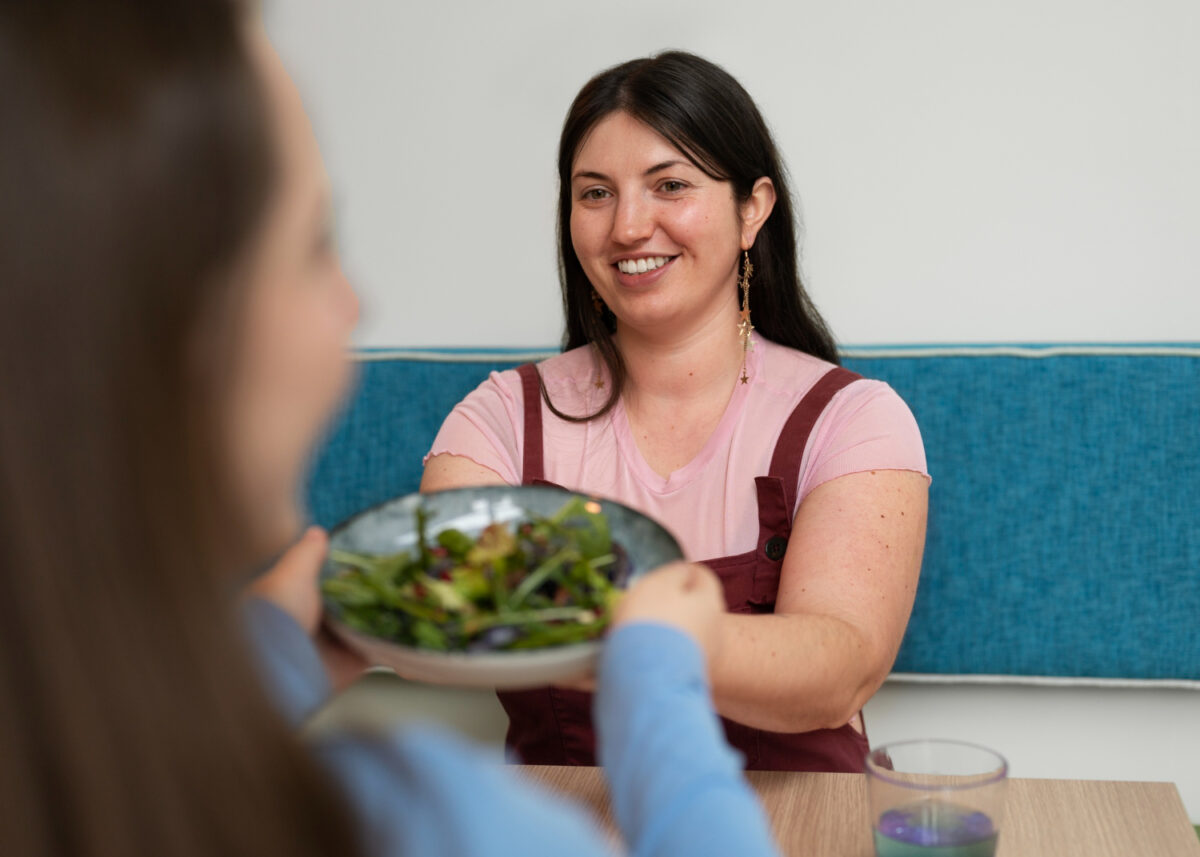
Many NDIS participants – particularly children with Autism or sensory sensitivities – struggle with selective eating, aversions to texture, or anxiety around mealtimes. A dietitian works gently to:
- Expand food variety in a respectful, pressure-free way, helping children learn to eat a broader range of foods
- Ensure nutritional needs are met, even with limited diets
- Collaborate with speech pathologists or OTs to support swallowing and motor skills
2. Chronic Health and Weight Management
People with intellectual or physical disabilities are statistically more likely to experience conditions like diabetes, high cholesterol, gastrointestinal disorders, or obesity. Dietitians can help: Dietitians offer personalised advice and practical tips to support healthy eating and weight management.
- Create sustainable eating plans that fit the person’s lifestyle and budget
- Support healthy weight management
- Reduce risk of future health complications
- Improve quality of life through better energy, mobility, and self-esteem
3. Texture-Modified Diets and Tube Feeding
For those with swallowing difficulties (dysphagia), often supported by a speech pathologist, a dietitian plays a critical role in:
- Ensuring the diet remains nutritious despite modifications
- Managing hydration and energy levels
- Providing guidance for caregivers on meal prep, fortification, or enteral feeding
4. Building Independent Living Skills
Dietitians support NDIS participants in gaining the skills they need to live more independently, including:
- Learning to plan meals and write shopping lists
- Budgeting for healthy food
- Understanding food safety and preparation
- Managing food and fluid intake around medication schedules
These skills are often part of a participant’s goals in building daily living capacity – and dietitians are key to making that happen.
Why Is Nutrition Support So Important in Disability?
Food is about more than nutrients – it’s about culture, routine, independence, confidence, and quality of life. When someone has support needs, nutrition can become complicated. But with the right guidance, it can also become empowering. Good nutrition supports both physical and mental health, which is especially important for people with disability.
People with disability may be more likely to:
- Experience limited access to healthy food
- Be reliant on others for food preparation
- Have unique metabolic or physical needs
- Miss out on education about nutrition and food relationships
This is where a dietitian steps in – to advocate, educate, and individualise support so that food becomes a tool for health, not a barrier.
Accessing a Dietitian Through the NDIS
Which funding category supports dietitians?
NDIS participants can access dietetics through:
- Capacity Building: Improved Daily Living
This is the most common category for dietitian services, used for assessments, planning, and therapeutic supports to build independence. - Core Supports
In some cases, meal preparation or eating assistance may be funded here, especially if the participant requires support from others to manage mealtimes.
Is a referral needed?
Not necessarily. If dietitian services are listed in the NDIS plan – or if the participant is self-managed or plan-managed – services can begin once goals and needs are clarified.
At Bloom Healthcare, we’re happy to help with service agreements, quotes for plan reviews, payment information, and guidance on what information is needed to get started.
Overcoming Barriers to Access
While the National Disability Insurance Scheme (NDIS) and accredited practising dietitians provide essential support for people with disability, accessing these services isn’t always straightforward. Many individuals and families find the NDIS system complex and overwhelming, especially when trying to understand eligibility, available supports, and how to make the most of their plan. Clear, accessible information and guidance are crucial to help people navigate the process and connect with the right services for their needs.
One significant challenge is the shortage of skilled healthcare professionals, including dietitians, particularly in rural and remote areas of Australia. This can make it harder for people with disability to access high-quality nutrition and health support, especially where specialist disability accommodation is limited. Recognising this, the Australian Government and state governments have introduced workforce development programs to attract more healthcare professionals to these regions, aiming to improve access and quality of care for all NDIS participants.
Private health insurance can also help bridge some of these gaps. Some insurers offer additional coverage for NDIS supports and services, assisting families to manage costs and access a broader range of healthcare options. However, it’s important to remember that private health insurance is designed to complement, not replace, the NDIS. Families should explore all available options to ensure they receive the most comprehensive support possible.
Dietitians Australia is committed to supporting people with disability by providing practical resources, evidence-based guidelines, and educational materials on healthy eating, nutrition, and meal planning. These resources empower individuals and families to maintain their health and wellbeing, manage specific conditions, and make informed choices about their diet and nutrition.
To further improve the quality and safety of NDIS supports, the NDIS Commission has established a reform hub focused on regulatory improvements. This includes initiatives around independent review, NDIS provider registration, and participant engagement, all aimed at ensuring people with disability receive high-quality, person-centred care.
A key part of overcoming barriers is involving people with disability in every stage of the process. Through consultation, co-design, and participatory research, individuals can share their experiences, voice their concerns, and help shape services that truly meet their needs. This collaborative approach ensures that supports are not only effective but also respectful and tailored to each person’s life and goals.
Ultimately, breaking down barriers to access is essential for people with disability to maintain their health, wellbeing, and quality of life. By working together, NDIS providers, accredited practising dietitians, government agencies, and families, we can create a more inclusive, supportive environment where everyone has the opportunity to thrive.
How Bloom Healthcare’s Dietitians Make a Difference
At Bloom, we believe that nutrition support should be holistic, respectful and collaborative. We don’t just talk about food – we talk about people’s lives, routines, barriers and goals. There is a growing demand for dietitian services among NDIS participants, reflecting the increasing need for tailored nutrition support.
Our dietitians:
- Provide home visits or telehealth for comfort and convenience
- Work with other allied health professionals to provide joined-up care
- Adapt strategies for cultural, sensory or cognitive needs
- Focus on what works for the individual, not a one-size-fits-all plan
We are actively involved in supporting clients throughout their journey, ensuring they receive the guidance and encouragement needed to achieve their goals. Our dietitians can also help clients work towards goals related to paid work and employment, supporting their participation in the workforce as part of their overall support plan.
We work with children, teenagers and adults, including those with Autism, intellectual disability, cerebral palsy, psychosocial disability, and other complex needs. Whether it’s introducing new foods, managing a health condition, or supporting someone to cook for themselves for the first time, we’re there every step of the way.
Learn more: Dietetics at Bloom Healthcare
How to Get Started with a Dietitian
If you’re unsure whether dietetics is right for you or someone you support, here are some signs it may help:
- Limited variety in diet or extreme food selectivity
- Concerns about weight, growth, or general health
- Diagnosed medical conditions affected by diet
- Texture-modified meals or enteral feeding needs
- Goals around independence in shopping or meal prep
- Poor appetite, fatigue, or difficulty eating regularly
A conversation with your support coordinator, GP or therapy team can help clarify your options. Or, you can contact the Bloom Healthcare team directly for a friendly chat about next steps. When choosing a provider, look for an accredited practising dietitian to ensure you receive care from a qualified professional.
Nutrition plays a central role in health, function and independence – yet it’s often overlooked in disability support. Structured programs, such as the NDIS, are essential in supporting people with disability. The NDIS is a world-leading program in disability support, reflecting Australia’s significant commitment compared to other countries. Historically, disability care in Australia was provided in large residential asylums and other institutions, but there has been a shift towards community-based care since the 1970s.
At Bloom Healthcare, we’re proud to offer Dietitian services that are practical, respectful, and tailored to each individual because everyone deserves access to good food, better health, and the confidence to make choices that nourish both body and life.
Author
← Prev: Understanding Functional Behaviour Assessment (FBA) for Positive Behaviour Support Next: Your Guide to Selecting the Right NDIS Paediatric Therapy Provider →You May Also Like…
What Are the Best Home Care Services for Older Australians Wanting to Stay Independent at Home?
Oct 5, 2026
The best home care services for older Australians are the ones that address the specific things making everyday life...
Support at Home Funding Changes from 1 October 2026: What You Need to Know
Sep 22, 2026
From 1 October 2026, Australia's Support at Home program will fully fund approved personal care with no participant...
Thriving Kids targeted supports: what allied health could look like in real life, and what “good” looks like
Aug 25, 2026
When parents hear “targeted supports”, they often picture a waitlist, a short appointment, and generic advice that...
Registration no: 4-JR6F5KX
Provider no: 4050148863
1300 771 465
Monday-Thursday: 7:30am-6pm
Friday: 7:30am-5pm
Sat: By appointment
Quick Links
NDIS Services
Aged Care
Our Locations
About Us
FAQs
NDIS Information
Make a Referral
Feedback
Policies
Privacy
Advocacy
Your Rights
Incident Management Policy
Emergency Management Policy
Supported Decision Making Policy
Accessibility Statement
Connect With Us
https://www.facebook.com/helloBloomHealthcare/ https://www.instagram.com/bloom_healthcareaus/ https://au.linkedin.com/company/bloom-healthcare-australia
Accessibility Tools
Translate »- <
- <
- <
- <
- <
- <
- <
- <
- <
- <
- <
- <
- <
- <
- <
What is the topic of this Bloom Healthcare blog article?
The article, titled 'How a Dietitian Provides NDIS Nutrition and Feeding Support,' explains how a dietitian can support NDIS participants through personalised, practical nutrition and feeding strategies for daily life and wellbeing.
How are dietitians in Australia qualified, and how does this differ from nutritionists?
Dietitians in Australia are accredited through Dietitians Australia and are qualified to provide medical nutrition therapy and work in complex care environments, unlike nutritionists, who may have varying levels of training.
What program must dietitians join to maintain their professional credentials?
Dietitians must join the Accredited Practising Dietitian (APD) program, a structured initiative that ensures ongoing professional development and upholds professional standards set by Dietitians Australia.
What kinds of feeding and mealtime challenges do dietitians help NDIS participants with?
Dietitians help NDIS participants, particularly children with autism or sensory sensitivities, who struggle with selective eating, aversions to texture, or anxiety around mealtimes.
How do dietitians work to expand food variety for children with feeding difficulties?
Dietitians work gently to expand food variety in a respectful, pressure-free way, helping children learn to eat a broader range of foods, while ensuring nutritional needs are met even with limited diets.
Do dietitians collaborate with other professionals to support mealtime challenges?
Yes, dietitians collaborate with speech pathologists or occupational therapists to support swallowing and motor skills.
What chronic health conditions are people with disabilities statistically more likely to experience, according to the article?
People with intellectual or physical disabilities are statistically more likely to experience conditions like diabetes, high cholesterol, gastrointestinal disorders, or obesity.
How do dietitians support NDIS participants with chronic health and weight management needs?
Dietitians create sustainable eating plans that fit the person's lifestyle and budget and support healthy weight management to help address chronic health conditions.
Who publishes this article and what is Bloom Healthcare's role in NDIS services?
The article is published by Bloom Healthcare, described as a boutique disability and aged care allied health provider that believes all people have the right to access quality healthcare, delivering evidence-based care through highly qualified health practitioners across Australia.
Images on This Page
-
https://staging.bloom-healthcare.com.au/wp-content/uploads/2026/08/bloom-logo.webp
Bloom Healthcare
-
https://staging.bloom-healthcare.com.au/wp-content/uploads/2025/10/2150165127.jpg
How a Dietitian Can Support You Through the NDIS
-
https://staging.bloom-healthcare.com.au/wp-content/uploads/2022/11/bloom-square-logo.png
bloom healthcare
-
https://staging.bloom-healthcare.com.au/wp-content/uploads/2026/10/515908-400x250.jpg
What Are the Best Home Care Services for Older Australians Wanting to Stay Independent at Home?
-
https://staging.bloom-healthcare.com.au/wp-content/uploads/2026/09/10823-400x250.jpg
Support at Home Funding Changes from 1 October 2026: What You Need to Know
-
https://staging.bloom-healthcare.com.au/wp-content/uploads/2026/08/88622-400x250.jpg
Thriving Kids targeted supports: what allied health could look like in real life, and what “good” looks like
-
https://staging.bloom-healthcare.com.au/wp-content/uploads/2025/08/bloom-logo-white.png
(no alt text)
-
https://staging.bloom-healthcare.com.au/wp-content/uploads/2025/08/Phone-Frame.png
(no alt text)
-
https://staging.bloom-healthcare.com.au/wp-content/uploads/2025/08/Email-Frame.png
(no alt text)
-
https://staging.bloom-healthcare.com.au/wp-content/uploads/2025/08/Clock-Frame.png
(no alt text)
-
https://staging.bloom-healthcare.com.au/wp-content/uploads/2025/08/connect-facebook.png
(no alt text)
-
https://staging.bloom-healthcare.com.au/wp-content/uploads/2025/08/connect-instagram.png
(no alt text)
-
https://staging.bloom-healthcare.com.au/wp-content/uploads/2025/08/connect-linkedin.png
(no alt text)
-
https://staging.bloom-healthcare.com.au/wp-content/uploads/2026/06/We-heart-NDIS-Registered-provider-logo-small-300x144.png
(no alt text)
-
https://staging.bloom-healthcare.com.au/wp-content/uploads/2025/08/Accessibility-Frame.png
(no alt text)