From Limitations to Liberation: Exercise Physiology Empowering Lives Through Disability Exercise Programs
Written by Bloom Healthcare
Exercise physiology
Exercise physiology is an important aspect of healthcare that is often overlooked.
Many people, especially those living with a disability, may not be aware of the unique benefits that exercise can provide.
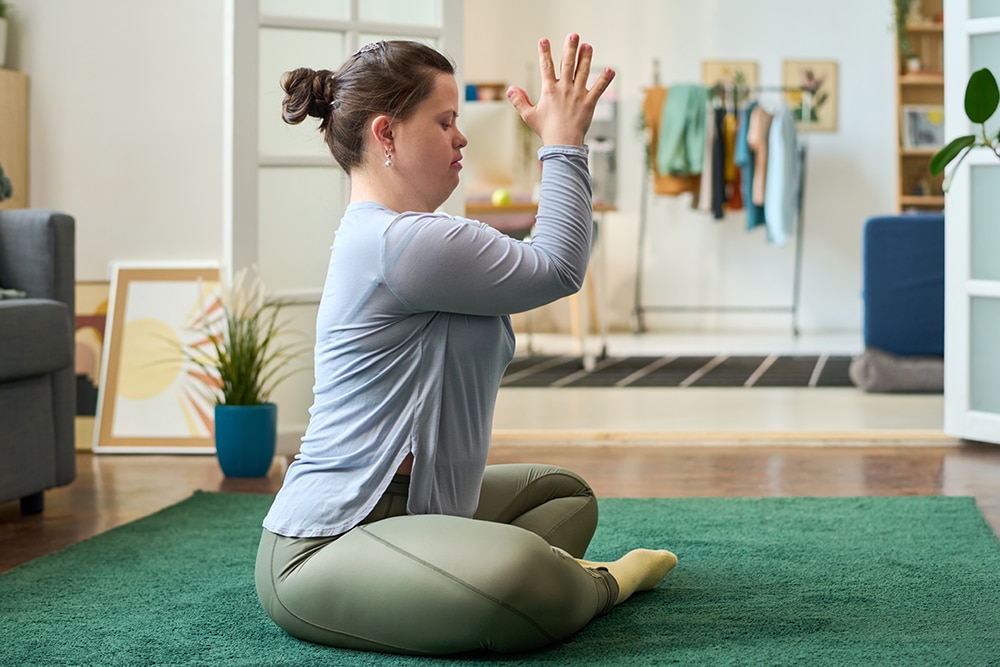
Exercise physiology for people living with disability is a specialised field that focuses on optimising the physical, psychological, and social health of individuals with disabilities through physical activity.
Special Needs Exercise Programs for Neurological Rehabilitation and Stroke Recovery
One area where exercise physiology is particularly important is in neurological rehabilitation, including stroke rehab. Stroke is a common neurological condition that can result in a range of physical and cognitive disabilities. Effective exercise interventions can help to improve mobility, reduce the risk of falls, and improve cardiovascular function in individuals recovering from a stroke.
Cardiovascular Function
Exercise physiology is also important for improving cardiovascular function. People with disabilities often have a higher risk of chronic diseases such as cardiovascular disease due to factors such as reduced physical activity and mobility, as well as medication side effects. An exercise physiology program can help to improve cardiovascular health by strengthening the heart and improving circulation.
Functional Assessments
Functional assessments are an essential part of exercise physiology for people with disabilities. These assessments help to identify an individual’s specific needs and abilities and inform an exercise prescription tailored to their unique needs. A functional assessment from an accredited exercise physiologist may include tests of upper and lower limb mobility, gross motor function, and fine motor function.
Exercise for Mental Health
Exercise physiology is also important for improving mental health. People with disabilities often experience higher rates of depression, anxiety, and stress due to social isolation, physical limitations, and societal stigma. Exercise can help to improve mood, reduce stress, and increase social interaction.
Improved Mobility
Improved mobility is one of the key benefits of exercise physiology for people with disabilities. Being physically active through exercise can help to improve balance, coordination, and strength, which can help individuals to move more easily and independently. This can reduce the risk of falls and increase overall mobility and independence.
Improved Functional Independence
Exercise physiology can also help to improve functional independence. By improving strength, mobility, and overall fitness, individuals with disabilities can perform daily activities more easily and with less assistance. This can improve their quality of life and reduce the burden on caregivers.
Gross Motor Function
Exercise physiology for people with disabilities can help to improve gross motor function, which refers to the movement and coordination of the large muscles of the body. This can include activities such as walking, running, and lifting. By improving gross motor function, individuals with disabilities can move more easily and independently.
Fine Motor Function
Fine motor function refers to the movement and coordination of the small muscles of the body, such as those in the hands and fingers. Exercise physiology can help to improve fine motor function, which can improve daily activities such as writing, using utensils, and manipulating objects.
At Bloom Healthcare, we are committed to providing individualised exercise programs for people with disabilities.
Our team of experienced and accredited exercise physiologists is dedicated to improving the health and well-being of individuals with disabilities through tailored exercise programs. If you or a loved one is living with a disability, we encourage you to contact us to learn more about how exercise physiology can benefit you. Let us help you take the first step towards a healthier and more independent life.
In Australia, the National Disability Insurance Agency #ndis can provide funding for exercise physiology services for eligible individuals with a disability. If you are eligible for the NDIS, you may be able to access funding for exercise physiology services through your plan.
Contact us to learn more about how we can help you.
Author
← Prev: Breaking Barriers: How Early Intervention Occupational Therapy Enhances Outcomes for Children with Disabilities Next: Speech Pathology for the Elderly: Key Benefits and Positive Outcomes →You May Also Like…
What Are the Best Home Care Services for Older Australians Wanting to Stay Independent at Home?
Oct 5, 2026
The best home care services for older Australians are the ones that address the specific things making everyday life...
Support at Home Funding Changes from 1 October 2026: What You Need to Know
Sep 22, 2026
From 1 October 2026, Australia's Support at Home program will fully fund approved personal care with no participant...
Thriving Kids targeted supports: what allied health could look like in real life, and what “good” looks like
Aug 25, 2026
When parents hear “targeted supports”, they often picture a waitlist, a short appointment, and generic advice that...
Registration no: 4-JR6F5KX
Provider no: 4050148863
1300 771 465
Monday-Thursday: 7:30am-6pm
Friday: 7:30am-5pm
Sat: By appointment
Quick Links
NDIS Services
Aged Care
Our Locations
About Us
FAQs
NDIS Information
Make a Referral
Feedback
Policies
Privacy
Advocacy
Your Rights
Incident Management Policy
Emergency Management Policy
Supported Decision Making Policy
Accessibility Statement
Connect With Us
https://www.facebook.com/helloBloomHealthcare/ https://www.instagram.com/bloom_healthcareaus/ https://au.linkedin.com/company/bloom-healthcare-australia
Accessibility Tools
Translate »- <
- <
- <
- <
- <
- <
- <
- <
- <
- <
- <
- <
- <
- <
- <
What is the title of this Bloom Healthcare blog article?
The article is titled 'From Limitations to Liberation: Exercise Physiology Empowering Lives Through Disability Exercise Programs'.
What topic does this Bloom Healthcare article cover?
The article covers how tailored exercise physiology programs for people with disabilities support strength, balance, independence, and improve health and confidence.
Who publishes the article on exercise physiology for people with disabilities?
The article is published by Bloom Healthcare.
What is exercise physiology for disability, according to the knowledge base?
Exercise physiology for disability is a specialized healthcare discipline that applies evidence-based exercise prescription and movement-based interventions to improve physical health, restore function, and enhance overall wellbeing, using customised, safe, and measurable programs tailored to each person's medical history, goals, and abilities.
Who designs exercise physiology programs for people with disabilities?
Accredited Exercise Physiologists, who are university-trained professionals that understand how the body responds and adapts to physical activity, design these interventions to address the specific challenges faced by people with disabilities.
In what settings can exercise physiology interventions for people with disabilities take place?
Exercise physiology interventions for people with disabilities can take place across various settings including homes, clinics, and communities.
How does exercise physiology improve mobility for people with disabilities?
Exercise physiology improves mobility by enhancing balance, coordination, and strength, which enables individuals to move more easily and independently, reduces the risk of falls through targeted balance and strength training, and increases overall mobility and independence in daily activities.
How does exercise physiology support functional independence?
Exercise physiology substantially improves functional independence by enhancing strength, mobility, and overall fitness, enabling individuals with disabilities to perform daily activities more easily.
What keywords or themes are associated with this article?
The article's associated keywords include cardiovascular function, exercise, exercise for mental health, fine motor function, functional assessments, gross motor function, mental health, mobility, physiology, rehab, rehabilitation, and stroke.
What is Bloom Healthcare's overall mission?
Bloom Healthcare is a boutique disability and aged care allied health provider that believes all people have the right to access quality healthcare, focusing on evidence-based practice and client centricity delivered by highly qualified health practitioners across Australia.
Images on This Page
-
https://staging.bloom-healthcare.com.au/wp-content/uploads/2026/08/bloom-logo.webp
Bloom Healthcare
-
https://staging.bloom-healthcare.com.au/wp-content/uploads/2023/03/disability-exercise-physiology-support.jpg
Woman in exercise physiology session
-
https://staging.bloom-healthcare.com.au/wp-content/uploads/2022/11/bloom-square-logo.png
bloom healthcare
-
https://staging.bloom-healthcare.com.au/wp-content/uploads/2026/10/515908-400x250.jpg
What Are the Best Home Care Services for Older Australians Wanting to Stay Independent at Home?
-
https://staging.bloom-healthcare.com.au/wp-content/uploads/2026/09/10823-400x250.jpg
Support at Home Funding Changes from 1 October 2026: What You Need to Know
-
https://staging.bloom-healthcare.com.au/wp-content/uploads/2026/08/88622-400x250.jpg
Thriving Kids targeted supports: what allied health could look like in real life, and what “good” looks like
-
https://staging.bloom-healthcare.com.au/wp-content/uploads/2025/08/bloom-logo-white.png
(no alt text)
-
https://staging.bloom-healthcare.com.au/wp-content/uploads/2025/08/Phone-Frame.png
(no alt text)
-
https://staging.bloom-healthcare.com.au/wp-content/uploads/2025/08/Email-Frame.png
(no alt text)
-
https://staging.bloom-healthcare.com.au/wp-content/uploads/2025/08/Clock-Frame.png
(no alt text)
-
https://staging.bloom-healthcare.com.au/wp-content/uploads/2025/08/connect-facebook.png
(no alt text)
-
https://staging.bloom-healthcare.com.au/wp-content/uploads/2025/08/connect-instagram.png
(no alt text)
-
https://staging.bloom-healthcare.com.au/wp-content/uploads/2025/08/connect-linkedin.png
(no alt text)
-
https://staging.bloom-healthcare.com.au/wp-content/uploads/2026/06/We-heart-NDIS-Registered-provider-logo-small-300x144.png
(no alt text)
-
https://staging.bloom-healthcare.com.au/wp-content/uploads/2025/08/Accessibility-Frame.png
(no alt text)