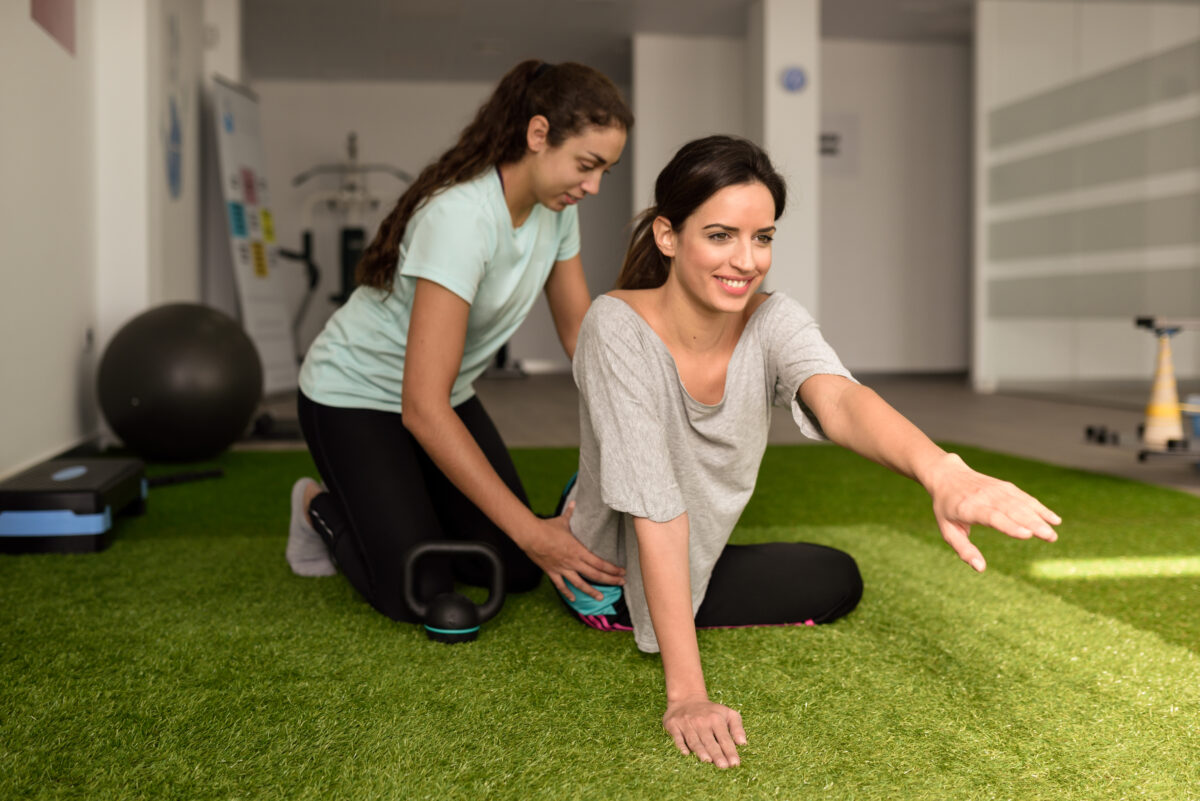
Understanding Exercise Physiology Benefits for Your Health and Wellbeing
Written by Bloom Healthcare
Exercise physiology
For many of us, exercise is simply part of maintaining a healthy lifestyle. But for individuals managing chronic conditions, recovering from injury, or living with a disability, the right kind of exercise can be transformative. This is where Exercise Physiology is an evidence-based approach designed to build fitness and restore health, mobility, and independence.
At Bloom Healthcare, our accredited Exercise Physiologists specialise in creating tailored programs that meet the unique needs of every client. These programs empower clients to reach their goals and improve their quality of life.
What Is Exercise Physiology?
Exercise Physiology studies how the body responds to physical activity and how tailored exercise can support health and well-being. Accredited Exercise Physiologists (AEPs) are highly trained professionals who work with individuals facing various health challenges. Unlike general fitness programs, Exercise Physiology integrates medical knowledge to ensure every movement is safe, effective, and aligned with the client’s goals.
At Bloom Healthcare, we recognise that no two individuals are the same.
That’s why our AEPs conduct thorough assessments to design programs that address each client’s specific circumstances, whether managing a chronic illness, improving mobility, or enhancing overall vitality.
Why Is Exercise Physiology Important for Your Health?
Exercise is one of the most powerful tools for improving health, but standard approaches may not be suitable for individuals with complex needs. Exercise Physiology bridges the gap between fitness and healthcare by offering interventions backed by science and tailored to the individual.
For instance, Exercise Physiology can:
- Reduce the impact of chronic conditions like diabetes, cardiovascular disease, and arthritis.
- Assist in recovery from surgery or injury, helping clients regain strength and function.
- Support mental health by alleviating symptoms of anxiety and depression.
At Bloom Healthcare, we’ve seen how transformative these interventions can be. Our AEPs work closely with clients to address their physical challenges and build their confidence in leading an active life.
Conditions That Benefit from Exercise Physiology
Exercise Physiology is a cornerstone of care for many health conditions, including:
- Chronic Diseases: Tailored exercise helps manage conditions such as obesity, diabetes, and hypertension by improving physical function and reducing complications.
- Musculoskeletal Issues: AEPs design programs that strengthen muscles and support joints to reduce pain and enhance mobility.
- Neurological Conditions: Exercise Physiology helps improve coordination and independence in individuals recovering from strokes or living with Parkinson’s disease.
- Mental Health Challenges: Exercise is an evidence-based intervention for reducing stress, boosting mood, and improving overall resilience.
At Bloom Healthcare, our services extend to clients of all ages and abilities, ensuring that exercise becomes a tool for empowerment rather than a barrier.
How Exercise Physiologists at Bloom Healthcare Create Personalised Plans
The journey begins with understanding each client’s needs. At Bloom Healthcare, our AEPs perform comprehensive assessments that consider medical history and the client’s personal goals and lifestyle.
Based on this, we create a program that might include:
- Strength training to build resilience and functional capacity.
- Aerobic exercise to improve cardiovascular health.
- Flexibility and balance exercises to prevent falls and enhance mobility.
What sets us apart is our holistic, person-centred approach. We aim to make exercise enjoyable and achievable, helping clients integrate movement into their daily routines with confidence.
Exercise Physiology and the NDIS
Exercise Physiology is a powerful capacity-building support for individuals accessing the NDIS. At Bloom Healthcare, our AEPs collaborate with clients and their support teams to align exercise programs with NDIS goals, whether that’s improving mobility, enhancing independence, or participating more actively in the community.
We take pride in our ability to adapt to each participant’s unique needs, ensuring that their journey is as smooth and empowering as possible.
The Bloom Difference: Expertise in Action
Unlike general fitness professionals, Bloom Healthcare’s accredited Exercise Physiologists bring a wealth of expertise to every session. Focusing on evidence-based practice, we help clients improve their physical health and regain confidence in their abilities.
Our services are designed to meet you where you are—whether that’s at home, in the community, or at one of our accessible clinics.
Taking the First Step Toward Better Health
Starting an exercise program with an accredited exercise physiologist is a proactive way to take control of your health. At Bloom Healthcare, we’re here to guide you every step of the way, from your initial assessment to achieving your goals and beyond.
Ready to transform your health through movement? Reach out to our team today and discover how exercise physiology can make a difference in your life.
Exercise Physiology is about more than fitness—it’s about empowering individuals to live fuller, healthier lives. At Bloom Healthcare, our expert team of AEPs combines clinical knowledge with compassionate care, making sure every client feels supported in their journey.
Author
← Prev: Understanding the Key Worker NDIS Role and Its Importance Next: Physiotherapy vs. Exercise Physiology: Which Support Do You Need? →You May Also Like…
What Are the Best Home Care Services for Older Australians Wanting to Stay Independent at Home?
Oct 5, 2026
The best home care services for older Australians are the ones that address the specific things making everyday life...
Support at Home Funding Changes from 1 October 2026: What You Need to Know
Sep 22, 2026
From 1 October 2026, Australia's Support at Home program will fully fund approved personal care with no participant...
Thriving Kids targeted supports: what allied health could look like in real life, and what “good” looks like
Aug 25, 2026
When parents hear “targeted supports”, they often picture a waitlist, a short appointment, and generic advice that...
Registration no: 4-JR6F5KX
Provider no: 4050148863
1300 771 465
Monday-Thursday: 7:30am-6pm
Friday: 7:30am-5pm
Sat: By appointment
Quick Links
NDIS Services
Aged Care
Our Locations
About Us
FAQs
NDIS Information
Make a Referral
Feedback
Policies
Privacy
Advocacy
Your Rights
Incident Management Policy
Emergency Management Policy
Supported Decision Making Policy
Accessibility Statement
Connect With Us
https://www.facebook.com/helloBloomHealthcare/ https://www.instagram.com/bloom_healthcareaus/ https://au.linkedin.com/company/bloom-healthcare-australia
Accessibility Tools
Translate »- <
- <
- <
- <
- <
- <
- <
- <
- <
- <
- <
- <
- <
- <
- <
What is Exercise Physiology?
Exercise Physiology is an evidence-based healthcare discipline that studies how the body responds to physical activity and uses carefully prescribed exercise to support health and well-being. Unlike general fitness programs, it integrates medical knowledge with therapeutic exercise to ensure every movement is safe, effective, and aligned with a person's specific health goals.
Who are Accredited Exercise Physiologists (AEPs)?
Accredited Exercise Physiologists (AEPs) are university-trained professionals who work with individuals facing various health challenges. They conduct thorough assessments to design programs that address each client's specific circumstances, whether managing a chronic illness, improving mobility, or enhancing overall vitality.
Why is Exercise Physiology important for health?
Exercise is one of the most powerful tools for improving health, but standard fitness approaches may not be suitable for individuals with complex needs. Exercise Physiology bridges the gap between fitness and healthcare by offering interventions backed by science and tailored to the individual.
How does Exercise Physiology help manage chronic conditions?
Exercise Physiology can significantly reduce the impact of chronic diseases like diabetes, cardiovascular disease, and arthritis by improving physical function and reducing complications.
How does Exercise Physiology support recovery and rehabilitation?
Exercise Physiology assists in recovery from surgery or injury, helping clients regain strength and function while building confidence in leading an active life.
Can Exercise Physiology support mental health?
Yes. Regular exercise is an evidence-based intervention for reducing stress, boosting mood, and improving overall resilience, and it alleviates symptoms of anxiety and depression through both physiological and psychological mechanisms.
Who publishes this article on Exercise Physiology, and what organisation is behind it?
The article is published by Bloom Healthcare, a boutique disability and aged care allied health provider that focuses on evidence-based practice, client centricity, and delivering care through highly qualified health practitioners across Australia.
How long does it take to read this article on Exercise Physiology?
The estimated reading time for the article is 4 minutes.
Images on This Page
-
https://staging.bloom-healthcare.com.au/wp-content/uploads/2026/08/bloom-logo.webp
Bloom Healthcare
-
https://staging.bloom-healthcare.com.au/wp-content/uploads/2024/12/physical-therapist-assisting-young-woman-scaled.jpg
Exercise Physiology: Transforming Health Through Tailored Exercise
-
https://staging.bloom-healthcare.com.au/wp-content/uploads/2022/11/bloom-square-logo.png
bloom healthcare
-
https://staging.bloom-healthcare.com.au/wp-content/uploads/2026/10/515908-400x250.jpg
What Are the Best Home Care Services for Older Australians Wanting to Stay Independent at Home?
-
https://staging.bloom-healthcare.com.au/wp-content/uploads/2026/09/10823-400x250.jpg
Support at Home Funding Changes from 1 October 2026: What You Need to Know
-
https://staging.bloom-healthcare.com.au/wp-content/uploads/2026/08/88622-400x250.jpg
Thriving Kids targeted supports: what allied health could look like in real life, and what “good” looks like
-
https://staging.bloom-healthcare.com.au/wp-content/uploads/2025/08/bloom-logo-white.png
(no alt text)
-
https://staging.bloom-healthcare.com.au/wp-content/uploads/2025/08/Phone-Frame.png
(no alt text)
-
https://staging.bloom-healthcare.com.au/wp-content/uploads/2025/08/Email-Frame.png
(no alt text)
-
https://staging.bloom-healthcare.com.au/wp-content/uploads/2025/08/Clock-Frame.png
(no alt text)
-
https://staging.bloom-healthcare.com.au/wp-content/uploads/2025/08/connect-facebook.png
(no alt text)
-
https://staging.bloom-healthcare.com.au/wp-content/uploads/2025/08/connect-instagram.png
(no alt text)
-
https://staging.bloom-healthcare.com.au/wp-content/uploads/2025/08/connect-linkedin.png
(no alt text)
-
https://staging.bloom-healthcare.com.au/wp-content/uploads/2026/06/We-heart-NDIS-Registered-provider-logo-small-300x144.png
(no alt text)
-
https://staging.bloom-healthcare.com.au/wp-content/uploads/2025/08/Accessibility-Frame.png
(no alt text)