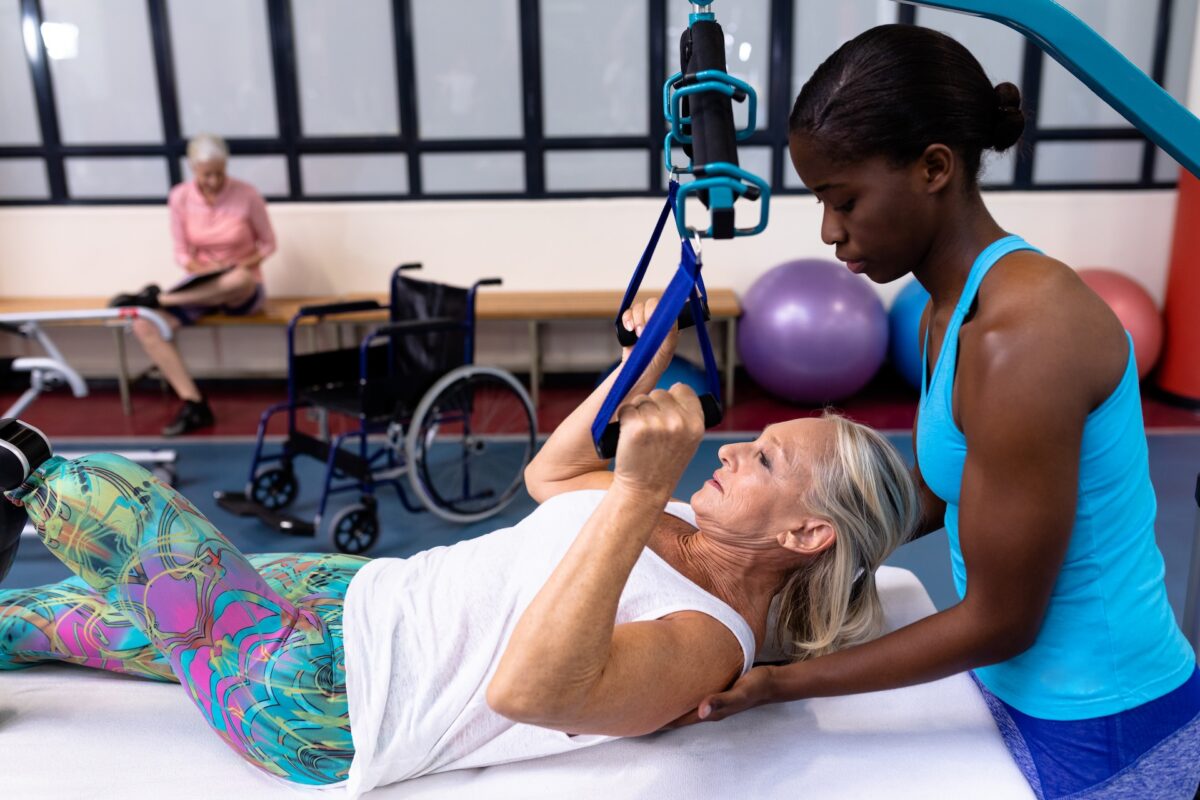
Understanding the Role of an Exercise Physiologist and How They Can Help You
Written by Bloom Healthcare
Exercise physiology
Exercise plays a crucial role in maintaining health, managing chronic conditions, and improving quality of life. However, when dealing with specific health challenges or injuries, a general fitness program may not meet your needs. This is where Exercise Physiologists come in. These highly qualified allied health professionals specialise in designing and delivering safe, evidence-based exercise interventions tailored to individual health goals.
At Bloom Healthcare, our accredited Exercise Physiologists work with clients of all ages and abilities, helping them build strength, improve function, and achieve their best health.
What Is an Exercise Physiologist?
An Exercise Physiologist is an allied health professional who specialises in using exercise as therapy to prevent, manage, or rehabilitate a range of health conditions. Unlike personal trainers, Exercise Physiologists have extensive training in anatomy, physiology, and pathology, enabling them to design programs that address complex health needs.
Exercise Physiologists support individuals with:
- Chronic conditions such as diabetes, heart disease, and arthritis.
- Rehabilitation after surgery or injury.
- Physical challenges caused by neurological or musculoskeletal conditions.
At Bloom Healthcare, our Exercise Physiologists are accredited by Exercise & Sports Science Australia (ESSA), ensuring the highest standards of care.
Key Differences Between Exercise Physiologists and Personal Trainers
While both professionals focus on fitness and movement, their qualifications, expertise, and approaches differ significantly:
- Qualifications: Exercise Physiologists hold university degrees in exercise science or related fields and are accredited to work in clinical and medical settings.
- Focus: Unlike personal trainers, who design general fitness programs, Exercise Physiologists create targeted interventions for managing chronic conditions or injuries.
- Scope of Practice: Exercise Physiologists work closely with healthcare teams, integrating their interventions into broader treatment plans.
How Exercise Physiologists Can Help You
Exercise Physiologists use their expertise to help individuals achieve specific health and wellness goals, often focusing on:
- Chronic Disease Management
Exercise has proven benefits for managing conditions like diabetes, heart disease, and osteoporosis. An Exercise Physiologist designs personalised programs to improve physical function, reduce symptoms, and enhance overall well-being. - Rehabilitation and Injury Recovery
Post-surgery or injury, restoring strength and mobility is essential. Exercise Physiologists create progressive programs that promote healing while preventing re-injury. - Neurological and Musculoskeletal Support
For conditions such as Parkinson’s disease, multiple sclerosis, or chronic pain, exercise physiologists provide targeted interventions to maintain or improve mobility, balance, and function. - General Health and Fitness
Even without a specific condition, working with an Exercise Physiologist can optimise fitness, improve mental health, and build resilience against future health issues.
Benefits of Working With an Exercise Physiologist
The benefits of partnering with an Exercise Physiologist extend beyond fitness:
- Personalised Programs: Every intervention is tailored to your unique health needs and goals.
- Evidence-Based Care: Programs are rooted in scientific research, ensuring safe and effective outcomes.
- Holistic Support: Exercise Physiologists consider your physical, emotional, and social needs, providing a comprehensive approach to health.
At Bloom Healthcare, we focus on creating sustainable habits that empower clients to maintain long-term health.
How to Find the Right Exercise Physiologist for Your Needs
Choosing an Exercise Physiologist who aligns with your goals and health needs is key to achieving success. Here’s what to look for:
- Qualifications and Accreditation: Ensure they are ESSA-accredited and experienced in working with your specific condition.
- Client-Centred Approach: Look for professionals who listen to your goals and prioritise your comfort and preferences.
- Collaboration: A great Exercise Physiologist works seamlessly with your broader healthcare team.
Exercise Physiology at Bloom Healthcare
At Bloom Healthcare, our Exercise Physiologists deliver tailored programs that address various conditions and goals. Whether you’re managing a chronic illness, recovering from surgery, or seeking to enhance your overall fitness, we provide the guidance, motivation, and expertise you need to succeed.
Exercise Physiologists are invaluable partners in improving health and well-being, using movement as medicine to address a wide variety of challenges. With a focus on personalised care and evidence-based practice, they empower individuals to achieve their goals safely and effectively.
At Bloom Healthcare, we’re dedicated to supporting you at every step of your journey. Contact us today to learn more about how our Exercise Physiology services can help you live your healthiest life.
Author
← Prev: How Occupational Therapy Treatment for Autism Supports Daily Development Next: Occupational Therapy Overview: Exploring the Role of an Occupational Therapist →You May Also Like…
What Are the Best Home Care Services for Older Australians Wanting to Stay Independent at Home?
Oct 5, 2026
The best home care services for older Australians are the ones that address the specific things making everyday life...
Support at Home Funding Changes from 1 October 2026: What You Need to Know
Sep 22, 2026
From 1 October 2026, Australia's Support at Home program will fully fund approved personal care with no participant...
Thriving Kids targeted supports: what allied health could look like in real life, and what “good” looks like
Aug 25, 2026
When parents hear “targeted supports”, they often picture a waitlist, a short appointment, and generic advice that...
Registration no: 4-JR6F5KX
Provider no: 4050148863
1300 771 465
Monday-Thursday: 7:30am-6pm
Friday: 7:30am-5pm
Sat: By appointment
Quick Links
NDIS Services
Aged Care
Our Locations
About Us
FAQs
NDIS Information
Make a Referral
Feedback
Policies
Privacy
Advocacy
Your Rights
Incident Management Policy
Emergency Management Policy
Supported Decision Making Policy
Accessibility Statement
Connect With Us
https://www.facebook.com/helloBloomHealthcare/ https://www.instagram.com/bloom_healthcareaus/ https://au.linkedin.com/company/bloom-healthcare-australia
Accessibility Tools
Translate »- <
- <
- <
- <
- <
- <
- <
- <
- <
- <
- <
- <
- <
- <
- <
What is an Exercise Physiologist?
An Exercise Physiologist is an allied health professional who specializes in using exercise as therapy to prevent, manage, or rehabilitate a range of health conditions. Unlike personal trainers, Exercise Physiologists have extensive training in anatomy, physiology, and pathology, enabling them to design programs that address complex health needs.
What kinds of conditions do Exercise Physiologists support?
Exercise Physiologists support individuals with chronic conditions such as diabetes, heart disease, and arthritis; rehabilitation after surgery or injury; and physical challenges caused by neurological or musculoskeletal conditions.
Are Bloom Healthcare's Exercise Physiologists accredited?
Yes, at Bloom Healthcare, Exercise Physiologists are accredited by Exercise & Sports Science Australia (ESSA), ensuring the highest standards of care.
How do Exercise Physiologists differ from personal trainers in terms of qualifications?
Exercise Physiologists hold university degrees in exercise science or related fields and are ESSA-accredited, whereas personal trainers typically hold a Certificate III/IV qualification.
How does the focus of an Exercise Physiologist differ from that of a personal trainer?
Exercise Physiologists focus on targeted interventions for managing chronic conditions or injuries, while personal trainers focus on general fitness programs and lifestyle-based exercise advice for generally healthy individuals.
What is the scope of practice for an Exercise Physiologist compared to a personal trainer?
Exercise Physiologists work closely with healthcare teams, integrating their interventions into broader treatment plans, whereas personal trainers provide lifestyle-based exercise advice for generally healthy individuals.
How can Exercise Physiologists help with chronic disease management?
Exercise has proven benefits for managing conditions like diabetes, heart disease, and osteoporosis, and an Exercise Physiologist designs personalized programs to improve physical function for people managing these chronic diseases.
Who publishes this article about Exercise Physiologists and how long does it take to read?
The article, titled 'Understanding the Role of an Exercise Physiologist and How They Can Help You,' was written by Bloom Healthcare and has an estimated reading time of 4 minutes.
What is Bloom Healthcare and what type of services does it provide?
Bloom Healthcare is a boutique disability and aged care allied health provider that believes all people have the right to access quality healthcare. Its healthcare model focuses on evidence-based practice, client centricity, and is delivered by highly qualified health practitioners across Australia.
Images on This Page
-
https://staging.bloom-healthcare.com.au/wp-content/uploads/2026/08/bloom-logo.webp
Bloom Healthcare
-
https://staging.bloom-healthcare.com.au/wp-content/uploads/2025/01/female-trainer-helping-disabled-active-senior-woman-exercise-sports-center.jpg
xercise Physiologists: Who They Are and How They Can Help You
-
https://staging.bloom-healthcare.com.au/wp-content/uploads/2022/11/bloom-square-logo.png
bloom healthcare
-
https://staging.bloom-healthcare.com.au/wp-content/uploads/2026/10/515908-400x250.jpg
What Are the Best Home Care Services for Older Australians Wanting to Stay Independent at Home?
-
https://staging.bloom-healthcare.com.au/wp-content/uploads/2026/09/10823-400x250.jpg
Support at Home Funding Changes from 1 October 2026: What You Need to Know
-
https://staging.bloom-healthcare.com.au/wp-content/uploads/2026/08/88622-400x250.jpg
Thriving Kids targeted supports: what allied health could look like in real life, and what “good” looks like
-
https://staging.bloom-healthcare.com.au/wp-content/uploads/2025/08/bloom-logo-white.png
(no alt text)
-
https://staging.bloom-healthcare.com.au/wp-content/uploads/2025/08/Phone-Frame.png
(no alt text)
-
https://staging.bloom-healthcare.com.au/wp-content/uploads/2025/08/Email-Frame.png
(no alt text)
-
https://staging.bloom-healthcare.com.au/wp-content/uploads/2025/08/Clock-Frame.png
(no alt text)
-
https://staging.bloom-healthcare.com.au/wp-content/uploads/2025/08/connect-facebook.png
(no alt text)
-
https://staging.bloom-healthcare.com.au/wp-content/uploads/2025/08/connect-instagram.png
(no alt text)
-
https://staging.bloom-healthcare.com.au/wp-content/uploads/2025/08/connect-linkedin.png
(no alt text)
-
https://staging.bloom-healthcare.com.au/wp-content/uploads/2026/06/We-heart-NDIS-Registered-provider-logo-small-300x144.png
(no alt text)
-
https://staging.bloom-healthcare.com.au/wp-content/uploads/2025/08/Accessibility-Frame.png
(no alt text)