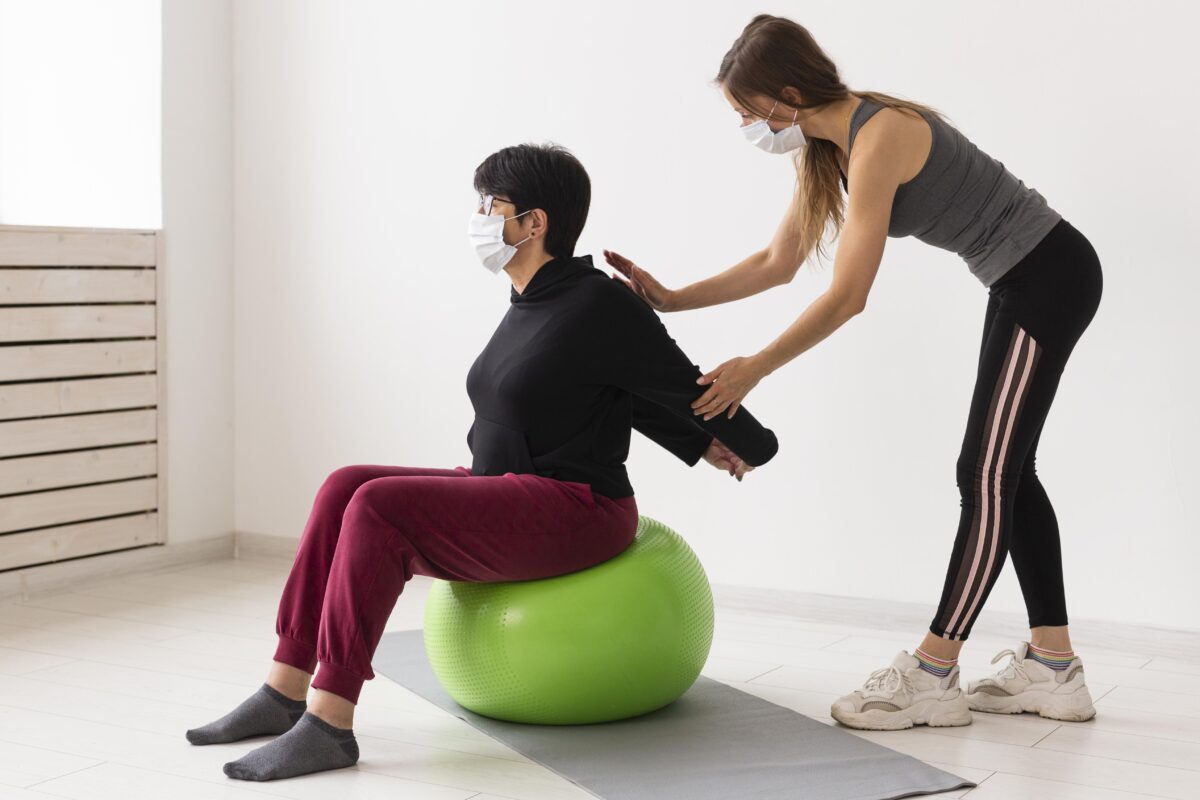
Benefits of Exercise Physiology for Managing Chronic Diseases
Written by Bloom Healthcare
Exercise physiology
Chronic diseases such as diabetes, cardiovascular disease, and arthritis are among the leading health challenges faced by Australians. Managing these conditions often requires a multidisciplinary approach that includes medical care, lifestyle changes, and targeted interventions. Exercise physiology plays a pivotal role in this process, offering evidence-based exercise programs that improve physical health, manage symptoms, and enhance quality of life.
At Bloom Healthcare, our accredited exercise physiologists work with individuals to develop tailored exercise plans that address the unique challenges of living with chronic conditions. This article explores the many benefits of exercise physiology in chronic disease management and highlights how personalised programs can transform lives.
The Link Between Exercise and Chronic Disease Care
Regular physical activity is one of the most effective tools for managing chronic diseases. However, standard exercise programs may not be suitable or safe for many individuals, especially those with physical limitations or medical complexities.
Exercise physiologists specialise in designing and delivering therapeutic exercise programs tailored to the individual. These programs:
- Address specific symptoms of the condition.
- Improve overall fitness and physical function.
- Reduce the risk of secondary complications, such as falls, fatigue, or depression.
At Bloom Healthcare, we believe in empowering individuals to take an active role in their health. We provide the guidance and support needed to exercise safely and effectively.
What is Exercise Physiology?
Exercise physiology is the scientific study of how the body responds and adapts to physical activity. It delves into the physiological changes that occur during exercise, such as increased heart rate, improved muscle function, and enhanced metabolic processes. By understanding these changes, exercise physiologists can design and implement exercise programs that optimise health and performance.
Exercise physiologists are experts in this field, using their knowledge to help individuals with various health conditions, injuries, or disabilities. They create tailored exercise plans that address specific needs, ensuring that each program is safe, effective, and aligned with the individual’s health goals. Whether it’s improving cardiovascular health, enhancing muscle mass, or managing chronic diseases, exercise physiologists play a vital role in promoting overall well-being.
How an Accredited Exercise Physiologist Supports Specific Chronic Conditions
Exercise physiology benefits individuals with a wide range of chronic diseases. Here’s how tailored programs address some of the most common conditions:
1. Cardiovascular DiseaseRegular exercise strengthens the heart muscle, improves circulation, and lowers blood pressure. Exercise physiologists develop programs that are both safe and effective, focusing on:
- Aerobic exercises to enhance cardiovascular endurance.
- Resistance training to improve overall strength and metabolic health.
2. Diabetes and Metabolic SyndromeFor individuals with diabetes, exercise is critical in managing blood sugar levels and improving insulin sensitivity. Exercise physiologists provide targeted interventions such as:
- Low-impact activities to increase energy expenditure.
- Strength training to promote muscle glucose uptake.
3. Arthritis and Musculoskeletal ConditionsJoint pain and stiffness can make movement challenging, but tailored exercise can reduce discomfort and improve function. Programs often include:
- Range-of-motion exercises to maintain joint flexibility.
- Strengthening exercises to support joint stability.
4. Neurological ConditionsFor conditions like Parkinson’s disease or multiple sclerosis, exercise can improve mobility, balance, and coordination. Exercise can also be beneficial for managing mental health conditions such as anxiety and depression, which often accompany neurological disorders. Programs may focus on:
- Gait training to reduce the risk of falls.
- Functional exercises to support daily activities.
At Bloom Healthcare, our exercise physiologists use their expertise to design programs that address the unique needs of each condition, ensuring every individual feels supported and capable.
Role of Exercise Physiologists in Chronic Disease Management
Accredited exercise physiologists are essential in the management of chronic diseases. They work closely with patients to develop and deliver exercise programs that address conditions such as heart disease, diabetes, obesity, and stroke. These professionals are trained to understand the complexities of chronic diseases and how exercise can be used as a therapeutic tool.
Through supervised clinical practice, exercise physiologists ensure that each exercise plan is personalised to meet the unique needs and goals of the patient. They provide ongoing education and support, helping patients make sustainable lifestyle changes that promote long-term health. By focusing on individualised care, accredited exercise physiologists empower patients to take control of their health and improve their quality of life.
The Holistic Benefits of Exercise Physiology for Mental Health Conditions
Beyond managing the symptoms of chronic diseases, exercise physiology offers a range of additional benefits:
- Improved Mental HealthLiving with a chronic condition can be emotionally taxing. Regular exercise reduces symptoms of anxiety and depression, boosts self-esteem, and promotes a sense of control over one’s health.
- Enhanced Quality of LifeExercise improves energy levels, sleep patterns, and the ability to participate in everyday activities, leading to a more fulfilling and independent life.
- Reduced Healthcare CostsExercise can help minimise hospitalisations and reliance on medications by improving physical function and reducing complications.
Additionally, physical activity education provided by exercise physiologists helps individuals understand the importance of regular exercise in maintaining mental and physical health.
At Bloom Healthcare, we focus on these holistic outcomes, recognising that proper health encompasses physical and emotional well-being.
Personalised Exercise Plans: The Key to Success
The success of exercise physiology lies in its personalisation. At Bloom Healthcare, every program begins with a comprehensive assessment, including:
- A review of medical history and current health status.
- Evaluation of physical abilities, including strength, flexibility, balance, and motor control.
- A discussion of goals, preferences, and any barriers to exercise.
From there, our exercise physiologists create a tailored, achievable, and motivating plan. Regular reviews ensure the program evolves as the individual’s needs and abilities change.
Real-Life Impact: Transforming Lives Through Exercise Physiology
The power of exercise physiology can be seen in the stories of those who’ve experienced its benefits. For example:
- A middle-aged man with type 2 diabetes was able to lower his blood sugar levels and reduce his reliance on medication after starting a strength and aerobic training program.
- A senior with arthritis regained the confidence to walk unaided after working with an exercise physiologist to build joint strength and stability.
- An elderly individual in an aged care facility improved their mobility and reduced fall risk after participating in a tailored exercise program.
These successes demonstrate the transformative potential of tailored exercise programs.
Bloom Healthcare’s Approach to Chronic Disease Management under the National Disability Insurance Scheme
As a leading provider of allied health services, Bloom Healthcare is committed to supporting individuals with chronic conditions through expert exercise physiology services. Here’s how we stand out:
- Evidence-Based Practice: Our programs are grounded in the latest research, ensuring safety and effectiveness.
- Holistic Care: We address the physical, emotional, and practical challenges of living with chronic diseases.
- Convenient Access: Services are offered in-home, in clinics, or via telehealth, making them accessible to everyone.
Our exercise physiologists collaborate with other healthcare providers in multidisciplinary clinics to deliver coordinated, comprehensive care.
National Disability Insurance Scheme (NDIS) Support
The National Disability Insurance Scheme (NDIS) is a crucial initiative that provides support for individuals with permanent and significant disabilities, including those with conditions like dementia. The NDIS aims to enhance the quality of life for people with disabilities by offering funding for essential support and services, giving them more choice and control over their lives.
Accredited exercise physiologists play a significant role in supporting NDIS participants. They work with individuals to develop exercise programs that help manage their conditions and improve overall health and well-being. These programs are tailored to the specific needs of each participant, ensuring that they are both safe and effective. Additionally, exercise physiologists provide education and support to encourage physical activity and healthy living, helping NDIS participants achieve their health goals and enhance their quality of life.
Getting Started with Supervised Clinical Practice in Exercise Physiology
Finding the proper support is the first step towards better health. Consider consulting an accredited exercise physiologist or accredited exercise scientist if you’re managing a chronic condition. At Bloom Healthcare, we’ll work with you to develop a personalised plan that fits your lifestyle and helps you achieve your goals.
Exercise physiology is a powerful tool for managing chronic diseases, offering immediate and long-term physical and emotional health benefits. At Bloom Healthcare, we’re passionate about helping individuals regain control over their health through tailored, evidence-based exercise programs.
If you’re ready to take the first step towards improved well-being, contact Bloom Healthcare today to learn how we can support you.
Author
← Prev: Choosing the Right Aged Care Services for Your Loved One Next: What to Expect During an Occupational Therapy Driving Assessment →You May Also Like…
What Are the Best Home Care Services for Older Australians Wanting to Stay Independent at Home?
Oct 5, 2026
The best home care services for older Australians are the ones that address the specific things making everyday life...
Support at Home Funding Changes from 1 October 2026: What You Need to Know
Sep 22, 2026
From 1 October 2026, Australia's Support at Home program will fully fund approved personal care with no participant...
Thriving Kids targeted supports: what allied health could look like in real life, and what “good” looks like
Aug 25, 2026
When parents hear “targeted supports”, they often picture a waitlist, a short appointment, and generic advice that...
Registration no: 4-JR6F5KX
Provider no: 4050148863
1300 771 465
Monday-Thursday: 7:30am-6pm
Friday: 7:30am-5pm
Sat: By appointment
Quick Links
NDIS Services
Aged Care
Our Locations
About Us
FAQs
NDIS Information
Make a Referral
Feedback
Policies
Privacy
Advocacy
Your Rights
Incident Management Policy
Emergency Management Policy
Supported Decision Making Policy
Accessibility Statement
Connect With Us
https://www.facebook.com/helloBloomHealthcare/ https://www.instagram.com/bloom_healthcareaus/ https://au.linkedin.com/company/bloom-healthcare-australia
Accessibility Tools
Translate »- <
- <
- <
- <
- <
- <
- <
- <
- <
- <
- <
- <
- <
- <
- <
What is the topic of this Bloom Healthcare blog article?
The article, titled 'Benefits of Exercise Physiology for Managing Chronic Diseases,' explains how accredited exercise physiologists create safe, effective exercise plans for people managing chronic conditions like diabetes and arthritis.
Who provides the exercise plans discussed in this article?
Accredited exercise physiologists at Bloom Healthcare develop tailored exercise plans for individuals managing chronic diseases.
Why can't standard exercise programs be used for everyone with a chronic disease?
Standard exercise programs may not be suitable or safe for many individuals, especially those with physical limitations or medical complexities, which is why exercise physiologists design therapeutic programs tailored to the individual.
What do the tailored exercise programs from exercise physiologists aim to achieve?
According to the knowledge base, these programs address specific symptoms of the condition, improve overall fitness and physical function, and reduce the risk of secondary complications such as falls, fatigue, or depression.
How does exercise physiology help people with cardiovascular disease?
For cardiovascular disease, exercise physiologists develop programs focusing on aerobic exercises to enhance cardiovascular endurance and resistance training to improve overall strength and metabolic health, while regular exercise strengthens the heart muscle, improves circulation, and lowers blood pressure.
How does exercise physiology support people with diabetes or metabolic syndrome?
For individuals with diabetes, exercise is critical in managing blood sugar levels and improving insulin sensitivity, and exercise physiologists provide targeted interventions to support this.
How long does it take to read this article?
The estimated reading time for the article is 7 minutes.
Who is the author/publisher of this article?
The article is published by Bloom Healthcare.
What is Bloom Healthcare's overall mission as described in its organizational information?
Bloom Healthcare is a boutique disability and aged care allied health provider that believes all people have the right to access quality healthcare, focusing on evidence-based practice and client-centred care delivered by highly qualified health practitioners across Australia.
How can someone contact Bloom Healthcare?
Bloom Healthcare can be contacted by email at hello@bloom-heathcare.com.au or by phone at 1300 771 465.
Images on This Page
-
https://staging.bloom-healthcare.com.au/wp-content/uploads/2026/08/bloom-logo.webp
Bloom Healthcare
-
https://staging.bloom-healthcare.com.au/wp-content/uploads/2025/01/women-training-together-after-coronavirus-with-face-masks-scaled.jpg
Benefits of Exercise Physiology for Chronic Disease Management
-
https://staging.bloom-healthcare.com.au/wp-content/uploads/2022/11/bloom-square-logo.png
bloom healthcare
-
https://staging.bloom-healthcare.com.au/wp-content/uploads/2026/10/515908-400x250.jpg
What Are the Best Home Care Services for Older Australians Wanting to Stay Independent at Home?
-
https://staging.bloom-healthcare.com.au/wp-content/uploads/2026/09/10823-400x250.jpg
Support at Home Funding Changes from 1 October 2026: What You Need to Know
-
https://staging.bloom-healthcare.com.au/wp-content/uploads/2026/08/88622-400x250.jpg
Thriving Kids targeted supports: what allied health could look like in real life, and what “good” looks like
-
https://staging.bloom-healthcare.com.au/wp-content/uploads/2025/08/bloom-logo-white.png
(no alt text)
-
https://staging.bloom-healthcare.com.au/wp-content/uploads/2025/08/Phone-Frame.png
(no alt text)
-
https://staging.bloom-healthcare.com.au/wp-content/uploads/2025/08/Email-Frame.png
(no alt text)
-
https://staging.bloom-healthcare.com.au/wp-content/uploads/2025/08/Clock-Frame.png
(no alt text)
-
https://staging.bloom-healthcare.com.au/wp-content/uploads/2025/08/connect-facebook.png
(no alt text)
-
https://staging.bloom-healthcare.com.au/wp-content/uploads/2025/08/connect-instagram.png
(no alt text)
-
https://staging.bloom-healthcare.com.au/wp-content/uploads/2025/08/connect-linkedin.png
(no alt text)
-
https://staging.bloom-healthcare.com.au/wp-content/uploads/2026/06/We-heart-NDIS-Registered-provider-logo-small-300x144.png
(no alt text)
-
https://staging.bloom-healthcare.com.au/wp-content/uploads/2025/08/Accessibility-Frame.png
(no alt text)