FAQ: Alternatives to Debt Consolidation — Answered by Australian Financial Experts
For Australians who've been rejected for a consolidation loan or are exploring their options before applying
Debt consolidation gets a lot of attention as a solution for managing multiple debts — but it isn't the right fit for everyone, and not everyone will qualify. If you've been turned down for a consolidation loan, or you're simply wondering whether there's a better path forward, you're not alone.
This FAQ addresses the questions Australians most commonly ask when they're looking beyond debt consolidation. The answers are designed to be practical, honest, and free of jargon.
General Questions About Debt Consolidation Alternatives
What does "alternatives to debt consolidation" actually mean?
Debt consolidation involves taking out a new loan to pay off multiple existing debts, leaving you with a single repayment. Alternatives are approaches that help you manage, reduce, or restructure your debt without necessarily taking on new credit. These include budgeting plans, debt management plans, negotiating directly with creditors, and seeking formal financial hardship arrangements, among others.
The right alternative depends on your personal financial situation, the types of debt you carry, and your income stability.
Why would someone need an alternative to debt consolidation?
There are several common reasons:
- Rejected loan application — Lenders assess your credit score, income, and existing debt. If any of these fall outside their criteria, your application may be declined.
- Existing debt is secured — Some debts can't easily be folded into a consolidation loan.
- The numbers don't stack up — In some cases, a consolidation loan may carry a higher interest rate than your current debts, making it a poor financial move.
- Preference to avoid new credit — Some people prefer to resolve their debts without taking on any new borrowing.
If You've Been Rejected for a Consolidation Loan
What can I do if I've been rejected for a debt consolidation loan?
A rejection can feel discouraging, but it doesn't mean your options are exhausted. Here are practical steps to consider:
1. Understand why you were rejected Lenders are required to give you reasons for a credit refusal. Common reasons include a low credit score, insufficient income, or a high debt-to-income ratio. Understanding the reason helps you address it or find an alternative path.
2. Avoid applying to multiple lenders immediately Each credit application leaves a mark on your credit file. Multiple applications in a short period can further lower your credit score and make future approvals harder.
3. Explore non-credit-based solutions If you can't access new credit, focus on solutions that don't require it — such as working with a financial counsellor, setting up a structured budget, or contacting your creditors directly about hardship options.
4. Speak to a financial counsellor Free financial counselling is available in Australia through services such as the National Debt Helpline (1800 007 007). A counsellor can help you understand your options without any obligation.
5. Consider a professional budgeting or money management service Some organisations specialise in helping people manage their existing debts through structured repayment plans and budgeting support — without requiring you to qualify for new credit.
Does being rejected for a consolidation loan mean my situation is hopeless?
Not at all. A rejection reflects a lender's assessment of risk at a particular point in time — it is not a permanent verdict on your financial situation. Many Australians have successfully resolved significant debt without ever using a consolidation loan. The key is finding the approach that matches your actual circumstances.
Will rejections affect my ability to use other debt solutions?
Most non-credit alternatives — such as budgeting plans, debt management plans, or financial counselling — do not involve a credit check. A history of loan rejections generally will not prevent you from accessing these types of support.
Debt Management Plans vs. Debt Consolidation
What is a debt management plan (DMP)?
A debt management plan is a structured arrangement — usually facilitated by a financial counsellor or a money management service — in which you make regular payments toward your debts according to an agreed schedule. Unlike a consolidation loan, a DMP does not involve borrowing new money. Instead, it reorganises how you pay your existing debts.
Some DMPs involve negotiating with creditors to freeze interest, waive fees, or accept reduced repayments during a period of financial hardship.
Is a debt management plan better than debt consolidation?
Neither option is universally better — the right choice depends on your individual circumstances. Here's a general comparison:
| Factor | Debt Consolidation Loan | Debt Management Plan |
|---|---|---|
| Requires new credit | Yes | No |
| Credit check needed | Yes | Generally no |
| Involves a lender | Yes | No (or minimal) |
| Creditor negotiation | No | Often yes |
| Suitable if credit is poor | Unlikely | Often yes |
| Impact on credit file | New loan recorded | Varies by arrangement |
A debt management plan may be more accessible if you've been rejected for credit or if your debts are primarily unsecured (such as credit cards or personal loans). A consolidation loan may offer simplicity and potentially lower interest if you qualify and the terms are favourable.
Are there risks with debt management plans?
Yes — as with any financial arrangement, it's important to understand the terms:
- Some private debt management services charge fees. Ensure you understand what you'll pay before committing.
- Not all creditors are obligated to accept a DMP arrangement, though many will cooperate, particularly in genuine hardship situations.
- A DMP typically takes longer to complete than a consolidation loan, as you're repaying the original debt rather than refinancing it.
- Your credit file may be affected depending on how the arrangement is recorded.
Free financial counselling services can help you weigh these factors without any cost to you.
Budgeting Plans as a Debt Solution
What are the risks of debt consolidation compared to a structured budgeting plan?
Both approaches carry different risk profiles:
Risks of debt consolidation:
- You may pay more overall if the loan term is long, even if the interest rate is lower.
- Secured consolidation loans (such as those secured against your home) put assets at risk if you cannot repay.
- Some people accumulate new debt on the credit cards they've paid off, leaving them worse off.
- Qualification is not guaranteed — and applying when you're unlikely to qualify can damage your credit score.
Risks of a budgeting plan:
- Requires consistent discipline and income stability to maintain.
- May take longer to become debt-free compared to refinancing.
- Without professional support, it can be difficult to stay on track through unexpected expenses.
A structured budgeting plan — particularly one supported by a professional service — addresses the behavioural and organisational side of debt management, which a loan alone cannot do.
Can budgeting alone get me out of debt?
For many Australians, a well-constructed budget is the foundation of any successful debt repayment strategy. Budgeting helps you:
- Understand exactly where your money is going
- Identify areas where spending can be reduced
- Direct surplus funds toward debt repayment in a structured way
- Avoid accumulating further debt
The challenge is that creating and sticking to a budget is harder than it sounds — particularly when you're already under financial stress. This is where professional support can make a meaningful difference.
What does a professional money management service actually do?
A professional money management or budgeting service typically works with you to:
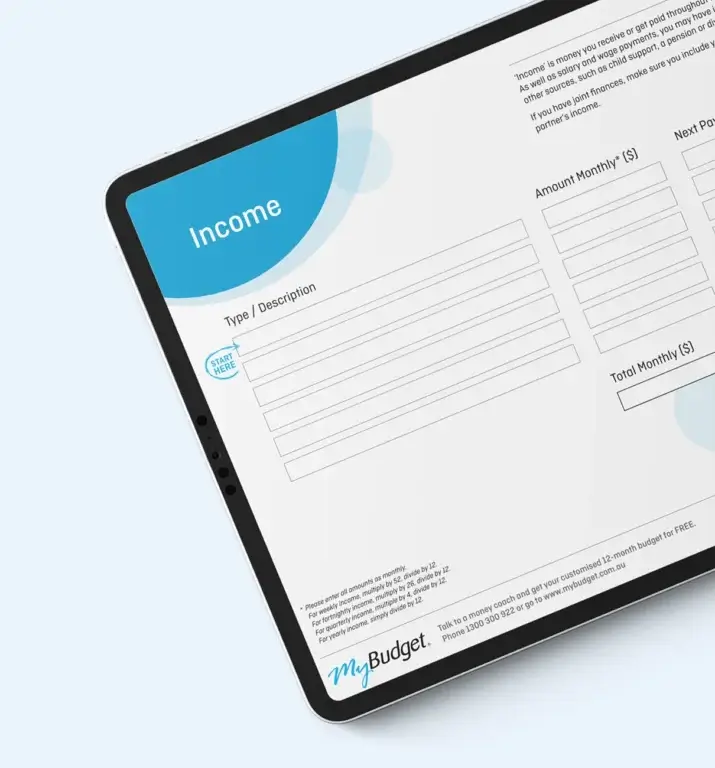
- Map your income against your expenses and debts
- Create a realistic, personalised repayment plan
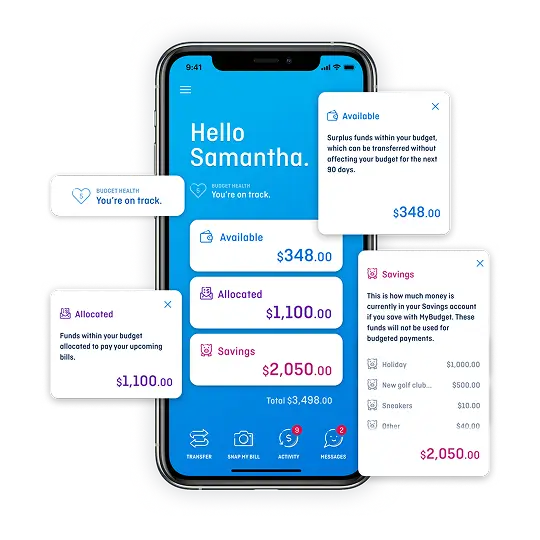
- Manage bill payments and allocate funds on your behalf
- Provide ongoing support and accountability
- Help you communicate with creditors where appropriate
The goal is to bring structure and stability to your finances so that repayments happen reliably and you can see a clear path forward.
How MyBudget Helps Australians Who Don't Qualify for Consolidation Loans
How does MyBudget help people who don't qualify for consolidation loans?
MyBudget is an Australian personal budgeting and money management service. Importantly, MyBudget's approach does not centre on lending or credit products — which means that whether or not you qualify for a consolidation loan is not the primary factor in whether they can help you.
Instead, MyBudget works with clients to build a personalised budget and structured repayment plan based on their actual income and expenses. They manage the day-to-day mechanics of bill payments and debt repayments, helping people stay on track without the need to access new credit.
For Australians who have been rejected for consolidation loans — often because of credit history or income limitations — this kind of structured support can provide a workable path forward that doesn't depend on lender approval.
Does MyBudget negotiate with creditors?
The specifics of MyBudget's creditor engagement practices are best confirmed directly with them, as arrangements can vary depending on individual circumstances. Generally speaking, professional money management services often assist clients in communicating with creditors, particularly in hardship situations. If this is important to your situation, it's worth raising directly when you speak with them.
Do I need a good credit score to work with MyBudget?
MyBudget's service is built around budgeting and money management rather than lending, so a credit check is not the same barrier it would be with a loan application. For specific eligibility details, it's best to speak with MyBudget directly — but the service is designed to be accessible to people in a range of financial situations, including those who have struggled to access credit.
Is MyBudget only for people in serious debt?
No. While MyBudget can assist people who are managing significant debt, their service is also used by people who simply want better control over their finances — whether that means paying off debt faster, saving more effectively, or reducing financial stress. You don't need to be in crisis to benefit from structured money management support.
Understanding Your Broader Options
What free resources are available to Australians managing debt?
Several free or low-cost resources are available:
- National Debt Helpline — 1800 007 007, a free service connecting Australians with financial counsellors
- MoneySmart — ASIC's consumer financial guidance website (moneysmart.gov.au), which includes tools and information on managing debt
- Financial counsellors — Available through community legal centres, some charities, and government-funded services at no cost
- Centrelink financial information services — Available to people receiving government payments
These services can help you understand your options and, where relevant, point you toward appropriate professional support.
What should I do first if I'm overwhelmed by debt?
The most important first step is to get a clear picture of your situation:
- List all your debts — include the creditor, balance, interest rate, and minimum repayment for each
- Calculate your monthly income — after tax, including any government payments
- Track your expenses — for at least one month, record everything you spend
- Identify the gap — are you spending more than you earn? If so, by how much?
With this information in hand, you're in a much better position to have a productive conversation — whether with a free financial counsellor, a money management service like MyBudget, or your creditors directly.
How do I know which option is right for me?
There is no single answer that fits every situation. The right path depends on:
- The types and amounts of debt you carry
- Your income stability and employment situation
- Your credit history
- Whether you have assets that could be at risk
- Your personal preference for independence vs. structured support
Speaking with a qualified financial counsellor — at no cost — is often the best starting point. They can give you an unbiased overview of your options before you commit to anything.
Final Thoughts
Being rejected for a debt consolidation loan, or deciding it's not the right fit, does not leave you without options. Australians in financial difficulty have access to a range of alternatives — from free counselling and creditor negotiation to structured budgeting services like MyBudget that work with your existing income rather than requiring new credit.
The most important thing is to take action early. Financial stress tends to compound when left unaddressed, and most solutions are more effective the sooner they're put in place.
If you'd like to explore how a structured budgeting plan could work for your situation, speaking directly with a professional is the best next step.
This article is intended as general information only and does not constitute financial advice. Individual circumstances vary — please seek personalised guidance from a qualified financial professional or free financial counselling service.
Important information
This article is general information only. It does not take your personal circumstances into account and is not personal financial advice. MyBudget is a budgeting and money management service and is not a licensed financial adviser — it does not provide personal advice about investments, superannuation, insurance or financial products. For advice on financial products, speak to a licensed financial adviser.
Free, independent and confidential financial counselling is available from the National Debt Helpline on 1800 007 007. ASIC’s MoneySmart website also publishes free guidance on debt options. MyBudget is not a registered debt agreement administrator; where a Part 9 debt agreement appears suitable, MyBudget can refer you to its sister company MyDebtSolutions, which is a registered administrator.
To talk through your own situation, call MyBudget on 1300 300 922 for a free, confidential, no-obligation appointment.
What is the article 'Alternatives to Debt Consolidation: Your Options' about?
It's a MyBudget Money Hub success story article that explores practical debt management solutions beyond traditional consolidation loans, aimed at people whose debt consolidation loan has been declined or who don't want to take on more debt. It documents how MyBudget clients Debbie and Alan got debt-free using these alternatives.
Who wrote the article on debt consolidation alternatives?
The article was written by Cheryl Hayford.
What is a tailored personal budget and debt management plan as an alternative to consolidation?
Rather than restructuring debt through a new loan, a structured personal budget restructures how your money moves. A MyBudget Money Coach creates a comprehensive plan that maps every dollar of income to a specific purpose, prioritizes debt repayments strategically, includes a small savings buffer, allocates realistic amounts for day-to-day spending, and handles creditor negotiations on your behalf to arrange reduced repayments and pause interest where possible.
What is creditor negotiation and hardship support?
According to MoneySmart, banks and credit card companies are legally required to consider requests from individuals experiencing financial hardship. Potential outcomes of such requests include reduced repayments for a set period, temporary interest freezes, waived late fees, and extended loan terms.
What is debt settlement as an alternative to debt consolidation?
Debt settlement is when some credit providers accept a lump-sum payment that is less than the full balance owed. This approach works best when you have access to savings or family assistance, and it works most commonly with unsecured debts like credit cards and personal loans.
What is a Part 9 Debt Agreement?
A Part 9 Debt Agreement is a formal, legally binding arrangement under the Bankruptcy Act 1966 that allows repayment of a reduced amount over an agreed period. It is described as a serious step, implying it should be considered carefully compared to other alternatives.
Who are Debbie and Alan in the context of this article?
Debbie and Alan are MyBudget clients whose success story is featured in the article as an example of people who got debt-free by exploring debt consolidation alternatives that worked without more borrowing.
Why would someone look for alternatives to debt consolidation?
Someone might look for alternatives if a debt consolidation loan has been declined, or if taking on more debt doesn't feel like the right move for them, yet they still want options to make existing debts more manageable without borrowing.
Images on This Page
-
https://www.mybudget.com.au/wp-content/uploads/2025/11/customer-support.png
Call Desk Profile Picture
-
https://www.mybudget.com.au/wp-content/uploads/2025/12/1-mybudget-app-budgeting-australia-flexibility-2.webp
The MyBudget app demonstrating flexible budget planning and debt management features for Australians to reach financial goals.
-
https://www.mybudget.com.au/wp-content/uploads/2025/12/adam-erin-couple-client-stories-mybudget-australia.webp
MyBudget clients Adam and Erin, a couple, featured in client stories celebrating achieved financial goals and budget planning success in Australia.
-
https://www.mybudget.com.au/wp-content/uploads/2025/10/tammy-tips.png
Tammy Barton, Founder and Director of MyBudget, giving her financial tips.
-
https://www.mybudget.com.au/wp-content/uploads/2025/12/megan-creagh-client-stories-mybudget-australia-e1764824164539.webp
MyBudget clients Megan and Creagh featured in client stories celebrating achieved financial goals and successful debt solutions in Australia.
-
https://www.mybudget.com.au/wp-content/uploads/2025/11/tammy-podcast-intro.png
Tammy Barton, Founder and Director of MyBudget, introducing a podcast on budgeting help and achieving financial goals for Australians.
-
https://www.mybudget.com.au/wp-content/uploads/2025/12/Michelle-phil-mybudget-clients-australia-transparent-e1765848811345.png
A happy couple, Michelle and Phil, clients of MyBudget Australia, are captured mid-high-five, celebrating their financial success and effective budgeting. The man looks surprised and excited, while the woman is smiling broadly, highlighting the positive results of using MyBudget services to achieve their financial goals in Australia. This image represents the satisfaction and relief of managing personal finances effectively.
-
https://www.mybudget.com.au/wp-content/uploads/2025/02/debbie-and-alan-mybudget-clients-australia-768x512.png
MyBudget clients Alan and Debbie enjoying time together after taking control of their finances with MyBudget.
-
https://www.mybudget.com.au/wp-content/uploads/2025/12/alyssa-pete-family-budget-clients-mybudget-australia.webp
MyBudget clients Alyssa and Pete and family using effective budget planning to achieve financial goals and overcome debt solutions in Australia.
-
https://www.mybudget.com.au/wp-content/uploads/2025/09/aaron-jake-mybudget-australia-clients-pay-off-credit-card-debt-1-1-768x512.webp
(no alt text)
-
https://www.mybudget.com.au/wp-content/uploads/2025/04/megan-and-creagh-paid-off-debt-faster-with-mybudget-scaled-1-768x512.jpg
MyBudget clients, Megan & Creagh found debt solutions that helped them get back on track and start saving.
-
https://www.mybudget.com.au/wp-content/uploads/2025/11/budget-template-personal-resource-mybudget-austalia-715x768.webp
Tablet displaying MyBudget’s Personal Budget Template for Australian users, to help organise finances, get out of debt, start saving and reach financial goals.
-
https://www.mybudget.com.au/wp-content/uploads/2025/11/call-to-action-image.jpg
Call-to-action image encouraging Australians to seek MyBudget for expert debt solutions and financial coaching.
-
https://www.mybudget.com.au/wp-content/uploads/2025/09/mybudget-trustpilot-australia.webp
Trust Pilot
-
https://www.mybudget.com.au/wp-content/uploads/2025/09/ProductReview-mybudget-reviews-white.png
Product Review
-
https://www.mybudget.com.au/wp-content/uploads/2025/10/Google-mybudget-reviews-white.png
(no alt text)
-
https://www.mybudget.com.au/wp-content/uploads/2025/10/mybudget-app-store.png
(no alt text)
-
https://www.mybudget.com.au/wp-content/uploads/2025/10/my-budget-google-play.png
(no alt text)
-
https://bat.bing.com/action/0?ti=17543562&tm=gtm002&Ver=2&mid=f0e4ab80-d50b-43d5-9ca2-ecf1d0a5f01c&bo=1&sid=706d78e0b0a411f19af0473c1a1081a1&vid=706dc900b0a411f1a7389f2b4e5716e9&vids=1&msclkid=N&pi=918639831&lg=en-US&sw=800&sh=600&sc=24&nwd=1&tl=Alternatives%20to%20Debt%20Consolidation%3A%20Your%20Options%20%7C%20MyBudget&p=https%3A%2F%2Fwww.mybudget.com.au%2Fmoneyhub%2Farticles%2Fsuccess-stories%2Falternatives-to-debt-consolidation%2F&r=<=9697&evt=pageLoad&sv=2&cdb=AQAQ&rn=299460
(no alt text)