Subscription Creep FAQ: 15 Questions Australians Ask About Finding and Cancelling Subscriptions
If you've ever looked at your bank statement and felt a vague sense of dread, you're not alone. Subscription services have quietly become one of the most common sources of budget blowout for Australian households. From streaming platforms and fitness apps to cloud storage and meal kits, it's surprisingly easy to sign up for something and forget it exists — until it's been quietly charging you for months.
This FAQ addresses the most common questions Australians ask about subscription creep, so you can take control of what you're actually paying for.
The Basics
1. What is subscription creep?
Subscription creep (sometimes called "subscription fatigue" or "bill shock") refers to the gradual accumulation of recurring charges — usually monthly or annual — that build up over time without you fully realising how much you're spending in total. Each individual subscription might seem affordable on its own, but together they can represent a significant and largely invisible drain on your household budget.
The "creep" part is important: it happens slowly. A $10 service here, a $15 app there, and before long you're paying for a dozen things you barely use.
2. Why is subscription creep such a common problem in Australia?
Several factors make subscription creep particularly common:
- Free trials that auto-convert to paid plans without a prominent reminder
- Annual billing that's easy to forget between charges
- Low monthly prices that don't feel significant individually
- Multiple household members signing up for overlapping services
- Changing habits — you sign up when you need something, then stop using it but forget to cancel
The subscription economy has grown substantially, meaning there are simply more services competing for a recurring slice of your income than there were a decade ago.
3. How much do Australians spend on subscriptions on average?
Precise figures vary depending on the source and when the research was conducted, and the verified data available here doesn't include a specific current average. What's broadly reported across financial media is that many Australian households are spending meaningfully more on subscriptions than they estimate when asked — often by a factor of two or more. The gap between what people think they're spending and what they're actually spending is a consistent finding in consumer research on this topic.
If you want an accurate picture of your own situation, the most reliable method is to audit your accounts directly (more on how to do that below).
Finding Your Subscriptions
4. How do I find all my subscriptions in Australia?
There's no single database that lists every subscription attached to your name, but there are several practical methods:
Check your bank and credit card statements Go through at least three to six months of transactions and look for any recurring charges — weekly, monthly, or annual. Filter by amount if your bank allows it, and flag anything you don't immediately recognise.
Search your email inbox Search for terms like "subscription," "receipt," "renewal," "your plan," and "billing" in your email. Most subscription services send confirmation emails when you sign up and reminder emails before annual renewals.
Check your phone's app store
- On iOS: Go to Settings → [Your Name] → Subscriptions
- On Android: Open the Google Play Store → tap your profile icon → Payments & subscriptions → Subscriptions
Check your PayPal or other payment accounts If you use PayPal, log in and check Settings → Payments → Manage automatic payments.
Look at your Apple ID and Google account billing Both Apple and Google allow you to see recurring charges linked to your account.
5. What if I can't identify a charge on my statement?
If you see a recurring charge you don't recognise:
- Search the merchant name online — subscription companies often bill under a parent company name that's different from the product name you know
- Check your email for any receipts or sign-up confirmations from that merchant
- Contact your bank to ask for more details about the merchant
- Contact the merchant directly if you can identify them — they can usually tell you what the charge relates to
If you genuinely don't recognise a charge and cannot account for it, it's worth flagging with your bank as a potentially unauthorised transaction.
6. Are there apps that help track subscriptions in Australia?
Yes, a number of apps and tools are designed to help with this. Options used by Australians include:
- Budgeting and personal finance apps that connect to your bank accounts and automatically categorise recurring transactions
- Dedicated subscription trackers that let you manually log your services and get reminders before renewals
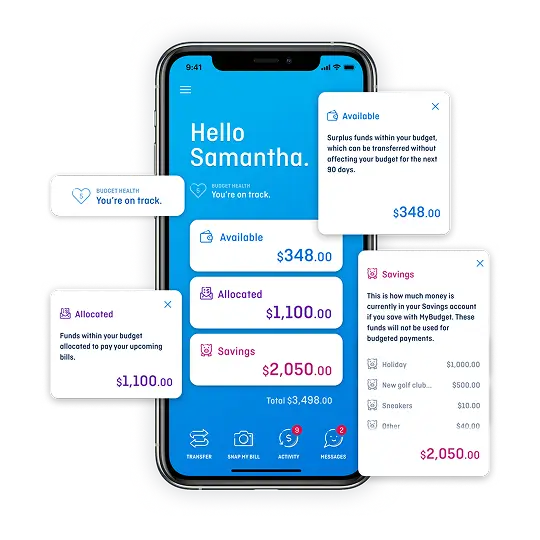
- Your bank's own app — many Australian banks now have built-in features that identify and categorise recurring payments
The right tool depends on your preferences around privacy, whether you're comfortable linking your bank account to a third-party app, and how hands-on you want to be. It's worth checking what your existing bank already offers before signing up for something new.
Cancelling Subscriptions
7. How do I cancel a subscription in Australia?
The process varies by provider, but here are the most common methods:
Through the service's website or app Most subscription services have a cancellation option in your account settings, usually under "Billing," "Subscription," or "Account." This is the most direct method.
Through your app store If you subscribed via the Apple App Store or Google Play Store, you'll need to cancel through those platforms — cancelling the app itself won't stop the billing.
By contacting customer support Some services make self-service cancellation difficult and require you to contact their support team. Live chat or email is often faster than phone for this.
By disputing recurring charges with your bank If a service is charging you and you cannot reach them or they won't cancel, you can ask your bank to block future charges. Note that this doesn't formally cancel the subscription — you may still owe the provider — but it can stop the bleeding while you resolve the situation.
8. Do I have to give notice before cancelling a subscription?
It depends on the terms and conditions of the specific service. Most consumer subscription services (streaming, apps, SaaS tools) allow you to cancel at any time, with access continuing until the end of the current billing period. However, some services — particularly those with contracts, such as gym memberships or certain telecommunications plans — may require a notice period or charge an early termination fee.
Always check the terms before cancelling, particularly for services with longer contracts.
9. What happens to my data when I cancel a subscription?
This varies by provider and is governed by their privacy policy and, in Australia, the Privacy Act 1988. Generally:
- Some services delete your data after a set period following cancellation
- Others retain it indefinitely or until you specifically request deletion
- Under Australian Privacy Principle 12, you generally have the right to access personal information an organisation holds about you
- You can request deletion in many cases, though exceptions apply
If data privacy is a concern, check the provider's privacy policy or contact them directly before or after cancelling.
Refunds and Consumer Rights
10. Can I get a refund on a subscription I forgot about in Australia?
This is one of the most common questions — and the honest answer is: it depends.
There is no automatic right to a refund simply because you forgot about a subscription or didn't use it. However, you may have grounds for a refund or chargeback in certain situations:
- You were not adequately informed that a free trial would auto-convert to a paid subscription
- The service was not as described or didn't function as advertised
- You were charged after cancelling
- The charge was unauthorised
Australian Consumer Law (ACL) provides protections against misleading conduct and services not delivered as described. If you believe a subscription was set up in a misleading way, you can raise a complaint with the Australian Competition and Consumer Commission (ACCC) or your state's consumer affairs body.
For straightforward cases where you simply forgot to cancel, many subscription providers will offer at least a partial refund as a goodwill gesture — particularly if you contact them promptly after a charge and haven't used the service. It's always worth asking.
11. What is a chargeback and when can I use one for a subscription?
A chargeback is a process where your bank reverses a transaction on your behalf after you dispute it with them. For subscriptions, chargebacks are generally appropriate when:
- You were charged without authorisation
- You cancelled and were charged anyway
- The service was not provided as described
Chargebacks are not generally intended as a substitute for cancelling a subscription you simply don't want anymore. Misusing the chargeback process can result in your bank account being flagged. If you're unsure, speak to your bank directly about your specific situation.
12. Are there rules about how companies must disclose subscription terms in Australia?
Yes. Under Australian Consumer Law, businesses must not engage in misleading or deceptive conduct. This includes:
- Clearly disclosing that a free trial will automatically convert to a paid subscription
- Making cancellation processes reasonably accessible (not deliberately difficult)
- Providing adequate notice before charging
The ACCC has taken action against businesses that use "dark patterns" — design choices that make it hard to cancel or that obscure recurring charges. If you believe a company has breached these obligations, you can report it to the ACCC.
Managing Subscriptions Going Forward
13. What's the best way to avoid subscription creep in the future?
A few practical habits can make a significant difference:
- Use a dedicated card for subscriptions — a prepaid card or a secondary card makes it much easier to see all subscription charges in one place
- Set calendar reminders before free trials end and before annual renewals
- Do a quarterly subscription audit — schedule 30 minutes every few months to review what you're paying for
- Ask yourself the "last 30 days" question before renewing: have you used this service in the past month?
- Share subscriptions where possible — many services offer family or group plans that cost less per person
- Avoid signing up for trials you don't intend to convert — or cancel immediately after signing up if you just want the trial
14. How do I decide which subscriptions to keep and which to cancel?
A simple framework:
- List everything you're currently paying for
- Note how often you actually use each service in the past 30–90 days
- Consider whether you could get the same value for free or through a service you already pay for
- Rank by value — what would you genuinely miss if it disappeared?
- Cancel the bottom tier — anything you haven't used recently and wouldn't genuinely miss
It can also help to temporarily cancel a service rather than assuming you'll miss it. Many services make it easy to resubscribe, and you might find you don't need it as much as you thought.
15. Where can I get help managing my overall budget, including subscriptions?
If subscription creep is part of a broader concern about your household budget, there are several places to turn:
- Your bank or financial institution — many offer budgeting tools, spending insights, and the ability to categorise transactions
- Free financial counselling — the National Debt Helpline (1800 007 007) offers free, independent financial counselling for Australians
- MoneySmart — the Australian government's financial literacy website (moneysmart.gov.au) has budgeting calculators and guidance
- Budgeting apps — a range of tools can help you track spending across categories, including subscriptions
A Final Word
Subscription creep is a modern budgeting challenge, but it's also one of the more solvable ones. Unlike some financial problems, it doesn't require specialist knowledge or significant effort to address — just a bit of time, a systematic approach, and a willingness to be honest about what you're actually using.
The most important step is the first one: finding out what you're actually paying for. Once you have that picture, the decisions about what to keep and what to cut become much clearer.
This article is intended as general information only and does not constitute financial advice. For advice tailored to your personal circumstances, consider speaking with a qualified financial adviser or counsellor.
Important information
This article is general information only. It does not take your personal circumstances into account and is not personal financial advice. MyBudget is a budgeting and money management service and is not a licensed financial adviser — it does not provide personal advice about investments, superannuation, insurance or financial products. For advice on financial products, speak to a licensed financial adviser.
To talk through your own situation, call MyBudget on 1300 300 922 for a free, confidential, no-obligation appointment.
What is subscription creep, according to MyBudget's guide?
Subscription creep occurs when unused or forgotten subscriptions silently accumulate across streaming services, apps, and digital memberships. Small monthly fees are easy to overlook individually, but together they can significantly impact a budget.
How much do Australians spend on digital subscriptions on average per year?
According to Deloitte, Australians spend an average of $936 per year on digital subscriptions, often without realizing how much money is leaving their accounts each month.
Which streaming and entertainment services does the MyBudget article mention as examples of subscription creep?
The article mentions Netflix, Binge, Disney+, Stan, Kayo, and Spotify Premium as examples of paid TV, streaming, and music services that can contribute to subscription creep.
Where should someone look to find all of their subscriptions?
To get a complete picture of recurring payments, check bank and credit card statements for recurring charges and direct debits, the Apple App Store and Google Play for linked subscriptions, PayPal and other digital wallets, email for renewal notices/receipts/free trial confirmations, Buy Now Pay Later accounts and subscription delivery services like Amazon's Subscribe & Save, and cloud storage services including iCloud, Google Drive, Dropbox, and OneDrive.
Why is it important to look back further than 12 months when auditing subscriptions?
You should look back beyond 12 months to capture annual charges that may only appear once a year, since these can otherwise be easily missed when reviewing recent statements.
What is a common cause of subscriptions charging people without realizing it?
Free trials that automatically convert to paid subscriptions are a common culprit behind budget creep, alongside services like fitness apps and streaming platforms that keep charging even when not actively used.
What is the first step in MyBudget's subscription audit process?
The first step is to list every subscription, app, or service you have.
Who wrote the MyBudget article on subscription creep, and is there an audio version?
The article was written by Cheryl Hayford for MyBudget, and the page notes that readers can also listen to hosts unpack the blog content if they prefer audio.
Images on This Page
-
https://www.mybudget.com.au/wp-content/uploads/2025/11/customer-support.png
Call Desk Profile Picture
-
https://www.mybudget.com.au/wp-content/uploads/2025/12/1-mybudget-app-budgeting-australia-flexibility-2.webp
The MyBudget app demonstrating flexible budget planning and debt management features for Australians to reach financial goals.
-
https://www.mybudget.com.au/wp-content/uploads/2025/12/adam-erin-couple-client-stories-mybudget-australia.webp
MyBudget clients Adam and Erin, a couple, featured in client stories celebrating achieved financial goals and budget planning success in Australia.
-
https://www.mybudget.com.au/wp-content/uploads/2025/10/tammy-tips.png
Tammy Barton, Founder and Director of MyBudget, giving her financial tips.
-
https://www.mybudget.com.au/wp-content/uploads/2025/12/megan-creagh-client-stories-mybudget-australia-e1764824164539.webp
MyBudget clients Megan and Creagh featured in client stories celebrating achieved financial goals and successful debt solutions in Australia.
-
https://www.mybudget.com.au/wp-content/uploads/2025/11/tammy-podcast-intro.png
Tammy Barton, Founder and Director of MyBudget, introducing a podcast on budgeting help and achieving financial goals for Australians.
-
https://www.mybudget.com.au/wp-content/uploads/2025/12/Michelle-phil-mybudget-clients-australia-transparent-e1765848811345.png
A happy couple, Michelle and Phil, clients of MyBudget Australia, are captured mid-high-five, celebrating their financial success and effective budgeting. The man looks surprised and excited, while the woman is smiling broadly, highlighting the positive results of using MyBudget services to achieve their financial goals in Australia. This image represents the satisfaction and relief of managing personal finances effectively.
-
https://s.w.org/images/core/emoji/17.0.2/svg/1f3a7.svg
🎧
-
https://www.mybudget.com.au/wp-content/uploads/2025/11/adam-erin-bills-mybudget-clients-australia.webp
MyBudget clients Adam and Erin organizing bills, supported by a debt management plan and budget planning in Australia.
-
https://www.mybudget.com.au/wp-content/uploads/2025/12/personal-budget-template-cta-mybudget-australia.webp
CTA for Australians to download a MyBudget personal budget budget template for effective budget planning and financial goals.
-
https://www.mybudget.com.au/wp-content/uploads/2026/01/savings-calculator-money-tools-resources-mybudget-australia.webp
(no alt text)
-
https://www.mybudget.com.au/wp-content/uploads/2025/11/tammy-barton-mybudget-founder-and-director-december-checklist-start-the-new-year-strong-1.webp
Tammy Barton, Founder and Director of MyBudget Australia
-
https://www.mybudget.com.au/wp-content/uploads/2025/12/alyssa-pete-budget-bills-clients-mybudget-australia-768x768.webp
MyBudget clients Alyssa and Pete organizing bills with a dedicated debt management plan and budget planning in Australia.
-
https://www.mybudget.com.au/wp-content/uploads/2025/04/erin-adam-podcast-filming-mybudget-mymoney-mystory-1-768x512.png
(no alt text)
-
https://www.mybudget.com.au/wp-content/uploads/2025/11/budget-template-personal-resource-mybudget-austalia-715x768.webp
Tablet displaying MyBudget’s Personal Budget Template for Australian users, to help organise finances, get out of debt, start saving and reach financial goals.
-
https://www.mybudget.com.au/wp-content/uploads/2025/11/call-to-action-image.jpg
Call-to-action image encouraging Australians to seek MyBudget for expert debt solutions and financial coaching.
-
https://www.mybudget.com.au/wp-content/uploads/2025/09/mybudget-trustpilot-australia.webp
Trust Pilot
-
https://www.mybudget.com.au/wp-content/uploads/2025/09/ProductReview-mybudget-reviews-white.png
Product Review
-
https://www.mybudget.com.au/wp-content/uploads/2025/10/Google-mybudget-reviews-white.png
(no alt text)
-
https://www.mybudget.com.au/wp-content/uploads/2025/10/mybudget-app-store.png
(no alt text)
-
https://www.mybudget.com.au/wp-content/uploads/2025/10/my-budget-google-play.png
(no alt text)