How to Set Up a Budget in Australia: Frequently Asked Questions
Whether you're managing money for the first time or trying to get a better handle on your finances, setting up a budget is one of the most practical steps you can take. This FAQ guide addresses the questions Australians most commonly ask when starting their budgeting journey — covering the basics, popular frameworks, and how to adapt when your income isn't predictable.
What is the first step in creating a personal budget?
The first step is understanding exactly where your money is currently going. Before you can plan anything, you need a clear picture of your income and your spending.
Here's a simple starting process:
- Calculate your take-home income. Work out how much money actually lands in your bank account each month after tax, superannuation contributions, and any other deductions.
- List all your fixed expenses. These are costs that stay roughly the same each month — rent or mortgage repayments, loan repayments, insurance premiums, and subscriptions.
- Track your variable spending. Look back at your last two to three months of bank and credit card statements to see what you're actually spending on groceries, dining out, transport, entertainment, and other day-to-day costs.
- Calculate the difference. Subtract your total expenses from your income. This tells you whether you have a surplus, are breaking even, or are spending more than you earn.
Only once you have this baseline can you make meaningful decisions about where to adjust.
What is the 50/30/20 rule and does it work in Australia?
The 50/30/20 rule is a popular budgeting framework that divides your after-tax income into three broad categories:
- 50% for needs — essentials like housing, utilities, groceries, transport, and insurance
- 30% for wants — discretionary spending like dining out, entertainment, hobbies, and holidays
- 20% for savings and debt repayment — building an emergency fund, saving for goals, or paying down debt faster
Does it work in Australia?
The 50/30/20 rule is a useful starting framework, but it's worth applying it with some flexibility in the Australian context. A few factors to consider:
- Housing costs vary significantly by location. In major cities like Sydney and Melbourne, rent or mortgage repayments can consume a much larger share of income than the rule allows for. If housing alone exceeds the "needs" allocation, you may need to adjust other categories accordingly.
- Superannuation is already handled for most employees. Your employer contributes to your super on your behalf, which means the "savings" portion of the 20% may be partially addressed — though additional voluntary saving is still valuable.
- The rule doesn't account for everyone's circumstances. Someone with significant debt, a low income, or high essential costs may find the percentages unrealistic. The rule is a guide, not a rigid formula.
Think of 50/30/20 as a useful benchmark to measure yourself against, rather than a strict prescription.
How much of my income should go to each category?
There's no single answer that works for everyone, but common budgeting frameworks suggest thinking in broad categories:
| Category | General Guidance |
|---|---|
| Housing (rent/mortgage) | Often cited as ideally no more than 30% of take-home pay |
| Groceries and food | Varies widely by household size and location |
| Transport | Depends on whether you own a car, use public transport, or both |
| Utilities and bills | Fixed costs that are relatively predictable |
| Savings | Commonly recommended to prioritise at least some savings each month |
| Discretionary spending | Whatever remains after essentials and savings are covered |
The most important principle is paying yourself first — allocating money to savings before you spend on discretionary items, rather than saving whatever happens to be left over at the end of the month.
Your ideal category breakdown will depend on your income level, household size, location, financial goals, and personal priorities. Review your allocations regularly as your circumstances change.
How do I budget on an irregular income?
Budgeting on an irregular income — such as when you're freelance, self-employed, work casual hours, or earn commission — requires a slightly different approach.
Strategies that can help:
1. Base your budget on your lowest expected income Rather than budgeting based on your average or best months, use a conservative estimate — ideally one of your lower-earning months. This ensures your essential expenses are always covered, even in a slow period.
2. Separate your accounts Consider keeping a dedicated account for business or irregular income. Transfer a set amount to your everyday account to cover your monthly budget, and leave the rest as a buffer for leaner months.
3. Build a larger emergency fund People with variable income generally benefit from having a more substantial financial buffer than those on a steady salary. This provides a cushion when income dips unexpectedly.
4. Pay yourself a "salary" If your income fluctuates, you can create consistency by transferring a fixed amount to yourself each month from your income account — similar to how an employer would pay you. In higher-earning months, the excess builds up as a reserve.
5. Budget in percentages rather than fixed amounts Instead of saying "I'll save $500 a month," commit to saving a percentage of whatever you earn. This scales naturally with your income.
6. Review and adjust more frequently Those on irregular incomes often benefit from reviewing their budget monthly rather than quarterly, so they can respond quickly to changes.
What expenses should I include in my budget?
A thorough budget accounts for both regular and irregular expenses. It's easy to remember monthly bills but forget costs that only arise a few times a year.
Regular monthly expenses:
- Rent or mortgage repayments
- Utilities (electricity, gas, water, internet)
- Groceries
- Transport (fuel, public transport, registration)
- Insurance premiums
- Loan and credit card repayments
- Subscriptions and memberships
Irregular or annual expenses to plan for:
- Car registration and servicing
- Annual insurance renewals
- Medical and dental costs
- School fees or education costs
- Holidays and travel
- Gifts and celebrations (birthdays, Christmas)
- Home maintenance and repairs
A practical approach is to estimate your annual total for irregular expenses, divide by 12, and set that amount aside each month into a dedicated savings account. This way, you're never caught off guard by a bill you knew was coming.
What's the difference between a budget and a spending plan?
These terms are often used interchangeably, but some people find "spending plan" a more helpful framing.
A budget can sometimes feel restrictive — focused on limits and what you can't spend. A spending plan reframes the same process as a deliberate, positive decision about where your money goes, including your savings goals and the things that matter to you.
In practice, both involve the same steps: tracking income, categorising expenses, and making intentional choices. The difference is largely psychological — choose whichever framing motivates you to stick with it.
How often should I review my budget?
Most financial guidance suggests reviewing your budget at least once a month, particularly when you're starting out. Over time, as your habits become more consistent, you might shift to a quarterly review for routine check-ins, with a more thorough annual review.
You should also revisit your budget whenever your circumstances change significantly — such as a change in income, a new expense (like a baby or a mortgage), or a major financial goal you're working toward.
What tools can I use to track my budget?
There are several approaches to tracking a budget, and the best one is simply the one you'll actually use:
- Spreadsheets — Customisable and free, though they require manual entry
- Banking apps — Many Australian banks now offer built-in spending categorisation and tracking features
- Dedicated budgeting apps — A range of third-party apps are available that connect to your accounts and automate tracking
- Pen and paper — Still effective for those who prefer a tactile approach
Whichever method you choose, consistency matters more than the tool itself.
What should I do if my expenses exceed my income?
If your budget reveals a shortfall, you have two levers to work with: reduce expenses or increase income — ideally both.
On the expense side:
- Identify non-essential spending that could be reduced or eliminated
- Review subscriptions and recurring charges you may have forgotten about
- Compare providers for utilities, insurance, and other regular bills
- Look for ways to reduce variable costs like groceries or fuel
On the income side:
- Consider whether there are opportunities for additional hours, freelance work, or selling unused items
- Review whether you're claiming all the tax deductions or offsets you're entitled to
If you're facing significant financial difficulty, speaking with a financial counsellor can be valuable. Free financial counselling services are available in Australia through the National Debt Helpline and similar organisations.
Final Thoughts
Setting up a budget doesn't need to be complicated. The most important thing is to start — even an imperfect budget gives you more clarity and control than no budget at all. Begin with the basics, track your spending honestly, and adjust as you go.
Budgeting is a skill that improves with practice. The habits you build now can have a meaningful impact on your financial wellbeing over time.
Looking for more guidance on managing your money? Explore additional articles and resources in our MoneyHub section.
Important information
This article is general information only. It does not take your personal circumstances into account and is not personal financial advice. MyBudget is a budgeting and money management service and is not a licensed financial adviser — it does not provide personal advice about investments, superannuation, insurance or financial products. For advice on financial products, speak to a licensed financial adviser.
To talk through your own situation, call MyBudget on 1300 300 922 for a free, confidential, no-obligation appointment.
What are the 5 steps to set up a budget according to MyBudget?
According to MyBudget, the 5 steps are: 1) Set clear money goals to plan your spending and guide where your income should go; 2) Track expenses and due dates to keep bills paid on time and avoid late fees and extra interest charges; 3) Review needs vs wants to identify areas to cut back and adjust your money mindset; 4) Start an emergency fund by putting away even a small amount each week to prepare for unexpected expenses; and 5) Seek help if you're struggling, as MyBudget can help you budget better and create a plan you can stick to with support from expert Money Coaches.
Who wrote the MyBudget article on how to set up a budget?
The article was written by Cheryl Hayford, published by MyBudget.
What tools does MyBudget suggest using to set money goals and manage a budget?
MyBudget suggests using goal-setting tools to map out and stay on track with money goals, templates to organize bill and expense information, and savings calculators to see how quickly you can reach your emergency fund target.
Is setting up a budget about restricting spending, according to MyBudget?
No. According to the MyBudget guide, creating a budget is not about restriction—it's about building a realistic money management plan that aligns with your lifestyle, financial goals, and personal objectives.
What should a sustainable, long-term budget include?
A sustainable budget should reflect your real spending habits (not how you think you should spend), include discretionary expenses for the fun stuff alongside essentials, account for irregular costs like insurance, car registration, and health expenses that don't occur every month, include automatic savings contributions built in from the start, and support your long-term financial goals.
Why is tracking expenses and due dates important when setting up a budget?
Tracking expenses and due dates helps keep bills paid on time, which stops late fees and additional interest charges from accumulating.
What is the purpose of reviewing needs vs wants in a budget?
Reviewing needs vs wants helps identify areas to cut back and adjust your money mindset, which frees up more funds for priorities, savings goals, and long-term financial success.
How can MyBudget help someone who is struggling to budget?
MyBudget can help you budget better, reduce money stress, and create a plan you can stick to with support from expert Money Coaches.
Images on This Page
-
https://www.mybudget.com.au/wp-content/uploads/2025/11/customer-support.png
Call Desk Profile Picture
-
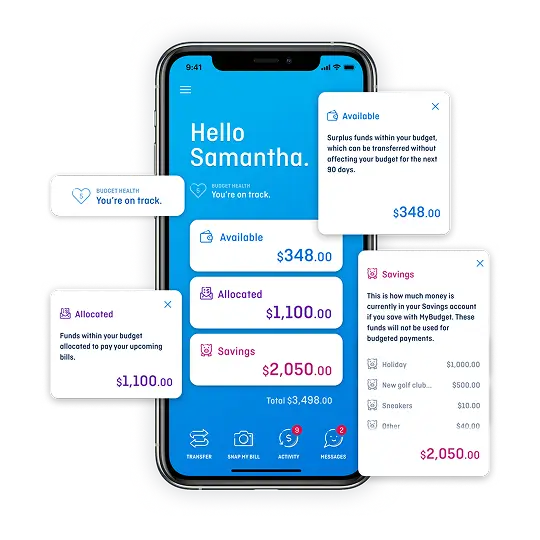
https://www.mybudget.com.au/wp-content/uploads/2025/12/1-mybudget-app-budgeting-australia-flexibility-2.webp
The MyBudget app demonstrating flexible budget planning and debt management features for Australians to reach financial goals.
-
https://www.mybudget.com.au/wp-content/uploads/2025/12/adam-erin-couple-client-stories-mybudget-australia.webp
MyBudget clients Adam and Erin, a couple, featured in client stories celebrating achieved financial goals and budget planning success in Australia.
-
https://www.mybudget.com.au/wp-content/uploads/2025/10/tammy-tips.png
Tammy Barton, Founder and Director of MyBudget, giving her financial tips.
-
https://www.mybudget.com.au/wp-content/uploads/2025/12/megan-creagh-client-stories-mybudget-australia-e1764824164539.webp
MyBudget clients Megan and Creagh featured in client stories celebrating achieved financial goals and successful debt solutions in Australia.
-
https://www.mybudget.com.au/wp-content/uploads/2025/11/tammy-podcast-intro.png
Tammy Barton, Founder and Director of MyBudget, introducing a podcast on budgeting help and achieving financial goals for Australians.
-
https://www.mybudget.com.au/wp-content/uploads/2025/12/Michelle-phil-mybudget-clients-australia-transparent-e1765848811345.png
A happy couple, Michelle and Phil, clients of MyBudget Australia, are captured mid-high-five, celebrating their financial success and effective budgeting. The man looks surprised and excited, while the woman is smiling broadly, highlighting the positive results of using MyBudget services to achieve their financial goals in Australia. This image represents the satisfaction and relief of managing personal finances effectively.
-
https://www.mybudget.com.au/wp-content/uploads/2025/02/tammy-barton-mybudget-founder-and-director.jpg
(no alt text)
-
https://www.mybudget.com.au/wp-content/uploads/2025/11/mybudget-staff-member-australia.webp
A MyBudget team member. A male individual sitting down in the office, facing the camera while smiling.
-
https://www.mybudget.com.au/wp-content/uploads/2024/12/michelle-phil-mybudget-client-appointment.webp
MyBudget clients Michelle and Phil reviewing documents during a free budget appointment.
-
https://www.mybudget.com.au/wp-content/uploads/2025/12/personal-budget-template-cta-mybudget-australia.webp
CTA for Australians to download a MyBudget personal budget budget template for effective budget planning and financial goals.
-
https://www.mybudget.com.au/wp-content/uploads/2025/11/michelle-phil-credit-cards-mybudget-clients-australia.webp
MyBudget clients Michelle and Phil pay off credit cards, find debt relief and financial freedom in Australia with a tailored personal budget.
-
https://www.mybudget.com.au/wp-content/uploads/2025/11/tammy-barton-mybudget-founder-and-director-december-checklist-start-the-new-year-strong-1.webp
Tammy Barton, Founder and Director of MyBudget Australia
-
https://www.mybudget.com.au/wp-content/uploads/2025/10/mybudget-free-budgeting-tools-calculators-and-resources-australia-1-768x512.webp
(no alt text)
-
https://www.mybudget.com.au/wp-content/uploads/2025/12/alyssa-pete-budget-bills-clients-mybudget-australia-768x768.webp
MyBudget clients Alyssa and Pete organizing bills with a dedicated debt management plan and budget planning in Australia.
-
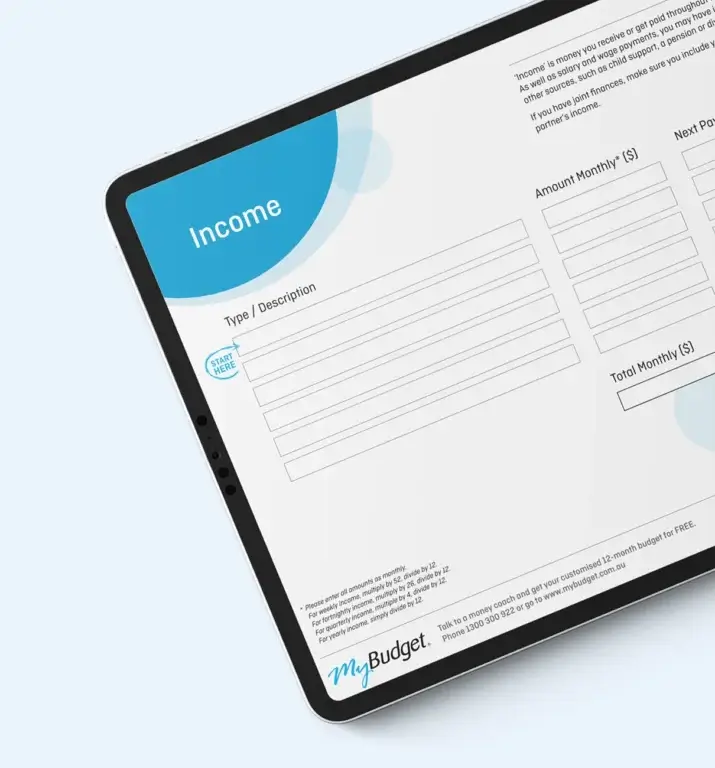
https://www.mybudget.com.au/wp-content/uploads/2025/11/budget-template-personal-resource-mybudget-austalia-715x768.webp
Tablet displaying MyBudget’s Personal Budget Template for Australian users, to help organise finances, get out of debt, start saving and reach financial goals.
-
https://www.mybudget.com.au/wp-content/uploads/2025/11/call-to-action-image.jpg
Call-to-action image encouraging Australians to seek MyBudget for expert debt solutions and financial coaching.
-
https://www.mybudget.com.au/wp-content/uploads/2025/09/mybudget-trustpilot-australia.webp
Trust Pilot
-
https://www.mybudget.com.au/wp-content/uploads/2025/09/ProductReview-mybudget-reviews-white.png
Product Review
-
https://www.mybudget.com.au/wp-content/uploads/2025/10/Google-mybudget-reviews-white.png
(no alt text)
-
https://www.mybudget.com.au/wp-content/uploads/2025/10/mybudget-app-store.png
(no alt text)
-
https://www.mybudget.com.au/wp-content/uploads/2025/10/my-budget-google-play.png
(no alt text)