Our Technology at Collins Street Specialist Centre
At Collins Street Specialist Centre we use equipment chosen for specific clinical jobs: imaging that helps our specialists diagnose and plan, digital scanners that replace many traditional impressions, magnification and lasers for detailed procedures, and sterilisation systems that support infection control. This page explains, item by item, what each piece of equipment is, what it is used for and which patients it is relevant to. Our specialists in oral and maxillofacial surgery, endodontics, orthodontics, periodontics, prosthodontics and paediatric dentistry all work from Level 8, Manchester Unity Building, 220 Collins Street, Melbourne.
Why does equipment matter in specialist dental care?
Specialist treatment often depends on seeing what cannot be seen with the naked eye: the shape of a root canal, the thickness of the jaw bone where an implant might go, or how the teeth meet when the jaws close. The equipment below supports diagnosis and treatment planning, helps our specialists explain findings to you, and can make some steps quicker or more comfortable. It does not replace clinical judgement. Your specialist decides which tests and tools are appropriate for your situation, and will explain why they are recommending them.
Diagnostic imaging
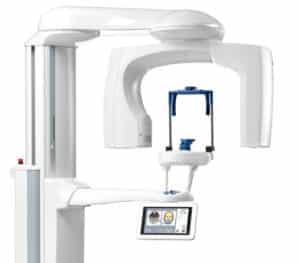
Planmeca ProMax 3D Max cone beam CT
What it is: a cone beam computed tomography (CBCT) scanner, which takes a three-dimensional X-ray image of the teeth, jaws and surrounding structures.
What we use it for: CBCT shows structures in three dimensions rather than as a flat picture. Our specialists use it when that extra information changes the plan, for example to assess bone before implant surgery, to look at the relationship of wisdom teeth to nearby nerves, to examine complex root canal anatomy, to assess the jaw joints, and to plan orthodontic and surgical treatment. It is used across endodontics, periodontics, orthodontics, implant dentistry, oral and maxillofacial surgery and paediatric dentistry.
Who it helps: patients whose diagnosis or plan needs a 3D view. The scanner is designed to work with limited radiation doses, and a CBCT scan is only taken when your specialist considers the information worth the exposure.
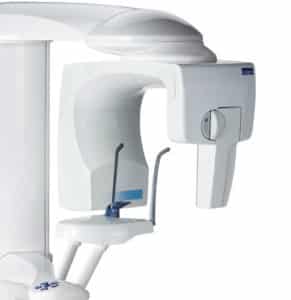
Planmeca ProMax 2D S3 with one-shot lateral cephalogram
What it is: a two-dimensional digital X-ray system that takes orthopantomograms (OPGs, a single panoramic image of all the teeth and jaws) and lateral cephalograms (a side view of the skull and jaws used in orthodontics).
What we use it for: having these images available in our rooms means they can be taken during your appointment when needed for planning, rather than at a separate imaging centre. The unit can capture images with the mouth open or closed, and a triple laser beam guides correct head positioning. Its one-shot function captures a lateral cephalogram in a single exposure.
Who it helps: orthodontic patients in particular, and anyone who needs an overview of the teeth and jaws. A dedicated child mode adjusts settings for children, and the one-shot capture suits children and adults who find it hard to stay still.
Intraoral digital radiographs
What they are: small digital X-ray sensors placed inside the mouth to capture detailed images of a few teeth at a time.
What we use them for: checking individual teeth for decay, infection, bone levels and the progress of root canal treatment. Digital sensors use lower radiation levels than conventional film X-rays, and the image appears on a screen in the surgery within moments, so your specialist can show you what they are seeing.
Who they help: most patients, at many types of appointment, from endodontic assessment to periodontal review.
Digital scanning and same-visit restorations
CEREC CAD/CAM system
What it is: CEREC (Chairside Economical Restoration of Esthetic Ceramics) is a computer-aided design and manufacturing system for making ceramic restorations at the chair.
What we use it for: designing and making all-ceramic inlays, onlays, crowns, veneers and bridges. Your teeth are scanned, the restoration is designed on screen, milled from a ceramic block and then fitted. For suitable cases this can be completed in a single appointment, without traditional impression material or a wait for an external laboratory.
Who it helps: patients needing certain ceramic restorations who would prefer fewer visits. Not every restoration is suitable for chairside manufacture; your clinician will explain the options for your tooth.
CEREC Primescan intraoral scanner
What it is: a handheld scanner that records a three-dimensional, full-colour digital image of the teeth.
What we use it for: capturing the information needed to design a restoration, in place of a tray of impression material. The scanner links directly to the CEREC system.
Who it helps: patients who find impression material uncomfortable, and anyone having a CEREC restoration.
CEREC Primemill milling unit
What it is: the on-site milling machine that shapes the restoration designed from your scan.
What we use it for: milling inlays and onlays and other ceramic restorations to match the digital design, so the restoration can be checked and fitted at the same visit.
3Shape TRIOS 3 intraoral scanner
What it is: a second intraoral scanning system that records the shape and colour of your teeth and how they bite together.
What we use it for: replacing conventional impressions when crowns, bridges and veneers are being made, by sending the digital record to the laboratory.
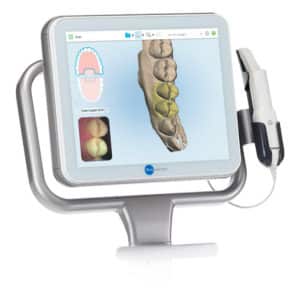
iTero Element intraoral scanner and ClinCheck
What it is: a chairside scanner that creates a virtual model of your teeth, used mainly in orthodontics.
What we use it for: the digital model is sent to laboratories for making orthodontic appliances, including Invisalign aligners, and for some restorations. The scan can be loaded into ClinCheck, Invisalign's treatment planning software, which shows a simulation of how the teeth are planned to move during aligner treatment and the intended final position.
Who it helps: orthodontic patients, who can see a planned sequence before deciding on treatment. A simulation shows the intended plan, and actual tooth movement varies between individuals.
Orthodontic technology
Invisalign clear aligners
What it is: a system of clear plastic aligners, each made for the individual patient, worn in sequence to move the teeth gradually.
What we use it for: our orthodontists use aligners to treat crooked, crowded and spaced teeth and some more complex bite problems, as an alternative to fixed metal braces. Whether aligners suit you depends on your bite, your goals and your commitment to wearing them as directed. Read more on our orthodontics page.
AcceleDent
What it is: a mouthpiece that delivers gentle vibration (micro-pulses) through the aligners. It is approved by the Therapeutic Goods Administration (TGA) in Australia and by the FDA in the United States.
What we use it for: some patients use it alongside Invisalign for about 20 minutes a day, with the aim of supporting tooth movement and reducing discomfort. Your orthodontist will advise whether it is appropriate for you; its effect varies between patients.
Dental Monitoring
What it is: a remote monitoring system that combines a smartphone app with a scanning attachment.
What we use it for: between appointments, patients take regular scans of their teeth and upload them through the app. Your orthodontist reviews the images and can adjust the plan, which may reduce the number of in-person visits needed while still keeping a close watch on progress.
Dental implant planning
iCam 4D implant scanner
What it is: a camera-based system that records the position of implants in the mouth.
What we use it for: taking measurements for implant restorations and supporting virtual planning, so that the design of the crown or bridge takes into account the implant positions and the surrounding gum.
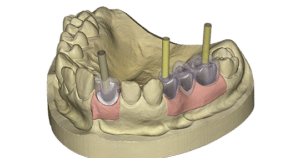
exocad DentalCAD software
What it is: design software for dental restorations.
What we use it for: visualising implant positions and designing the crowns, bridges and connecting components that sit on implants, so the surgical and restorative stages can be planned together.
coDiagnostiX implant planning software
What it is: planning software that uses 3D imaging of the jaw.
What we use it for: planning where implants will be placed in relation to the bone, nerves and sinuses before surgery, and designing surgical guides where these are used. Implant treatment carries risks as well as benefits, which your specialist will discuss with you. See our prosthodontics and oral and maxillofacial surgery pages.
Root canal (endodontic) equipment
Carl Zeiss OPMI PROergo and Seiler Revelation microscopes
What they are: surgical operating microscopes with several magnification settings, up to 20 times, and built-in fibre-optic lighting that reduces shadows.
What we use them for: the inside of a tooth is small and can be complex. Magnification and light help our endodontists locate extra or narrow canals, look for fine crack lines and work precisely inside the root canal system. Microscopes are also used in other procedures where detail matters.
Who they help: patients having root canal treatment, retreatment of a previously treated tooth, or assessment of a suspected crack. Visit our endodontics page for more.
BeeFill 2in1
What it is: a device that delivers warm root filling material into the cleaned canals.
What we use it for: the warmed material flows into the shape of the canal and sets into a dense filling, which helps seal narrow and irregular spaces. Sealing the canal is one of the factors that affect the long-term outlook for a root-filled tooth.
MTwo and ProTaper rotary systems with the Dentsply X-Smart motor
What they are: nickel-titanium rotary instruments driven by a dedicated endodontic motor.
What we use them for: cleaning and shaping the root canals in preparation for filling. Rotary instruments are an alternative to shaping canals with stainless steel hand files alone, and your endodontist chooses the instruments to suit the anatomy of your tooth.
Detecting decay and cracks
KaVo DIAGNOcam
What it is: a camera that shines light through a tooth (digital imaging fibre-optic transillumination, known as DIFOTI).
What we use it for: helping to detect decay and cracks, alongside a clinical examination and X-rays, and lighting a tooth during treatment. Images can be shown to you during the appointment.
KaVo DIAGNOdent
What it is: a handheld device that uses laser fluorescence to help detect decay.
What we use it for: checking areas that are hard to examine by eye, such as deep grooves, as an aid to the visual examination and X-rays.
Lasers
Our clinicians use several dental lasers, selected according to the procedure. Lasers are commonly used for soft tissue work, such as reshaping the gums around a restoration.
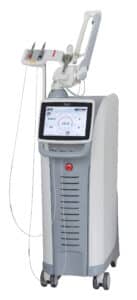
Fotona LightWalker laser
What it is: a dental laser system.
What we use it for: a range of procedures, including treatment of cavities, gum procedures such as gum lifts, management of gum disease, and teeth whitening. Laser treatment may allow a less invasive approach for some procedures; healing and comfort vary for each person.
NV laser
What it is: a cordless handheld soft tissue laser that can deliver energy continuously or in pulses.
What we use it for: soft tissue surgery in the mouth, such as removing fibrous tissue or small lesions, and periodontal procedures that remove diseased or inflamed tissue from the lining of gum pockets.
VersaWave laser
What it is: a fibre-delivered dental laser that can be used on teeth, bone and soft tissue.
What we use it for: procedures across general dentistry, endodontics, periodontics, prosthodontics and paediatric dentistry, for example contouring bone and removing diseased tissue from gum pockets.
Restorative and cleaning aids
Isodry and Isolite
What they are: isolation systems that combine suction, a mouth prop and an added light source.
What we use them for: keeping the working area dry and well lit while fillings and other treatment are carried out, which matters because many bonded materials need a dry surface. They can also be used during hygiene appointments and oral surgery.
PrepStart air abrasion
What it is: a device that uses a fine stream of aluminium oxide particles to clean and prepare the tooth surface.
What we use it for: pre-treating the surface before fillings, crowns and bridges are bonded, to help the materials adhere. When fissure sealants are being applied to a tooth showing early decay, air abrasion may be used in place of a drill.
AirFlow prophylaxis
What it is: a cleaning unit that uses water, air and a fine powder.
What we use it for: removing plaque, staining and bacteria from tooth surfaces and along the gum line. Many patients find it a gentler alternative to cleaning with an ultrasonic scaler alone.
KaVo Prophyflex
What it is: an air-powder polishing handpiece.
What we use it for: removing residual stains, such as those from coffee, tea or smoking, at the end of a cleaning appointment.
Cameras and photography
Carestream intraoral camera
What it is: a small camera that captures close-up images inside the mouth.
What we use it for: showing you what your clinician sees, such as plaque build-up, decay, cracks or worn restorations, so findings are easier to understand.
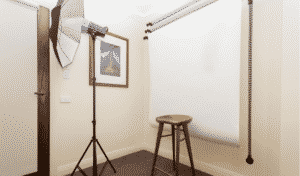
Digital SLR cameras and photography studio
What they are: extraoral digital cameras and an on-site photography studio.
What we use them for: clinical photographs for diagnosis, treatment planning and your records, particularly at each stage of treatment that changes the appearance of the teeth. Photographs are taken and stored as part of your clinical record.
Our in-house laboratory
Our dental laboratory works only for our patients. Its ceramists, dental technicians and dental prosthetists work closely with our dentists and specialists on appliances, prosthodontic work, and handmade porcelain veneers and crowns. Equipment in the laboratory includes:
- Sega Dental 3D printers, which build dental models, appliances and some prosthetic components from digital designs.
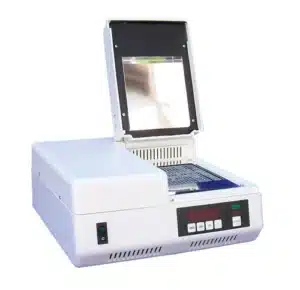
- Otoflash flash curing unit, which uses intense light to cure resin-based materials used in crowns, bridges and veneers.
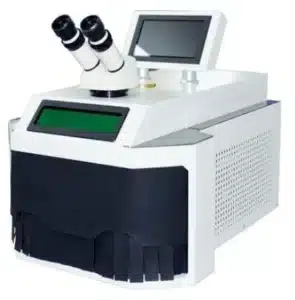
- Dentaurum laser welder, which joins metal parts with a concentrated laser beam when making metal frameworks for dentures and orthodontic appliances.
Having the laboratory close to the clinic makes it easier for technicians and clinicians to discuss details such as shade and fit.
Sterilisation and infection control
Infection control is a core part of safe dental care. Our sterilisation area includes Mocom sterilisers, five Statim handpiece sterilisers and four ultrasonic cleaning baths. Instruments are cleaned and sterilised between patients, and our dental assistants receive regular, ongoing training in sterilisation and infection control procedures.
Comfort in the surgery
Our treatment rooms have television screens and music. Some patients, including children and people who feel anxious about dental visits, find that a programme or music of their choice helps them relax during treatment. Let us know when you book if there is anything else that would make your visit easier.
Which specialists use which equipment?
| Specialty | Equipment commonly involved |
|---|---|
| Endodontics | Operating microscopes, rotary systems, BeeFill, intraoral radiographs, CBCT |
| Orthodontics | iTero scanner, ClinCheck, Invisalign, Dental Monitoring, lateral cephalogram |
| Periodontics | Lasers, CBCT, intraoral radiographs, implant planning software |
| Prosthodontics | CEREC, intraoral scanners, exocad, in-house laboratory |
| Oral and maxillofacial surgery | CBCT, coDiagnostiX, OPG |
| Paediatric dentistry | 2D imaging with child mode, intraoral camera, decay detection aids |
Frequently asked questions
Is a cone beam CT scan safe?
All X-ray imaging involves some radiation. The Planmeca ProMax 3D Max is designed to use limited doses, and our specialists recommend a CBCT scan only when a three-dimensional view is likely to change the diagnosis or plan. If you are or may be pregnant, tell your specialist before any X-ray is taken.
Will I still need impressions?
Often not. For many restorations and orthodontic appliances, our intraoral scanners capture a digital record of your teeth in place of impression material. Some treatments still need a conventional impression, and your clinician will tell you which method suits your case.
Can I have a crown made in one visit?
For suitable teeth, the CEREC system lets us scan, design, mill and fit a ceramic restoration in a single appointment. Whether this is appropriate depends on the tooth, the material needed and the complexity of the case. Your clinician will explain the options after examining you.
Do I need to bring my own X-rays?
Yes, if you have recent X-rays or scans from your dentist, please bring them or ask your dentist to send them. They help your specialist understand your history and can avoid repeating images unnecessarily. If new images are needed, many can be taken in our rooms.
Why do specialists use microscopes for root canal treatment?
The canals inside a tooth are narrow and can branch or curve. Magnification of up to 20 times, with built-in lighting, helps our endodontists find and treat canals and spot fine cracks that are difficult to see otherwise.
Related pages
Collins Street Specialist Centre at a glance
- Registered specialists in oral and maxillofacial surgery, endodontics, orthodontics, periodontics, prosthodontics and paediatric dentistry, in one practice.
- Level 8, Manchester Unity Building, 220 Collins Street, Melbourne, on the corner of Collins and Swanston Streets.
- No referral needed to book.
- Payment plans through Payright, TLC and Supercare, subject to eligibility.
- Call (03) 9650 2726 or email theteam@collinsstreetspecialistcentre.com.au.
Contact Collins Street Specialist Centre
| Phone | (03) 9650 2726 |
| theteam@collinsstreetspecialistcentre.com.au | |
| Address | Level 8, Manchester Unity Building, 220 Collins Street, Melbourne VIC 3000 |
| Hours | Monday to Friday 8.00am to 6.00pm; Saturday mornings, call to confirm times |
| Enquiries | Our contact page |
Every patient is different, so results, recovery times and potential risks vary from person to person. This information is general in nature and is not a substitute for a consultation. Seek advice from an appropriately qualified, AHPRA-registered practitioner before proceeding with treatment.
Does Collins Street Specialist Centre have a 3D dental scanner on site?
Yes. Collins Street Specialist Centre has a Planmeca ProMax 3D Max cone beam CT on site, which our specialists use for implant planning, wisdom teeth, complex root canals, jaw joints and orthodontic planning.
Can OPG and cephalometric X-rays be taken at Collins Street Specialist Centre?
Yes. Collins Street Specialist Centre has a Planmeca ProMax 2D S3 unit for OPGs and one-shot lateral cephalograms, with a child mode, so images can be taken during your appointment when needed.
What scanners does Collins Street Specialist Centre use instead of impressions?
Collins Street Specialist Centre uses CEREC Primescan, 3Shape TRIOS 3 and iTero Element intraoral scanners, which record a digital 3D model of your teeth for restorations, implant work and orthodontic aligners.
Do the endodontists at Collins Street Specialist Centre use microscopes?
Yes. Our endodontists at Collins Street Specialist Centre use Carl Zeiss OPMI PROergo and Seiler Revelation operating microscopes, with magnification up to 20 times and built-in lighting, during root canal treatment.
How does Collins Street Specialist Centre handle sterilisation?
Collins Street Specialist Centre uses Mocom sterilisers, five Statim handpiece sterilisers and four ultrasonic baths, and our dental assistants receive regular, ongoing training in infection control procedures.
Where is Collins Street Specialist Centre and how do I book?
Collins Street Specialist Centre is at Level 8, Manchester Unity Building, 220 Collins Street, Melbourne. Book on (03) 9650 2726 or by email; we are open weekdays 8.00am to 6.00pm and Saturday mornings.
Does Collins Street Specialist Centre have its own dental laboratory?
Yes. Collins Street Specialist Centre has an in-house laboratory whose ceramists, technicians and prosthetists work only for our patients, using 3D printers, a flash curing unit and a laser welder.
Images on This Page
-
https://www.collinsstreetspecialistcentre.com.au/wp-content/uploads/2016/04/logo.png
Collins Street Specialist Centre
-
https://www.smilesolutions.com.au/wp-content/uploads/2019/05/Planmeca-Promax-3D-300x263.jpg
Planmeca Promax 3D
-
https://www.smilesolutions.com.au/wp-content/uploads/2019/05/Planmeca-Promax-2D-291x300.jpg
Planmeca Promax 2D
-
https://www.smilesolutions.com.au/wp-content/uploads/2019/05/provecta-70-intraoral-dental-x-ray-machine-10191-400x300-1-300x225.jpg
provecta 70 intraoral dental x ray machine 10191 400x300 1
-
https://www.smilesolutions.com.au/wp-content/uploads/2019/05/CEREC-veneers-fillings-300x161.png
CEREC veneers fillings
-
https://www.smilesolutions.com.au/wp-content/uploads/2019/05/Isodry-dental-technology-300x300.jpg
Isodry dental technology
-
https://www.smilesolutions.com.au/wp-content/uploads/2019/05/PrepStart-Air-Abrasian-Dental-300x225.jpg
PrepStart Air Abrasian Dental
-
https://www.smilesolutions.com.au/wp-content/uploads/2019/05/AirFlow-CART-Station-Plus-186x300.png
AirFlow CART Station Plus
-
https://www.smilesolutions.com.au/wp-content/uploads/2019/05/KaVo-PROPHYflex-300x195.png
KaVo PROPHYflex
-
https://www.smilesolutions.com.au/wp-content/uploads/2019/05/file-300x200.jpg
file
-
https://www.smilesolutions.com.au/wp-content/uploads/2019/05/Digital-Extraoral-Cameras-300x169.jpg
Digital Extraoral Cameras
-
https://www.smilesolutions.com.au/wp-content/uploads/2019/05/Untitled-design-32-300x176.png
Photography Studio
-
https://www.smilesolutions.com.au/wp-content/uploads/2019/05/Fontana-Lightwalker-Laser-137x300.jpeg
Fontana Lightwalker Laser
-
https://www.smilesolutions.com.au/wp-content/uploads/2019/05/NV-Laser-Dentistry-300x188.jpg
NV Laser Dental
-
https://www.smilesolutions.com.au/wp-content/uploads/2019/05/VersaWave-Laser-Dental-300x190.jpg
VersaWave Laser Dental
-
https://www.smilesolutions.com.au/wp-content/uploads/2019/05/Mocom-Sterilisers-300x267.jpg
Mocom Sterilisers
-
https://www.smilesolutions.com.au/wp-content/uploads/2019/05/Kavo-DiagnoCam-300x206.jpg
Kavo DiagnoCam
-
https://www.smilesolutions.com.au/wp-content/uploads/2019/05/Kavo-DiagnoDent-300x188.jpg
Kavo DiagnoDent
-
https://www.smilesolutions.com.au/wp-content/uploads/2019/05/IMG_3083-300x200.png
IMG 3083
-
https://www.smilesolutions.com.au/wp-content/uploads/2019/05/3Shape-Dental-Scanner-300x240.jpeg
3Shape Dental Scanner
-
https://www.smilesolutions.com.au/wp-content/uploads/2019/05/Level-10-IMG_5626_RT-300x200.jpg
Level 10 IMG 5626 RT
-
https://www.smilesolutions.com.au/wp-content/uploads/2023/03/Untitled-design-39-300x220.png
Untitled design 39
-
https://www.smilesolutions.com.au/wp-content/uploads/2019/05/iTero-Intraoral-Scanner-300x296.jpg
iTero Intraoral Scanner
-
https://www.smilesolutions.com.au/wp-content/uploads/2019/05/Acceledent-300x200.jpg
Acceledent
-
https://www.smilesolutions.com.au/wp-content/uploads/2024/04/IMG_2617-300x276.png
Dental Monitoring
-
https://www.smilesolutions.com.au/wp-content/uploads/2024/04/iCam-300x251.webp
iCam
-
https://www.smilesolutions.com.au/wp-content/uploads/2024/04/Exo-Cad-300x158.png
Exo Cad
-
https://www.smilesolutions.com.au/wp-content/uploads/2024/04/demo-front-300x164.png
demo front
-
https://www.smilesolutions.com.au/wp-content/uploads/2019/05/Carl-Zeiss-Microscope-260x300.jpeg
Carl Zeiss Microscope
-
https://www.smilesolutions.com.au/wp-content/uploads/2019/05/BeeFill-2in1-300x300.jpg
BeeFill 2in1
-
https://www.smilesolutions.com.au/wp-content/uploads/2019/05/END-Product-Image-X-Smart-EndMtr-TUL-TUL-1006774-XSMART-300x200.jpg
MTwo and ProTaper Rotary Endodontic Systems with Dentsply X-Smart Endodontic Motor
-
https://www.smilesolutions.com.au/wp-content/uploads/2024/04/sega-denta3-200x300.webp
sega denta3
-
https://www.smilesolutions.com.au/wp-content/uploads/2024/04/Otoflash-Flash-Curing-Device-300x290.webp
Otoflash Flash Curing Device
-
https://www.smilesolutions.com.au/wp-content/uploads/2024/04/Dentaurum-Laser-Welder-295x300.webp
Dentaurum Laser Welder
-
https://www.collinsstreetspecialistcentre.com.au/wp-content/themes/smile-theme-child/src/images/family-owned-inverted.png
(no alt text)