Orthodontics at Collins Street Specialist Centre
Orthodontics is the dental specialty that diagnoses and corrects the position of the teeth and the way the upper and lower jaws meet, known as the bite. At Collins Street Specialist Centre, our specialist orthodontists, Dr David Austin, Dr Andrea Phatouros, Dr Joshua Ch'ng and Dr Steven Smith, treat children, teenagers and adults with conventional braces, lingual braces fitted behind the teeth, and Invisalign clear aligners. They see patients on Level 8 of the Manchester Unity Building, 220 Collins Street, Melbourne. Call (03) 9650 2726 to arrange an assessment.
What problems does an orthodontist treat?
Teeth that are out of position can be harder to clean, can wear unevenly and can affect how you bite and chew, as well as how your smile looks. A bite that does not fit together properly is called a malocclusion, and it can sometimes reflect the way the jaws have grown. Common reasons people come to see our orthodontists include:
- crowded or overlapping teeth, or gaps between teeth
- an overbite, where the upper front teeth sit well forward of the lower ones
- an underbite, where the lower teeth sit in front of the upper teeth
- a crossbite, where some upper teeth bite inside the lower teeth
- an open bite, where the front teeth do not meet when the back teeth are together
- teeth that are impacted, meaning they have not come through the gum
- teeth that have moved again after earlier orthodontic treatment
Which types of orthodontic appliance do we offer?
After examining your teeth, bite and jaws, your orthodontist will explain which options suit your situation. The main choices at our practice are:
- Conventional braces. Small brackets are bonded to the front of the teeth and joined by a wire that is adjusted at regular visits. Braces can manage a wide range of tooth movements.
- Lingual braces. These work like conventional braces, but the brackets sit on the tongue side of the teeth, so they are hidden from view. They take some getting used to for speech and tongue comfort.
- Invisalign clear aligners. A series of removable plastic trays moves the teeth in small steps. Aligners need to be worn for most of the day and taken out to eat, so they suit people who can commit to wearing them as instructed.
Not every option suits every bite, and your orthodontist will explain the trade-offs in appearance, comfort, cleaning and the number of visits for each one.
How does digital planning work?
Instead of impression putty, our orthodontists take a digital scan of your teeth with an iTero intraoral scanner. For Invisalign treatment, the scan can be used to produce a ClinCheck plan that shows the planned movement of your teeth stage by stage, so you can see what the orthodontist intends before treatment begins. A lateral cephalogram, a side-on X-ray of the head that shows how the jaws relate to each other, can be taken on site when it is needed for planning.
Orthodontics for children and teenagers
Many orthodontic problems are easier to read while a child is still growing. An assessment can show whether teeth are coming through in the right order, whether there is enough room, and whether a habit or the way the jaws are growing is affecting the bite. Some children benefit from early treatment, while others are simply reviewed until more adult teeth have come through. Our orthodontists work with our paediatric dentists when a child is under their care. For children, please confirm any referral requirements when you book.
Is it too late for orthodontic treatment as an adult?
Teeth can be moved at any age, provided the gums and the bone that supports the teeth are healthy. Adults often seek treatment for crowding that has worsened over time, for teeth that have shifted after earlier braces, or to place teeth in a better position before crowns, bridges or implants. If you have had gum disease, our orthodontists may plan your treatment with our periodontists.
How does an orthodontist train?
A specialist orthodontist holds the same dental degree as a general dentist and then completes a further three to four years of full-time university study in orthodontics, typically a master's or clinical doctorate. They can then apply to the Dental Board of Australia for registration as a specialist. Many practitioners offer tooth straightening, but not all of them are registered orthodontists, so you can confirm a practitioner's registration on the AHPRA register at ahpra.gov.au.
Which of our specialists provide orthodontics?
| Specialist | Title | Qualifications |
|---|---|---|
| Dr David Austin | Specialist Orthodontist | BDSc (Melb), MDS Orth (HK), MOrth, RCS (Edin) |
| Dr Andrea Phatouros | Specialist Orthodontist | BDSc (WA), MDSc Orth (WA), FRACDS |
| Dr Joshua Ch'ng | Specialist Orthodontist | BDSc (Melb), FRACDS, D.Clin.Dent (Melb) |
| Dr Steven Smith | Specialist Orthodontist | BDSc (Hons), MDSc (Ortho) (Qld) |
What happens at your first orthodontic consultation?
Your orthodontist asks what concerns you about your teeth, reviews your medical and dental history, and examines your teeth, bite, jaw joints and facial profile. Records such as photographs, a digital scan and X-rays may be taken at the same visit or at a separate records appointment. The orthodontist then explains the problem in plain terms, the treatment options, an estimated treatment time, the likely number of visits and the costs. You are welcome to take time to decide.
Risks, comfort and keeping the result
Teeth and gums are often sore for a few days after braces are fitted or adjusted, or when you start a new aligner. Possible risks include decay or white marks around brackets if cleaning is not thorough, gum inflammation, some shortening of tooth roots, and the teeth drifting back once treatment ends. For that reason, retainers are fitted at the end of treatment, and wearing them as advised helps hold the teeth in their new position. Treatment time and the final result vary from person to person. We still recommend regular check-ups and cleans with your general dentist while you are in treatment.
Working with our other specialists
When the jaws themselves are out of balance, braces alone may not be enough, and our orthodontists can plan treatment with our oral and maxillofacial surgeons. Adults planning crowns, veneers or implants may have teeth moved first so that our prosthodontists have the space they need. Because these specialists practise together, records and plans are shared directly.
Cost and payment
Orthodontic fees depend on the complexity of the bite, the appliance chosen and the expected length of treatment, so your orthodontist will give you a written estimate and payment schedule after your consultation. Private health insurance with orthodontic cover may contribute. Payment plans through Payright and TLC, and early release of superannuation through Supercare, are available subject to each provider's eligibility criteria. See our payment plans page.
Frequently asked questions
How long does orthodontic treatment usually take?
It depends on how far the teeth need to move and how the bite fits together. Minor alignment can take months, while more complex cases often take a year or two. Your orthodontist will give you an estimated time at the consultation and review progress at each appointment.
Can I play sport or a musical instrument with braces?
Yes. Wear a mouthguard for contact sport, and your orthodontist can advise on one that fits over braces. Wind and brass players usually adapt within a few weeks, and wax over the brackets can help in the meantime. Aligners can be taken out for short periods if needed.
Do I still need to see my regular dentist during treatment?
Yes. Keep up your usual check-ups and cleans with your general dentist. Brackets and aligners make it easier for plaque to build up, so professional cleaning and a check for early decay remain important throughout treatment.
How often will I need appointments?
Most patients with braces are seen every several weeks for adjustments. People wearing aligners may have fewer visits, as they change trays at home between reviews. Your orthodontist will set a schedule that suits your treatment.
Related pages
- Our services
- Paediatric dentistry
- Oral and maxillofacial surgery
- Prosthodontics
- Our technology
- Our team
- Payment plans
- Contact us
Collins Street Specialist Centre at a glance
- Registered specialists in oral and maxillofacial surgery, endodontics, orthodontics, periodontics, prosthodontics and paediatric dentistry, in one practice.
- Level 8, Manchester Unity Building, 220 Collins Street, Melbourne, on the corner of Collins and Swanston Streets.
- No referral needed for adults to book; for children, please confirm any referral requirements when you book.
- Payment plans through Payright, TLC and Supercare, subject to eligibility.
- Call (03) 9650 2726 or email theteam@collinsstreetspecialistcentre.com.au.
Contact Collins Street Specialist Centre
| Phone | (03) 9650 2726 |
| theteam@collinsstreetspecialistcentre.com.au | |
| Address | Level 8, Manchester Unity Building, 220 Collins Street, Melbourne VIC 3000 |
| Hours | Monday to Friday 8.00am to 6.00pm; Saturday mornings, call to confirm times |
| Enquiries | Our contact page |
Every patient is different, so results, recovery times and potential risks vary from person to person. This information is general in nature and is not a substitute for a consultation. Seek advice from an appropriately qualified, AHPRA-registered practitioner before proceeding with treatment.
Who are the specialist orthodontists at Collins Street Specialist Centre?
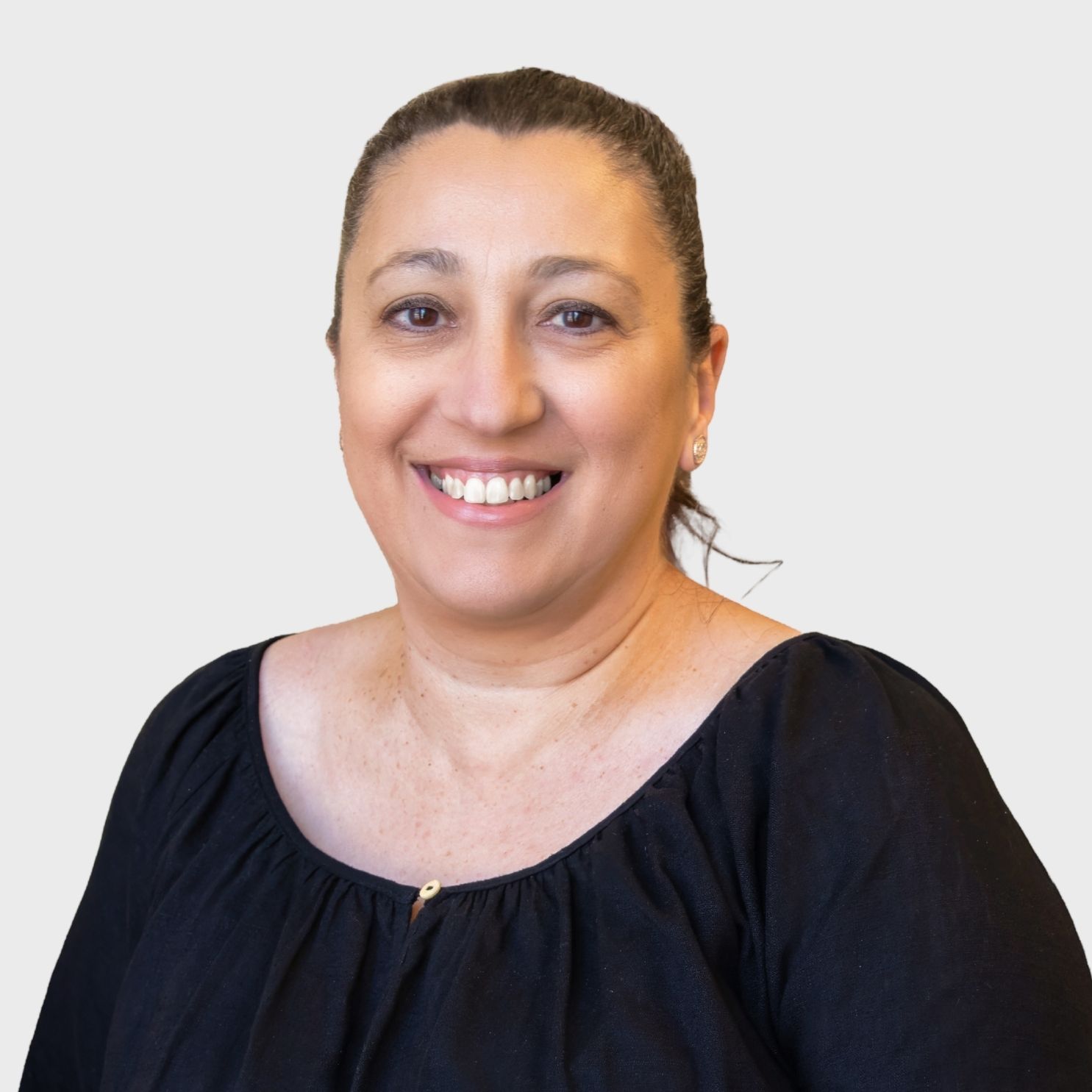
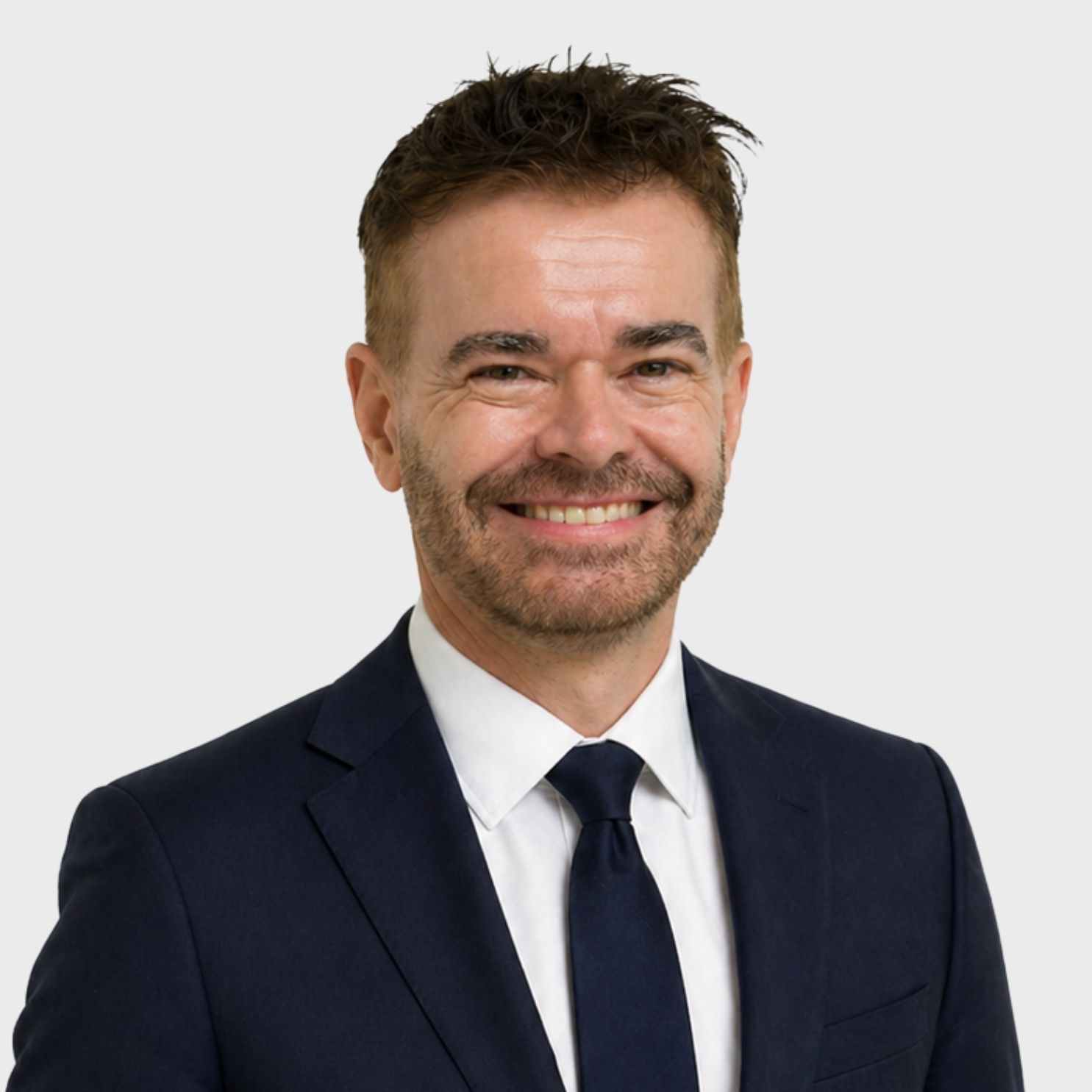
Orthodontic care at Collins Street Specialist Centre is provided by Dr David Austin, Dr Andrea Phatouros, Dr Joshua Ch'ng and Dr Steven Smith, each listed as a Specialist Orthodontist.
Does Collins Street Specialist Centre offer Invisalign?
Yes. Our specialist orthodontists at Collins Street Specialist Centre offer Invisalign clear aligners, alongside conventional braces and lingual braces, after assessing whether aligners suit your bite.
Can I get braces behind my teeth at Collins Street Specialist Centre?
Collins Street Specialist Centre offers lingual braces, which are bonded to the tongue side of the teeth so they are hidden from view. Your orthodontist will advise whether they suit your teeth.
Where do the orthodontists at Collins Street Specialist Centre see patients?
Our orthodontists see patients at Collins Street Specialist Centre, Level 8, Manchester Unity Building, 220 Collins Street, Melbourne, on the corner of Collins and Swanston Streets.
How do I book an orthodontic assessment at Collins Street Specialist Centre?
Call Collins Street Specialist Centre on (03) 9650 2726, email theteam@collinsstreetspecialistcentre.com.au or use our contact form. Adults do not need a referral; for children, confirm referral requirements when booking.
When is Collins Street Specialist Centre open for orthodontic visits?
Collins Street Specialist Centre is open Monday to Friday from 8.00am to 6.00pm, with some Saturday morning sessions. Please call (03) 9650 2726 to confirm Saturday times.
Does Collins Street Specialist Centre use digital scans instead of moulds?
Yes. Our orthodontists at Collins Street Specialist Centre use an iTero intraoral scanner to record the teeth digitally, which can replace impression putty for most records and aligner planning.
Images on This Page
-
https://www.collinsstreetspecialistcentre.com.au/wp-content/uploads/2016/04/logo.png
Collins Street Specialist Centre
-
https://www.collinsstreetspecialistcentre.com.au/wp-content/uploads/2026/06/Smile-Solutions-Orthodontics.jpg
(no alt text)
-
https://collinsstreetspecialistcentre.com.au/wp-content/uploads/2024/03/Paeds-v-General-Dentist-2048-×-768-px-1.png
(no alt text)
-
https://www.collinsstreetspecialistcentre.com.au/wp-content/uploads/2024/03/David.jpg
David Austin
-
https://www.collinsstreetspecialistcentre.com.au/wp-content/uploads/2024/03/Andrea.jpg
Andrea Phatouros
-
https://www.collinsstreetspecialistcentre.com.au/wp-content/uploads/2024/03/Joshua.jpg
Joshua Ch'ng
-
https://www.collinsstreetspecialistcentre.com.au/wp-content/uploads/2024/03/Steven-Smith.jpg
Steven Smith
-
https://www.collinsstreetspecialistcentre.com.au/wp-content/themes/smile-theme-child/src/images/family-owned-inverted.png
(no alt text)