Oral and Maxillofacial Surgery at Collins Street Specialist Centre
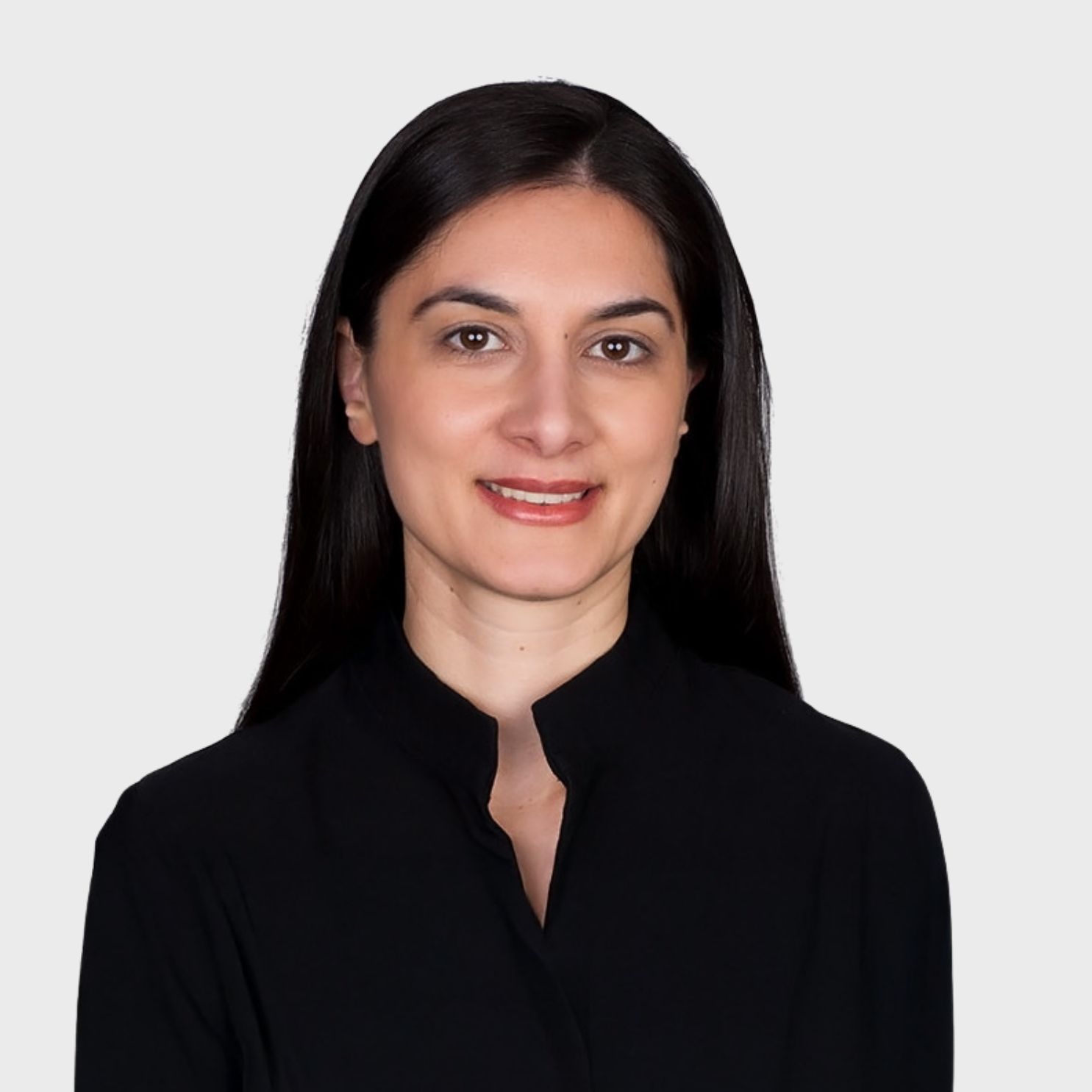
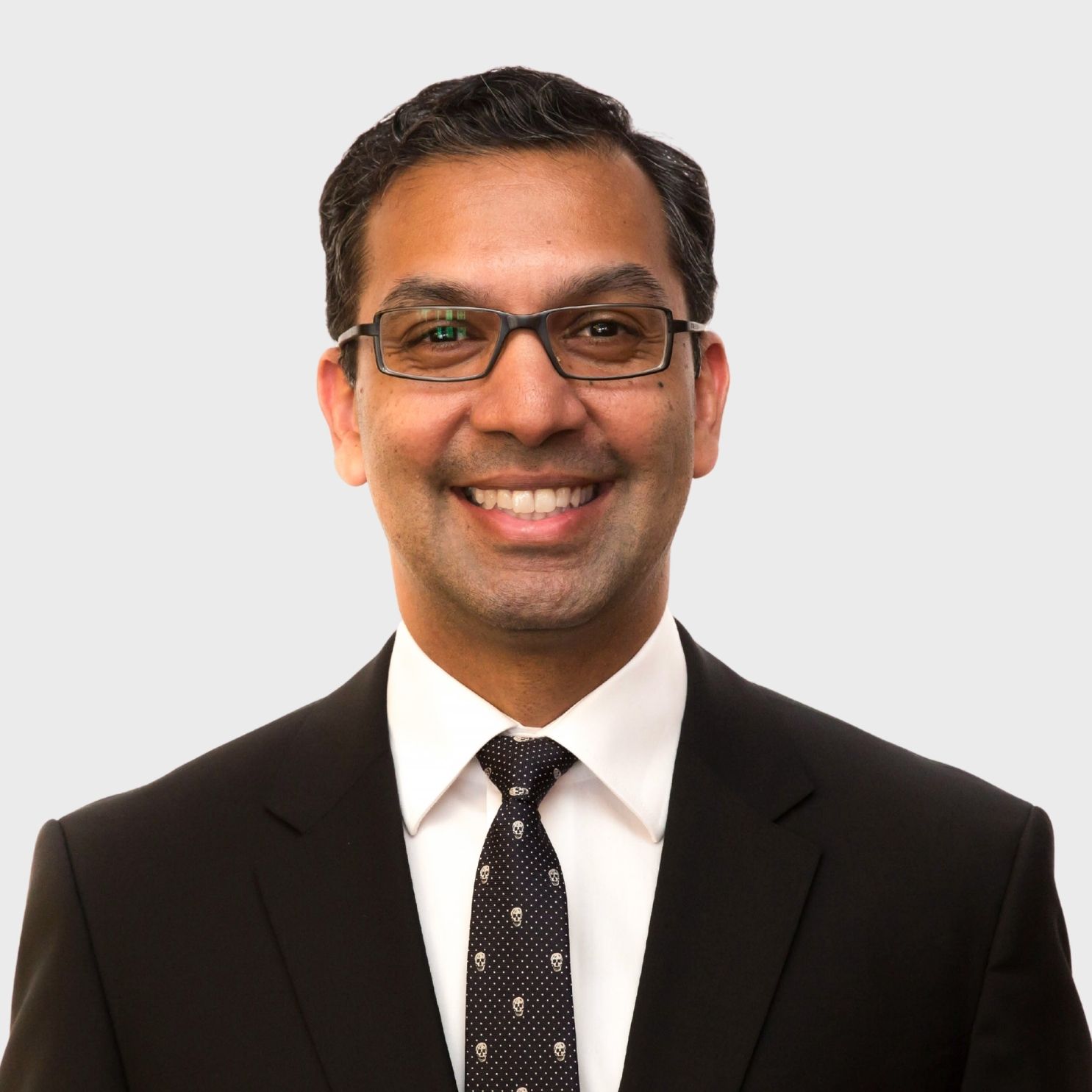
Oral and maxillofacial surgery is the dental specialty that diagnoses and surgically treats conditions of the teeth, jaws, mouth and face. At Collins Street Specialist Centre, our oral and maxillofacial surgeons, A/Prof. Patrishia Bordbar and Dr Ricky Kumar, assess and treat impacted wisdom teeth, place dental implants, perform bone grafts and jaw surgery, and investigate cysts and other lesions. They see patients on Level 8 of the Manchester Unity Building, 220 Collins Street, Melbourne. Call (03) 9650 2726 to arrange a consultation.
What does an oral and maxillofacial surgeon treat?
The specialty sits where dentistry, medicine and surgery meet. An oral and maxillofacial surgeon looks after problems involving the teeth, gums and jaws, and the way the mouth and face work and look. In our practice the most common reasons for a visit are:
- impacted or problem wisdom teeth
- removal of teeth that cannot be kept, including before implant treatment
- placement of dental implants and the bone grafting that sometimes needs to come first
- corrective jaw (orthognathic) surgery, usually planned with an orthodontist
- jaw joint (temporomandibular joint, or TMJ) problems that have not settled with other care
- cysts, lumps and other lesions of the mouth and jaws that need a diagnosis
- injuries to the jaws and face
When is a wisdom tooth removed by a specialist surgeon?
Wisdom teeth are the last teeth to come through, usually in the late teens or twenties. When there is not enough room, a wisdom tooth can stay partly or fully under the gum (impacted). That can lead to infection of the gum around it, decay in the neighbouring tooth or, less often, a cyst. Not every wisdom tooth needs to come out, and your surgeon will explain whether yours should.
A specialist surgeon is often recommended when the root of a lower wisdom tooth sits close to the nerve that supplies feeling to the lip and chin, when an upper tooth is close to the sinus, or when several teeth are deeply impacted. A cone beam CT scan, a three-dimensional X-ray taken on site at our practice, can show these relationships before surgery.
How do implants and bone grafting fit together?
A dental implant is a titanium post placed in the jawbone to support a replacement tooth, bridge or denture. After a tooth is lost, the bone in that area slowly shrinks, and sometimes there is not enough bone left to hold an implant securely. Bone grafting rebuilds the area first, either at the same appointment as the implant or as a separate stage some months earlier.
The surgeon places the implant, and the crown or bridge that sits on it is usually made by a prosthodontist or your general dentist. Because our prosthodontists work in the same practice, the surgeon and the restoring dentist can agree on implant position before surgery. This planning matters for how the final tooth looks and how easy it is to clean.
What is corrective jaw surgery?
Orthognathic surgery moves the upper jaw, lower jaw or both into a better position when a growth imbalance means the teeth cannot meet properly. It is usually combined with orthodontic treatment before and after the operation, because braces or aligners straighten the teeth while surgery corrects the jaw position. The aims are to improve biting, chewing, speech and sometimes breathing. Jaw surgery is a significant operation carried out in hospital, and your surgeon will explain the stages, the time off work or study and the risks before you decide.
What about jaw joint problems, cysts and facial injuries?
- Jaw joint (TMJ) disorders cause pain, clicking, limited opening or locking. Most people improve with simpler measures such as splints, physiotherapy and medication. Surgery is considered when these have not helped.
- Cysts and lesions in the mouth and jaw are often benign, but they still need a diagnosis. A small sample (biopsy) may be taken, and many cysts are removed under local anaesthetic, while larger ones need more extensive surgery.
- Facial injuries may involve broken jaws or cheekbones. Treatment can involve realigning the bones and holding them with small plates and screws. Serious injuries are first managed in a hospital emergency department.
How do our surgeons train?
To practise as a specialist oral and maxillofacial surgeon in Australia, a surgeon completes a dental degree and a medical degree, followed by several years of supervised specialist surgical training. They then sit the specialty examinations for Fellowship of the Royal Australasian College of Dental Surgeons in oral and maxillofacial surgery, shown after their name as FRACDS (OMS), and are registered as specialists with the Dental Board of Australia. You can confirm a surgeon's registration on the AHPRA public register.
Which of our specialists provide oral and maxillofacial surgery?
| Specialist | Title | Qualifications |
|---|---|---|
| A/Prof. Patrishia Bordbar | Specialist Oral and Craniomaxillofacial Surgeon | BDSc (Melb), MBBS (Hons) (Melb), PGDipSurg.Anat. (Melb), MDSc (OMS) (Melb), FRACDS (OMS), FRCS (Edinburgh) |
| Dr Ricky Kumar | Specialist Oral and Maxillofacial Surgeon | BHB (Auck), MBChB (Auck), BDS (Otago), FRACDS (OMS) |
What happens at your first surgical consultation?
At the first appointment your surgeon takes a medical history, including any medicines you take, and examines the area. Bring any X-rays, scans or letters from your dentist. If new imaging is needed it can usually be taken on site. The surgeon then explains what they have found, whether surgery is advisable, the alternatives (including not treating), the type of anaesthesia that suits the procedure, recovery and the likely costs. You are welcome to take the information home and decide later.
What are the risks, and what is recovery like?
All surgery carries risk. Depending on the procedure, possible effects include swelling, bruising, pain, bleeding, infection, dry socket after an extraction and, for some lower wisdom teeth, temporary or occasionally lasting numbness of the lip, chin or tongue. Your surgeon will explain the risks that apply to you. Recovery after a wisdom tooth removal often takes several days, while jaw surgery needs a much longer period. Written aftercare instructions are provided, and you can call us if you have concerns after your procedure.
Working with our other specialists
Oral surgery often forms one stage of a larger plan. Our surgeons work with our prosthodontists and periodontists on implant treatment, with our orthodontists on jaw surgery and exposure of teeth that have not come through, and with our paediatric dentists when a child needs surgical care. Because these specialists practise together, records and plans can be shared directly.
Cost and payment
Fees depend on the procedure, the number of teeth involved, imaging and the type of anaesthesia, so your surgeon will give you a written estimate after your consultation. Private health insurance may cover part of the cost, depending on your level of cover. Payment plans through Payright and TLC, and early release of superannuation through Supercare, are available subject to each provider's eligibility criteria. See our payment plans page for details.
Frequently asked questions
Do I need to have all four wisdom teeth out at once?
Not necessarily. Some people need one or two removed and others none at all. When several are causing problems, removing them in one procedure can mean a single recovery period. Your surgeon will look at the position of each tooth and your health, then recommend what makes sense for you.
Will I be asleep for oral surgery?
Some procedures are done comfortably under local anaesthetic, which numbs the area while you stay awake. Others may be done under sedation or general anaesthetic, which can involve a hospital or day surgery setting. Your surgeon will discuss the options that suit your procedure and your medical history at your consultation.
How long after an extraction can an implant be placed?
It depends on the condition of the bone and gum. Sometimes an implant can be placed at the time of the extraction, and in other cases the site is left to heal or grafted first, which can take a few months. Your surgeon and restoring dentist will agree a timeline with you.
Can my child see one of the oral surgeons?
Children and teenagers may need oral surgery, for example to uncover a tooth that has not come through for orthodontic treatment. Please call (03) 9650 2726 to discuss your child's needs, and confirm any referral requirements for children when you book.
Related pages
- Our services
- Paediatric dentistry
- Our team
- Why choose us
- Payment plans
- Contact us
- Prosthodontics
- Periodontics
Collins Street Specialist Centre at a glance
- Registered specialists in oral and maxillofacial surgery, endodontics, orthodontics, periodontics, prosthodontics and paediatric dentistry, in one practice.
- Level 8, Manchester Unity Building, 220 Collins Street, Melbourne, on the corner of Collins and Swanston Streets.
- Payment plans through Payright, TLC and Supercare, subject to eligibility.
- Call (03) 9650 2726 or email theteam@collinsstreetspecialistcentre.com.au.
Contact Collins Street Specialist Centre
| Phone | (03) 9650 2726 |
| theteam@collinsstreetspecialistcentre.com.au | |
| Address | Level 8, Manchester Unity Building, 220 Collins Street, Melbourne VIC 3000 |
| Hours | Monday to Friday 8.00am to 6.00pm; Saturday mornings, call to confirm times |
| Enquiries | Our contact page |
Every patient is different, so results, recovery times and potential risks vary from person to person. This information is general in nature and is not a substitute for a consultation. Seek advice from an appropriately qualified, AHPRA-registered practitioner before proceeding with treatment.
Who performs oral and maxillofacial surgery at Collins Street Specialist Centre?
Oral and maxillofacial surgery at Collins Street Specialist Centre is provided by A/Prof. Patrishia Bordbar, Specialist Oral and Craniomaxillofacial Surgeon, and Dr Ricky Kumar, Specialist Oral and Maxillofacial Surgeon.
Does Collins Street Specialist Centre remove impacted wisdom teeth?
Yes. Our oral and maxillofacial surgeons assess and remove impacted wisdom teeth at Collins Street Specialist Centre, including teeth close to the nerve or sinus, after reviewing X-rays or a cone beam CT scan.
Can Collins Street Specialist Centre place dental implants and bone grafts?
Yes. Our surgeons place dental implants and carry out bone grafting when there is not enough bone, working with our prosthodontists and periodontists, who plan and restore the final teeth.
Where do the oral surgeons at Collins Street Specialist Centre consult?
Our oral and maxillofacial surgeons consult at Collins Street Specialist Centre, Level 8, Manchester Unity Building, 220 Collins Street, Melbourne, on the corner of Collins and Swanston Streets.
How do I book an oral surgery consultation at Collins Street Specialist Centre?
Call Collins Street Specialist Centre on (03) 9650 2726 or send an enquiry through our contact page. Bring any X-rays, scans or letters from your dentist to the first appointment.
Do I need a referral for oral surgery at Collins Street Specialist Centre?
Our published guidance is that adults do not need a referral to see our specialists, including our oral surgeons. For children, please confirm any referral requirements with Collins Street Specialist Centre when you book.
What qualifications do Collins Street Specialist Centre oral surgeons hold?
Both of our oral and maxillofacial surgeons hold dental and medical degrees and the FRACDS (OMS) fellowship, and are registered specialists with the Dental Board of Australia, which you can check on the AHPRA register.
Images on This Page
-
https://www.collinsstreetspecialistcentre.com.au/wp-content/uploads/2016/04/logo.png
Collins Street Specialist Centre
-
https://www.collinsstreetspecialistcentre.com.au/wp-content/uploads/2024/03/CSSC-Website-2.png
Oral Maxillofacial Surgery
-
https://www.collinsstreetspecialistcentre.com.au/wp-content/uploads/2024/03/CSSC-Website-Page-Images-5.png
(no alt text)
-
https://www.collinsstreetspecialistcentre.com.au/wp-content/uploads/2024/03/CSSC-Website-Page-Images-6.png
Implants Specialist
-
https://www.collinsstreetspecialistcentre.com.au/wp-content/uploads/2024/03/CSSC-Website-Page-Images-7.png
Oral Max
-
https://www.collinsstreetspecialistcentre.com.au/wp-content/uploads/2024/03/CSSC-Website-Page-Images-8.png
Bone Grafting
-
https://www.collinsstreetspecialistcentre.com.au/wp-content/uploads/2024/03/CSSC-Website-Page-Images-9.png
Oral Max
-
https://www.collinsstreetspecialistcentre.com.au/wp-content/uploads/2024/03/CSSC-Website-Page-Images-10.png
Oral Max Surgery
-
https://www.collinsstreetspecialistcentre.com.au/wp-content/uploads/2024/03/Patrishia.jpg
Patrishia Bordbar
-
https://www.collinsstreetspecialistcentre.com.au/wp-content/uploads/2024/03/Ricky.jpg
Ricky Kumar
-
https://www.collinsstreetspecialistcentre.com.au/wp-content/themes/smile-theme-child/src/images/family-owned-inverted.png
(no alt text)