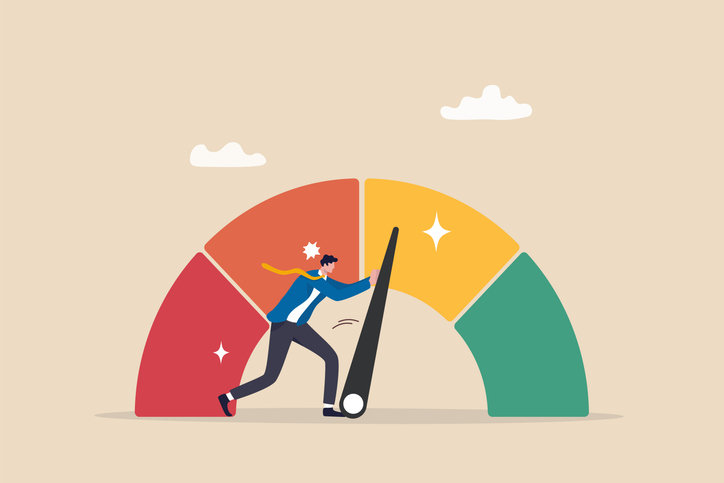
Understanding your credit score and improving your credit position
A credit score summarises aspects of your credit history. It is one input lenders may consider for home, car or business finance, alongside income, expenses, existing commitments, security and their lending criteria. It does not measure your whole financial health or guarantee approval, a borrowing limit or the lowest rate.
This article, written by Mary Nebotakis, Managing Director of Natloans (B. Eco, Dip. Financial Services), explains the key factors that affect your credit score, how your score influences what lenders offer you, and five practical steps you can take to improve it. It was first published on 6 February 2025 and last modified on 3 September 2025. General information only — confirm current conditions and eligibility for your individual circumstances with a qualified adviser before acting on anything here.
Factors That Negatively Impact Your Credit Score
Several common behaviours and events can reduce your credit score, making it harder to secure finance on competitive terms.
1. Late or Missed Payments
Payment history is a significant component of your credit score. Late payments on credit cards, loans, or utility bills can lower your score noticeably, particularly if they become a pattern.
2. Type of Credit You Use
The original article discusses payday lending and buy-now-pay-later use. Lenders may consider applications and repayment commitments in their assessment. The source does not establish that every use automatically lowers a score or proves financial distress; effects depend on reporting, repayment history and the assessment used.
3. Too Many Credit Enquiries
Each time you apply for credit, a lender typically performs a "hard enquiry" on your credit file. Multiple enquiries in a short period — even if none result in an approval — can signal financial instability and drag your score down.
4. High Credit Utilisation
Consistently using a large proportion of your available credit limit, or regularly carrying high balances on credit cards, suggests to lenders that you may be financially overextended.
5. Defaults and Serious Credit Infringements
If debts go unpaid and are recorded as defaults, or if you are declared bankrupt, your credit score can suffer a severe and lasting impact, affecting your ability to borrow for a significant period.
Factors That Positively Impact Your Credit Score
Equally, certain financial habits and behaviours can strengthen your credit score over time.
| Behaviour | Why it helps |
|---|---|
| Making payments on time | Consistently paying loans, credit cards, and bills on time builds a strong, reliable credit history. |
| Maintaining a low credit utilisation ratio | The original recommends staying below 30% of available credit. This is not established here as a universal Australian scoring threshold. Consider actual debt, repayment capacity and credit limits; do not rely on a percentage to predict approval or score changes. |
| Keeping credit applications to a minimum | Applying for credit only when necessary reduces the number of hard enquiries on your file. |
| Holding long-standing credit accounts | A longer credit history with responsible usage signals stability to lenders. |
| Regularly checking your credit report | Reviewing your file for errors and disputing inaccuracies prevents unnecessary score reductions. |
How Your Credit Score Affects Loan Approvals
Your credit score influences several key aspects of the lending process, not just whether you are approved.
Likelihood of Approval
A higher credit score increases your chances of being approved for a loan. A lower score may result in rejections or require you to offer additional security to satisfy a lender's requirements.
Which Lenders Are Available to You
Prime lenders — those offering the most competitive rates and terms — typically reserve their best products for borrowers with strong credit profiles. Borrowers with lower scores may need to work with specialist lenders, who generally charge higher interest rates to reflect the increased risk they are taking on.
How Much You Can Borrow
A strong credit profile can increase your borrowing power. Lenders view a high credit score as evidence of lower risk, which can translate into access to larger loan amounts.
The Interest Rate You Qualify For
Higher credit scores are generally associated with lower interest rates. Over the life of a loan, this difference can be meaningful in terms of total repayment costs. Specific rates depend on the lender, the loan type, and your individual circumstances — confirm current rates directly with Natloans or your chosen lender.
Top 5 Tips to Improve Your Credit Score
If your credit score needs attention, the following five steps — drawn from this article's original guidance — provide a practical starting point.
- Pay bills on time, every time. Set up direct debits or calendar reminders to ensure you never miss a payment. Consistent on-time payment is one of the most effective ways to build and protect your score.
- Reduce outstanding debts. Work to pay down existing credit card and loan balances. Lowering your outstanding debt improves your credit utilisation ratio, which is a positive signal to lenders.
- Limit unnecessary applications. Multiple application-related enquiries may affect a credit assessment. Ask which checks will be made before applying. Accessing your own report is different and does not lower your score; no fixed points loss is established here.
- Check your credit report regularly. Access your credit report through major credit reporting agencies to identify any errors or inaccuracies. If you find something incorrect, dispute it with the relevant agency. Errors left uncorrected can unfairly suppress your score.
- Manage the commitments you actually need. The original suggests opening a low-limit card. Do not take on debt solely to improve a score. Consider costs, affordability and whether a product is needed; responsible repayment of existing commitments and correcting errors are more useful starting points than trying to manufacture a score.
Common Questions About Credit Scores
- What does this Natloans article cover?
- The article covers the factors that negatively and positively affect a credit score, how a credit score influences loan approvals and borrowing options, and five practical steps to improve a credit score. It also discusses the role of credit history, the impact of credit applications, and the value of regularly reviewing a credit report. For full context, refer to the original article on the Natloans website.
Next Steps
Understanding your credit score is the first step toward taking control of your financial position. If you are considering applying for a home loan, refinancing existing debt, or securing business finance, your credit profile will be a key factor in what is available to you and on what terms.
Natloans can help you understand your options and navigate the lending process. To discuss your circumstances, contact Natloans here.
Related Reading
Source References
- Original article: What You Need to Know About Your Credit Score (and How to Improve It), Natloans, first published 6 February 2025, last modified 3 September 2025. Retrieved 15 October 2026. General information only; not independently verified as current. Confirm all conditions, rates, and eligibility with Natloans before acting.
Current reporting guidance and limits
Reviewed 15 October 2026: ASIC Moneysmart identifies Equifax and Experian as the two main reporting bodies and explains that score scales differ. OAIC explains free report access. Equifax confirms that accessing your own report does not affect its score. The original’s five negative factors, five positive habits and five action areas remain covered above, with unsupported universal rules qualified. No specific score improvement, approval or recovery period is promised.
Images on This Page
-
https://www.natloans.com.au/wp-content/uploads/2026/04/natloans-white-logo.webp
(no alt text)
-
https://www.natloans.com.au/wp-content/uploads/2025/04/natloans_logo.png
(no alt text)
-
https://www.natloans.com.au/wp-content/uploads/2025/04/icon-person.svg
(no alt text)
-
https://www.natloans.com.au/wp-content/uploads/2025/05/icon-money-case.png
(no alt text)
-
https://www.natloans.com.au/wp-content/uploads/2025/04/icon-money-bag.svg
(no alt text)
-
https://www.natloans.com.au/wp-content/uploads/2025/05/material-symbols_electric-car-rounded.png
(no alt text)
-
https://www.natloans.com.au/wp-content/uploads/2025/05/material-symbols_edit-document.png
(no alt text)
-
https://www.natloans.com.au/wp-content/uploads/2025/05/solar_chat-round-money-bold.png
(no alt text)
-
https://www.natloans.com.au/wp-content/uploads/2025/05/material-symbols_credit-card.png
(no alt text)
-
https://www.natloans.com.au/wp-content/uploads/2025/04/icon-calculator.svg
(no alt text)
-
https://www.natloans.com.au/wp-content/uploads/2025/04/icon-service.svg
(no alt text)
-
https://www.natloans.com.au/wp-content/uploads/2025/04/icon-bank.svg
(no alt text)
-
https://www.natloans.com.au/wp-content/uploads/2025/04/ic_round-home.svg
(no alt text)
-
https://www.natloans.com.au/wp-content/uploads/2025/05/icon-dollar.png
(no alt text)
-
https://www.natloans.com.au/wp-content/uploads/2025/05/icon-first.png
(no alt text)
-
https://www.natloans.com.au/wp-content/uploads/2025/05/icon-construction.png
(no alt text)
-
https://www.natloans.com.au/wp-content/uploads/2025/05/icon-saving.png
(no alt text)
-
https://www.natloans.com.au/wp-content/uploads/2025/05/icon-trending-down.png
(no alt text)
-
https://www.natloans.com.au/wp-content/uploads/2025/05/icon-bike.png
(no alt text)
-
https://www.natloans.com.au/wp-content/uploads/2025/05/icon-boat.png
(no alt text)
-
https://www.natloans.com.au/wp-content/uploads/2025/05/icon-caravan.png
(no alt text)
-
https://www.natloans.com.au/wp-content/uploads/2025/05/icon-jet-skiing.png
(no alt text)
-
https://www.natloans.com.au/wp-content/uploads/2025/05/icon-solar-eclipse.png
(no alt text)
-
https://www.natloans.com.au/wp-content/uploads/2025/05/icon-truck.png
(no alt text)
-
https://www.natloans.com.au/wp-content/uploads/2025/05/ic_baseline-business-center.png
(no alt text)
-
https://www.natloans.com.au/wp-content/uploads/2025/05/bxs_bank.png
(no alt text)
-
https://www.natloans.com.au/wp-content/uploads/2026/09/icon-blog-notes.svg
Blog
-
https://www.natloans.com.au/wp-content/uploads/2025/04/image-17-150x150.png
Picture of By Mary Nebotakis, Managing Director, Natloans, B. Eco, Dip. Financial Services
-
https://www.natloans.com.au/wp-content/uploads/2025/02/iStock-2161095663.jpg
(no alt text)
-
https://www.natloans.com.au/wp-content/uploads/2026/04/NL0426-02_Awards_HORIZONTAL-scaled.png
(no alt text)
-
https://www.natloans.com.au/wp-content/uploads/2026/04/natloans-awards.png
(no alt text)