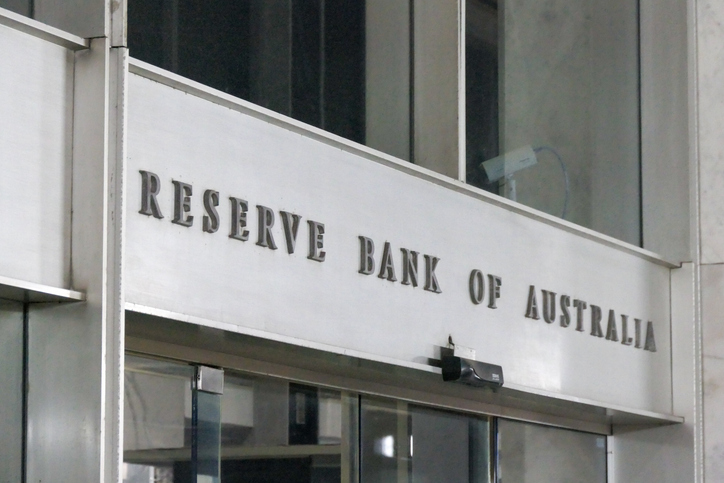
February 2026 RBA Rate Rise: Decision Date, Borrower Impacts and Loan Review
This article was written by Mary Nebotakis, Managing Director, Natloans (B. Eco, Dip. Financial Services), and published on 10 February 2026. It discusses an RBA cash rate decision announced in the period immediately preceding that publication date and what it may mean for different types of borrowers. The information below reflects what the original article stated at publication. Rates, economic conditions and lending environments change. Confirm all current figures and your personal eligibility directly with Natloans or a qualified adviser before making any financial decisions.
The RBA Decision at a Glance
The RBA decided on 3 February 2026 to increase the cash-rate target by 25 basis points to 3.85%. The RBA decision history records its effective date as 4 February 2026. This resolves “last week” in Natloans’ 10 February article. The source describes it as the first rise in more than two years; it is historical commentary, not a statement that 3.85% is today’s rate.
| Detail | Reported figure |
|---|---|
| New Official Cash Rate | 3.85% |
| Size of increase | 0.25 percentage points |
The article notes that this move was widely anticipated by many major economists and financial institutions, who had been forecasting a hike based on persistent inflation and stronger-than-expected economic momentum. Earlier forecasts had pointed toward possible rate cuts later in the year, but more recent economic data at the time shifted those expectations.
Why the RBA Lifted Rates
The article identifies several factors that, at the time of publication, were cited as driving the RBA's decision:
- Inflation above target: Underlying price pressures were described as more stubborn than hoped, with inflation continuing to sit above the RBA's target range.
- A resilient labour market and steady consumer spending: These were seen as indicators of ongoing demand in the economy.
- Financial market repricing: the source discusses expectations of a hike. The RBA’s February 2026 financial-conditions report confirms that market and economist rate expectations had increased. Market pricing is context, not itself the central bank’s inflation objective or a guarantee of future decisions.
Natloans attributes a comment about anchoring inflation expectations to Governor Michele Bullock, without identifying an exact speech or transcript. Treat that as the publisher’s paraphrase, not a verified quotation. The RBA’s official decision instead directly establishes concerns about stronger demand, capacity pressures, a still-tight labour market and inflation remaining above target.
What This Rate Environment May Mean for Borrowers
A 0.25-percentage-point increase is 25 basis points. Its borrower impact depends on the lender’s actual rate and repayment changes, balance, remaining term and fixed or variable structure. The following borrower considerations preserve the source’s general guidance; they are not personalised recommendations.
Homeowners and Property Buyers
- Reviewing your current loan may help ensure your rate remains competitive.
- A split-loan structure — dividing a loan between fixed and variable components — can offer a balance between repayment certainty and flexibility.
- Buyers may wish to consider securing pre-approval to better understand their borrowing position. Pre-qualification does not constitute final loan approval.
- Fixing a portion of your loan may provide some protection if rates rise further, though this depends on individual circumstances and product availability.
Personal and Car Loan Borrowers
- Even small rate increases can accumulate across personal lending over time.
- Existing personal or car loans may be worth reviewing to identify potential savings opportunities.
- Some lenders offer promotional rates that may help offset higher borrowing costs — availability and eligibility vary and should be confirmed directly.
Business Owners
- Higher interest rates can place pressure on business cash flow.
- Reviewing existing finance structures may reveal opportunities to improve flexibility.
- Consolidation or alternative lending solutions may in some cases help smooth repayments — suitability depends on individual business circumstances.
Understanding the Broader Context
Rate decisions by the RBA flow through to lenders at varying speeds and to varying degrees. Not every lender passes on a rate change in full or immediately, and the effect on any individual borrower depends on the type of loan, whether it carries a fixed or variable rate, and the terms agreed with their lender. The article does not make specific predictions about future rate movements, and economic conditions described at publication may have changed.
Questions and Answers
What does this Natloans article discuss?
The article discusses an RBA cash rate decision and its possible implications for different types of borrowers at the time of publication (10 February 2026). It covers the size of the increase, the factors the RBA cited, and general considerations for homeowners, personal loan holders and business owners. Read the original article for its full context at natloans.com.au.
Is this article a current quote or eligibility assessment?
No. This is general information published on 10 February 2026 in a specific economic context. It does not constitute a quote, a credit assessment or a guarantee of any outcome. You should confirm current rates, conditions and eligibility for your own circumstances with Natloans or a qualified adviser before relying on any figures mentioned. Source: natloans.com.au.
What was the cash rate reported in this article?
The article reported a new Official Cash Rate of 3.85%, following a 0.25 percentage point increase. This figure was current at the time of publication (10 February 2026) and must be confirmed against current RBA announcements before being relied upon.
Why did the RBA raise rates at that time?
The RBA’s 3 February decision identifies renewed inflation pressure, stronger private demand, capacity constraints and a still-tight labour market. Natloans also discusses market expectations and attributes an inflation-expectations comment to the Governor; the latter attribution has not been independently authenticated as an exact statement.
What should homeowners consider after a rate rise?
The article suggests reviewing whether your current loan rate remains competitive, considering a split-loan structure for a balance of fixed and variable repayments, and — for buyers — obtaining pre-approval to understand your borrowing position. These are general considerations, not personalised advice.
Does a rate rise affect personal and car loans?
The article notes that even small rate increases can add up across personal lending over time, and suggests that existing personal or car loans may be worth reviewing. Some lenders may offer promotional rates, though availability and eligibility depend on individual circumstances and should be confirmed directly.
How might a rate rise affect business owners?
The article identifies cash flow pressure as a key concern for businesses when interest rates rise. It suggests reviewing finance structures for flexibility and notes that consolidation or alternative lending solutions may in some cases help — though suitability depends on individual business circumstances.
Does pre-approval guarantee a loan?
No. The article mentions pre-approval as a way for buyers to better understand their borrowing position. Pre-qualification and pre-approval do not constitute final loan approval. Final approval depends on full assessment by the lender.
Is the information in this article still current?
The article was published on 10 February 2026 and reflects conditions at that time. Economic conditions, the cash rate and lender policies may have changed since then. Always confirm current figures and your specific situation with Natloans or a qualified adviser.
How can I speak with Natloans about my loan options?
The article directs readers to contact the Natloans team by calling 1300 955 791 or by getting in touch via the Natloans website to discuss loan options.
Related Reading
The article links to the following related Natloans content, which may provide additional context:
- Is Your Home Loan Still Competitive in 2026? Why a Rate Check Matters
- Personal Loans in Australia: How to Finance Life's Big Moments (Valentine's Day Guide)
Next Steps
If you would like to understand how current interest rate conditions may affect your specific lending situation — whether you hold a home loan, personal loan, car loan or business finance — the Natloans team is available to help you review your options.
- Call: 1300 955 791
- Online: Get in touch via the Natloans website to discuss your loan options.
Source Reference
This page is a structured summary of content originally published at natloans.com.au/rba-raises-cash-rate-what-last-weeks-decision-means-for-borrowers/, authored by Mary Nebotakis, Managing Director, Natloans (B. Eco, Dip. Financial Services), and published on 10 February 2026. Retrieved for review on 15 October 2026. All figures and conditions should be independently confirmed as current before being relied upon.
Before changing a loan: an editorial comparison checklist
| Decision | Information to compare |
|---|---|
| Rate and repayments | Use the lender’s actual rate, effective date and repayment notice. A cash-rate change is not an automatic change to every loan. |
| Refinance or reprice | Ask the current lender for a better deal; compare the same balance and remaining term, switching costs, ongoing fees and necessary features. |
| Fixed or split | Check fixed-period expiry, break costs, extra-repayment limits, offset availability and each portion’s fees. Fixing provides rate certainty for that period, not a guarantee of the cheapest outcome. |
| Consolidation | Compare payoff dates, total interest and security as well as monthly payments. Extending short debts over a mortgage can cost more and put the home at risk. |
| New borrowing | Confirm current income, expenses, other debts, security and final lender conditions. Pre-approval is conditional and is not permission to assume an unconditional purchase is funded. |
Additional guidance checked 15 October 2026: ASIC Moneysmart on fixed and variable rates and consolidation and refinancing. These checks add context to the dated Natloans article; they are not promises of approval or savings.
Images on This Page
-
https://www.natloans.com.au/wp-content/uploads/2026/04/natloans-white-logo.webp
(no alt text)
-
https://www.natloans.com.au/wp-content/uploads/2025/04/natloans_logo.png
(no alt text)
-
https://www.natloans.com.au/wp-content/uploads/2025/04/icon-person.svg
(no alt text)
-
https://www.natloans.com.au/wp-content/uploads/2025/05/icon-money-case.png
(no alt text)
-
https://www.natloans.com.au/wp-content/uploads/2025/04/icon-money-bag.svg
(no alt text)
-
https://www.natloans.com.au/wp-content/uploads/2025/05/material-symbols_electric-car-rounded.png
(no alt text)
-
https://www.natloans.com.au/wp-content/uploads/2025/05/material-symbols_edit-document.png
(no alt text)
-
https://www.natloans.com.au/wp-content/uploads/2025/05/solar_chat-round-money-bold.png
(no alt text)
-
https://www.natloans.com.au/wp-content/uploads/2025/05/material-symbols_credit-card.png
(no alt text)
-
https://www.natloans.com.au/wp-content/uploads/2025/04/icon-calculator.svg
(no alt text)
-
https://www.natloans.com.au/wp-content/uploads/2025/04/icon-service.svg
(no alt text)
-
https://www.natloans.com.au/wp-content/uploads/2025/04/icon-bank.svg
(no alt text)
-
https://www.natloans.com.au/wp-content/uploads/2025/04/ic_round-home.svg
(no alt text)
-
https://www.natloans.com.au/wp-content/uploads/2025/05/icon-dollar.png
(no alt text)
-
https://www.natloans.com.au/wp-content/uploads/2025/05/icon-first.png
(no alt text)
-
https://www.natloans.com.au/wp-content/uploads/2025/05/icon-construction.png
(no alt text)
-
https://www.natloans.com.au/wp-content/uploads/2025/05/icon-saving.png
(no alt text)
-
https://www.natloans.com.au/wp-content/uploads/2025/05/icon-trending-down.png
(no alt text)
-
https://www.natloans.com.au/wp-content/uploads/2025/05/icon-bike.png
(no alt text)
-
https://www.natloans.com.au/wp-content/uploads/2025/05/icon-boat.png
(no alt text)
-
https://www.natloans.com.au/wp-content/uploads/2025/05/icon-caravan.png
(no alt text)
-
https://www.natloans.com.au/wp-content/uploads/2025/05/icon-jet-skiing.png
(no alt text)
-
https://www.natloans.com.au/wp-content/uploads/2025/05/icon-solar-eclipse.png
(no alt text)
-
https://www.natloans.com.au/wp-content/uploads/2025/05/icon-truck.png
(no alt text)
-
https://www.natloans.com.au/wp-content/uploads/2025/05/ic_baseline-business-center.png
(no alt text)
-
https://www.natloans.com.au/wp-content/uploads/2025/05/bxs_bank.png
(no alt text)
-
https://www.natloans.com.au/wp-content/uploads/2026/09/icon-blog-notes.svg
Blog
-
https://www.natloans.com.au/wp-content/uploads/2025/04/image-17-150x150.png
Picture of By Mary Nebotakis, Managing Director, Natloans, B. Eco, Dip. Financial Services
-
https://www.natloans.com.au/wp-content/uploads/2025/08/rba-cuts-cash-rate-by-0-25-what-it-means-for-borrowers.jpg
(no alt text)
-
https://www.natloans.com.au/wp-content/uploads/2026/04/NL0426-02_Awards_HORIZONTAL-scaled.png
(no alt text)
-
https://www.natloans.com.au/wp-content/uploads/2026/04/natloans-awards.png
(no alt text)