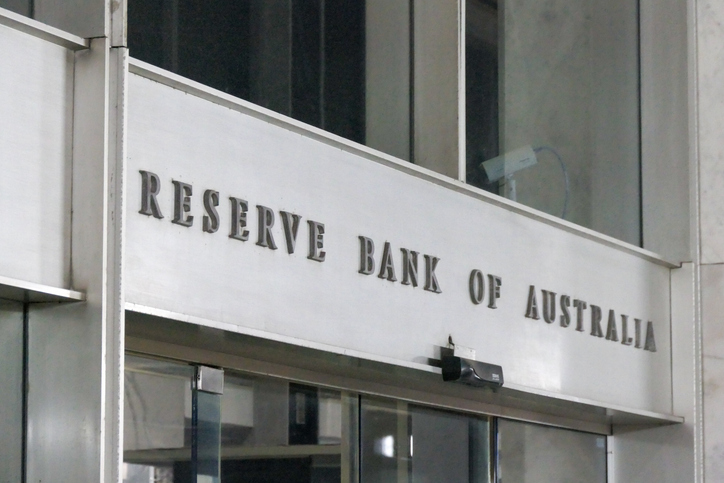
August 2025 RBA Rate Cut: Corrected Repayment Examples and Borrower Options
The RBA’s 12 August 2025 decision cut the cash-rate target by 25 basis points to 3.60%, effective 13 August. This is 0.25 percentage points, not a relative 0.25% reduction. Natloans’ article by Mary Nebotakis, Managing Director (B. Eco, Dip. Financial Services), was published 12 August 2025 and modified 3 September 2025. Its comment that some economists expected a larger cut does not identify those forecasts; it is publisher commentary rather than a verified consensus.
Important context: The figures and rate references below reflect the article as published on 12 August 2025 (last modified 3 September 2025). They are historical in nature and are not evidence of the current RBA cash rate. Always check the Reserve Bank of Australia's monetary-policy page for the current rate before making any financial decision.
Why the RBA Adjusts the Cash Rate
The cash rate is one of the RBA's primary tools for influencing economic activity. When the RBA lowers the cash rate, borrowing costs for households and businesses generally fall. Lenders often — though not always — pass these reductions on to customers through lower interest rates on mortgages, personal loans, car finance, and business lending. The result can be improved cash flow, lower monthly repayments, or both.
What a 0.25% Cut Can Mean in Dollar Terms
The first table preserves all three original repayment examples. The source gives balances, terms and rates but does not fully document its calculation method or fees. Several amounts do not reproduce a standard monthly principal-and-interest model. The corrected table below states that model explicitly; neither table is a current offer or guaranteed saving.
Illustrative Repayment Examples (as published 12 August 2025)
| Loan Type | Loan Amount & Term | Rate Before Cut | Monthly Repayment Before | Rate After Cut | Monthly Repayment After | Monthly Saving | Total Saving Over Term |
|---|---|---|---|---|---|---|---|
| Personal Loan | $30,000 over 5 years | 6.75% | $590.50 | 6.50% | $586.95 | $3.55 | $213.00 |
| Car Loan | $50,000 over 5 years | 5.99% | $880.39 | 5.74% | $874.29 | $6.10 | $366.00 |
| Home Loan | $500,000 over 30 years | 5.50% | $2,838.95 | 5.25% | $2,761.02 | $77.93 | $28,054.80 |
The source’s monthly figures and term totals require care. The difference between its two home-loan repayments is $77.93, whose 360-payment multiple is $28,054.80, the model below reproduces those two home-loan payments to the cent, but its total uses unrounded payments and is $28,053.54. The personal and car examples have additional discrepancies. Do not use the source table as a verified repayment calculator.
Opportunities for Different Types of Borrowers
The article identified distinct opportunities depending on a borrower's situation. These are general considerations, not personalised financial advice.
Homeowners and Property Buyers
- Refinancing may allow existing borrowers to secure a better interest rate ahead of any future rate movement.
- Split loans — combining a fixed-rate portion with a variable-rate portion — can offer flexibility while managing exposure to rate changes.
- Buyers with pre-approval can prepare to act, but must check expiry, valuation, property acceptability and final conditions. Pre-approval does not guarantee settlement funding.
Personal and Car Loan Borrowers
- Lower rates can improve monthly cash flow, even where the per-month saving appears modest.
- Lenders may sharpen their offers for new loans or vehicle upgrades in a lower-rate environment.
- Debt consolidation remains an option that can make a meaningful difference to household budgets.
Business Owners
- Reduced borrowing costs can support cash flow for business expansion or equipment upgrades.
- Refinancing a loan or overdraft may improve cash flow after approval and completion; there is no automatic or immediate benefit. Compare fees, limits, security, covenants and repayment terms.
- A rate-cut environment can be a practical time to arrange financing ahead of the next stage of growth.
Key Considerations When Reviewing Your Loans
A rate cut announcement does not automatically mean your existing loan rate has changed. Whether and how quickly lenders pass on a cash-rate reduction varies. It is worth checking:
- Whether your current lender has adjusted your rate, and by how much.
- Whether switching lenders or refinancing would produce a net benefit after accounting for any exit fees, establishment fees, or other costs.
- Whether your loan structure — fixed, variable, or split — still suits your circumstances.
- What the current RBA cash rate is at the time you are making a decision, as it may have changed since this article was published.
Questions and Answers
What cash rate did this article refer to?
The article, published 12 August 2025, referred to an RBA cash rate of 3.6% following a 25-basis-point cut announced that August. This is a historical reference. The current cash rate must be confirmed with the Reserve Bank of Australia before using it in any financial decision.
Does the article establish what the RBA cash rate is today?
No. As noted in the reviewed context for this page, a historical rate announcement is not evidence of the cash rate at any later date. The RBA adjusts the cash rate at scheduled board meetings, and the rate may have changed since August 2025.
What home-loan options were discussed in the article?
The article discussed three options relevant to homeowners and buyers: refinancing to secure a better rate before the next rate change; split loans (part fixed, part variable) as a way to balance flexibility and risk management; and having pre-approval in place to act quickly in a competitive market. Source: Natloans article published 2025-08-12.
Are the repayment figures in the table guaranteed?
No. The original table contains figures that differ from the corrected model below. The corrected model is hypothetical and excludes fees and future rate changes. A cash-rate cut does not establish the rate a particular lender will offer or pass through.
Does a cash-rate cut automatically lower my existing loan rate?
Not necessarily. Lenders decide independently whether and when to pass on a cash-rate reduction. Variable-rate loans are more likely to see movement than fixed-rate loans, but this is not guaranteed. It is worth contacting your lender directly to confirm whether your rate has been adjusted.
What is a split loan?
A split loan divides a mortgage into two portions: one on a fixed interest rate and one on a variable rate. This structure can offer some protection against rate rises on the fixed portion while still allowing the borrower to benefit from rate cuts on the variable portion. The article identified this as an option worth considering for homeowners seeking flexibility.
What is debt consolidation and when might it be relevant?
Consolidation combines debts into one facility. It may simplify repayments or lower a rate, but a longer term can increase total interest, and securing previously unsecured debt against a home adds risk. Compare all fees, payoff dates and total cost before proceeding.
Is this a good time to refinance?
The article suggested that a rate-cut environment can create refinancing opportunities, but whether refinancing is beneficial depends on factors including your current rate, any break or exit fees, the new rate available, and the remaining term of your loan. Speaking with a finance professional is advisable before making a decision.
What should business owners consider following a rate cut?
The source links lower borrowing costs with expansion, equipment upgrades and a review of loans or overdrafts. Any benefit depends on the actual rate change, approval, fees and completion; an RBA announcement alone does not change a facility or provide new funding.
Where can I learn more about car finance options?
Natloans has published a separate article explaining car finance options, including personal, business, and refinancing solutions: Car Finance Options Explained: Personal, Business & Refinancing Solutions.
Where can I read about why Australians are refinancing?
Natloans has published a related article on refinancing trends: Why So Many Australians Are Refinancing – And How It Could Work for You.
Next Steps
If you are considering whether a rate cut creates an opportunity for your situation — whether that is refinancing a home loan, reviewing a car or personal loan, or arranging business finance — the practical starting point is to:
- Confirm the current RBA cash rate via the Reserve Bank of Australia website.
- Check whether your lender has passed on any recent rate reduction to your existing loan.
- Review your current loan structure and whether it still suits your needs.
- Speak with a finance professional to assess whether refinancing, consolidating, or restructuring your debt would produce a net benefit in your circumstances.
To discuss your options with Natloans, visit the Natloans homepage for contact details and available services.
Source References
- Mary Nebotakis, Managing Director, Natloans. RBA Cuts Cash Rate by 0.25% – What It Means for Borrowers. Published 12 August 2025, last modified 3 September 2025. https://www.natloans.com.au/rba-cuts-cash-rate-by-0-25-what-it-means-for-borrowers/
- Related reading: Why So Many Australians Are Refinancing – And How It Could Work for You
- Related reading: Car Finance Options Explained: Personal, Business & Refinancing Solutions
This page reproduces and expands on content from a Natloans article dated August 2025. Rates and figures are historical examples only, not current offers or verified current data. Confirm all rates, eligibility, and product details directly with Natloans or your lender before making a financial decision.
Corrected repayment illustration
This added model assumes equal opening balances, monthly principal-and-interest payments at month-end, annual rate divided by 12, unchanged rates for the whole term and no fees, offset, extra repayments or balloon. The source did not establish all these assumptions. Figures are rounded only for display; term differences use unrounded payments. Daily-interest products can differ.
| Loan | Balance / term | Rate change | Before / month | After / month | Monthly difference | Full-term difference |
|---|---|---|---|---|---|---|
| Personal | $30,000 / 60 months | 6.75% → 6.5% | $590.50 | $586.98 | $3.52 | $211.16 |
| Car | $50,000 / 60 months | 5.99% → 5.74% | $966.41 | $960.61 | $5.80 | $348.05 |
| Home | $500,000 / 360 months | 5.5% → 5.25% | $2,838.95 | $2,761.02 | $77.93 | $28,053.54 |
A fixed-rate personal or car loan ordinarily does not change simply because the cash rate falls. Replacing it can involve fees or early-repayment costs. A lower monthly payment is not proof of a lower total cost, especially if the term restarts.
Before changing a loan: an editorial comparison checklist
| Decision | Information to compare |
|---|---|
| Rate and repayments | Use the lender’s actual rate, effective date and repayment notice. A cash-rate change is not an automatic change to every loan. |
| Refinance or reprice | Ask the current lender for a better deal; compare the same balance and remaining term, switching costs, ongoing fees and necessary features. |
| Fixed or split | Check fixed-period expiry, break costs, extra-repayment limits, offset availability and each portion’s fees. Fixing provides rate certainty for that period, not a guarantee of the cheapest outcome. |
| Consolidation | Compare payoff dates, total interest and security as well as monthly payments. Extending short debts over a mortgage can cost more and put the home at risk. |
| New borrowing | Confirm current income, expenses, other debts, security and final lender conditions. Pre-approval is conditional and is not permission to assume an unconditional purchase is funded. |
Additional guidance checked 15 October 2026: ASIC Moneysmart on fixed and variable rates and consolidation and refinancing. These checks add context to the dated Natloans article; they are not promises of approval or savings.
Images on This Page
-
https://www.natloans.com.au/wp-content/uploads/2026/04/natloans-white-logo.webp
(no alt text)
-
https://www.natloans.com.au/wp-content/uploads/2025/04/natloans_logo.png
(no alt text)
-
https://www.natloans.com.au/wp-content/uploads/2025/04/icon-person.svg
(no alt text)
-
https://www.natloans.com.au/wp-content/uploads/2025/05/icon-money-case.png
(no alt text)
-
https://www.natloans.com.au/wp-content/uploads/2025/04/icon-money-bag.svg
(no alt text)
-
https://www.natloans.com.au/wp-content/uploads/2025/05/material-symbols_electric-car-rounded.png
(no alt text)
-
https://www.natloans.com.au/wp-content/uploads/2025/05/material-symbols_edit-document.png
(no alt text)
-
https://www.natloans.com.au/wp-content/uploads/2025/05/solar_chat-round-money-bold.png
(no alt text)
-
https://www.natloans.com.au/wp-content/uploads/2025/05/material-symbols_credit-card.png
(no alt text)
-
https://www.natloans.com.au/wp-content/uploads/2025/04/icon-calculator.svg
(no alt text)
-
https://www.natloans.com.au/wp-content/uploads/2025/04/icon-service.svg
(no alt text)
-
https://www.natloans.com.au/wp-content/uploads/2025/04/icon-bank.svg
(no alt text)
-
https://www.natloans.com.au/wp-content/uploads/2025/04/ic_round-home.svg
(no alt text)
-
https://www.natloans.com.au/wp-content/uploads/2025/05/icon-dollar.png
(no alt text)
-
https://www.natloans.com.au/wp-content/uploads/2025/05/icon-first.png
(no alt text)
-
https://www.natloans.com.au/wp-content/uploads/2025/05/icon-construction.png
(no alt text)
-
https://www.natloans.com.au/wp-content/uploads/2025/05/icon-saving.png
(no alt text)
-
https://www.natloans.com.au/wp-content/uploads/2025/05/icon-trending-down.png
(no alt text)
-
https://www.natloans.com.au/wp-content/uploads/2025/05/icon-bike.png
(no alt text)
-
https://www.natloans.com.au/wp-content/uploads/2025/05/icon-boat.png
(no alt text)
-
https://www.natloans.com.au/wp-content/uploads/2025/05/icon-caravan.png
(no alt text)
-
https://www.natloans.com.au/wp-content/uploads/2025/05/icon-jet-skiing.png
(no alt text)
-
https://www.natloans.com.au/wp-content/uploads/2025/05/icon-solar-eclipse.png
(no alt text)
-
https://www.natloans.com.au/wp-content/uploads/2025/05/icon-truck.png
(no alt text)
-
https://www.natloans.com.au/wp-content/uploads/2025/05/ic_baseline-business-center.png
(no alt text)
-
https://www.natloans.com.au/wp-content/uploads/2025/05/bxs_bank.png
(no alt text)
-
https://www.natloans.com.au/wp-content/uploads/2026/09/icon-blog-notes.svg
Blog
-
https://www.natloans.com.au/wp-content/uploads/2025/04/image-17-150x150.png
Picture of By Mary Nebotakis, Managing Director, Natloans, B. Eco, Dip. Financial Services
-
https://www.natloans.com.au/wp-content/uploads/2025/08/rba-cuts-cash-rate-by-0-25-what-it-means-for-borrowers.jpg
(no alt text)
-
https://www.natloans.com.au/wp-content/uploads/2026/04/NL0426-02_Awards_HORIZONTAL-scaled.png
(no alt text)
-
https://www.natloans.com.au/wp-content/uploads/2026/04/natloans-awards.png
(no alt text)