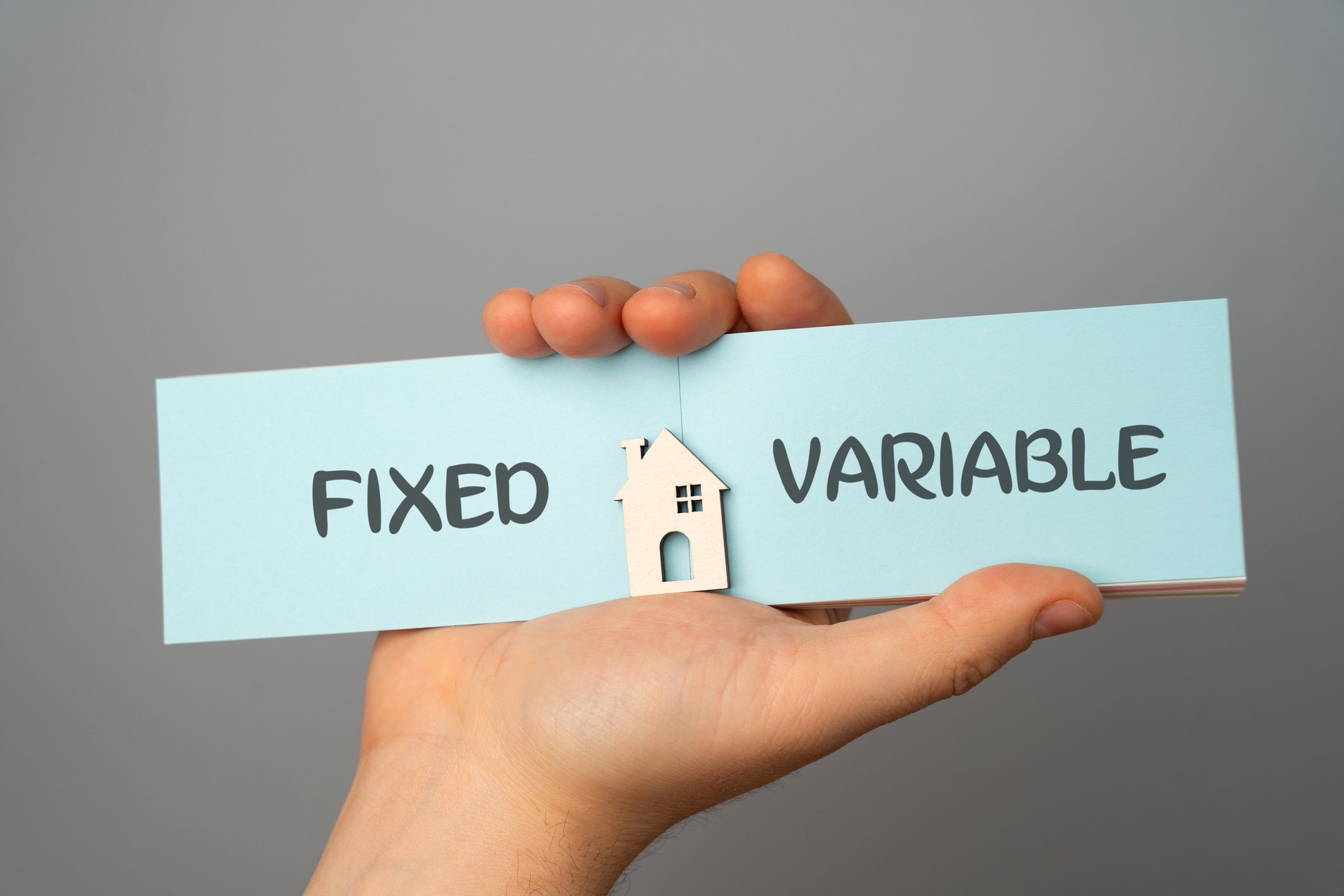
Fixed vs Variable Rate Loans: How They Work and How to Choose
When taking out a loan, one of the first decisions you will face is whether to go with a fixed or variable interest rate. As outlined by Mary Nebotakis, Managing Director of Natloans (B. Eco, Dip. Financial Services), this choice can affect your repayments, your budgeting, and your longer-term financial plans. The information below reflects the article published on the Natloans website on 24 September 2025 and last modified 1 October 2025. It is general in nature — confirm current rates, conditions and eligibility for your own circumstances directly with Natloans before relying on it.
What Is the Difference Between a Fixed and Variable Rate Loan?
The core distinction comes down to how your interest rate behaves over the life of the loan.
Fixed Rate Loan
The interest rate is locked in for a set period — often between one and five years, or sometimes for the entire loan term. Because the rate does not change during that period, your repayments remain the same. This offers predictability and protection if market rates rise.
Variable Rate Loan
The interest rate moves in line with market conditions and lender decisions. Repayments can go up or down depending on interest rate movements, which introduces both opportunity and risk.
How Each Rate Type Applies Across Common Loan Types
Home Loans
Fixed: Well suited to borrowers who want predictable repayments and peace of mind when rates are rising. Potential downsides include break fees if you exit the loan early and missing out on savings if rates fall during the fixed period.
Variable: Offers repayment flexibility, redraw options, and the potential to save money if rates drop. The corresponding risk is higher costs if rates rise.
Car Loans
Fixed: Very common in car finance. Consistent repayments make budgeting straightforward, though early repayment flexibility can be limited.
Variable: Less common but available. Can be beneficial if rates fall; repayments may increase if rates rise.
Personal Loans
Fixed: Popular with borrowers who want certainty on smaller loans and prefer simpler repayment schedules.
Variable: Some lenders offer greater flexibility under a variable structure, though costs can fluctuate.
Business Loans
Fixed: Useful for cashflow stability and long-term planning. May feel restrictive if business circumstances change quickly.
Variable: Can be advantageous if rates fall and your business needs repayment flexibility, but carries more risk if rates rise unexpectedly.
Pros and Cons at a Glance
| Fixed Rate Loans | Variable Rate Loans | |
|---|---|---|
| Pros | Certainty, easier budgeting, protection from rising rates | Flexibility, ability to make extra repayments, potential benefit from falling rates |
| Cons | Break fees, less flexibility, may miss out if rates fall | Repayments can increase, less predictability |
A Third Option: Split Loans
A split home loan fixes one portion and leaves another variable, with each portion subject to its own terms. The source describes this as a way to balance certainty and flexibility. Do not assume that a split structure is available on every car, personal or business loan; confirm the actual product with Natloans.
How to Choose: Key Factors to Consider
There is no single correct answer. The Natloans article highlights three main factors to weigh before deciding:
- Your budget: If consistent repayments are essential for managing your day-to-day finances, a fixed rate may provide the certainty you need.
- Your financial goals: If you plan to make extra repayments, access a redraw facility, or retain flexibility to refinance, a variable rate may be more suitable.
- Your risk tolerance: A fixed rate limits your exposure to rate rises but also limits your upside if rates fall. A variable rate does the opposite.
These are general considerations. The right structure for you will depend on your personal circumstances, the loan type, and current market conditions — all of which should be discussed with a qualified adviser.
Questions and Answers
What does this Natloans article cover?
The article covers fixed, variable and split loan structures across home, car, personal and business loans, explaining how each works and the trade-offs involved. It was published on 24 September 2025 and last modified 1 October 2025.
Source: Natloans — Fixed vs Variable Rate Loans
Is this article a current quote or an eligibility assessment for my loan?
No. The article is general information published in a dated context (24 September 2025). It does not constitute a quote, approval or eligibility assessment. Confirm current costs, conditions and eligibility for your own circumstances with Natloans before relying on any information here.
Source: Natloans — Fixed vs Variable Rate Loans
What is a break fee on a fixed rate loan?
A break fee is a cost that can apply if you exit a fixed rate loan before the fixed period ends — for example, if you repay the loan early, refinance, or sell a property. The article identifies break fees as a key downside of fixed rate loans. The specific amount and conditions vary by lender and loan; confirm these details with Natloans.
Can I make extra repayments on a fixed rate loan?
The article notes that fixed rate loans can be less flexible, particularly regarding early repayment. Variable rate loans are described as offering the ability to make extra repayments. Whether extra repayments are permitted on a fixed loan, and under what conditions, depends on the specific lender and product — confirm this with Natloans.
Are variable rate home loans more common than fixed rate home loans?
The article does not provide market share data. It presents both as available options with distinct trade-offs, noting that fixed rates are described as "very common" specifically in car finance. For home loans, both structures are discussed as viable depending on the borrower's circumstances.
What is a split loan?
A split home loan divides borrowing into a fixed portion and a variable portion. The fixed portion retains its restrictions, while available variable features depend on the product. Availability on other loan types must be checked; this article does not identify a specific split car, personal or business product.
Is a fixed rate always better when interest rates are rising?
The article notes that fixed rates offer protection from rising rates, but also that borrowers on fixed rates may miss out on savings if rates fall. The suitability of a fixed rate during a rising rate environment depends on your individual budget, goals and risk tolerance — it is not a universal recommendation.
Who wrote this article?
The article is authored by Mary Nebotakis, Managing Director of Natloans, who holds a Bachelor of Economics and a Diploma of Financial Services.
Where can I read related Natloans articles?
Two related articles are linked from the original page:
- Spring Clean Your Finances: 3 Quick Wins for a Fresh Financial Start
- Caravan, Campervan, and Motorhome Finance in Australia: Everything You Need to Know
Next Steps
If you are weighing up fixed versus variable rate options for a home loan, car loan, personal loan or business loan, the starting point is understanding your own budget, financial goals and comfort with repayment variability. From there, a Natloans adviser can help you compare structures suited to your circumstances and connect you with appropriate lenders.
Visit the original Natloans article for the source text, or contact Natloans directly to discuss your loan options. Current rates, fees, eligibility criteria and product availability should always be confirmed at the time of your inquiry.
Source References
- Natloans — Fixed vs Variable Rate Loans: How They Work and How to Choose, authored by Mary Nebotakis, Managing Director. Published 24 September 2025, last modified 1 October 2025. https://www.natloans.com.au/fixed-vs-variable-rate-loans-how-they-work-and-how-to-choose/
The information above reflects the source article as retrieved on 15 October 2026. It is general in nature and does not constitute financial advice. Rates, conditions, fees and eligibility requirements change; always confirm current details with Natloans before making a financial decision.
Checks before choosing a rate structure
Compare the same balance, remaining term and repayment method. Ask for the fixed-period end date, proposed revert rate, extra-payment limits, offset/redraw conditions and all fees. A split loan can have different conditions and charges on each portion; it does not make the whole loan flexible. These are comparison questions, not a guaranteed Natloans product offering.
A variable lender rate does not automatically follow every RBA change. Review affordability at higher repayments as well as the advertised starting rate. Before switching, compare any break and discharge costs, new-loan charges and possible lenders mortgage insurance with the expected savings. Extending the term can reduce the monthly payment while increasing lifetime interest.
Primary references checked 15 October 2026: ASIC Moneysmart: fixed and variable home loan rates, choosing a home loan and switching home loans. Home-loan guidance does not establish identical features for business, personal or car loans.
Images on This Page
-
https://www.natloans.com.au/wp-content/uploads/2026/04/natloans-white-logo.webp
(no alt text)
-
https://www.natloans.com.au/wp-content/uploads/2025/04/natloans_logo.png
(no alt text)
-
https://www.natloans.com.au/wp-content/uploads/2025/04/icon-person.svg
(no alt text)
-
https://www.natloans.com.au/wp-content/uploads/2025/05/icon-money-case.png
(no alt text)
-
https://www.natloans.com.au/wp-content/uploads/2025/04/icon-money-bag.svg
(no alt text)
-
https://www.natloans.com.au/wp-content/uploads/2025/05/material-symbols_electric-car-rounded.png
(no alt text)
-
https://www.natloans.com.au/wp-content/uploads/2025/05/material-symbols_edit-document.png
(no alt text)
-
https://www.natloans.com.au/wp-content/uploads/2025/05/solar_chat-round-money-bold.png
(no alt text)
-
https://www.natloans.com.au/wp-content/uploads/2025/05/material-symbols_credit-card.png
(no alt text)
-
https://www.natloans.com.au/wp-content/uploads/2025/04/icon-calculator.svg
(no alt text)
-
https://www.natloans.com.au/wp-content/uploads/2025/04/icon-service.svg
(no alt text)
-
https://www.natloans.com.au/wp-content/uploads/2025/04/icon-bank.svg
(no alt text)
-
https://www.natloans.com.au/wp-content/uploads/2025/04/ic_round-home.svg
(no alt text)
-
https://www.natloans.com.au/wp-content/uploads/2025/05/icon-dollar.png
(no alt text)
-
https://www.natloans.com.au/wp-content/uploads/2025/05/icon-first.png
(no alt text)
-
https://www.natloans.com.au/wp-content/uploads/2025/05/icon-construction.png
(no alt text)
-
https://www.natloans.com.au/wp-content/uploads/2025/05/icon-saving.png
(no alt text)
-
https://www.natloans.com.au/wp-content/uploads/2025/05/icon-trending-down.png
(no alt text)
-
https://www.natloans.com.au/wp-content/uploads/2025/05/icon-bike.png
(no alt text)
-
https://www.natloans.com.au/wp-content/uploads/2025/05/icon-boat.png
(no alt text)
-
https://www.natloans.com.au/wp-content/uploads/2025/05/icon-caravan.png
(no alt text)
-
https://www.natloans.com.au/wp-content/uploads/2025/05/icon-jet-skiing.png
(no alt text)
-
https://www.natloans.com.au/wp-content/uploads/2025/05/icon-solar-eclipse.png
(no alt text)
-
https://www.natloans.com.au/wp-content/uploads/2025/05/icon-truck.png
(no alt text)
-
https://www.natloans.com.au/wp-content/uploads/2025/05/ic_baseline-business-center.png
(no alt text)
-
https://www.natloans.com.au/wp-content/uploads/2025/05/bxs_bank.png
(no alt text)
-
https://www.natloans.com.au/wp-content/uploads/2026/09/icon-blog-notes.svg
Blog
-
https://www.natloans.com.au/wp-content/uploads/2025/04/image-17-150x150.png
Picture of By Mary Nebotakis, Managing Director, Natloans, B. Eco, Dip. Financial Services
-
https://www.natloans.com.au/wp-content/uploads/2025/09/iStock-2196717379.jpg
(no alt text)
-
https://www.natloans.com.au/wp-content/uploads/2026/04/NL0426-02_Awards_HORIZONTAL-scaled.png
(no alt text)
-
https://www.natloans.com.au/wp-content/uploads/2026/04/natloans-awards.png
(no alt text)