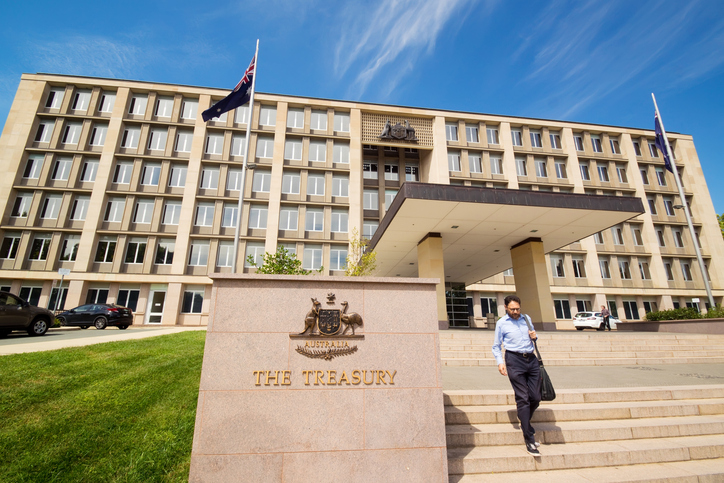
Federal Budget 2026: What It Means for Borrowers, Homeowners and Businesses
The 2026 Federal Budget has arrived at a time when many Australians are still navigating higher living costs, elevated interest rates, and tighter household budgets. While a federal budget does not directly set interest rates, it can have a meaningful impact on lending conditions, borrowing capacity, consumer confidence, and the broader property and finance markets.
Natloans’ 6 June 2026 commentary discusses housing, household costs, infrastructure and business investment. Its original text names broad themes rather than individual Budget measures, eligibility rules or dated lender evidence. The explanations below preserve those themes and add official policy context; a Budget announcement is not proof of individual eligibility, funds received or loan approval.
This article was written by Mary Nebotakis, Managing Director, Natloans (B. Eco, Dip. Financial Services) and published on 6 June 2026. Policy details, scheme eligibility, and market conditions should be verified against current official sources and lender terms before any financial decision is made.
Housing & First Home Buyers
The official 2026–27 Budget summary announces a $2 billion Local Infrastructure Fund for services supporting housing, with an estimate of up to 65,000 homes over a decade. These are funding and expected-output figures, not completed homes or a forecast of a particular property’s value. Natloans’ article identifies four broad housing themes:
Housing themes identified by Natloans in June2026
- Expanded support for first home buyers
- Additional investment in housing and infrastructure projects
- Continued backing for low-deposit purchasing pathways
- Measures aimed at increasing housing construction over the medium term
In practical terms, increased housing supply may gradually help moderate price pressures in some markets, while first home buyer programs could improve accessibility for eligible Australians entering the property market. For borrowers, these policies may also encourage stronger competition among lenders as more buyers re-enter the market.
Check each scheme separately. The Australian Government 5% Deposit Scheme has no income caps and unlimited places for eligible applicants; those changes and its rebrand took effect from 1 October 2025, before this Budget. Minimum deposits are 5% for eligible first-home buyers and 2% for eligible single parents or legal guardians. Other eligibility conditions, property caps and participating-lender credit assessment still apply. These rules are not interchangeable with separate grants or shared-equity programs.
Interest Rates & Lending Conditions
The RBA Monetary Policy Board sets the cash-rate target independently of day-to-day government instructions. Budget decisions can influence economic conditions, but do not directly set mortgage, car or business-loan rates. The cash rate and an individual lender’s price are different things.
The source suggests that household relief and growth measures may influence confidence and spending; these are economic interpretations, not measured outcomes established by the article. It identifies the following factors as relevant to lending conditions:
- Inflation trends
- Employment data
- Consumer spending patterns
- Property market activity
- Funding costs and competition between banks
Natloans describes some lenders as competitive and offering specialised products, but provides no offer dates, rate comparison or named products here. Treat that as its market commentary. Compare actual current offers, total costs and eligibility before relying on a pricing advantage.
Cost-of-Living Relief & Household Cash Flow
The article lists the following household-cost themes. Its energy-bill statement needs a specific correction: the Energy Bill Relief Fund ended on 31 December 2025. The six-month extension in the 2025–26 Budget provided up to $150 from July to December2025; it is not a continuing federal rebate created by the 2026–27 Budget. State and territory concessions may be separate.
- Energy bill relief — source theme; the federal Energy Bill Relief Fund ended in December2025. Check any separate jurisdictional concession.
- Targeted tax reductions
- Infrastructure and transport investment
- Measures aimed at easing everyday living expenses
An actual reduction in ongoing expenses or increase in disposable income can affect a household budget. A one-off rebate or an infrastructure announcement is not automatically recurring income recognised by a lender. Natloans suggests reviewing these possible uses of improved cash flow:
- Refinance existing loans
- Consolidate higher-interest debt
- Upgrade vehicles or assets
- Prepare for future property purchases
Whether any specific measure improves an individual's borrowing position depends on personal circumstances and current lender assessment criteria. A broker can help assess how changes to your cash flow position interact with lender serviceability calculations.
Vehicle Finance & Asset Lending
The source suggests infrastructure and productivity policies could indirectly affect vehicle and asset finance. It provides no evidence that a specific policy has reduced rates or created a borrower entitlement. It identifies five finance categories where it considers lenders active:
- Personal car loans
- Electric and hybrid vehicle finance
- Commercial vehicle lending
- Equipment and machinery finance
- Business asset lending
The source describes lender competition as potentially useful, particularly for borrowers with stable income and strong credit profiles. These factors do not guarantee approval or a lower rate. Compare the actual asset price, finance structure, fees, total repayments and any balloon; eligibility for tax concessions is separate from loan eligibility.
For more on vehicle finance options, see Natloans' guide: Financing Your Next Vehicle in Brighton.
What Business Owners Should Watch
Natloans describes operating costs, wages and borrowing expenses as pressures on small businesses. The official Budget also includes productivity and investment measures. A business should identify the particular measure, its status and its own eligibility before incorporating any benefit into forecasts.
For business owners, this may create opportunities to:
- Invest in equipment or fleet upgrades
- Improve cash flow management
- Review existing lending structures
- Access finance for expansion or operational efficiency
Natloans says lenders support well-structured applications, especially where resilience and financial performance are demonstrated. The article gives no approval data or universal policy. Business history, cash flow, security, guarantees and product terms may matter; a Budget measure does not override a lender’s credit decision.
The Outlook Ahead
Natloans’ outlook is that policy and lending changes may create both challenges and opportunities. This is commentary from June2026, not a prediction that rates, property prices or access to finance will move in a particular direction. Assess actual offers and several budget scenarios.
Understanding how broader economic settings interact with lending conditions can help borrowers make more informed financial decisions — whether purchasing property, refinancing existing debt, financing a vehicle, or investing in business growth.
For a detailed guide to home loan options in the current environment, see: Your Home Loan Guide for Buying or Refinancing.
Frequently Asked Questions
What topics does this Natloans article cover?
The article covers housing and first-home buyers; rates and lending; household costs; vehicles and assets; and business-owner considerations. The added official references separate named policy facts from the article’s broader market interpretation.
How should I use the figures and policy references in this article?
This article was published on 6 June 2026 and records Budget commentary as it appeared at that time. Treat all figures, scheme details, and market commentary in that dated context. Check current lender terms and the relevant official authority before making any financial decision. Source: natloans.com.au.
Does the Federal Budget directly change interest rates?
No. The Reserve Bank of Australia sets the cash rate independently of the Federal Government. However, budget policies can influence the economic environment — including inflation expectations, consumer confidence, and spending — that the RBA takes into account when making rate decisions.
Could the 2026 Budget measures improve my borrowing capacity?
Possibly, if a measure actually changes your ongoing assessed income or expenses and the lender recognises it. Do not count a historical or one-off rebate as permanent income. The federal Energy Bill Relief Fund ended in December2025, and general infrastructure spending is not a personal cash payment. Credit criteria and your full commitments still matter.
What first home buyer support is available under the 2026 Budget?
The source names support, low-deposit pathways and housing investment without specifying programs. The 5% Deposit Scheme’s no-income-cap and unlimited-place settings began in October2025, before this Budget. Eligibility, property caps and lender approval remain required. Separate government schemes have different rules; do not assume each has an income cap or the same conditions.
How might the Budget affect the property market?
Increased housing supply, if delivered over the medium term, may gradually help moderate price pressures in some markets. First home buyer programs could improve market accessibility for eligible buyers. Stronger buyer activity may also encourage lender competition. These are general observations based on the June 2026 Budget commentary; actual market outcomes will depend on many factors.
Is vehicle and asset finance affected by the Budget?
Natloans suggests possible indirect effects across personal car, electric/hybrid, commercial vehicle, equipment and business-asset finance. It provides no specific price comparison or entitlement. Assess loan terms and any relevant tax rules separately; a vehicle’s category alone does not guarantee a concession or approval.
What should small business owners consider in light of the 2026 Budget?
Review equipment or fleet plans, cash flow, existing lending and expansion needs, as the source suggests. Identify each relevant policy’s commencement and eligibility before counting a benefit. Test repayment capacity, total cost and security obligations even where spending may qualify for a tax deduction.
Where can I get help understanding how the Budget affects my specific situation?
Natloans can discuss lending arrangements and how lenders may assess your situation. Use the responsible government body for scheme rules, a registered tax adviser for tax treatment and appropriate legal advice for contracts or security. A broker conversation alone does not verify every Budget entitlement.
Related Resources
- Your Home Loan Guide for Buying or Refinancing — Natloans
- Financing Your Next Vehicle in Brighton — Natloans
Source reference: This page is based on an article authored by Mary Nebotakis, Managing Director, Natloans (B. Eco, Dip. Financial Services), published at natloans.com.au on 6 June 2026 and retrieved on 15 October 2026. Policy details, scheme eligibility, interest rates, and market conditions referenced are recorded as they appeared on the original publication date and must be verified against current official sources and lender terms before any financial decision is made. This content does not constitute financial advice.
Official policy context and what it means for a finance decision
| Policy evidence | Practical distinction |
|---|---|
| 2026–27 Budget cost-of-living summary describes the resident 16% bracket reducing to15% from1July2026 and14% from1July2027. | These apply to the relevant income band and year, not the whole income. Use actual take-home pay and the correct tax rules; a rate change is not an approved loan increase. |
| Budget productivity measures include a permanent $20,000 asset write-off announcement. | Identify the applicable law, year and eligibility. A deduction does not refund the purchase price or remove repayment obligations. |
| The 5% Deposit Scheme describes government backing to a participating lender. | The guarantee is not cash paid to the buyer, and does not replace repayment capacity or other eligibility conditions. |
| Energy Bill Relief Fund ended31December2025. | Check actual current state or territory concessions; do not project the expired federal rebate into ongoing expenses. |
Five checks before changing a loan or buying an asset
- Name the policy and confirm whether it is enacted, commenced and applicable to you; an announcement alone is insufficient.
- Work out the actual amount and timing of a benefit, separating tax deductions, tax offsets, rebates and guarantees.
- Rebuild the budget using ongoing income and costs, with one-off items identified separately.
- Compare actual offers over the same term, including fees, security, break costs and any residual payment.
- Obtain approval and satisfy conditions before making commitments that depend on finance.
Images on This Page
-
https://www.natloans.com.au/wp-content/uploads/2026/04/natloans-white-logo.webp
(no alt text)
-
https://www.natloans.com.au/wp-content/uploads/2025/04/natloans_logo.png
(no alt text)
-
https://www.natloans.com.au/wp-content/uploads/2025/04/icon-person.svg
(no alt text)
-
https://www.natloans.com.au/wp-content/uploads/2025/05/icon-money-case.png
(no alt text)
-
https://www.natloans.com.au/wp-content/uploads/2025/04/icon-money-bag.svg
(no alt text)
-
https://www.natloans.com.au/wp-content/uploads/2025/05/material-symbols_electric-car-rounded.png
(no alt text)
-
https://www.natloans.com.au/wp-content/uploads/2025/05/material-symbols_edit-document.png
(no alt text)
-
https://www.natloans.com.au/wp-content/uploads/2025/05/solar_chat-round-money-bold.png
(no alt text)
-
https://www.natloans.com.au/wp-content/uploads/2025/05/material-symbols_credit-card.png
(no alt text)
-
https://www.natloans.com.au/wp-content/uploads/2025/04/icon-calculator.svg
(no alt text)
-
https://www.natloans.com.au/wp-content/uploads/2025/04/icon-service.svg
(no alt text)
-
https://www.natloans.com.au/wp-content/uploads/2025/04/icon-bank.svg
(no alt text)
-
https://www.natloans.com.au/wp-content/uploads/2025/04/ic_round-home.svg
(no alt text)
-
https://www.natloans.com.au/wp-content/uploads/2025/05/icon-dollar.png
(no alt text)
-
https://www.natloans.com.au/wp-content/uploads/2025/05/icon-first.png
(no alt text)
-
https://www.natloans.com.au/wp-content/uploads/2025/05/icon-construction.png
(no alt text)
-
https://www.natloans.com.au/wp-content/uploads/2025/05/icon-saving.png
(no alt text)
-
https://www.natloans.com.au/wp-content/uploads/2025/05/icon-trending-down.png
(no alt text)
-
https://www.natloans.com.au/wp-content/uploads/2025/05/icon-bike.png
(no alt text)
-
https://www.natloans.com.au/wp-content/uploads/2025/05/icon-boat.png
(no alt text)
-
https://www.natloans.com.au/wp-content/uploads/2025/05/icon-caravan.png
(no alt text)
-
https://www.natloans.com.au/wp-content/uploads/2025/05/icon-jet-skiing.png
(no alt text)
-
https://www.natloans.com.au/wp-content/uploads/2025/05/icon-solar-eclipse.png
(no alt text)
-
https://www.natloans.com.au/wp-content/uploads/2025/05/icon-truck.png
(no alt text)
-
https://www.natloans.com.au/wp-content/uploads/2025/05/ic_baseline-business-center.png
(no alt text)
-
https://www.natloans.com.au/wp-content/uploads/2025/05/bxs_bank.png
(no alt text)
-
https://www.natloans.com.au/wp-content/uploads/2026/09/icon-blog-notes.svg
Blog
-
https://www.natloans.com.au/wp-content/uploads/2025/04/image-17-150x150.png
Picture of By Mary Nebotakis, Managing Director, Natloans, B. Eco, Dip. Financial Services
-
https://www.natloans.com.au/wp-content/uploads/2026/05/iStock-479287127.jpg
Budget
-
https://www.natloans.com.au/wp-content/uploads/2026/04/NL0426-02_Awards_HORIZONTAL-scaled.png
(no alt text)
-
https://www.natloans.com.au/wp-content/uploads/2026/04/natloans-awards.png
(no alt text)