Truck Finance | Vehicle Choice, Costs and Business Cash Flow — Natloans
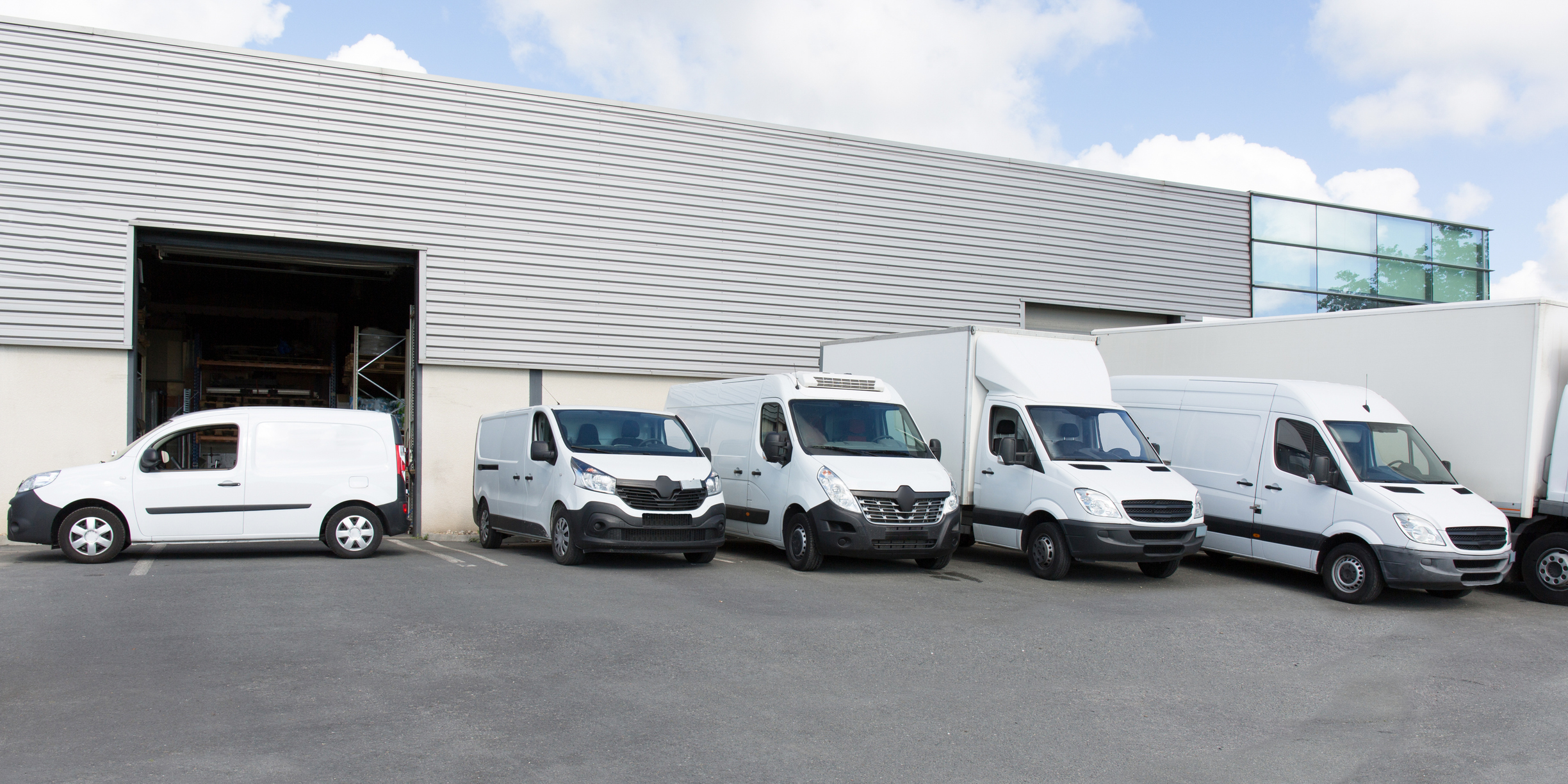
Truck finance is a specialised form of commercial vehicle financing that allows businesses and individuals to acquire trucks — from delivery vehicles and utes to semi-trailers and heavy-duty construction trucks — by spreading the cost over time rather than paying upfront. Natloans arranges truck finance for businesses across Australia, working with a panel of banks and non-bank lenders to match applicants with suitable loan structures and competitive rates.
The source captured on 15 October 2026 has conflicting advertised rates: its title says from 7.55% p.a., while its body shows from 8.35% p.a. and a comparison rate of 8.92% p.a. None is verified as a current offer. The page’s modification on 5 August 2026 does not establish when the figures applied. The extract omits comparison-rate assumptions. Obtain the actual rate, fees, amount, term, final payment and total payable for the proposed truck and business.
What Can Truck Finance Be Used For?
Truck finance is designed for businesses that depend on commercial vehicles as part of their operations. The Natloans page identifies the following industry applications:
- Logistics and freight companies — expanding a fleet to handle increased demand or new contracts
- Construction businesses — acquiring heavy-duty trucks for transporting materials and equipment
- Independent owner-operators — starting or growing a business with the right vehicle
- Agricultural enterprises — purchasing trucks for farming operations such as transporting produce or livestock
Both new and used trucks may be financed. For used vehicles, a truck's age and condition may affect the terms a lender is willing to offer — confirm specifics with Natloans.
Types of Truck Finance Available
The right finance structure depends on how your business intends to use the truck, your tax position, and whether you want to own the vehicle outright at the end of the term. The three main structures referenced on the Natloans page are:
| Finance Type | How It Works | Ownership Outcome |
|---|---|---|
| Chattel Mortgage | The lender provides funds to purchase the truck; the vehicle is used as security (collateral) for the loan. | Business owns the truck at settlement, subject to lender security; confirm discharge after full payout |
| Hire Purchase | The lender purchases the truck and you hire it for an agreed term, making regular repayments. | Ownership transfer depends on completion of contractual payment and purchase conditions; check any final amount |
| Lease | The lender owns the truck and leases it to you for a set period. | Provider owns the asset; purchase, return, renewal or new finance depend on the contract and any remaining obligations |
Each structure has different implications for tax treatment, balance sheet presentation, and end-of-term flexibility. Speak with your accountant about which structure suits your business before applying.
Chattel Mortgage — Additional Detail
A chattel mortgage funds a business-owned truck secured to the lender. The source’s statement about owning it outright after repayment needs this distinction: legal ownership generally begins at settlement, while the security remains until discharged after full payout. It is not debt-free ownership from the outset. Interest or depreciation deductions and any GST credits depend on the transaction and tax rules; confirm with the accountant.
Benefits of Financing Your Truck
- Preserve cash flow — Spreading the cost over time keeps working capital available for wages, stock, and other operational needs.
- Access to high-value vehicles — Finance allows you to acquire trucks that would be difficult to fund outright.
- Flexible repayment options — Repayment frequency (weekly, fortnightly, or monthly) and loan term can be structured to suit your cash flow.
- Potential tax benefits: Depending on structure, use and applicable rules, income-tax deductions may be available for interest or depreciation, while GST credits are a separate concept. Neither is automatic or necessarily for the full vehicle cost. Ask the accountant to assess business/private use, records and the actual agreement.
- Fleet scalability — Finance allows businesses to add vehicles progressively as demand grows, without a large single capital outlay.
Key Considerations Before Applying
Loan Type
Choose between a lease, hire purchase, or chattel mortgage based on your ownership preferences and tax requirements. Each has different implications — discuss options with Natloans and your accountant.
Interest Rates — Fixed vs Variable
A fixed rate provides rate certainty for the agreed fixed period; check fees outside the scheduled instalment. A variable rate can rise or fall, and flexibility depends on the product. Compare total cost and payment rules rather than assuming variable means fee-free extra payments. The conflicting source rates are recorded above as dated observations.
Loan Term
For an otherwise equivalent loan at the same rate and fees, a longer term usually reduces instalments but increases total interest. Real offers can differ in rate, fees and balloon. Compare complete schedules and choose a term the business can service; a shorter term is not universally cheaper across different products.
Vehicle Depreciation
Trucks depreciate over time. Be aware of how a truck's residual value may affect your financial position, particularly if you intend to sell or trade the vehicle before the loan term ends.
Eligibility Requirements
Lenders generally assess credit history, business revenue and performance, and the value of the vehicle being financed. Meeting a lender's criteria is required before approval is granted — pre-qualification does not constitute final approval.
How the Truck Finance Process Works
The Natloans page outlines the following general steps:
- Choose your vehicle — Select the truck you need (new or used) and confirm it meets your operational requirements.
- Submit your application — Provide documentation for lender assessment, including information on creditworthiness, business revenue, and the truck's value.
- Loan or lease agreement: Agree the structure and terms before signing. After approval, satisfy funding conditions, complete the documents and confirm settlement or delivery under the lease. Approval alone is not proof that the seller has been paid.
- Repayment terms: Confirm term, rate basis, payment frequency, fees and any final amount before committing. Follow the settled schedule and plan for the balloon or lease end conditions.
Approval timeframes vary. The Natloans page states that approval can range from 24 hours to a few days depending on the lender and the completeness of the application. This is published guidance only — confirm current timeframes with Natloans.
Estimate Your Repayments
The original advertises estimates at weekly, fortnightly and monthly frequencies. This mirror does not contain a working calculator. Use the original page’s advertised tool for estimates, then check the actual lender schedule, fees and final amount; a calculation is not a quote or approval.
Get a quick quote to see an indicative repayment estimate.
Lenders Panel
Natloans works with a panel of banks and non-bank lenders to source competitive truck finance options. Access to multiple lenders means your application can be matched to a lender whose criteria and products suit your circumstances. The specific lenders available at any time should be confirmed with Natloans.
What Natloans Customers Say
The captured Natloans widget displayed “Excellent” based on 925 reviews and labelled the reviews as Google-sourced through Trustindex. Its badge text described a score above 4.5 over the prior 12 months. These are widget claims observed on 15 October 2026, not an independent review-count or authenticity audit. The following are paraphrases of public customer accounts, not truck-loan case studies or guaranteed service levels; no private client records are joined to them.
-
Hayley Patterson, 8 October 2026 (Google, via Trustindex): Hayley described her broker Lizzy as helpful and the process as streamlined and easy to follow. She noted the turnaround from first contact to finance payout was very quick, and that Lizzy kept her consistently informed and responded promptly to questions.
-
Laura Ferlazzo, 6 October 2026 (Google, via Trustindex): Laura described broker Declan as knowledgeable, responsive, and efficient, and said the process was straightforward. She indicated she would recommend Natloans.
-
Yoganand Ramphul, 1 October 2026 (Google, via Trustindex): Yoganand described Natloans as an amazing broker and noted this was his fifth loan with them. He said the team always provides good advice and the right products for individual needs.
-
Kimberlyn Wise, 30 September 2026 (Google, via Trustindex): Kimberlyn credited broker Lizzy Lawrence with securing a low-interest car loan, noting great communication and prompt responses to queries.
-
Erika Rupping, 29 September 2026 (Google, via Trustindex): Erika said they had used Natloans for loan applications for over five years and found the team professional, helpful and easy to work with. She praised listening and attention to their circumstances. Her review does not establish whether the loans were business or personal.
-
Scott Quilliam, 23 September 2026 (Google, via Trustindex): Scott praised broker Michelle as warm, professional, and detail-oriented, describing the process as easy and well communicated.
-
Shining Bee Cleaners, 11 September 2026 (Google, via Trustindex): The reviewer praised Jonathan Dhondee for communication, service and rapid delivery, and said they were looking forward to driving their “merc” that weekend. This is the reviewer’s public account, not a verified truck purchase.
-
Junior Crichton, 11 September 2026 (Google, via Trustindex): Junior described broker Jonathan as thorough, prompt, and attentive to detail. He noted Jonathan explained every step clearly and said he would reach out to Jonathan again and recommend him to others.
-
Janice Kerr, 11 September 2026 (Google, via Trustindex): Janice described her experience with broker Michelle Douthie as wonderful, noting Michelle was patient and more than helpful.
-
Saief Subakat Chowdhury, 6 September 2026 (Google, via Trustindex): Saief said he requested a quote on 21 August at 10:11am and received a call from Michelle about 20 minutes later. He described guidance and a deal from Alex Bank which he preferred to other quotes, and said the dealer received funds on 25 August. These details belong to this public review, not a promised response or funding timeline for truck finance.
Read more Natloans reviews on Trustindex
Frequently Asked Questions
What types of trucks can I finance?
According to the Natloans truck finance page, you can finance a wide range of trucks, including delivery vehicles, semi-trailers, utes, and heavy-duty construction trucks. Source: natloans.com.au/business-loans/truck-finance
Can I finance a used truck?
Yes. The Natloans page states that many lenders offer financing for used trucks, although the vehicle's age and condition may affect the terms available. Source: natloans.com.au/business-loans/truck-finance
What is a chattel mortgage?
The business owns the truck at settlement under a chattel mortgage, subject to the lender’s security. After all payments, including a balloon and applicable charges, confirm the lender’s release. Payment of that loan does not prove that every possible third-party interest has been cleared.
How do I qualify for truck finance?
Lenders typically assess credit history, income, business performance, and the value of the truck being financed. Eligibility criteria vary by lender — confirm requirements with Natloans before applying.
Can I claim tax benefits on truck finance?
Depending on the structure and use, interest or depreciation deductions and GST credits may be available under different rules. A GST credit is not simply an income-tax deduction. Confirm eligibility, business-use allocation, purchase evidence and applicable limits with a tax adviser; do not treat the finance amount as an automatic deduction.
How long does approval take?
The Natloans page states approval times can range from 24 hours to a few days, depending on the lender and the completeness of your application. This is published guidance — confirm current timeframes with Natloans directly.
What is the difference between a fixed and variable interest rate?
A fixed rate remains constant for the loan term, giving repayment certainty. A variable rate may change over time, which can offer flexibility but introduces uncertainty. The best option depends on your cash flow requirements and risk tolerance.
Can an owner-operator apply for truck finance?
The Natloans page lists independent owner-operators as one of the target groups for truck finance. Eligibility is subject to lender assessment of your credit history, income, and business circumstances — confirm your situation with Natloans.
What repayment frequencies are available?
The Natloans page indicates repayments can typically be structured as weekly, fortnightly, or monthly, subject to agreement with the lender.
How do I get started?
You can use the Natloans online calculator for an indicative repayment estimate, request a quick quote, or book a free consultation to review your options with a broker.
Next Steps
If you are considering truck finance for your business, Natloans offers three ways to get started:
- Use the original page’s advertised calculator for estimates. Confirm actual repayments and final amounts with the lender.
- Get a quick quote and request current written terms. The source rate conflict above is not a current offer.
- Book a free consultation to speak with a Natloans broker about your specific requirements, vehicle type, and finance options.
- Contact Natloans directly for any questions about eligibility, lender options, or the application process.
Source References
- Natloans Truck Finance page: natloans.com.au/business-loans/truck-finance — Published 9 June 2025; source modified 5 August 2026; retrieved 15 October 2026. Rates and conditions stated on this page are as published at retrieval and must be confirmed with Natloans at the time of application.
- Public review widget labelled Google/Trustindex on the captured source; review link. The badge statement is attributed to the widget, not independently certified here.
Before choosing a truck: match the asset to the work
The source covers owner-operators, logistics and freight, construction and agriculture. A finance approval is not proof that a truck is mechanically suitable, legally permitted on the intended route or profitable to operate. Confirm the actual vehicle and combination against its planned load, body configuration, routes, driver requirements and operating costs before committing.
The NHVR’s permit guidance explains that access can depend on the route, configuration, mass, dimensions and conditions of a notice or permit. Its access guidance notes that the Heavy Vehicle National Law applies outside Western Australia and the Northern Territory; check the appropriate authority for those jurisdictions. This does not mean every truck needs a permit. Finance acceptance and road access are separate decisions.
A truck-finance decision pack
| Topic | Information to establish |
|---|---|
| Asset and configuration | Make, model, year, identifiers, kilometres/hours, body, trailer or attachments, condition, service history and independent inspection where appropriate |
| Commercial purpose | Expected jobs, routes, loads, income assumptions, customer payment timing and periods of low utilisation |
| Full acquisition cost | Truck price, fit-out, delivery, registration, insurance, fees, deposit/trade-in and any existing finance payout |
| Operating budget | Fuel, tyres, servicing, repairs, insurance, driver costs where relevant, downtime and a contingency buffer as well as finance payments |
| Structure and contract | Who owns the truck, security or guarantees, rate basis, term, fees, early-exit rules, payment schedule and residual/balloon obligations |
| Exit and tax | Conservative resale assumptions, how the final amount will be funded, applicable GST/deduction treatment and accountant-reviewed cash flow |
This is an editorial checklist, not Natloans’ internal credit policy. New or used vehicle acceptance and flexible repayment frequency remain lender-specific. A fleet expansion should be tested against cash flow and operating capacity; more vehicles do not guarantee profitable demand.
Independent sources and starting points
NAB’s equipment-finance guide distinguishes a business-owned secured asset from leasing. The ATO motor-vehicle expenses factsheet and GST-credit and income-tax guidance provide tax context. These and the NHVR sources were checked 15 October 2026. Product examples do not establish that a particular lender or tax treatment is available to an applicant.
The source’s three starting steps are calculate, compare in a free consultation and seek approval. Use Natloans’ quick quote, book the source-linked free consultation, or contact Natloans. The 24-hour-to-few-days approval estimate is conditional and distinct from completed settlement. Confirm documents and funding conditions before making a purchase commitment.
Images on This Page
-
https://www.natloans.com.au/wp-content/uploads/2026/04/natloans-white-logo.webp
(no alt text)
-
https://www.natloans.com.au/wp-content/uploads/2025/04/natloans_logo.png
(no alt text)
-
https://www.natloans.com.au/wp-content/uploads/2025/04/icon-person.svg
(no alt text)
-
https://www.natloans.com.au/wp-content/uploads/2025/05/icon-money-case.png
(no alt text)
-
https://www.natloans.com.au/wp-content/uploads/2025/04/icon-money-bag.svg
(no alt text)
-
https://www.natloans.com.au/wp-content/uploads/2025/05/material-symbols_electric-car-rounded.png
(no alt text)
-
https://www.natloans.com.au/wp-content/uploads/2025/05/material-symbols_edit-document.png
(no alt text)
-
https://www.natloans.com.au/wp-content/uploads/2025/05/solar_chat-round-money-bold.png
(no alt text)
-
https://www.natloans.com.au/wp-content/uploads/2025/05/material-symbols_credit-card.png
(no alt text)
-
https://www.natloans.com.au/wp-content/uploads/2025/04/icon-calculator.svg
(no alt text)
-
https://www.natloans.com.au/wp-content/uploads/2025/04/icon-service.svg
(no alt text)
-
https://www.natloans.com.au/wp-content/uploads/2025/04/icon-bank.svg
(no alt text)
-
https://www.natloans.com.au/wp-content/uploads/2025/04/ic_round-home.svg
(no alt text)
-
https://www.natloans.com.au/wp-content/uploads/2025/05/icon-dollar.png
(no alt text)
-
https://www.natloans.com.au/wp-content/uploads/2025/05/icon-first.png
(no alt text)
-
https://www.natloans.com.au/wp-content/uploads/2025/05/icon-construction.png
(no alt text)
-
https://www.natloans.com.au/wp-content/uploads/2025/05/icon-saving.png
(no alt text)
-
https://www.natloans.com.au/wp-content/uploads/2025/05/icon-trending-down.png
(no alt text)
-
https://www.natloans.com.au/wp-content/uploads/2025/05/icon-bike.png
(no alt text)
-
https://www.natloans.com.au/wp-content/uploads/2025/05/icon-boat.png
(no alt text)
-
https://www.natloans.com.au/wp-content/uploads/2025/05/icon-caravan.png
(no alt text)
-
https://www.natloans.com.au/wp-content/uploads/2025/05/icon-jet-skiing.png
(no alt text)
-
https://www.natloans.com.au/wp-content/uploads/2025/05/icon-solar-eclipse.png
(no alt text)
-
https://www.natloans.com.au/wp-content/uploads/2025/05/icon-truck.png
(no alt text)
-
https://www.natloans.com.au/wp-content/uploads/2025/05/ic_baseline-business-center.png
(no alt text)
-
https://www.natloans.com.au/wp-content/uploads/2025/05/bxs_bank.png
(no alt text)
-
https://www.natloans.com.au/wp-content/uploads/2026/09/icon-blog-notes.svg
Blog
-
https://www.natloans.com.au/wp-content/uploads/2025/08/Truck-Finance-image.jpg
(no alt text)
-
https://www.natloans.com.au/wp-content/uploads/2025/06/Natloans-Business-Loans-5.jpg
(no alt text)
-
https://www.natloans.com.au/wp-content/uploads/2025/04/afg-home-loans.png
(no alt text)
-
https://www.natloans.com.au/wp-content/uploads/2025/04/afg-home-loans-bright.png
(no alt text)
-
https://www.natloans.com.au/wp-content/uploads/2025/04/anz.png
(no alt text)
-
https://www.natloans.com.au/wp-content/uploads/2025/04/banksa.png
(no alt text)
-
https://www.natloans.com.au/wp-content/uploads/2025/11/Bizcap-Logo.png
(no alt text)
-
https://www.natloans.com.au/wp-content/uploads/2025/04/bluestone.png
(no alt text)
-
https://www.natloans.com.au/wp-content/uploads/2025/04/cba.png
(no alt text)
-
https://www.natloans.com.au/wp-content/uploads/2025/04/firstmac.png
(no alt text)
-
https://www.natloans.com.au/wp-content/uploads/2025/04/homestart.png
(no alt text)
-
https://www.natloans.com.au/wp-content/uploads/2025/04/hsbc.png
(no alt text)
-
https://www.natloans.com.au/wp-content/uploads/2025/04/secure-funding-liberty.png
(no alt text)
-
https://www.natloans.com.au/wp-content/uploads/2025/11/Lumi-Logo-Updated.png
(no alt text)
-
https://www.natloans.com.au/wp-content/uploads/2025/04/macquarie-leasing.png
(no alt text)
-
https://www.natloans.com.au/wp-content/uploads/2025/04/me-bank.png
(no alt text)
-
https://www.natloans.com.au/wp-content/uploads/2025/04/ma-money.png
(no alt text)
-
https://www.natloans.com.au/wp-content/uploads/2025/11/Moula-Logo.png
(no alt text)
-
https://www.natloans.com.au/wp-content/uploads/2025/04/nab.png
(no alt text)
-
https://www.natloans.com.au/wp-content/uploads/2025/11/ondeck-logo-updated.png
(no alt text)
-
https://www.natloans.com.au/wp-content/uploads/2025/04/pepper-money.png
(no alt text)
-
https://www.natloans.com.au/wp-content/uploads/2025/04/people_s-choice.png
(no alt text)
-
https://www.natloans.com.au/wp-content/uploads/2025/04/pn-bank.png
(no alt text)
-
https://www.natloans.com.au/wp-content/uploads/2025/11/prospa-logo.png
(no alt text)
-
https://www.natloans.com.au/wp-content/uploads/2025/04/redzed.png
(no alt text)
-
https://www.natloans.com.au/wp-content/uploads/2025/04/resimac.png
(no alt text)
-
https://www.natloans.com.au/wp-content/uploads/2025/11/spotcap.png
(no alt text)
-
https://www.natloans.com.au/wp-content/uploads/2025/04/st-george.png
(no alt text)
-
https://www.natloans.com.au/wp-content/uploads/2025/04/westpac.png
(no alt text)
-
https://cdn.trustindex.io/assets/platform/Google/star/f.svg
Google star 1
-
https://cdn.trustindex.io/assets/platform/Google/logo.svg
Google
-
https://cdn.trustindex.io/assets/platform/Google/icon.svg
Google
-
https://lh3.googleusercontent.com/a/ACg8ocIvHMR8Vl8BxHm1mXzrR9Wl4zixgjnjXkDWaqWYIyCm6nKSJg=w40-h40-c-rp-mo-br100
Hayley Patterson profile picture
-
https://lh3.googleusercontent.com/a/ACg8ocLLGNjYxCCqbbf571N8FJH-m3cL3P_Ka3Ry2BHUV7DG2vXSjA=w40-h40-c-rp-mo-br100
Laura Ferlazzo profile picture
-
https://lh3.googleusercontent.com/a-/ALV-UjWWiiM2KpnJUxpd5vwFZAugTH6LX_hD1FUFgUzjHGX_OBVmnKLSzA=w40-h40-c-rp-mo-br100
Yoganand Ramphul profile picture
-
https://lh3.googleusercontent.com/a-/ALV-UjVZhWcmeQJu19CbHdeUA8yeKBuiP-_Y5g4zRbubzdXyrAJlcaE_Jw=w40-h40-c-rp-mo-ba12-br100
Kimberlyn Wise profile picture
-
https://lh3.googleusercontent.com/a/ACg8ocIvN8TQlLZzeDmsgjkmw-EHgOI6CnYaPZ4erXy1pQvcpXMKwA=w40-h40-c-rp-mo-br100
Erika Rupping profile picture
-
https://lh3.googleusercontent.com/a-/ALV-UjVHvxuRu5jsbyhdn2r4MfIix-j4AMYvDztcuB6T8LiRb28GfbU=w40-h40-c-rp-mo-br100
Scott Quilliam profile picture
-
https://lh3.googleusercontent.com/a-/ALV-UjV5h6t0Mp-xXjaj9H_XbVKXJ49KRjeGxGdSXqFWqRSNsSKaRqM=w40-h40-c-rp-mo-br100
Shining Bee Cleaners profile picture
-
https://lh3.googleusercontent.com/a/ACg8ocK_pwn7z4-6IdCmDcaRiHxvTvPULxPgoHYRx0UECC-pdGNr5Q=w40-h40-c-rp-mo-br100
Junior Crichton profile picture
-
https://lh3.googleusercontent.com/a-/ALV-UjVYSy-gc4vyxH5ruXAobnA1lty7fOhoOXr4uYWGk_dtkwaMs_Io=w40-h40-c-rp-mo-br100
janice kerr profile picture
-
https://lh3.googleusercontent.com/a-/ALV-UjU0UaETa2cvTRq0HE-IdVJaQilnDh3F1eG5XCr_jLjXXG8A574=w40-h40-c-rp-mo-ba12-br100
Saief Subakat Chowdhury profile picture
-
https://www.natloans.com.au/wp-content/uploads/2026/04/NL0426-02_Awards_HORIZONTAL-scaled.png
(no alt text)
-
https://www.natloans.com.au/wp-content/uploads/2026/04/natloans-awards.png
(no alt text)