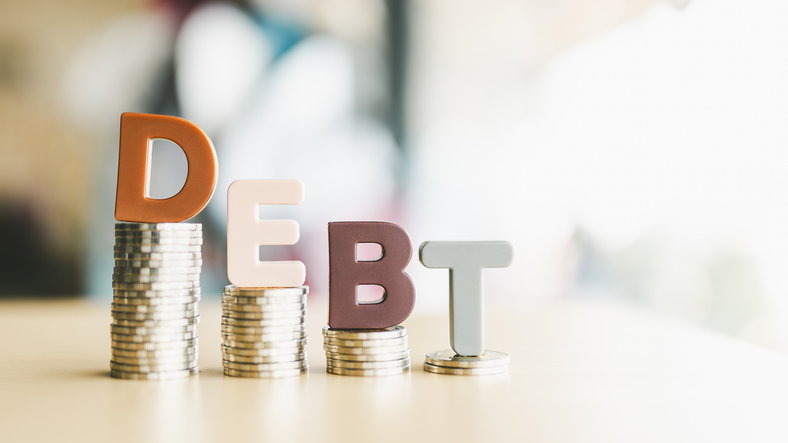
Debt consolidation: options, costs and repayment risks
If you are managing several debts, we can help you compare whether combining them would improve your position. We look at affordability, fees and the time needed to repay, as well as the monthly figure. A simpler repayment schedule is useful only if the new arrangement works for your budget.
Start with current payout figures for each debt. We can use these to compare eligible options and explain what would happen to the accounts being paid out.
What debt consolidation actually means
Debt consolidation means combining two or more existing debts into one new loan or credit facility. Instead of making separate repayments to several lenders, you make one regular repayment for the debts you've consolidated.
Combining debts can mean fewer repayments to manage. A term loan provides a scheduled end date, while revolving credit such as a balance-transfer card needs a separate repayment plan. Savings depend on the new rate, fees, term and repayment behaviour.
How it works in practice
You apply for a new loan to pay out selected existing debts. If approved, those balances are settled — either directly by the new lender or through an agreed settlement process — and you then repay the new loan under its own terms. Any debts left outside the consolidation still need their own repayments.
As a practical starting point, it helps to:
- List each debt's payout balance, interest rate, fees and remaining term
- Work out what you can afford after living expenses and other commitments
- Compare the new loan's total repayments and fees against the cost of keeping your existing debts as they are
- Confirm which creditors will be paid and whether accounts need to be closed or limits reduced
- Have a budget and repayment plan in place so cleared credit doesn't become new debt
That last point matters. Consolidation changes how you repay debt — it doesn't fix an ongoing gap between income and expenses.
Which debts can be consolidated
Depending on the lender and your circumstances, eligible debts can include credit cards, store cards, personal loans, buy now pay later balances and car loans.
Not every lender accepts every type of debt. Secured car loans can involve payout costs and the release of security over the vehicle. Business debts, tax debts and lease arrangements need separate assessment and shouldn't be assumed eligible for a standard consumer consolidation loan.
Always ask for current payout figures rather than relying on statement balances alone — interest and fees may change the amount needed to close an account.
The main consolidation options
Personal loan
A personal loan is a common consolidation tool, particularly for people who don't own property or prefer not to use their home as security. You borrow a set amount, repay it over a fixed term (typically one to seven years) and make regular scheduled repayments.
An unsecured personal loan doesn't require a specific asset as security; a secured loan does, and that asset may be at risk if you can't repay. Fixed rate loans offer predictable repayments; variable rate repayments may change over time. The rate you're offered depends on your credit profile and circumstances — the advertised starting rate isn't necessarily what you'll receive.
You can explore personal loans for debt consolidation to learn more about this option and the application process.
Consolidating into a home loan
If you own property, you may be able to consolidate eligible debts by increasing or refinancing your mortgage, subject to equity, affordability and lender approval.
A mortgage rate is often lower than the rates on unsecured debts, but that doesn't automatically make this the cheaper option. Spreading short-term balances over a much longer loan term can significantly increase total interest paid. It also turns unsecured debts into mortgage debt — meaning your home is now behind those borrowings.
For illustration, a $20,000 debt at 10% p.a. over five years costs about $25,496 in total repayments; at 8% over ten years it costs about $29,119. These are calculations assuming unchanged rates, monthly principal and interest repayments and no fees, not loan offers. A lower rate can still cost more when repayment takes longer.
If you're considering this approach, compare the full refinancing costs and ask how the consolidated portion could be repaid over a shorter period. Read about home loan health checks for more on reviewing your mortgage.
Credit card balance transfer
A balance transfer moves eligible card balances to another credit card, sometimes with a promotional interest rate — often low or zero for a limited period, typically between six and twenty-four months. This can help you reduce interest while you pay down the balance, but it requires a clear repayment plan.
Before applying, check the transfer fee (usually a percentage of the amount transferred), the minimum monthly repayment required to keep the promotional rate, the maximum amount you can transfer, and the rate that applies once the promotional period ends. New purchases on the card often attract a higher rate immediately.
A balance transfer is revolving credit, not a fixed repayment loan. If you don't clear the transferred balance before the promotional period ends, you'll pay the revert rate on whatever remains — which may be higher than your original card. Check whether the lender requires old accounts to be closed or limits reduced. Keeping cleared credit available can make it easier to build debt again.
See ASIC MoneySmart's balance transfer guidance for a detailed breakdown of what to compare.
Can debt consolidation save you money?
It can — but the answer depends on more than the interest rate. You need to compare the total amount you'd repay, including fees, over the full time it takes to clear the debt.
To illustrate why this matters, consider a hypothetical $20,000 balance with monthly principal and interest repayments and no fees:
- At 15% p.a. over three years: approximately $693 a month and $24,959 in total repayments
- At 10% p.a. over three years: approximately $645 a month and $23,232 in total repayments
- At 10% p.a. over seven years: approximately $332 a month and $27,890 in total repayments
The seven-year option has the lowest monthly repayment by far, but costs more overall than either three-year option. Repayment relief and total savings are two different things — they need to be assessed separately.
These figures are illustrative calculations only, not available rates or a loan offer. They assume an unchanged rate, monthly repayments and no fees or additional borrowing. Totals use unrounded repayments, so multiplying the rounded monthly figures may produce a slightly different result.
Benefits and risks worth weighing up
Consolidation may simplify your repayment schedule, provide a clearer end date and reduce the number of accounts you're managing. In the right structure, it can also reduce total interest or account fees.
The risks include establishment and payout costs, a longer repayment period that increases total interest, and the risk of owing on both the new loan and fresh balances if you continue using cleared credit accounts. Secured borrowing adds risk to the asset offered as security — including your home if a mortgage refinance is involved.
How to decide if it's right for you
Before applying, ask yourself:
- Will the new repayments fit my budget, including irregular expenses?
- What will I pay in total, including all fees and any cost to close existing loans?
- Am I extending the debt for longer, and what does that cost over time?
- Am I putting my home or another asset at risk?
- Which debts will remain outside the consolidation?
- Will old accounts be closed or limits reduced, and how will I avoid borrowing again?
We can compare available lending options and explain the costs and conditions. Approval depends on the lender’s assessment, and we will consider whether a new loan fits your circumstances. If you are already struggling, speak with your lenders about hardship support and consider free financial counselling before taking on more credit.
What if repayments are already unaffordable?
If you're already struggling to meet repayments, contact your existing lenders early and ask about hardship assistance. Taking on a new loan may not be the most suitable response if the current repayments are already a stretch.
Other approaches include reviewing your budget, negotiating payment arrangements with existing lenders, or directing extra repayments to higher-interest debts while keeping up with the others. Free financial counselling is available if you're under financial pressure — the National Debt Helpline can be reached on 1800 007 007, Monday to Friday.
MoneySmart's debt consolidation guide explains the risks in plain terms and links to financial counselling and hardship information.
Frequently asked questions
Is a debt consolidation loan the same as a personal loan?
A personal loan can be used for debt consolidation. Some lenders market loans specifically for this purpose and may require direct payment to creditors or closure of existing accounts. The conditions matter more than the product label.
Can I consolidate debt without owning a home?
Yes. An unsecured personal loan may be an option if you meet the lender's criteria. You don't need home equity for an unsecured loan, but affordability, credit history and other eligibility requirements still apply.
Can I consolidate debt with a poor credit history?
Options may be more limited and pricing may be higher. Approval is not guaranteed. Review affordability and the full cost carefully before applying, and be aware that multiple credit applications in a short period can affect your credit score.
Does debt consolidation affect your credit score?
A formal credit application is recorded on your credit report. The effect on your score depends on your credit history and subsequent repayment behaviour. Consolidation doesn't guarantee an improvement in your credit score.
Do I have to close my credit cards?
Some lenders require accounts to be closed or limits reduced as a condition of approval. Even where that's not required, retaining access to cleared credit makes it easier to rebuild debt. Check the conditions and consider what limits you actually need.
Can I pay off a consolidation loan early?
This depends on the product. Check whether extra repayments are allowed and whether early repayment fees apply before choosing a loan. Variable rate personal loans often allow extra repayments; fixed rate loans may charge a fee.
What costs should I factor in?
Relevant costs can include establishment fees on the new loan, early payout or break fees on existing loans, balance transfer fees for credit cards, and refinancing costs where a home loan is involved. Weigh these against the potential interest savings before committing.
Talk with us about your options
If you're considering combining debts, a good starting point is comparing affordability, total cost and the time needed to repay — not just the monthly repayment figure. We work with a panel of banks and non-bank lenders and can help you understand what's available for your situation.
Call us on 1300 955 791, Monday to Friday 9am–5:30pm, or get in touch online to book a free consultation.
General information only. Whether a loan is suitable depends on your individual circumstances. Lending criteria, fees, terms and conditions apply. We will clarify applicable fees and our remuneration before you proceed.
Images on This Page
-
https://www.natloans.com.au/wp-content/uploads/2026/04/natloans-white-logo.webp
(no alt text)
-
https://www.natloans.com.au/wp-content/uploads/2025/04/natloans_logo.png
(no alt text)
-
https://www.natloans.com.au/wp-content/uploads/2025/04/icon-person.svg
(no alt text)
-
https://www.natloans.com.au/wp-content/uploads/2025/05/icon-money-case.png
(no alt text)
-
https://www.natloans.com.au/wp-content/uploads/2025/04/icon-money-bag.svg
(no alt text)
-
https://www.natloans.com.au/wp-content/uploads/2025/05/material-symbols_electric-car-rounded.png
(no alt text)
-
https://www.natloans.com.au/wp-content/uploads/2025/05/material-symbols_edit-document.png
(no alt text)
-
https://www.natloans.com.au/wp-content/uploads/2025/05/solar_chat-round-money-bold.png
(no alt text)
-
https://www.natloans.com.au/wp-content/uploads/2025/05/material-symbols_credit-card.png
(no alt text)
-
https://www.natloans.com.au/wp-content/uploads/2025/04/icon-calculator.svg
(no alt text)
-
https://www.natloans.com.au/wp-content/uploads/2025/04/icon-service.svg
(no alt text)
-
https://www.natloans.com.au/wp-content/uploads/2025/04/icon-bank.svg
(no alt text)
-
https://www.natloans.com.au/wp-content/uploads/2025/04/ic_round-home.svg
(no alt text)
-
https://www.natloans.com.au/wp-content/uploads/2025/05/icon-dollar.png
(no alt text)
-
https://www.natloans.com.au/wp-content/uploads/2025/05/icon-first.png
(no alt text)
-
https://www.natloans.com.au/wp-content/uploads/2025/05/icon-construction.png
(no alt text)
-
https://www.natloans.com.au/wp-content/uploads/2025/05/icon-saving.png
(no alt text)
-
https://www.natloans.com.au/wp-content/uploads/2025/05/icon-trending-down.png
(no alt text)
-
https://www.natloans.com.au/wp-content/uploads/2025/05/icon-bike.png
(no alt text)
-
https://www.natloans.com.au/wp-content/uploads/2025/05/icon-boat.png
(no alt text)
-
https://www.natloans.com.au/wp-content/uploads/2025/05/icon-caravan.png
(no alt text)
-
https://www.natloans.com.au/wp-content/uploads/2025/05/icon-jet-skiing.png
(no alt text)
-
https://www.natloans.com.au/wp-content/uploads/2025/05/icon-solar-eclipse.png
(no alt text)
-
https://www.natloans.com.au/wp-content/uploads/2025/05/icon-truck.png
(no alt text)
-
https://www.natloans.com.au/wp-content/uploads/2025/05/ic_baseline-business-center.png
(no alt text)
-
https://www.natloans.com.au/wp-content/uploads/2025/05/bxs_bank.png
(no alt text)
-
https://www.natloans.com.au/wp-content/uploads/2026/09/icon-blog-notes.svg
Blog
-
https://www.natloans.com.au/wp-content/uploads/2025/04/image-17-150x150.png
Picture of By Mary Nebotakis, Managing Director, Natloans, B. Eco, Dip. Financial Services
-
https://www.natloans.com.au/wp-content/uploads/2025/10/iStock-2149147372.jpg
Debt Consolidation
-
https://www.natloans.com.au/wp-content/uploads/2026/04/NL0426-02_Awards_HORIZONTAL-scaled.png
(no alt text)
-
https://www.natloans.com.au/wp-content/uploads/2026/04/natloans-awards.png
(no alt text)