Equipment Finance Moorabbin | Vehicles, Machinery and Business Planning — Natloans
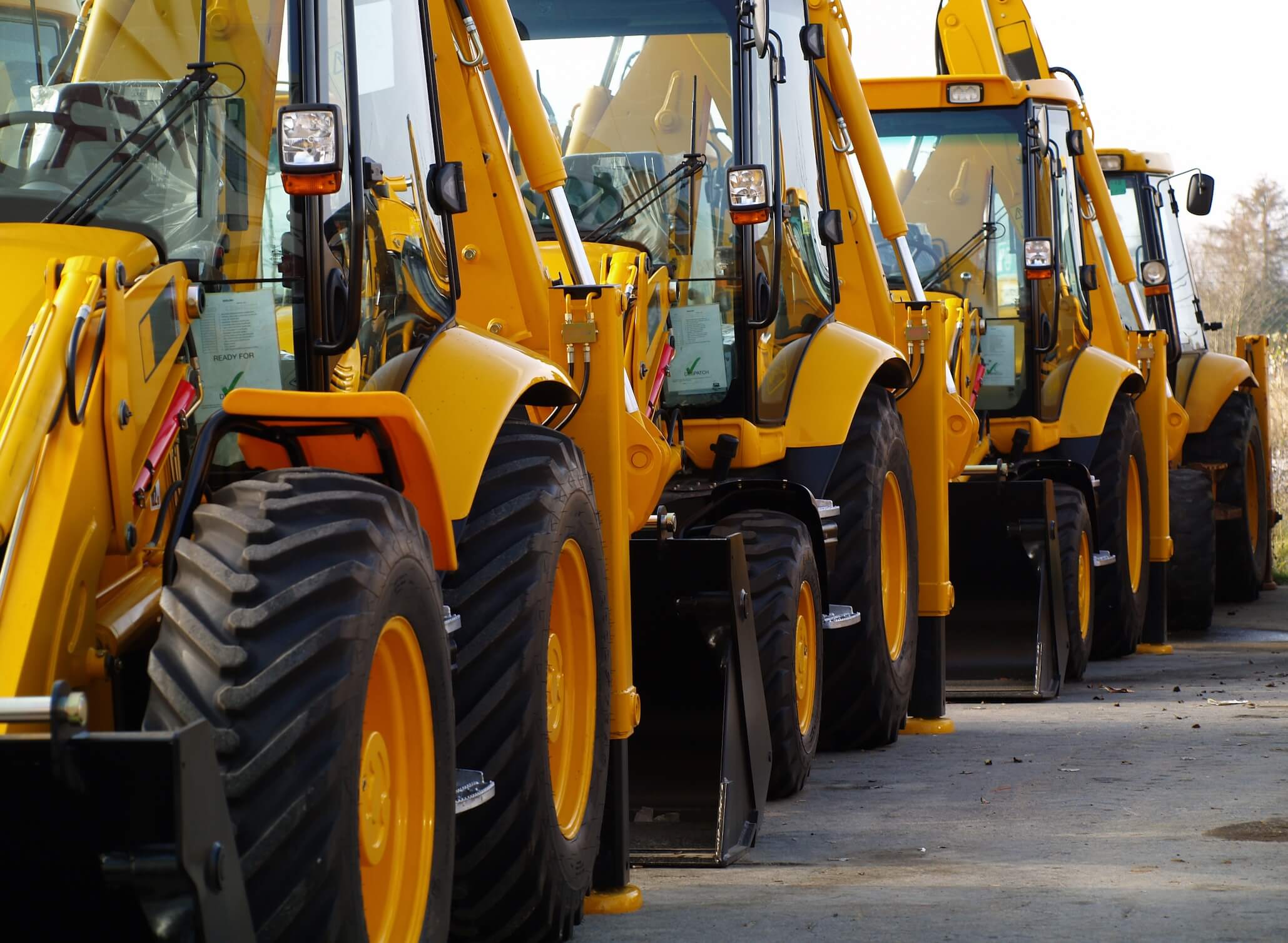
Equipment finance is a form of business lending that allows eligible businesses to acquire vehicles, machinery, tools and technology by spreading the cost over an agreed loan term rather than paying the full purchase price upfront. For businesses in Moorabbin and Melbourne's south-eastern suburbs, this approach may help preserve working capital while funding the assets needed to operate and grow.
This article explains how equipment finance works, which structures may be available, what lenders typically assess, and how Natloans can assist local businesses. It is general information only and does not constitute financial, taxation or legal advice, nor does it represent credit approval.
Equipment and Commercial Vehicle Finance for Moorabbin Businesses
Moorabbin and the surrounding south-eastern suburbs — including Cheltenham, Highett, Mentone, Braeside and Dingley Village — are home to businesses across construction, manufacturing, transport, automotive services, wholesale trade, professional services, healthcare and hospitality. Many of these businesses depend on vehicles, machinery or specialised equipment to operate day to day.
Purchasing those assets outright can place considerable pressure on cash flow. Equipment finance may allow eligible businesses to acquire the assets they need while keeping funds available for wages, inventory and operating expenses.
Natloans assists businesses in Moorabbin, across Melbourne's south-east and throughout Australia to compare finance options for commercial vehicles, machinery, tools, technology and other income-producing assets.
What Is Equipment Finance?
As described in the Natloans article published 8 September 2026, equipment finance is a form of business lending used to purchase or refinance assets required for business purposes. Rather than paying the entire purchase price upfront, an eligible business borrows the funds and repays the amount over an agreed period. In many arrangements, the equipment being purchased provides security for the finance.
Equipment finance may be used for a broad range of assets, including:
- Cars and commercial vehicles
- Utes and vans
- Trucks and prime movers
- Trailers and earthmoving equipment
- Manufacturing and industrial machinery
- Construction equipment
- Medical and dental equipment
- Hospitality and commercial kitchen equipment
- Computers, telecommunications and office technology
- Tools and specialised trade equipment
- Agricultural and materials-handling equipment
The appropriate loan structure will depend on the type and age of the asset, its business use, the borrower's financial position and the lender's requirements.
Why Moorabbin Businesses Use Equipment Finance
Equipment finance may help a business:
- Preserve cash for wages, inventory and operating expenses
- Replace ageing or unreliable equipment
- Increase production or service capacity
- Take on larger projects or new contracts
- Acquire additional vehicles for a growing team
- Upgrade technology and business systems
- Match repayments more closely to the asset's useful life
- Avoid using property as security where suitable asset-backed finance is available
The aim is to fund an asset in a way that supports the business without unnecessarily restricting its working capital.
Common Equipment-Finance Structures
Several commercial-finance structures may be available. The right option will depend on how the business intends to own, use and account for the asset. The terminology can be confusing, and professional accounting advice may be appropriate before selecting a structure.
Chattel Mortgage
A chattel mortgage is a commonly used option for financing vehicles and equipment for business purposes. The business generally owns the asset from the beginning, while the lender registers an interest in it as security for the loan. Once the finance has been repaid and all obligations met, the lender's security interest is removed.
Repayments may be structured with or without a final balloon payment, depending on the arrangement.
Finance Lease
Under a finance lease, the lender generally purchases the asset and leases it to the business for an agreed term. The business makes regular payments for the use of the asset. At the end of the term, there may be options involving the residual amount, continued use or acquisition of the equipment, depending on the agreement.
The legal ownership, accounting treatment and end-of-term obligations differ from a conventional equipment loan, so professional accounting advice is recommended.
Commercial Hire Purchase
Under a commercial hire-purchase arrangement, the lender purchases the asset and the business uses it while making agreed repayments. Ownership generally transfers to the business after the final payment and any other contractual obligations have been satisfied. Availability varies between lenders and may depend on the asset and applicant.
Equipment Loan
Some businesses may use a conventional equipment or business loan to acquire an asset. Depending on the lender, the equipment may provide security for the loan. Additional security or a director's guarantee may also be required in some circumstances.
| Structure | Who Owns the Asset? | Key Characteristic |
|---|---|---|
| Chattel Mortgage | Business (from day one) | Lender holds security interest until loan is repaid |
| Finance Lease | Lender (during term) | Business pays for use; check residual and contractual end obligations and options |
| Commercial Hire Purchase | Lender (during term) | Ownership generally transfers after the final payment and all other contractual obligations are met |
| Equipment Loan | Business | Asset or additional security may be required |
Availability of each structure depends on the lender, asset type and applicant profile. Confirm current options with Natloans.
Balloon Payments: What to Consider
A balloon payment is a lump sum that remains payable at the end of the loan term. Including a balloon may reduce regular repayments, which can help short-term cash flow. However, it also means the business will owe a larger amount at the end of the agreement and may pay more interest over the loan term.
Before selecting a balloon payment, consider:
- The expected future value of the equipment
- How long the business intends to retain it
- Whether it is likely to be sold or traded
- How the final amount will be paid
- The total interest and overall cost of the finance
- The effect of the repayment structure on business cash flow
A commercial-finance broker can help compare structures with different loan terms, deposits and balloon amounts. A larger balloon can reduce regular repayments but leaves a greater amount payable at the end. Businesses should consider the total cost rather than choosing a balloon solely to obtain a lower monthly repayment.
New and Used Equipment Finance
Finance may be available for both new and used business equipment.
New assets will generally have clear purchase documentation, warranties and a longer expected useful life. Used equipment can be more affordable but may receive closer scrutiny from lenders, particularly when it is older, specialised or purchased through a private sale.
For used equipment, a lender may consider:
- The age and condition of the asset
- The purchase price compared with market value
- Its remaining useful life
- The reputation and type of supplier
- Whether the transaction is through a dealer or private seller
- The availability of invoices, inspections or valuations
- Whether the requested loan term is appropriate for the asset's age
Older equipment may still be financeable, but the available lender, loan term or deposit requirement may differ.
Commercial Vehicle Finance for Moorabbin Businesses
Vehicles are essential to many businesses in Moorabbin and Melbourne's south-east. A tradesperson may need a fitted-out ute or van. A transport business might require another truck or trailer. A sales or service operation may need passenger vehicles for employees. A growing business might be replacing a single vehicle with a small fleet.
Commercial vehicle finance may be available for:
- New and used vehicles
- Dealer and eligible private purchases
- Utes and work vans
- Trucks and trailers
- Passenger vehicles used for business
- Refinancing an existing commercial vehicle loan
- Fleet expansion or replacement
The correct structure will depend on factors including business use, vehicle type, applicant profile and intended ownership. Further information is available at Natloans Business Car Loans and Natloans Truck Finance.
Can a New or Self-Employed Business Obtain Equipment Finance?
Potentially. Lenders assess applications according to their own credit policies, and not every business needs to have been operating for many years.
An established business may be able to provide complete financial statements and tax returns. A newer business, sole trader or self-employed applicant may need to supply different information demonstrating experience, income and capacity to repay the finance.
Depending on the lender and application, supporting information may include:
- An active ABN
- Business bank statements
- BAS records
- Financial statements
- Tax returns or notices of assessment
- Details of existing business debts
- Evidence of relevant industry experience
- A purchase invoice or equipment quotation
- Information about the intended business use of the asset
- Identification and credit-history information
Some lenders offer streamlined or low-documentation assessment options for eligible businesses. Low-doc does not mean no assessment or guaranteed approval — credit criteria, documentation requirements and conditions still apply.
Refinancing Existing Equipment or Vehicle Loans
Businesses may also review finance attached to equipment they already own. Refinancing may be considered when a business wants to:
- Review an existing interest rate or repayment structure
- Change the remaining loan term
- Adjust a balloon or final payment
- Consolidate eligible commercial debts
- Explore new borrowing or another asset-finance structure against an unencumbered asset for business purposes. Where there is no debt to replace, this is not a refinance of an existing loan; check ownership, security, costs and permitted use of funds.
- Replace several arrangements with a more manageable structure
Refinancing does not always produce a better outcome. Early-repayment costs, lender fees, the asset's current value and the new loan term must all be considered. Extending the term may reduce regular repayments but increase the total interest paid. The complete cost should be compared — not only the monthly repayment.
Cash or Finance: Factors to Consider
Paying cash may appear straightforward, but it can reduce the funds available for daily operations and unexpected expenses. Before choosing between cash and finance, consider:
- How much working capital the business needs
- Whether the asset will immediately produce revenue or reduce costs
- The expected return from retaining cash within the business
- The total cost of finance
- The reliability and urgency of the equipment
- Whether the business has upcoming tax, wage or supplier obligations
- How long the asset is likely to remain useful
Finance is not automatically the right choice. The benefit of preserving cash should be weighed against interest, fees and the business's ability to meet repayments.
What Will a Lender Assess?
When reviewing an equipment-finance application, a lender may consider:
- The length of time the business has operated
- Business turnover and cash flow
- The applicant's credit history
- Existing personal and commercial debts
- The type, age and value of the asset
- How the equipment will be used
- Whether the asset is essential to the business
- The requested loan amount and term
- Any proposed deposit or balloon payment
- The business owner's industry experience
- The supporting financial documents available
Requirements vary between lenders. A strong application should clearly demonstrate why the equipment is required and how the business will manage the repayments.
What to Compare Beyond the Interest Rate
The advertised interest rate is only one part of equipment finance. When comparing options, businesses should also review:
- Establishment and documentation fees
- Brokerage or introducer fees, where applicable
- The loan term
- Deposit requirements
- Balloon or residual payments
- Early-repayment conditions
- Ongoing account fees
- Security and guarantee requirements
- The total amount repayable
- Flexibility if the asset is sold or replaced
A lower advertised rate does not necessarily mean a lower overall cost if the finance includes higher fees or less suitable conditions.
Tax Considerations
The taxation and accounting treatment of equipment finance depends on the loan structure, business use of the asset, GST registration and the borrower's individual circumstances. Potential considerations may include depreciation, interest expenses, lease payments and GST treatment; however, the outcome will vary according to the arrangement.
Natloans can assist with finance options, but businesses should obtain independent advice from their accountant or tax adviser before selecting a structure based on expected tax benefits.
How a Natloans Equipment-Finance Broker Can Help
Different lenders have different policies regarding industries, asset types, business history, documentation and credit profiles. An experienced Natloans commercial-finance broker can help you:
- Identify suitable finance structures
- Compare options from a broad lender panel
- Understand documentation requirements
- Structure the loan term, deposit and balloon payment
- Finance eligible new or used equipment
- Consider dealer and eligible private-sale purchases
- Review existing equipment or vehicle finance
- Explain costs, repayments and key loan conditions
- Coordinate the application through to settlement
Natloans provides specialist expertise across equipment finance, commercial vehicles, business lending, home loans, car loans and personal loans. This diversified structure allows clients to work with a broker who understands the relevant type of finance.
Further information about equipment finance is available at Natloans Equipment Finance.
Frequently Asked Questions
What equipment can a business finance?
Eligible assets may include commercial vehicles, trucks, trailers, machinery, construction equipment, tools, medical equipment, commercial kitchen equipment and business technology. Availability depends on the asset and lender. Source: Natloans, published 8 September 2026.
Can I finance used business equipment?
Potentially. Lenders may finance eligible used equipment, although the asset's age, condition, value and remaining useful life will be considered. Older or highly specialised assets may attract different loan terms or deposit requirements.
Can a sole trader obtain equipment finance?
Yes, eligible sole traders may apply. The lender will assess factors including business history, income, credit profile, existing commitments and the equipment being purchased.
Is low-doc equipment finance available?
Some lenders offer streamlined or low-documentation options to eligible businesses. Applicants must still satisfy credit requirements and provide the documents requested by the lender. Low-doc does not mean no assessment or guaranteed approval.
Can I finance a vehicle purchased through a private sale?
Some lenders permit eligible private-sale transactions. Additional identification, ownership, valuation or inspection requirements may apply. Confirm availability with Natloans for your specific situation.
Can I refinance equipment I already own?
Potentially. Refinancing or equity-release options may be available, depending on the asset, its value, existing finance and the business's financial position. The complete cost — not only the revised monthly repayment — should be compared before proceeding.
How quickly can equipment finance be approved?
Timeframes depend on the lender, application complexity, asset type and availability of supporting documents. Providing complete and accurate information at the beginning can help avoid unnecessary delays. Confirm likely timeframes with Natloans when discussing your application.
Should I include a balloon payment?
A balloon payment can reduce regular repayments but leaves a larger amount owing at the end of the loan term and may increase total interest paid. Consider the expected future value of the equipment, how long you intend to keep it, and how the final amount will be funded before selecting this option.
What is the difference between a chattel mortgage and a finance lease?
Under a chattel mortgage, the business generally owns the asset from the outset and the lender holds a security interest until the loan is repaid. Under a finance lease, the lender typically owns the asset during the term and the business makes payments for its use, with end-of-term options applying. The accounting treatment and ownership implications differ, so professional advice is recommended.
Does Natloans only assist businesses in Moorabbin?
No. Natloans assists businesses throughout Melbourne, Victoria and across Australia. The Moorabbin location gives this article a relevant local focus, while Natloans' equipment and business-finance services are available nationally.
What information will I need to apply?
Requirements vary by lender and applicant type. Commonly requested documents include an active ABN, business bank statements, BAS records, financial statements or tax returns, details of existing debts, a purchase invoice or quotation, and identification. Newer or self-employed applicants may need to provide additional evidence of experience and income capacity.
Are there tax benefits to equipment finance?
The tax treatment depends on the loan structure, asset use, GST registration and individual circumstances. Potential considerations include depreciation, interest expenses and lease payment treatment. Businesses should obtain independent advice from their accountant or tax adviser before selecting a structure based on expected tax benefits.
Next Steps
If your business in Moorabbin or Melbourne's south-east needs a vehicle, machinery, tools or technology, understanding the available finance options before committing to a purchase can help you establish a realistic budget, select an appropriate asset and avoid delays caused by missing documents or unsuitable finance structures.
Speak with a Natloans business and equipment-finance specialist or call 1300 955 791 to discuss your requirements.
Source References
- Natloans, Equipment Finance Moorabbin for Local Businesses, published 8 September 2026. Retrieved 15 October 2026. natloans.com.au
- Natloans Equipment Finance
- Natloans Business Car Loans
- Natloans Truck Finance
General information only. This article does not constitute financial, taxation or legal advice, nor does it represent credit approval. Lending criteria, fees, interest rates, terms and conditions apply and vary between lenders. Rates, thresholds and tax rules referenced in source material are not independently verified as current and must be confirmed directly with Natloans or a qualified adviser. Businesses should consider their own circumstances and obtain appropriate professional advice before entering into a credit arrangement.
Match the asset to the operational need
The original article gives more specific examples than the broad asset categories. Commercial vehicles include refrigerated and specialist service vehicles as well as utes, vans, passenger cars, trucks, prime movers and trailers. Industrial examples include production and fabrication machinery, compressors, forklifts and generators. Construction examples include excavators, skid-steer loaders, access equipment, power tools and trailers. Technology examples include computers, telecommunications, security and point-of-sale systems.
The source notes that lenders may consider an asset’s resale market as well as its age, condition, value and useful life. Rapidly depreciating or highly specialised technology may need a different structure. These examples are possibilities for assessment, not a statement that every lender or every Natloans product accepts every asset.
Prepare a complete acquisition budget
| Budget component | Why it matters |
|---|---|
| Purchase and delivery | Identify what the supplier price includes and which costs must be paid before settlement |
| Installation and readiness | Allow for commissioning, training and time before the asset can earn revenue |
| Operating costs | Include insurance, servicing, repairs, consumables and downtime |
| Finance schedule | List upfront costs, each payment, ongoing fees and the separate final balance if any |
| Revenue timing | Use expected collected receipts rather than treating an invoice or contract as cash already in the bank |
| Exit and security | Check payout, guarantees, sale restrictions, lease end terms and realistic resale scenarios |
This editorial checklist does not say every item can be financed or is required by every lender. For a hypothetical machine, $6,000 of extra monthly collected receipts less $2,000 operating costs and a $2,500 finance payment leaves $1,500 before other costs or tax. If those receipts fall by 30% to $4,200 with the same costs, the result is a $300 shortfall. This is a cash-flow illustration, not a client case, profit prediction or return guarantee.
Keep contract and tax decisions separate
A lease does not automatically confer ownership when scheduled rentals end; review residual, purchase, return or extension terms. Asset-backed lending may still involve other security or guarantees. An approval is not proof that the machine has been delivered or commissioned. GST registration affects GST questions but is not proof of loan approval or every possible deduction. Obtain advice on the actual structure and use before making tax assumptions.
Business.gov.au’s comparison and NAB’s equipment finance overview provide general ownership and commitment context. Checked on 16 October 2026 (Melbourne time); they do not verify current Natloans terms.
Local service and source record
The original public article is by Mary Nebotakis, Managing Director, Natloans, B. Eco, Dip. Financial Services, published 8 September 2026 and captured 15 October 2026. It names Moorabbin, Cheltenham, Highett, Mentone, Braeside and Dingley Village, as well as broader Melbourne, Victorian and national service. Those service claims do not establish a separate office in every suburb or a guaranteed approval time.
Adjacent original reading includes Bridging Loans Beaumaris and Bayside Melbourne and Car Loan Refinancing Bayside Melbourne. They cover separate finance needs and do not establish equipment-loan eligibility. This page uses public information and labelled editorial explanations; private client records were not used.
Images on This Page
-
https://www.natloans.com.au/wp-content/uploads/2026/04/natloans-white-logo.webp
(no alt text)
-
https://www.natloans.com.au/wp-content/uploads/2025/04/natloans_logo.png
(no alt text)
-
https://www.natloans.com.au/wp-content/uploads/2025/04/icon-person.svg
(no alt text)
-
https://www.natloans.com.au/wp-content/uploads/2025/05/icon-money-case.png
(no alt text)
-
https://www.natloans.com.au/wp-content/uploads/2025/04/icon-money-bag.svg
(no alt text)
-
https://www.natloans.com.au/wp-content/uploads/2025/05/material-symbols_electric-car-rounded.png
(no alt text)
-
https://www.natloans.com.au/wp-content/uploads/2025/05/material-symbols_edit-document.png
(no alt text)
-
https://www.natloans.com.au/wp-content/uploads/2025/05/solar_chat-round-money-bold.png
(no alt text)
-
https://www.natloans.com.au/wp-content/uploads/2025/05/material-symbols_credit-card.png
(no alt text)
-
https://www.natloans.com.au/wp-content/uploads/2025/04/icon-calculator.svg
(no alt text)
-
https://www.natloans.com.au/wp-content/uploads/2025/04/icon-service.svg
(no alt text)
-
https://www.natloans.com.au/wp-content/uploads/2025/04/icon-bank.svg
(no alt text)
-
https://www.natloans.com.au/wp-content/uploads/2025/04/ic_round-home.svg
(no alt text)
-
https://www.natloans.com.au/wp-content/uploads/2025/05/icon-dollar.png
(no alt text)
-
https://www.natloans.com.au/wp-content/uploads/2025/05/icon-first.png
(no alt text)
-
https://www.natloans.com.au/wp-content/uploads/2025/05/icon-construction.png
(no alt text)
-
https://www.natloans.com.au/wp-content/uploads/2025/05/icon-saving.png
(no alt text)
-
https://www.natloans.com.au/wp-content/uploads/2025/05/icon-trending-down.png
(no alt text)
-
https://www.natloans.com.au/wp-content/uploads/2025/05/icon-bike.png
(no alt text)
-
https://www.natloans.com.au/wp-content/uploads/2025/05/icon-boat.png
(no alt text)
-
https://www.natloans.com.au/wp-content/uploads/2025/05/icon-caravan.png
(no alt text)
-
https://www.natloans.com.au/wp-content/uploads/2025/05/icon-jet-skiing.png
(no alt text)
-
https://www.natloans.com.au/wp-content/uploads/2025/05/icon-solar-eclipse.png
(no alt text)
-
https://www.natloans.com.au/wp-content/uploads/2025/05/icon-truck.png
(no alt text)
-
https://www.natloans.com.au/wp-content/uploads/2025/05/ic_baseline-business-center.png
(no alt text)
-
https://www.natloans.com.au/wp-content/uploads/2025/05/bxs_bank.png
(no alt text)
-
https://www.natloans.com.au/wp-content/uploads/2026/09/icon-blog-notes.svg
Blog
-
https://www.natloans.com.au/wp-content/uploads/2025/04/image-17-150x150.png
Picture of By Mary Nebotakis, Managing Director, Natloans, B. Eco, Dip. Financial Services
-
https://www.natloans.com.au/wp-content/uploads/2025/08/Equipment-Finance-image.jpg
Equipment Finance
-
https://www.natloans.com.au/wp-content/uploads/2026/04/NL0426-02_Awards_HORIZONTAL-scaled.png
(no alt text)
-
https://www.natloans.com.au/wp-content/uploads/2026/04/natloans-awards.png
(no alt text)