Storm & Hail Roof Preparation in Australia: 2025 Homeowner & Builder Guide
- July 14, 2025
Australia’s extreme weather patterns continue to intensify, with the Bureau of Meteorology recording a 15% increase in severe hailstorms across eastern states in 2024-2025. For homeowners in Queensland, New South Wales, South Australia and Victoria, proper storm and hail roof preparation has never been more critical. This comprehensive guide will walk you through practical steps to protect your most valuable asset before the next extreme weather event strikes.
Understanding How Hail Damages Different Roof Materials
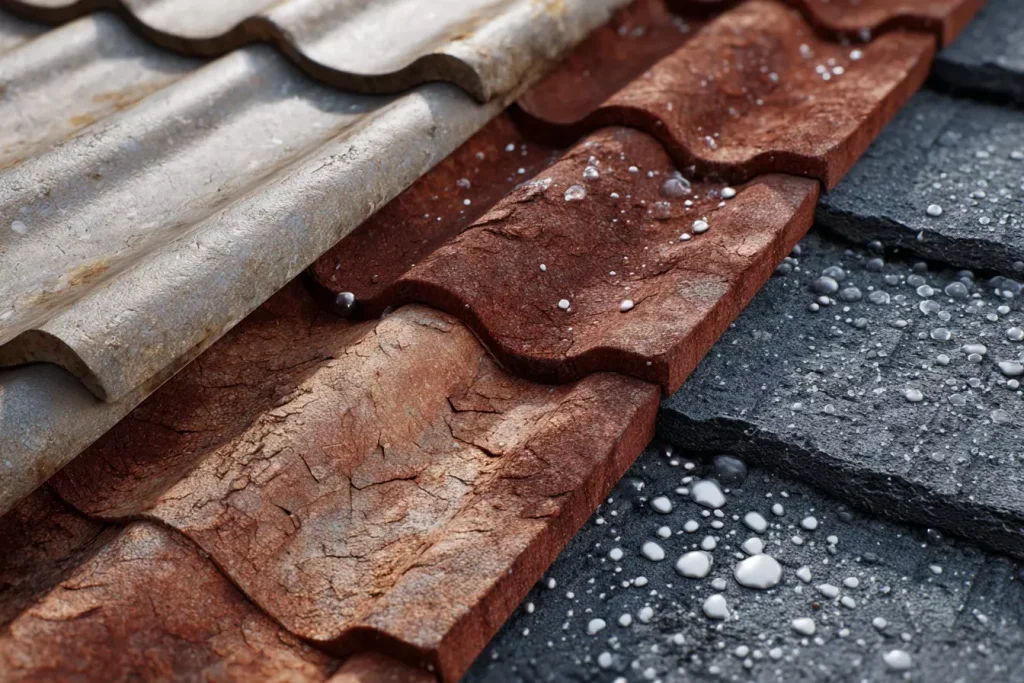
Different roofing materials react uniquely to hail impact. Understanding these vulnerabilities is the first step in effective storm and hail roof preparation. The Insurance Council of Australia reports that hail-related claims average $300 million annually, with roof damage accounting for over 60% of costs.
| Roof Type | Hail Impact Rating | Avg Lifespan | Cost/m² | Common Damage |
| Colorbond Steel | Class 4 | 40+ years | $25-$45 | Denting, coating damage |
| Concrete Tiles | Moderate | 30 years | $30-$50 | Cracking, edge chipping |
| Terracotta Tiles | Low-Moderate | 50+ years | $40-$60 | Shattering, complete failure |
| Asphalt Shingles | Class 4 (upgraded) | 15-25 years | $20-$35 | Granule loss, punctures |
| Membrane Roofing | Low | 20-30 years | $35-$55 | Punctures, tearing |
Research from CSIRO’s Severe Weather Research Unit indicates that hailstones as small as 20mm can damage some roofing materials, while stones larger than 30mm pose significant risk to all roof types. The 2024 Brisbane hailstorm, with stones reaching 8-10cm, caused catastrophic damage even to Class 4 impact-rated materials.
Essential Storm & Hail Roof Preparation Checklist
Prevention is always more cost-effective than repairs. This comprehensive checklist will help ensure your roof is prepared for the next severe weather event. According to the State Emergency Service, completing these steps can reduce storm damage risk by up to 70%.
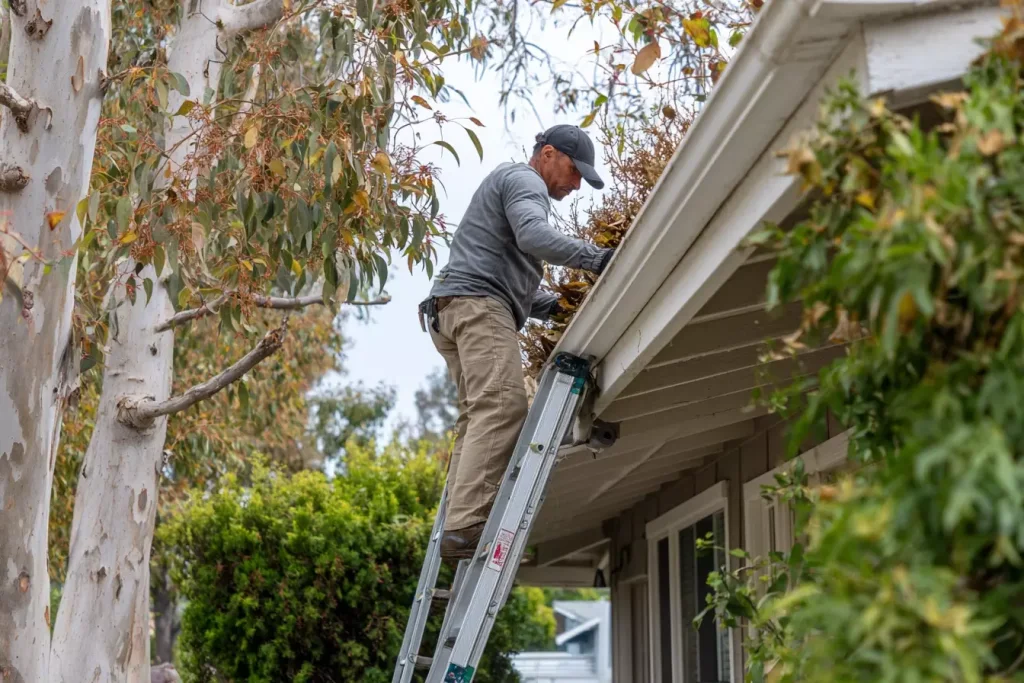
1. Clean and Clear Your Gutters
Blocked gutters can cause water to back up under roof sheets or tiles during heavy rain. Gutter cleaning should be performed at least twice yearly, with additional checks before storm season. Remove all leaves, twigs and debris, and ensure downpipes are flowing freely.
2. Inspect and Secure Roof Fasteners
Loose roof sheets or tiles are the first to fail during high winds. Inspect all visible fasteners for signs of corrosion or loosening. For metal roofs, tighten (but don’t overtighten) any loose screws and replace rusted fasteners with cyclone-rated alternatives that meet AS 1562 standards.
3. Check Flashing and Seals
Inspect all roof flashing around chimneys, vents, skylights and valleys. Look for signs of deterioration, lifting or separation. Reseal any compromised areas with appropriate roofing sealant rated for Australian weather conditions. Pay special attention to ridge capping, as this is often the first area to fail in high winds.
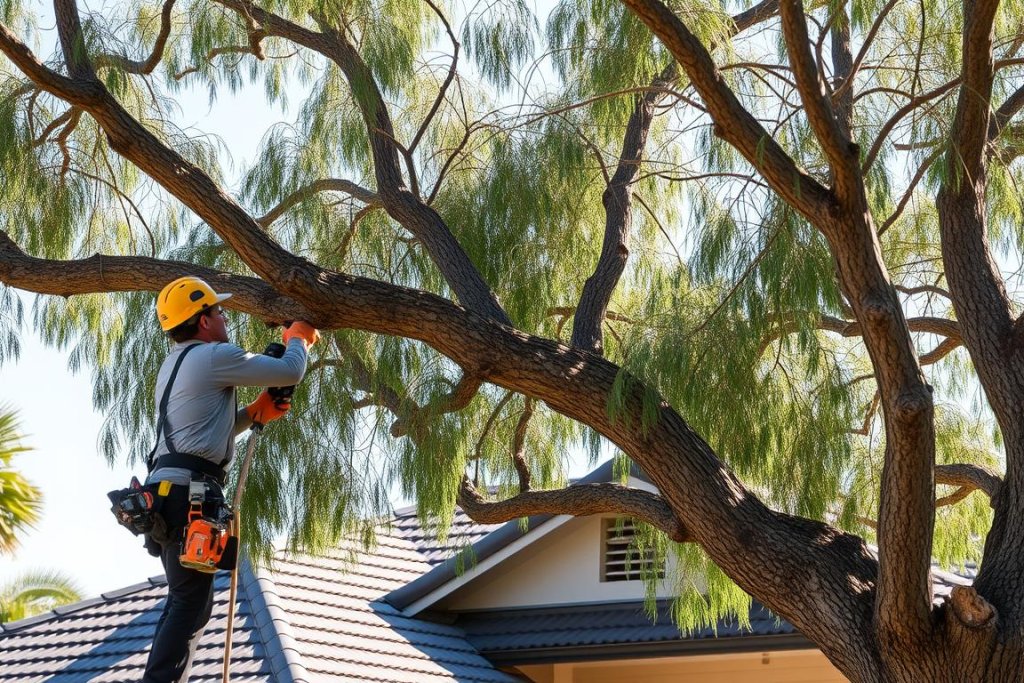
4. Trim Overhanging Branches
Overhanging branches can become dangerous projectiles during storms with strong winds. Trim back any branches that extend over your roof, ideally maintaining a 3-metre clearance. This not only reduces impact risk but also minimises leaf litter that can clog gutters.
5. Install Gutter Guards
Quality gutter guards prevent debris buildup while allowing water to flow freely. Mesh guards are particularly effective for Australian conditions, keeping out eucalyptus leaves and preventing ember entry during bushfire season – an important dual-purpose protection measure.
6. Secure Loose Items
Before forecasted storms, secure or store any loose items that could become projectiles. This includes outdoor furniture, trampolines, garden ornaments, and tools. Even small items can cause significant roof damage when propelled by strong storm winds.
Protective Roof Upgrades for Australian Conditions
For homes in high-risk areas, consider these protective upgrades that significantly enhance your roof’s resilience against severe weather. While these involve upfront investment, the Queensland Reconstruction Authority estimates they can reduce repair costs by up to 85% over a 10-year period.
Impact-Resistant Roofing Materials
When re-roofing or building new, select materials with high impact resistance. Class 4 impact-rated Colorbond steel or reinforced concrete tiles offer superior protection against hailstones up to 50mm in diameter. These materials may cost 15-20% more initially but provide significantly better protection.
Roof Tie-Downs and Cyclone Straps
Roof tie-downs and cyclone straps create a continuous chain of connections from your roof to the foundation. These reinforcements, costing $120-$200 per rafter, can help your roof withstand wind uplift forces during cyclones and severe storms. They’re particularly important for homes in Queensland and northern NSW where cyclone-resilient roof design is essential.
Hail-Shield Protective Coatings
Specialized elastomeric coatings can provide an additional layer of hail protection for existing roofs. These coatings, applied at $8-$15 per square metre, absorb impact energy and help prevent denting and cracking. They also offer the added benefit of improved thermal insulation, potentially reducing cooling costs.
Reinforced Skylights and Roof Windows
Standard skylights are particularly vulnerable during hailstorms. Upgrade to impact-resistant models with reinforced frames and laminated glass designed to withstand Australian conditions. Protective mesh covers can also be retrofitted to existing skylights for improved protection.
Building Code & Insurance Considerations
Understanding relevant building codes and insurance requirements is crucial for effective storm preparation. These standards not only ensure safety but can also affect insurance premiums and claim outcomes.
National Construction Code Requirements
The National Construction Code (NCC) specifies minimum requirements for roof construction based on your location’s wind classification. For areas prone to cyclones (northern Queensland, parts of WA and NT), more stringent requirements apply under AS/NZS 1170.2 for wind actions. Ensure any roof work complies with these standards to avoid insurance complications.
Insurance Policy Implications
Most home insurance policies cover storm damage, but many contain specific clauses regarding roof maintenance and age. Review your policy carefully for:
- Maintenance requirements that could void coverage if neglected
- Age-based depreciation calculations that may reduce payouts
- Specific exclusions for certain types of storm damage
- Requirements for professional versus DIY repairs
- Documentation needed for successful claims
Maintaining a photographic record of your roof’s condition and any preparation work completed can significantly streamline the claims process if damage occurs. Consider scheduling a professional roof inspection annually and keeping the report for insurance purposes.
Post-Storm Action Plan
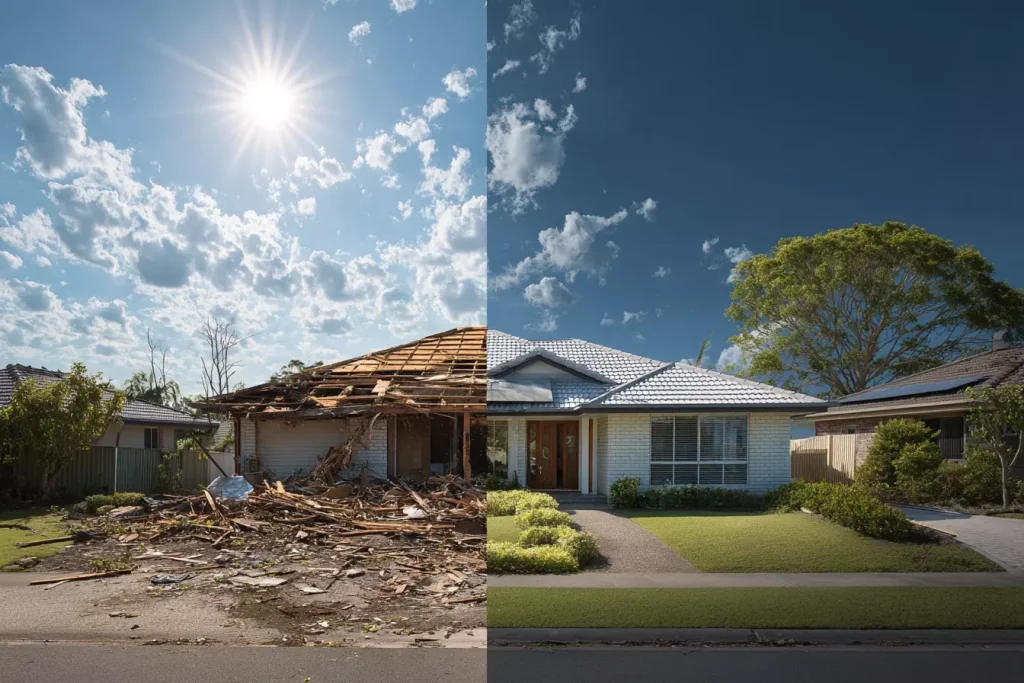
Even with thorough preparation, severe storms may still cause damage. Having a clear post-storm action plan can minimize further damage and streamline recovery.
Safe Inspection Procedures
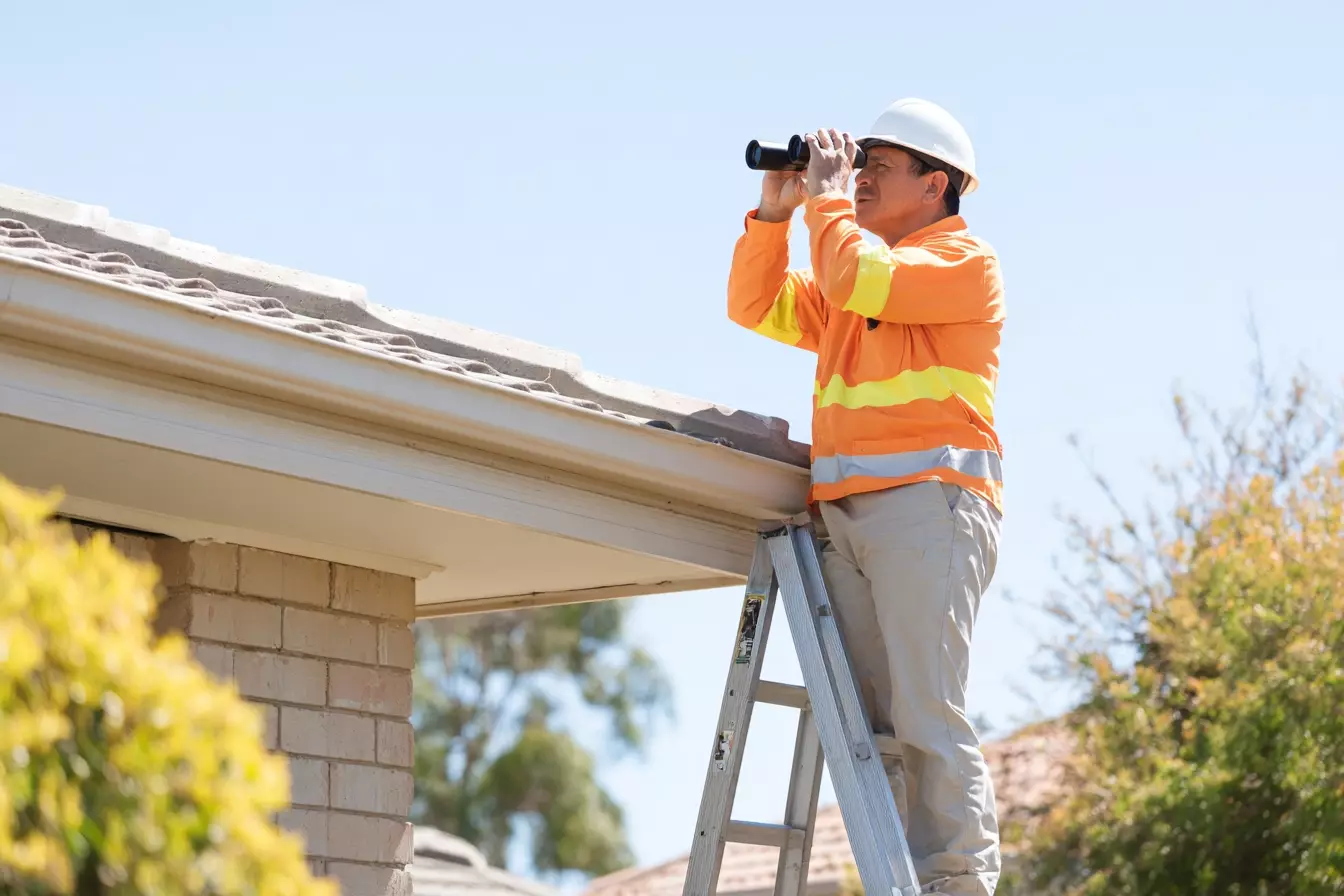
Safety must be your priority when assessing storm damage. Wait until daylight and never inspect during ongoing storms. Use binoculars from ground level first to identify obvious damage. If closer inspection is needed, ensure the structure is stable before using a ladder, and never walk on a damaged roof.
Emergency Tarping Techniques
If you discover roof damage, temporary protection can prevent further water intrusion. Heavy-duty tarps secured with non-penetrating methods (sandbags or ropes tied to secure points) can provide short-term protection. The SES recommends covering from the ridge cap down past the damage by at least one metre.
Documenting Damage for Claims
Thorough documentation is essential for insurance claims. Take dated photographs from multiple angles showing all damage. Create a written inventory of affected areas and collect any displaced materials (such as roof tiles or metal sheets) as evidence of the damage type and extent.
Finding Qualified Emergency Repairs
After major storms, reputable roofing contractors are in high demand. Use only licensed professionals and be wary of storm chasers offering immediate repairs. Check credentials through the relevant state licensing body and request proof of insurance before work begins.
Cost vs. ROI: Preventive Measures & Case Studies
Understanding the financial implications of preventive measures versus repairs can help you make informed decisions about roof protection investments.
Preventive Costs (Average 2025 Prices)
- Professional gutter cleaning: $150-$300 annually
- Roof inspection and minor maintenance: $250-$450 annually
- Gutter guard installation: $20-$35 per linear metre
- Roof tie-down retrofitting: $2,500-$4,500 for average home
- Impact-resistant roof upgrade: Additional $3,000-$7,000 over standard roofing
Average Repair Costs After Storms
- Minor repairs (few tiles/sheets): $500-$1,500
- Moderate damage repair: $2,000-$5,000
- Major repairs/partial replacement: $5,000-$15,000
- Complete roof replacement: $8,000-$30,000+
- Interior damage from roof leaks: $2,000-$20,000+
Case Study: Brisbane Homeowner’s ROI
After the devastating 2021 hailstorms, Brisbane homeowner Michael Thompson invested $4,800 in roof reinforcement, including tie-downs and impact-resistant Colorbond sheeting. When the 2024 hailstorms hit his suburb, his home emerged undamaged while neighbours faced repairs averaging $12,000. His three-year ROI was 150%, not counting the stress and displacement avoided.
Frequently Asked Questions
How often should I inspect my roof for storm damage?
You should inspect your roof at least twice yearly—once before storm season (typically September in northern Australia, May in southern states) and once after. Additional inspections are recommended following any severe weather event with winds exceeding 90km/h or hail of any size. For older roofs (15+ years), quarterly inspections are advisable.
Does my insurance cover hail-damaged skylights?
Most standard home insurance policies cover hail-damaged skylights, but coverage may be reduced for older installations or if there’s evidence of pre-existing damage or poor maintenance. Some policies have specific exclusions or higher excesses for skylight damage. Check your policy’s Product Disclosure Statement for details, and consider documenting the condition of skylights during your regular roof inspections.
What size hail can damage a metal roof?
Standard Colorbond and corrugated metal roofing can typically withstand hailstones up to 20-25mm without significant damage. Hail between 25-35mm may cause cosmetic denting, while stones larger than 35mm can cause functional damage including punctures and displaced sheets. Impact-resistant metal roofing with reinforced profiles can withstand hailstones up to 45mm without functional damage.
Can I install roof tie-downs myself?
Roof tie-down installation is not recommended as a DIY project. These structural reinforcements require access to roof cavities, proper anchoring to structural elements, and compliance with Australian Standards AS 1684 and AS 4055. Improper installation can compromise your roof’s integrity and void insurance coverage. Always use licensed builders or roofing specialists for this type of structural upgrade.
How long do emergency roof tarps last?
Emergency roof tarps are a temporary solution designed to last 30-90 days depending on the quality of the tarp and weather conditions. Standard blue polyethylene tarps typically last 30-60 days before UV degradation compromises their effectiveness. Heavy-duty contractor-grade tarps can last up to 90 days. In all cases, permanent repairs should be arranged as soon as possible, as insurance companies may limit coverage for secondary damage if temporary protection isn’t maintained.
Conclusion: Protecting Your Roof Before Storm Season
Proactive storm and hail roof preparation is your best defense against Australia’s increasingly severe weather patterns. By implementing the strategies outlined in this guide, you can significantly reduce your risk of costly damage and the disruption that follows. Remember that prevention is always more cost-effective than repairs, and many protective measures also enhance your home’s energy efficiency and overall value.
Don’t wait until storm warnings appear on the radar. The time to prepare your roof is now, before the next severe weather event tests its resilience.
Protect Your Home Before the Next Storm Hits
Book your free storm-ready roof assessment with our certified inspectors before the peak hail season arrives. Our thorough 21-point inspection identifies vulnerabilities before they become costly problems.
Call (07) 3000 0000
Smart Roofs and IoT Sensors: The Future of Roofing in Australia
Read More »Solar‑Integrated Roofing in Australia: The Complete 2025 Guide for Homeowners, Builders & Roofing Pros
Read More »DIY Roof Inspection Tips & Safety for Australian Homeowners: 2025 Step‑by‑Step Guide
Read More »At Roofs.com.au, we are dedicated to providing top-quality roofing services across Australia. With years of experience in the roofing industry, we have earned a reputation for delivering reliable, efficient, and high-quality roofing solutions.
Navigation
Get in Touch
We’d love to hear from you! Whether you need a roof inspection, a free quote, or emergency roof repairs, our team is ready to assist you. Please visit our Contact Page to get in touch with us.
Contact Us Copyright © Roofs.com.au. All Rights Reserved.Roofs.com.au
REQUEST A QUOTE
At Roofs.com.au, we take pride in being responsive, reliable, and ready to solve all your roofing needs. Simply complete the form & one of our team member will be in contact with you shortly.
Request a QuoteRoofs.com.au
Submit your interest
Submit your interest using the form below. We will review your details and get back to you.
Images on This Page
-
https://roofs.com.au/wp-content/uploads/2025/05/roofs.com_.au-logo.png
(no alt text)
-
https://roofs.com.au/wp-content/uploads/2025/07/image-61-1024x683.webp
(no alt text)
-
https://roofs.com.au/wp-content/uploads/2025/07/image-62-1024x683.webp
(no alt text)
-
https://roofs.com.au/wp-content/uploads/2025/07/Tree-branches-being-trimmed-away-from-roof-for-storm-and-hail-roof-preparation-Australia-1024x683.jpeg
Tree branches being trimmed away from roof for storm and hail roof preparation Australia
-
https://roofs.com.au/wp-content/uploads/2025/07/Impact-resistant-metal-roofing-being-installed-for-storm-and-hail-roof-preparation-Australia-1024x585.jpeg
Impact-resistant metal roofing being installed for storm and hail roof preparation Australia
-
https://roofs.com.au/wp-content/uploads/2025/07/Reinforced-skylight-with-protective-mesh-for-storm-and-hail-roof-preparation-Australia.jpeg
Reinforced skylight with protective mesh for storm and hail roof preparation Australia
-
https://roofs.com.au/wp-content/uploads/2025/07/Person-documenting-roof-condition-for-insurance-as-part-of-storm-and-hail-roof-preparation-1024x683.jpeg
Person documenting roof condition for insurance as part of storm and hail roof preparation Australia
-
https://roofs.com.au/wp-content/uploads/2025/07/image-63-1024x683.webp
(no alt text)
-
https://roofs.com.au/wp-content/uploads/2025/07/image-64-1024x683.webp
(no alt text)
-
https://roofs.com.au/wp-content/uploads/2025/07/image-65-1024x683.webp
(no alt text)
-
https://roofs.com.au/wp-content/uploads/2025/07/Smart-roof-system-with-integrated-IoT-sensors-on-an-Australian-home.jpeg
Smart roof system with integrated IoT sensors on an Australian home
-
https://roofs.com.au/wp-content/uploads/2025/07/Solar‑integrated-roofing-Australia-installation-on-a-modern-home.jpeg
Solar‑integrated roofing Australia installation on a modern home
-
https://roofs.com.au/wp-content/uploads/2025/07/image-25.webp
(no alt text)
-
https://roofs.com.au/wp-content/uploads/2024/07/roofs.com_.au-logo-2.png
(no alt text)