Spotting Early Signs of Roof Damage in Australia: 2025 Homeowner Guide
- July 14, 2025
Identifying the early signs of roof damage in Australia can save you thousands in repairs and protect your family from potential hazards. With our unpredictable climate—from scorching summers to severe storms—your roof faces constant challenges. This comprehensive guide will help you recognize roof leak warning signs before they escalate into major structural issues. By catching problems early, you’ll not only extend your roof’s lifespan but also maintain your home’s value and structural integrity.
Why Early Detection is Critical
According to the Insurance Council of Australia, roof-related claims increased by 35% following recent severe weather events, with average claim costs exceeding $12,000. Most concerning is that approximately 70% of these costly repairs could have been prevented through early detection and timely intervention.
Your home’s resale value can drop by up to 25% if roof issues are discovered during pre-sale inspections. Real estate data from realestate.com.au shows that homes with well-maintained roofs typically sell faster and closer to asking price than those requiring roof repairs.
Beyond financial considerations, roof damage can compromise your family’s safety. Water infiltration can lead to electrical hazards, mould growth affecting respiratory health, and in extreme cases, structural failure. Ignoring cracked roof tiles could cost you $8,500 in structural repairs, while addressing them early might only set you back $400-600.
Interior Warning Signs of Roof Damage
The first indicators of roof problems often appear inside your home. Being vigilant about these interior warning signs can help you address issues before they cause extensive damage.
Ceiling Water Stains
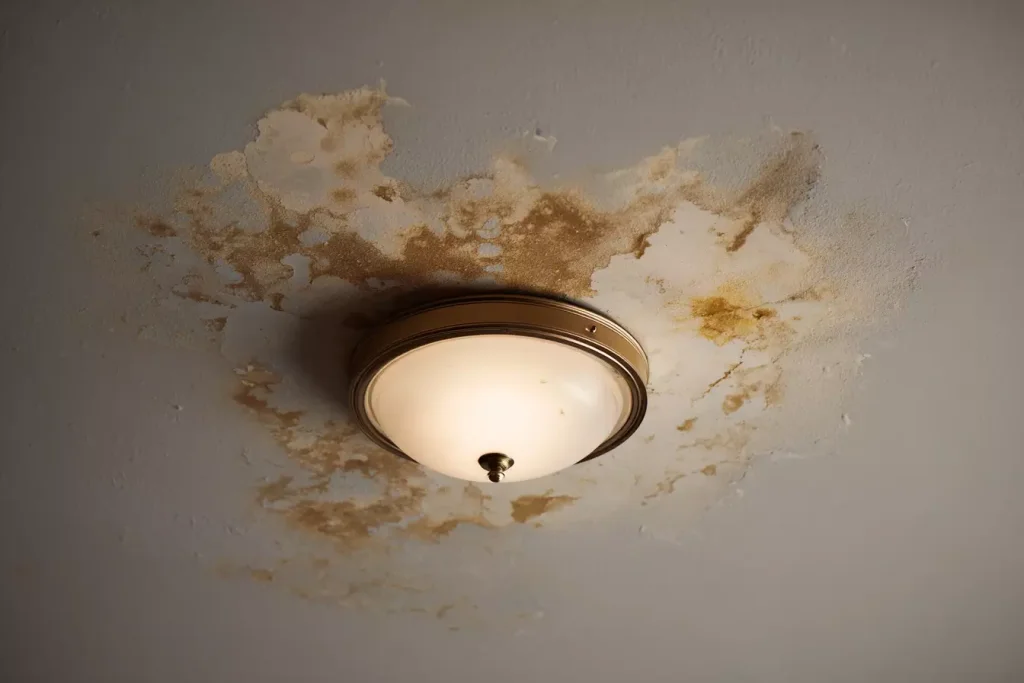
Yellow or brown discolouration on your ceiling is one of the most obvious signs of a roof leak. These stains typically appear as irregular circles with darker edges and lighter centers. Fresh leaks may cause paint to bubble or peel, while older leaks might create rings as they expand over time.
Mould and Mildew Growth
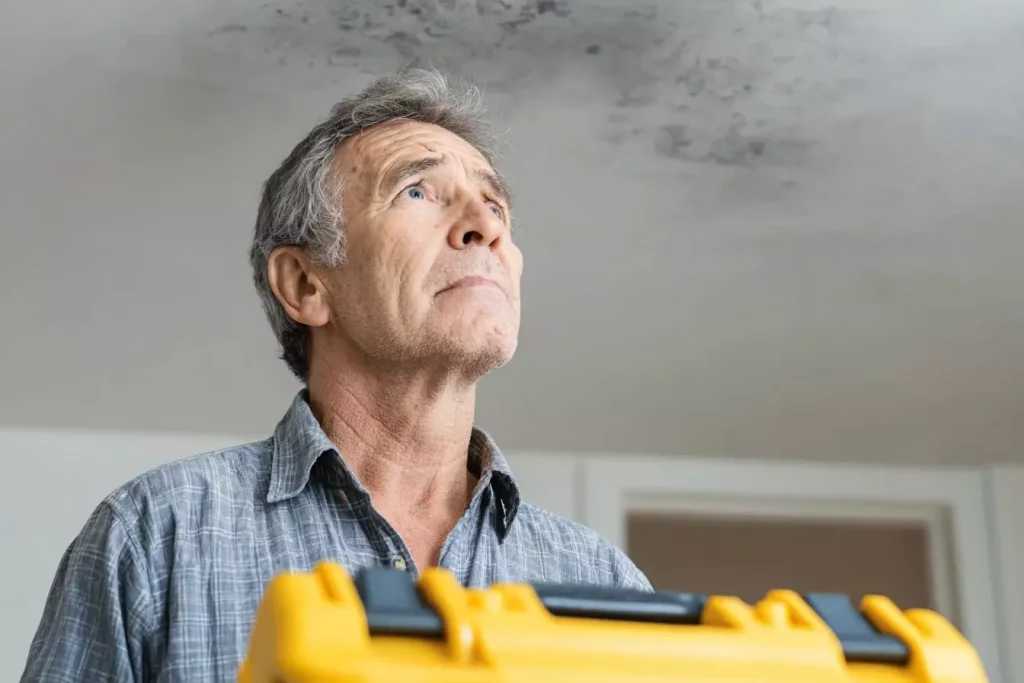
Persistent roof leaks create ideal conditions for mould growth. According to CSIRO research, mould exposure can trigger respiratory issues, allergic reactions, and exacerbate asthma, particularly in children and the elderly. Look for black, green, or grey spots on ceilings and upper walls, especially in corners.
Damp Attic Insulation
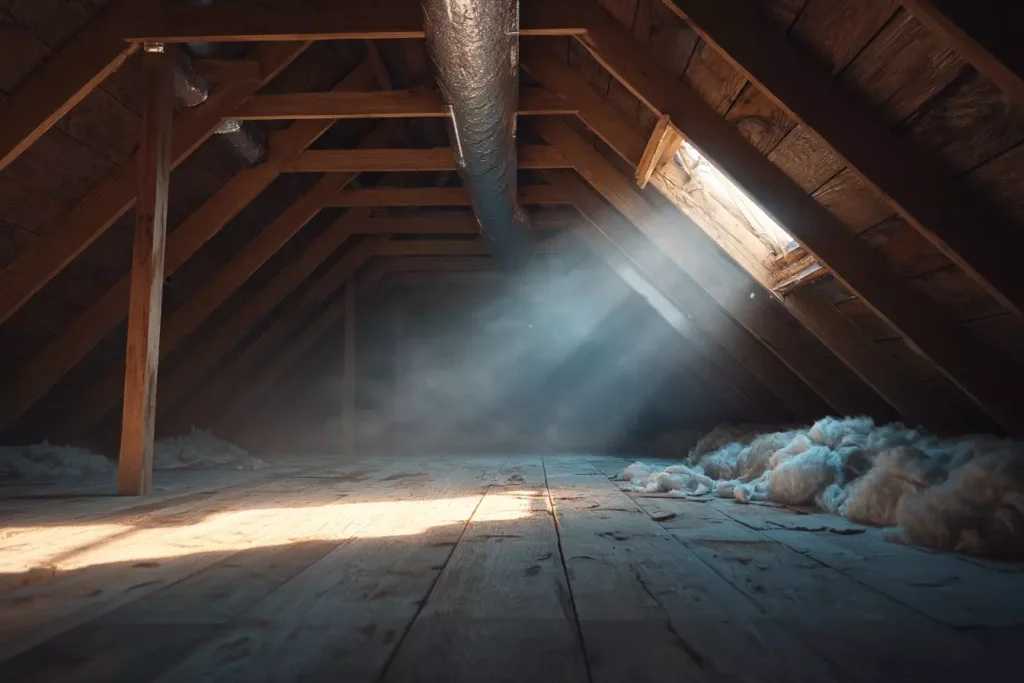
Inspect your attic regularly for signs of moisture. Wet or compressed insulation loses its effectiveness and becomes a breeding ground for mould. If your insulation feels damp or appears discoloured, you likely have a roof leak that needs immediate attention.
Visible Light Through Roof Boards
During daylight hours, enter your attic and look up. If you can see daylight coming through the roof boards, you have gaps that are allowing water to enter. This is particularly common around chimneys, vents, and where different roof planes meet.
Unexplained Increase in Energy Bills
A sudden spike in your energy bills could indicate that your roof’s insulation has been compromised by water damage. When insulation becomes wet, it loses its thermal resistance, forcing your heating and cooling systems to work harder.
Exterior Clues of Roof Damage
Regular external roof inspections can help you identify problems before they penetrate your home’s interior. Here are the key exterior signs to watch for:
| Warning Sign | Likely Cause | Urgency Level |
| Sagging roofline | Structural weakening, water damage to decking | Immediate professional inspection |
| Missing or cracked tiles/shingles | Wind damage, age deterioration | Within 7-14 days |
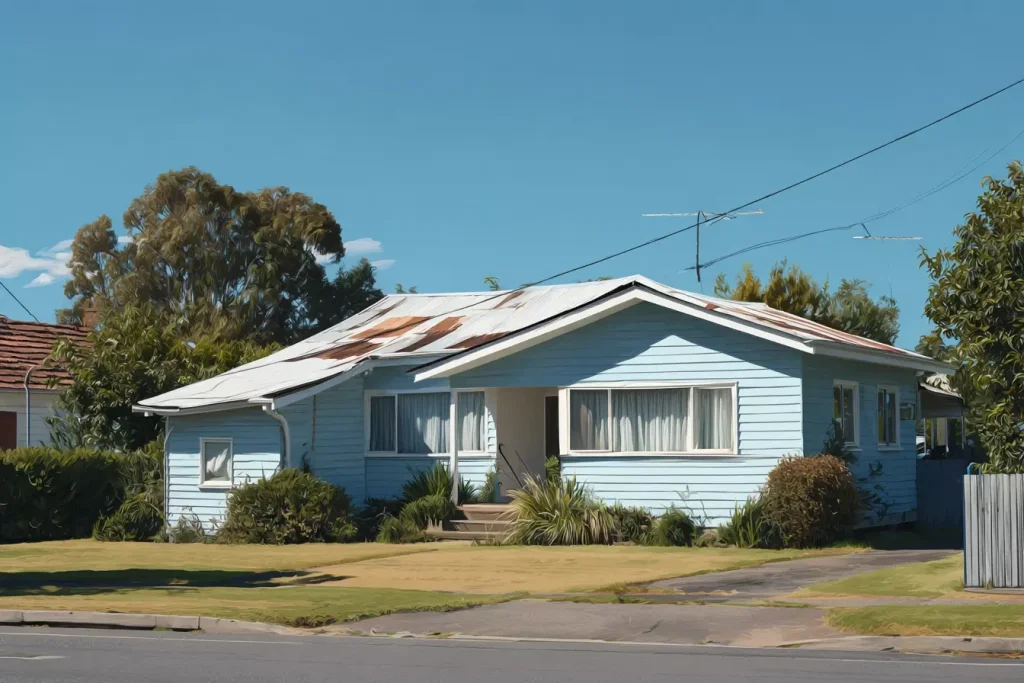
| Rust spots on metal roof | Corrosion from coastal air, scratched coating | Address within 14 days |
| Loose or damaged flashing | Wind, improper installation, age | Within 7 days |
| Granules in gutters | Shingle deterioration, hail damage | Schedule inspection within 30 days |
Cracked or Missing Roof Tiles
Inspect your roof for cracked, broken, or missing tiles or shingles. These damaged areas allow water to penetrate your roof structure. According to Bureau of Meteorology data, Australian homes in coastal areas are particularly vulnerable to tile damage due to salt corrosion and high winds.
Damaged or Rusted Flashing
Flashing—the metal strips that seal joints around chimneys, vents, and valleys—often deteriorates before other roofing components. Look for rust, cracks, or separation that could allow water entry. In coastal areas, salt spray can accelerate flashing deterioration by up to 300%.
Sagging Roof Sections
A sagging roofline indicates serious structural issues that require immediate professional attention. This problem often results from long-term water damage to the roof decking or supporting structures. Measure your roofline from different angles—any dip or wave greater than 5cm requires urgent assessment.
Granules in Gutters
If you have asphalt shingles, check your gutters for granule accumulation. While some granule loss is normal for new roofs, excessive amounts indicate advanced shingle deterioration. These protective granules shield your roof from UV damage, and their loss accelerates deterioration.
Seasonal Watch-Points for Roof Damage
Australian weather patterns create specific seasonal risks for your roof. Understanding these patterns helps you know when to be extra vigilant.
Post-Storm Checks
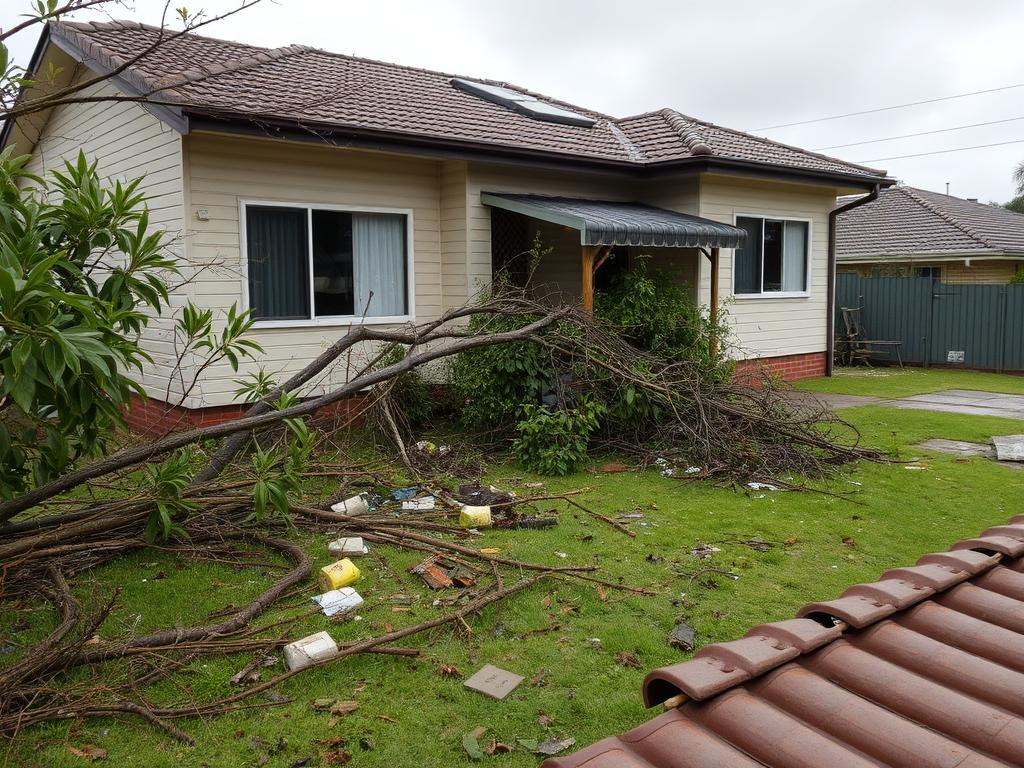
After severe storms, conduct a visual inspection from ground level using binoculars. Look for displaced tiles, debris accumulation, and damaged flashing. According to Safe Work Australia, ladder-related injuries spike after storms as homeowners attempt unsafe roof inspections. Always prioritize safety and consider professional assessment for thorough post-storm evaluations.
Cyclone Season Preparation
In northern Australia, the cyclone season (November to April) demands proactive roof maintenance. Secure loose materials, clear gutters, and trim overhanging branches before the season begins. The Bureau of Meteorology’s cyclone warnings provide critical advance notice for protective measures.
Bushfire Ember Protection
During bushfire season, embers can travel up to 10km and lodge in roof cavities. Ensure all roof gaps are sealed, gutters are clear of debris, and roof valleys are protected. Metal roofing offers superior ember protection compared to other materials, but all roof types require regular maintenance in bushfire-prone areas.
Roof Health Checklist and Inspection Frequency
Regular inspections are your best defense against escalating roof problems. Use this comprehensive checklist to maintain your roof’s health.
DIY Roof Inspection Checklist
Interior Checks (Monthly):
- Check ceilings for water stains or discoloration
- Inspect attic for daylight, moisture, or wet insulation
- Look for mould growth on ceiling or upper walls
- Monitor energy bills for unexplained increases
- Check for dripping sounds during rain
Exterior Checks (Quarterly):
- Examine roof for missing, cracked, or curled tiles/shingles
- Check metal roofing for rust spots or loose fasteners
- Inspect flashing around chimneys, vents, and valleys
- Clear gutters and downpipes of debris
- Look for sagging sections or uneven roofline
- Check for moss, algae, or lichen growth
Professional vs DIY Inspections
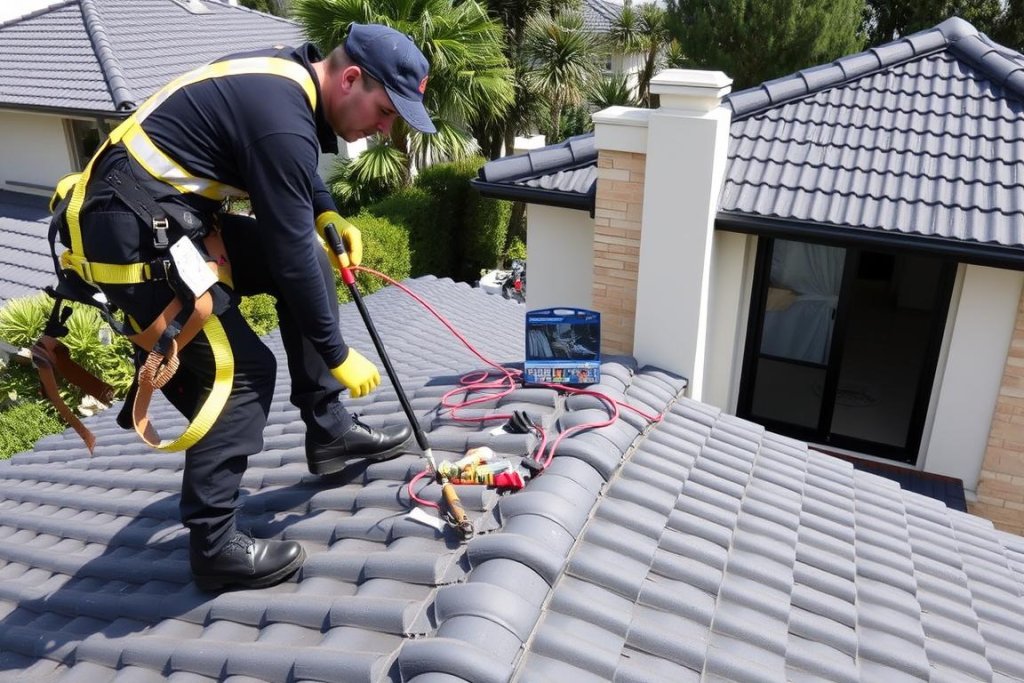
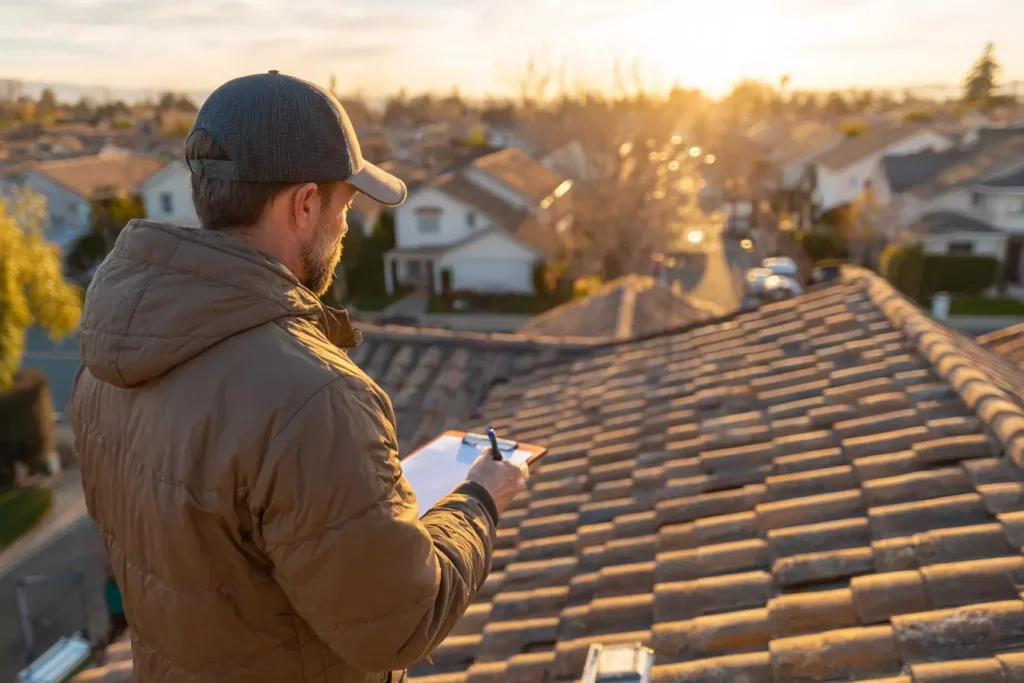
While regular DIY visual inspections are valuable, professional roof assessments provide comprehensive evaluation. Schedule professional roof inspections annually, or bi-annually if your home is in a coastal or high-risk area. Professional roofers can safely access all roof areas and identify problems invisible from ground level.
Cost Implications: Early Detection vs. Delayed Repairs
The financial benefits of early problem detection are substantial. Consider these average repair costs in Australia:
Early Intervention Costs
- Replacing 5-10 damaged tiles: $200-$400
- Flashing repairs: $300-$600
- Gutter cleaning and minor repairs: $150-$350
- Spot treatment for rust on metal roofing: $250-$500
- Professional roof inspection: $250-$450
Delayed Repair Costs
- Full roof restoration: $8,000-$15,000
- Structural repairs from water damage: $5,000-$20,000
- Complete roof replacement: $15,000-$30,000
- Interior ceiling and wall repairs: $2,000-$5,000
- Mould remediation: $2,000-$6,000
According to Australian Institute of Health and Welfare, addressing roof issues promptly can also prevent health problems associated with mould exposure, potentially saving thousands in medical expenses.
When to Call a Professional Roofer
While some minor roof maintenance can be handled by homeowners, certain situations demand professional expertise. Contact a qualified roofer immediately if you notice any of these red flags:
- Sagging roof sections – indicates structural compromise requiring immediate attention
- Multiple missing or damaged tiles/shingles – beyond simple replacement
- Interior water stains that expand rapidly – suggests active leaks
- Significant granule loss from asphalt shingles
- Daylight visible through roof boards in your attic
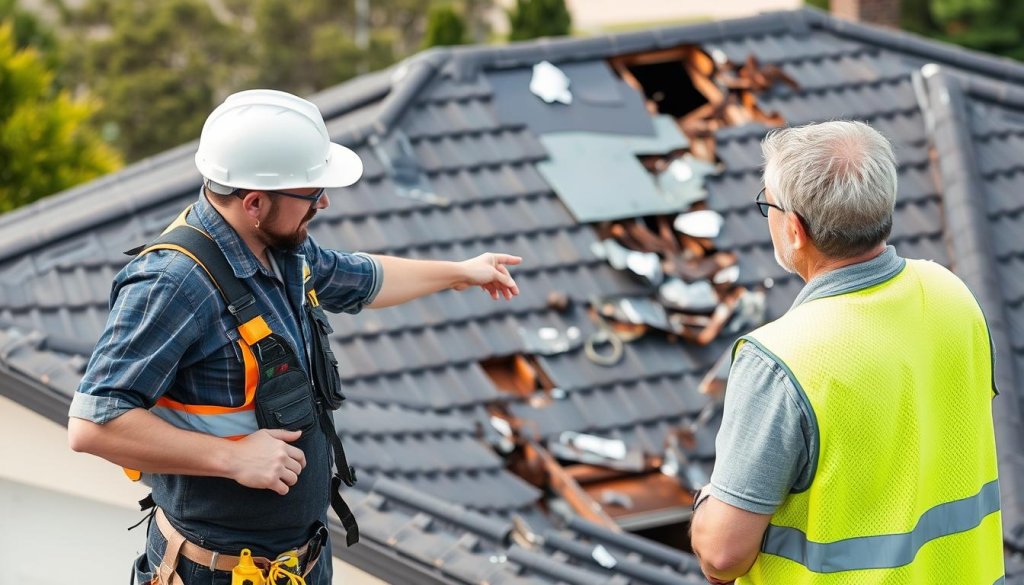
- Storm damage including impact from fallen branches
- Flashing that has separated from chimneys or walls
- Gutters pulling away from the roofline
For homes over 15 years old, consider a comprehensive roof assessment by a structural engineer every 5-7 years. This provides detailed evaluation of your roof’s structural integrity beyond surface-level issues.
Safety Warning
Never attempt to inspect or repair your roof during wet weather, high winds, or extreme heat. According to Safe Work Australia, falls from heights account for 11% of all work-related fatalities. Always prioritize safety over immediate repairs.
Frequently Asked Questions
How often should I inspect my roof in Australia?
In most Australian regions, conduct visual inspections quarterly and after severe weather events. Schedule professional inspections annually, or bi-annually if you live in coastal areas or cyclone-prone regions. Homes over 15 years old benefit from more frequent professional assessments.
Can I fix rusted metal roofing myself?
Minor surface rust can sometimes be treated DIY with appropriate rust converters and roof-grade paint. However, once rust has penetrated the metal or covers more than a few small spots, professional repair is recommended. Improper treatment can accelerate deterioration and void warranties.
What’s the difference between normal aging and damage requiring repair?
Normal aging appears as uniform weathering across your roof, while damage requiring repair typically shows as localized issues (missing tiles, sagging sections, concentrated rust). Even aged roofs should maintain structural integrity and water resistance. If water penetration occurs, immediate repair is needed regardless of age.
Are ceiling water stains always caused by roof leaks?
While roof leaks are the most common cause of ceiling water stains, they can also result from plumbing leaks, condensation issues, or air conditioning problems. To determine the source, consider the stain’s location, when it appears (during rain or constantly), and whether it’s near plumbing fixtures or HVAC components.
Will my home insurance cover roof damage?
Most Australian home insurance policies cover sudden, accidental roof damage from storms, falling trees, or impact. However, damage from gradual deterioration, lack of maintenance, or age-related wear is typically excluded. Document all roof damage with photos and report claims promptly. Regular maintenance and inspection records strengthen your claim position.
Protecting Your Home Through Early Detection
Recognizing the early signs of roof damage in Australia is your first line of defense against costly repairs and structural compromise. By implementing regular inspections, understanding seasonal risks, and addressing minor issues promptly, you can extend your roof’s lifespan by 10-15 years and protect your most valuable asset.
Remember that proper gutter cleaning and maintenance play crucial roles in roof health. Clear gutters prevent water backup that can damage fascia boards and roof edges, while proper ventilation prevents moisture buildup that accelerates deterioration.
Protect Your Home with a Free Roof Health Check
Don’t wait for small issues to become costly repairs. Our experienced roof specialists can identify problems before they escalate, potentially saving you thousands in repair costs.
Book Your Free Roof Inspection
Call Now: (02) 9000 0000Flat Roof Drainage Done Right: Scuppers, Rainheads, Overflows & AS/NZS 3500 Essentials
Read More »Cyclone-Resistant Roofing: Design and Material Tips for Northern Australia
Read More »Cool Roofs in Australian Climates: Do High-Reflectance Coatings Pay Off?
Read More »At Roofs.com.au, we are dedicated to providing top-quality roofing services across Australia. With years of experience in the roofing industry, we have earned a reputation for delivering reliable, efficient, and high-quality roofing solutions.
Navigation
Get in Touch
We’d love to hear from you! Whether you need a roof inspection, a free quote, or emergency roof repairs, our team is ready to assist you. Please visit our Contact Page to get in touch with us.
Contact Us Copyright © Roofs.com.au. All Rights Reserved.Roofs.com.au
REQUEST A QUOTE
At Roofs.com.au, we take pride in being responsive, reliable, and ready to solve all your roofing needs. Simply complete the form & one of our team member will be in contact with you shortly.
Request a QuoteRoofs.com.au
Submit your interest
Submit your interest using the form below. We will review your details and get back to you.
Images on This Page
-
https://roofs.com.au/wp-content/uploads/2025/05/roofs.com_.au-logo.png
(no alt text)
-
https://roofs.com.au/wp-content/uploads/2025/07/image-55-1024x683.webp
(no alt text)
-
https://roofs.com.au/wp-content/uploads/2025/07/image-56-1024x683.webp
(no alt text)
-
https://roofs.com.au/wp-content/uploads/2025/07/image-57-1024x683.webp
(no alt text)
-
https://roofs.com.au/wp-content/uploads/2025/07/Cracked-terracotta-roof-tiles-showing-early-signs-of-roof-damage-in-Australia.jpeg
Cracked terracotta roof tiles showing early signs of roof damage in Australia
-
https://roofs.com.au/wp-content/uploads/2025/07/image-58-1024x683.webp
(no alt text)
-
https://roofs.com.au/wp-content/uploads/2025/07/Australian-home-after-storm-showing-debris-and-potential-roof-damage.jpeg
Australian home after storm showing debris and potential roof damage
-
https://roofs.com.au/wp-content/uploads/2025/07/Roof-inspection-after-bushfire-season-showing-ember-accumulation-points-1024x585.jpeg
Roof inspection after bushfire season showing ember accumulation points
-
https://roofs.com.au/wp-content/uploads/2025/07/Professional-roofer-conducting-a-thorough-roof-inspection-in-Australia-1024x683.jpeg
Professional roofer conducting a thorough roof inspection in Australia
-
https://roofs.com.au/wp-content/uploads/2025/07/Professional-roofer-assessing-severe-roof-damage-on-an-Australian-home-1024x585.jpeg
Professional roofer assessing severe roof damage on an Australian home
-
https://roofs.com.au/wp-content/uploads/2025/07/image-59-1024x683.webp
(no alt text)
-
https://roofs.com.au/wp-content/uploads/2025/09/image-22.webp
(no alt text)
-
https://roofs.com.au/wp-content/uploads/2025/12/image-12.webp
(no alt text)
-
https://roofs.com.au/wp-content/uploads/2025/09/image-27.webp
(no alt text)
-
https://roofs.com.au/wp-content/uploads/2024/07/roofs.com_.au-logo-2.png
(no alt text)