Roof Sarking, Vapour Control, Permeable vs. Non-Permeable Membranes, Australia Climate Zones
- September 23, 2025
When building in Australia’s diverse climate zones, choosing the right roof sarking and vapour control membrane is crucial for long-term building performance. The wrong selection can lead to condensation issues, mould growth, and structural damage. This comprehensive guide examines permeable versus non-permeable membranes across Australia’s climate zones, helping you make informed decisions that ensure compliance with the latest building codes while protecting your investment.
Understanding Roof Sarking and Vapour Control Fundamentals
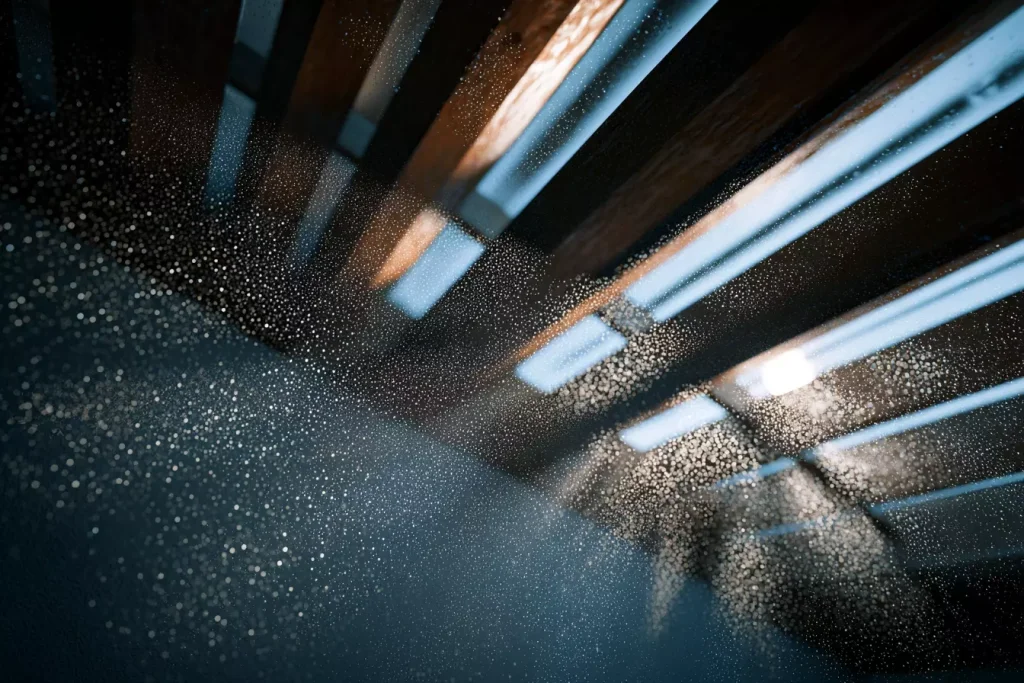
Cross-section showing proper roof sarking installation with vapour control layers
What is Roof Sarking?
Roof sarking is a secondary protective layer installed under roofing materials. It serves multiple purposes in the building envelope, acting as a barrier against dust, wind-driven rain, and providing additional thermal benefits. In Australian construction, sarking plays a vital role in moisture management and energy efficiency.
Vapour Barriers vs. Vapour Permeable Membranes
Understanding the difference between these membrane types is essential for proper moisture control:
Vapour Barriers (Non-Permeable)
Traditional sarking materials like reflective foil act as vapour barriers, preventing water vapour from passing through in either direction. While effective at keeping external moisture out, they can trap internal moisture within the building envelope, potentially leading to condensation issues.
Vapour Permeable Membranes
These modern “breathable” membranes allow water vapour to escape while still preventing liquid water from entering. They function like a breathable raincoat for your building, helping manage internal moisture and reduce condensation risks, particularly in cooler climates.
NCC 2022 Requirements
The National Construction Code (NCC) 2022 has introduced stricter requirements for condensation management in buildings. Part 10.8.1 specifically addresses external wall construction and the use of pliable building membranes (sarking). Key requirements include:
- Climate Zones 4 and 5: Require at least a Class 3 vapour permeable membrane (≥0.143 µg/N.s)
- Climate Zones 6, 7, and 8: Require a Class 4 vapour permeable membrane (≥1.14 µg/N.s)
- Proper installation with an air gap to allow condensation drainage
- Compliance with Australian Standards AS 4200.1 and AS 4200.2
Comparing Permeable and Non-Permeable Membrane Types
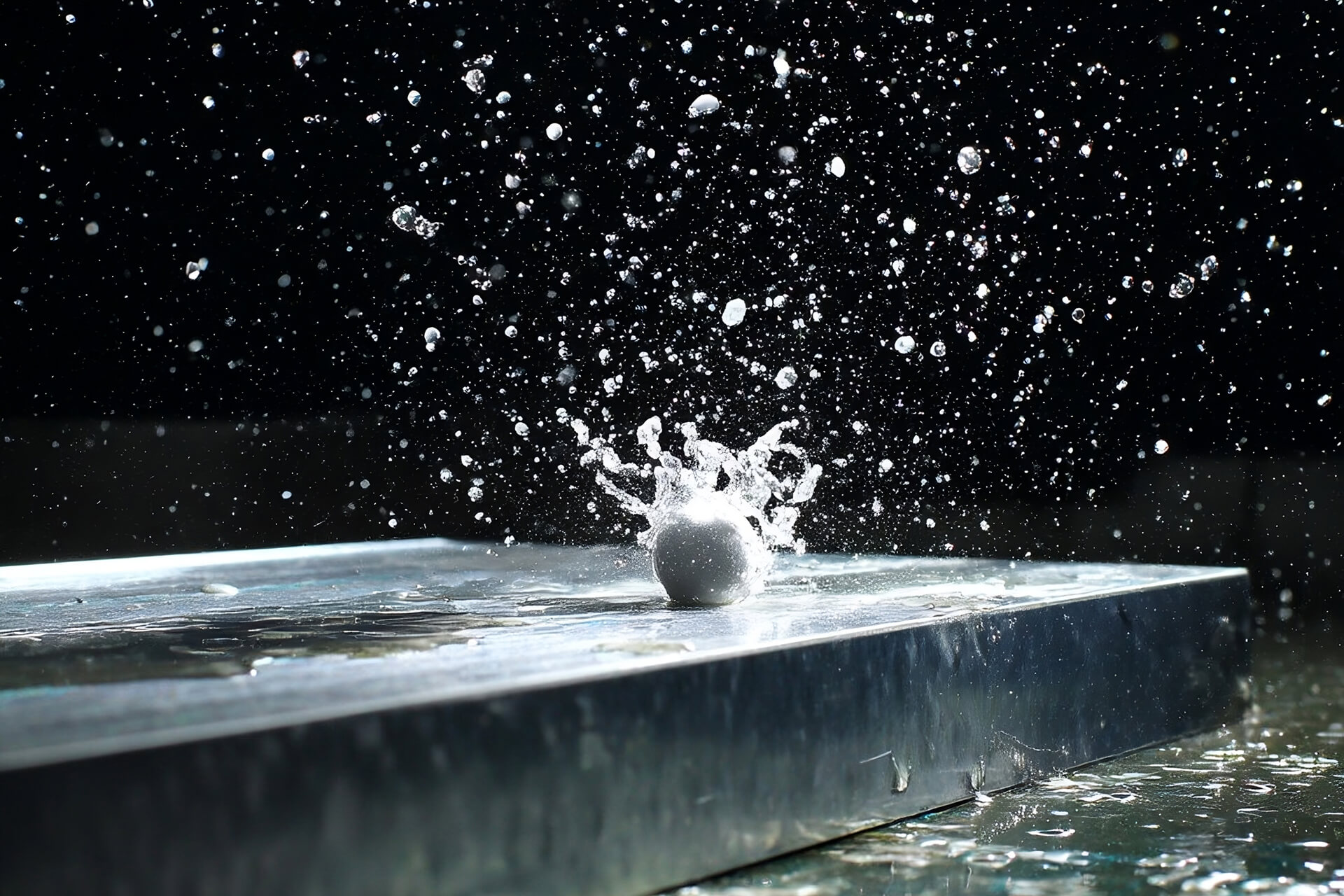
Moisture movement through permeable vs. non-permeable membranes
Permeable Membrane Properties
Vapour permeable membranes are classified based on their permeability levels according to AS/NZS 4200.1. These modern synthetic materials offer several advantages:
- Allow internal moisture to escape while blocking external water
- Reduce condensation risk within wall and roof cavities
- Help maintain insulation effectiveness by keeping it dry
- Improve indoor air quality by reducing mould growth potential
Non-Permeable Membrane Characteristics
Traditional non-permeable membranes like reflective foil sarking have been used in Australian construction for decades. Their properties include:
- Excellent water resistance and wind barrier properties
- Reflective thermal properties that can reduce radiant heat transfer
- Complete vapour barrier that prevents moisture movement in both directions
- Lower initial cost compared to some permeable alternatives
| Performance Criteria | Permeable Membranes | Non-Permeable Membranes |
| Water Resistance (mm hydrostatic head) | 1,500-2,500mm | 2,000-3,000mm |
| Vapour Permeability (g/m²/day) | 300-1,500 g/m²/day | <0.1 g/m²/day |
| Thermal Performance (R-value contribution) | 0.1-0.2 with air gap | 0.2-0.3 with reflective air gap |
| Condensation Risk Management | High | Low |
| NCC 2022 Compliance (Zones 6-8) | Yes (Class 4) | No |
Microscopic structure of vapour permeable membrane showing breathable technology
Australian Climate Zone Analysis for Membrane Selection
Australia’s climate zones and recommended membrane types according to NCC 2022
Tropical North (Zones 1-2): Humidity Management
In the hot, humid regions of northern Australia, buildings face unique moisture challenges:
Climate Characteristics
- High humidity levels year-round
- Significant rainfall during wet season
- Buildings typically air-conditioned (cooled)
Membrane Recommendations
- Non-permeable reflective foil sarking often preferred
- Prevents external humidity from entering air-conditioned spaces
- Reflective properties help reduce heat gain
“In Darwin, we installed reflective foil sarking in a new development and found it effectively prevented the high external humidity from entering the air-conditioned building envelope, reducing cooling costs by approximately 15%.”
— Mark Jennings, Building Consultant, Northern Territory
Temperate Coastal (Zones 5-6): Condensation Risks
Australia’s temperate coastal regions present moderate but significant condensation challenges:
Condensation damage in roof cavity due to incorrect membrane selection
Climate Characteristics
- Moderate temperature variations
- Seasonal heating and cooling requirements
- Morning dew and seasonal humidity
Membrane Recommendations
- Class 3 vapour permeable membranes required by NCC
- Allows internal moisture to escape during heating seasons
- Still provides effective water resistance
Alpine Regions (Zone 7-8): Thermal Bridging Solutions
In Australia’s coldest regions, condensation risk is highest due to significant temperature differentials:
Proper membrane installation in alpine climate construction
Climate Characteristics
- Extended heating seasons
- Significant indoor-outdoor temperature differences
- Snow and ice considerations
Membrane Recommendations
- Class 4 high-permeability membranes mandatory
- Crucial for preventing interstitial condensation
- Must be installed with proper thermal break details
Case Study: A luxury home in Thredbo had significant mould issues despite using quality insulation. The problem was traced to a non-permeable sarking that trapped moisture within the walls during the heating season. After retrofitting with a Class 4 vapour permeable membrane and proper ventilation, the issues were resolved, though at significant expense.
Installation Best Practices for Different Membrane Types
Professional installation of vapour permeable membrane showing proper overlap technique
Lap Sealing Requirements
Proper sealing of membrane overlaps is critical for system performance:
| Membrane Type | Minimum Overlap | Sealing Method | Special Considerations |
| Permeable (Synthetic) | 150mm | Compatible tape system | Ensure tape adheres in all weather conditions |
| Non-Permeable (Foil) | 100mm | Foil tape | Clean surfaces before taping |
| Wall-Roof Junctions | 200mm | Compatible system tape | Ensure continuity of air/vapour control |
Ventilation Integration Strategies
Proper ventilation works hand-in-hand with appropriate membrane selection:
Integrated roof ventilation system working with vapour permeable membrane
- Ensure adequate roof space ventilation, especially with non-permeable membranes
- Install eave and ridge vents to create natural airflow paths
- Consider mechanical ventilation in high-humidity areas like bathrooms and kitchens
- Maintain clear ventilation paths above insulation in cathedral ceilings
Common Installation Mistakes in Australian Construction
Avoid these frequent errors that compromise membrane performance:
Permeable Membrane Mistakes
- Installing upside down (direction matters for some products)
- Using incompatible tapes or sealants
- Excessive penetrations without proper sealing
- Incorrect placement relative to insulation
Non-Permeable Membrane Mistakes
- Inadequate ventilation provision
- Tears and punctures left unsealed
- Incorrect orientation of reflective surface
- Compression of required air gaps
Common installation mistakes to avoid with roof sarking membranes
Regulatory Compliance and Standards
Laboratory testing for AS/NZS 4200.1:2023 compliance
AS/NZS 4200.1:2023 Updates
The latest Australian Standard for pliable building membranes includes important updates:
- Revised classification system for vapour permeability (Classes 1-4)
- Updated testing methodologies for water resistance
- New durability requirements for UV exposure
- Enhanced fire performance criteria
Bushfire-Prone Area Requirements
In bushfire-prone areas, membrane selection must also consider fire safety:
| BAL Rating | Membrane Requirements | Installation Considerations |
| BAL-LOW to BAL-12.5 | Standard membranes acceptable | Normal installation practices |
| BAL-19 to BAL-29 | Non-combustible or fire-retardant membranes | Seal all joints and penetrations |
| BAL-40 to BAL-FZ | Non-combustible membranes only | Special detailing around openings |
Important: Always verify that your selected membrane has appropriate documentation confirming compliance with both AS/NZS 4200.1 and the specific requirements for your climate zone and bushfire rating. Non-compliant installations may void building insurance and create liability issues.
Making the Right Choice for Your Climate Zone
Selecting the appropriate roof sarking and vapour control membrane is a critical decision that impacts building performance, durability, and occupant health. In Australia’s diverse climate zones, there is no one-size-fits-all solution. The key considerations should be:
- Your specific climate zone and its moisture challenges
- NCC 2022 requirements for your region
- The building’s heating and cooling strategy
- Long-term performance and durability needs
While non-permeable membranes may still be appropriate in tropical regions, the trend toward more airtight, energy-efficient construction makes vapour permeable membranes the safer choice in most Australian climate zones, particularly in areas with seasonal heating requirements.
Need Expert Advice on Membrane Selection?
Our building science team specializes in moisture management solutions across all Australian climate zones. Get personalized recommendations that ensure NCC compliance and optimal performance for your specific project.
Request Expert Consultation
Call 1800 123 456 for immediate assistanceUnderstanding and Managing Hail Storm Roof Damage in Australia
Read More »DIY Roof Inspection Tips & Safety for Australian Homeowners: 2025 Step‑by‑Step Guide
Read More »Best Roof Insulation and Ventilation Products: Top Picks for Energy Efficiency and Comfort
Read More »At Roofs.com.au, we are dedicated to providing top-quality roofing services across Australia. With years of experience in the roofing industry, we have earned a reputation for delivering reliable, efficient, and high-quality roofing solutions.
Navigation
Get in Touch
We’d love to hear from you! Whether you need a roof inspection, a free quote, or emergency roof repairs, our team is ready to assist you. Please visit our Contact Page to get in touch with us.
Contact Us Copyright © Roofs.com.au. All Rights Reserved.Roofs.com.au
REQUEST A QUOTE
At Roofs.com.au, we take pride in being responsive, reliable, and ready to solve all your roofing needs. Simply complete the form & one of our team member will be in contact with you shortly.
Request a QuoteRoofs.com.au
Submit your interest
Submit your interest using the form below. We will review your details and get back to you.
Images on This Page
-
https://roofs.com.au/wp-content/uploads/2025/05/roofs.com_.au-logo.png
(no alt text)
-
https://roofs.com.au/wp-content/uploads/2025/09/image-11-1024x683.webp
(no alt text)
-
https://roofs.com.au/wp-content/uploads/2025/09/image-12-1024x683.webp
(no alt text)
-
https://roofs.com.au/wp-content/uploads/2025/09/image-13-1024x683.webp
(no alt text)
-
https://roofs.com.au/wp-content/uploads/2025/09/image-14-1024x683.webp
(no alt text)
-
https://roofs.com.au/wp-content/uploads/2025/05/Understanding-and-Managing-Hail-Storm-Roof-Damage.jpeg
(no alt text)
-
https://roofs.com.au/wp-content/uploads/2025/07/image-25.webp
(no alt text)
-
https://roofs.com.au/wp-content/uploads/2025/08/image-14.webp
(no alt text)
-
https://roofs.com.au/wp-content/uploads/2024/07/roofs.com_.au-logo-2.png
(no alt text)