How Roof Ventilation Reduces Mould and Lowers Energy Bills
- June 16, 2025
Is your home suffering from persistent mould issues or skyrocketing energy bills? The solution might be right above your head. Proper roof ventilation acts like a breathing system for your house, expelling excess heat and moisture while maintaining a balanced, healthy environment. In this guide, we’ll explore how effective roof ventilation simultaneously combats mould growth and reduces energy costs, providing you with a more comfortable, efficient, and healthier home.
How Roof Ventilation Works: Your Home’s Breathing System
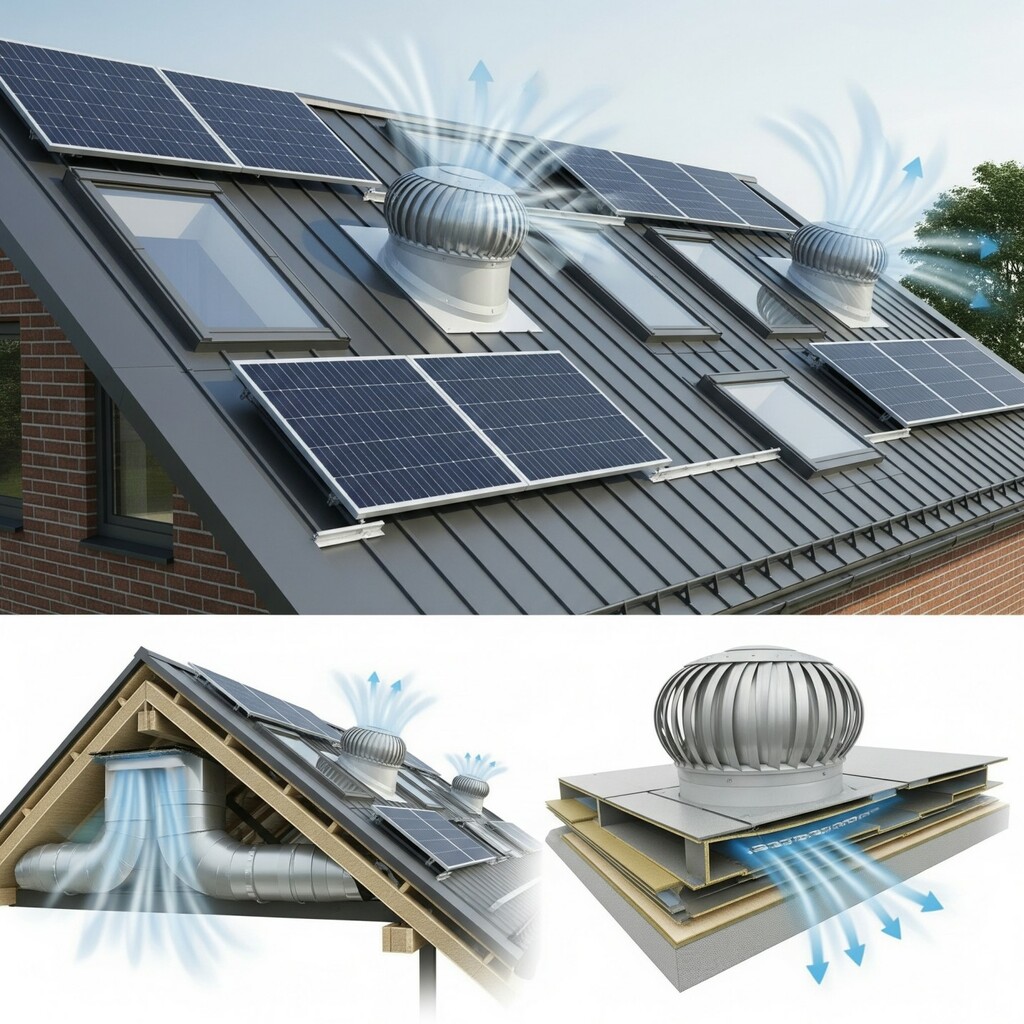
Roof ventilation operates on a simple yet effective principle: creating a continuous flow of air through your roof space. This system requires both intake and exhaust components working together to maintain proper airflow.
The Intake and Exhaust Balance
Effective roof ventilation requires a balanced system of intake and exhaust vents. Intake vents, typically located at the eaves or soffits, allow fresh air to enter the roof space. Exhaust vents, positioned at or near the ridge (highest point of the roof), allow hot air and moisture to escape.
Intake Components
- Soffit vents allow cool, fresh air to enter
- Eave vents provide alternative intake points
- Gable vents can serve as intake in some designs
- Proper intake prevents negative pressure issues
Exhaust Components
- Ridge vents run along the peak of the roof
- Roof ventilators (whirlybirds) provide spot ventilation
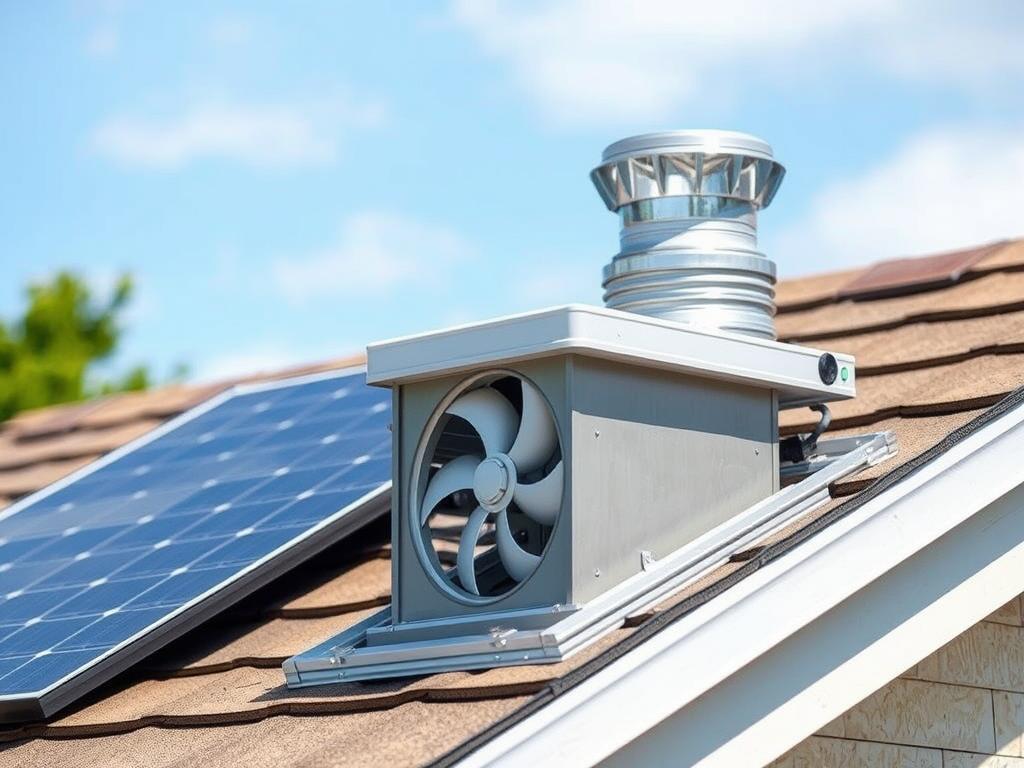
- Solar-powered roof fans actively extract hot air
- Static vents allow passive heat and moisture escape
This continuous airflow creates what experts call the “stack effect” – as hot air naturally rises and exits through the exhaust vents, it creates negative pressure that pulls fresh air in through the intake vents. This natural circulation is the foundation of effective roof ventilation.
How Poor Roof Ventilation Leads to Mould Growth
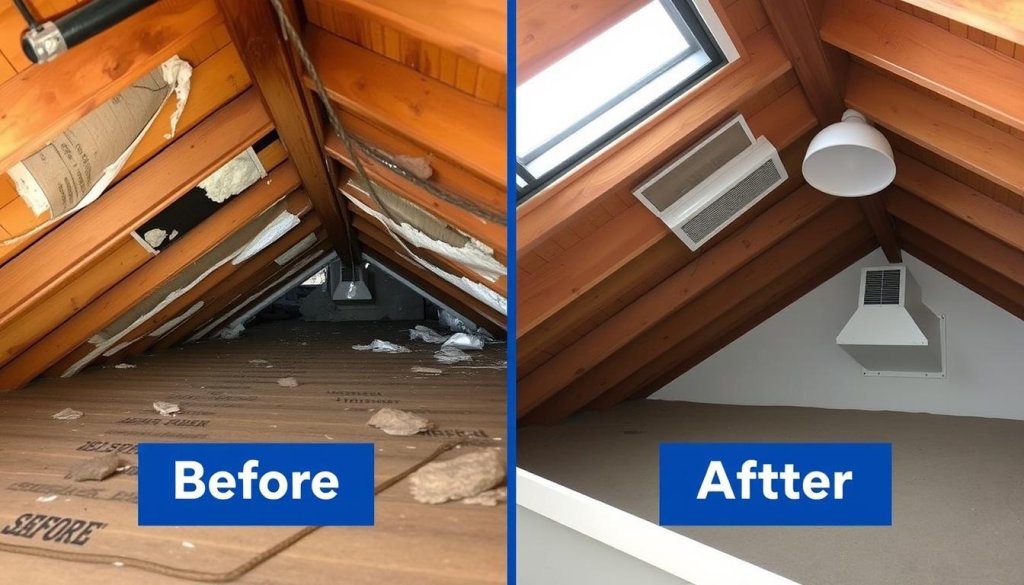
Inadequate roof ventilation creates the perfect environment for mould to thrive. When warm, moist air becomes trapped in your roof space, it condenses on cooler surfaces, creating ideal conditions for mould and mildew growth.
The Moisture Cycle in Poorly Ventilated Roofs
Without proper ventilation, your roof space becomes a moisture trap. Everyday activities like showering, cooking, and even breathing release moisture into your home. This warm, humid air naturally rises and becomes trapped in your roof cavity where it condenses on cooler surfaces like rafters and insulation.
Sources of Moisture
- Bathroom showers and baths
- Kitchen cooking and dishwashers
- Laundry activities
- Human respiration and perspiration
- Leaking pipes or roof penetrations
Health Risks of Mould
- Respiratory issues and allergic reactions
- Asthma triggers and chronic coughing
- Eye and skin irritation
- Headaches and fatigue
- Potential long-term health complications
Beyond health concerns, mould can cause significant structural damage to your home. It deteriorates timber, damages insulation, and can even compromise the integrity of your roof structure over time.
Concerned About Mould in Your Roof Space?
Our roof ventilation experts can inspect your home for signs of inadequate ventilation and mould growth. Early detection can prevent serious health issues and costly structural damage.
Roof Ventilation and Energy Efficiency: The Direct Connection
Proper roof ventilation doesn’t just prevent mould—it’s also a powerful ally in reducing your energy bills. By regulating temperatures in your roof space, ventilation systems minimize the workload on your heating and cooling systems year-round.
Summer Benefits: Keeping Your Cool
During hot summer months, roof spaces without adequate ventilation can reach temperatures of 60-70°C. This extreme heat radiates downward into living spaces, forcing air conditioning systems to work harder and consume more energy.
A properly ventilated roof can reduce attic temperatures by up to 30°C in summer, resulting in energy savings of 10-15% on cooling costs.
Australian Building Science Institute
Winter Advantages: Moisture Control
In winter, proper roof ventilation prevents moisture buildup that can dampen insulation. Wet insulation loses its thermal resistance properties, making your heating system work harder to maintain comfortable temperatures.
Summer Energy Benefits
- Reduces cooling load by up to 30%
- Prevents heat transfer to living spaces
- Extends air conditioner lifespan
- Maintains consistent indoor temperatures
Winter Energy Benefits
- Preserves insulation effectiveness
- Prevents condensation on roof structures
- Reduces heating requirements
- Prevents ice dam formation in colder regions
The energy savings from proper roof ventilation typically provide a return on investment within 2-3 years, making it one of the most cost-effective home improvements for energy efficiency.
Comparing Roof Ventilation Types: Finding Your Perfect Match
Not all roof ventilation systems are created equal. Different homes and climates require specific ventilation solutions. Here’s a comparison of the most effective options to help you determine the best fit for your home.
| Ventilation Type | Effectiveness | Cost Range | Installation Complexity | Best For |
| Ridge Vents | High | $25-45 per linear meter | Moderate | Most residential roofs, especially with soffit vents |
| Soffit Vents | Medium (intake only) | $10-30 per unit | Low | Complementing ridge or other exhaust vents |
| Whirlybirds (Turbine Vents) | Medium | $80-200 per unit | Low | Windy areas, spot ventilation needs |
| Solar-Powered Roof Fans | Very High | $300-800 per unit | Moderate | Hot climates, large roof spaces |
| Gable Vents | Medium | $50-150 per unit | Moderate | Homes with gable roof designs |
Finding the Right Combination
The most effective roof ventilation systems typically combine multiple vent types to create a balanced airflow. For example, soffit vents paired with ridge vents create an efficient path for air to enter at the eaves and exit at the peak.
Pro Tip: For optimal performance, your roof ventilation system should provide at least 1 square foot of ventilation area for every 300 square feet of roof space. This 1:300 ratio ensures adequate airflow to prevent both moisture buildup and excessive heat.
Installation and Maintenance: Maximizing Your Roof Ventilation Benefits
Proper installation and regular maintenance are crucial for ensuring your roof ventilation system performs effectively over time. Whether you’re considering a DIY approach or hiring professionals, understanding the basics will help you make informed decisions.
Signs Your Home Needs Better Roof Ventilation
Visual Indicators
- Mould or mildew in roof space or upper walls
- Rusted roof nails or fasteners
- Warped or deteriorated roof sheathing
- Damaged or compressed insulation
- Peeling paint or wallpaper near ceilings
Performance Indicators
- Excessively hot upper floors in summer
- High cooling costs despite adequate insulation
- Ice dams forming on roof edges in winter
- Excessive humidity in living spaces
- Musty odours from the roof space
Professional vs. DIY Installation
While some ventilation components like soffit vents can be installed by experienced DIYers, most roof ventilation systems benefit from professional installation. Professionals ensure proper placement, sealing, and integration with your existing roof system.
How often should roof ventilation be inspected?
Roof ventilation systems should be inspected at least twice a year—ideally in spring and autumn. Additional inspections are recommended after severe storms or if you notice any of the warning signs mentioned above.
What maintenance does roof ventilation require?
Regular maintenance includes clearing debris from vent openings, checking for proper operation of moving parts (in turbine or powered vents), ensuring seals remain intact, and verifying that insulation isn’t blocking airflow to soffit vents.
Can I install roof ventilation on an existing roof?
Yes, most ventilation systems can be retrofitted to existing roofs. While it’s easier to install during a re-roofing project, experienced professionals can add ventilation to virtually any roof with minimal disruption.
Ready to Improve Your Home’s Ventilation?
Our roof ventilation specialists can assess your current setup and recommend the most effective solutions for your specific home and climate conditions.
Get a Free Ventilation Assessment
Conclusion: Breathe Easy with Proper Roof Ventilation
Effective roof ventilation is more than just a home improvement—it’s an investment in your family’s health and financial well-being. By preventing mould growth and reducing energy consumption, a properly ventilated roof creates a more comfortable, efficient, and healthy living environment.
Remember that the best ventilation system is one that’s properly sized and designed for your specific home. Whether you choose ridge vents, solar-powered fans, or a combination of ventilation types, ensuring adequate airflow through your roof space will pay dividends in reduced energy bills and a healthier home for years to come.
Take the Next Step Toward a Healthier, More Efficient Home
Contact our roof ventilation experts today to schedule a comprehensive assessment of your home’s ventilation needs. Our team will help you identify the most effective solutions to combat mould and reduce energy costs.
Call (02) 3456 7890Colorbond vs. Terracotta vs. Slate: Which Roof Material Suits Your Climate?
Read More »Understanding and Managing Hail Storm Roof Damage in Australia
Read More »Roof Fasteners in Coastal Zones: Coatings, Corrosion Categories & Failure Modes
Read More »At Roofs.com.au, we are dedicated to providing top-quality roofing services across Australia. With years of experience in the roofing industry, we have earned a reputation for delivering reliable, efficient, and high-quality roofing solutions.
Navigation
Get in Touch
We’d love to hear from you! Whether you need a roof inspection, a free quote, or emergency roof repairs, our team is ready to assist you. Please visit our Contact Page to get in touch with us.
Contact Us Copyright © Roofs.com.au. All Rights Reserved.Roofs.com.au
REQUEST A QUOTE
At Roofs.com.au, we take pride in being responsive, reliable, and ready to solve all your roofing needs. Simply complete the form & one of our team member will be in contact with you shortly.
Request a QuoteRoofs.com.au
Submit your interest
Submit your interest using the form below. We will review your details and get back to you.
Images on This Page
-
https://roofs.com.au/wp-content/uploads/2025/05/roofs.com_.au-logo.png
(no alt text)
-
https://roofs.com.au/wp-content/uploads/2025/06/Diagram-showing-how-roof-ventilation-airflow-works-through-intake-and-exhaust-vents.jpeg
Diagram showing how roof ventilation airflow works through intake and exhaust vents
-
https://roofs.com.au/wp-content/uploads/2025/06/Close-up-of-roof-ventilation-components-including-ridge-vents-and-soffit-vents.jpeg
Close-up of roof ventilation components including ridge vents and soffit vents
-
https://roofs.com.au/wp-content/uploads/2025/06/Mould-growth-in-poorly-ventilated-roof-space-showing-damage-to-timber-structures.jpeg
Mould growth in poorly ventilated roof space showing damage to timber structures
-
https://roofs.com.au/wp-content/uploads/2025/06/Comparison-of-a-well-ventilated-vs-poorly-ventilated-roof-space-showing-mould-prevention-1024x585.jpeg
Comparison of a well-ventilated vs poorly-ventilated roof space showing mould prevention
-
https://roofs.com.au/wp-content/uploads/2025/06/Thermal-imaging-comparison-of-a-home-with-and-without-proper-roof-ventilation.jpeg
Thermal imaging comparison of a home with and without proper roof ventilation
-
https://roofs.com.au/wp-content/uploads/2025/06/Solar-powered-roof-ventilation-fan-extracting-hot-air-from-roof-space.jpeg
Solar-powered roof ventilation fan extracting hot air from roof space
-
https://roofs.com.au/wp-content/uploads/2025/06/Professional-installing-roof-ventilation-system-on-a-residential-home-1024x585.jpeg
Professional installing roof ventilation system on a residential home
-
https://roofs.com.au/wp-content/uploads/2025/06/DIY-maintenance-of-roof-ventilation-system-showing-cleaning-of-vents.jpeg
DIY maintenance of roof ventilation system showing cleaning of vents
-
https://roofs.com.au/wp-content/uploads/2025/06/Before-and-after-comparison-of-a-roof-space-with-improved-ventilation-1024x585.jpeg
Before and after comparison of a roof space with improved ventilation
-
https://roofs.com.au/wp-content/uploads/2025/06/Family-enjoying-comfortable-home-environment-with-proper-roof-ventilation-1024x585.jpeg
Family enjoying comfortable home environment with proper roof ventilation
-
https://roofs.com.au/wp-content/uploads/2025/06/roof-in-different-weather.jpeg
roof in different weather
-
https://roofs.com.au/wp-content/uploads/2025/05/Understanding-and-Managing-Hail-Storm-Roof-Damage.jpeg
(no alt text)
-
https://roofs.com.au/wp-content/uploads/2025/09/image-38.webp
(no alt text)
-
https://roofs.com.au/wp-content/uploads/2024/07/roofs.com_.au-logo-2.png
(no alt text)