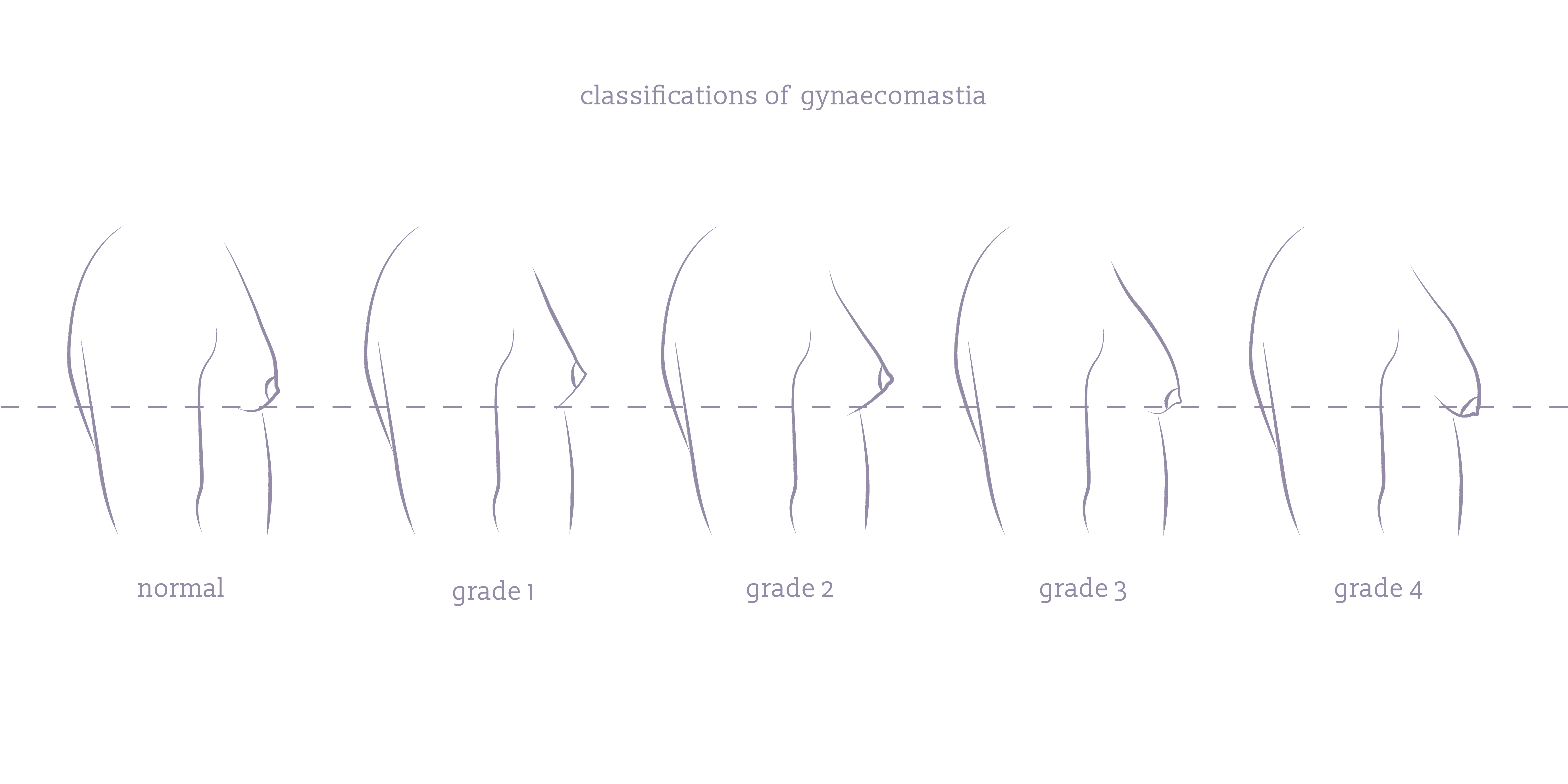
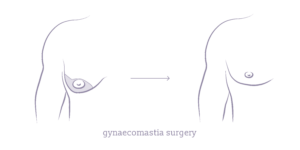
Surgical approaches and techniques
Male breast surgery draws on several distinct techniques, each suited to specific tissue compositions and severity levels. Our plastic surgeons at Me Clinic frequently combine multiple approaches within a single procedure to achieve natural-looking, well-proportioned results for each patient.
Liposuction-based reduction
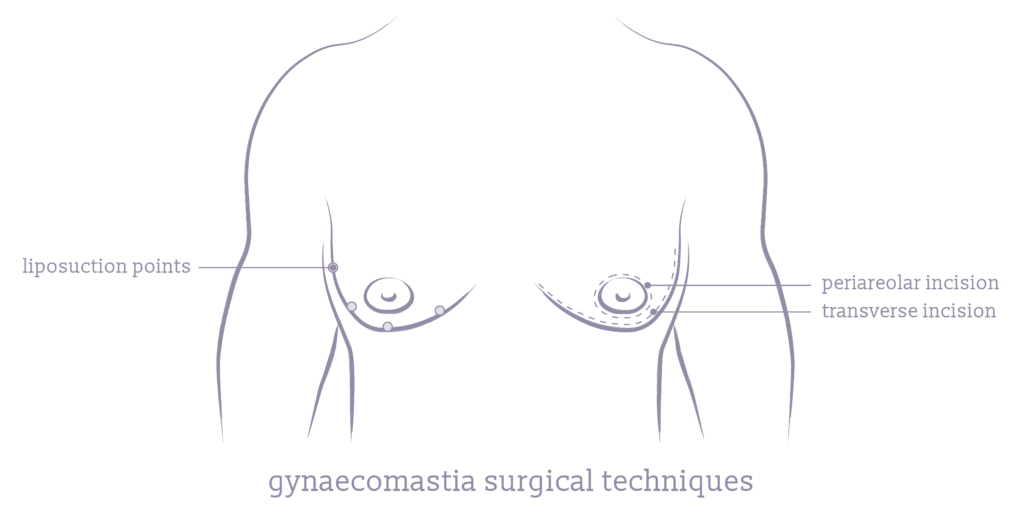
When excess fatty tissue dominates with minimal glandular involvement, liposuction is an effective, minimally invasive option. The surgeon creates small incisions, typically at the chest periphery, and inserts thin cannulas to remove excess fat cells. This approach minimises scarring and reduces volume in a precise, controlled way while preserving natural chest contour.
Modern liposuction techniques include tumescent liposuction, where fluid is injected to facilitate fat removal and reduce bleeding, as well as power-assisted or ultrasound-assisted methods that help break down fibrous tissue. The technique selected will always depend on your individual tissue density and distribution — there is no single approach that suits every patient.
Excision techniques
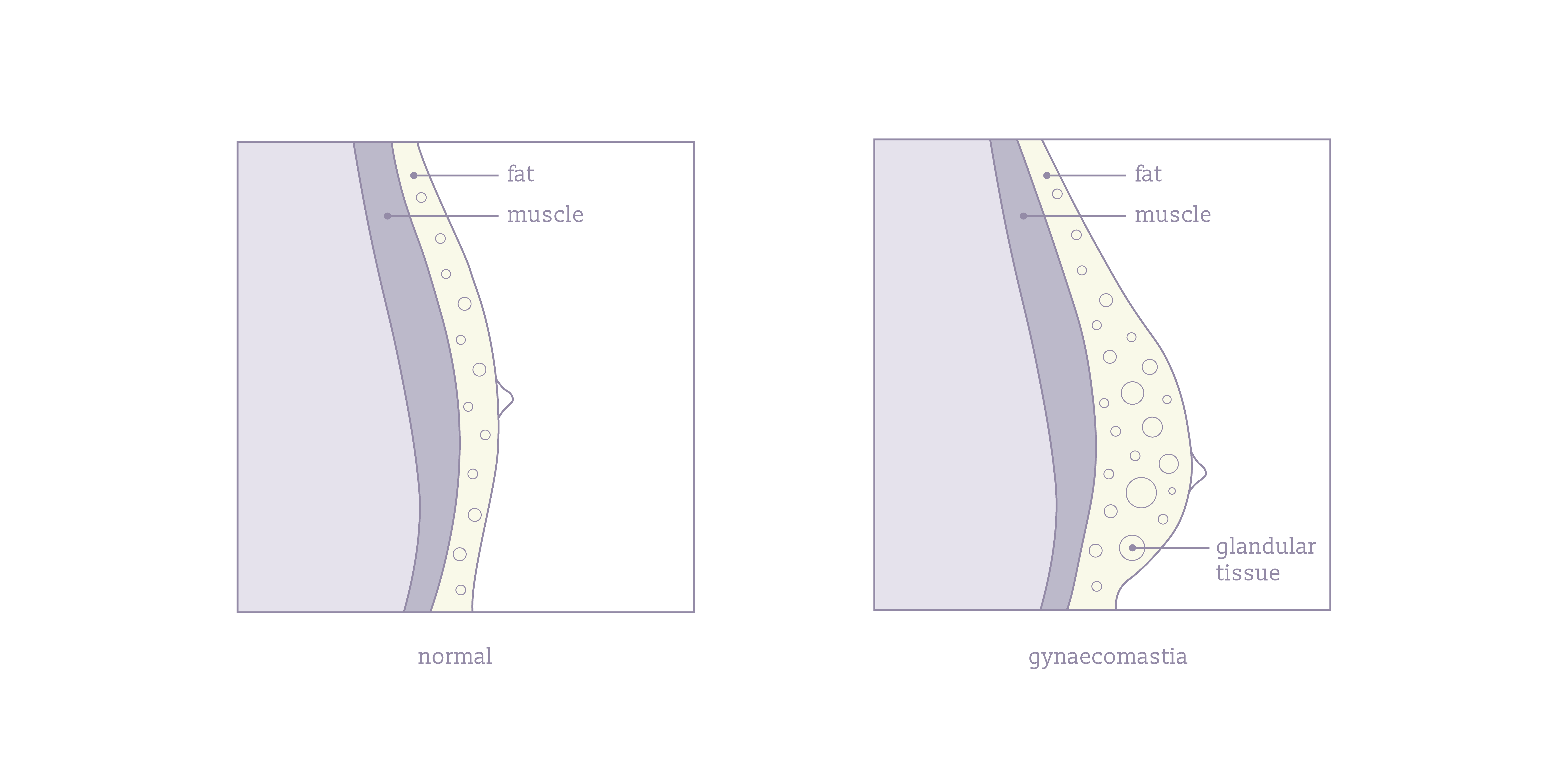
Glandular tissue resists liposuction and requires direct surgical excision. The surgeon makes an incision, commonly along the lower border of the areola where it meets normal skin, to access and remove firm breast tissue while positioning the resulting scar within the natural colour transition.
For more significant gynaecomatia involving greater tissue excess and skin laxity, extended excision patterns may be necessary. These can include vertical incisions extending downward from the areola or horizontal incisions along the chest crease, similar to patterns used in female breast reduction. While these approaches create more visible scarring, they enable comprehensive tissue removal and skin tightening that is essential in cases with substantial redundancy. Your surgeon will be transparent about what to expect so you can make a fully informed decision.
Combined approach
Most gynaecomatia surgeries at Me Clinic use both liposuction and excision together. The surgeon first performs liposuction to reduce fatty tissue and refine overall contour, then excises glandular tissue through carefully placed incisions. This combination addresses all tissue components while minimising incision length and producing better aesthetic outcomes — a reflection of the skill and experience our surgical team brings to every procedure.
Nipple and areola considerations
Enlarged or puffy nipples frequently accompany gynaecomatia. During surgery, the surgeon may reduce areola diameter by removing a ring of pigmented tissue and reattaching the nipple at a smaller circumference. When significant tissue removal has occurred, repositioning the nipple-areola complex higher on the chest helps create more natural-looking proportions.
For complex cases involving significant weight loss or severe gynaecomatia, maintaining adequate blood supply to the nipple during extensive tissue removal may require the surgeon to preserve the nipple on a pedicle, a stalk of tissue containing blood vessels, or in the most involved cases, perform free nipple grafting, where the nipple is completely removed and carefully reattached. Your surgeon will explain which approach suits your circumstances, and why.
Candidacy and patient selection
At Me Clinic, patient wellbeing comes first, which means ensuring surgery is genuinely the right choice before we proceed. Good candidates for male breast surgery meet several criteria indicating both medical appropriateness and a clear understanding of realistic expectations.
Candidates should have reached full physical maturity, typically after age 18, since adolescent gynaecomatia often resolves spontaneously as hormone levels stabilise. Operating on still-developing chest tissue risks incomplete correction or recurrence as growth continues, and we would never recommend surgery before the time is right.
Weight stability matters equally. Significant weight fluctuations after surgery can compromise results, as fat cells may reaccumulate or skin may develop new laxity. Candidates should be at or near their goal weight and committed to maintaining it through sustainable long-term habits.
Medical optimisation is non-negotiable. Underlying conditions contributing to gynaecomatia, including hormonal disorders, liver disease, and medication side effects, should be identified and appropriately managed before surgery is considered. Uncontrolled health conditions increase surgical risks and may lead to recurrence if the root cause goes unaddressed.
Smoking cessation is universally required. Nicotine constricts blood vessels, severely compromising healing and significantly increasing risks of skin loss, nipple necrosis, infection, and poor scarring. Our surgical team will advise you on the specific cessation timeframe required before and after your procedure, typically several weeks on either side.
Psychological readiness and realistic expectations are what separate satisfied patients from disappointed ones. Surgery corrects the physical manifestation of gynaecomatia, but it does not resolve unrelated body image concerns or guarantee specific aesthetic outcomes. Understanding what the procedure can and cannot achieve, accepting that permanent scarring is part of the process, and committing to recovery protocols are all prerequisites for a positive experience. Our team is here to work through these considerations with you honestly.
Preparation for surgery
Preparation covers medical optimisation, logistical planning, and emotional readiness. A well-prepared patient is a more confident patient, and we'll guide you through every step.
Medical evaluation
Preoperative assessment includes a complete medical history review, physical examination, and often laboratory testing to evaluate overall health and identify risk factors. Our surgical team carefully evaluates chest anatomy, tissue composition, skin quality, and any asymmetries that will influence surgical planning.
Medication review is an important part of this process, identifying any drugs that increase bleeding risk or interfere with anaesthesia. Patients typically discontinue anticoagulants, anti-inflammatory drugs, and certain supplements in the weeks before surgery. Prescription medications for chronic conditions usually continue, with specific guidance provided by the surgical team.
Lifestyle modifications
Beyond smoking cessation, we encourage patients to optimise their nutrition to support healing, maintain stable weight, and establish realistic activity baselines ahead of surgery. Avoiding alcohol for several weeks before your procedure reduces bleeding risk and supports the liver function required for anaesthesia metabolism.
Practical home preparation matters too. Setting up a comfortable sleeping area that allows for elevation, gathering prescribed medications in advance, arranging ice packs and compression garments, and organising entertainment and work materials will make your recovery period considerably smoother.
Logistical planning
Gynaecomatia surgery requires general anaesthesia or deep sedation, so you'll need transportation arranged for the day of surgery. Most procedures are outpatient, with patients returning home the same day accompanied by a responsible adult.
Taking adequate time away from work and avoiding strenuous activities for the specified recovery period directly protects your results and your health. The duration varies based on procedure extent and individual healing, typically ranging from several days to two weeks for desk-based work and longer for physically demanding roles. Our team will give you clear, personalised guidance on what to expect.
The surgical process
On surgery day, you'll arrive at the Me Clinic surgical facility, complete final consent and preparation, and receive preoperative medications to promote comfort and help prevent infection. The anaesthesia provider then administers either general anaesthesia or intravenous sedation with local anaesthetic infiltration, ensuring you are completely comfortable throughout.
Once anaesthetised, the surgeon marks incision sites and tissue removal zones. The specific sequence depends on the planned technique but typically begins with liposuction where indicated. Tumescent fluid is infiltrated, small access incisions are created, and excess fat is systematically removed while preserving smooth contours and natural chest definition.
Following liposuction, the surgeon proceeds to glandular excision where necessary. After making periareolar or other planned incisions, the surgeon carefully separates breast tissue from overlying skin and underlying muscle, removes the appropriate volume, and works to achieve symmetry between sides.
Throughout the procedure, the surgeon assesses chest contour from multiple angles, comparing sides and evaluating proportions relative to your overall physique. Minor adjustments are made as needed to achieve the most balanced, natural-looking result possible.
Before closing, drainage tubes may be placed if indicated to prevent fluid accumulation. Incisions are then closed in layers to minimise scarring and support proper healing, and a compression garment is applied immediately to control swelling and support the new chest contour.
The procedure typically lasts one to three hours depending on complexity, tissue volume, and whether any additional procedures are being performed at the same time.
Recovery and healing timeline
Post-surgical recovery follows a broadly predictable trajectory, though individual variation is entirely normal. Our team will support you through every phase of this process.
Immediate post-operative period
In the initial period following surgery, expect tightness, soreness, and moderate discomfort, managed with prescribed pain medications. Swelling typically peaks within the first 48–72 hours, and bruising develops progressively, often spreading down the torso due to gravity. The compression garment, worn continuously during this phase, provides essential support and helps control swelling.
Activity restrictions begin immediately. Lifting, pushing, pulling, or reaching overhead must be avoided to prevent strain on healing tissues, as must anything that elevates heart rate or blood pressure significantly, since this could trigger bleeding. Most patients can manage self-care and gentle walking but will need assistance with household tasks during these early days.
If drainage tubes have been placed, they typically remain for several days to one week. Patients or caregivers will need to empty and measure output, watching for any signs of infection or abnormal drainage. Our team will walk you through exactly what to look for and when to reach out.
Early recovery phase
During the first week, swelling and bruising gradually peak and then begin to subside. Most Me Clinic patients return for their first follow-up visit within this period for incision checks, drainage removal if present, and an assessment of early healing.
Pain typically transitions from sharper post-operative discomfort to a dull ache, often manageable with over-the-counter medications by the end of the first week. Sleep position matters significantly during this time; patients must avoid lying on their chest and will generally need to sleep elevated or on their back for several weeks.
Showering is usually permitted after drainage removal and once incisions are adequately sealed, though your surgeon will give you specific timing guidance. Submersion in baths, pools, or hot tubs remains off-limits until complete healing has occurred.
Intermediate recovery
Weeks two through six represent a gradual return to normalcy. Swelling continues diminishing, though some residual puffiness will persist for months, which is entirely expected. Numbness in the chest, nipples, and surrounding areas is common and may take many months to resolve partially or completely.
Activity expands progressively during this period. Most patients return to desk work within one to two weeks. Exercise is reintroduced carefully: gentle walking is permitted immediately, light cardio after two to three weeks, lower body weight training after three to four weeks, and upper body and chest exercises only after six to eight weeks, with your surgeon's explicit approval.
The compression garment typically remains necessary for four to six weeks continuously, before transitioning to wear during activity only, and then being discontinued entirely.
Long-term healing
Final results emerge gradually over six to twelve months as residual swelling fully resolves and tissues settle into their new configuration. Scars mature through distinct phases, initially appearing red or pink before fading to thin, pale lines. Scar maturation continues for one to two years, and most patients find that with time, scarring becomes far less noticeable than they initially anticipated.
Sensation returns unpredictably. Some areas may remain permanently numb, particularly around incision sites and the nipple-areola complex. Many patients experience hypersensitivity during nerve regeneration before normal sensation returns. Every patient's healing journey is unique.
Potential risks and complications
Like all surgical procedures, male breast surgery carries inherent risks that require honest, informed consideration, and we will never minimise these in our consultations.
Bleeding complications range from minor bruising to hematoma formation requiring drainage. Seromas, fluid accumulations beneath the skin, occur relatively commonly and may require aspiration during office visits. Infection risks remain relatively low but demand prompt treatment when suspected.
Contour irregularities including asymmetry, indentations, or insufficient correction can occur and may require revision surgery. Scarring varies considerably among individuals; some patients develop thicker, raised, or widened scars despite optimal surgical technique and diligent wound care. Your surgeon will discuss this with you openly.
Nipple complications include altered sensation ranging from temporary hypersensitivity to permanent numbness, asymmetric positioning or sizing, and, in rare cases involving very extensive surgery, nipple loss due to compromised blood supply.
Recurrence, though uncommon after complete tissue removal, can occur if the underlying cause persists or if residual tissue responds to future hormonal influences.
Making informed decisions
Selecting a qualified surgeon is the single most important decision in this process. Board certification in plastic surgery, specific experience with gynaecomatia surgery, and a portfolio of representative before-and-after photographs help identify appropriately trained specialists. Me Clinic's surgical team brings over 35 years of experience in male chest surgery, and our consultations are structured to ensure every patient receives thorough, personalised guidance rooted in our Responsible Cosmetic Surgery™ philosophy.
During your consultation, we'll cover candidacy assessment, specific surgical recommendations for your anatomy, expected outcomes, realistic limitations, all potential risks, recovery requirements, and a complete cost breakdown including facility, anaesthesia, and follow-up fees.
Questions worth asking include: How many gynaecomatia procedures do you perform annually? What specific techniques do you recommend for my case, and why? What are realistic expectations for my anatomy? What are your complication rates? What is your revision policy? What will recovery genuinely require of me?
Surgical outcomes, while often significant, are not without natural variation. Minor asymmetries, scarring, and subtle irregularities are normal parts of the surgical process. The goal is meaningful improvement and restored confidence, not perfection.
Financial considerations extend beyond the initial surgery cost. Potential revision procedures, time away from work, recovery supplies, and compression garments all represent additional expenses worth planning for. Most cosmetic gynaecomatia surgery is not covered by private health insurance unless the condition causes documented physical symptoms or results from a medical disorder requiring treatment.
Images on This Page
-
https://www.meclinic.com.au/wp-content/uploads/2024/03/meclinic-logo.png
Me Clinic
-
https://www.meclinic.com.au/wp-content/uploads/2022/02/call.png
call
-
https://www.meclinic.com.au/wp-content/uploads/2024/06/gynaecomastia-surgery-stock-design-300x300.png
A design of a male body without gynaecomastia.
-
https://www.meclinic.com.au/wp-content/uploads/2024/06/regular-male-breasts-vs-gynaecomastia-300x300.png
A side by side illustration of a regular male breast and gynaecomastia.
-
https://www.meclinic.com.au/wp-content/uploads/2024/06/gynaecomastia-surgical-options-diagram-1024x512.png
A diagram of a male body and the different surgical techniques for gynaecomastia surgery.
-
https://www.meclinic.com.au/wp-content/uploads/2024/06/gynaecomastia-glandular-tissu-diagram.png
An infographic of the glandular tissue build up for gynaecomastia.
-
https://www.meclinic.com.au/wp-content/uploads/2024/06/severity-grades-of-gynaecomastia.png
An infographic of the different severities of gynaecomastia from grade 1 to grade 4.
-
https://www.meclinic.com.au/wp-content/uploads/2024/06/gynaecomastia-surgery-before-and-after-design-300x150.png
Illustration of how gynaecomastia surgery can achieve a more aesthetic chest contour.
-
https://www.meclinic.com.au/wp-content/uploads/2024/02/acps.png
(no alt text)
-
https://www.meclinic.com.au/wp-content/uploads/2024/02/racs.png
(no alt text)
-
https://www.meclinic.com.au/wp-content/uploads/2024/02/fracs.png
(no alt text)
-
https://www.meclinic.com.au/wp-content/uploads/2024/02/isaps.png
(no alt text)
-
https://www.meclinic.com.au/wp-content/uploads/2024/02/cpca.png
(no alt text)
-
https://www.meclinic.com.au/wp-content/uploads/2022/02/auscop.png
(no alt text)
-
https://www.meclinic.com.au/wp-content/uploads/2022/02/amav.png
(no alt text)
-
https://www.meclinic.com.au/wp-content/uploads/2022/03/channel7.png
(no alt text)
-
https://www.meclinic.com.au/wp-content/uploads/2022/03/channel9.png
(no alt text)
-
https://www.meclinic.com.au/wp-content/uploads/2022/03/channel10.png
(no alt text)
-
https://www.meclinic.com.au/wp-content/uploads/2022/03/abc.png
(no alt text)
-
https://www.meclinic.com.au/wp-content/uploads/2022/02/malvern-map-thumb.jpg
(no alt text)
-
https://www.meclinic.com.au/wp-content/uploads/2022/03/home-conctact-tab.jpg
(no alt text)
-
https://bat.bing.com/action/0?ti=56339805&Ver=2&mid=7cc787fd-c981-44e6-b2b6-dc8ba2fa2682&bo=1&sid=54441c90e3a911f1b055d73af706c9aa&vid=54444350e3a911f1a8d34f67c6648221&vids=1&msclkid=N&pi=918639831&lg=en-US&sw=800&sh=600&sc=24&nwd=1&tl=Gynaecomastia%20Surgery%20%7C%20complete%20guide%20for%20male%20breast%20reduction&p=https%3A%2F%2Fwww.meclinic.com.au%2Fbody%2Fmale-breast-surgery%2Fgynaecomastia-surgery%2F&r=<=1995&evt=pageLoad&sv=2&cdb=AQAQ&rn=316696
(no alt text)