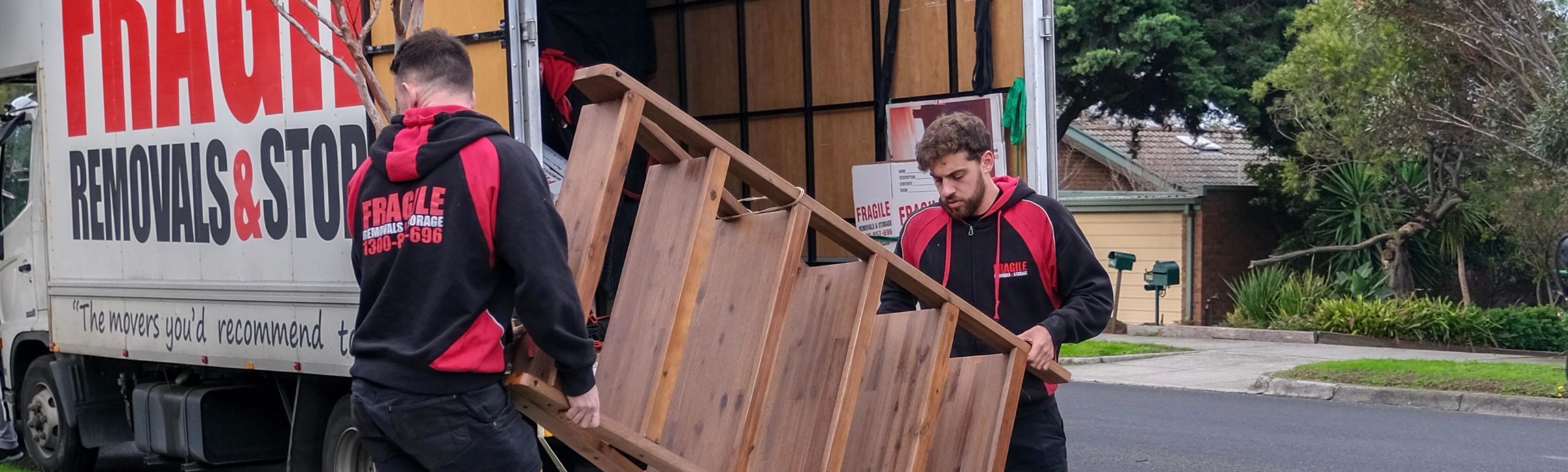
Why use a professional furniture removalist?
A professional furniture removalist can organise the handling and transport of furniture between properties and may offer packing, dismantling, reassembly or storage where agreed. The value depends on the items, access and services you need. Start by defining that work rather than assuming every booking includes the whole moving process.
Fragile Removals describes household moving services in Perth, Sydney, Melbourne and Brisbane, with a no-obligation quote. Discuss the actual addresses, inventory and preparation requirements before comparing the offer with another provider or a self-managed move.
Match the service to your furniture and access
List couches, beds, tables, chairs, wardrobes and other items you intend to move. Include dimensions for large pieces and describe delicate surfaces, loose parts or existing damage. Tell the assessor about pianos, pool tables, fridges or other goods that may need particular handling.
Check the route through both properties, including doors, stairs, lifts and narrow turns. Ask whether the furniture can reach its intended room in the agreed configuration. A truck with a lift or ramp does not by itself solve every access constraint inside the property.
Professional movers may use padding, straps, trolleys and other equipment as appropriate. Confirm the assessed method for the actual item and setting. Do not assume that all providers have identical equipment or that every object can be treated like ordinary household furniture.
Decide whether dismantling is appropriate
Some beds, wardrobes and other furniture may be suitable for dismantling to assist transport or access. Check the manufacturer's instructions and the item's condition. Not every construction is intended to be taken apart repeatedly, and an unknown method should not be improvised on moving day.
Agree who will dismantle the item, keep fittings and instructions identifiable, and confirm who will reassemble it. Have those tasks included in the written scope if you want the mover to perform them. Transport alone does not establish that the crew will rebuild every item at the destination.
If parts are damaged or missing, tell the provider before work starts and agree how to proceed. Do not conceal the issue under wrapping or ask a helper to make an unplanned repair. The preparation decision should account for the furniture's actual condition.
Choose the packing and unpacking scope
Ask whether the quote includes professional packing, which belongings it covers and which materials are included. If you will pack boxes yourself, obtain any relevant preparation instructions and finish the agreed work before collection. A full-service label still needs a specific list of inclusions.
Confirm whether unpacking is offered and what it means for the booking. Delivery to a room, removal of protective wrapping and unpacking household contents are different tasks. Establish whether packaging removal is included if that matters to your plan.
Use suitable packing materials and keep personal essentials separate. Do not assume drawers or dressers should remain full to save box space. Follow the maker's instructions and the mover's assessed handling requirements for the particular item.
Keep appliance and disposal work explicit
Fridges, washing machines and dishwashers need preparation that depends on their model and connections. Ask who will disconnect and prepare them, and arrange qualified work where required. A furniture transport service does not automatically include plumbing, electrical work or installation.
If an appliance or furniture item is unwanted, discuss disposal, donation or another delivery destination separately. Confirm that the provider accepts the task and the goods. Do not assume every removalist will take unwanted appliances away or that disposal is included in the household move.
The furniture donation guide gives organisations and acceptance checks to consider. Arrange those collections early enough that a refused item does not become an unresolved moving-day problem.
Compare experience, terms and total scope
Ask about moves involving similar goods and access. Read relevant customer reviews, considering the service and date rather than treating one review as a guarantee. Confirm the business and contact arrangements and resolve unclear answers before booking.
Request quotes using the same inventory, dates and services. Compare the pricing basis, included tasks, access assumptions, minimum charges and variation terms. Multiple quotes can improve your understanding, but they do not guarantee that you have found the lowest possible price or best service.
Discuss the payment schedule and cancellation or change terms. Keep the accepted scope and important answers in writing. If the inventory changes after decluttering, ask whether the quote needs to be revised rather than assuming a particular saving.
Understand cover and damage reporting
Ask about the actual insurance and cover available for your move, including exclusions, declared values and packing conditions. A mover having insurance does not establish that all damage or loss is covered. Read the relevant documents and ask for clarification before deciding.
Find out how visible condition is recorded and how to report a concern. Keep photographs and inventory details for valuable or delicate items as appropriate. Do not assume that something damaged will be replaced immediately or that the outcome can be established without the applicable terms and facts.
If a problem occurs, record it and contact the company promptly through the agreed process. Preserve relevant packing details and correspondence. For a valuable or delicate item, seek appropriate advice before attempting a repair that could complicate assessment.
Use preparation to make the service more useful
Start packing early enough to identify material shortages and specialist items. Declutter before finalising the inventory where possible. Group and label boxes by destination room so the team can place them without repeated questions.
Keep the carrying routes available and arrange a responsible contact at collection and delivery. Explain which items are staying and which are travelling separately. Do not ask the crew to decide a property inclusion dispute or guess which unlabelled goods belong on the load.
If the new property is not ready, discuss storage and the later delivery arrangement before dispatch. Check access, availability and relevant charges for the chosen option. A general storage offer does not reserve a space or establish suitability for every item.
Check the result before settling into the new home
At delivery, compare the furniture and boxes with the inventory and confirm their intended rooms. Check the completion of any agreed reassembly and refer technical installation or testing to the relevant provider. Do not assume transport completion means every appliance is ready to use.
Report missing goods, visible damage or unfinished agreed tasks promptly. Keep a record of the next action and responsible contact. To plan a move with Fragile Removals, call 1800 500 584 or complete the detailed quote form with the inventory, addresses and services you need.
Does every furniture removal booking include packing and reassembly?
No. Packing, materials, dismantling, reassembly and unpacking should each be identified in the written scope. A transport booking may include only the agreed handling between the properties. Explain which furniture needs preparation and whether you want the mover to perform it, then confirm suitability against the item’s instructions and condition. Keep fittings and destination information ready where required. Clear inclusions let you compare the service and know what must be complete before the crew arrives.
Can I leave a dresser full to save packing space?
Do not assume a full dresser is suitable to move. Follow the furniture maker’s guidance and the mover’s assessment of its construction, contents, weight and route. Emptying can reduce the handling load, but drawers may need to be removed or secured in a model-appropriate way. Pack the contents in suitable cartons and keep separately travelling parts identified. Agree the preparation before collection rather than leaving a heavy piece loaded to save boxes or expecting the crew to decide while lifting it.
Will the removalist dispose of unwanted appliances?
Only where the task, item and destination are accepted and agreed. Ask about any separate service and charges before leaving an appliance for the crew. If arranging donation or disposal yourself, confirm the receiving organisation’s requirements, collection date and access, with a fallback if it fails. Keep those goods distinct from the moving inventory. Update the removalist if an item unexpectedly needs to travel, and use appropriate technical help for any required disconnection before an appliance is handled.
Does insurance guarantee immediate replacement of damaged furniture?
No. The response to damage depends on the actual cover, conditions and circumstances. Ask what insurance is available for your belongings, how values are recorded, which exclusions and excess apply and how concerns must be reported. Keep the inventory and condition information accessible and raise issues through the stated process. A broad insurance description does not establish immediate replacement of every piece. Resolve questions about delicate, valuable or owner-packed goods before relying on the arrangement.
What practical value can a professional furniture mover provide?
A suitable provider can assess the load and access, plan equipment and handling, and coordinate the agreed collection and delivery tasks. Additional packing, dismantling, assembly or storage may reduce work you need to arrange yourself when included. Give the team accurate dimensions, condition and special-item details so that value relates to your furniture rather than a generic service claim. Compare the full written scope, timing and responsibilities with your alternatives before deciding what help you need.
Images on This Page
-
https://www.fragileremovals.com.au/wp-content/uploads/2025/07/Logo.svg
Logo
-
https://www.fragileremovals.com.au/wp-content/uploads/2020/10/Oak-47-1-scaled-1.jpeg
(no alt text)
-
data:image/svg+xml,%3Csvg%20xmlns='http://www.w3.org/2000/svg'%20viewBox='0%200%20240%20340'%3E%3C/svg%3E
(no alt text)
-
https://www.fragileremovals.com.au/wp-content/uploads/2025/08/bg-pattern2.png
(no alt text)
-
data:image/svg+xml,%3Csvg%20xmlns='http://www.w3.org/2000/svg'%20viewBox='0%200%20254%2091'%3E%3C/svg%3E
(no alt text)
-
https://www.fragileremovals.com.au/wp-content/uploads/2025/07/footer-logo.svg
(no alt text)
-
data:image/svg+xml,%3Csvg%20xmlns='http://www.w3.org/2000/svg'%20viewBox='0%200%20109%20217'%3E%3C/svg%3E
AFRA Member
-
https://www.fragileremovals.com.au/wp-content/uploads/2025/07/member.png
AFRA Member