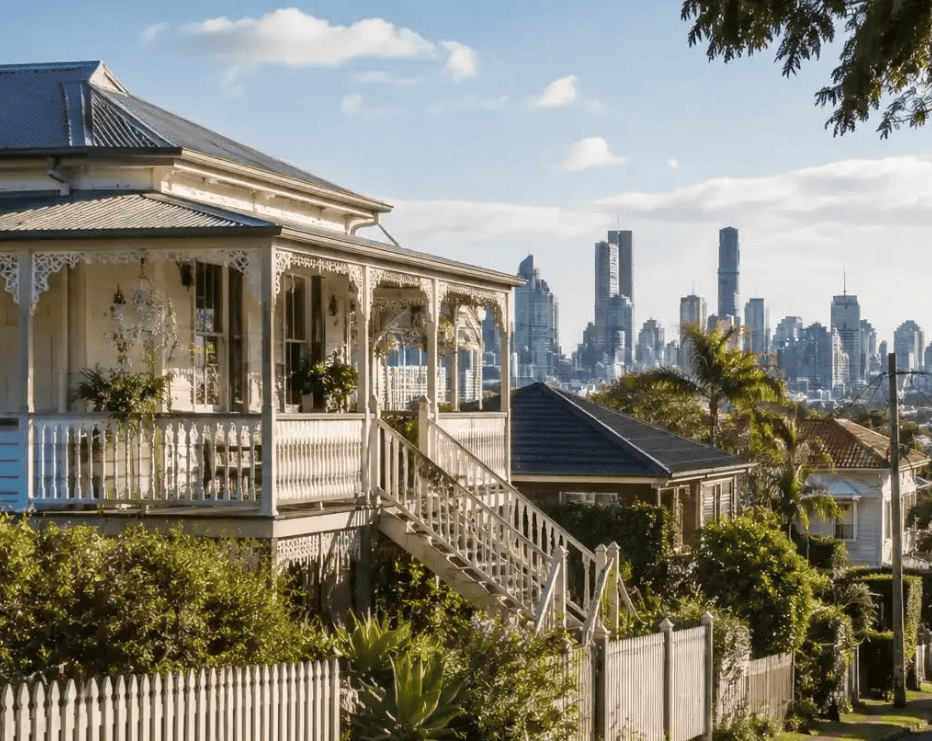
Best Suburbs to Live in Brisbane: A Relocation Guide
Choose a Brisbane suburb by your ordinary week: your commute, housing needs, school requirements and preferred setting. The shortlist below compares different lifestyles rather than ranking every address. Check flooding, catchments and access for the specific property before committing.
This relocation shortlist was published on 10 September 2026. Transport, school arrangements and property conditions should be checked when you make your decision. Once you have an address, use how to choose a good removalist and the moving timeline to plan delivery.
Ask ten Brisbane locals where you should live and there’s a good chance you’ll get ten different answers.
That’s because the best suburbs in Brisbane depend less on a universal ranking and more on what you want from everyday life. One person might happily trade a bigger backyard for cafés and a short trip into the CBD. Another may care far more about schools, parks, and having enough room for the kids. Others want the river, the bay, a train station nearby, or simply somewhere quieter at the end of the working day.
If you’re relocating from interstate, choosing gets harder because Brisbane doesn’t always behave the way a map suggests. Travel patterns, hills, river crossings, school catchments, flood exposure, and even differences between streets within the same suburb can all affect whether somewhere works for you. Ultimately, Brisbane is better approached as a collection of distinct neighbourhoods rather than one uniform property market.
So rather than declaring one suburb the winner, we’ve looked at some of Brisbane’s strongest options for different lifestyles.
The best Brisbane suburbs
| Your priority | Consider | Why it stands out |
| A strong all-round inner-city option | Paddington | Character, local dining, greenery, and easy CBD access |
| Riverside inner-city living | New Farm | Parks, apartments, restaurants, ferries, and proximity to the city |
| Culture and walkability | West End | Dining, markets, independent businesses, and an urban neighbourhood feel |
| An easy commute | Toowong | Train, bus, bikeway, and relatively quick CBD access |
| A family-friendly inner suburb | Ashgrove | Established residential streets, parks, and reasonable access to the city |
| Schools, transport, and everyday convenience | Indooroopilly | Rail, shopping, schools, and access to the western suburbs |
| More suburban family living | Carindale | Larger residential areas, parks, shopping, and bus connections |
| A bayside lifestyle | Sandgate | Waterfront recreation, village atmosphere, and train access |
There are plenty of other nice suburbs in Brisbane, including Bardon, Wilston, Camp Hill, Graceville, Manly, Wynnum, and Nundah. The purpose of this shortlist isn’t to suggest everywhere else falls short. It’s to give you a useful starting point across several versions of Brisbane life that are quite different.
1. Paddington: a strong all-rounder close to the city
Paddington regularly appears on lists of Brisbane’s most desirable suburbs, and it isn’t difficult to understand why.
Just west of the CBD, it combines the character of an established residential suburb with enough cafés, restaurants, shops, and local activity to avoid feeling sleepy. Its hills are lined with traditional Queenslanders and character homes, while neighbouring Red Hill and Bardon extend that inner-west feel further from the centre.
Paddington suits people who want to stay fairly close to the CBD without giving up the neighbourhood atmosphere of a predominantly residential area. It can work particularly well for professionals, couples, and families prepared to pay a premium for location and character.
There are trade-offs. The hills that give parts of Paddington their views can make walking more demanding, while older homes often come with steep stairs and tighter access. This is an important consideration when buying or renting, but it also counts on moving day.
| Good fit for Inner-city convenience without apartment living. |
2. New Farm: best for riverside inner-city living
If your ideal Brisbane lifestyle involves morning walks by the river, eating out nearby, and rarely feeling far from the centre, New Farm deserves a place on the shortlist.
The suburb sits immediately east of the CBD and combines apartments, older homes, riverside recreation, dining, and easy access to nearby Fortitude Valley and Teneriffe. New Farm Park gives the suburb a sizeable green centre, while ferry services add another commuting option to buses, cycling, and driving.
That combination makes New Farm especially appealing to professionals, couples, downsizers, and anyone who wants an urban lifestyle without living directly in the CBD.
The housing mix is an important consideration when relocating. An apartment move can involve lift bookings, building access rules, restricted moving times, and loading arrangements that you simply don’t encounter with a suburban house. If New Farm is on your list, check those details before you commit to a moving date.
| Good fit for Professionals and anyone prioritising river access, dining, and proximity to the CBD. |
3. West End: best for culture, food, and walkability
West End feels different from much of suburban Brisbane.
Its restaurants, cafés, markets, independent shops, older homes, apartment buildings, and proximity to South Brisbane give it a busier, more eclectic character. It also puts you close to South Bank, cultural institutions, universities, hospitals, and the CBD.
For people moving from inner Melbourne or Sydney, West End can feel more familiar than some of Brisbane’s quieter residential suburbs. Daily life can revolve around walking to local businesses rather than driving for every errand.
That urban convenience comes with the usual compromises. Housing is denser in places, traffic can get busy, and different parts of the suburb offer noticeably different experiences.
Flooding should also be investigated at the individual-property level rather than making assumptions based on the suburb name. Brisbane City Council’s Flood Awareness Map lets you search a specific address and view the likelihood of several forms of flooding. A FloodWise Property Report can provide more property-specific information.
| Good fit for People who value food, culture, walkability, and inner-city activity. |
4. Toowong: best for commuters who want options
Being close to work is useful. Having more than one practical way to get there is better.
Toowong, west of the CBD, offers a particularly useful mix of train and bus connections, while the Bicentennial Bikeway provides an off-road route alongside the Brisbane River towards the city. The bikeway is a 4.8 km route running from Toowong to the CBD, with connections towards South Bank, Kangaroo Point, and New Farm.
That makes Toowong worth considering for CBD workers, students, university staff, and households that don’t want every adult to depend on a car.
There’s also a varied housing mix, from apartments close to the commercial centre to established homes further into the suburb.
As with many Brisbane suburbs, though, assess the address rather than only the postcode. A home on a quiet elevated street and an apartment beside a major road can offer completely different experiences despite both being in Toowong.
| Good fit for Commuters, students, professionals, and households wanting strong transport choices. |
5. Ashgrove: one of Brisbane’s strongest family options
Ashgrove gives families a useful compromise: established suburban living without heading particularly far from central Brisbane.
Residential streets, local shopping, schools, parks, and access to green space all contribute to its popularity. The Enoggera Creek Bikeway also connects Ashgrove with Red Hill, Newmarket, Windsor, and Herston, passing several parks and recreation areas along the way.
That makes Ashgrove one of the best family suburbs in Brisbane to investigate if you want more of a traditional suburban environment while keeping reasonable access to the inner city.
Families relocating specifically for a school should still avoid choosing a home based on the suburb name alone. Queensland state schools operate catchment areas, and some schools restrict out-of-catchment enrolments. The Queensland Government’s EdMap allows families to search an exact residential address to see which state-school catchments apply.
| Good fit for Families wanting established residential streets, green space, and inner-northwest access. |
6. Indooroopilly: good for schools, shopping, and transport
Indooroopilly is one of Brisbane’s major western centres rather than simply a residential suburb.
It offers train and bus connections, a large shopping precinct, apartments, townhouses, and established family homes. The suburb also sits conveniently for the University of Queensland and other parts of Brisbane’s inner west.
For families, access to education is another reason Indooroopilly and neighbouring western suburbs such as Taringa, Chapel Hill, and Kenmore often make relocation shortlists. But again, school choice needs to be researched at address level rather than assuming residence anywhere in the suburb secures a particular enrolment.
Indooroopilly may particularly suit households where different family members have different daily destinations. Good transport and road connections can be more useful than choosing a suburb simply because it is a few kilometres closer to the CBD.
| Good fit for Families and professionals who put transport, shopping, and education access high on the list. |
7. Carindale: best for a more suburban family lifestyle
Not everybody relocating to Brisbane wants to live near the river or within a few kilometres of the CBD.
Carindale, in Brisbane’s east, provides a more suburban alternative. It is known for larger residential areas, parks, family homes, and the major shopping and transport hub around Westfield Carindale. Bus connections serve the suburb rather than rail, so it is worth testing the journey to your workplace at the times you’ll typically travel.
The last point is especially important in Brisbane. Distance from the CBD alone is a poor measure of convenience. The right side of the city for your job, school, family, or regular activities can save far more time than simply choosing the smallest kilometre figure on a property listing.
Carindale can consequently work well for a household that values space and everyday amenities more than an inner-city address.
| Good fit for Families wanting a conventional suburban setting with major shopping and services nearby. |
8. Sandgate: best for bayside living without leaving Brisbane behind
Brisbane isn’t a beach city in the Sydney sense, but its bayside suburbs offer a very different lifestyle from the inner city.
Sandgate sits on Bramble Bay north-east of the CBD and has foreshore walks, parks, local cafés, older housing, and a centre that feels more like a small town than a city suburb. Importantly for commuters, it also has a rail connection back towards central Brisbane.
Nearby Shorncliffe offers a similarly relaxed feel, while Wynnum and Manly provide south-eastern alternatives for anyone drawn to the bay.
For someone working remotely, semi-remotely, or simply willing to trade a longer CBD journey for water and open space, these can be some of the nicest suburbs in Brisbane to explore.
Just remember that bayside living adds other property questions. Storm-tide and flood exposure can vary by address, so Council flood information should form part of your research before signing a lease or buying.
| Good fit for People who want a slower pace, waterfront recreation, and a stronger neighbourhood feel. |
What about Brisbane’s up-and-coming suburbs?
“Up and coming” is one of those phrases that can mean almost anything in property content. For a person planning to live somewhere, a better question would be which established suburbs are becoming more convenient or attracting more amenities without already having the profile of Brisbane’s best-known inner areas?
Nundah and Banyo on the northside are worth exploring from that perspective.
Nundah has a train station, a growing dining and retail centre, and access to the Kedron Brook Bikeway, which runs through Brisbane’s northern suburbs. Banyo also has rail access and sits relatively conveniently for the airport and northern employment areas.
Tingalpa in the east is another area that appears regularly in discussions about up-and-coming suburbs in Brisbane, particularly for people looking beyond the inner ring.
Treat future-growth predictions carefully, though. A suburb being tipped for investment growth doesn’t tell you whether you’ll enjoy living there. Visit at different times, test the commute, and judge what already exists rather than choosing purely on what somebody predicts may happen.
How to choose between Brisbane suburbs
A shortlist is only the beginning. Once two or three suburbs appeal to you, compare them using the things that will affect your normal week rather than your first impression on a Saturday afternoon.
Test the real commute
Don’t rely only on kilometres from the CBD.
Use the actual workplace address and check travel at the time you expect to commute. Brisbane’s public transport network includes buses, trains, and ferries, with high-frequency services on selected routes and corridors.
If you rarely travel into the CBD, being close to it may not deserve the premium you would otherwise pay.
Check school catchments by address
If schools will influence the move, research the precise property.
A state school catchment determines the local school for an address, while out-of-catchment applications are not guaranteed. Catchments and enrolment arrangements can also change.
Look at flood information before falling in love with the house
Brisbane’s relationship with its river, creeks, and subtropical weather is part of living in the city.
Flood exposure can change from street to street. It is recommended that you search the exact property through the council’s Flood Awareness Map.
This is worth doing whether you’re buying or renting.
Decide what kind of home you want
Brisbane housing varies significantly between suburbs.
Inner areas may offer apartments, terraces, cottages, and traditional Queenslanders. Moving further out generally opens up more detached housing, contemporary homes, and larger blocks.
The home type can change the moving process too. A Queenslander may mean stairs, narrow entrances, and elevated access. An apartment can mean lift reservations and loading restrictions. A suburban house may be physically easier to access but further from where your removalists are travelling.
Spend time there before committing
If possible, visit a prospective suburb more than once.
Go during the morning commute. Walk around after dark. Buy groceries. Find the nearest park. See whether getting to the station is genuinely convenient rather than technically possible. Drive to work, school, or family.
A suburb that looks perfect on paper can feel very different once you simulate an ordinary weekday.
Moving to Brisbane from interstate
If Brisbane is more than a change of suburb and you’re relocating from another state, start planning the move once you have a likely address and timeframe.
Working out access at the destination early helps your removalist plan the right vehicle, crew, and delivery arrangements. Apartment buildings may require booked lifts or defined moving windows, while Brisbane’s older hillside suburbs can present steep driveways, stair access, and limited truck parking.
Fragile Removals & Storage provides both local Brisbane removalists and interstate removalists in Brisbane, so you can plan either a move within the city or a relocation from another state.
So, what is the best suburb to live in Brisbane?
There isn’t one.
Paddington may be a great match if you want character and inner-city convenience. New Farm makes sense if the river and city lifestyle are high priorities. Ashgrove and Carindale give families very different versions of suburban Brisbane, while Sandgate trades some inner-city convenience for the appeal of the bay.
The most liveable suburbs in Brisbane are ultimately the ones that make your own routine easier.
Once you’ve found the Brisbane suburb that feels right, the next step is working out the move itself. Contact Fragile Removals & Storage to discuss your relocation and what you’ll need on moving day.
Turn the shortlist into a delivery plan
Before confirming a moving date, record the property access, stairs, lift booking requirements, truck parking and any restricted delivery hours. If the address or access changes, update the removalist so the quote and arrival plan can be checked again. Keep the moving advice index handy for appliance preparation and the final handover checks.
Which side of Brisbane is best to live on?
There is no universally better side of Brisbane. The article contrasts established residential areas in the inner west and north, urban precincts and institutions in the inner south, bayside options to the east and north, and more suburban housing further out. Start with your workplace and the other destinations you visit every week. Compare the full journey, property type and current cost at shortlisted addresses rather than choosing north or south first. Check the individual property and its access before converting the shortlist into a move.
What are the best Brisbane suburbs for families?
The guide identifies Ashgrove, Indooroopilly, Carindale, Camp Hill and Chapel Hill as family options to investigate. Compare the housing you need, current budget, daily travel and the services important to your household. If a state school influences the choice, check the exact address using Queensland’s EdMap and confirm enrolment arrangements with the school; an area’s reputation does not establish a place for a child. Visit shortlisted properties where possible and consider the routine for the whole family rather than the suburb label alone.
What are some good Brisbane suburbs for young professionals?
The article highlights New Farm, West End, Toowong, Paddington, Teneriffe, Newstead and South Brisbane for readers comparing inner-city access and amenities. Your workplace location and working hours are important filters. Test the door-to-door journey, including walking and connections, and consider whether the home suits working from home, parking or other needs. Check current property costs and spend time near the address if possible. Being closest to the CBD is not automatically the most convenient arrangement for your particular routine.
Where should I live in Brisbane if I want to be near the water?
The guide suggests New Farm, Teneriffe, West End and Bulimba for riverside research, and Sandgate, Shorncliffe, Wynnum and Manly for bayside options. Decide whether you want a river precinct or a coastal routine, then compare actual properties, travel and available services. Check property-specific flood and storm-tide information before committing and use appropriate professional advice if information is unclear. A waterside suburb name does not establish the exposure or suitability of every dwelling, so keep the address-level checks alongside the lifestyle comparison.
Do I need to check flood risk before moving to Brisbane?
Yes, check the individual property you are considering. The guide points readers to Brisbane City Council’s Flood Awareness Map and more detailed FloodWise Property Reports, which provide address-related flood information. Review the types of information available rather than relying on the general reputation of a suburb or a nearby street. Keep the property details and any questions together and seek clarification through the relevant council or professional contact where needed. Use the findings as part of your property decision before arranging the furniture delivery.
Is it better to live close to Brisbane CBD or near a train line?
Compare the complete trip you will make rather than CBD distance alone. A further-out home near a useful train or bus connection may fit your routine better than a closer address with awkward transfers; ferries or cycling may also be relevant to some trips. Check current services at the times you travel, including the walk at each end. Consider other regular destinations and the home’s cost and suitability, then use that combined comparison to narrow your Brisbane shortlist.
What should I arrange once I choose a Brisbane property?
Confirm the first day you can receive furniture, then provide the full addresses, inventory, dates and access details to the removalist. For an apartment, clarify loading, lift bookings and the building contact; for any property, disclose stairs, long carries and difficult furniture. If arriving from interstate, ask for collection and delivery windows and keep essentials available for the gap. Request packing or storage explicitly and confirm the final scope and price in writing before relying on the plan.
Images on This Page
-
https://www.fragileremovals.com.au/wp-content/uploads/2025/07/Logo.svg
Logo
-
https://www.fragileremovals.com.au/wp-content/uploads/2026/09/best-suburbs.png
Queenslander home in a leafy Brisbane suburb overlooking the city skyline
-
data:image/svg+xml,%3Csvg%20xmlns='http://www.w3.org/2000/svg'%20viewBox='0%200%2050%2047'%3E%3C/svg%3E
hand
-
https://www.fragileremovals.com.au/wp-content/uploads/2026/09/hand.png
hand
-
data:image/svg+xml,%3Csvg%20xmlns='http://www.w3.org/2000/svg'%20viewBox='0%200%20240%20340'%3E%3C/svg%3E
(no alt text)
-
https://www.fragileremovals.com.au/wp-content/uploads/2025/08/bg-pattern2.png
(no alt text)
-
data:image/svg+xml,%3Csvg%20xmlns='http://www.w3.org/2000/svg'%20viewBox='0%200%20254%2091'%3E%3C/svg%3E
(no alt text)
-
https://www.fragileremovals.com.au/wp-content/uploads/2025/07/footer-logo.svg
(no alt text)
-
data:image/svg+xml,%3Csvg%20xmlns='http://www.w3.org/2000/svg'%20viewBox='0%200%20109%20217'%3E%3C/svg%3E
AFRA Member
-
https://www.fragileremovals.com.au/wp-content/uploads/2025/07/member.png
AFRA Member